A used car is often judged by its photos long before anyone reads the price or the mileage. Most dealership photos are taken in a hurry on a crowded lot, with dull skies, distracting backgrounds, and dirty wheels. Buyers scroll past those listings without a second thought. With AI photo tools you can fix all of that from your laptop, turning flat lot photos into clean, professional images that make a car look cared for. Dealerships list new cars every week, so this is repeat work, not a one-off job. Here are 10 AI car listing photo enhancements you can offer to dealerships.
1. Studio Background Replacement
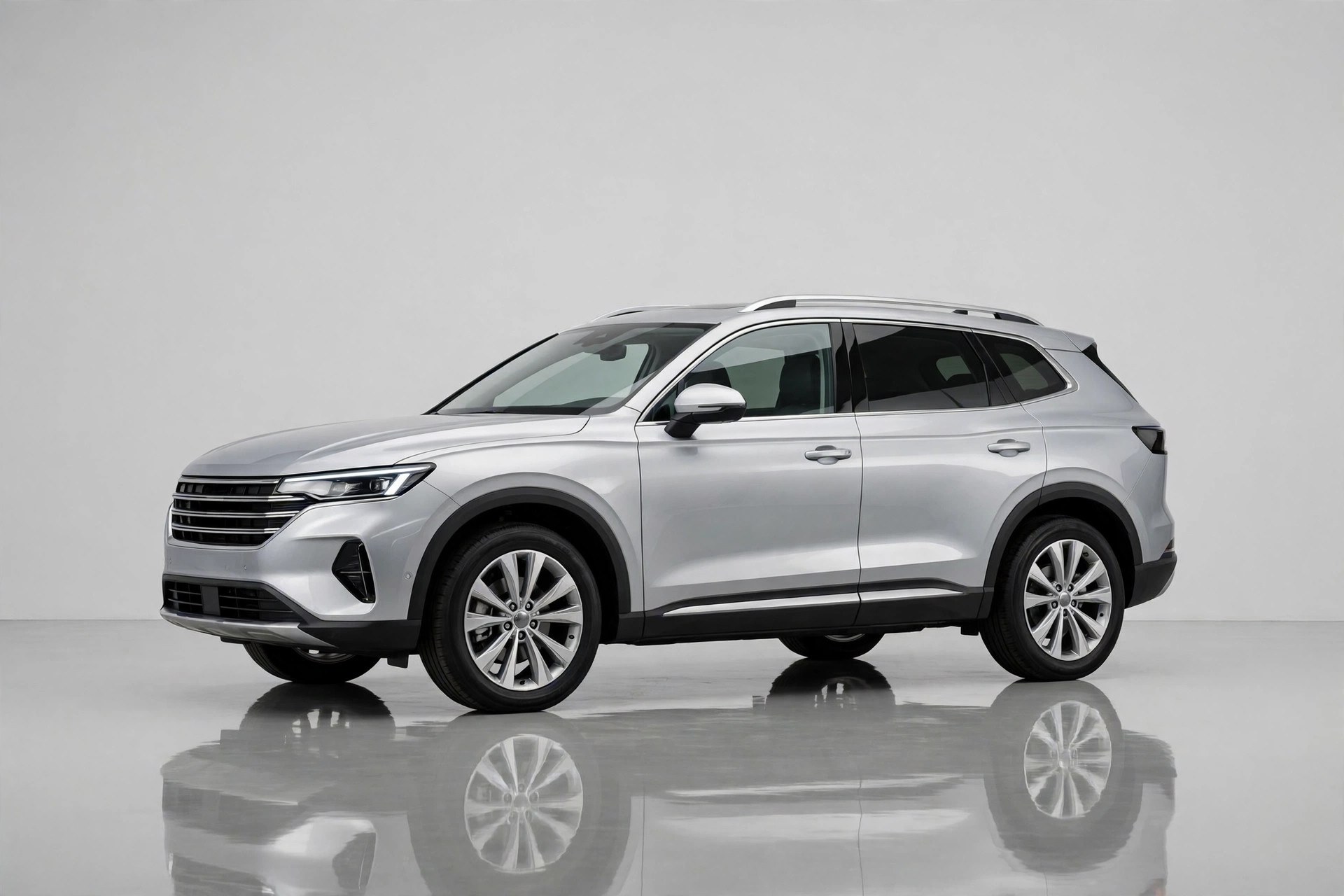
The fastest way to make a car photo look professional is to replace the messy lot behind it with a clean studio backdrop. You cut the car out of its photo and place it against a plain light-grey or white studio background, with a soft shadow underneath so it still looks grounded. AI background removal does the cutout in seconds, though you will still tidy the edges around mirrors, roof rails, and antennas by hand. Charge roughly $3 to $10 per photo, varying by the car shape and how many images are in the set.
2. Glare and Reflection Removal
Glare shows up in almost every lot photo: bright reflections on the bonnet, white streaks across the windscreen, and the photographer’s reflection in the paintwork. AI reflection-removal tools can reduce much of that glare, revealing the true colour of the paint and the shape of the bodywork. It is delicate work, because removing too much reflection makes the paint look flat and fake, so work in small steps and check at full size. Dealerships pay because a car with a clean, glare-free bonnet looks newer and better cared for. Expect to charge around $4 to $12 per photo, varying by how much glare is in the original. Tip: fix the windscreen first.
3. Paint and Bodywork Touch-Ups
Small scratches, stone chips, and dull patches are normal on a used car, but they photograph worse than they look in person. A digital touch-up removes or softens these marks, evens out the paint, and restores the shine, without changing the car itself. Handle this honestly: clean up cosmetic marks, but never hide real damage like dents or rust, because a buyer who finds them on arrival will walk away. AI healing and cloning make the small fixes quick, and you finish by checking the colour matches across panels. Charge roughly $5 to $15 per photo, varying by the number of marks and the panels involved.
4. Wheel, Tire, and Brake Detailing
Wheels are one of the first things a buyer notices, and dirty or dull wheels make a whole car look neglected. This enhancement cleans the alloys, sharpens the spokes, darkens the tires so they look new, and tidies the brake discs behind them. AI tools can brighten the wheel area selectively, and you can darken tires and remove kerb scuffs with careful cloning. It is a small detail that changes the whole feel of the photo, and one of the easiest to show off in a before-and-after sample. Expect to charge around $3 to $10 per photo, varying by the wheel design and how dirty the originals are.
5. Interior Brightening and Decluttering
Interior photos are usually the weakest part of a car listing, because cabins are dark, cramped, and full of clutter. This service brightens the seats and dashboard, corrects the colour so black leather looks black instead of grey, and removes clutter like air fresheners, cables, and paper on the seats. You also straighten the steering wheel and tidy the window reflections so the buyer can see the cabin. AI brightening and object removal handle most of it, but do not overdo the brightness, which makes leather look plastic. Charge roughly $4 to $12 per photo, varying by the size of the cabin and how much clutter needs removing. Tip: always ask for the dashboard shot.
6. Ground Shadows and Reflections
A car cut out of its background can look like it is floating, and that is where ground shadows come in. This enhancement adds a soft, realistic shadow beneath the car, and sometimes a subtle reflection on a polished studio floor, so the car looks properly placed. AI tools can generate a basic shadow, but you will usually shape it by hand to match the light direction in the photo. Expect to charge around $2 to $8 per photo, varying by the shadow style the dealer wants. If you offer background replacement, this is the natural add-on, and AI photo restoration gigs that pay per photo use the same careful finishing.
7. Window and Glass Clarity
Windows tell a buyer a lot about a car, and cloudy or streaky glass makes even a good car look tired. This enhancement cleans the windows and windscreen, removing streaks, water marks, and haze, so the interior is visible without the glass looking unnaturally clear. You also tidy the reflections in the side windows so they show a soft sky instead of a distracting car park. AI dehaze tools do the first pass, and you finish by hand around the window rubbers and pillars, where tools often leave halos. Charge roughly $3 to $10 per photo, varying by the windows in the shot and how hazy the originals are.
8. Number Plate Blurring and Privacy Cleanup
Many dealerships want number plates blurred, both for privacy and to stop buyers running checks before they have called. This service blurs every visible plate, and cleans up other private details like dealer stickers, phone numbers on signage, and reflections of people in the paintwork. Accuracy matters: a half-blurred plate is worse than none at all, and a missed reflection can give the whole game away. AI object detection can find the plates for you, but you should check every image yourself before delivery. Expect to charge around $2 to $6 per photo, varying by how many plates and details appear in the set. Tip: offer this as a standard step in every package.
9. Weather and Seasonal Cleanup
A car photographed in rain, snow, or a muddy lot looks unwanted, even if the vehicle itself is in great shape. Weather cleanup removes rain spots from the paint, clears snow from the roof and bonnet, and replaces a grey winter sky with a clean, neutral backdrop. The aim is not to fake a summer photo, but to remove distractions so the buyer sees the car, not the weather. AI inpainting and sky tools handle the broad strokes, and you finish by hand around wipers and mirrors. Charge roughly $5 to $15 per photo, varying by the weather damage and how many images need it.
10. Hero Shot Composites for Featured Listings
Every dealership has a few cars it wants to push hardest, and those deserve a hero shot: a polished composite built from the best angles, with a clean background and the car’s best features showing. You might combine a front three-quarter view with a detail inset of the alloys or interior, or place the car against a premium backdrop. Expect to charge around $15 to $40 per hero image, varying by complexity and matching social media images. If you want a related skill, AI real estate photo enhancement gigs for agents use the same compositing ideas for property.
Frequently Asked Questions
Do I need photography experience to offer car photo enhancements?
No, you do not need to be a photographer, and you never visit the dealership. The dealer sends you the photos, you edit them on your computer, and you send the finished images back. What you need is a good eye for detail, a reliable AI photo editor, and the habit of checking every image before delivery.
How long does it take to enhance one car photo?
A simple enhancement like a shadow or plate blur takes five to ten minutes, while a full background replacement with touch-ups takes 20 to 30 minutes. A typical set of 10 to 15 photos takes two to four hours, depending on how much work each image needs. That is why most editors charge per photo, and batching similar edits saves real time.
What software do I need for car photo editing?
You can start with one AI photo editor that offers background removal, healing, and relighting, such as Adobe Photoshop, plus a free tool like Canva for quick fixes. You do not need a powerful computer, though a decent screen helps you judge colour and detail. As you take on more dealerships, batch-processing tools handle larger sets.
How do I get my first dealership client?
Start with small independent dealers near you and send one free before-and-after sample made from their own listing photo. Most dealers have never seen their cars edited this way, so the sample does the selling for you. You can also find work through freelance platforms and by contacting dealers who list weak photos on the big car sites. Once one dealer trusts you, ask for a referral.
Should I hide damage in car photos?
No, and this is the most important rule in this work. You can clean up minor cosmetic marks, but never hide dents, rust, cracked glass, or worn interiors, because a buyer who discovers them on arrival will walk away and the dealer will lose the sale and their reputation. Honest editing protects your client and keeps you in work.
Car photo enhancement is steady, repeatable work with a clear customer, and dealerships list new cars every single week. You do not need a camera or a studio, just an AI editor, a careful eye, and a few dealers who trust you. Pick one enhancement from this list, practise it on five photos of your own car this week, and send a free sample to three local dealers. One reply is all it takes to turn a new skill into a paying service.