Nurses work some of the most demanding schedules in the country — 12-hour shifts, night rotations, and overtime that leave little energy for a side hustle. That’s exactly why the right passive income ideas for nurses are built once and keep paying while you’re on the floor, sleeping off a night shift, or finally on vacation. Your clinical knowledge is a serious asset, and there are plenty of proven passive income ideas that turn what you already know into royalties, digital product sales, and recurring revenue. Best of all, many of these strategies produce passive income that pays monthly, giving you a second paycheck that doesn’t depend on picking up another shift.
1. Publish NCLEX Study Guides on Amazon KDP
You passed the NCLEX — now sell that knowledge to the thousands of nursing students who take it every year. Amazon’s Kindle Direct Publishing lets you self-publish study guides, practice question banks, and pharmacology cheat sheets as ebooks and print-on-demand paperbacks at zero upfront cost. Focus your guide on a niche you know well, like med-surg, pediatrics, or NCLEX-RN test-taking strategies, and include practice questions with clear rationales. A well-reviewed guide in this niche can sell steadily for years because every graduation cycle brings a fresh wave of buyers.
Realistic earnings range from $50 to $1,000+ per month per title depending on reviews and ranking. The upfront work is real — plan 40-60 hours to write a quality guide — but after that, royalties (35-70% per ebook sale) keep arriving with no extra shifts required. Update the guide every year or two to stay current with test changes and keep your reviews strong. This is one of the most durable passive income ideas for nurses with strong study skills.

2. Create Printable Patient-Education Handouts
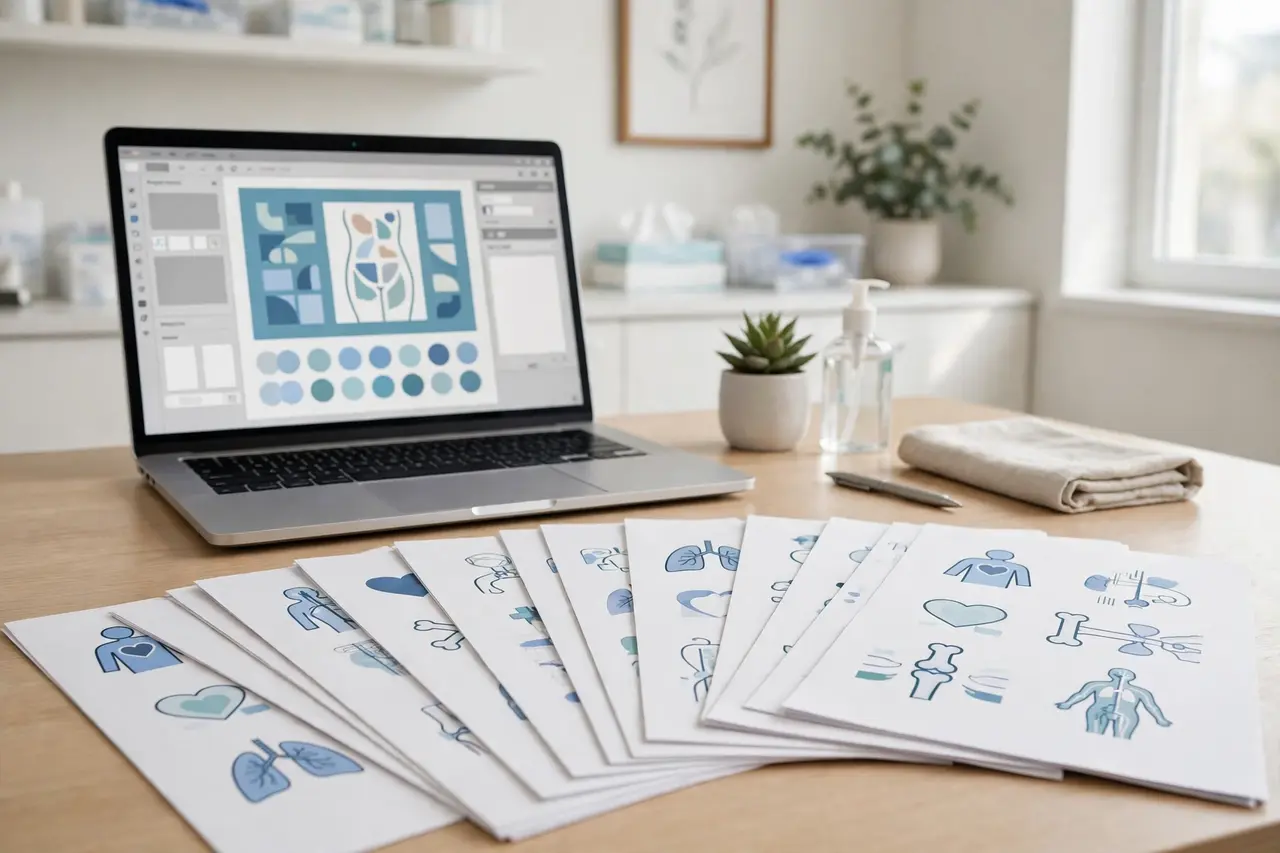
Every day on the ward, you explain the same things to patients: wound care instructions, discharge steps, medication schedules, post-op diet guidelines. Turn those explanations into professionally designed printable PDFs and sell them as digital downloads on Etsy, Teachers Pay Teachers, or your own site. Nursing students, home health agencies, and new nurses all buy ready-made patient education materials to save time and improve care.
A single bundle of 20-30 handouts can sell for $12-$40 and move dozens of copies a month. Tools like Canva make design simple, and you already know the content cold — you’re just formatting what you teach every day. Because digital files cost nothing to deliver, each sale after the first is nearly pure profit. Bundle related topics (for example, a complete diabetes education pack) to raise your average order value.
3. Record a First-Aid Basics Video Course
Parents, babysitters, coaches, and small-business teams all need basic first-aid and CPR-awareness training, and your credentials make you a natural instructor. Record a short video course (4-6 hours of content, broken into 10-minute lessons) and sell it on Udemy, Skillshare, or Teachable. Cover topics like choking response, bleeding control, allergic reactions, and when to call 911 — practical skills anyone can learn from a clear, calm nurse.
Udemy instructors typically earn $500-$2,000 per month from a successful course, with payments arriving long after the filming is done. You don’t need a studio: a smartphone, decent lighting, and a practice mannequin or volunteer demonstrator are enough to start. Once uploaded, the platform handles marketing, checkout, and student support.

4. License Medical Stock Photos Online
If you have an eye for photography, authentic medical imagery is in constant demand: gloved hands holding equipment, stethoscopes on scrubs, hospital corridors, home-care setups. Stock agencies like Adobe Stock and Shutterstock pay contributors a royalty (typically $0.25-$2 per download) every time someone licenses your photo. Nurses have privileged access to realistic healthcare settings that generic photographers can’t easily stage.
Shoot with your phone during off-duty moments — just never photograph patients, identifiable people, or your employer’s branded spaces without permission. A portfolio of 200-300 quality images can generate $100-$400 per month in royalties, and photos keep earning for years. This pairs well with a health blog, where your own stock photos also illustrate your articles for free.
5. Write a Health Blog With Affiliate Links
Nurses answer health questions constantly — friends, family, patients all ask for advice. A health blog lets you answer once, in public, and earn from it forever. Write practical articles about topics like managing shift-work sleep, choosing home medical equipment, or preparing for common procedures, and monetize with affiliate links to products you genuinely recommend (blood pressure monitors, compression socks, sleep aids). At 50,000+ monthly visitors, ad revenue alone can reach $1,000-$3,000 per month on top of affiliate commissions.
The honest timeline is 6-12 months of consistent publishing before traffic builds, but each article compounds — old posts keep ranking and earning while you write new ones or take a month off. Use your RN credential in your byline; it builds instant trust with readers and Google alike. Always include a clear disclaimer that your content isn’t a substitute for professional medical advice. This is slower to start than digital products but has the highest ceiling.

6. Design Nursing Shift Planner Printables
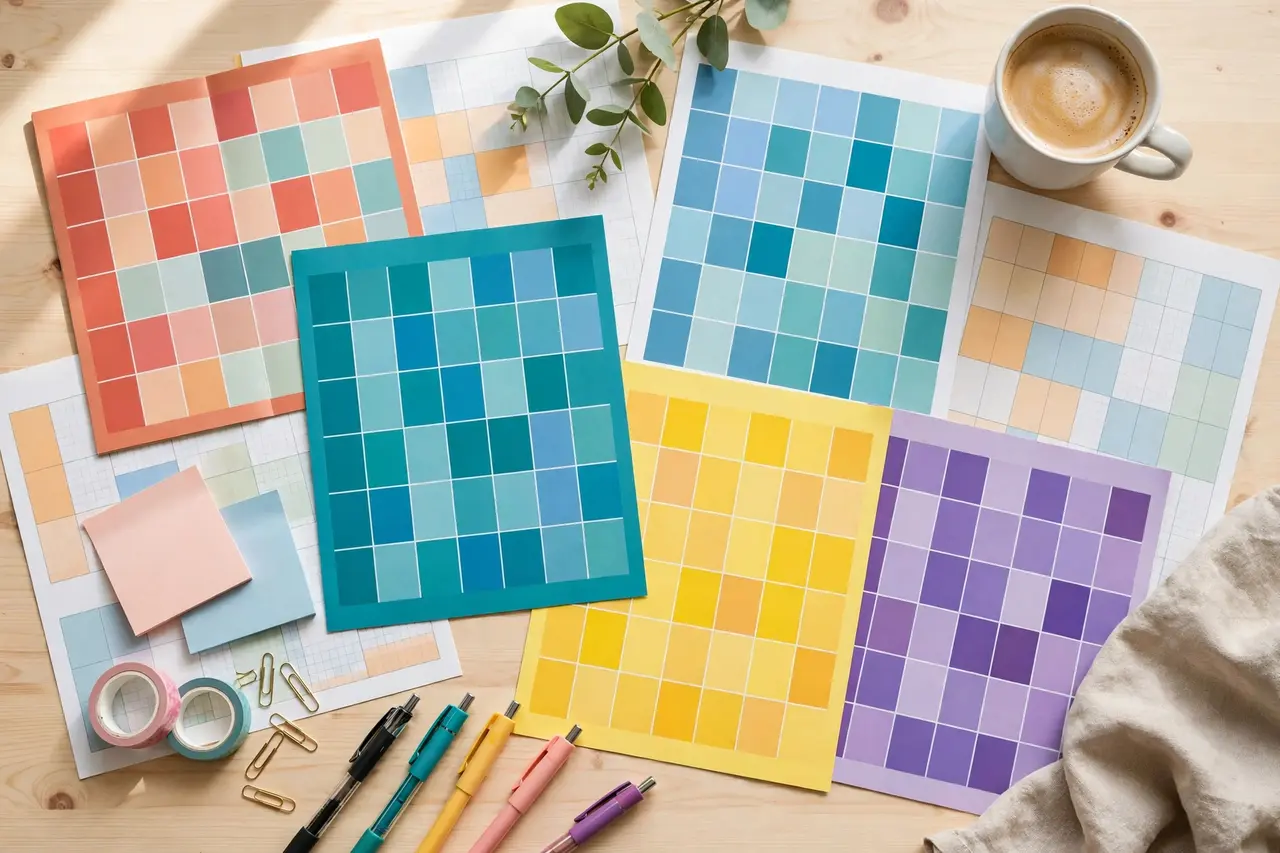
You live by your shift calendar, medication schedule sheets, and patient assignment trackers — and thousands of other nurses need the same tools. Design beautiful, printable planners specifically for nursing life: 12-hour shift trackers, rotating schedule calendars, patient handoff sheets, continuing-education logs, and shift-swap organizers. Sell them as instant-download PDFs on Etsy, where nursing printables are a consistently hot category.
A $6-$15 planner bundle that sells 30 times a month adds $200-$400 to your income with zero ongoing work. The nursing niche is ideal for this because generic planners don’t fit rotating 12s — your designs solve a real, specific frustration. Update your listings with fresh cover designs seasonally to catch new buyers. Customers who love one planner often buy the whole shop, so build a small collection of 5-10 related products.
7. Narrate Medical Audiobooks for Royalties
Authors of medical textbooks, nursing exam prep books, and health nonfiction need narrators who can pronounce “acetaminophen,” “otorhinolaryngology,” and drug names without stumbling. Your clinical vocabulary is a genuine competitive advantage on platforms like ACX (Audible’s creator exchange), where you can narrate books in exchange for a royalty share — typically 20-40% of each audiobook sale for 7 years. Choose titles in nursing, medicine, or health that you’d actually enjoy reading aloud.
A successful audiobook can earn $100-$600 per month in royalties for years, and narrating 2-3 books builds a portfolio that keeps paying. You need a quiet room, a decent USB microphone ($100-$200), and free editing software like Audacity — no studio required. Recording a full book takes 2-3x its finished length, so a 6-hour audiobook means about 15-18 hours of work, all done on your own schedule between shifts.

8. Sell Digital Caregiver Checklists
Family caregivers are overwhelmed and underserved — they’re managing medications, doctor appointments, insurance paperwork, and daily care for aging parents with no training. As a nurse, you know exactly what falls through the cracks. Create digital checklist packs: medication management logs, hospital discharge checklists, dementia home-safety audits, caregiver daily-routine templates, and questions-to-ask-the-doctor worksheets. Sell them on Etsy, Gumroad, or a simple Shopify store.
Individual packs sell for $5-$20, and bundled “complete caregiver kits” go for $30-$60. This market is growing fast as the population ages, and buyers are highly motivated — a daughter coordinating her mom’s care will happily pay for organization tools. Like other digital products, you build it once and sell it forever. Consider pairing your checklists with a short companion ebook to justify a higher bundle price.

9. Build a Wellness Newsletter With Sponsors
Start a free weekly newsletter about practical wellness for busy people — sleep tips for shift workers, quick healthy meals, stress management, burnout recovery. Nurses have instant credibility on these topics. Grow your list with a simple signup form promoted on social media and your blog, then monetize through sponsorships: wellness brands, supplement companies, and health apps pay $25-$50 per 1,000 subscribers per sponsored issue. A 10,000-subscriber newsletter can earn $500-$1,000 per sponsored email.
Use a free platform like Substack or Beehiiv to start — no website or tech skills needed. Writing one email a week takes 2-3 hours, and back issues keep attracting new subscribers through search and social shares. Once you cross 5,000 engaged subscribers, sponsors start coming to you. This is the slowest build on this list but creates a direct audience you own — an asset no algorithm change can take away.

Frequently Asked Questions
What are the best passive income ideas for nurses with no startup money?
Amazon KDP publishing, stock photo licensing, and printable digital products cost essentially nothing to start — just your time and existing knowledge. A nurse with a smartphone and free tools like Canva and Audacity can launch all three without spending a dollar on inventory or equipment.
How much can nurses realistically earn from passive income?
Most nurses building their first income stream see $100-$500 per month within the first year, growing to $1,000-$3,000+ per month as they add products or grow an audience. It compounds slowly at first — the nurses earning five figures monthly almost always started 2-3 years earlier.
Can nurses earn passive income while working full-time 12-hour shifts?
Yes — that’s exactly who these ideas are for. Digital products, royalties, and licensed content are created in focused weekend or day-off sessions, then earn while you’re working. Aim for one focused project per quarter rather than trying to launch everything at once.
Do nurses need special permission to sell health-related digital products?
You don’t need extra licenses to sell study guides, planners, or checklists, but always include disclaimers that your products aren’t medical advice, never use your employer’s name or branding, and avoid sharing anything that could identify patients. If you create clinical education content, keep it general and evidence-based.
Which passive income idea pays nurses the fastest?
Printable digital products on Etsy typically generate the first sale within weeks of listing, since the platform has built-in buyer traffic. Blogging and newsletters take the longest (6-12 months) but offer the highest long-term ceiling once the audience is built.