
Arriving in the US without local work history makes traditional job hunting hard — but side hustles for new immigrants do not ask for a resume, references, or US experience. The ideas below pay from your first week, need little or no English fluency to start, and build the local reputation that later opens bigger doors. Every one of them can begin with a phone and skills you already have.
1. Food Delivery With Just a Phone and a Bike
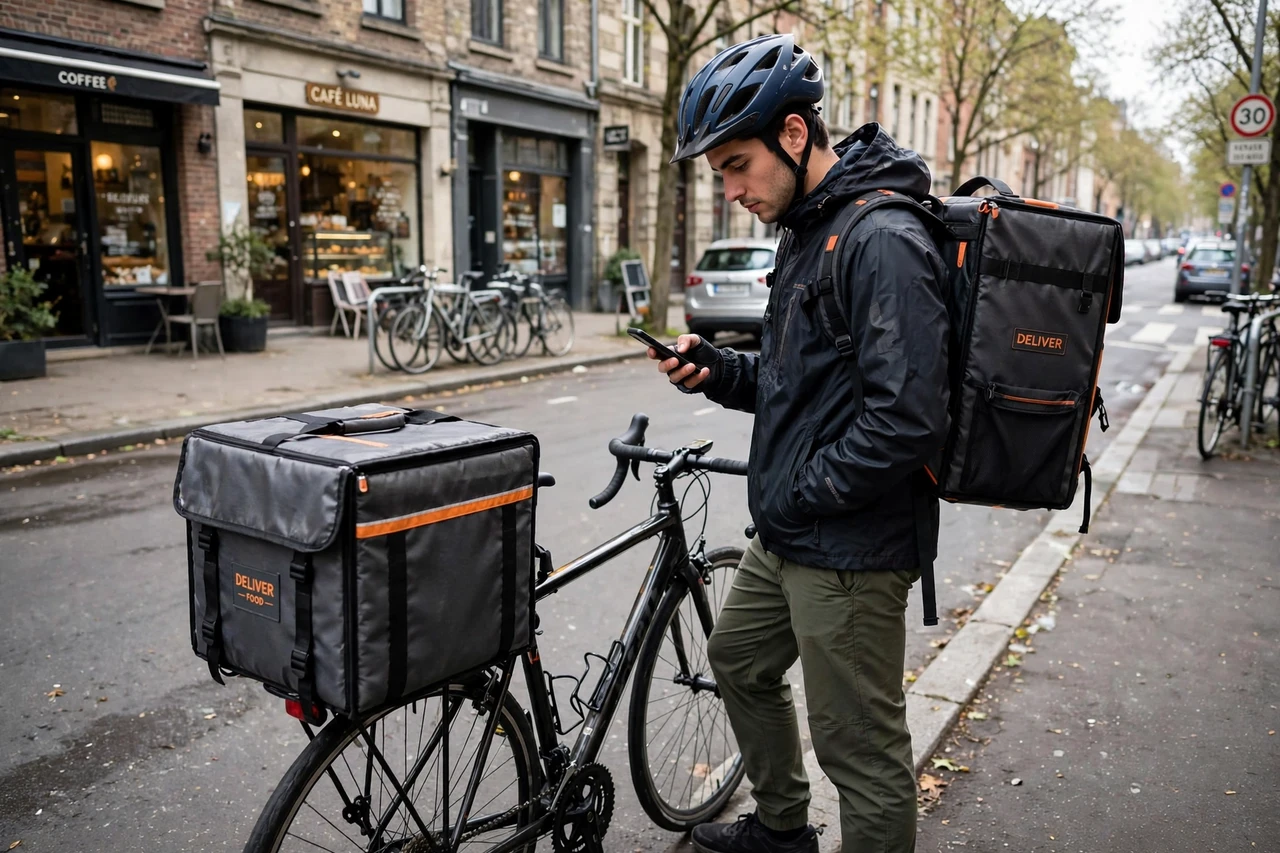
DoorDash, Uber Eats, and Grubhub accept new drivers with minimal paperwork, and in many cities you can deliver by bike or on foot — no car required. Couriers typically earn $15 to $25 an hour including tips, and you choose every shift, so English practice happens naturally with each order.
Start in your own neighborhood where you already know the streets, work lunch and dinner rushes, and track your mileage for taxes. A few weeks of steady delivery also builds a US income record that helps with future rentals and jobs.
A good starter habit is working the same two-hour window daily for your first two weeks — regulars and restaurant staff start recognizing you, and familiar routes mean faster deliveries and better tips.
2. House Cleaning for Neighbors and Local Families
Cleaning is one of the fastest side hustles for new immigrants because clients judge the work, not your background. Cleaners earn $20 to $40 an hour, and regular clients — weekly or biweekly homes — turn into reliable income within a month. Local Facebook groups and Nextdoor are where most first clients come from.
Start with one or two homes, bring basic supplies, and let referrals grow your route. As trust builds, many cleaners raise rates and add deep-cleaning services that pay $150 or more per visit.
Ask every satisfied customer for one thing before you leave: permission to use them as a reference. Three named references are worth more than any ad when you approach your next client.

3. Cook and Sell Your Home-Country Dishes
Your home cooking is a genuine advantage: neighbors and coworkers will pay for authentic food they cannot find in restaurants. Home cooks sell meal plates, baked goods, and holiday specialties through local groups and apps, earning $200 to $600 a month part-time. Check your state’s cottage food rules first — many states allow selling low-risk foods from home with simple registration.
Start with one signature dish, take appetizing photos, and offer a weekly menu to a small group. Regular customers who order every week are the foundation of this hustle.
Price your plates to cover ingredients plus your time, and always cook a small test batch first — a dish that tastes great at home sometimes needs adjusting for transport and reheating.

4. Moving Help and Furniture Assembly Gigs
TaskRabbit and local moving gigs pay $20 to $40 an hour for lifting, loading, and assembly — work where effort matters more than language. Jobs are posted daily in every major city, and strong workers get repeat requests quickly because reliability is rare.
Start with small assembly jobs to build your rating, then take moving jobs on weekends when they pay best. Good reviews on one platform are a portable reputation you can show future employers too.
Wear simple work gloves and bring a basic toolkit; clients remember the worker who arrives prepared. A short thank-you message after the job often turns into the next booking.

5. Tutor Your Native Language Online
Your native language is a marketable skill from day one. Language tutors on Preply and italki earn $15 to $40 an hour teaching conversation to students worldwide, and sessions are scheduled around your availability. You do not need teaching credentials for conversational tutoring — just patience and clear speech.
Create a profile that mentions your accent, culture knowledge, and availability, and offer a low trial price to collect your first reviews. Evening sessions in US time zones are often the most popular.
Record a short introduction video for your profile — students choose tutors they feel comfortable with, and hearing your voice builds trust faster than any written bio.

6. Translate Documents and Conversations
Community organizations, clinics, schools, and small businesses constantly need translators, and they pay $20 to $50 an hour for reliable help. Start by offering services to local immigrant support groups and churches or mosques, where word of mouth travels fast and trust matters most.
Short jobs — a school form, a doctor’s appointment, a rental agreement — build your reputation quickly. As demand grows, freelance platforms like Upwork open up higher-paying document translation work.
Keep a glossary of terms you translate often, like medical and school vocabulary. Accuracy in these settings matters, and a personal reference list keeps your work consistent.

7. Car Washing and Detailing in Your Area
Car washing needs almost no English and very little equipment: a bucket, soap, and towels can start a mobile wash service earning $15 to $30 per car. Offer door-to-door service in apartment complexes, where residents value convenience and will book weekly washes.
Price a basic wash low to win first customers, then add interior cleaning and waxing as upsells. A regular route of ten weekly cars is $600 or more a month for work you control completely.
Offer a simple loyalty deal, like every fifth wash free, to turn one-time customers into a weekly route. Regulars are the difference between gig work and a real business.

8. Childcare for Families in Your Community
Families in immigrant communities often prefer caregivers who share their language and culture, and that trust is worth $12 to $20 an hour. Start by watching children for families you know, then expand through community groups and Care.com once you have references.
Evening and weekend childcare is in highest demand, and it pairs well with a daytime hustle from this list. Keep safety first: meet families in advance, agree on rules, and build slowly on reputation.
Agree on pickup times, emergency contacts, and house rules in writing before the first session. Clear expectations protect both you and the families who trust you.

How to Start This Week: A Simple Action Plan
Your first week goal is simple: earn your first dollars and meet your first local customers. Choose the hustle you can start tomorrow with what you already own — cleaning supplies, a bike, a phone, or a recipe. Create one profile or post one offer in a local community group, in your own language if that feels easier, and describe exactly what you offer and what it costs.
Accept the first three jobs even if the pay is modest, because early reviews and references are worth more than early profit. After each job, ask the customer — politely and directly — whether they know anyone else who needs the same help. Keep a notebook of every customer, every payment, and every kind word; that notebook becomes your US work history, your reference list, and your confidence all at once. By week four, raise your price a little and add a second hustle from this list only if the first one is steady.
Mistakes New Immigrants Should Avoid
The biggest mistake is waiting until your English feels perfect — it never will, and customers care about reliable work far more than perfect grammar. Another is working for free to “gain experience” beyond one or two genuine trial jobs; your time has value from day one. Avoid anyone who asks you to pay for job placement or demands your personal documents before any work exists — legitimate clients and platforms never do that.
Do not ignore the paperwork either: keep records of all income, learn your state’s rules for selling food or working with children, and ask a local immigrant support organization for free guidance if anything is unclear. Finally, avoid comparing your progress to people who have lived here for years — building from zero takes time, and every week of steady work closes the gap.
Frequently Asked Questions
Can new immigrants work side hustles without a Social Security number?
It depends on your immigration status and the platform — gig apps usually require work authorization and tax information, while cash-based neighborhood work like cleaning and childcare has fewer formal requirements. Check your work authorization status first and keep records of all income.
What is the fastest side hustle for a new immigrant to start?
Food delivery and house cleaning start fastest — both can pay within your first week and need no US references. Language tutoring is the best option if you have strong internet access and prefer working from home.
Do I need fluent English for these side hustles?
No. Cleaning, delivery, car washing, and cooking rely on the quality of the work, not language. Tutoring and translation actually turn your native language into the advantage. English improves naturally as you work with local clients.
How do side hustles help new immigrants get regular jobs later?
They build local references, a US income record, and English practice — the three things employers ask for most. Several clients from these hustles will happily serve as references for your first formal job application.
Conclusion
No US work history is a starting point, not a barrier. Pick one hustle from this list that matches what you can do today, earn your first dollars this week, and let every satisfied customer become a reference for the next opportunity. For more no-experience options, see these side hustle ideas with no experience.