Apps that pay you to test games give everyday players a way to earn from a hobby they already enjoy, because game studios need real feedback before a title launches. Instead of guessing what players will like, studios pay testers to play early builds, report bugs, and explain what feels confusing or boring. Keep expectations honest: game testing pays per test or per project, not like a full-time salary, and the number of tests you qualify for depends on your device, your age, and the demographics a studio needs. Most paid tests ask you to be 18 or older, and some require a quiet room, a microphone, or screen recording. If you already earn from other reward apps, compare these with the apps that pay real cash in the USA and the apps that pay weekly in the USA to see which payout style fits you best.
1. PlaytestCloud – Playtest Unreleased Mobile Games and Give Feedback
PlaytestCloud connects mobile game studios with players who test unreleased games and share honest feedback on gameplay, difficulty, and first impressions. Tests usually involve playing a game for a set time, then answering survey questions or joining a short interview about what worked and what did not. Pay varies by test length and type, and longer video-interview sessions generally pay more than quick surveys. To qualify for more tests, complete your player profile honestly, list the devices you actually own, and mention the game genres you play most. Studios pick testers who match their target audience, so a detailed profile matters more than gaming skill. Treat this as a flexible side earner: tests arrive irregularly, so it pairs well with other small income streams rather than replacing steady work.

2. BetaFamily – Join Beta Tests for Games Still in Development
BetaFamily is a community where developers recruit beta testers for games and apps before public release, and many testing opportunities come with rewards or early access perks. Testers download a beta build, play through specific features, and report crashes, confusing menus, or levels that feel unfair. Some projects pay cash, while others offer gift cards or in-game credit, so always read the reward details before you start. The best testers write clear bug reports: what happened, what you expected, and the exact steps to repeat the problem. A short screen recording or screenshot makes your report far more useful to a developer. Over time, testers who submit careful, complete reports tend to get invited back to more projects.

3. TesterWork – Paid Game Testing Projects With Detailed Bug Reports
TesterWork runs paid testing projects for games and apps, matching testers to projects based on their devices, location, and experience. Most projects ask you to follow a test plan, explore specific game features, and log every bug you find with steps to reproduce it. Pay is typically per project or per approved bug, so thorough testers earn more than players who rush through. Beginners should start with simpler projects to learn how professional bug reports are written, then move to larger game tests as their ratings improve. You will need patience: good testing means replaying the same level several times, trying unusual actions, and checking menus and settings that casual players often skip. If you enjoy breaking games to find their flaws, this platform turns that habit into paid work.

4. Testbirds – Test Games and Apps on Your Real Devices
Testbirds invites testers to try games and digital products on the phones, tablets, and computers they already own. Studios value this because a game may run perfectly on one device and crash on another, so device variety is the whole point. After signing up, you list your devices and complete short screening tests that show you can follow instructions and describe problems clearly. Paid tests range from quick usability checks to longer play sessions with follow-up questions. Pay depends on the test type and your country, and testers are usually paid through PayPal or bank transfer after their work is reviewed. Keep your device list up to date, since a new phone or tablet can unlock tests you did not qualify for before.

5. uTest by Applause – Join Game Testing Cycles for Studios
uTest, run by Applause, is one of the largest paid testing communities in the world, and game studios use it to run full testing cycles before launch. Testers join projects, follow test cases, and report bugs in a structured system where each report is reviewed and rated. Payment is based on approved bugs and completed test cases, so quality beats speed: one well-documented bug is worth more than ten vague complaints. New testers usually start with smaller projects and build a reputation score that unlocks bigger, better-paid cycles. You can also join usability studies and surveys between bug-hunting projects. Because uTest works with major studios, it is a good long-term option for testers who want steady, professional testing work rather than one-off gigs.

6. BetaTesting – Test Early Game Builds for Developers
BetaTesting connects product teams, including game developers, with testers who try early builds and share structured feedback on what needs fixing. Tests often combine gameplay with a survey that asks about fun factor, difficulty curve, art style, and whether you would recommend the game to a friend. Some tests pay a flat rate, while others pay based on test length, so check the details before accepting. To stand out, answer open-ended questions with specifics instead of one-word replies: name the level, describe the moment you got stuck, and suggest what would make it better. Developers remember testers who give actionable feedback, and those testers get invited to future rounds. If you play a lot of mobile or indie games, this is a natural way to earn from that experience.
7. Userlytics – Recorded Play Sessions for Game Developers
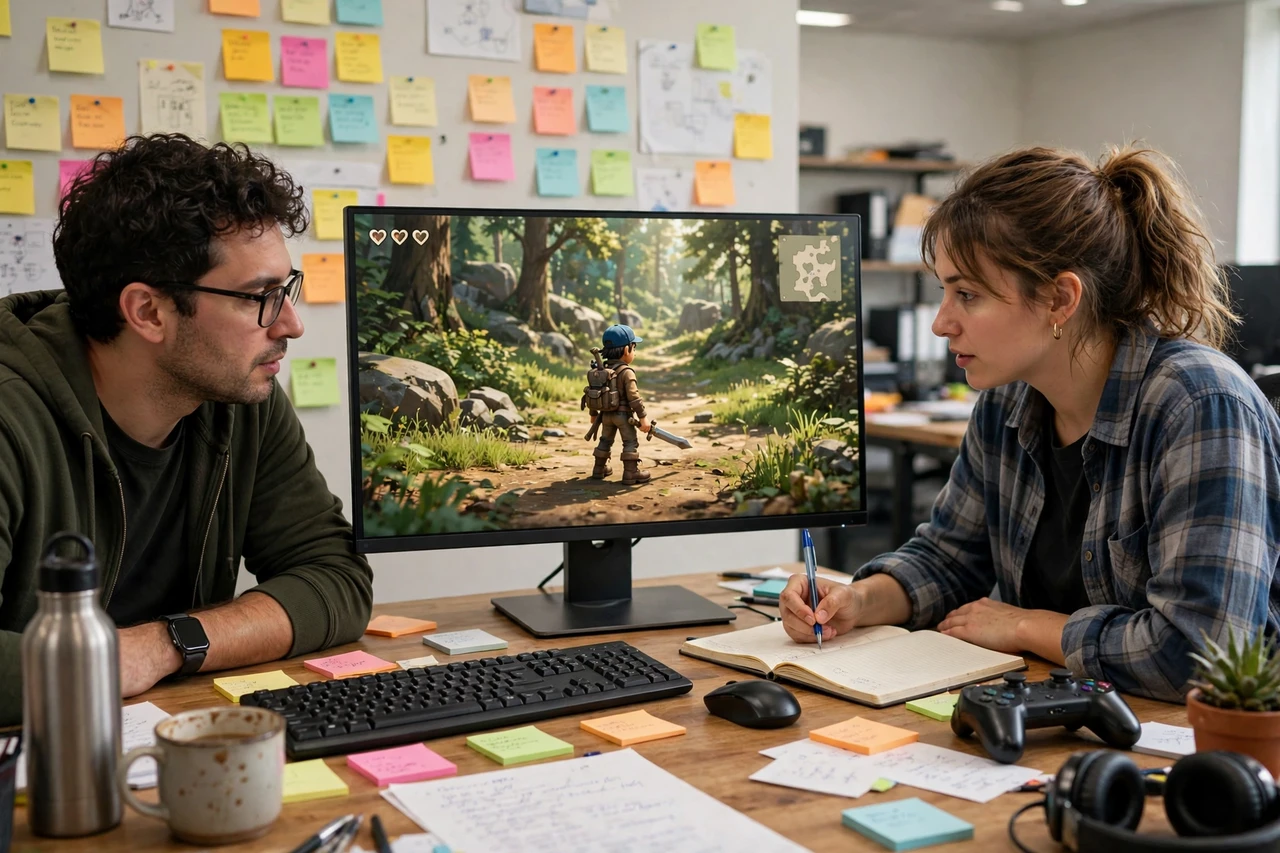
Userlytics pays testers to complete tasks on games and websites while recording their screen and voice, so developers can watch real players react in real time. A typical game test asks you to play a tutorial level, try a new feature, or navigate a store menu while thinking out loud about what you see. Your spoken reactions are the product: studios want to hear confusion, delight, and frustration as they happen, not a polished summary afterward. Tests usually take 15 to 30 minutes, and pay reflects that time commitment. You need a quiet room, a working microphone, and a willingness to talk while you play, which feels awkward at first but gets easier fast. Testers who speak clearly and follow the task list closely tend to receive higher ratings and more invitations.
8. Trymata – Usability Tests for Game Interfaces and Menus
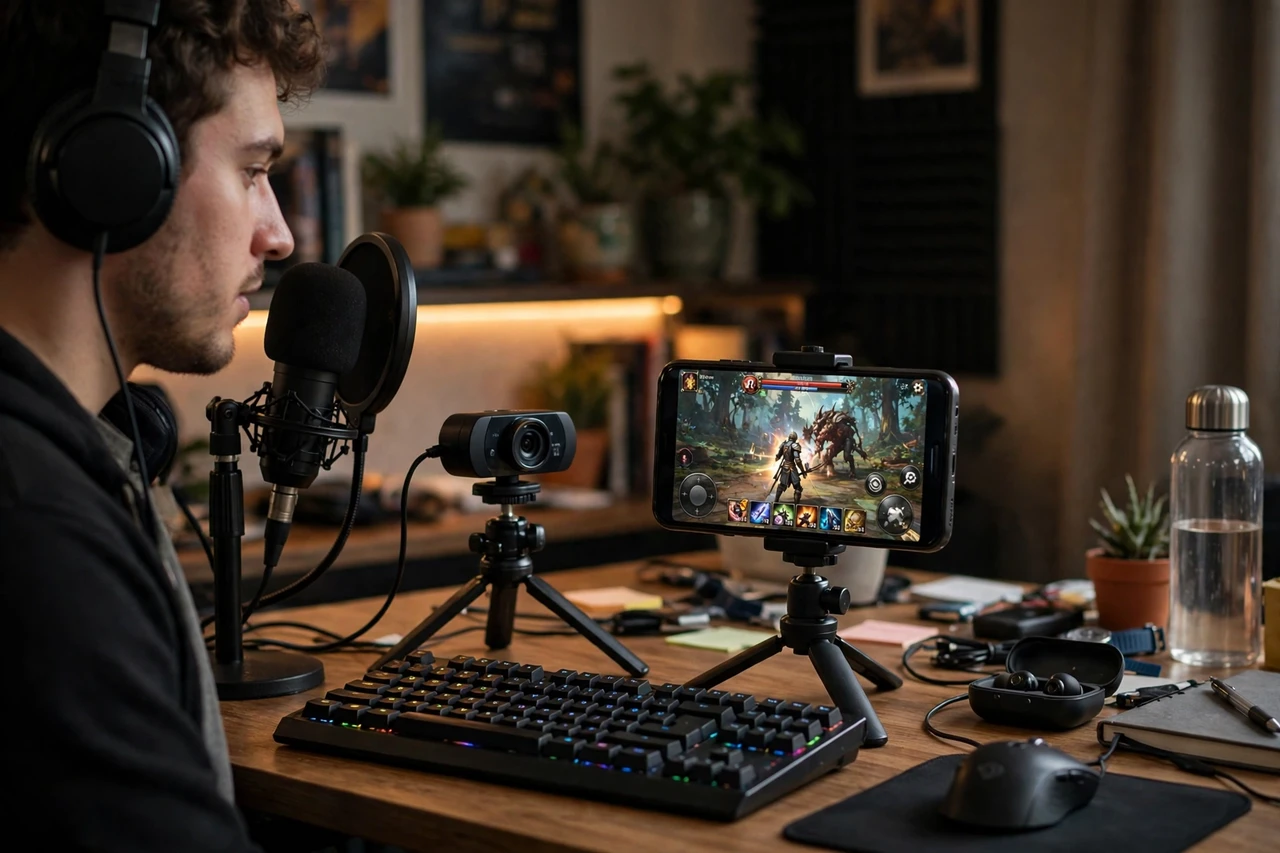
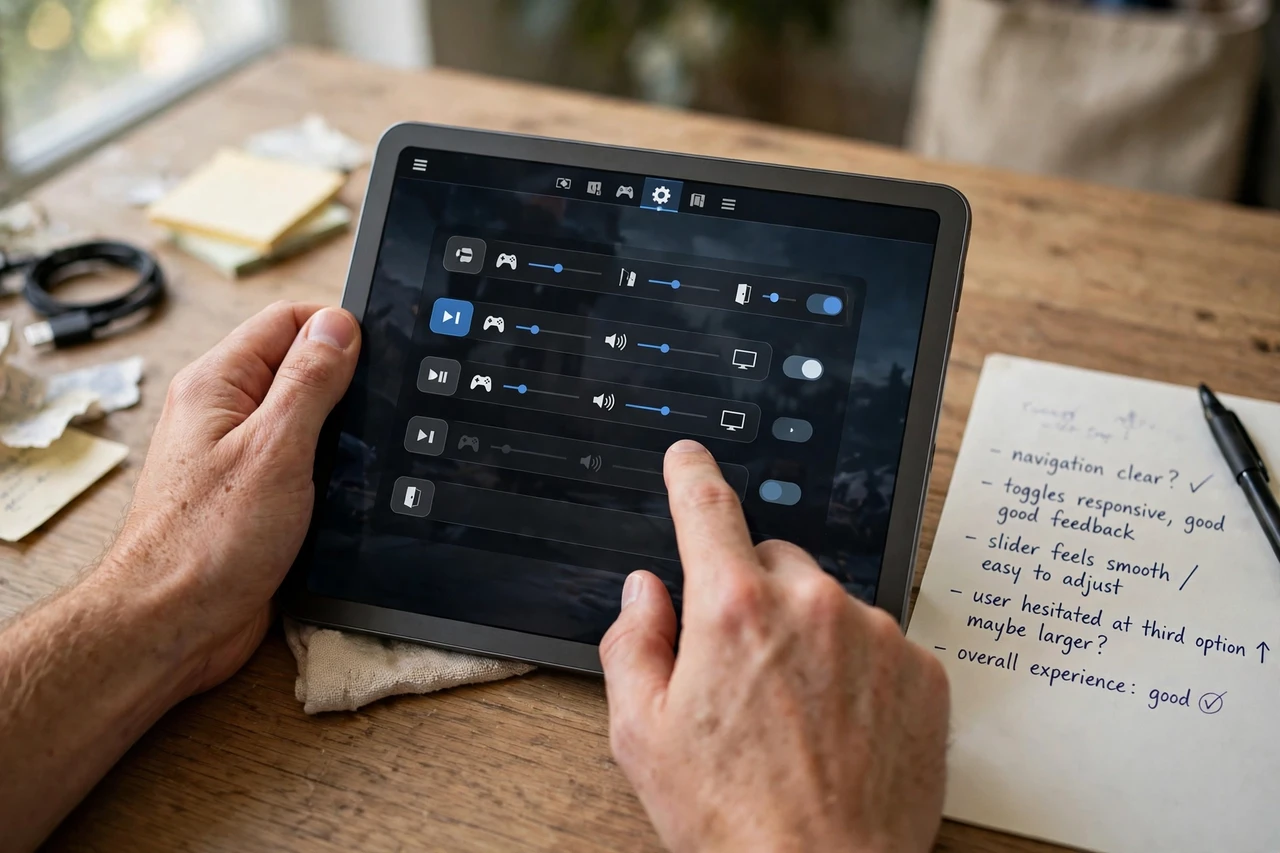
Trymata, formerly known as TryMyUI, pays testers to evaluate how easy a game or app is to use, with a focus on menus, tutorials, onboarding, and store screens. Many players quit a game in the first ten minutes because the tutorial is confusing, so studios pay to find those friction points before launch. Tests ask you to complete a set of tasks, such as creating a character, finding a settings option, or making a practice purchase, while narrating your thought process. After the session, you answer written questions about what felt smooth and what felt frustrating. Pay is per completed test, and tests are first-come, first-served, so checking for new tests regularly helps. This is a strong fit if you enjoy analyzing why a game feels good or bad to play, not just playing it.
Frequently Asked Questions
Do game testing apps really pay real money?
Yes, these apps that pay you to test games pay real testers, usually through PayPal or bank transfer, but pay is per test or per project and tests arrive irregularly. Treat game testing as a flexible side earner, not a guaranteed income.
Do I need gaming experience to become a game tester?
No professional experience is required for most tester platforms, but you do need to follow instructions, describe problems clearly, and complete your profile honestly. Studios often prefer everyday players who match their target audience.
How much can I earn testing games?
Earnings vary widely: quick surveys may pay a few dollars, while recorded play sessions and full testing cycles pay more. Your total depends on how many tests you qualify for and how highly your work is rated.
Are game testing apps available in every US state?
Most platforms accept US testers, but individual projects may restrict by state, age, or device. Always check the eligibility details inside each test before you start.
What makes a good game bug report?
A good report states what happened, what you expected, and the exact steps to repeat the problem, plus a screenshot or recording when possible. Clear, reproducible reports earn higher ratings and more invitations.