Every small business has a goldmine it ignores: the customer list. Hundreds or thousands of people who already bought once, already trust the business, and simply drifted away. Winning one of them back costs about five times less than finding a brand-new customer — yet almost no small business runs a real win-back campaign. That gap is exactly what AI customer win-back campaigns are built to close, and it is a service you can sell, powered by AI.
AI customer win-back campaigns use a business’s own purchase history to send the right message, at the right time, through the right channel — automatically. Packages typically run $300 to $700 a month per business, and the results are easy to prove: returning customers, tracked in plain numbers. If you already sell follow-up work, AI lead follow-up systems are the natural companion offer — win-back targets past buyers, follow-up targets new leads.
Before you sell a single campaign, understand why this niche is so open: most small businesses have never looked at their lapsed-customer list at all. Their point-of-sale system holds hundreds of names, but nobody has ever exported it, segmented it, or messaged it. The moment you show an owner that list — “these 400 people bought from you and never came back” — the sale is halfway made, because the opportunity is sitting in their own data.
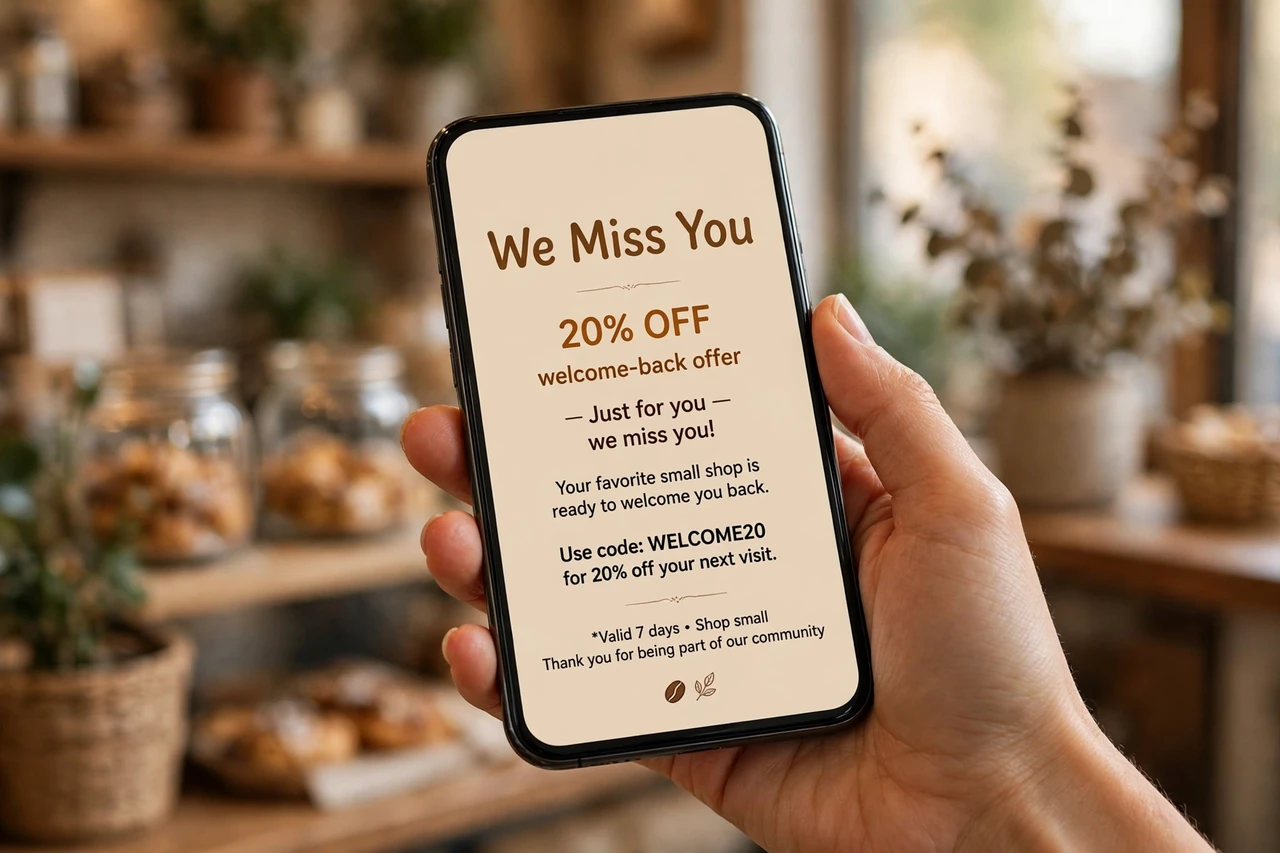
1. “We Miss You” Discount Campaign for Lapsed Buyers
The classic win-back campaign still works, because it is honest: “We noticed you haven’t visited in a while — here’s 20 percent off to welcome you back.” AI makes it smarter by picking the right timing (usually 60 to 90 days after the last purchase), the right discount size for the customer’s past spending, and the right channel for each person.
Build the campaign around segments, not blasts: a $15-off offer for a casual buyer and a $50-off offer for a former regular are different campaigns, and AI personalizes them at scale. Track redemptions, not opens, and report one number the owner cares about: “14 lapsed customers came back this month, worth $860.” That number renews retainers.
2. Personalized Comeback Offer Based on Purchase History
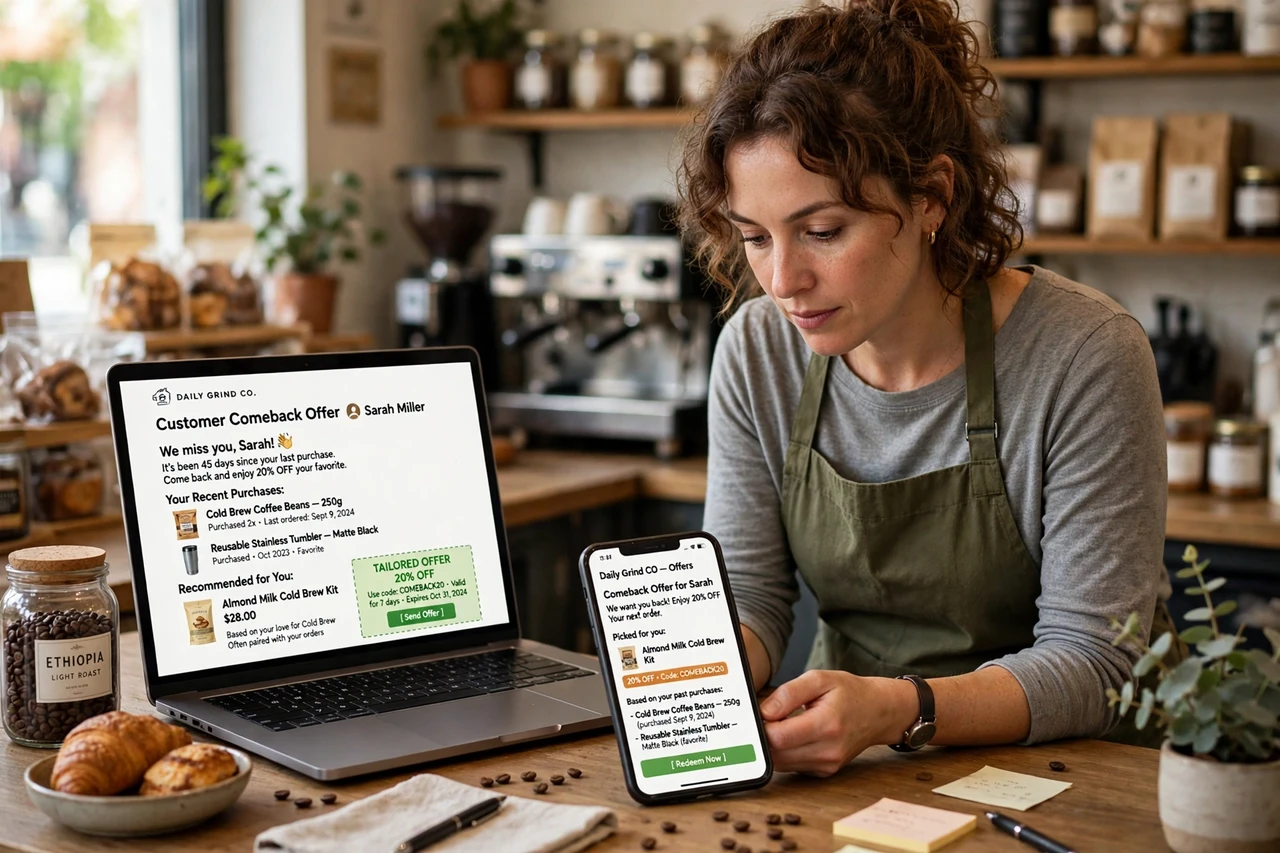
Generic discounts feel like spam; personal offers feel like attention. AI reads what a customer actually bought — the shampoo brand, the pizza toppings, the service package — and builds the comeback offer around it: “Your usual color appointment is due, and your favorite stylist has Thursday open.” That specificity is what makes people return.
This campaign needs clean purchase data, so your first job is often tidying the customer list — and that cleanup alone impresses owners. Once the data is organized, AI drafts personalized messages in bulk, and you review them before sending. Response rates for personalized win-back routinely beat generic blasts by two to three times.
3. Anniversary and Milestone Win-Back Messages
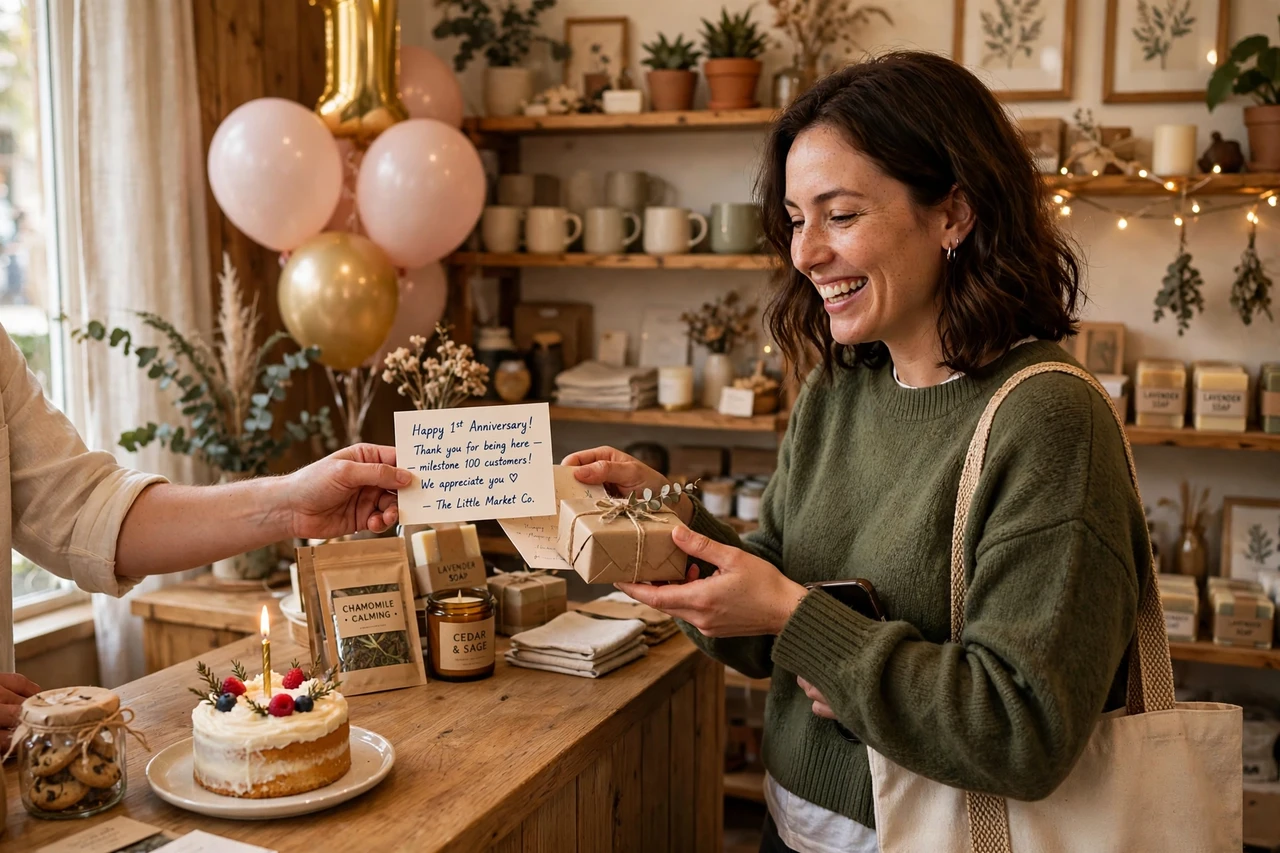
People return for milestones: a year since their first visit, their birthday, the anniversary of a big purchase. An AI campaign that tracks these dates and sends a warm, well-timed message — with a small gift or offer attached — feels personal even though it is fully automated. Birthday campaigns alone routinely generate 20 to 30 percent redemption rates.
Set up the date tracking once, write the message templates with the owner, and let the system run. The owner does nothing month to month, and customers keep arriving with birthday messages in hand. It is the closest thing to free revenue in this niche, and it is an easy first campaign to sell because the concept needs no explanation.
4. Feedback-First Win-Back for Unhappy Customers
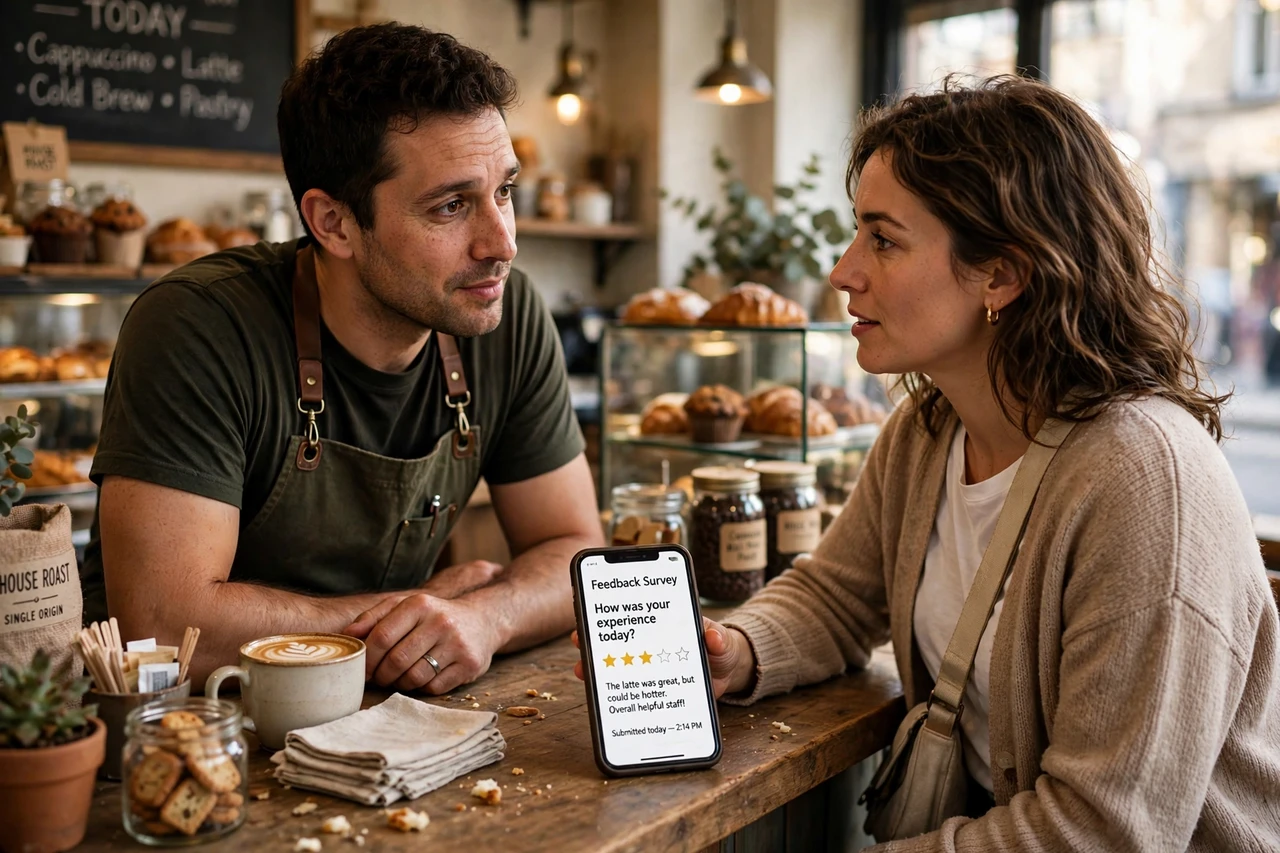
Some customers did not drift away — they left unhappy. Chasing them with a discount insults them; asking what went wrong wins some of them back. A feedback-first campaign sends a short, genuine message: “We noticed you haven’t been back, and we’d really like to know why.” AI routes the replies — complaints to the owner, compliments to review sites — and follows up with a make-good offer only where it fits.
This campaign does double duty: it recovers customers and it surfaces real problems in the business. Owners value the feedback as much as the recovered revenue, and the campaign positions you as a partner, not a vendor. Sell it to businesses with recent bad reviews or a visible drop in repeat visits.
Handle the replies with care. Route genuine complaints to the owner the same day, and never auto-reply to an angry customer with a discount — it reads as dismissive. The right sequence is listen first, acknowledge second, and offer third. Businesses that handle complaints well often win back the customer and gain a public review praising the recovery, which is worth more than the original sale.
5. VIP Early-Access Campaign for Former Regulars
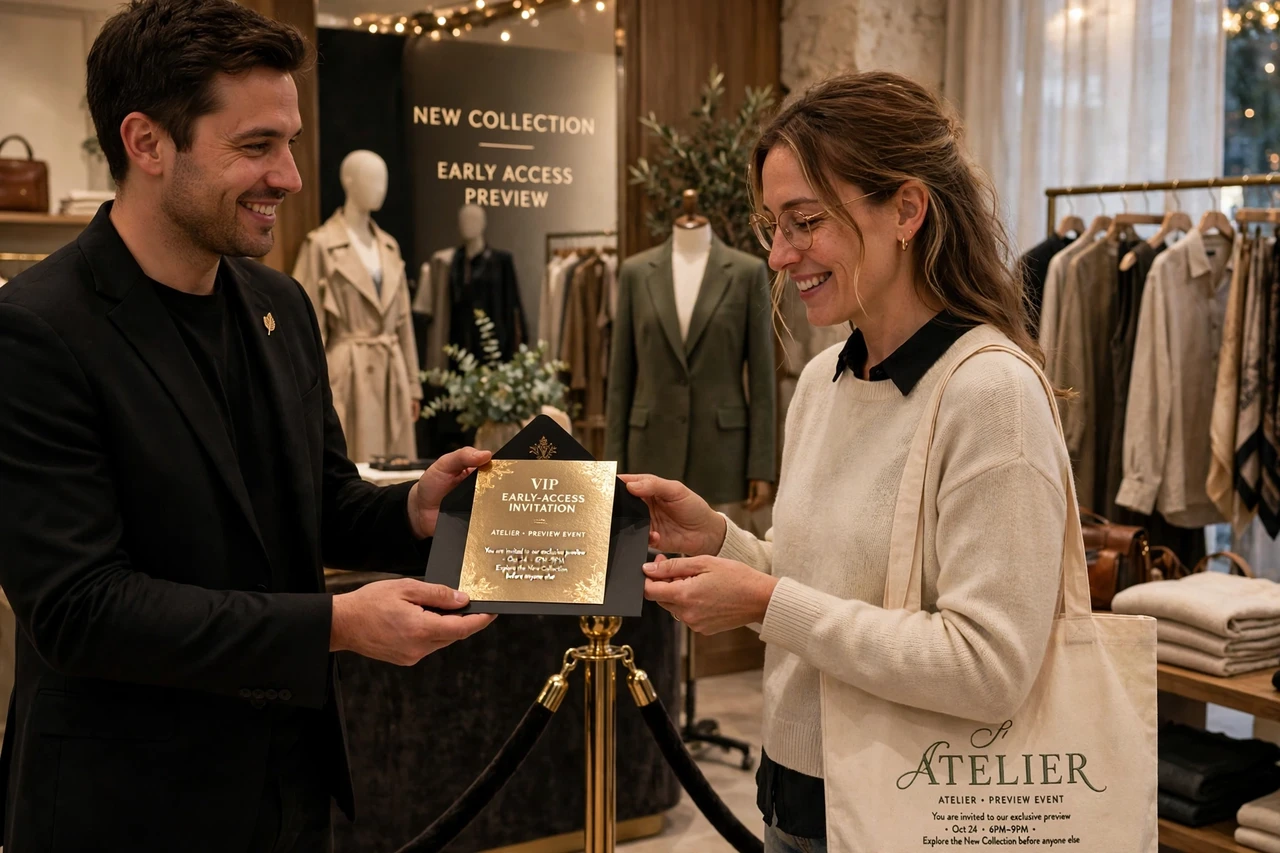
Former regulars do not want a coupon — they want to feel important. A VIP early-access campaign invites them back with something money cannot buy elsewhere: first access to a new menu, a new service, a seasonal collection, or a limited slot. AI identifies the former regulars from purchase frequency and sends invitations that feel exclusive because they are.
This campaign works beautifully for restaurants, salons, boutiques, and gyms — anywhere regulars exist. The offer costs the business almost nothing, the response rate is high, and the returning customers often bring friends. Track both the returning regulars and their guests, because the second number is the campaign’s hidden bonus.
6. Seasonal Re-Engagement Campaign for Dormant Clients
Some businesses are seasonal by nature — landscapers, tax preparers, holiday shops, swim schools — and their customers naturally go dormant for months. A seasonal re-engagement campaign wakes them at exactly the right moment: the landscaper’s clients in early spring, the tax preparer’s in January, the gift shop’s in November. AI times the campaign to the season and personalizes it to each customer’s last purchase.
The pitch to owners is simple: “Your customers are not gone — they are waiting for the season.” Build the campaign calendar once a year, automate the sends, and report the seasonal return rate. Owners who see last year’s customers return on schedule stop questioning the retainer entirely.

7. Multi-Channel AI Customer Win-Back Campaigns (Email, SMS, and Ads)
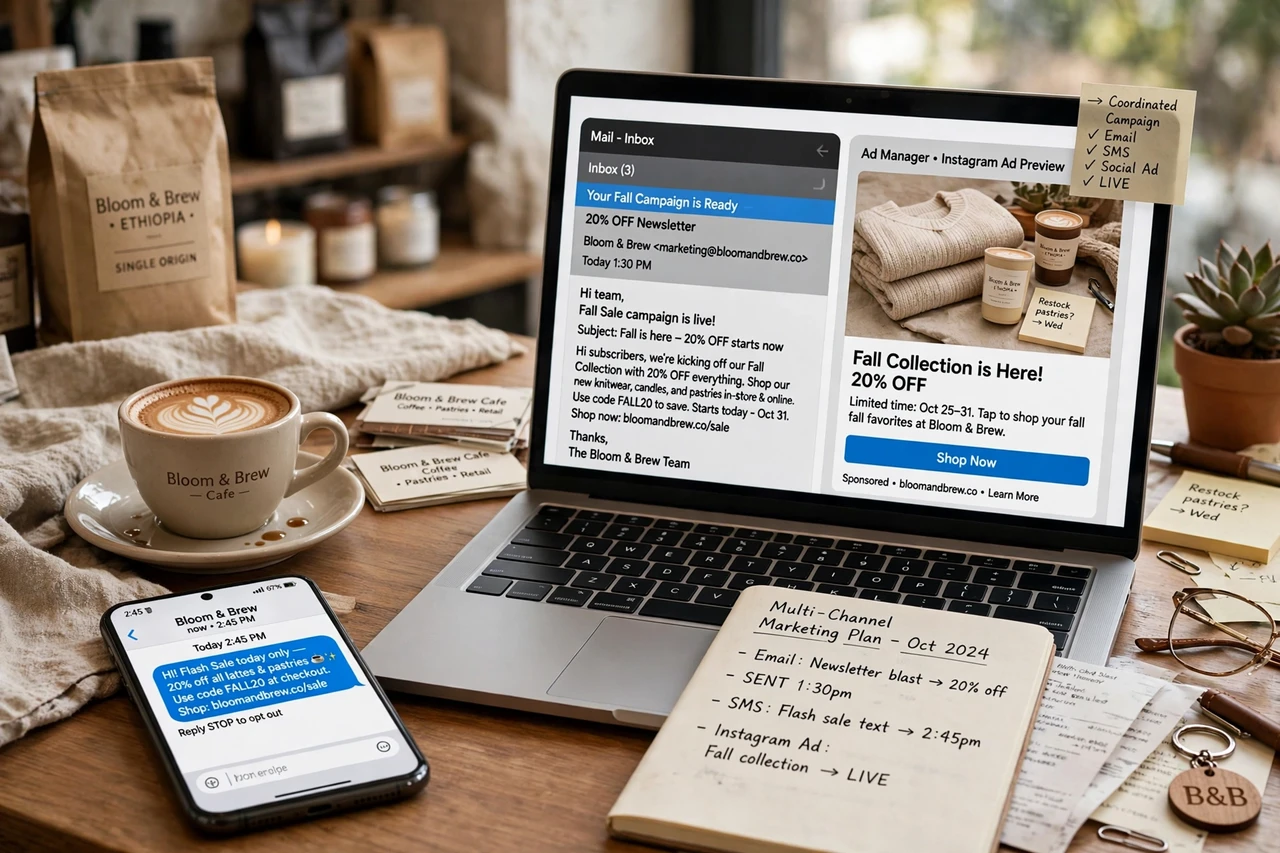
One message is easy to ignore; a coordinated sequence is not. A multi-channel win-back sequence reaches a lapsed customer three times across three channels: an email first, an SMS a few days later if there is no response, and a targeted social ad to the same audience after that. Each touch is different — a story, an offer, a reminder — so it feels like a conversation, not a bombardment.
AI coordinates the timing and suppresses anyone who already returned, so nobody gets spammed after coming back. This is the premium campaign in the niche — $500 to $900 a month — because it needs the most setup and delivers the highest return rates. It also pairs naturally with AI review response services: returning customers leave fresh reviews, which bring in new customers, which is the flywheel every small business wants. If you want to audit a business before pitching, start with our AI automation audit framework to find the lapsed-customer goldmine first.
Frequently Asked Questions
How is win-back different from regular marketing?
Regular marketing chases strangers; win-back talks to people who already bought, already know the business, and already trust it. That is why win-back converts at much higher rates and costs much less. It is the highest-ROI marketing most small businesses are not doing.
Do customers find win-back messages creepy?
Only when they are generic or too frequent. Personal, well-timed, genuinely useful messages feel like good service, not surveillance. The rules are simple: one campaign at a time, real value in every message, and an easy opt-out. Follow them and complaints are rare.
What data do I need from the business to start?
A customer list with names, contact details, and last purchase dates — usually exported from their point-of-sale or booking system in minutes. If the data is messy, cleaning it is part of your setup service, and owners appreciate that work more than you might expect.
How fast do win-back campaigns show results?
The first campaign typically runs within two weeks of setup, and returning customers appear within days of the first send. Meaningful numbers — 10 to 30 returning customers a month — usually arrive by month two, once segments and timing are tuned. Report results monthly and let the numbers sell the renewal.
Every small business is sitting on a list of customers who already said yes once. They do not need more ads chasing strangers — they need someone to bring their own people back. Pick one campaign from this list, offer it to a local business with a visible customer list, and prove it with one month of returning customers. The list is the goldmine. You just have to dig.
Start with the simplest possible offer: one campaign, one month, one clear report at the end. A “We Miss You” campaign for a single location is easy to set up, easy to explain, and easy to measure — and one month of returning customers is all the proof you need to turn a trial into a retainer. Win-back is not a hard sell once the numbers speak.