
Introduction
Starting freelancing with no experience can feel intimidating at first. The good news is you do not need years of work history to land your first client. What you need is the right strategy and smart positioning. These beginner-friendly steps will help you move from zero to paid faster than most people expect.
1. Build A Simple Starter Portfolio First

One of the biggest beginner mistakes is waiting for clients before creating proof of work. Clients want to see what you can do, not what you promise to learn later.
Start by creating 3 to 5 sample projects in your chosen niche. These can be mock designs, sample articles, or demo tasks that show your skill clearly. A focused starter portfolio builds instant credibility and gives potential clients confidence to hire you.
2. Pick One Freelance Skill To Focus On

Trying to offer everything at once usually leads to confusion and weak positioning. Beginners often dilute their chances by spreading across too many services early on.
Choose one skill that has strong demand and commit to improving it quickly. Whether it is writing, graphic design, or social media support, focused skill growth helps you stand out faster and makes your profile easier for clients to trust.
3. Optimize Your Freelance Profile Like A Sales Page

Most new freelancers treat their profile like a resume when it should work like a conversion page. Clients scan quickly and decide within seconds whether to continue reading.
Write a clear headline, highlight the specific problem you solve, and keep your description benefit-focused. When your profile speaks directly to client needs, your chances of getting messages increase significantly.
4. Start With Beginner-Friendly Platforms

Not every platform is ideal when you are just starting out. Some marketplaces are highly competitive and can discourage new freelancers early.
Begin with platforms that welcome beginners and allow you to build early reviews. The goal at this stage is momentum, not perfection. Early small wins create the confidence and proof needed to move into higher-paying opportunities later.
5. Send Smart, Personalized Proposals

Copy paste proposals rarely work in today’s freelance market. Clients can instantly spot generic messages and usually ignore them.
Take a few minutes to personalize each proposal by mentioning the client’s project details. Show that you understand their problem and briefly explain your approach. This small effort dramatically improves reply rates.
6. Price Low Strategically Not Desperately

Many beginners either underprice randomly or avoid charging fairly due to fear. Both approaches can slow long-term growth.
Start with competitive beginner pricing but position it as an introductory rate. As you gain reviews and confidence, gradually increase your prices. Smart pricing builds momentum without trapping you in low-paying work forever.
7. Deliver Your First Projects Exceptionally Well

Your early clients are extremely important because they shape your initial reputation. Treat the first few projects like reputation builders rather than quick gigs.
Communicate clearly, deliver on time, and add small bonus touches where possible. Strong early reviews create a snowball effect that makes future clients much easier to attract.
8. Learn Basic Client Communication Skills

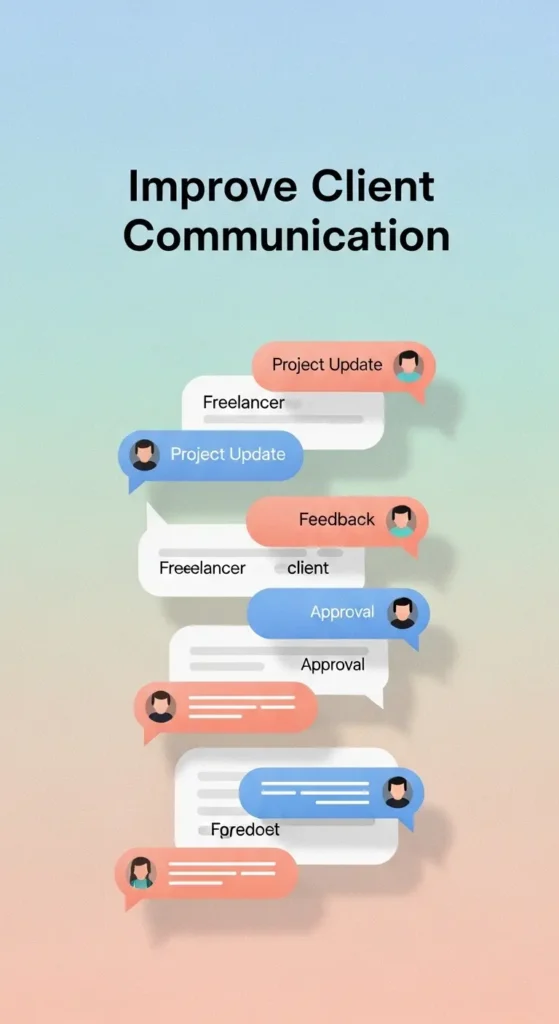
Technical skill alone does not win freelance projects. Many beginners lose opportunities because their communication feels unclear or slow.
Practice writing clear messages, asking smart questions, and confirming expectations early. Clients prefer freelancers who are easy to work with, even more than those who are slightly more skilled.
9. Build A Simple Daily Outreach Habit
Freelancing grows faster when you treat client outreach like a routine. Waiting passively for work usually leads to slow progress.
Set a small daily target for proposals or pitches. Consistent outreach builds visibility and increases the chances of landing your first few projects much sooner than sporadic effort.
10. Keep Improving Your Skill Every Week

Freelancing rewards people who improve quickly. Beginners who stop learning often struggle to increase their rates later.
Dedicate time each week to sharpening your main skill. Even small improvements compound over time and help you move from beginner projects to higher-paying clients more smoothly.
11. Think Long Term From The Beginning

Freelancing is not just about quick gigs. The real income growth comes from repeat clients and strong positioning.
Focus on building relationships, collecting testimonials, and refining your niche. When you think long term early on, freelancing becomes far more stable and profitable.