Learning how to make money with AI in 2026 does not require a computer science degree or expensive equipment. Businesses and creators across the US are actively paying for AI-assisted services — from editing videos to setting up chatbots — because these tools let one person do work that used to take a whole team. Below are 10 practical, beginner-friendly ways to earn with AI, each with a clear path to your first paying client.
The key is simple: pick one service, learn the core workflow with free or low-cost AI tools, and offer it to a specific audience. You do not need to master all ten — one well-delivered service is enough to start earning.
1. AI Video Editing Services

Content creators, realtors, and online course instructors constantly need short-form videos, captions, and highlight reels. AI editing tools can auto-cut silences, add captions, and generate b-roll suggestions, so you can deliver finished reels far faster than traditional editors. Start by offering a small package of five edited shorts to local businesses or creators you follow, then raise your rates as your portfolio grows.
2. AI Voiceover and Narration Work

Explainer videos, audiobook chapters, and local business ads all need voiceovers, and modern AI voice tools produce remarkably natural results. Your job is to write or polish the script, generate the voiceover, and clean up the audio for a finished product. List the service on freelance marketplaces or pitch directly to YouTubers who use text-heavy content without narration.
3. Selling AI Prompt Packs

Marketers, teachers, and real estate agents want AI results without learning prompt engineering themselves. You can research what a specific niche struggles with, build a curated pack of 50 to 100 tested prompts, and sell it as a downloadable bundle. Keep refining the pack based on buyer feedback, and niche-focused packs consistently outperform generic ones.
4. AI Chatbot Setup for Local Businesses

Dentists, salons, gyms, and contractors lose customers when nobody answers after hours. You can build a simple AI chatbot trained on a business’s FAQs, services, and booking links so it answers questions and captures leads around the clock. Charge a one-time setup fee plus a small monthly maintenance retainer for updates and monitoring.
5. AI-Powered Social Media Management

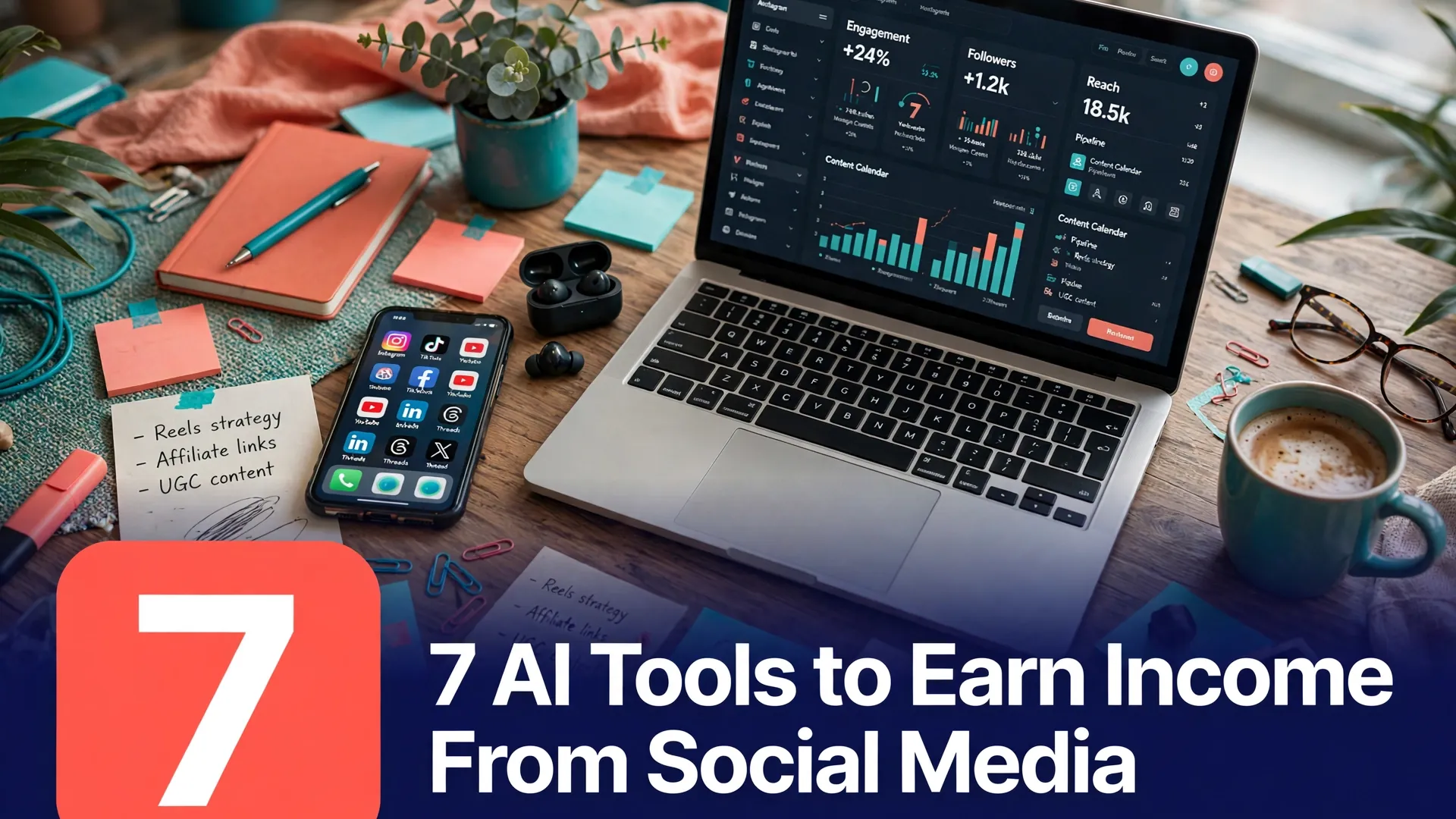
Small businesses know they should post regularly but lack the time. Use AI to draft captions, suggest content calendars, and create simple graphics, then manage two or three accounts on a monthly retainer. Because AI speeds up content production, you can handle more clients than a traditional social media manager working manually.
6. AI Resume and Cover-Letter Services

Job seekers pay for resumes that pass applicant tracking systems and read well to hiring managers. Combine AI drafting with your own review to produce keyword-optimized resumes and tailored cover letters for specific industries. This is a service you can start with nothing more than a word processor and an AI writing tool.
7. AI Translation and Localization Services

US businesses selling internationally need product listings, help pages, and marketing copy adapted — not just word-for-word translated — for new markets. Use AI for the first pass, then review and localize tone, idioms, and cultural references yourself. Your value is the human quality check that pure machine translation cannot provide.
8. AI Data Annotation Gigs

AI companies pay people to label images, transcribe audio clips, and rate text responses so their models improve. These microtask platforms accept beginners, pay per completed task, and let you work whenever you want. It will not replace a full-time income, but it is one of the easiest ways to earn your first dollars in the AI economy.
9. AI-Generated Music Licensing

YouTubers, podcasters, and indie game developers constantly need royalty-free background music. With AI music tools you can compose original tracks in specific moods and lengths, then license them through stock music marketplaces or your own site. Focus on niches like lo-fi study music or upbeat corporate tracks that buyers search for repeatedly.
10. AI Automation Agency Services

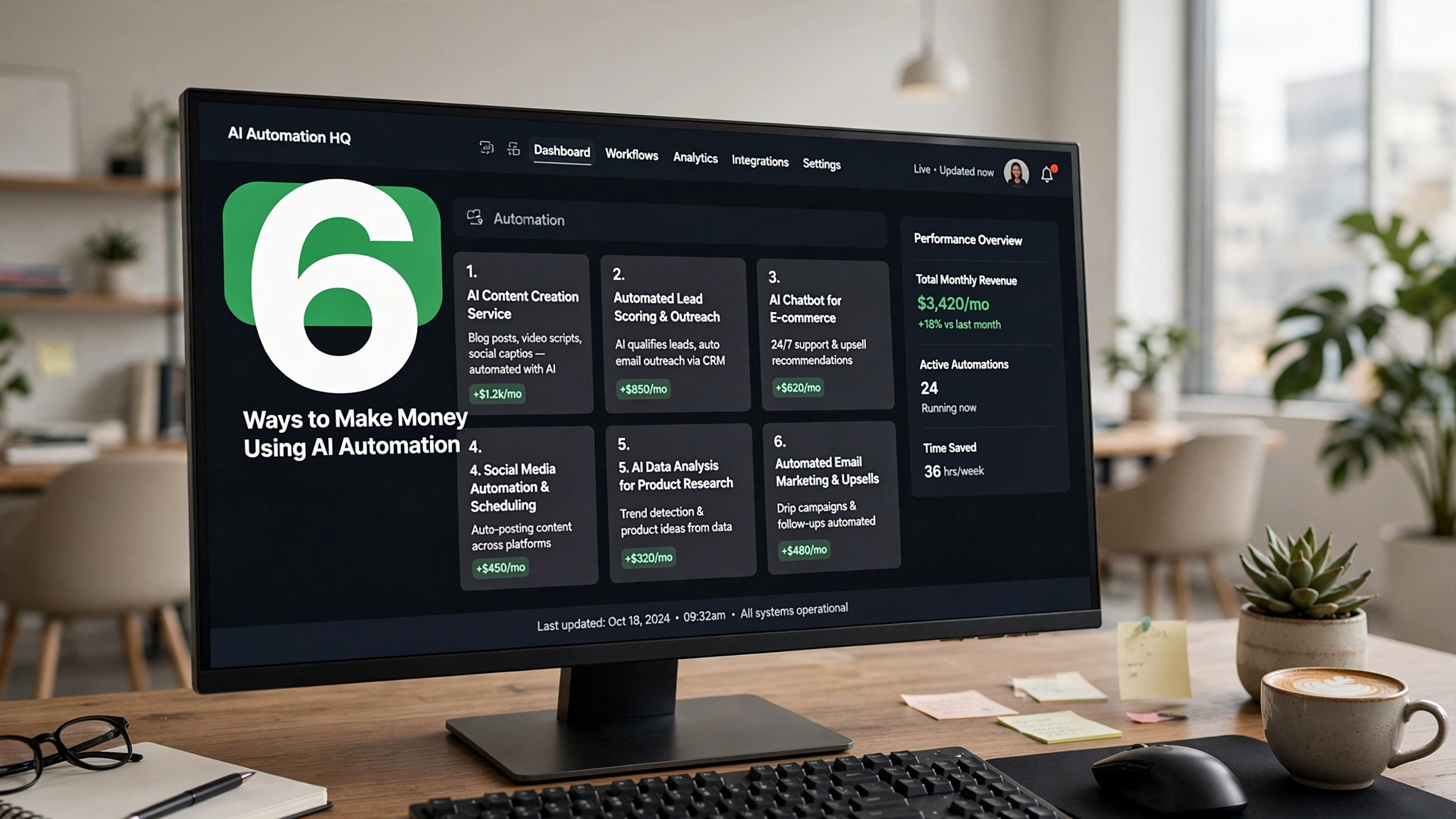
Small businesses waste hours on repetitive work like following up with leads, sorting inboxes, and sending invoices. You can design simple AI automations that handle these tasks and charge a setup fee plus a monthly retainer to keep everything running. This is a make money with AI path that scales well, because each new client reuses workflows you have already built.
Frequently Asked Questions
Can I really make money with AI without any technical skills?
Yes. Most of these services rely on no-code AI tools with simple interfaces — your main skills are communication, organization, and understanding what a client needs. You learn the tool by using it for practice projects before you ever charge a client.
How much can a beginner earn offering AI services in 2026?
It varies widely by service and effort. Beginners commonly start with small projects in the $25 to $100 range and raise rates as they build a portfolio and reviews. Data annotation gigs pay less per hour but require no clients; service businesses earn more once you land steady retainers.
Do I need to pay for AI tools to get started?
Not at the beginning. Most major AI tools offer free tiers that are enough for learning and your first few client projects. Once you have paying clients, reinvest a portion of earnings into paid plans that save you time.
Which AI service is easiest to start with no experience?
AI resume services and AI data annotation gigs have the lowest barrier to entry — no clients to find for annotation, and resume clients are easy to reach through local job-seeker groups. AI video editing is also beginner-friendly because demand is high and the tools do much of the technical work.
Is selling AI-generated content legal in the US?
Generally yes, but check each platform’s terms: some marketplaces and freelance sites have specific rules about AI-generated deliverables. Always disclose AI involvement when a client or platform asks, and avoid claiming full copyright ownership of purely AI-generated works without understanding current US Copyright Office guidance.