Self-storage is one of the few property investments beginners can understand quickly: people rent small units to store things they do not have room for, and they keep paying as long as they need the space. Demand stays fairly steady in good times and bad, because moves, downsizing, and life changes happen in every economy. But self storage investing is not risk-free, and the right entry point depends on how much money you have and how much work you want to do. The seven ideas below range from completely hands-off to genuinely hands-on, so you can start small and move up only when you are ready. If you are new to passive income generally, passive income ideas that actually work gives the wider picture, and passive income ideas for busy professionals covers other low-effort property options.
1. Self-Storage REITs for Hands-Off Beginners
A real estate investment trust, or REIT, is a company that owns income-producing property and pays most of its profits to shareholders as dividends. Self-storage REITs own hundreds of facilities, so buying a few shares gives you instant diversification across many locations without buying a building. You can start with the price of a single share through a brokerage account, and you can sell whenever you want, which makes REITs the most flexible entry point on this list.
The trade-off is that you have no control over which facilities the REIT buys or how it runs them, and share prices can fall even when the underlying storage business is fine. Treat REITs as a long-term holding, reinvest the dividends if you do not need the income yet, and remember that dividends are taxable in the year you receive them.
2. Fractional Self-Storage Investing Through Crowdfunding
Real estate crowdfunding platforms let many small investors pool money into a single storage facility or portfolio, with minimum investments that are often a few hundred to a few thousand dollars. You choose a project, review its business plan and projected returns, and receive your share of rental income or sale profits. This suits beginners who want direct exposure to a specific facility but cannot afford to buy one alone.
Read the fine print carefully before investing: your money is usually locked up for several years, returns are projections rather than promises, and some platforms charge fees that reduce your payout. Only invest money you can afford to leave untouched for the full term, and spread it across more than one project if you can.

3. Convert an Existing Building Into Mini Storage Units
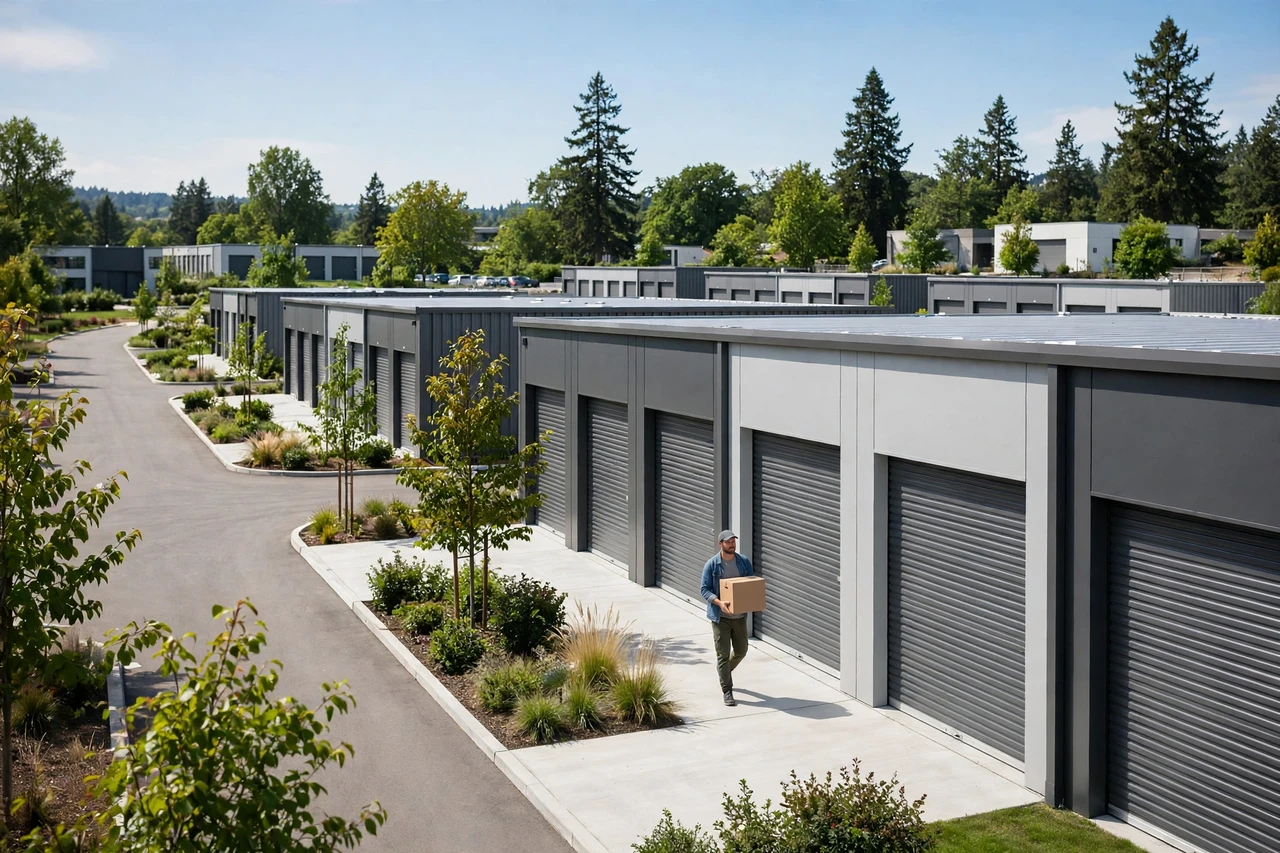
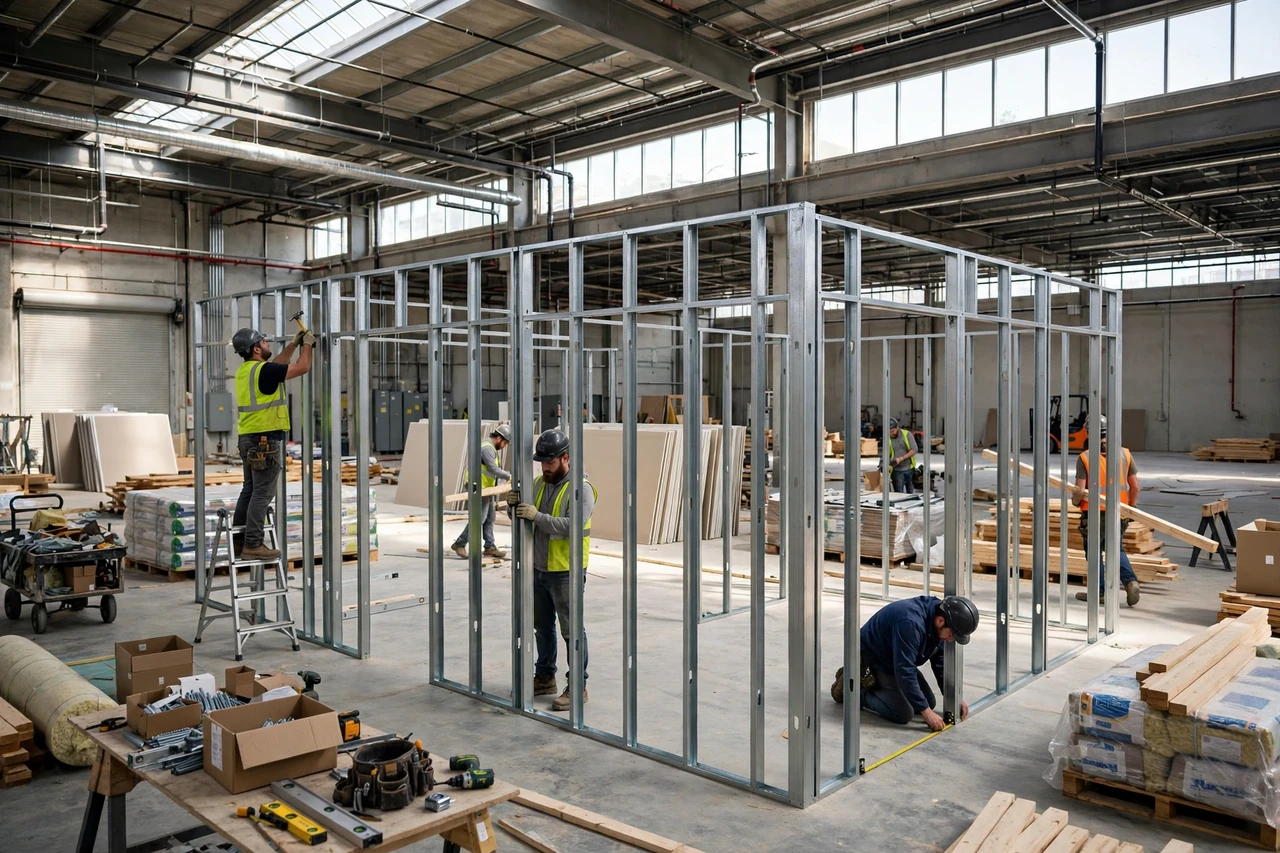
If you already own a warehouse, large garage, or underused commercial building, converting it into mini storage units can be cheaper than building from scratch. The work usually involves dividing the space, adding individual locks and access control, improving lighting and security, and meeting local building and zoning rules. Because the building already exists, your biggest costs are the conversion and marketing, not land and construction.
Check zoning and permits before spending anything, since not every area allows storage use, and talk to your insurer about coverage for tenants’ stored goods. Start with a small section of the building, prove the demand, and expand unit by unit rather than converting everything at once.
4. Buy a Small Existing Facility With an SBA Loan
Buying an existing small storage facility is more work than buying shares, but it gives you control and a business with a track record. The U.S. Small Business Administration backs loans that can help qualified buyers purchase commercial property with a smaller down payment than a conventional loan usually requires. A lender will want to see the facility’s occupancy rate, rental income history, expenses, and your own credit and business plan.
Do not buy on the asking price alone: visit the facility, check the condition of units, gates, and security systems, and review whether rents are below market or tenants are behind on payments. Hiring a property manager can make this genuinely passive, but management fees will reduce your monthly profit, so run the numbers both ways.
5. Rent Out Portable Storage Containers on Your Property
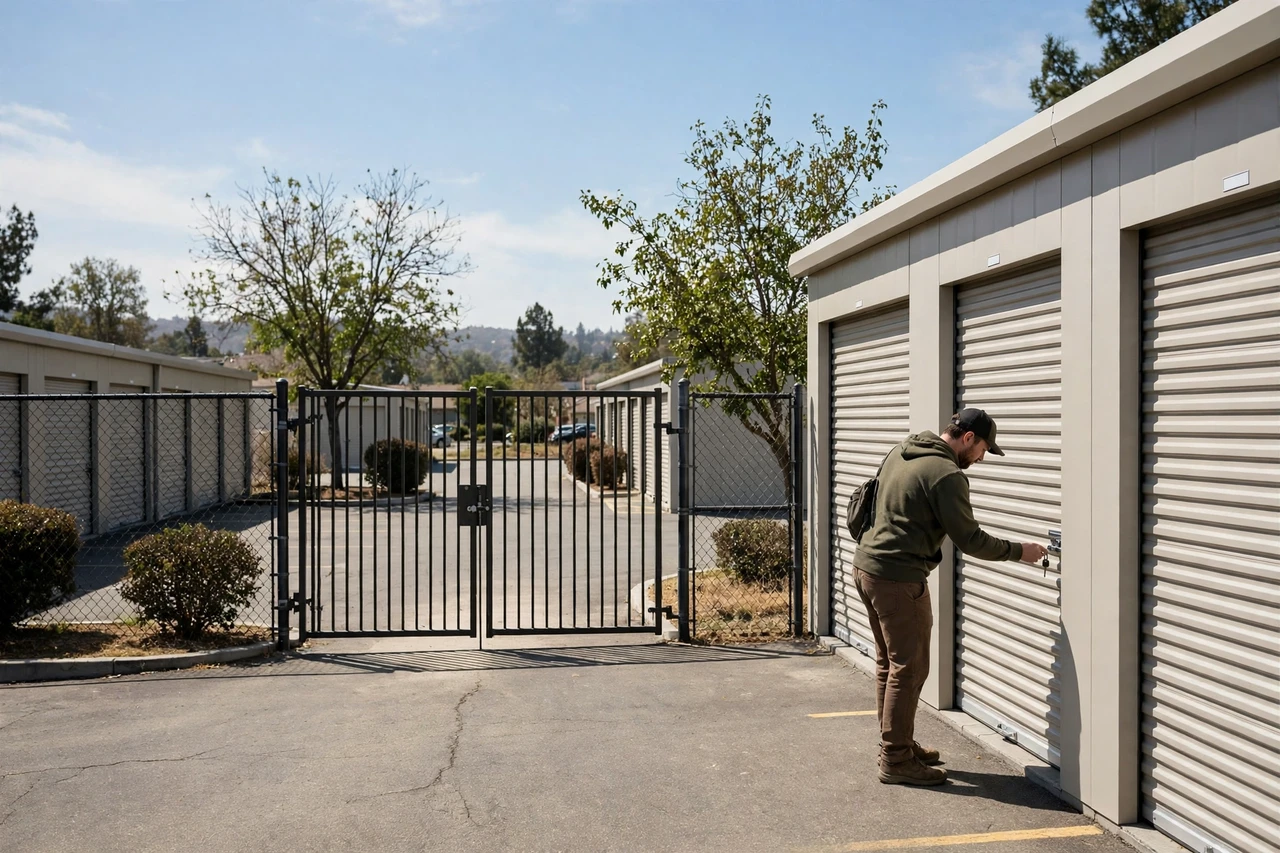
Portable storage containers, the kind delivered to a customer’s driveway during a move or renovation, are a smaller-scale way into the storage business. You buy or lease a few containers, rent them by the month, and either leave them on your own property or deliver them to customers’ locations. Startup costs are far lower than buying a facility, and you can start with two or three containers to test demand in your area.
This idea only works where local rules allow container storage, so check zoning, homeowner association rules, and any permits before buying. You will also need a way to move containers, which usually means hiring a truck or partnering with a hauling service until the business can support its own equipment.
6. Climate-Controlled Units in Fast-Growing Suburbs
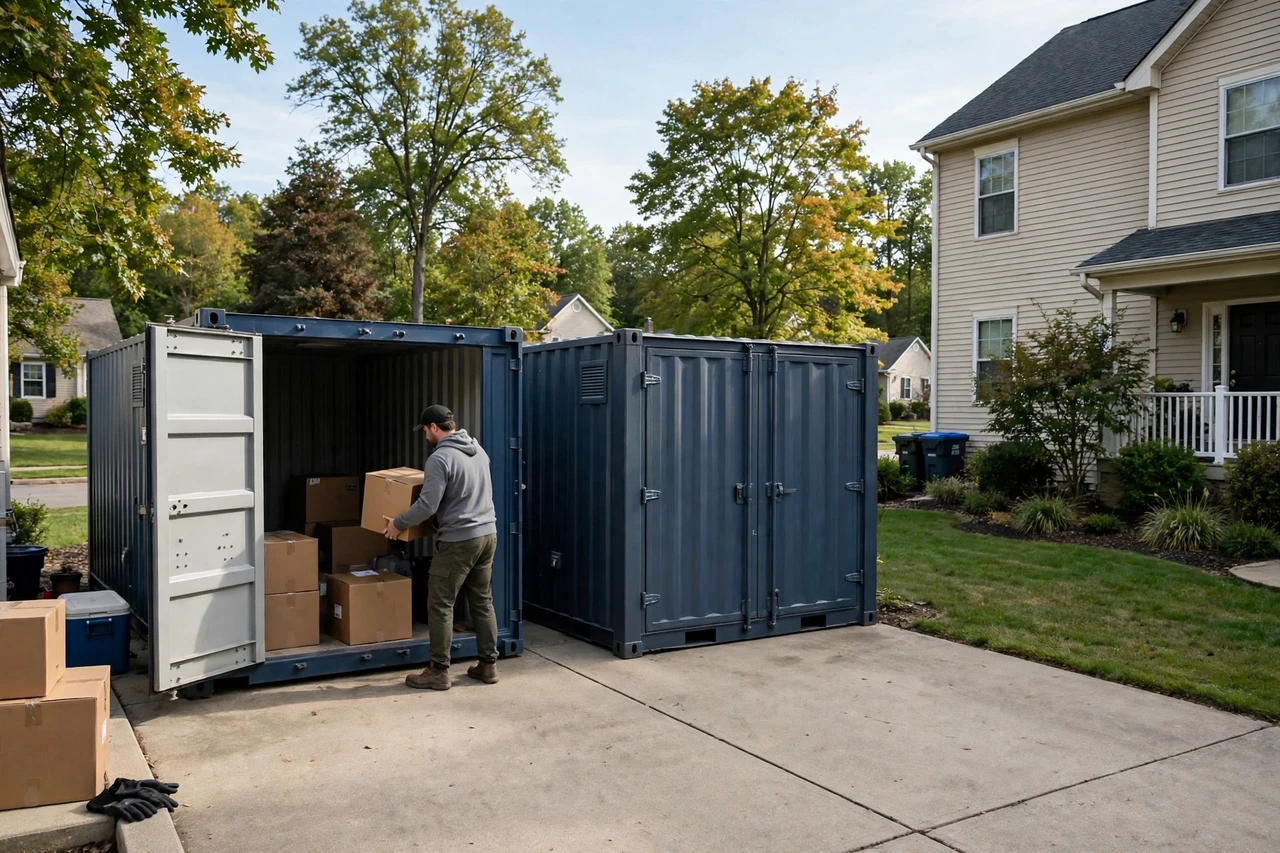
Climate-controlled units stay at a steady temperature and humidity, which protects furniture, electronics, documents, and instruments that ordinary units can damage. They cost more to build and run, but they also command higher rents, and demand is strongest in fast-growing suburbs where new residents arrive with belongings and no garage space yet. If you are building or buying, a mix of standard and climate-controlled units lets you serve both budget and premium customers.
The risk is the higher running cost: heating, cooling, and dehumidifying eat into margins, and a system failure can damage tenants’ goods. Budget for maintenance and insurance from day one, and set rents by researching what comparable facilities in the same suburb actually charge, not what you hope they charge.
7. Lease Your Land to a Self-Storage Operator
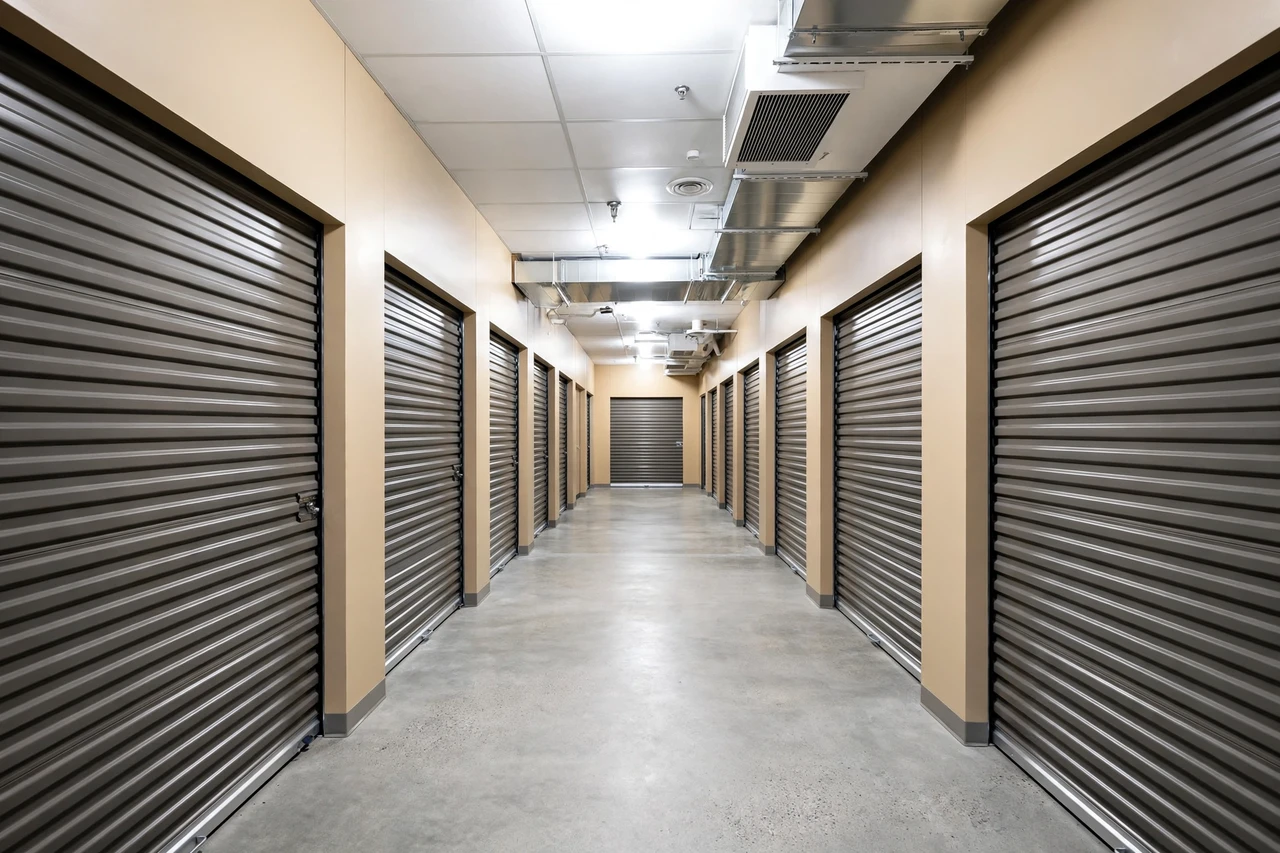
If you own well-located land but do not want to run a storage business, leasing it to an experienced operator can produce steady income with very little work. The operator builds and manages the facility, pays you ground rent, and takes on the day-to-day risk, while you keep ownership of the land. These leases often run for decades, which gives you long-term income, but they also tie up your land, so you cannot easily sell or redevelop it during the lease term.
Have a lawyer review any ground lease before signing, and pay attention to rent increases, who pays property taxes, and what happens to the buildings when the lease ends. A well-negotiated ground lease is one of the most passive entries into self-storage, but only sign terms you could live with for twenty years.

Frequently Asked Questions
How much money do I need to start self-storage investing?
It depends on the entry point. A REIT share can cost less than $100, crowdfunding platforms often start at a few hundred dollars, portable containers start in the low thousands, and buying a facility usually requires tens of thousands as a down payment even with an SBA loan. Start with the level that fits money you can afford to leave invested.
Is self-storage really passive income?
Only the hands-off options are truly passive. REITs, crowdfunding, and ground leases need little ongoing work, while owning and managing a facility is a real business with tenants, maintenance, and marketing. Hiring a property manager moves ownership closer to passive, but it costs a percentage of your income.
What are the biggest risks in self-storage investing?
Overbuilding in your area, falling occupancy, and unexpected maintenance costs are the main risks. A new competing facility nearby can push rents down, and older facilities can need expensive roof, gate, or security repairs. Research local supply, visit competing facilities, and keep a cash reserve for repairs.
Do I need experience in real estate to invest in self-storage?
No, but you need to do basic homework: understand occupancy rates, rental income, expenses, and local zoning rules. REITs and crowdfunding need the least knowledge, while buying a facility rewards buyers who learn to read a property’s financial statements before they sign.
Are self-storage returns guaranteed?
No investment guarantees returns, and anyone promising a fixed high return should be treated with suspicion. Storage facilities can sit empty, tenants can default, and property values can fall. Treat projected returns as estimates, not promises, and never invest borrowed money you cannot afford to repay.