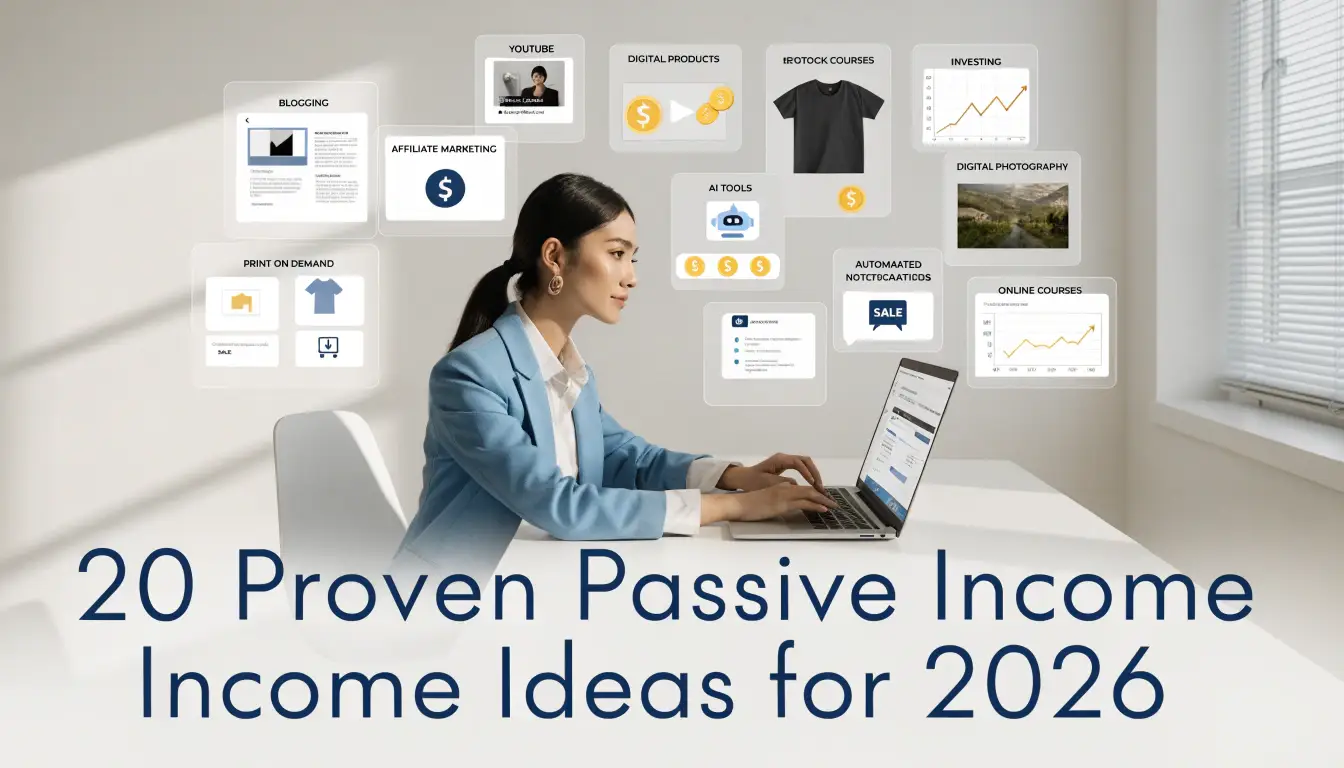
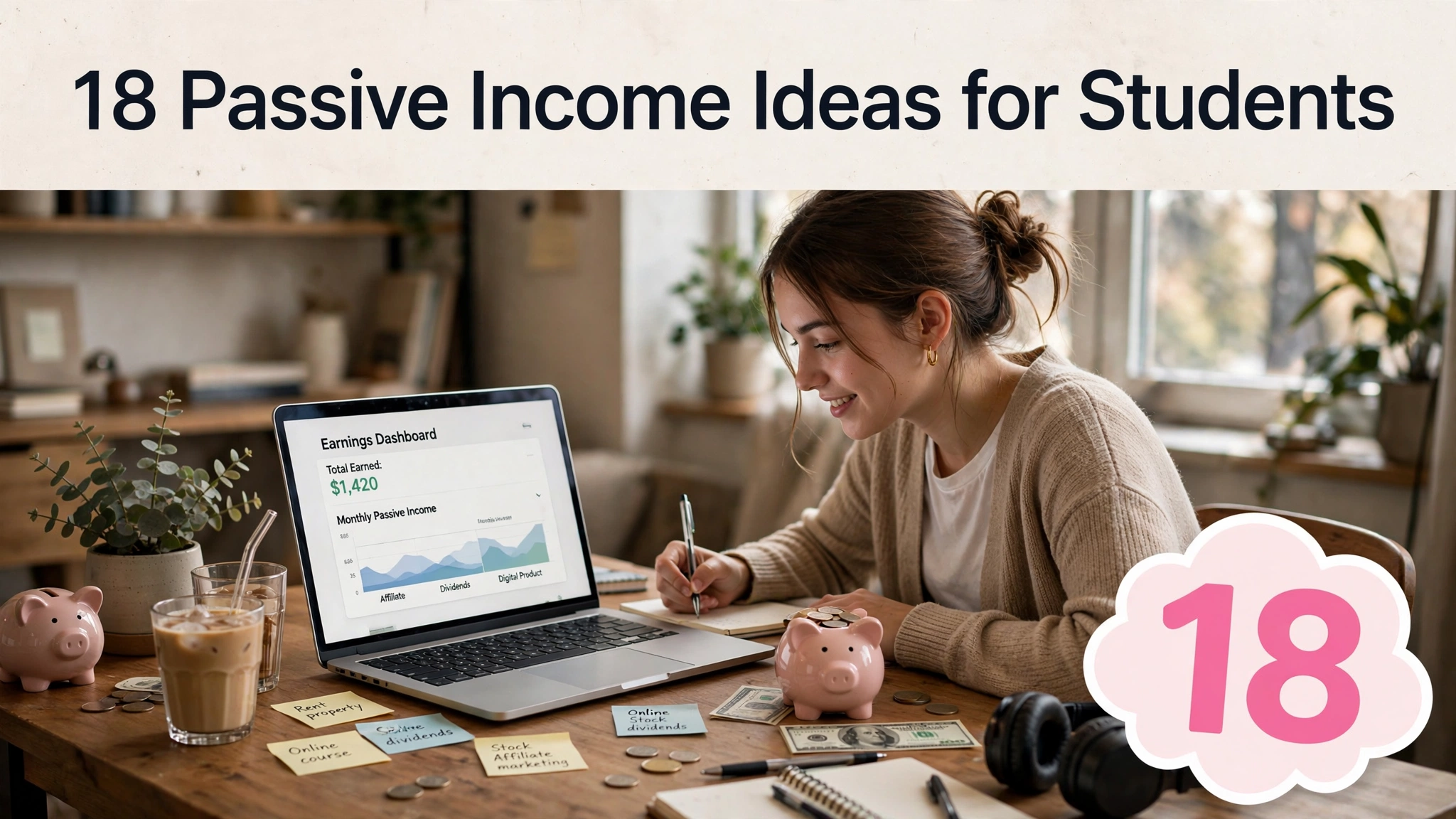
Single parents face a brutal math problem: there are only so many hours in a day, and most of them belong to your kids. Trading more hours for dollars is not a sustainable answer. Passive income — money that keeps arriving after the initial work is done — is the only realistic path to financial breathing room when you are parenting solo. These 13 ideas are chosen specifically for single parents: low startup time, manageable with unpredictable schedules, and proven by real people. For more approaches, see passive income for busy professionals, passive income for teachers, and passive income for nurses.
1. Sell Printable Planners on Etsy
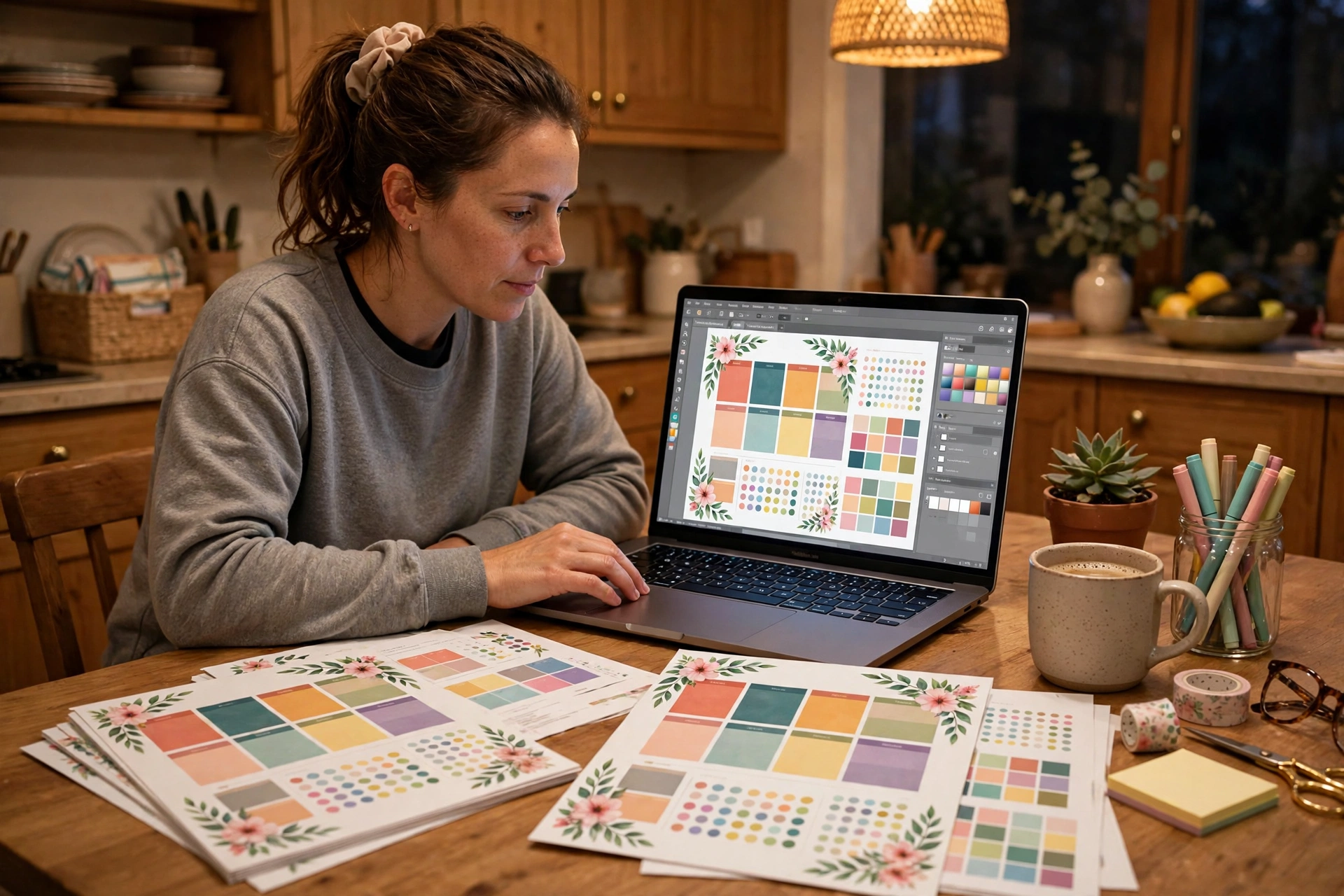
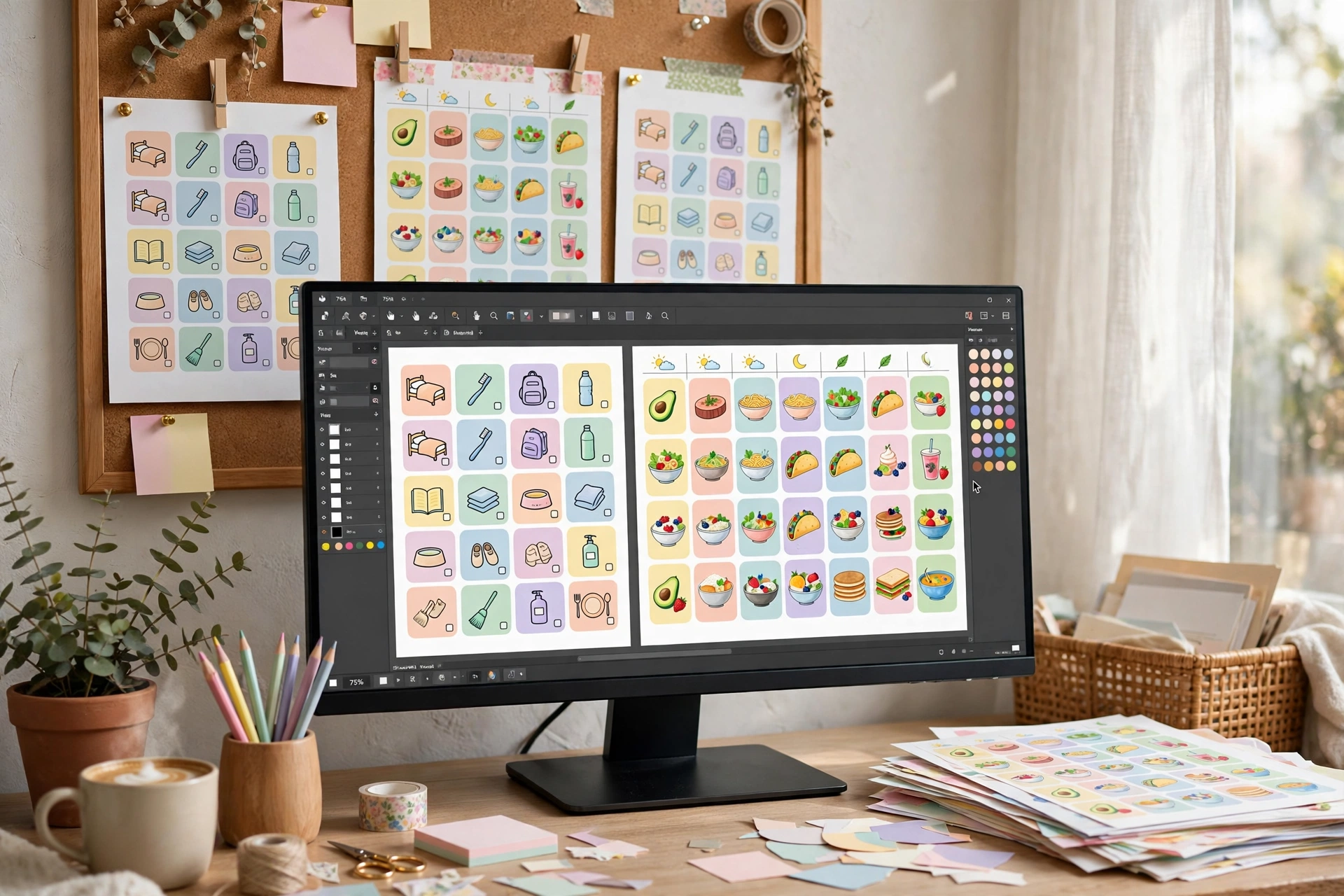
You already manage a household solo — turn that skill into products. Printable planners (budget trackers, meal planners, chore charts, co-parenting calendars) sell for $3 to $12 on Etsy with zero inventory. Create once in Canva, list it, and earn while you sleep. Top sellers in the parenting niche make $500 to $3,000 per month from catalogs of 20+ printables.
Start with 5 planners solving problems you personally face — authenticity sells. Price bundles higher than singles. Etsy handles payments and delivery; your only ongoing work is occasional new designs and answering buyer questions.
2. Dividend-Paying Stocks and ETFs
Dividend investing is the most truly passive income that exists: buy shares, collect quarterly payments, reinvest. Funds like SCHD or VYM pay 3 to 4 percent annually — $10,000 invested generates $300 to $400 per year without lifting a finger. Start with whatever you can: $50/month in a brokerage account compounds meaningfully over years.
Use M1 Finance or Fidelity for commission-free fractional shares. Enable dividend reinvestment (DRIP) to accelerate compounding. This will not replace your job tomorrow, but it is the foundation every single parent should build — even $25/month matters.

3. Self-Publish Parenting Ebooks on Amazon KDP
You have hard-won expertise: managing tantrums solo, budgeting on one income, co-parenting logistics. Package it as a $2.99 to $9.99 Kindle ebook. Amazon KDP requires zero upfront cost — upload a Word document, design a cover in Canva, and collect 35 to 70 percent royalties on every sale forever.
Write in short bursts during nap times or after bedtime; a 15,000-word ebook takes 3 to 4 weeks at that pace. Niches that sell: single-parent budgeting, co-parenting communication scripts, solo travel with kids. One good book can earn $100 to $500/month for years.

4. Rent Out Baby and Kids Gear
That stroller, car seat, crib, and high chair your kids outgrew? They are income. Platforms like BabyQuip let you list baby gear for traveling families to rent — $15 to $40 per day per item. If you kept quality gear in good condition, you are sitting on hundreds in potential rental income.
List 5 to 10 items with good photos. BabyQuip handles booking and payments; you handle handoffs. Parents visiting your area are constant customers. Some BabyQuip providers earn $1,000+/month in tourist-heavy cities.

5. Create a Niche Blog With Affiliate Links
A blog about single parenting, budget family meals, or solo travel with kids can generate affiliate income for years. Write 30 to 50 helpful articles, join Amazon Associates and parenting-product affiliate programs, and earn commissions when readers buy through your links. Established niche blogs earn $500 to $5,000/month.
Write one article per week — sustainable even with kids. Focus on “best X for single parents” roundups; they convert best. Use free WordPress.com or cheap shared hosting to start. Income is slow for 6 months, then compounds as traffic grows.

6. Sell Stock Photos of Real Family Life
Stock photo sites desperately need authentic images of real single-parent families — not staged models. Your everyday life (cooking together, homework time, park outings) is marketable content. Upload to Adobe Stock, Shutterstock, and Getty; earn $0.25 to $5 per download, thousands of times over.
Shoot with your phone in natural light — authenticity beats perfection here. Model releases for your own kids are simple (you are the parent). A portfolio of 500+ images can generate $200 to $800/month passively.

7. High-Yield Savings Account Ladder
Not exciting, but genuinely passive: high-yield savings accounts now pay 4 to 5 percent APY. Your emergency fund — which you need anyway — should be earning this instead of sitting in a 0.01 percent checking account. $5,000 at 4.5 percent earns $225/year for zero effort.
Open accounts at Ally, Marcus, or Capital One (all free, all FDIC insured). Split savings into buckets: emergency fund, kids’ activities, holiday fund. Set up automatic transfers on payday. This is step zero of passive income — do it today.

8. License Your Parenting Printables to Blogs
Beyond Etsy, parenting blogs and websites pay for exclusive printable content — chore charts, educational worksheets, party planning templates. Create a pack of 20 printables and license it to 5 blogs at $100 each: $500 for work you did once. Sites like Etsy also allow commercial-use licensing at premium prices.
Pitch mom bloggers directly with a sample pack. Offer “exclusive” licenses (higher price, only they can use it) and “non-exclusive” (lower price, sell to many). This turns one creation session into multiple income streams.
9. Rent a Parking Space or Storage Area
Got a driveway, garage corner, or spare closet? In urban areas, parking spaces rent for $100 to $300/month on SpotHero or Neighbor. A garage corner used for someone’s storage boxes earns $50 to $150/month. You already have the space — monetize it.
List on Neighbor.com with photos and dimensions. No interaction needed after setup — renters access on schedule. This is ideal for single parents because it requires literally zero ongoing time.

10. Create an Online Course From Your Skills
What do you know that others would pay to learn? Budget meal planning, thrift-store flipping, freelance writing, Excel basics — package it as a $29 to $99 course on Udemy or Teachable. Record with your phone, edit in CapCut, upload once, and earn per enrollment indefinitely.
Udemy handles marketing to its millions of students (you keep ~37% per sale, or 97% for your own traffic). A course with 500 students at $30 nets $5,500+ over its lifetime. Record in 15-minute chunks after kids’ bedtime.

11. Cash-Back and Rewards Stacking
This is not “income” in the traditional sense, but optimized cash-back is free money for spending you already do. Stack: a 2% cash-back credit card + Rakuten (up to 10% at stores) + Ibotta (grocery rebates) + gas apps. A single parent spending $2,000/month can recover $50 to $120/month — $600 to $1,400/year — for minutes of effort.
Set it up once: install the apps, link your cards, and check before purchases. Teach your kids to scan receipts — it becomes a game. This money goes straight to savings or the kids’ activity fund.

12. Peer-to-Peer Lending Returns
Platforms like Prosper and LendingClub let you fund slices of personal loans and earn 5 to 8 percent interest — higher than savings accounts, with monthly payments deposited automatically. Start with $500 spread across 20+ loan slices to diversify risk.
Set to auto-reinvest and forget it. Returns are not guaranteed (borrowers can default), so only invest money you will not need for 3+ years. For single parents building long-term wealth alongside an emergency fund, it is a solid middle-ground option.

13. YouTube Faceless Channel About Single Parenting
Faceless YouTube channels — stock footage plus AI voiceover — about budgeting, parenting hacks, or “day in the life” content can earn ad revenue for years. A channel with 50 videos averaging 10,000 views earns roughly $500 to $1,500/month from ads alone, plus affiliate income from video descriptions.
Produce one video per week using free stock footage (Pexels) and ElevenLabs voiceover. Topics that perform: “How I Feed My Family on $300/Month,” “Single Mom Morning Routine,” “Co-Parenting Tips That Actually Work.” Growth is slow for 3 months, then accelerates.

Frequently Asked Questions
Which passive income idea is best for a busy single parent?
Start with high-yield savings (immediate, zero effort) and printable products on Etsy (low time, scalable). Add dividend investing with whatever you can spare monthly. These three together build a real foundation without demanding hours you do not have.
How much money do I need to start?
Most of these ideas cost $0 to $50 to start. Etsy printables need Canva (free) and a $0.20 listing fee. Dividend investing starts with $25. Only peer-to-peer lending and serious stock investing benefit from larger starting capital.
How long before I see real income?
Cash-back stacking and high-yield savings pay immediately. Etsy and KDP typically generate first sales within 30 days. Blogging and YouTube take 6 to 12 months to gain traction. Dividend compounding shows meaningful results in 3 to 5 years. Start the fast ones now; build the slow ones in the background.
Can I do these with young kids at home?
Yes — that is the point. Printables, ebooks, stock photos, and blogging can all be done in 30-minute nap-time windows. Rental income (gear, parking, storage) requires almost no active time at all.
What about taxes on passive income?
All passive income is taxable. Etsy, KDP, and rental platforms issue 1099 forms above thresholds. Set aside 20 to 25 percent of earnings for taxes, or make quarterly estimated payments. Consult a tax professional for your specific situation — this is not tax advice.