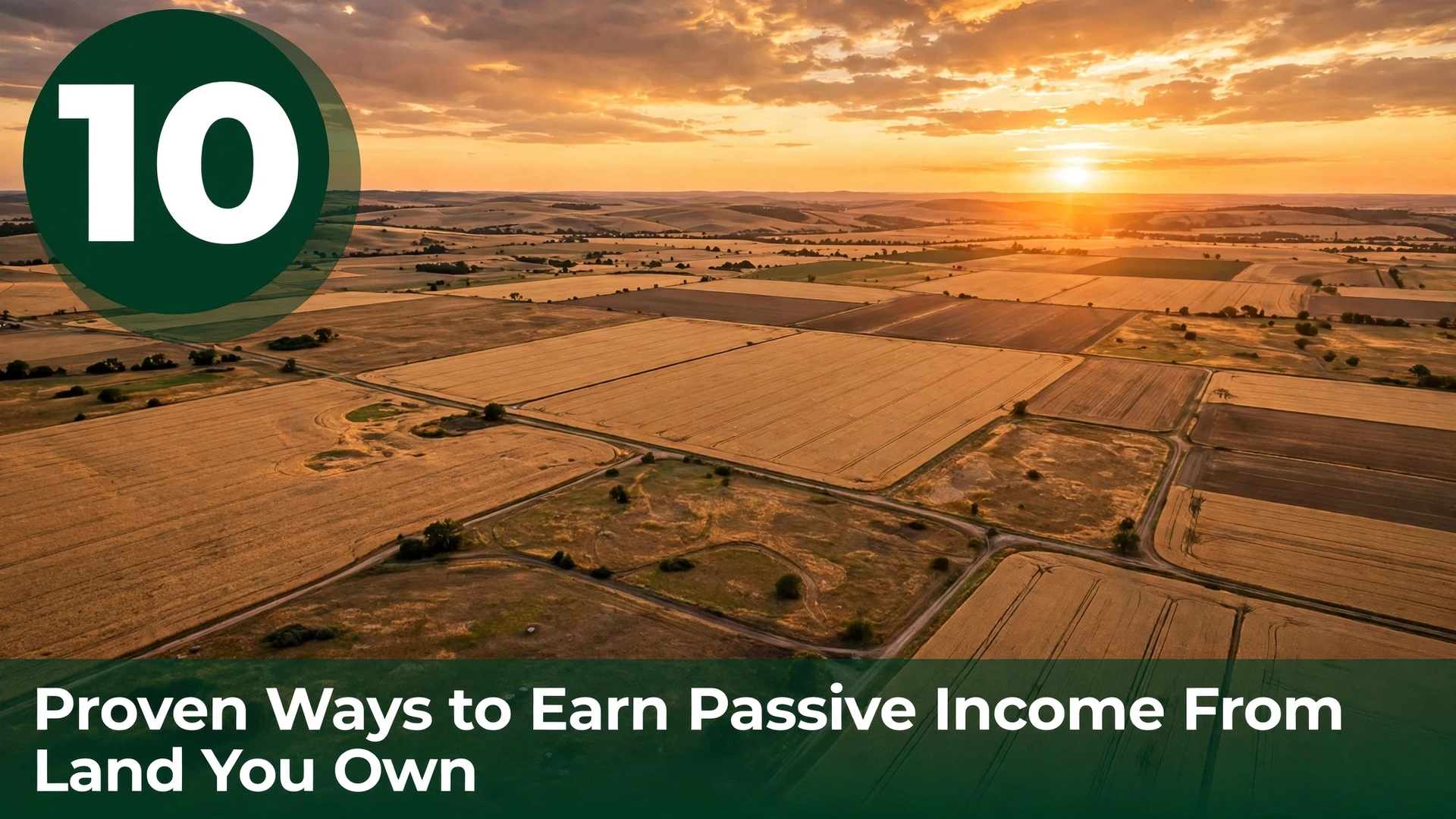
Land that sits empty is an asset earning nothing, while the same land can earn passive income from land leases that pay you every month for years. The trick is matching your land to its best use: good soil suits farming, sunny open ground suits solar, and scenic acreage suits camping or events. None of these ideas is effortless at the start, since leases, permits, and insurance all take work, but most become genuinely passive once they are running. The ten options below avoid billboard leasing and storage-operator leases, which are covered in companion articles, so you can compare them side by side. If you are new to property income, passive income ideas that actually work covers the basics, and passive income ideas for retirees includes farmland and rental options for older owners.
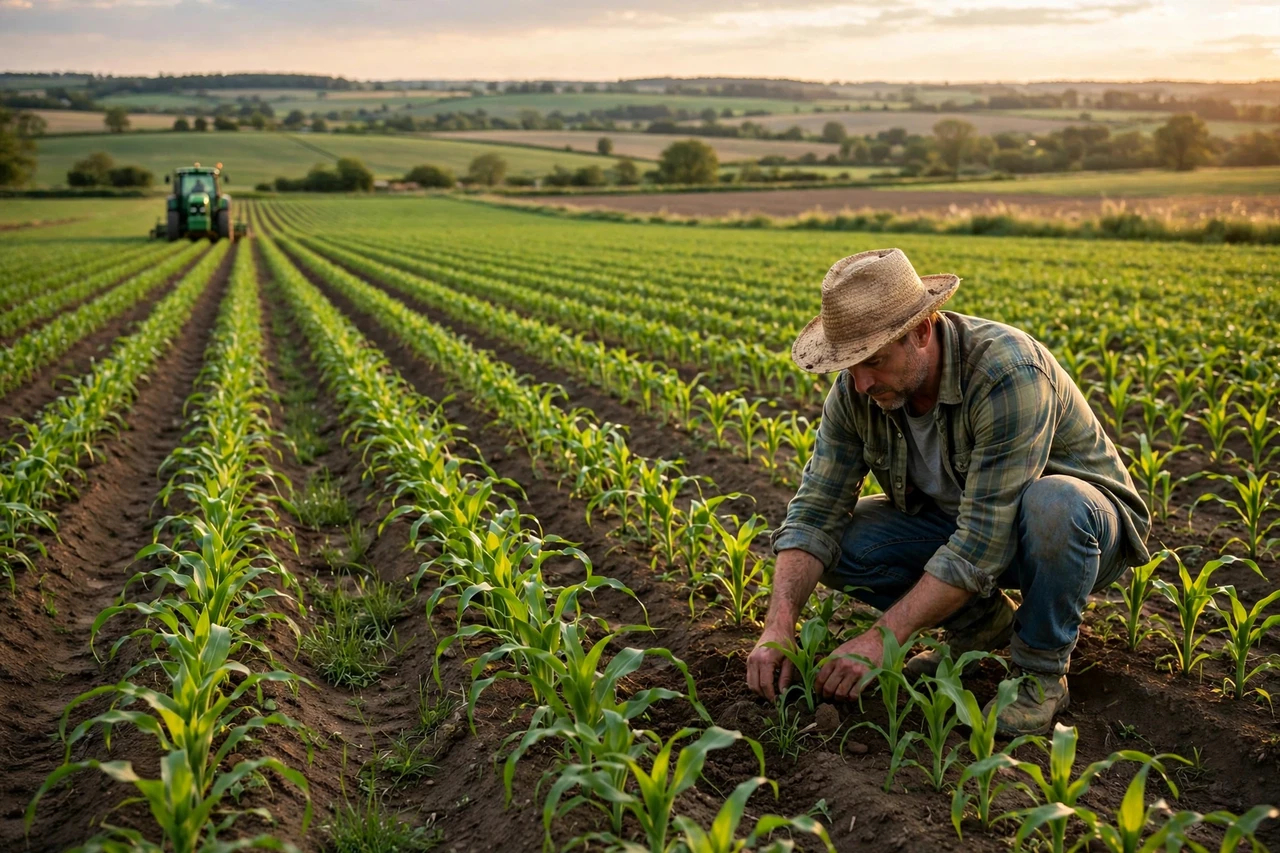
1. Lease Farmland to Local Growers for Steady Land Income
If your land has good soil and water access, local farmers may pay to grow crops or graze animals on it. Farm leases usually run for a year or several years, with rent paid annually or per season, and the farmer handles the actual work. Cash rent leases are simplest for beginners: you receive a fixed payment regardless of the harvest, while the farmer takes the farming risk.
Talk to your local farm extension office about fair rental rates in your county, since rates vary widely by soil quality and location. Put the lease in writing, covering who maintains fences and water, what can be grown, and what happens if the tenant leaves mid-season.
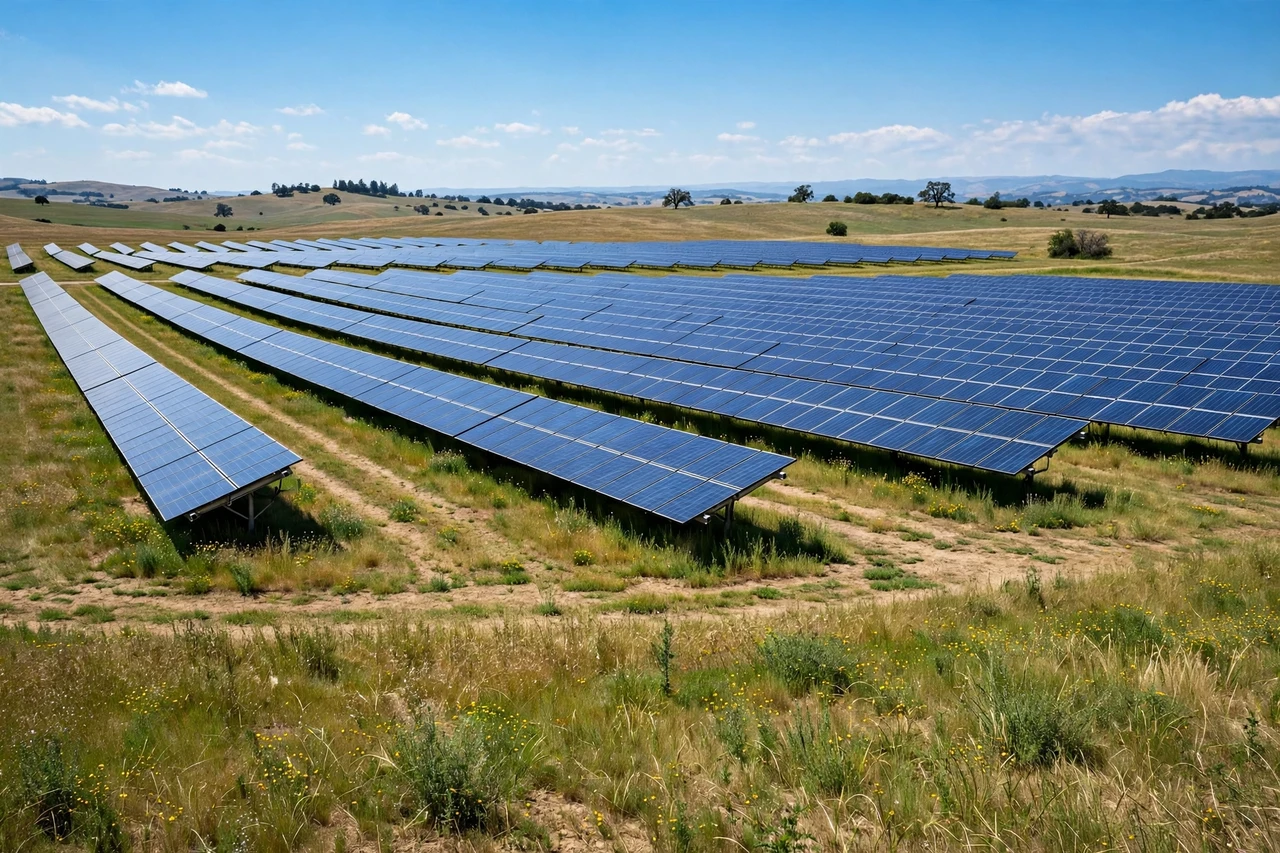
2. Solar Panel Leases on Sunny Acreage
Solar developers lease land for panel arrays, typically for 20 to 30 years, and pay rent per acre or per megawatt of capacity. This suits flat, sunny land near power lines, where developers can connect to the grid without expensive new infrastructure. The developer usually builds, maintains, and insures the array, while you receive steady payments and keep ownership of the land.
Solar leases are long commitments, so have a lawyer review rent escalators, decommissioning terms, and what happens to the panels at the end of the lease. Also check how the lease affects your property taxes and whether it limits farming or other uses on the same land.
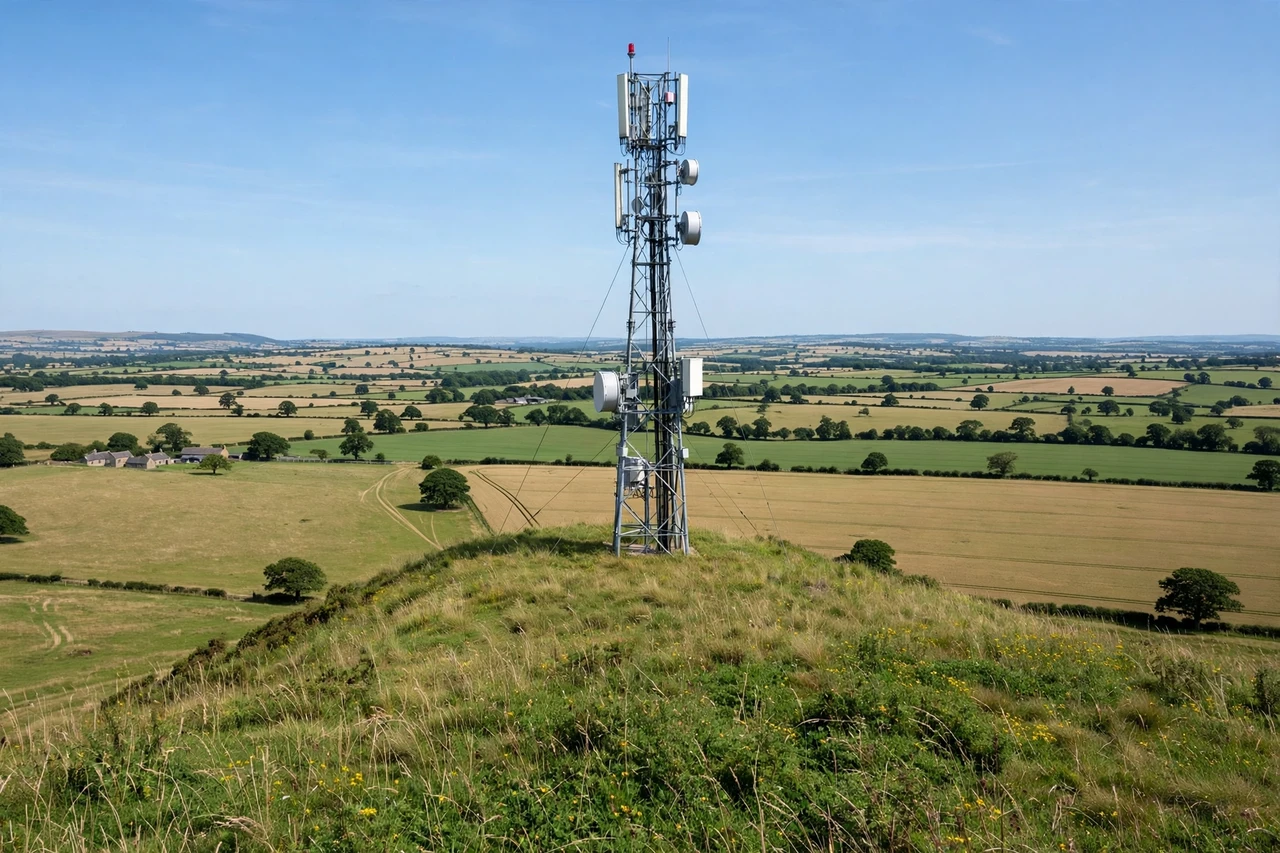
3. Cell Tower Leases on High Ground
Mobile carriers need high, well-located sites for towers, and they pay landowners monthly rent for a small fenced area, often less than a quarter acre. Hilltops, ridges, and land near highways or growing suburbs are the most attractive sites, and leases commonly run 25 years or more with built-in rent increases. Once the tower is built, your involvement is minimal.
Do not sign the first offer a carrier makes, since initial offers are often well below market rates for the area. A telecom lease consultant or lawyer can usually negotiate significantly better terms, and the lease should cover access roads, power lines, and removal of the tower when the lease ends.
4. Hunting and Fishing Access Permits
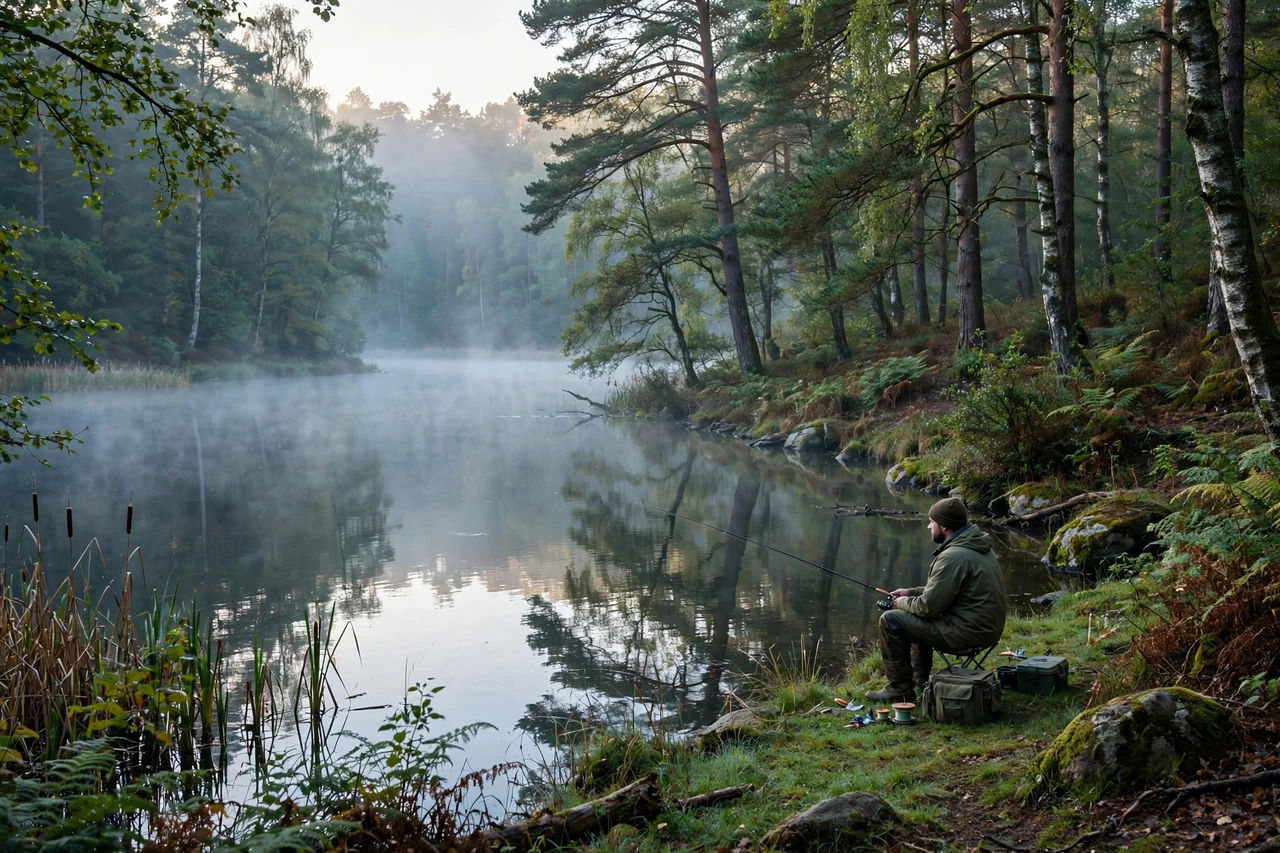
If your land has woods, wetlands, or a pond, hunters and anglers may pay for seasonal access. You can sell permits yourself through a hunting lease platform or work with a local outfitter who manages bookings and liability. Income is seasonal, usually concentrated in autumn for hunting and spring and summer for fishing, but the work is limited once permits are sold.
Liability is the key concern: require every visitor to sign a waiver, carry liability insurance, and follow your rules on firearms, fires, and vehicle access. Check your state’s recreational use laws, which in many states limit a landowner’s liability when access is given, and set clear boundaries so visitors stay off neighboring land.
5. RV Camping and Glamping Spots on Your Acreage
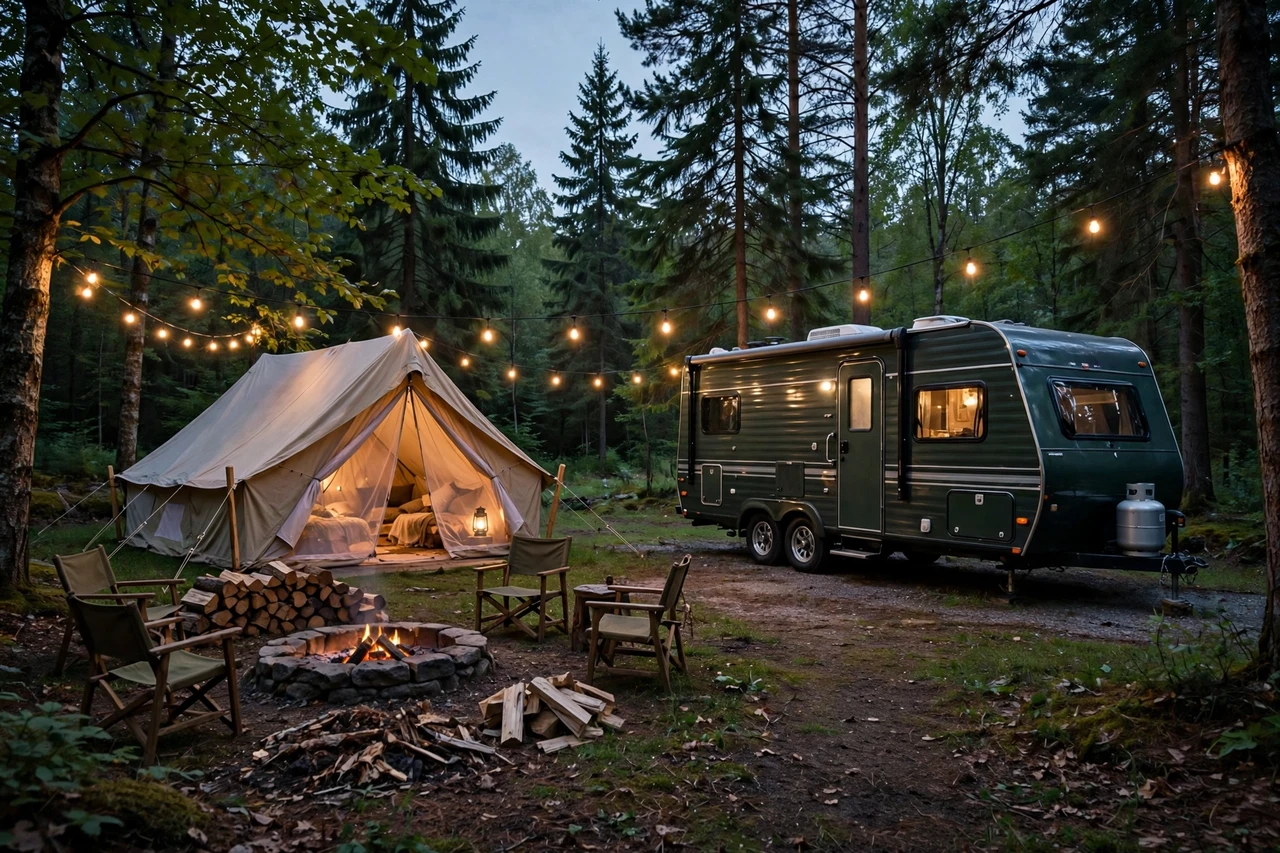
Scenic land near a town, lake, or trail can earn from RV campers and glampers who want a quieter alternative to crowded campgrounds. Start small with two or three level spots, a water connection, and a clear listing on a camping platform, then add features like fire rings, picnic tables, or a simple bathhouse as income grows. Glamping tents command higher nightly rates than bare RV pads but cost more to set up and maintain.
Check local rules first, since many areas limit how many nights guests can stay or require permits for campgrounds. Price by comparing nearby campgrounds, and set house rules on quiet hours, pets, and checkout times to keep neighbors happy.
6. Outdoor Wedding and Event Venue Rentals
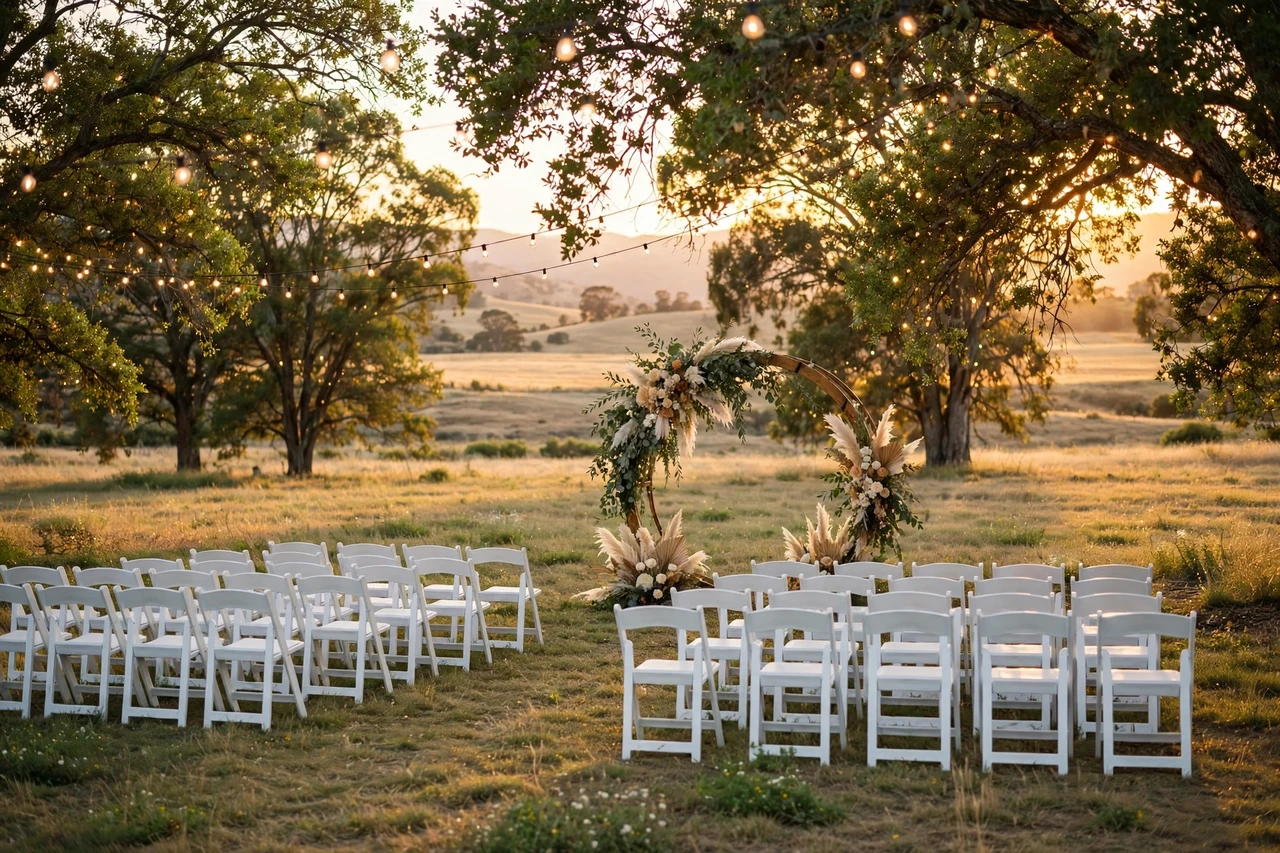
A beautiful field, barn, or garden can become a wedding or event venue, with couples paying thousands for a single weekend. You can start by renting the land alone, with clients bringing their own tents and vendors, or add services like tables, lighting, and parking over time. Event income is lumpy, concentrated in spring and autumn, but a single booking can exceed a month of rent from other uses.
Events bring noise, traffic, and liability, so require event insurance from every client, set clear end times, and arrange portable restrooms and parking before your first booking. Talk to neighbors early, since their goodwill matters more than any single event fee.
7. Community Garden Plots on Spare Land
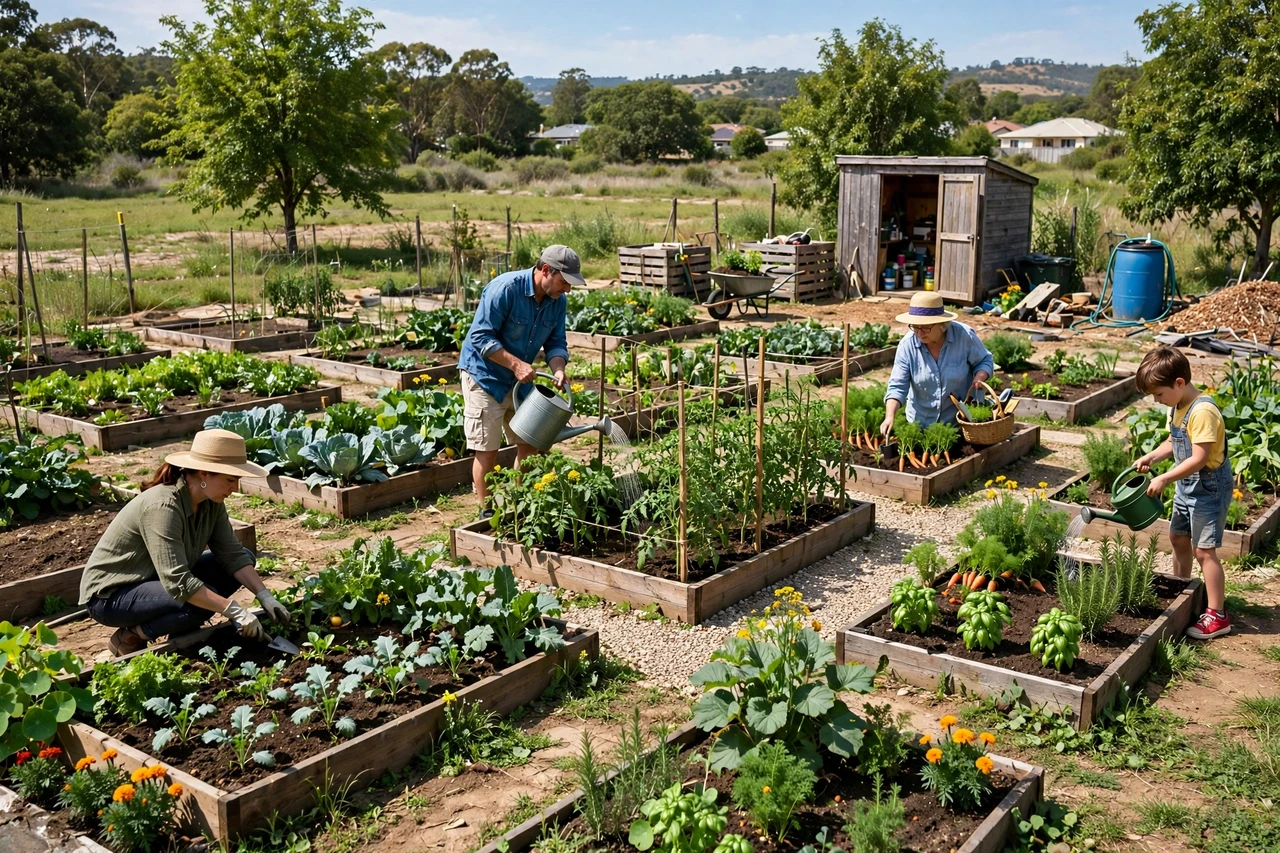
In towns and suburbs, gardeners without yards will pay annual rent for a small plot to grow vegetables and flowers. Dividing an acre into plots, adding a water supply and a simple fence, can produce steady, low-drama income from land that is too small for farming. Gardeners tend to renew year after year, and a waitlist often forms once the garden is known locally.
Keep the agreement simple: one page covering plot size, fees, organic or chemical rules, and what happens to abandoned plots. A volunteer coordinator or a small management fee can cover water and maintenance without much work from you.
8. Timber Sales From Wooded Acreage
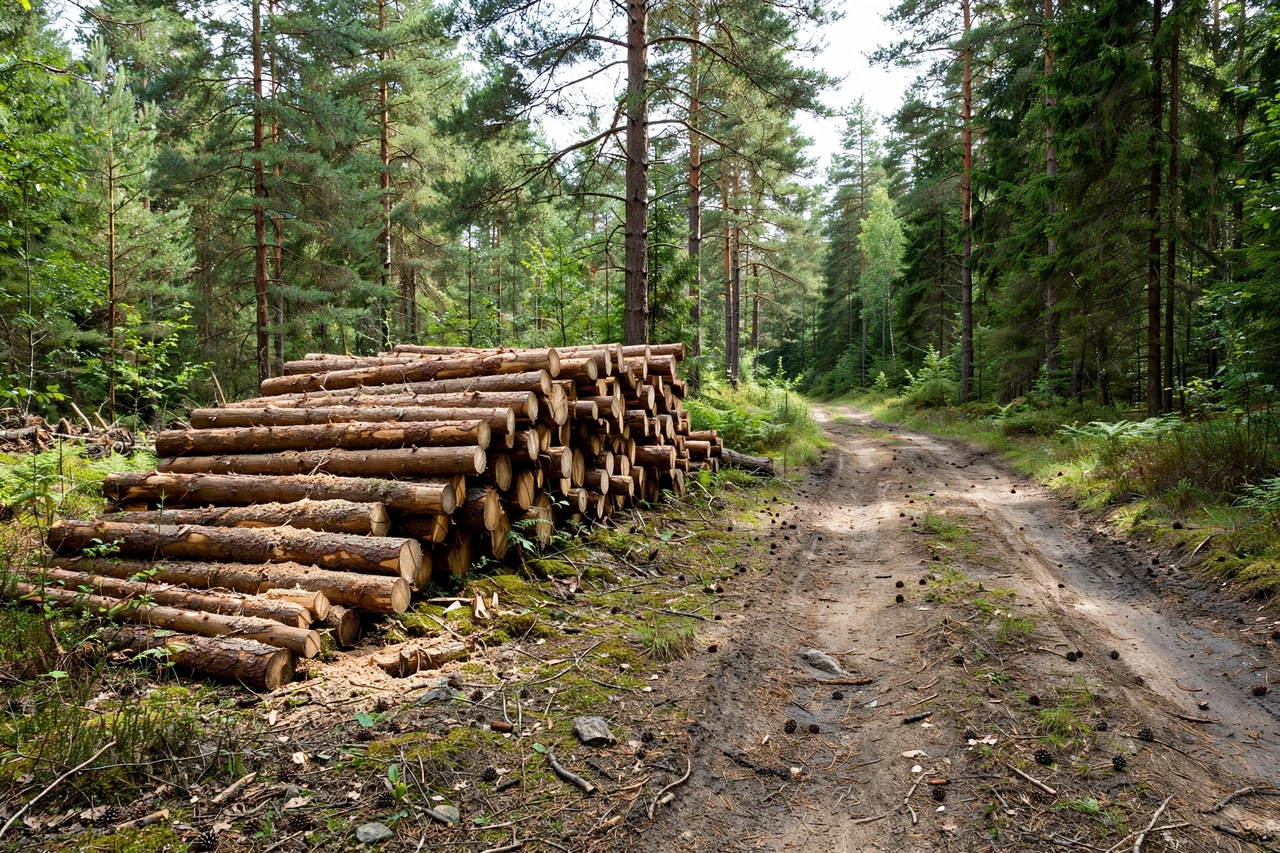
Wooded land can pay through periodic timber harvests, where a forester marks mature trees, a logging company harvests them, and you receive payment per volume or as a share of the sale. Timber grows back, so a well-managed woodlot can be harvested in rotations every 15 to 30 years, with thinning sales in between. This is slow income, not monthly rent, but a single harvest can be substantial.
Hire an independent consulting forester, not the buyer’s forester, to value your timber and oversee the harvest. A forester protects your interests, ensures the harvest follows sustainable practices, and helps with replanting so the land keeps producing.
9. Beekeeping Leases and Pollinator Habitat Payments
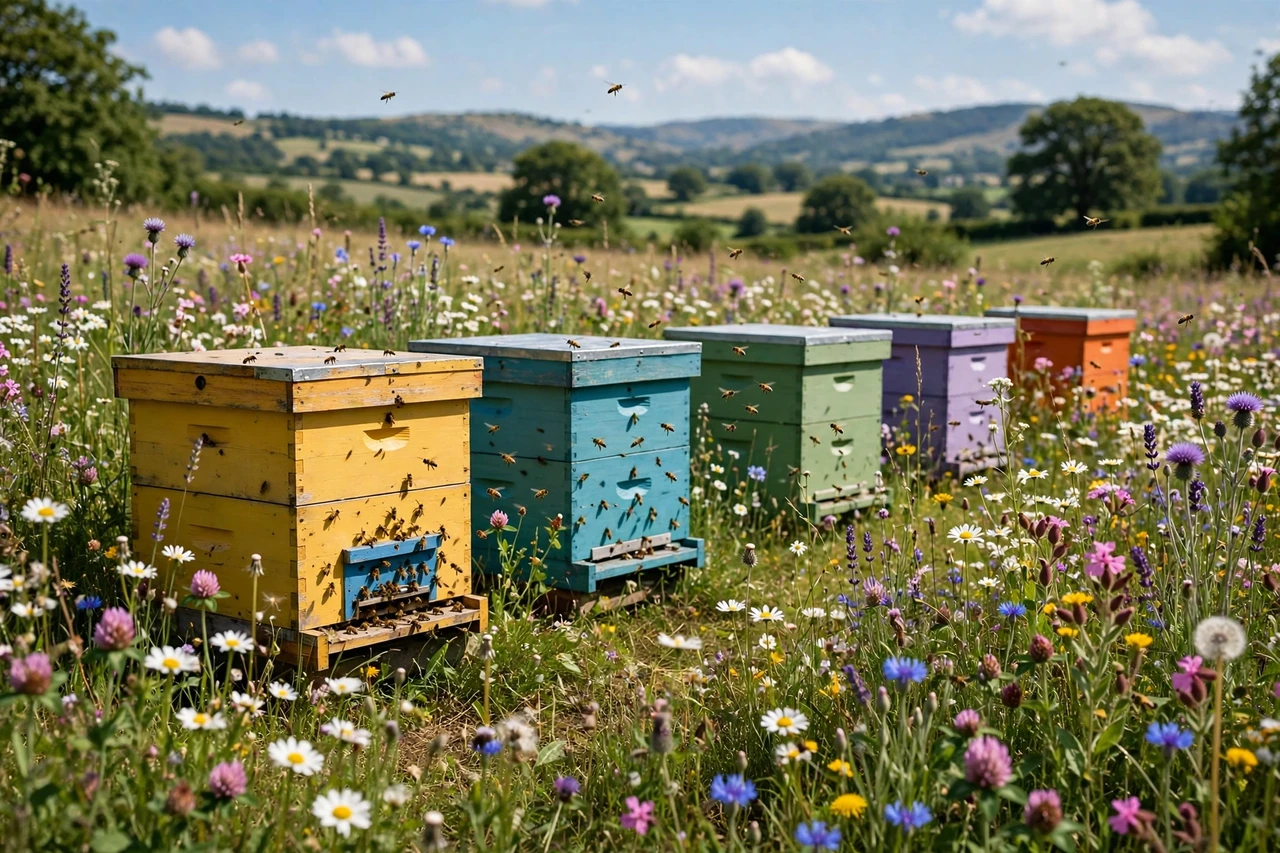
Beekeepers need places to put hives, and farmers need pollinators, which creates a small but real market for leasing land to beekeepers. A beekeeper may pay a modest annual fee, or offer honey and pollination services instead of cash, depending on your area. Separately, some conservation programs pay landowners to maintain pollinator habitat, such as wildflower strips, on part of their land.
Beekeeping leases are low effort but low income, so treat them as a bonus rather than a main income stream. Check local rules on hive placement and distances from neighbors, and agree on who maintains access roads and who is liable if someone is stung.
10. Wind Turbine Leases: Passive Income From Land With Little Work
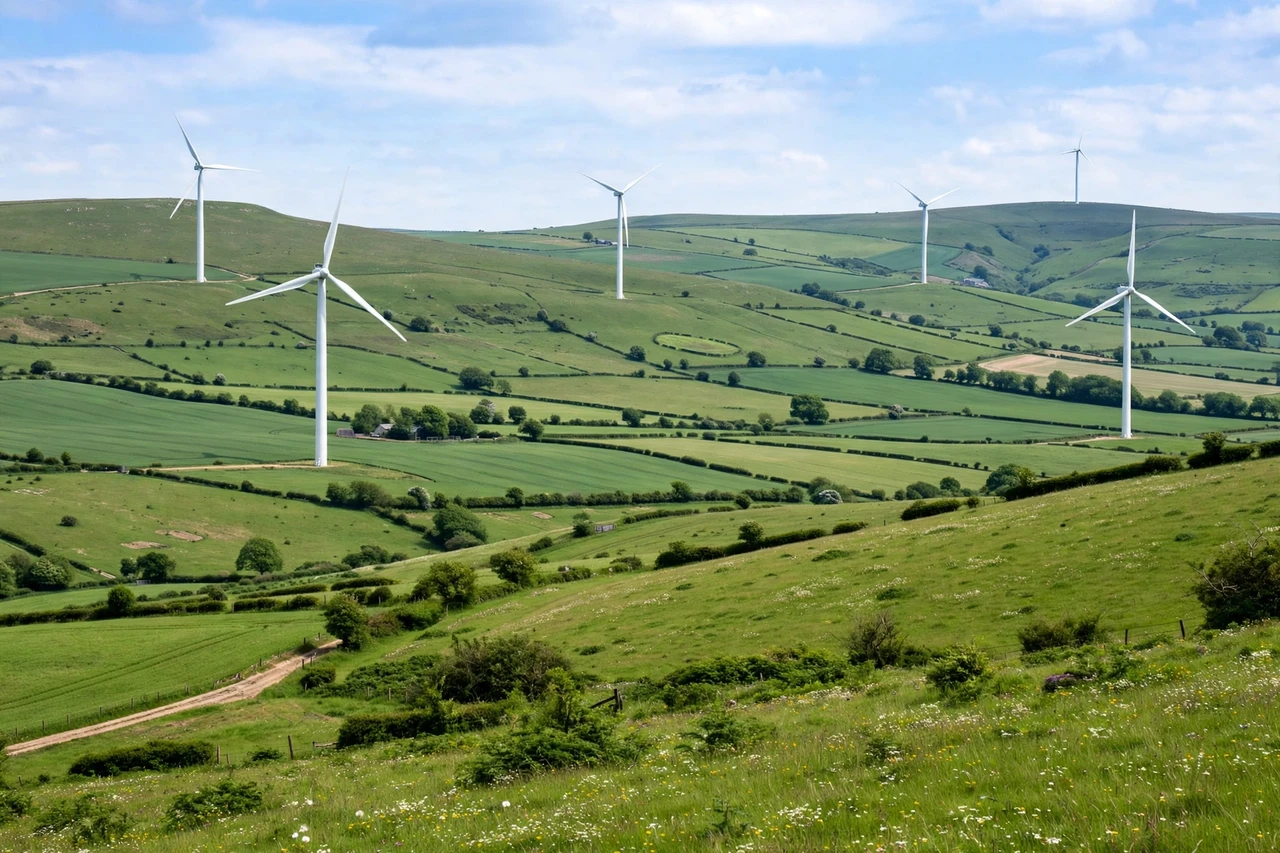
Wind developers lease open, windy land for turbines, paying rent per turbine or a share of electricity revenue, often for 25 to 35 years. Like solar, this suits land with the right natural resource and access to power lines, and the developer handles construction, maintenance, and insurance. Turbines take up little ground area, so farming or grazing can often continue around them.
Wind leases deserve the same careful review as solar leases: rent escalators, decommissioning, tax effects, and restrictions on building near turbines all matter. Because a wind lease lasts decades, negotiate as if you will live with the terms for the rest of your life, because you may.
Frequently Asked Questions
Do I need a lot of land to earn passive income from it?
No. Community garden plots work on less than an acre, a cell tower needs only a small fenced area, and hunting permits work on wooded parcels of modest size. Farming, solar, and wind leases need more acreage, but the right use matters more than the total size.
Which land income idea is the most passive?
Long-term leases to solar, wind, or cell tower companies are the most passive, since the tenant builds and maintains everything. Farming leases and timber are close behind. Camping and event rentals earn more per booking but need active management, cleaning, and guest communication.
Do I need permits for these land uses?
Often yes, and rules vary by county. Zoning, environmental rules, and neighbor complaints can all affect what you can do. Check with your local planning office before investing in infrastructure, and budget for permits in your startup costs.
How do I find tenants for my land?
Start with local channels: farm extension offices for farmers, solar and wind developers active in your region, camping platforms for campers, and local event planners for venues. Listing platforms exist for most of these uses, but a local introduction often closes a deal faster than an online listing.
What taxes apply to land lease income?
Lease income is generally taxable, and the details depend on your situation and location. Keep records of all income and expenses, set aside money for taxes, and talk to a tax professional before signing a long lease, since some leases can change how your land is taxed.