You probably own thousands of dollars worth of assets that sit idle most of the time — your car, your tools, your garage, your camera. These 9 passive income ideas through renting out your assets turn the stuff you already own into monthly income, with platforms that handle bookings, payments, and insurance for you.
Exploring passive income? You’ll also like 18 Side Income Ideas That Turn Into Passive Income and 14 Passive Income Ideas Through Blogging.
1. Rent Out Your Car by the Day for Passive Income
Your car sits parked 95% of the time — list it on Turo or Getaround and it can earn $30 to $80 a day from renters in your area. Owners renting out a single car a few weekends a month commonly clear $400 to $800 after fees. Both platforms include insurance coverage during rentals, handle payments, and let you set availability so the car is there when you need it.
Price 10 to 15% below comparable listings when starting out to collect five-star reviews quickly, then raise rates — well-reviewed cars stay booked solid.

2. Rent Out Camera Gear and Turn Idle Equipment Into Income
That DSLR, drone, or GoPro gathering dust can earn $25 to $100 a day from fellow creators. Platforms like Fat Llama and ShareGrid connect you with local renters, and many owners report their gear paying for itself within months. Cameras, lenses, lighting kits, and drones are in constant demand from wedding videographers, YouTubers, and real estate photographers.
Start with your least-used items to test demand, require a deposit for expensive gear, and photograph everything before each rental.

3. Lend Out Power Tools and DIY Equipment for a Fee
Pressure washers, tile saws, carpet cleaners, and ladders cost hundreds to buy but get used a few times a year — your neighbors know this, which is why tool rental is booming. List your tools on neighborhood platforms like Yoodlize or local Facebook groups at $15 to $40 a day. A $300 pressure washer rented 20 days a year pays for itself and then some.
Include a quick-start instruction card with each tool to prevent misuse, and stick to sturdy, simple equipment at first.

4. Rent Your Garage or Basement as Storage
Self-storage facilities charge $80 to $200 a month — offer your empty garage bay, basement corner, or shed for half that on Neighbor.com and you’ll have takers within days. Hosts with a standard two-car garage commonly earn $150 to $300 a month from a single renter storing furniture, boxes, or seasonal gear. The platform handles payments and provides protection plans.
Start with one renter and a clear written agreement about access hours; most storage renters need access only a few times a year.

5. Lease Your Driveway or Parking Spot to Commuters
If you live near a train station, downtown, stadium, or university, your empty driveway is worth $50 to $250 a month to someone tired of circling for parking. Apps like SpotHero, JustPark, and Neighbor let you list the spot with your own availability rules. Commuters who rent the same spot daily become set-and-forget monthly income.
Take clear photos showing the exact spot and access route — renters book faster when they can picture the daily routine.

6. Rent Out Party Supplies and Event Equipment
Tables, chairs, speakers, projectors, bounce houses, and photo booth props get used a handful of times a year by their owners — but there’s constant weekend demand from party planners. A basic party package (tent, 4 tables, 20 chairs) rents for $150 to $300 per weekend on local marketplaces. Buy used, rent repeatedly, and the equipment pays for itself within a season.
Delivery and setup as a paid add-on doubles your revenue per booking and justifies premium pricing.

7. Rent Out Musical Instruments You Rarely Play
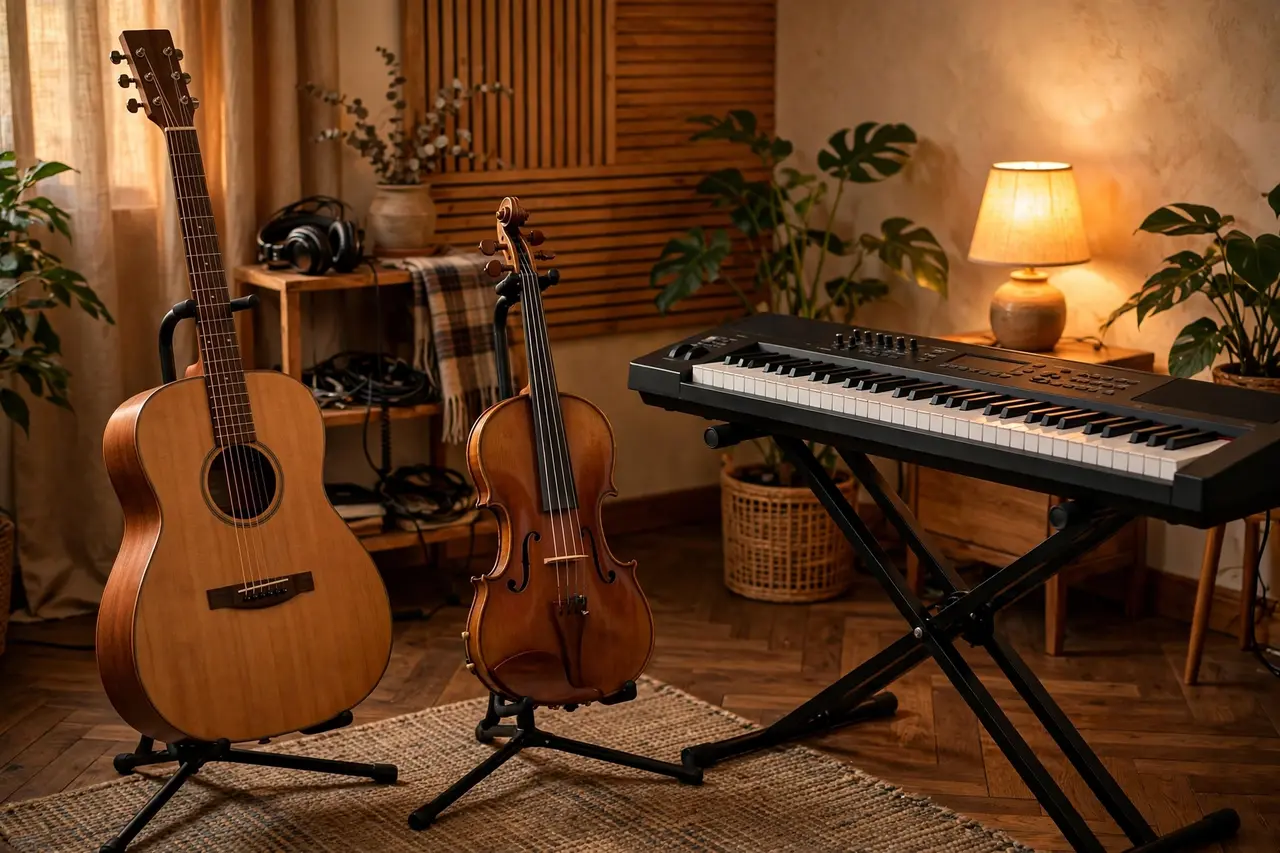
Student violins, keyboards, guitars, and drum kits are expensive to buy but essential for beginners — parents would rather rent at $30 to $60 a month than commit to a purchase. List instruments on local parent groups, music school bulletin boards, and rental platforms. A $500 keyboard rented for two school years earns more than its purchase price.
Include a simple maintenance agreement and require renters to cover string and reed replacements.
8. Rent Out Camping and Outdoor Gear You Already Own
Tents, kayaks, paddleboards, e-bikes, and camping stoves are classic “buy once, use twice” purchases — which makes them perfect rental assets at $20 to $60 a day. Outdoor recreation platforms and local listing sites connect you with weekend adventurers, especially near parks, lakes, and trails. A $400 kayak rented 15 days a summer generates $450+ a season.
Bundle related items (tent + sleeping bags + stove as a “camping kit”) to increase the average booking value.

9. Rent Out Your Designer Wardrobe for Special Occasions
Designer dresses, suits, handbags, and accessories worth thousands sit in closets waiting for rare occasions — meanwhile, others will pay $30 to $100 per rental to wear them to weddings and events. Platforms like By Rotation, HURR, and local fashion rental groups handle the logistics. A few high-demand pieces rented twice a month can produce $200 to $400 in hands-off income.
Start with 3 to 5 versatile, durable pieces in popular sizes, and require dry-cleaning fees to keep items pristine.

Frequently Asked Questions
What assets are most profitable to rent out?
Cars and storage space typically earn the most — $400 to $800+ a month for a car on Turo, $150 to $300 a month for garage storage. High-demand equipment like cameras and party supplies also perform well because renters pay premium daily rates.
Do I need insurance to rent out my assets?
Most major platforms (Turo, Getaround, Neighbor, Fat Llama) include liability coverage and protection plans during the rental period. For direct rentals through local listings, check your homeowner’s or auto policy and consider an umbrella policy for valuable assets.
How much time does renting out assets take each month?
After the initial listing setup (photos, descriptions, pricing), most asset rentals need 1 to 3 hours a month — mainly coordinating pickups and basic cleaning. Storage rentals need almost zero ongoing time once the renter moves in.
What if a renter damages my asset?
Document everything with photos before each rental, require deposits for high-value items, and use platforms with damage protection. In practice, most hosts report damage is rare — and platform protection covers the occasional incident.
Conclusion
The fastest passive income comes from assets you already own — no new skills to learn, no products to build. Walk through your home and garage this weekend, list three rentable items on the right platforms, and turn idle belongings into monthly income.