Driving people around remains one of the fastest ways to turn spare hours into real cash. But not all rideshare apps to earn extra income work the same way — some reward airport runs, others pay premiums for scheduled rides or specialized passengers. This guide compares 7 rideshare apps available in the USA, so you can pick the one (or combination) that pays best for your car, your city, and your schedule.
1. Uber – Boost Pay With Surge Pricing, Quest Bonuses, and Uber Pro

Uber is still the biggest name in rideshare, which means the most ride requests in most cities. What separates decent Uber earnings from great ones is strategy: driving during surge pricing (bar close, rush hour, big events), completing Quest promotions that pay bonuses for hitting trip milestones, and climbing the Uber Pro tiers for perks like tuition coverage and discounted maintenance.
Most drivers report $18 to $30 per hour before expenses in busy markets, with the top end going to those who learn their city’s demand patterns. Requirements are straightforward: a 4-door car (usually 15 years old or newer), a valid license, and passing a background check. If you only pick one rideshare app, Uber’s volume makes it the default — then layer a second app on top for slow periods.
2. Lyft – Scheduled Rides, Women+ Connect, and Upfront Tipping

Lyft’s edge is driver-friendly features that help you plan your earnings. Scheduled Rides let you book trips in advance so you know exactly what your morning looks like, and the upfront pay display shows what you’ll earn before you accept. Women+ Connect matches women and nonbinary drivers with riders who prefer them — a safety feature that also opens a loyal rider segment.
Hourly earnings land in the same $18 to $30 range as Uber in most markets, and Lyft’s bonus structure (Ride Challenges, streak bonuses) rewards consistency. Many drivers run Uber and Lyft simultaneously, accepting whichever offers the better fare. The car and background requirements mirror Uber’s, so qualifying for one usually means you qualify for both.
3. Wingz – Pre-Scheduled Airport Rides With Set Fares

Wingz flips the rideshare model: every ride is scheduled in advance, most are airport runs, and the fare is fixed when the rider books — no surge gambling, no guesswork. You build a list of favorite drivers/riders, which means repeat business and predictable income. Airport rides also tend to be longer, so your per-trip earnings are higher than the average city hop.
Because riders choose their driver, your rating and reliability directly drive your income — great for personable drivers who like routine. Wingz operates in 30+ US metros, mainly around major airports. The application process is stricter than Uber’s (in-person orientation in some cities), but the trade-off is steadier, higher-value trips.
4. Curb – Hail Taxis and Get Paid Through One App
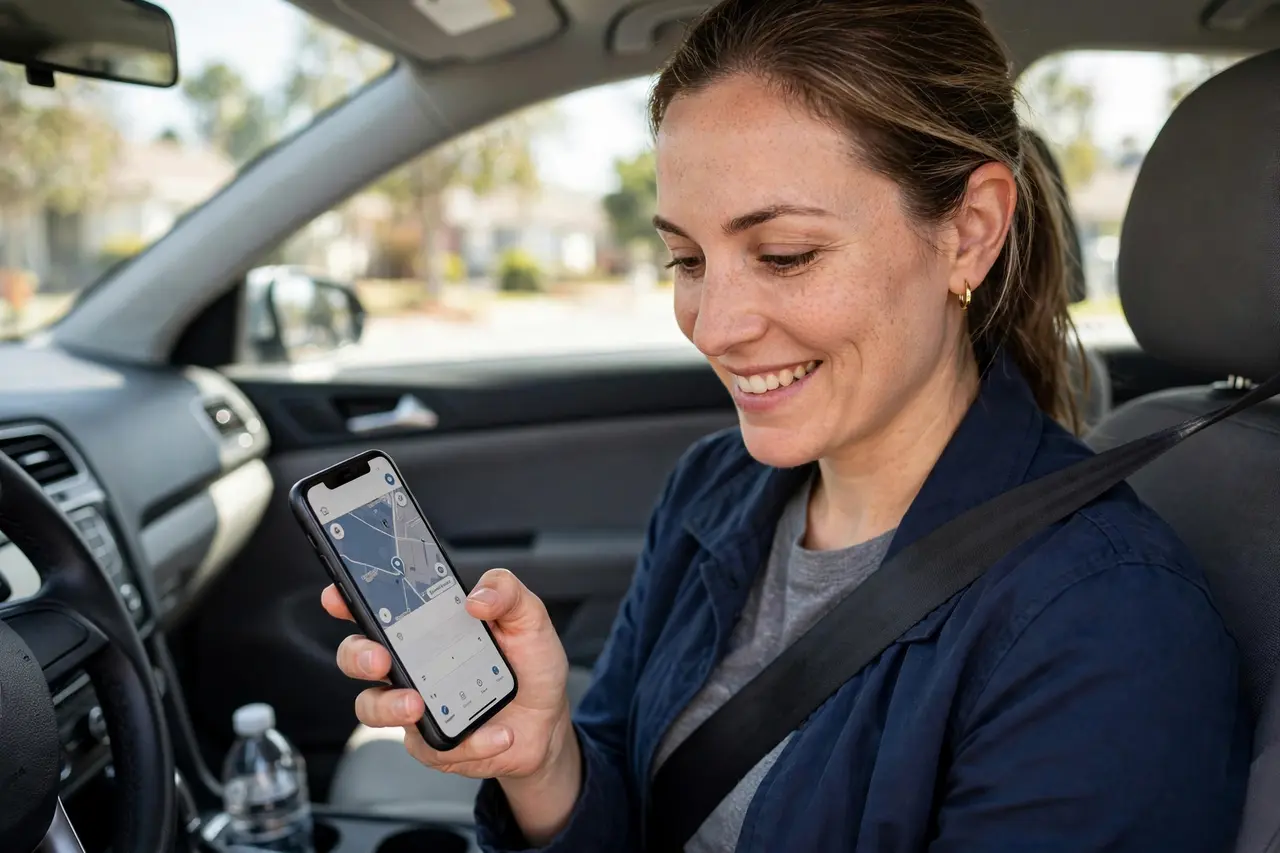
Curb connects riders with licensed taxis and for-hire vehicles through an app — think of it as the taxi industry’s answer to Uber. As a driver, you get app-based dispatch, upfront pricing, and in-app tipping without giving up the taxi business’s steady street-hail volume. It’s available in 65+ US cities, making it one of the widest-reaching options on this list.
Earnings depend on your market’s taxi rates, but the metered model plus tips can beat per-mile rideshare rates in dense downtowns. If you already drive a taxi or livery vehicle, Curb is essentially free extra income from app users. New drivers can also pair with local fleets that need app-connected drivers.
5. HopSkipDrive – Drive Kids and Teens (Caregiver Background Check Required)

HopSkipDrive is rideshare for kids ages 6 and up — school pickups, after-school activities, and camp runs booked by parents. Every “CareDriver” passes an enhanced background check (including fingerprinting), a driving record review, and must have childcare experience. That high bar is exactly why it pays well: families pay a premium for vetted drivers.
Most rides happen on weekday afternoons (2–7 PM), making it a perfect after-work or part-time gig rather than a full-time grind. Drivers report strong per-ride pay, and the scheduled nature means no circling for fares. If you’re a parent, teacher, or caregiver with a clean record and a reliable car, this is one of the highest-trust — and best-paying — driving gigs available.
6. Alto – Premium Rides as an Employee Driver, Not a Contractor

Alto is the anti-gig-economy rideshare: drivers are W-2 employees with hourly pay, benefits, and company-owned luxury vehicles. You don’t use your own car, don’t pay for gas or insurance, and get a predictable paycheck instead of per-ride roulette. Riders get a premium, consistent experience — and they tip accordingly.
The catch is availability: Alto currently operates in select cities (Dallas, Houston, Miami, Los Angeles, and Silicon Valley). Shifts are scheduled rather than fully flexible, so it suits drivers who want rideshare income with job-like stability. If Alto is in your city and you want benefits with your driving gig, it’s in a class of its own.
7. Veyo – Non-Emergency Medical Rides With Steady Weekday Demand

Veyo specializes in non-emergency medical transportation (NEMT) — driving patients to doctor appointments, dialysis, and therapy sessions, often billed through Medicaid and health plans. Demand is concentrated on weekday mornings, it’s recession-proof, and rides are pre-scheduled, so your day is planned before it starts.
Pay is competitive with mainstream rideshare, but the real advantage is consistency: medical appointments don’t care about bar rushes or concert schedules. Requirements include a reliable vehicle, background check, and in some states additional NEMT certification. If you want daytime, weekday driving income without the late-night grind, Veyo is worth a serious look.
Frequently Asked Questions
Which rideshare app pays the most?
It depends on your market and hours, but specialized apps often beat general ones per trip: HopSkipDrive and Wingz typically pay more per ride than Uber or Lyft because of the premium service. For sheer volume, Uber still leads. Most top earners run two apps at once.
Can I drive for Uber and Lyft at the same time?
Yes — driving for multiple rideshare apps simultaneously is completely allowed. Many drivers keep both apps on and accept whichever offers the better fare, which significantly reduces downtime between rides.
What are the basic requirements to become a rideshare driver?
Generally: be 21+ (25+ for some premium services), hold a valid US driver’s license, pass a background check, and drive a 4-door vehicle that meets the app’s age and condition standards. Specialized apps like HopSkipDrive add extra screening.
Do I need commercial insurance for rideshare driving?
Uber, Lyft, and most apps provide commercial coverage while you’re on an active trip or en route to pickup. However, there’s a coverage gap when the app is on but you haven’t accepted a ride — many drivers add a rideshare endorsement to their personal policy to close it.
Conclusion
The best rideshare app for extra income is the one that matches your schedule and strengths: Uber or Lyft for maximum flexibility and volume, Wingz for predictable airport runs, HopSkipDrive for premium family rides, Alto for employee stability, Curb for taxi markets, and Veyo for steady weekday medical trips. Start with one, learn your city’s demand patterns, then add a second app to keep the wheels — and the earnings — turning.