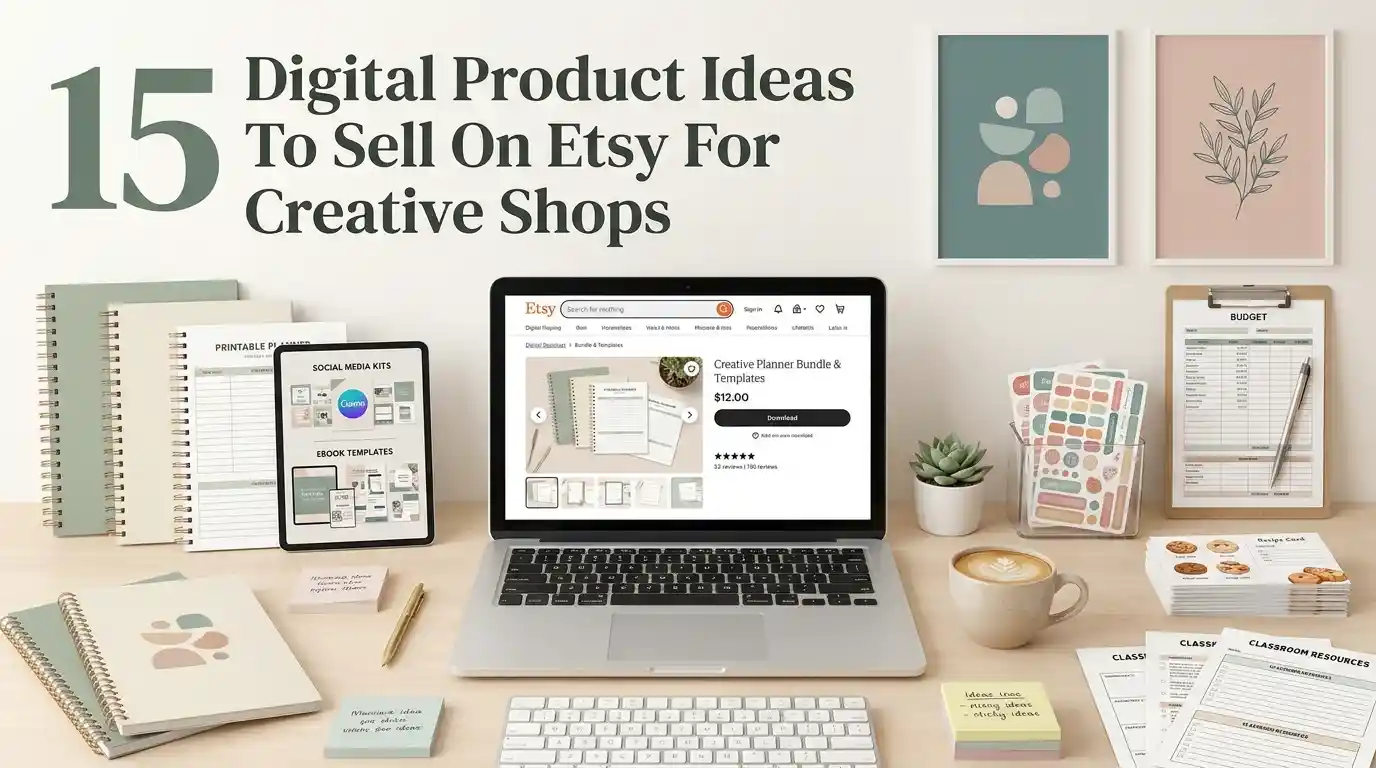
Homeschooling has exploded — and busy parents desperately need planners that organize lessons, track progress, and keep records without the overwhelm. Design these planners once in Canva, sell them forever on Etsy as printables. It is evergreen passive income in a growing market. Pair this with our planner product strategies to build a full digital product shop.
1. All-in-One Homeschool Year Planner
The flagship product: 12-month calendar, curriculum planner, attendance tracker, and grade records in one printable bundle. Busy parents want one planner that does everything.
Price at $18 to $25 — flagship planners command premium prices. This should be the anchor product of your shop.
Include hyperlinked tabs in the PDF for digital planner users — navigation sells premium versions.
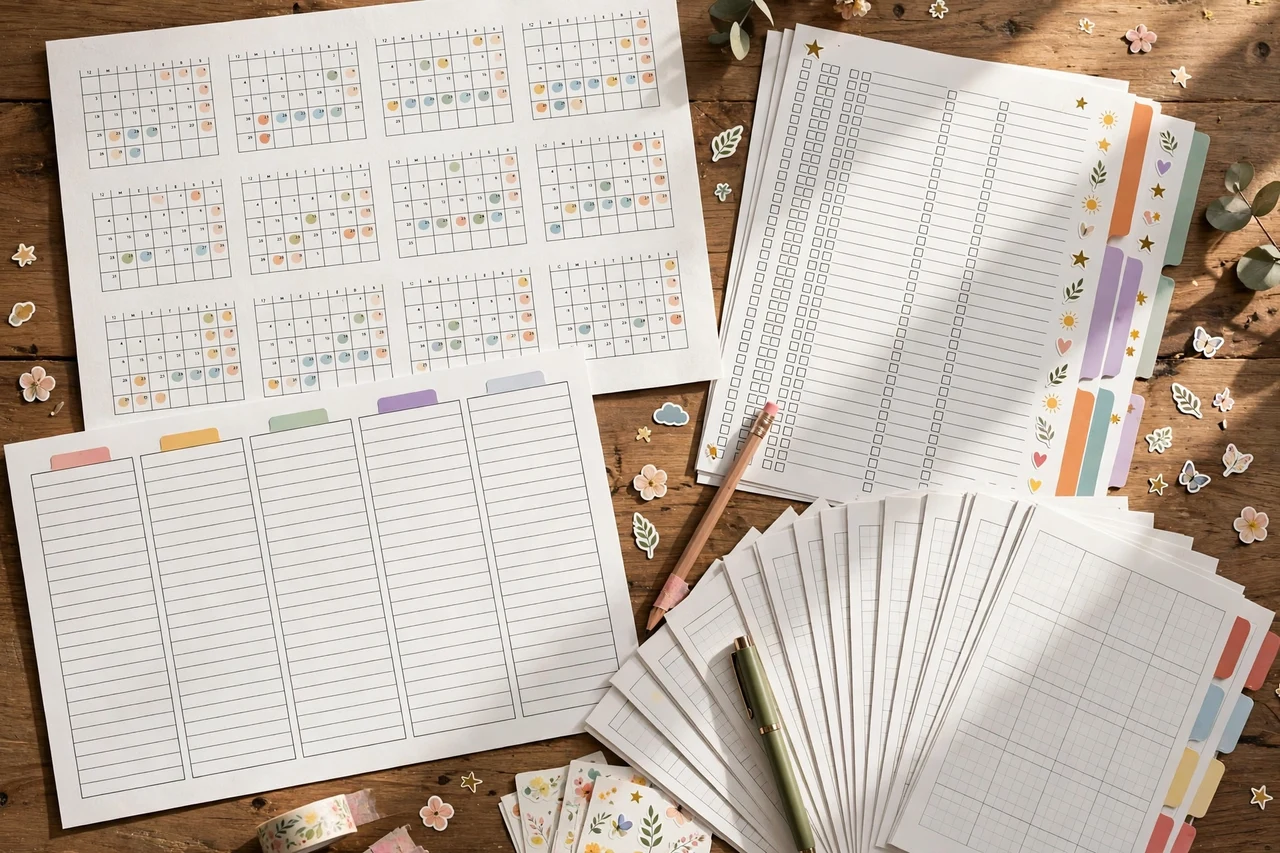
2. Weekly Lesson Plan Templates
Clean weekly grids with space for subjects, objectives, materials, and notes per child. Homeschool parents plan every Sunday night — make it effortless.
Offer multiple layouts (one child, two children, four children). Layout variety is a key differentiator in search results.
Create a video walkthrough showing the planner in use; listings with video convert significantly better.

3. Homeschool Attendance Tracker
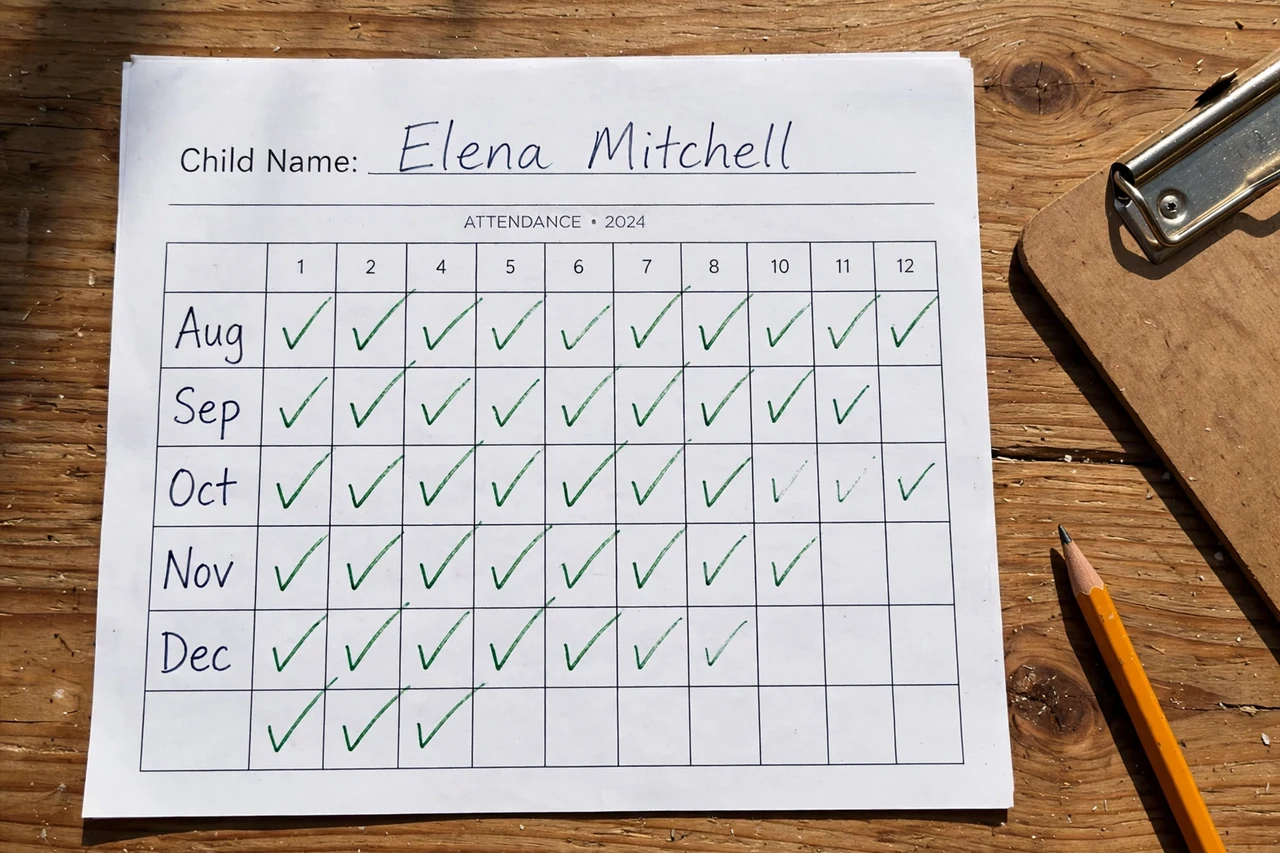
State-compliant attendance logs — many states require 180 days of documented schooling. A simple, professional tracker removes a major compliance headache.
Market by state where requirements are strictest (New York, Pennsylvania). Compliance products sell on necessity, not desire.
Offer a ‘print at home’ and ‘print shop’ version with bleed settings for professional printing.
4. Grade Book and Report Card Templates
Printable grade books with GPA calculators and professional report card templates. Parents need official-looking records for portfolios and evaluations.
Design them to look institutional — clean, formal, credible. These get purchased by the most organized (and highest-spending) homeschoolers.
Add a curriculum resource list as a bonus — curated links increase perceived value enormously.

5. Unit Study Planner
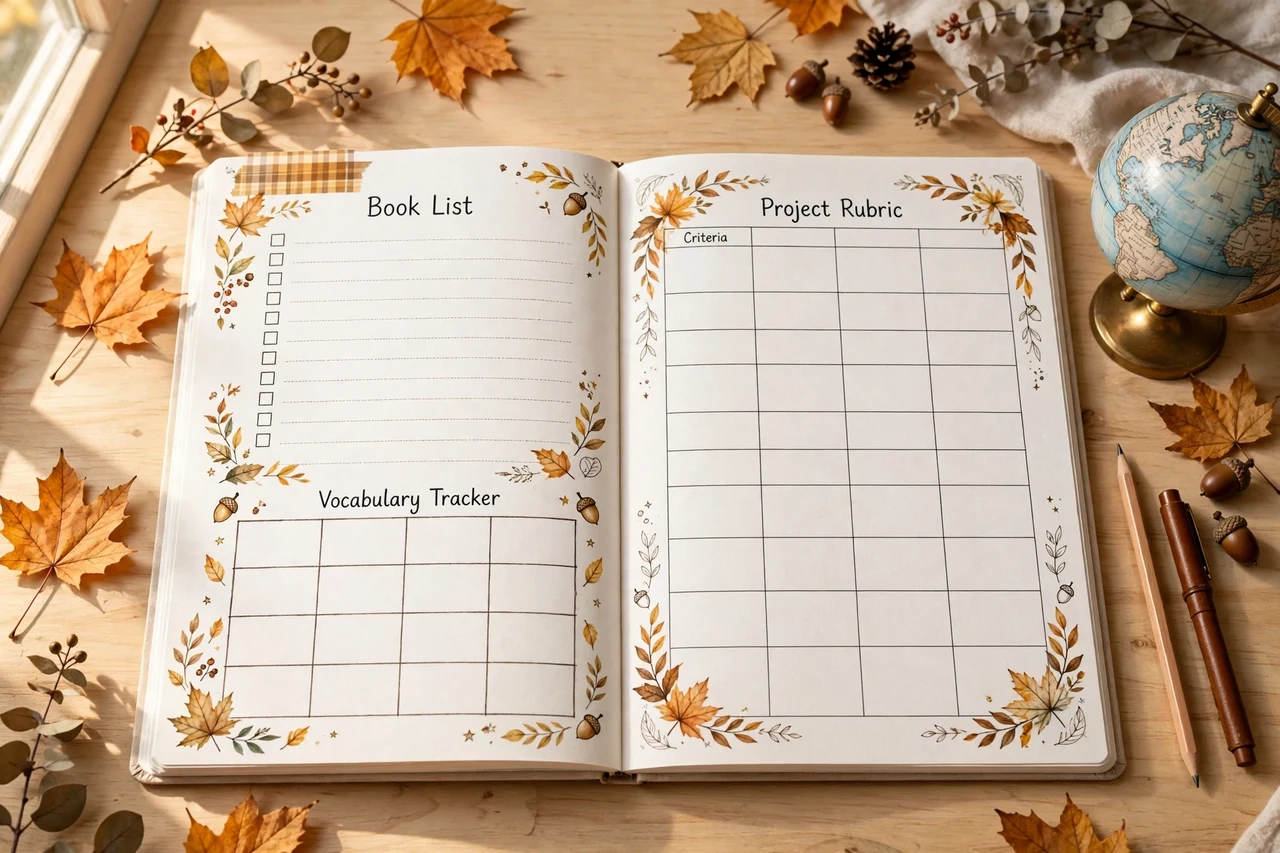
Deep-dive planning pages for thematic units: book lists, field trip planners, project rubrics, and vocabulary trackers. Unit studies are the heart of creative homeschooling.
Include 5 sample completed units as inspiration. Examples dramatically increase perceived value and reviews.
Design seasonal covers (fall, spring) as separate listings to multiply your catalog.
6. Homeschool Field Trip Planner
Permission-slip style planners: destination research, cost estimators, packing checklists, and reflection worksheets. Field trips are learning gold — planning them should not be work.
A fun, visual product that photographs well for listings. Great Pinterest potential with travel-style imagery.
Write product descriptions that speak to the pain: ‘End the Sunday-night planning scramble.’

7. Reading Log and Book Tracker
Genre-based reading logs, book-review worksheets, and annual reading challenges. Literacy-obsessed homeschool parents buy multiple copies — one per child.
Add seasonal reading challenge variants (summer, holiday) as separate listings to multiply your catalog from one core design.
Join homeschool Facebook groups and share genuinely helpful tips to build authority.

8. Homeschool Budget Planner
Curriculum costs add up: budget worksheets, curriculum comparison charts, free-resource directories, and per-child spending trackers. Money anxiety is real in homeschool households.
Include a curated list of 50+ free homeschool resources. Bonus content justifies higher prices and earns bookmarks.
Create a free 5-page sample to grow your email list for launching new planners.

9. Special Needs Homeschool Planner
IEP-style goal trackers, therapy appointment logs, accommodation checklists, and sensory-friendly schedule templates. An underserved niche with fiercely loyal buyers.
Research terminology carefully and respectfully. This audience rewards sellers who genuinely understand their needs with word-of-mouth marketing.
Price anchoring works: show the value of buying pages separately versus the bundle price.

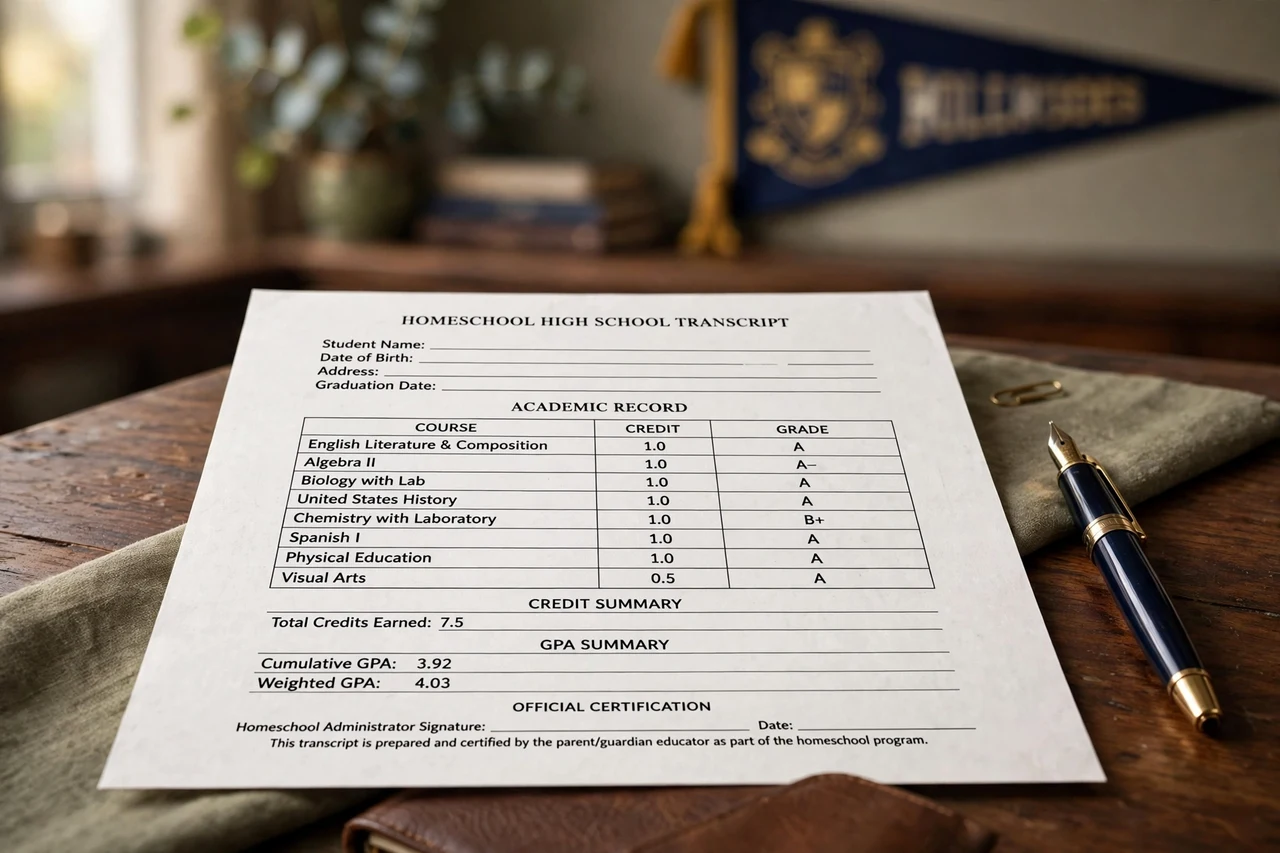
10. Homeschool High School Transcript Builder
The most stressful homeschool document: course credit calculators, GPA worksheets, and professional transcript templates colleges accept. High school parents will pay premium prices.
Price at $15 to $20 standalone. Fear of messing up college admissions makes this a high-conversion product.
Update grade-level versions each summer before back-to-homeschool season peaks.
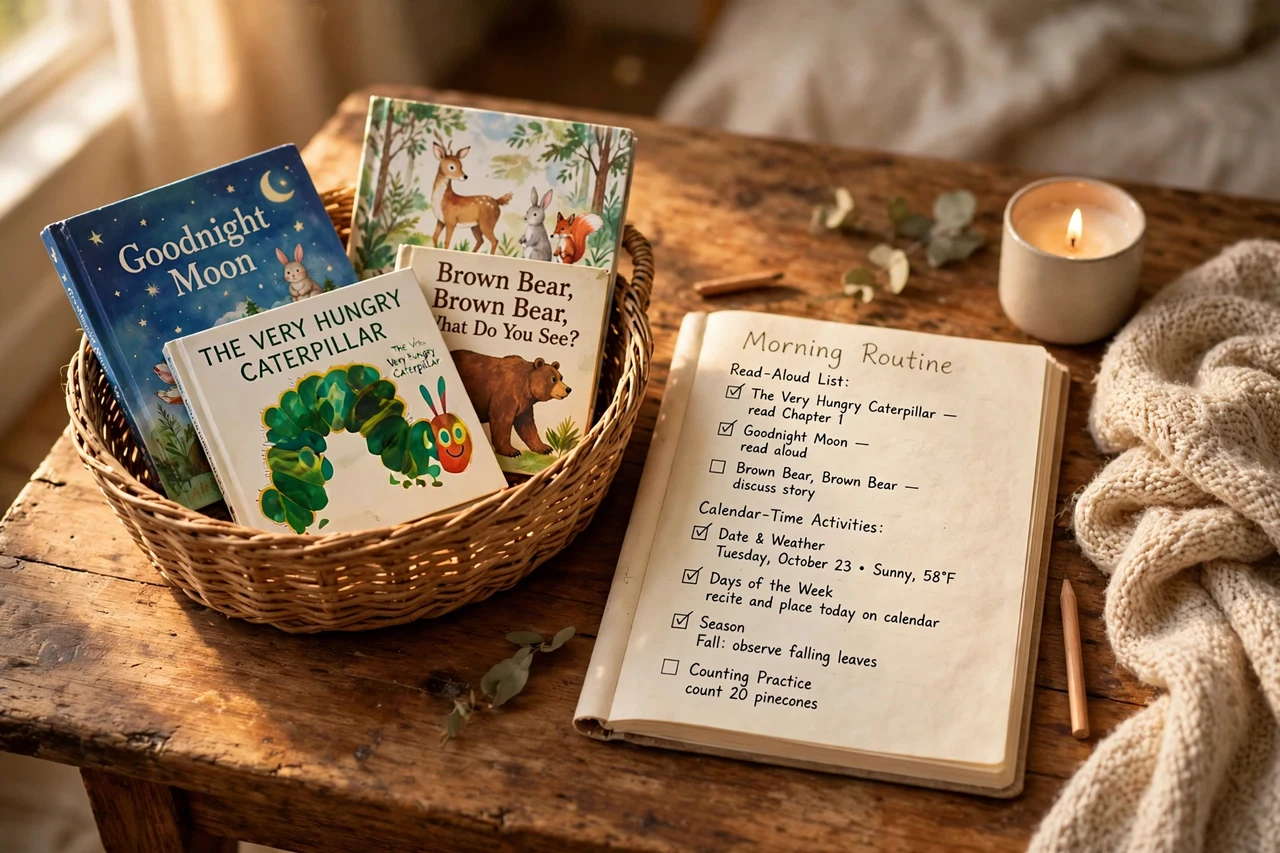
11. Morning Basket Planner
Plan the cozy morning routine: read-aloud lists, calendar time activities, memory verse trackers, and art prompts. Morning baskets are a beloved homeschool tradition.
A warm, aesthetic product — lean into the cozy imagery. This planner attracts the Instagram-homeschool crowd who share purchases socially.
Add editable text fields so parents can type directly instead of handwriting.
How to Build a Homeschool Planner Business
Start by choosing your niche within the niche. “Homeschool planner” is competitive; “homeschool planner for working moms of 3+” or “secular Charlotte Mason planner” is not. The tighter your positioning, the higher your conversion rate and the less you compete on price.
Design a flagship planner first — the comprehensive product that anchors your shop — then spin off smaller trackers and templates from its pages. One 80-page planner can yield 6 to 8 smaller listings (attendance tracker, grade book, reading log sold separately). This maximizes revenue from one design effort.
Launch timing matters enormously. Publish new planners in May and June to catch back-to-homeschool shoppers, and refresh listings in December for mid-year switchers. Homeschool families make curriculum decisions on a school-year cycle — align your launches to it.
Build an email list from day one with a free printable (a 5-page weekly planner works well). Your list becomes the launch audience for every new product, reducing dependence on Etsy search. Successful planner sellers report 30 percent of revenue from email-driven repeat buyers.
Frequently Asked Questions
Do homeschool planners sell year-round or seasonally?
Both. July through September is peak back-to-homeschool season, but planners sell year-round as families start mid-year or switch curricula. Evergreen listings earn steadily with a Q3 spike.
How many pages should a homeschool planner have?
Flagship planners: 50 to 100 pages. Single-purpose trackers: 10 to 25 pages. More is not always better — busy parents want usable, not overwhelming. Focus on clean layouts over page count.
Can I sell the same planner for multiple grade levels?
Yes — create grade-banded versions (K-2, 3-5, 6-8, 9-12) from one master design. Each version is a separate listing, multiplying your shop’s footprint from one core product.
What is the best price point?
Single trackers: $5 to $9. Multi-page planners: $12 to $18. Flagship bundles: $20 to $30. Test pricing — homeschool parents pay for quality that saves them time.
How do I stand out among thousands of planners?
Niche down. “Homeschool planner” is saturated; “homeschool planner for working moms” or “secular homeschool planner” is not. Specific audiences convert better and face less competition.
What makes a homeschool planner sell better than competitors?
Specificity. ‘Homeschool planner for ADHD learners‘ outsells generic planners 3-to-1 because it speaks directly to a pain point. Niche down by learning style, state requirements, or family structure.
Do I need teaching experience to design these?
No, but you need research. Interview homeschool parents, read curriculum forums, and study state requirements. The best-selling planners come from sellers who deeply understand the buyer’s daily struggles.
How do I handle different state requirements?
Create a ‘universal’ version plus state-specific add-on pages for strict states. Mention compliance in your listing titles — ‘PA homeschool attendance tracker’ is a high-intent search term.