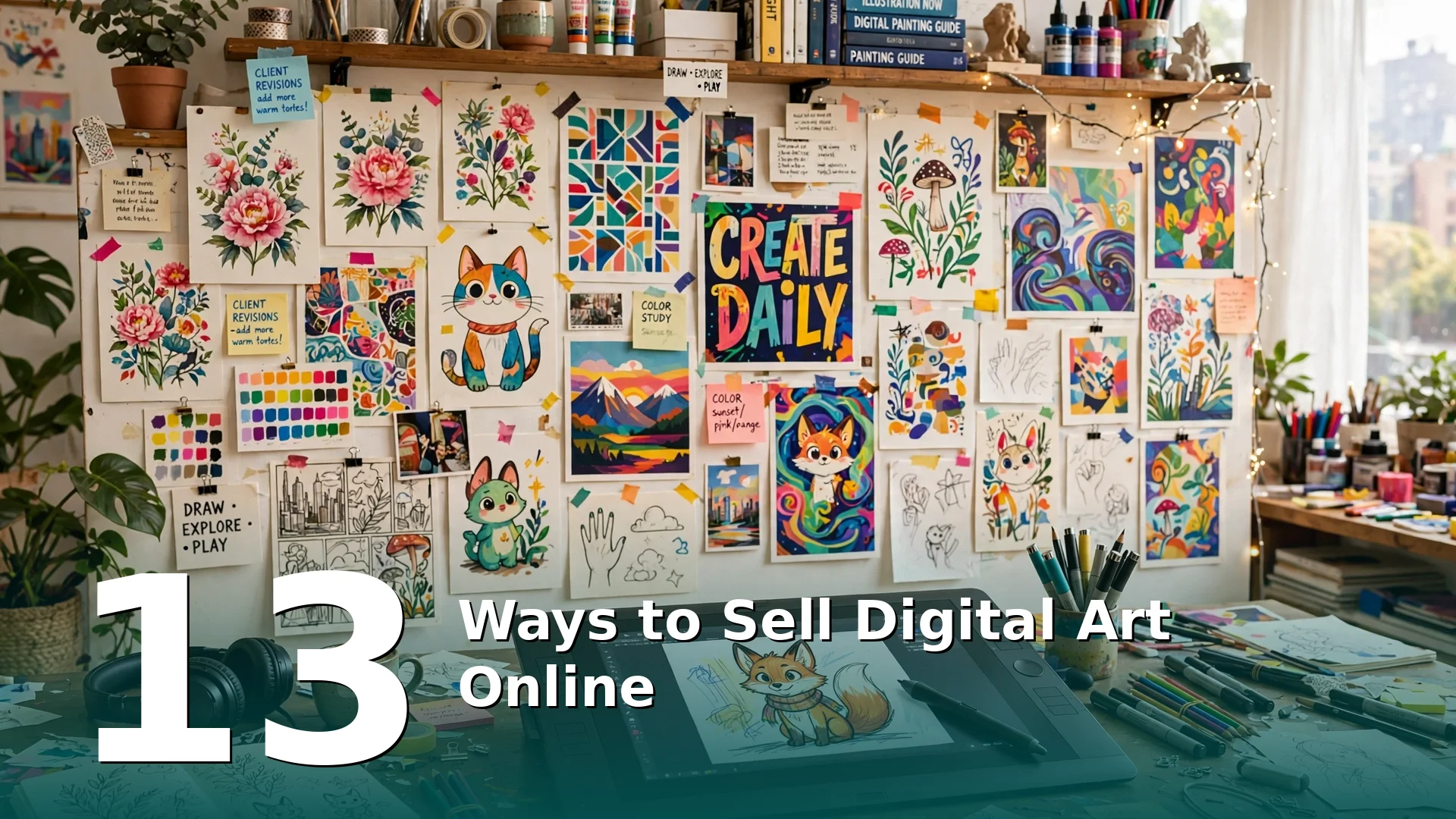
You don’t need a gallery show or an agent to make money from your creativity anymore. Learning to sell digital art online is one of the most accessible ways for artists to earn — your work can reach buyers in every time zone while you sleep. Below are 13 proven ways to sell digital art online, from beginner-friendly marketplaces to higher-ticket channels that reward artists who build an audience.
Ready to build on this? You might also find 8 Steps to Start a Digital Product Business and 10 Steps to Create and Sell Online Courses helpful.
1. Launch a Printable Art Shop on Etsy
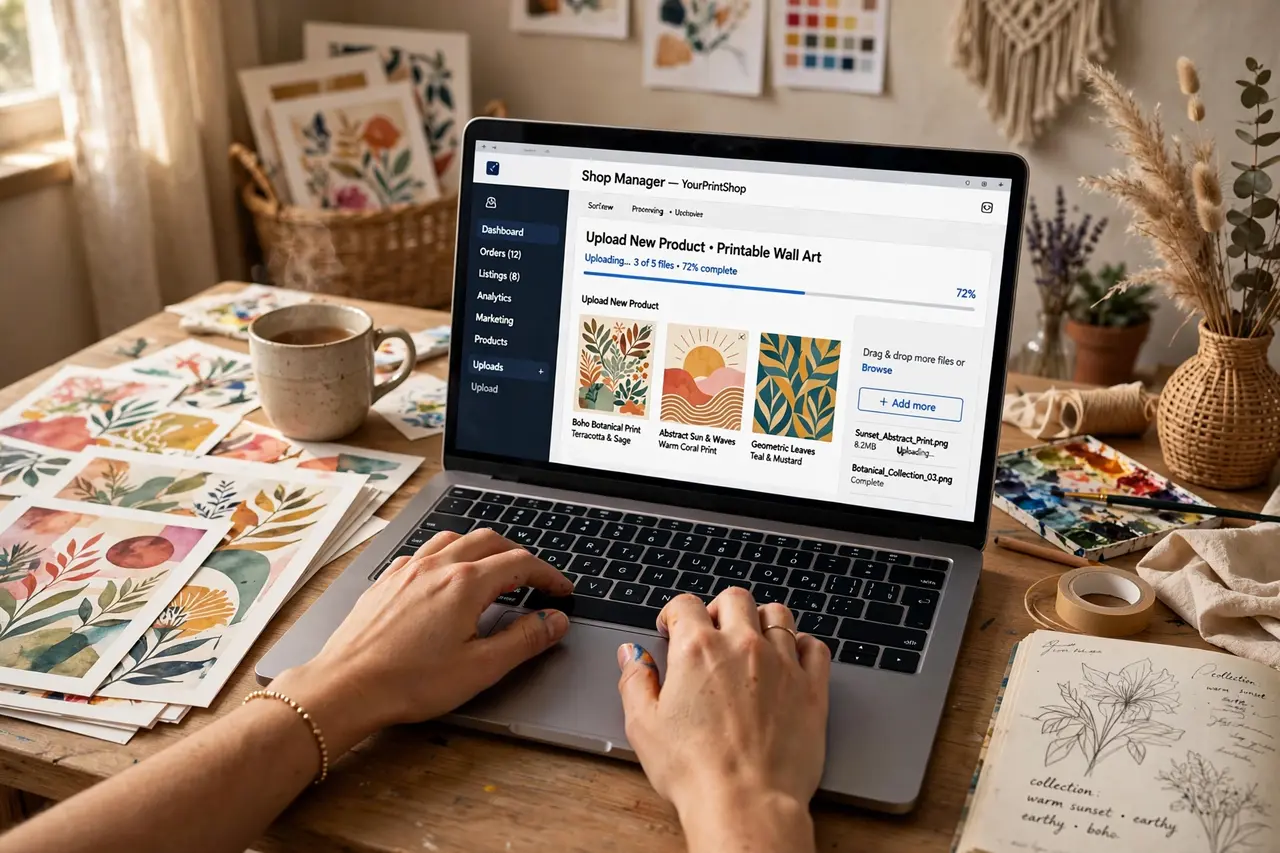
Etsy remains the busiest marketplace for digital art downloads, with millions of shoppers specifically hunting for printable wall art, nursery prints, and planner designs. Open a shop focused on one style or theme — botanical prints, abstract gradients, motivational quotes — because niche shops convert far better than random assortments.
Price printable sets between $3 and $12, and bundle related designs into sets of 5 or 10 to raise your average order value. Etsy’s search rewards shops with strong titles and tags, so study the top sellers in your niche and mirror their keyword patterns without copying their work.
2. Sell Through a Print-on-Demand Partner
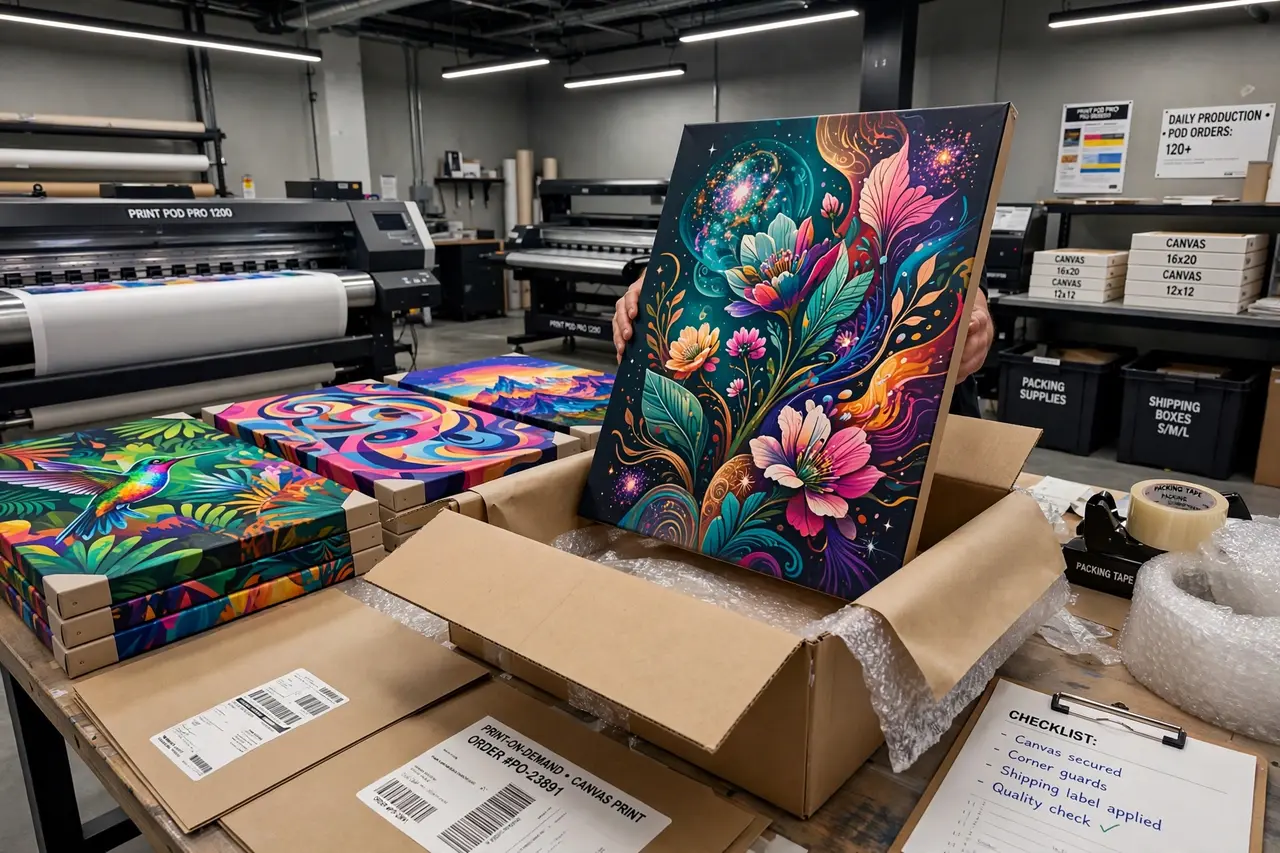
Print-on-demand lets you sell your art on posters, canvases, mugs, and apparel with zero inventory — a partner prints and ships each order automatically. Upload your designs to platforms like Printful or Printify, connect them to an Etsy shop or your own store, and set your profit margin per product.
The key is designing for products, not just screens: bold compositions with breathing room look great on a 24×36 poster, while thin delicate linework can disappear at print size. Order samples of your own bestsellers to check colors and quality before you scale up promotion.
3. Offer Extended Licenses on Design Marketplaces
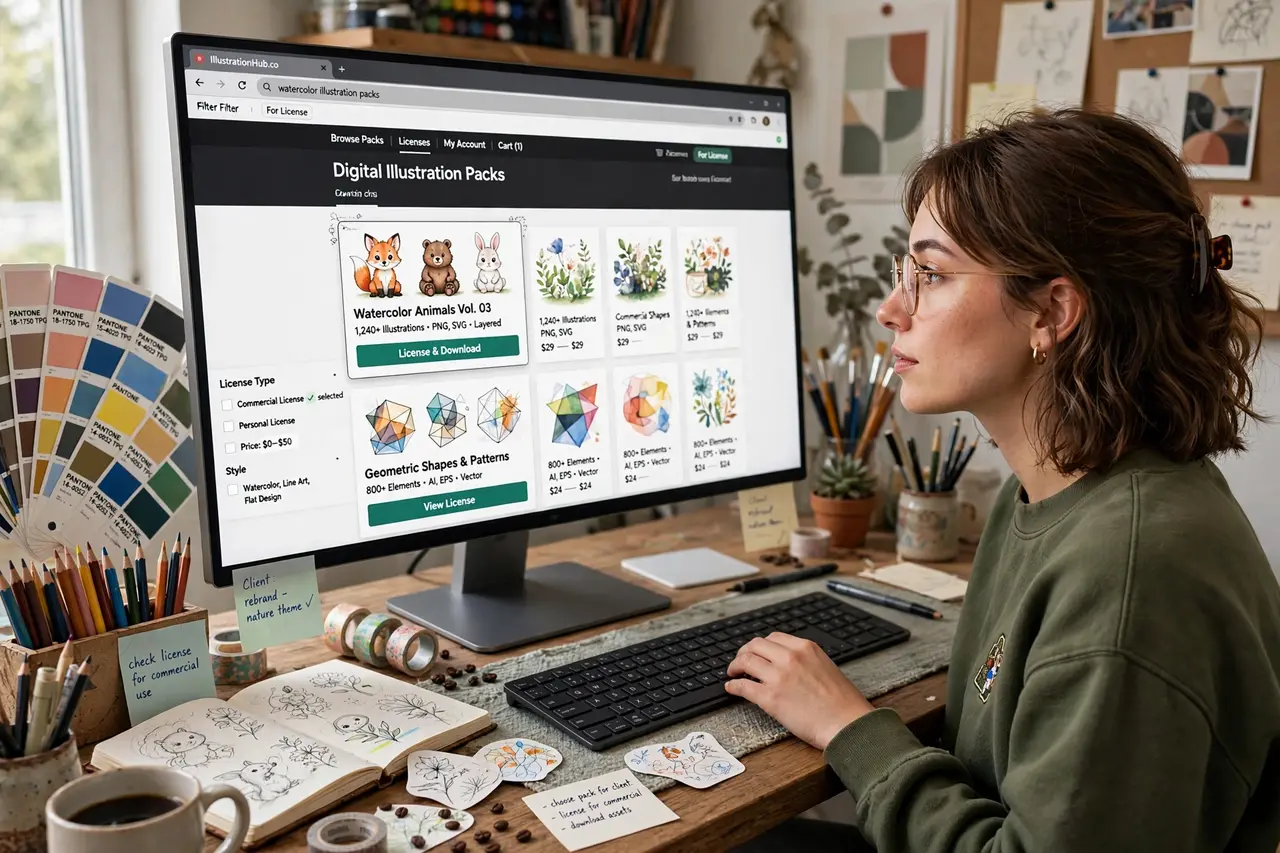
Marketplaces like Creative Market and Envato let you sell the same artwork many times over through tiered licenses — a standard license for personal use and a pricier extended license for commercial projects. Buyers include bloggers, small businesses, and course creators who need professional visuals fast.
Art that sells best here solves a problem: social media kits, presentation backgrounds, seamless patterns, and icon sets. Upload consistently and watch which items get favorited — then create variations and bundles around your winners to multiply earnings from one creative idea.
4. Book Custom Illustration Commissions
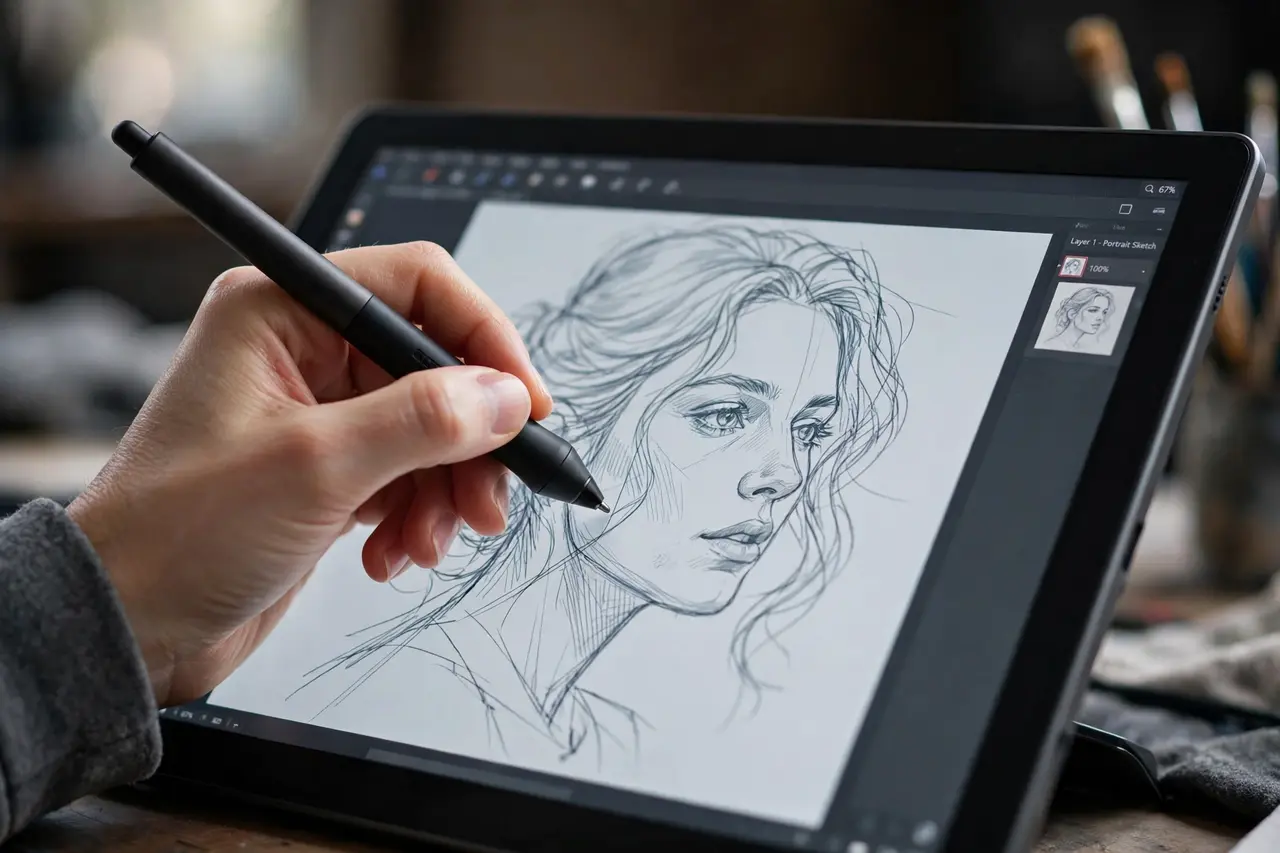
Custom commissions are the fastest way to earn real money from your art because clients pay for exactly what they want. List commission services on Fiverr, Upwork, or your own site — pet portraits, couple illustrations, Twitch emotes, and D&D character art all have steady demand.
Protect yourself with a simple process: require 50% upfront, limit revisions to two or three rounds in writing, and deliver watermarked previews until final payment clears. As your portfolio and reviews grow, raise prices quarterly — busy commission artists routinely charge $150 to $500+ per piece.
5. Release Limited-Run NFT Art Drops

NFTs let you sell verifiable scarcity — a limited edition of 25 digital pieces can command far higher prices than an unlimited download. Platforms like OpenSea and Foundation still host active collector communities, especially for artists with a distinctive style and an engaged following.
Success here is 80% community: collectors buy from artists they know. Share your process on X and Instagram, join artist collectives, and be transparent about your roadmap. Treat it as a long game rather than a lottery ticket, and never spend more on minting fees than you can afford to lose.
6. Ship Framed Prints Through a Print Partner
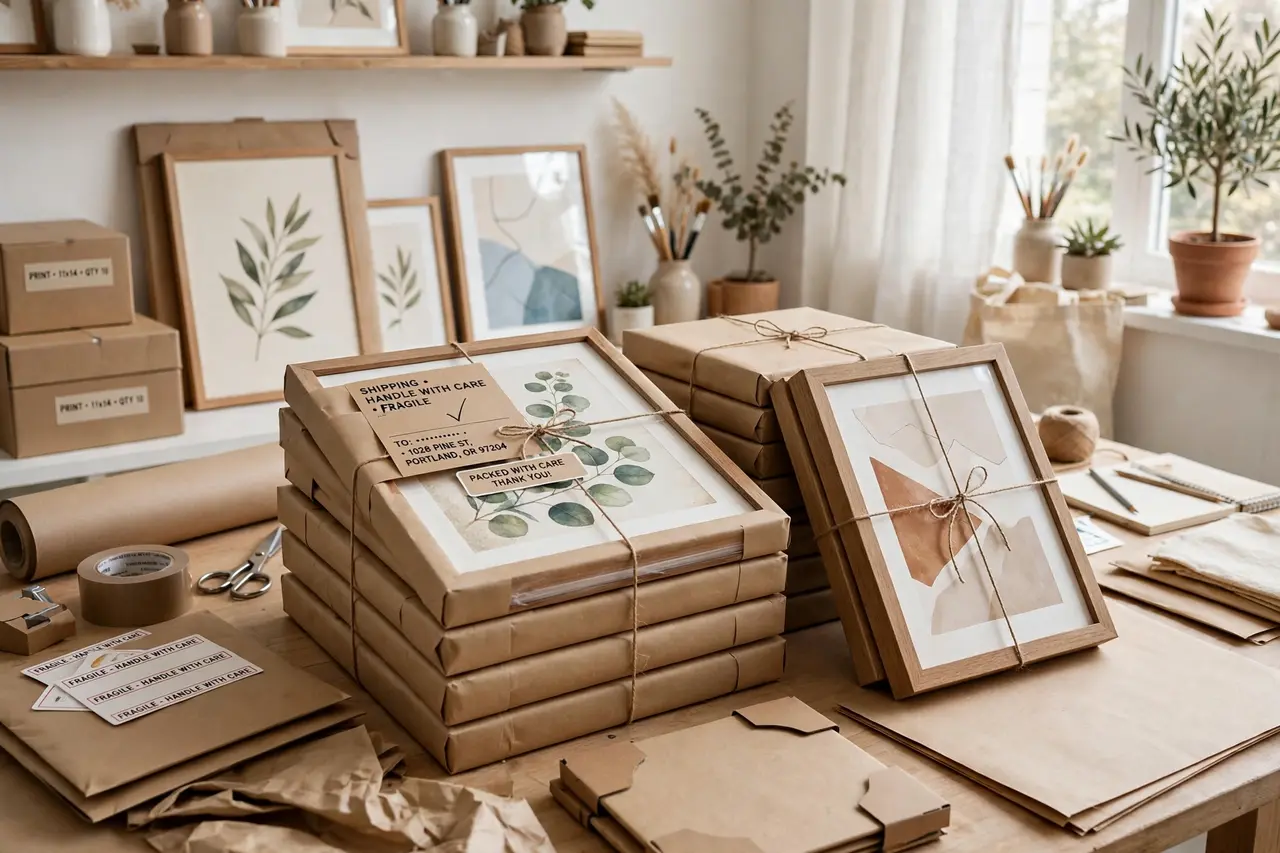
Framed prints sell at much higher price points than downloads — a $12 digital file becomes a $60 to $150 framed piece on someone’s wall. Services like Art Storefronts, Gelato, or local fine-art printers handle printing, framing, and shipping while you keep the margin.
Offer 2 to 3 standard frame options to avoid decision paralysis, and photograph your prints in styled room settings — buyers need to picture the art in their home. Limited editions with signed certificates of authenticity justify premium pricing and create urgency.
7. Design Sprites and Assets for Indie Games
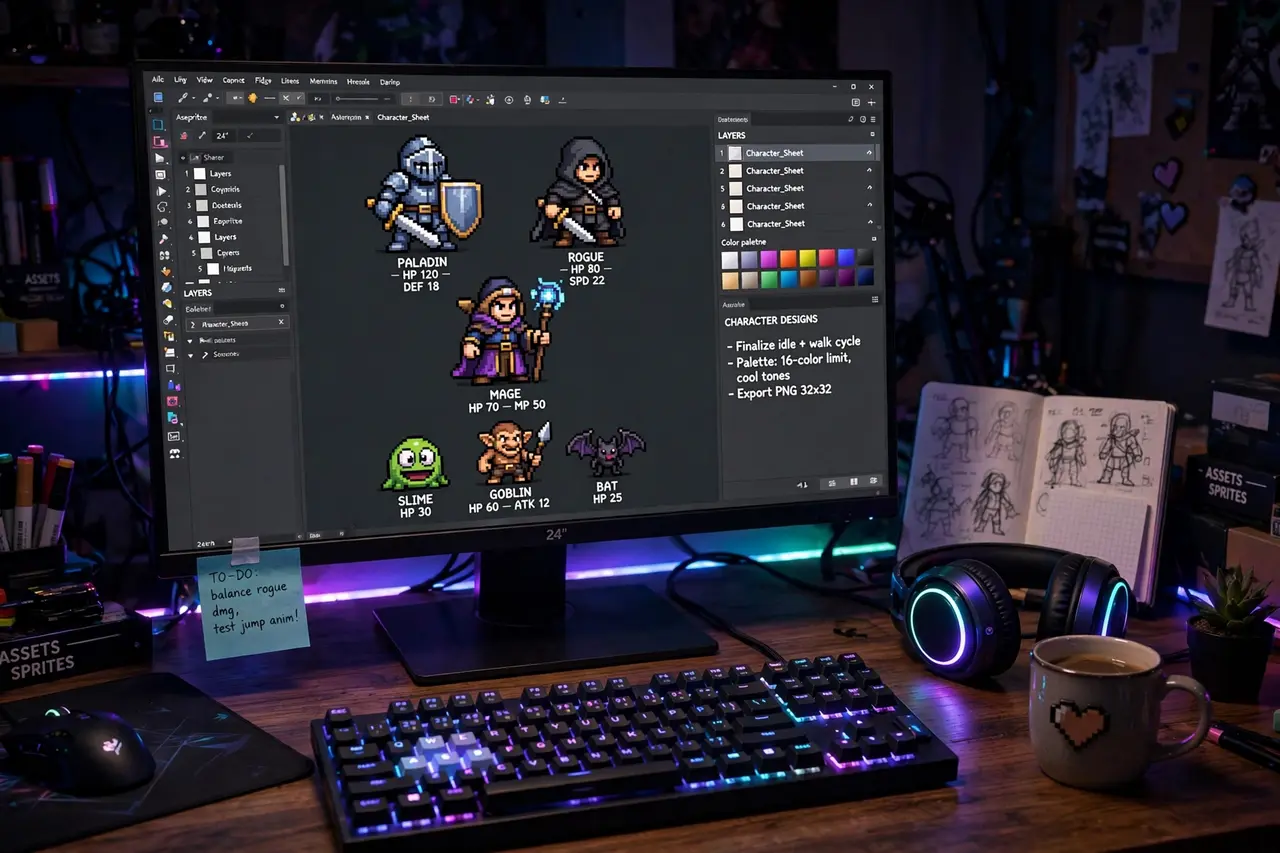
Indie game developers constantly need art and most can’t afford a full-time artist — that’s your opening. Create and sell game asset packs (character sprites, tilesets, UI elements, backgrounds) on itch.io, the Unity Asset Store, or GameDev Market, where a single popular pack can sell for years.
Alternatively, take on freelance asset work for indie studios through Twitter game-dev communities and Discord servers. Consistent style matters more than realism here — developers hire artists whose aesthetic fits their game’s world, so build a portfolio around one or two genres you love.
8. Package Social Media Design Bundles
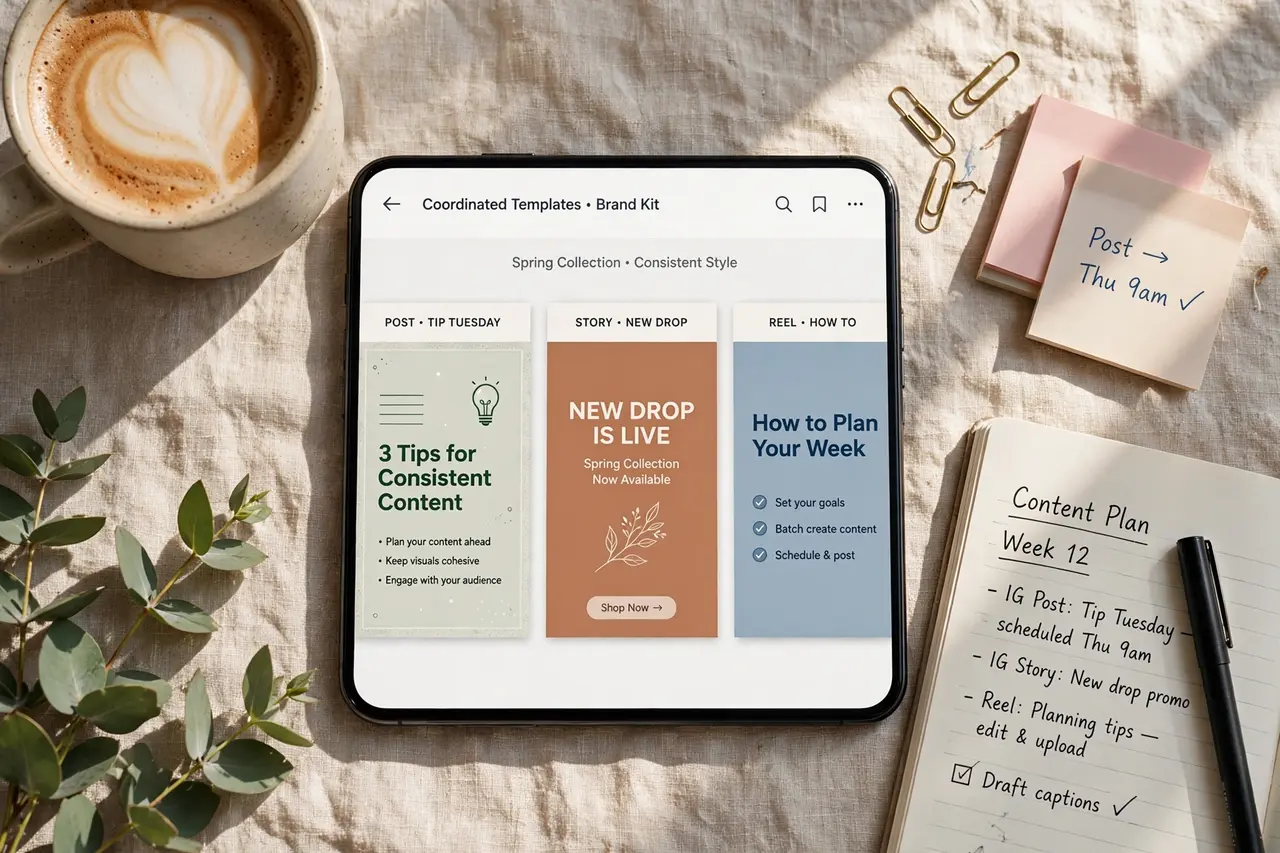
Content creators and small businesses will pay well for ready-made visual kits that keep their feeds looking professional. Bundle Instagram post templates, story backgrounds, highlight covers, and profile banners into themed packs and sell them on Etsy, Creative Market, or Gumroad.
Design in editable formats (Canva templates or PSD files) so buyers can customize text and colors — editable products command higher prices and better reviews. Release seasonal bundles (holiday, back-to-school, New Year) to ride predictable spikes in demand.
9. Create Covers for Indie Authors and Publishers
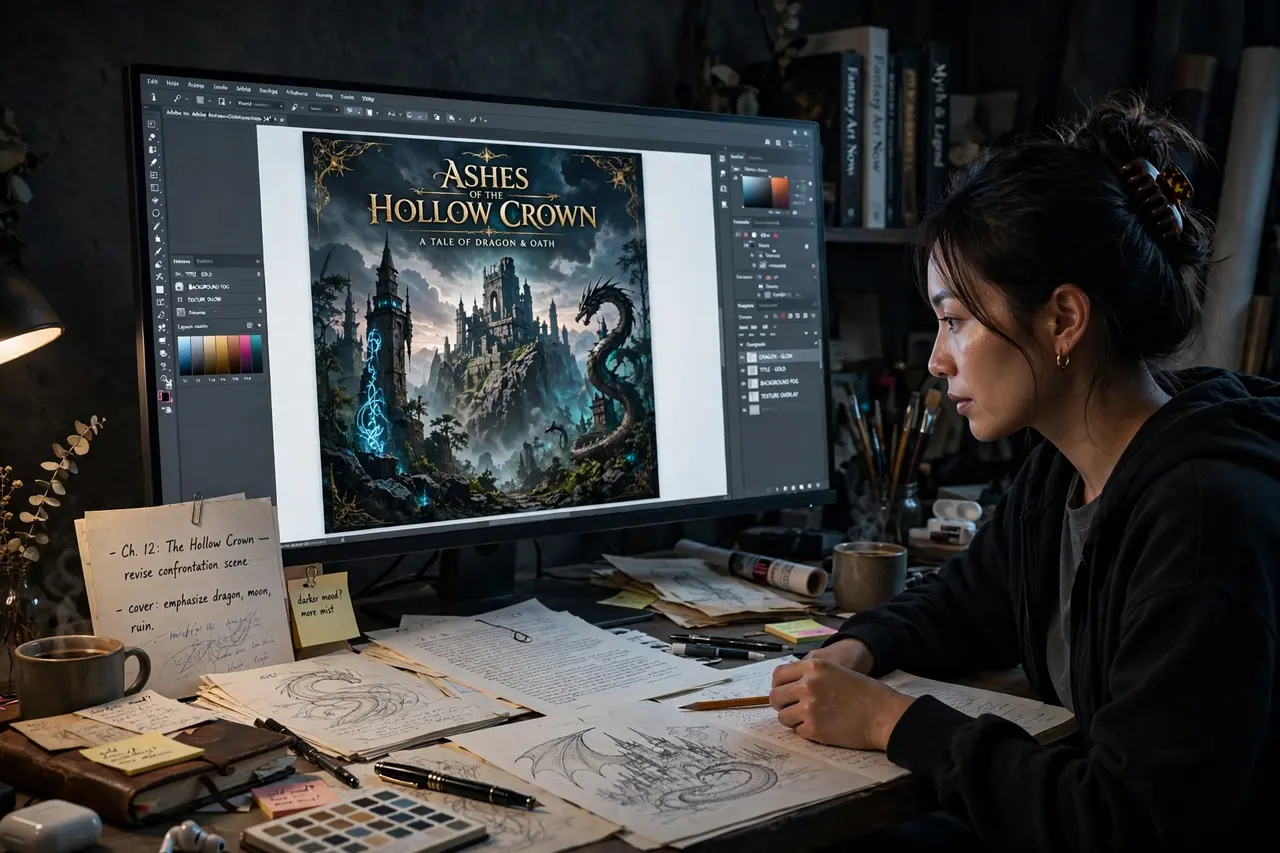
Thousands of self-published authors launch books every month, and every one needs a cover — most can’t afford traditional design agencies. Offer premade book covers ($50 to $150 each) and custom cover design ($200 to $600+) through your own site, Reedsy, or author Facebook groups.
Study genre conventions closely: romance, thriller, and fantasy readers each expect specific visual cues, and covers that match genre expectations outsell prettier covers that don’t. Build a gallery organized by genre so authors can instantly see you understand their market.
10. License Seamless Patterns to Fabric Brands
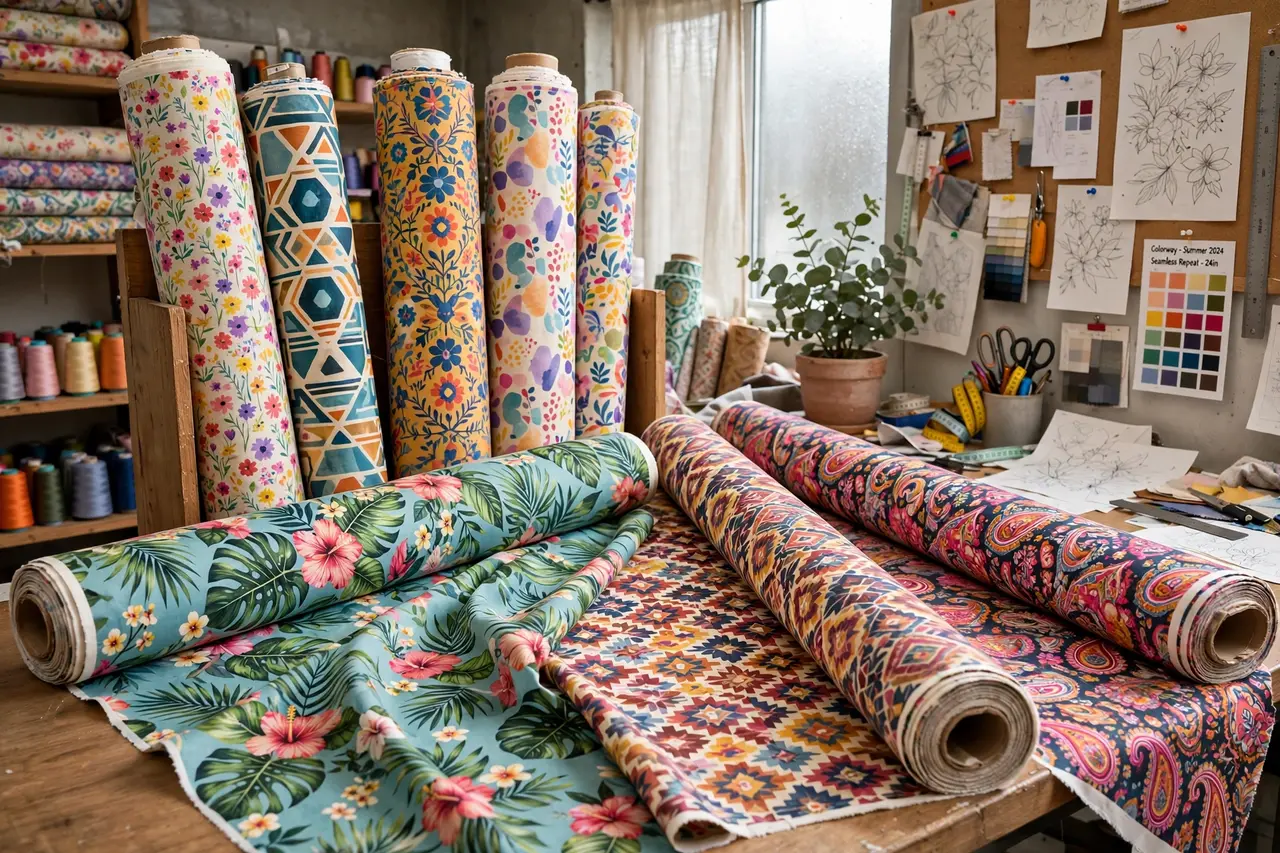
Surface pattern design is a quiet but lucrative corner of digital art — your repeating patterns can end up on fabric, wallpaper, stationery, and phone cases. License patterns through Spoonflower, Patternbank, or by pitching directly to small fabric and stationery brands.
Learn the technical basics of seamless repeats and test your patterns at multiple scales before submitting. Brands license collections, not single patterns, so develop each idea into a coordinated set of 6 to 12 designs in matching colorways.
11. Offer Curated Wallpaper Collections
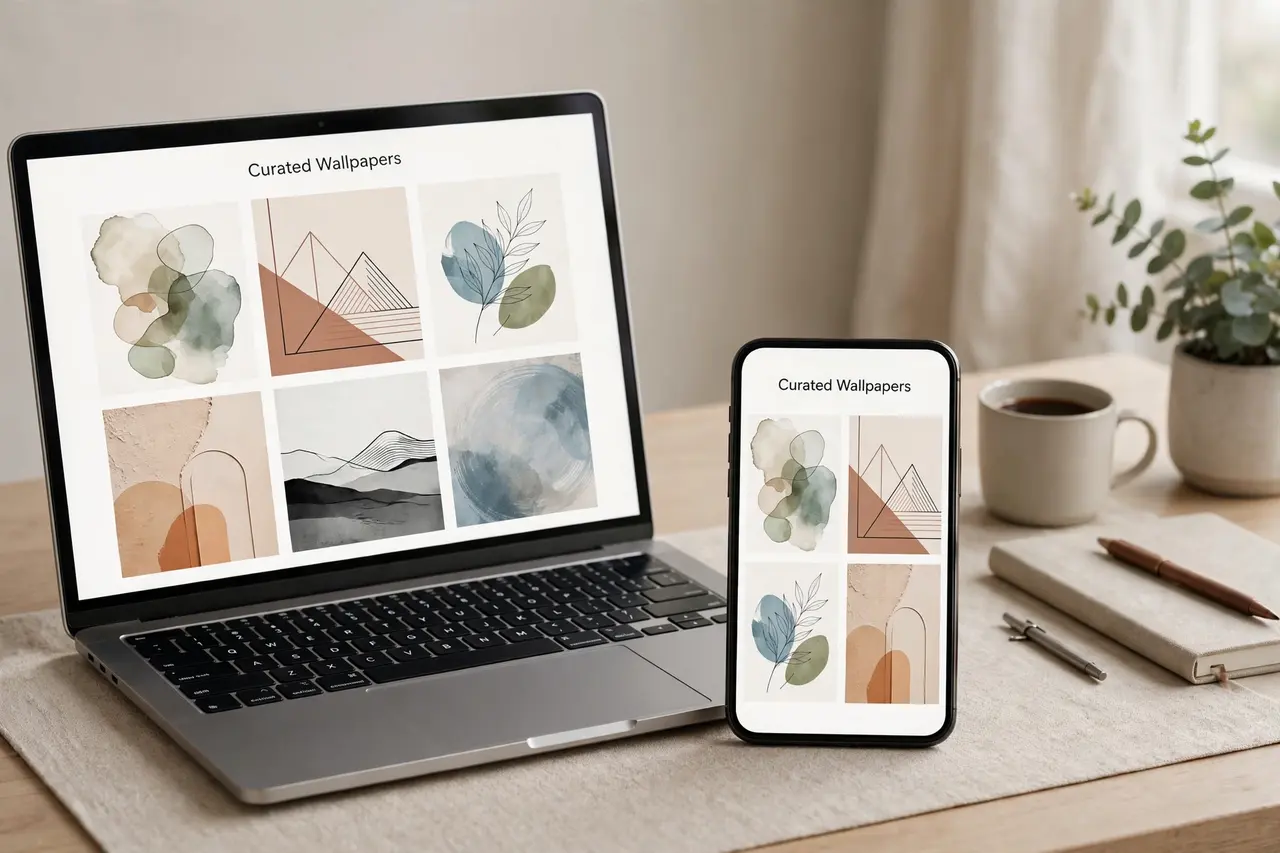
Phone and desktop wallpapers are impulse buys with nearly zero production cost — design once, sell forever. Package wallpapers into themed collections (cozy autumn, minimalist gradients, motivational quotes, anime-inspired) and sell them on Gumroad, Ko-fi, or your own site for $5 to $15 per pack.
Include multiple sizes in every pack (phone, tablet, desktop, ultrawide) so buyers feel they’re getting real value. Give away one free wallpaper as a lead magnet to grow your email list, then upsell the full collections to subscribers.
12. Join a Curated Online Art Gallery
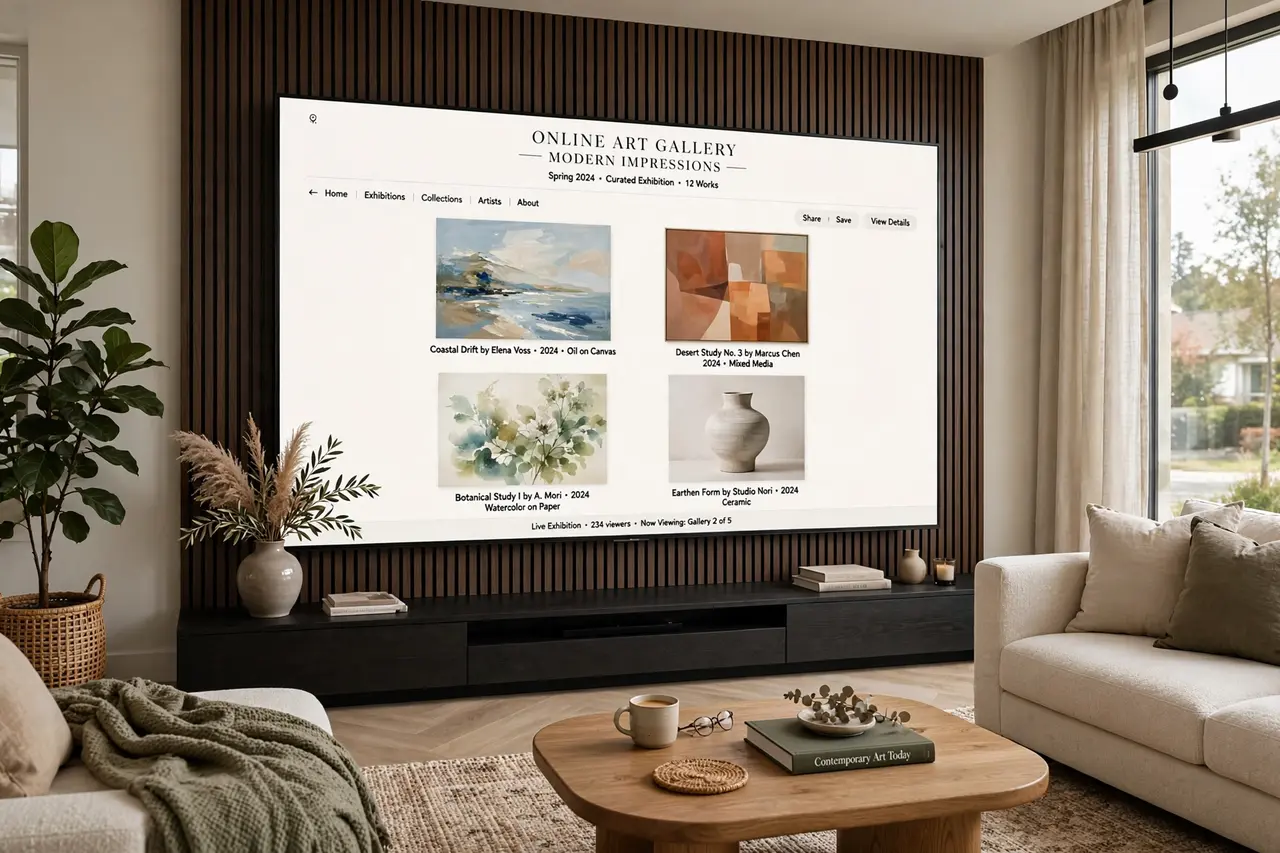
Curated online galleries like Artfinder, Saatchi Art, and Singulart position your work in front of serious collectors willing to pay gallery prices. Unlike open marketplaces, curation itself signals quality — being accepted is a credential you can mention everywhere else you sell.
Apply with a cohesive body of work rather than a scattered portfolio; galleries want artists with a recognizable voice. Price consistently across galleries and your own channels — collectors notice when the same piece costs half as much elsewhere.
13. Sell Direct to Collectors Through Your Email List
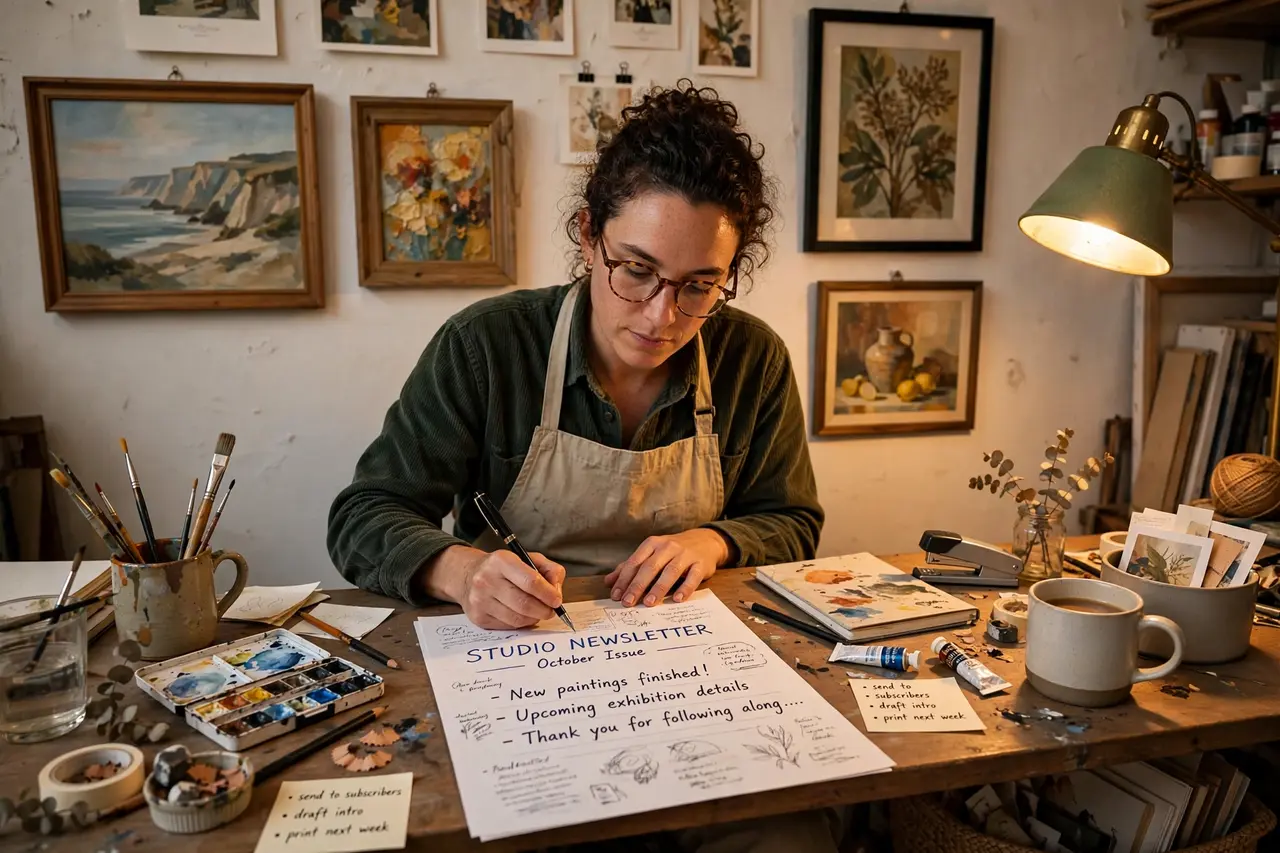
The most profitable channel of all is the one you own: an email list of people who already love your work. Offer a free wallpaper or mini-print to grow your list, then announce new pieces, limited drops, and commission openings directly to subscribers — no marketplace fees, no algorithm.
Email buyers convert at dramatically higher rates than social followers because they opted in. Send a short monthly studio update with works in progress and early access to new releases; collectors love feeling like insiders, and insiders buy first.
Frequently Asked Questions
How much can a beginner earn selling digital art online?
Beginners typically earn $100 to $500 per month in their first six months from a combination of downloads and small commissions. Artists who niche down, publish consistently, and build an email list often reach $1,000 to $3,000+ monthly within a year or two.
Do I need to be a professional artist to sell digital art?
No — you need a consistent style and art that serves a specific buyer. Many top-selling Etsy print shops are run by self-taught artists whose strength is understanding trends and niches, not classical technique.
Which platform is best for beginners selling digital art?
Etsy is the best starting point for most beginners because buyers arrive with purchase intent. Pair it with a print-on-demand partner so you can offer physical products without inventory, and expand to other channels once sales are steady.
How should I price my digital art?
Price digital downloads at $3 to $15, bundles at $15 to $40, commissions at $50 to $500+ depending on complexity, and licensed work based on usage. Research what comparable artists charge — underpricing signals low quality and leaves money on the table.
Can I sell AI-assisted digital art online?
Yes, on most platforms, but always check each marketplace’s current policy and disclose AI involvement where required. Heavily edited, curated AI-assisted work in a distinctive style sells far better than raw unedited generations.
Conclusion
Selling digital art online works best as a portfolio of channels, not a single bet: start with an Etsy shop and print-on-demand for steady baseline income, add commissions for cash flow, and layer in licensing, galleries, and your own email list as you grow. Pick two or three ways from this list that fit your style, commit to them for six months, and let your art start paying you back.