
You have created a great digital product — now where do you sell it? The best ways to sell digital downloads online range from beginner-friendly marketplaces with built-in traffic to your own website where you keep every penny. The right choice depends on your product type, your audience, and how much control you want.
Below are 12 proven sales channels for digital downloads, each with its own strengths. Many successful sellers use three or four of these together: marketplaces for discovery, their own site for profit, and email plus social media to drive traffic to both.
Here are the 12 best places and strategies to sell your digital downloads.
1. Etsy

Etsy is the number one marketplace for digital downloads, with millions of buyers actively searching for printables, templates, and planners. Its built-in traffic means you can make sales without an audience, and its search algorithm rewards well-optimized listings. For beginners, there is no faster way to get your first customers.
The tradeoff is fees: listing fees plus transaction and payment processing fees take roughly 10 percent of each sale. Treat Etsy as your discovery engine — optimize titles with keywords buyers actually search, then funnel happy customers toward your own channels where margins are higher.
2. Gumroad

Gumroad is built specifically for creators selling digital products, and it could not be simpler to start. Upload your file, set a price, and share your link — Gumroad handles payments, delivery, and even basic email marketing. Its “discover” marketplace also surfaces products to browsing buyers.
Fees are a flat percentage per sale with no monthly cost on the basic plan, making it ideal for testing new products. Gumroad’s membership and subscription features also let you graduate from one-time sales to recurring revenue without switching platforms.
3. Shopify

Shopify gives you a professional storefront you fully control, and with digital delivery apps it handles downloads automatically after purchase. Unlike marketplaces, there are no competing sellers on your product pages and no marketplace commission beyond payment processing. Your brand, your rules, your customer data.
The catch is traffic: Shopify does not bring buyers, so you need your own marketing through social media, SEO, or ads. It shines once you have an audience or a winning product — many six-figure digital sellers run their main operation on Shopify while using marketplaces for discovery.
4. Amazon KDP
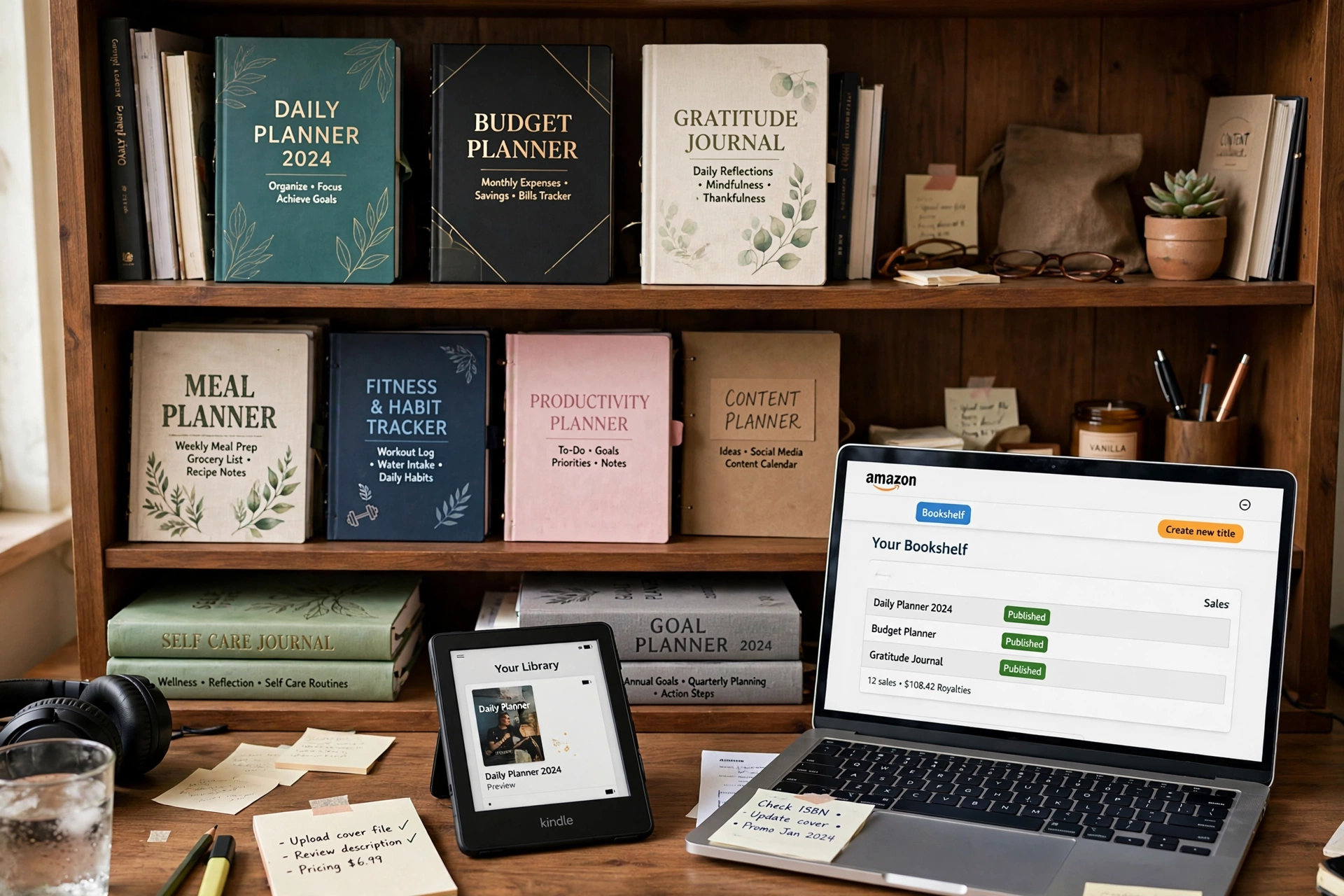
Amazon Kindle Direct Publishing puts your digital products in front of the largest book-buying audience on earth. While known for ebooks, KDP also supports low-content products like planners, journals, and activity books that sell as print-on-demand paperbacks — no inventory, with Amazon handling printing and shipping.
Royalties range from 35 to 70 percent depending on pricing and format. The real power of KDP is Amazon’s search traffic: optimize your titles and categories, and your products can sell for years with minimal ongoing effort.
5. Envato Market

Envato Market — including GraphicRiver, ThemeForest, and AudioJungle — is where professionals buy creative digital assets. If your products are high-quality themes, graphics, video templates, or audio files, Envato’s buyer base of designers and agencies pays premium prices. Top authors earn life-changing income here.
Quality standards are strict and the review process takes time, but that barrier keeps competition manageable. Study the bestsellers in your category, match their polish, and price competitively to gain initial traction and reviews.
6. Payhip

Payhip is a creator-friendly platform with some of the lowest fees in the industry — a small percentage per sale and no monthly fees on the free plan. It supports digital downloads, memberships, and even physical products, with built-in affiliate tools that let others promote your products for a commission.
Its simplicity is the selling point: connect PayPal or Stripe, upload your files, and start selling in minutes. Payhip is an excellent stepping stone between marketplace selling and running your own full website.
7. Teachers Pay Teachers
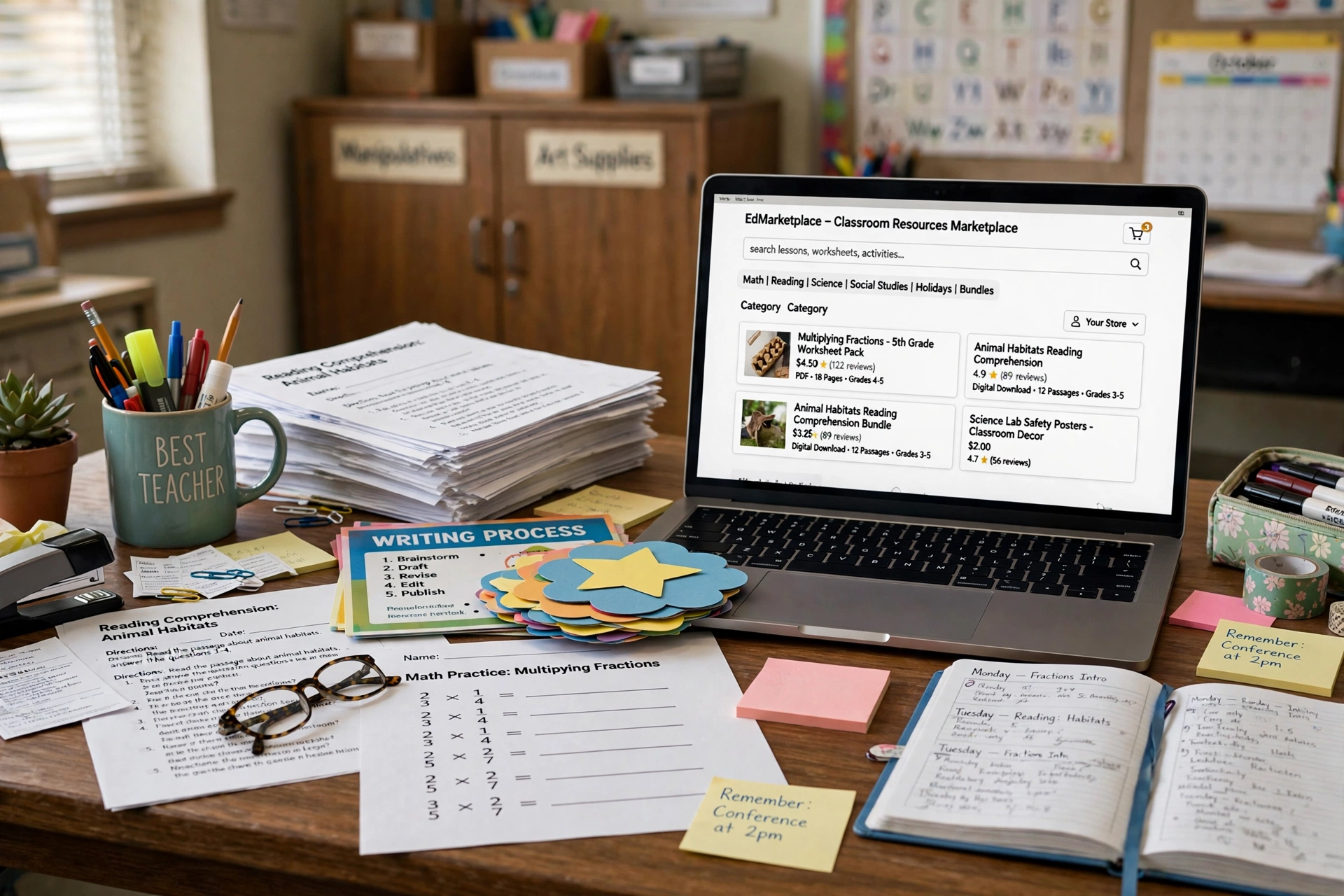
Teachers Pay Teachers is a massive marketplace where educators buy and sell classroom resources — worksheets, lesson plans, decor, and activities. If your digital products serve teachers, parents who homeschool, or tutors, this is the most targeted buyer pool you will find anywhere.
Successful sellers often earn thousands per month from resources they created for their own classrooms. The audience is incredibly loyal and leaves detailed reviews, which compounds your visibility. Seasonal resources tied to the school calendar sell in predictable waves you can plan around.
8. Your Own WordPress Website
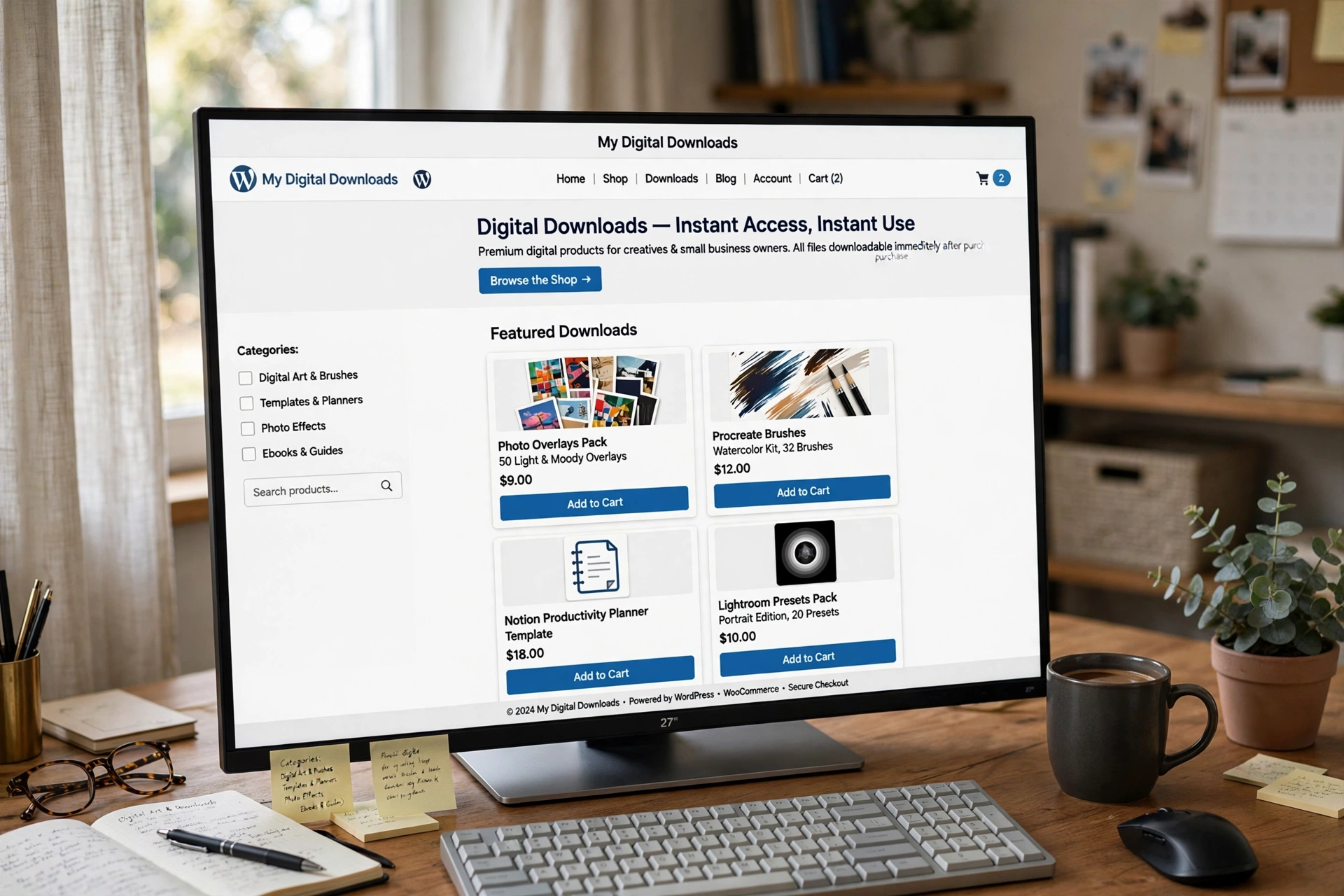
Running your own WordPress site with a plugin like Easy Digital Downloads gives you maximum control and zero marketplace fees. You own the customer relationship, the email list, and the branding — assets that compound in value over time. Every sale puts the full profit (minus payment processing) in your pocket.
The investment is traffic: you will need SEO, Pinterest, or social media to bring buyers. Start your site early even while selling on marketplaces, publish helpful content around your niche, and gradually shift your best customers to direct purchases.
9. Sell Through Email Marketing

Email is the highest-converting sales channel most creators underuse. Build a list by offering a free digital download — a sample planner, a mini template pack — then promote your paid products to subscribers who already trust you. Email buyers convert at rates marketplaces can only dream of.
Free tools like MailerLite or ConvertKit’s free tier handle your first thousand subscribers at no cost. Send a mix of helpful content and product launches, and your list becomes an asset that generates sales on demand whenever you release something new.
10. Instagram and TikTok Shops

Short-form video is a sales machine for visual digital products. Creators demo their printables, planners, and templates on TikTok and Instagram Reels, link to their shops in bio, and watch impulse purchases roll in. A single viral video can sell thousands of copies of a $5 printable overnight.
The key is showing the product in action: flipping through a planner, customizing a template, printing wall art. Link your videos to a simple storefront (Stan Store, Beacons, or your own site) so viewers can buy in two taps while the desire is hot.
11. Whop
Whop is a fast-growing marketplace built for digital products, communities, and memberships. It handles payments, delivery, and access management, with a modern checkout experience buyers love. Its discovery feed and affiliate marketplace help new sellers get traction without an existing audience.
Whop is particularly strong for higher-ticket digital products — courses, premium communities, and software-adjacent goods. If your products serve the creator economy, online business, or tech-savvy niches, Whop deserves a serious look.
12. Ko-fi

Ko-fi started as a tipping platform for creators and has grown into a full shop for digital downloads with zero platform fees on sales. Creators sell printables, art packs, and templates directly to their supporters, keeping every cent beyond payment processing. The friendly, low-pressure vibe converts followers into buyers.
Ko-fi works best when you already have even a small audience — followers who like your free content will happily buy a $5 download to support you. Use it alongside your social profiles as a frictionless first storefront before investing in something bigger.
Frequently Asked Questions
What is the best platform for beginners to sell digital downloads?
Etsy is the best starting point for most beginners because it has millions of buyers already searching for digital products. You can list your first product today and potentially make a sale this week. Once you have traction, expand to Gumroad or your own website to keep more profit per sale.
How much does it cost to start selling digital downloads?
You can start for free on platforms like Gumroad, Payhip, or Ko-fi, which only charge a small percentage when you make a sale. Etsy charges a small listing fee per product. Your main investment is the time to create a quality product and write a good listing.
Should I sell on multiple platforms or just one?
Start with one platform and master it, then expand. Many successful sellers use Etsy for discovery, their own website for maximum profit, and email marketing to drive repeat sales. Spreading too thin too early divides your attention; depth beats breadth at the start.
How do customers receive digital downloads after buying?
Every platform listed here handles delivery automatically — the buyer gets an instant download link after payment. You upload the file once, and the platform delivers it forever. Make sure your files are clearly named and include simple usage instructions to minimize support questions.
Do I need a business license to sell digital downloads?
Requirements vary by location, but many US sellers start as sole proprietors without a special license. You will owe income tax on your profits, so track earnings from day one. If you scale up significantly, consult a tax professional about forming an LLC.
How do I protect my digital products from piracy?
Complete prevention is impossible, but you can reduce it: add subtle watermarks to previews (never the delivered file), price fairly so buying is easier than stealing, and focus on building a brand buyers want to support. Most honest customers will gladly pay a few dollars for a quality product.
The smartest sellers do not pick just one of these ways to sell digital downloads online — they stack them. Start where your buyers already are, reinvest profits into your own channels, and build an email list from day one. Your digital products deserve more than one shelf; give them a whole store.


