Finding your first clients is the hardest part of freelancing, but the right platform makes it much easier. The best freelancing websites for beginners offer low barriers to entry, built-in payment protection, and a steady stream of posted jobs. Whether you write, design, code, or handle admin tasks, there is a marketplace where clients are already looking for someone like you.
Below are the 12 best freelancing websites for beginners, ranked by ease of getting started, quality of clients, and earning potential. Pick two or three, build a strong profile on each, and start applying this week.
1. Upwork
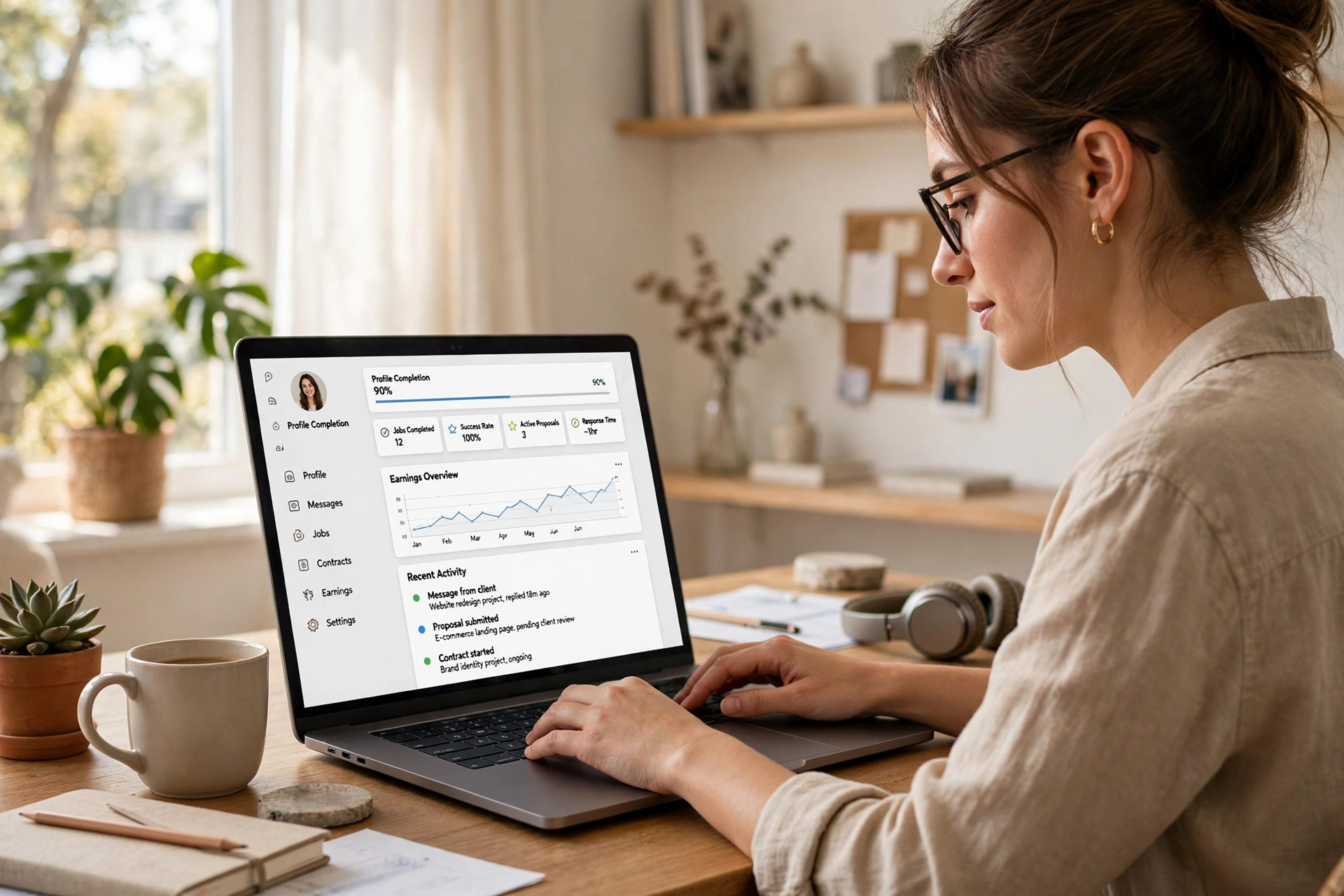
Upwork is the largest freelancing marketplace in the world, with thousands of new jobs posted daily across writing, design, development, marketing, and admin support. Beginners can create a free profile, take skill tests to prove expertise, and submit proposals using monthly Connects credits. The platform holds client payments in escrow, so you never work without a payment guarantee.
Competition is stiff, so new freelancers should start with smaller fixed-price projects to build reviews quickly. Once you land your first five-star ratings, the algorithm starts showing your profile to more clients. Many full-time freelancers earning six figures started with $15 gigs on Upwork.
2. Fiverr

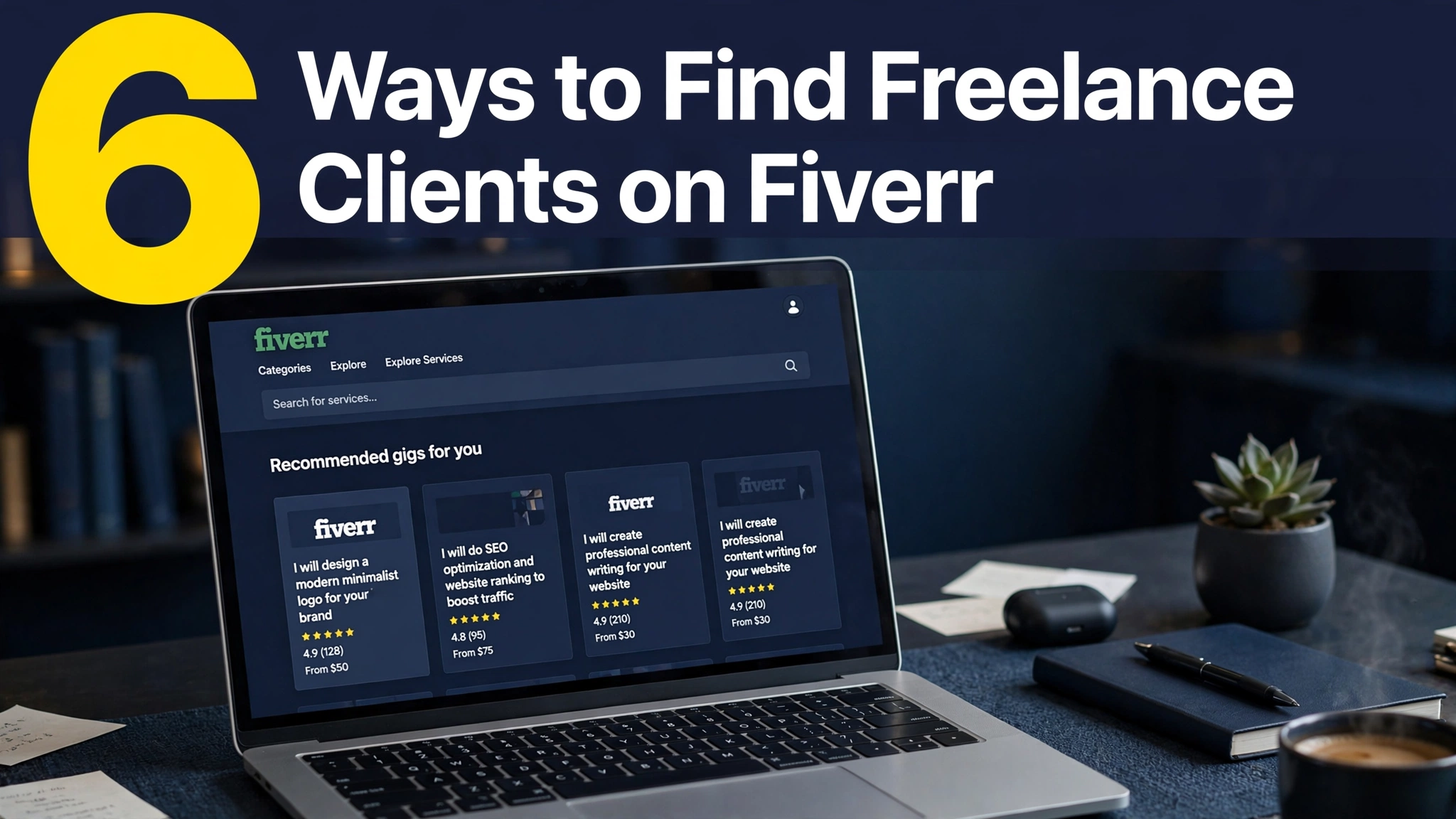
Fiverr flips the traditional model: instead of bidding on jobs, you create service listings called gigs and clients come to you. This makes it one of the friendliest freelancing websites for beginners because there is no proposal writing required. Set up gigs for logo tweaks, proofreading, voiceovers, or social media posts, and let the search traffic do the work.
Start with competitive pricing and a clear gig video to stand out. Fiverr takes a 20% commission, but the volume of buyers makes up for it. Top sellers often upsell gig extras like faster delivery or additional revisions to boost their average order value.
3. Contra
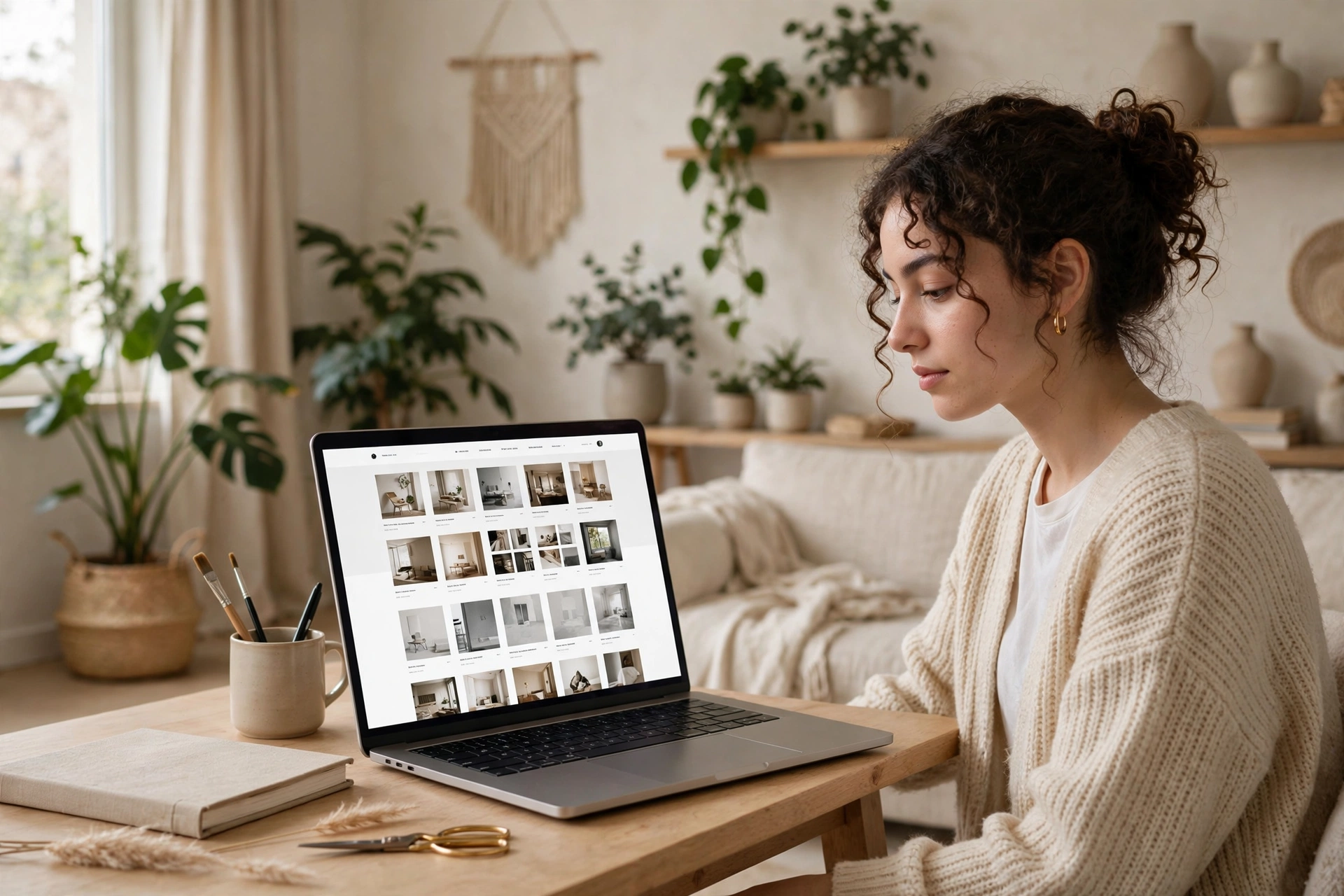
Contra is a commission-free platform built for independent creatives, and it is gaining fast traction with beginners. You keep 100% of what you earn, which is rare among freelancing websites. Profiles double as polished portfolios, so your work speaks for itself without a lengthy bidding process.
Contra also handles contracts, invoicing, and payments for free. It works best for designers, writers, and video editors who can showcase visual work. Because it is newer and curated, there is less noise than on giant marketplaces, and clients on Contra tend to respect creative rates.
4. Freelancer

Freelancer hosts millions of projects and runs skill contests where beginners can win work by submitting the best entry. Contests are a smart way to build a portfolio because even if you do not win, you produce real samples. The platform covers everything from data entry to mobile app development.
New users get free bids each month, and the milestone payment system releases funds as you complete project phases. Be selective with contests since unpaid entries cost time, but a few wins early on can jumpstart your ratings and credibility.
5. PeoplePerHour

PeoplePerHour connects freelancers with clients mainly in the US and UK, and it emphasizes hourly projects called Hourlies. Beginners like the guided profile setup and the platform’s AI matching, which suggests your profile to relevant buyers. Categories span writing, design, development, and business support.
The application review keeps quality high, which means less race-to-the-bottom pricing than open marketplaces. Once approved, respond quickly to invites and keep your Hourlies sharply defined. Repeat clients are common here, turning one-off gigs into steady monthly income.
6. Guru

Guru has been around for over two decades and specializes in longer-term contracts, which beginners often prefer over constant gig hunting. Its WorkRooms give you a dedicated space to manage tasks, share files, and communicate with each client. Payment options include hourly, milestone, and recurring agreements.
Membership tiers affect how many bids you can send, but the free plan is enough to get started. Guru’s SafePay system holds funds before work begins, eliminating non-payment risk. It is especially strong for programming, writing, and administrative support roles.
7. Toptal
Toptal accepts only the top 3% of applicants, so it is not the easiest start, but ambitious beginners should know it exists as a target. Clients here are enterprises and funded startups paying premium rates for developers, designers, and finance experts. Passing the screening process instantly boosts your credibility everywhere else.
If you are still building skills, use Toptal as motivation: study what its freelancers offer, then work up through other platforms. Once you have a strong portfolio and testimonials, apply. Toptal freelancers routinely earn $80 to $200+ per hour.
8. 99designs

99designs is built around design contests: clients post a brief, designers submit concepts, and the winner gets paid. For beginner designers, contests are a low-pressure way to practice real client briefs and build a portfolio fast. Categories include logos, websites, packaging, and book covers.
Beyond contests, you can also get hired directly for one-to-one projects once your profile shows strong work. The platform handles all payments and takes a commission from the client side on contests. Many successful brand designers started by winning a few 99designs contests.
9. FlexJobs

FlexJobs is a curated job board where every listing is hand-screened for legitimacy, so you will never waste time on scams. It lists freelance, part-time, and remote jobs from real companies, and beginners appreciate the skills tests and career resources. There is a subscription fee, but it pays for itself with one placement.
Use the freelance filter to find contract gigs in writing, customer service, marketing, and data entry. Because employers pay to post here, they tend to be serious and responsive. FlexJobs is ideal if you want steadier contract work rather than per-gig marketplaces.
10. SimplyHired
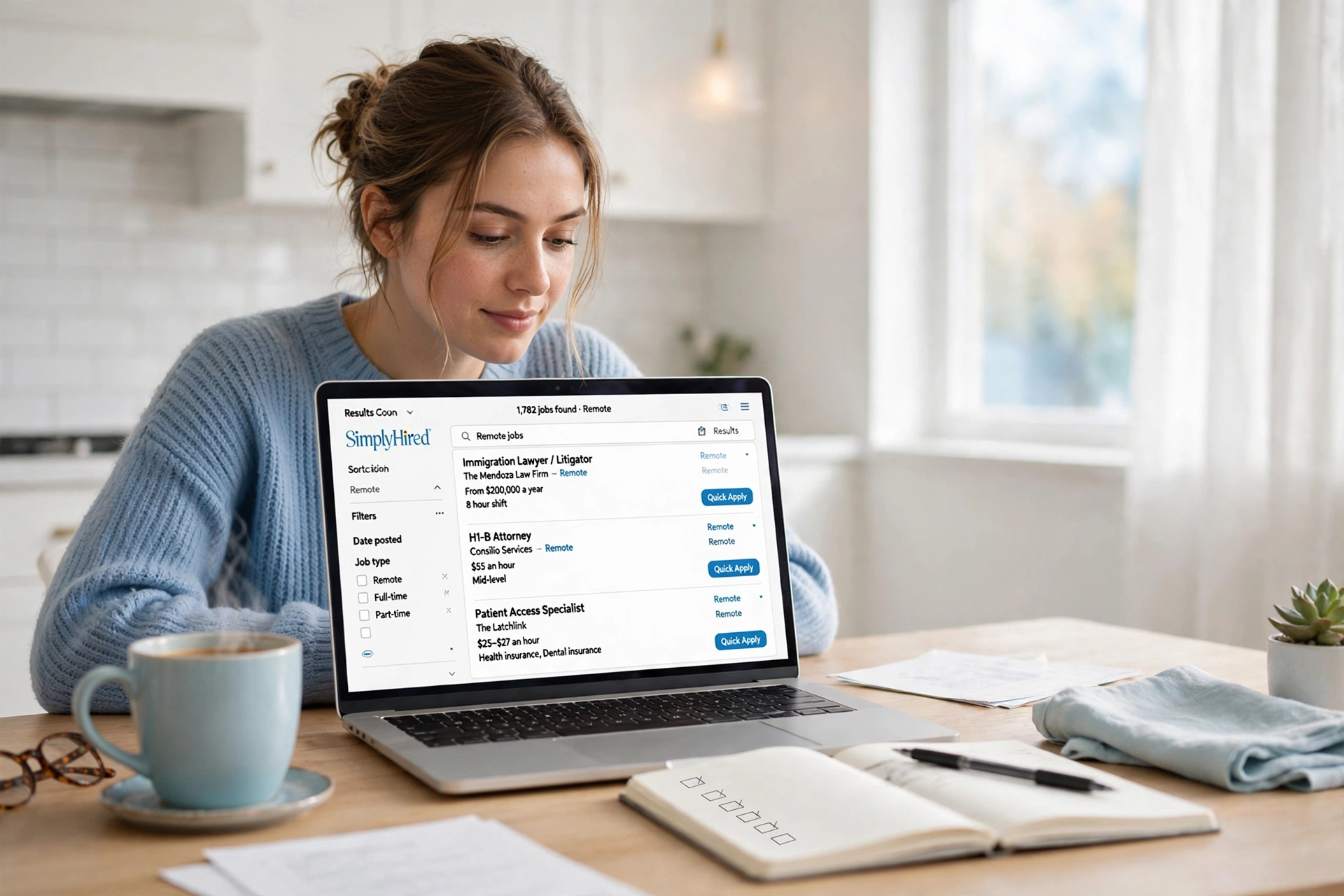
SimplyHired aggregates millions of job listings, including a large freelance and contract section. Beginners can filter by remote work, job type, and salary range to find entry-level freelance postings. It is free to use and pulls listings from company sites and other boards into one search.
Because it is an aggregator, competition varies by listing, but the sheer volume means fresh opportunities daily. Set up email alerts for your skill keywords so you can apply early. SimplyHired works well alongside marketplace profiles as a second stream of leads.
11. SolidGigs

SolidGigs curates the best freelance jobs from across the web and delivers them to your inbox, saving beginners hours of searching. Instead of competing with thousands on open boards, you get a short list of quality leads matched to your skills. The subscription includes courses on pitching and pricing.
This service suits freelancers who hate the feast-or-famine cycle of marketplaces. The leads skew toward higher-budget projects in writing, design, and development. Pair SolidGigs with a strong portfolio site and you can land clients without ever bidding on a public job post.
12. Dribbble

Dribbble started as a portfolio community for designers and now runs a job board where companies hire freelance creatives directly. Beginners should treat it as a showcase first: post your best shots consistently, engage with the community, and the freelance inquiries follow. A polished Dribbble profile acts as social proof on every proposal you send elsewhere.
The job board lists freelance and full-time roles from startups and agencies worldwide. Dribbble Pro unlocks the ability to apply directly and access exclusive briefs. Even if you are not a designer, the lesson applies: a public portfolio on the right platform attracts clients on autopilot.
Frequently Asked Questions
Which freelancing website is best for complete beginners?
Fiverr and Upwork are the easiest starting points. Fiverr requires no proposal writing since clients find your gigs, while Upwork has the largest volume of posted jobs. Most beginners do well starting on both simultaneously.
Do I need experience to join freelancing websites?
No. Every platform above lets you create a profile without prior client work. Build 3 to 5 portfolio samples (even self-made projects count), write a clear profile describing how you help clients, and start with smaller projects to earn your first reviews.
How much do beginner freelancers earn?
Beginners typically earn $15 to $40 per hour or $50 to $300 per fixed-price project in their first months. Rates climb quickly with reviews: freelancers with 20+ five-star ratings often charge 2 to 3 times their starting rates within a year.
Are freelancing websites free to join?
Most are free to join, including Upwork, Fiverr, Contra, Freelancer, Guru, and SimplyHired. Some charge commissions on earnings (typically 5% to 20%) or offer paid memberships for extra bids. Contra is notable for charging zero commission.
How do I avoid scams on freelancing platforms?
Never accept work or payment outside the platform until trust is established, never pay a client to get a job, and use each site’s escrow or milestone payment system. Stick to verified clients with payment methods on file, and report anything suspicious.
How long does it take to get your first client?
With daily applications and a complete profile, most beginners land their first client within 2 to 4 weeks. Speed it up by applying to newly posted jobs within the first hour, personalizing every proposal, and starting with lower-competition niches.
Conclusion
The 12 best freelancing websites for beginners all share one trait: they lower the barrier between your skills and paying clients. You do not need to master every platform. Pick two that fit your skills, build standout profiles with real portfolio samples, and apply consistently for 30 days. Your first client is closer than you think, and every review after that makes the next one easier to win.