
Every freelancer reaches the point where the work has improved but the pay has not. You deliver faster, your results are better, and yet you are still charging what you charged when you started — and the idea of asking for more feels risky. The good news is that you can raise your freelance rates without losing the clients you like, as long as you do it with a plan instead of a sudden announcement. The ten methods below are proven, practical, and kind to your client relationships: they give clients time, reasons, and choices, so a higher rate feels like a fair step forward rather than a shock. Here is how to do it.
1. Raise Rates for New Clients First

New clients have no old price to compare against, so they are the easiest place to start. Quote your new rate on every fresh proposal and watch what happens — most new clients will accept it without comment, and that tells you the market already supports your higher price. Once a few new clients are paying the new rate, raising it for existing clients stops feeling like a gamble and starts feeling like catching up.
Tip: set a date — the first of next month works well — after which every new quote uses the new rate, no exceptions.
2. Add a Service Before You Raise the Price
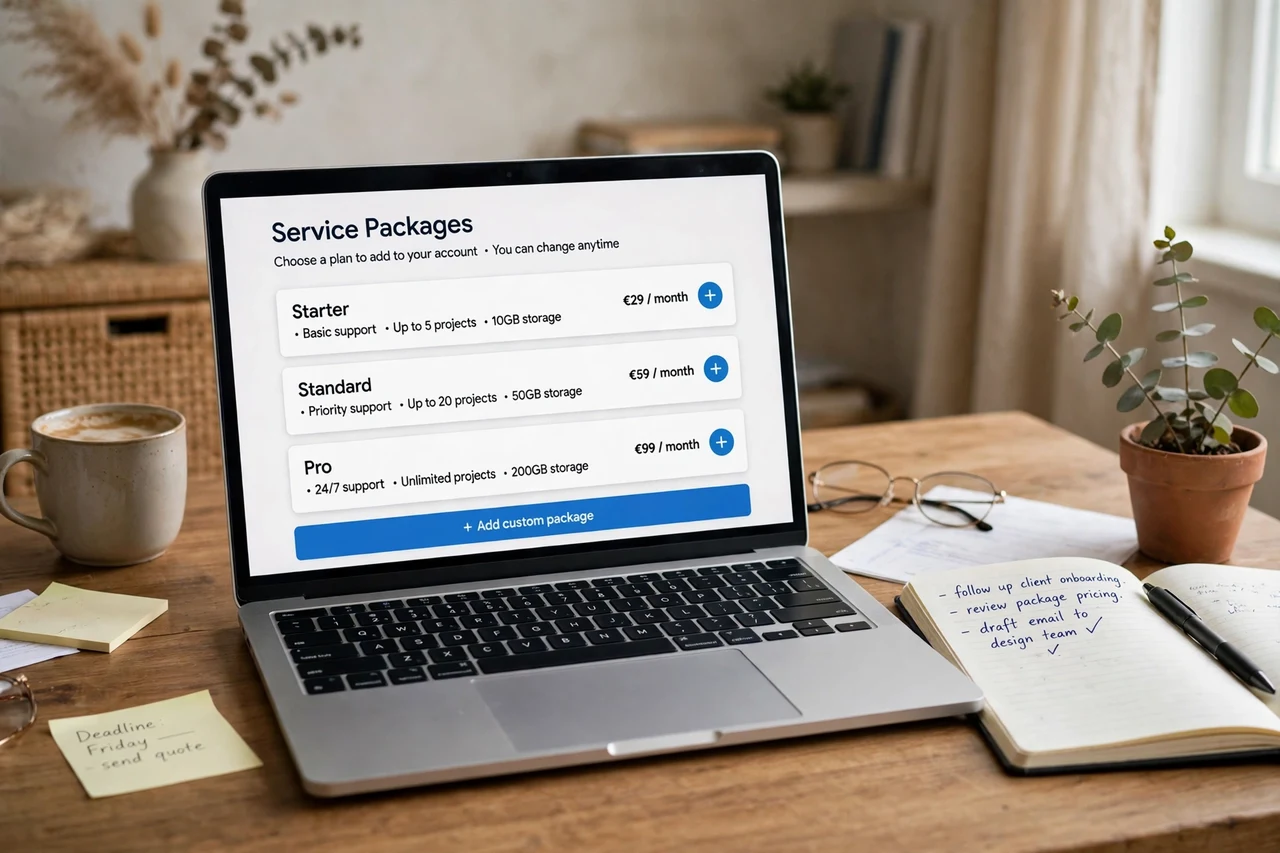
A rate increase is easier to accept when something new comes with it. Add a small service your clients already want — a monthly report, a faster turnaround option, or a short strategy call — and the higher price reads as an upgraded package rather than the same work for more money. You are genuinely delivering more, so the increase feels earned on both sides.
Tip: pick an add-on that costs you very little time but saves the client real effort, like a simple monthly summary of the work you completed.
3. Give Existing Clients Plenty of Notice

Nothing loses a client faster than a surprise price jump on the next invoice. Two to four weeks of notice, in a short and friendly message, gives clients time to adjust their own budgets and shows respect for the relationship. Most clients expect rates to rise over time — what they resent is finding out after the work is already done.
Tip: send the notice in writing, state the new rate and the date it starts, and thank them for the work you have done together so far.
4. Tie the Increase to a Clear Improvement

Clients pay for results, so connect your higher rate to something concrete they have already seen: faster delivery, better quality, more leads, or a skill you have added since you started working together. When the increase is tied to a real improvement, the client is not paying more for the same thing — they are paying for the better freelancer you have become.
Tip: mention one specific result in your message, such as “your blog traffic has doubled since we started,” so the reason is impossible to miss.
5. Offer Two Package Options Instead of One Price
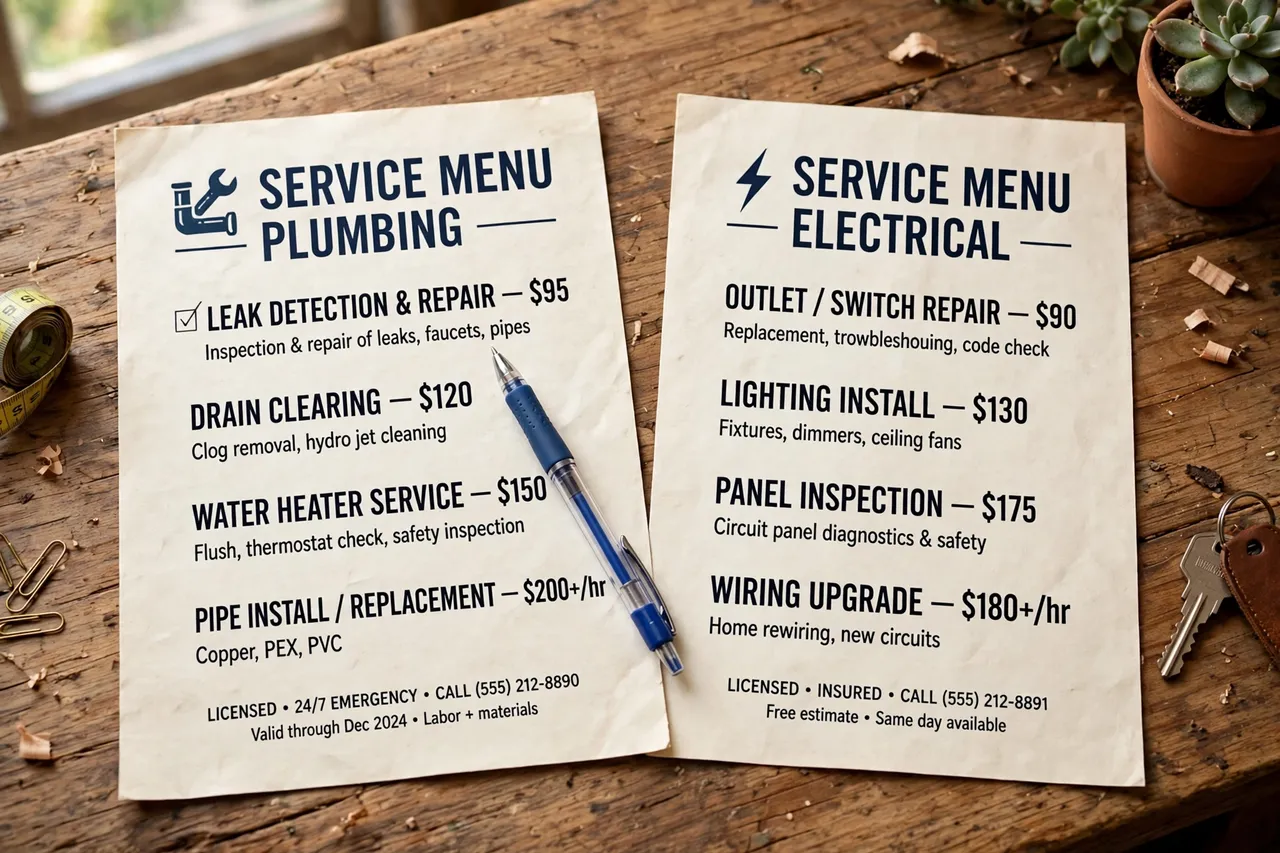
A single new price is a yes-or-no decision, and “no” is always an option. Two packages change the question: the client chooses between a standard package at your current rate and a premium package at your new rate, with more included. Many clients pick the premium option, and even those who stay on the standard package have made a choice rather than rejecting you.
Tip: make the premium package genuinely better — extra deliverables or faster turnaround — so the higher price is clearly buying more.
6. Raise Rates in Small Steps, Not One Big Jump

A 10 percent increase is easy for a client to absorb; a 50 percent jump in one email is not, even if the new rate is fair. Small, regular increases — 10 percent every six months, for example — compound into a big raise over time without ever creating a difficult conversation. Clients barely notice a small step, but they notice a leap.
Tip: plan your increases on a calendar now, so each one is a routine update instead of a stressful decision you keep putting off.
7. Drop Your Lowest-Paying Client to Make Room

Sometimes the fastest way to raise your average rate is to stop doing the cheapest work. Your lowest-paying client usually takes the same hours as a good one while paying far less, and those hours are exactly what you need for better-paying work. Letting one low-paying client go frees up time to find a client at your new rate — and it raises your income even before you sign anyone new. Use that freed-up time well — these steps to land your first freelance client help you replace them at your new rate. [ADDED LINK]
Tip: give the client a month of notice and a referral to another freelancer if you can; a graceful exit keeps the relationship intact.
8. Show Proof of Results Before You Ask for More

Numbers make a rate increase easy to say yes to. Before you ask, gather proof: traffic you grew, sales you helped close, hours you saved the client, or positive feedback from their customers. A short message with two or three concrete results turns a price conversation into a value conversation, and value is much easier for a client to agree to. Proof is also how new clients find you — these ways to get clients with content marketing turn your results into a steady pipeline. [ADDED LINK]
Tip: keep a simple results file for every client — one line per win, with the date — so the proof is ready whenever you need it.
9. Set a Date to Review Your Rates Every Six Months
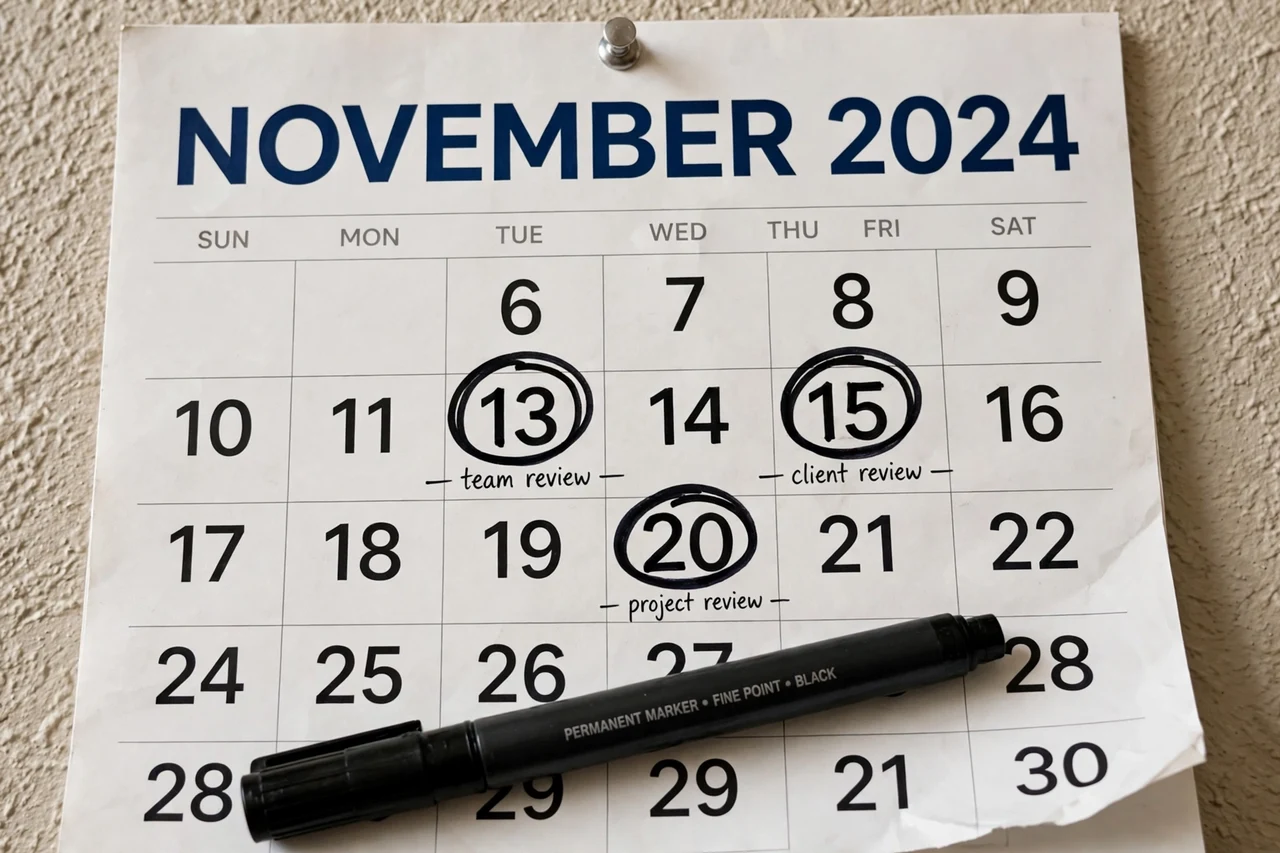
Rate increases feel awkward when they are rare and random, because each one becomes a big event. A fixed review date — every January and July, for example — turns the raise into a routine part of doing business, like a subscription renewing. Clients accept regular small adjustments far more easily than sudden ones, and you never again go two years without a raise.
Tip: put the review dates in your calendar now, and tell long-term clients about the schedule so the next increase is never a surprise.
10. Let Clients Choose Between a Higher Rate and Less Work

If a client truly cannot afford your new rate, offer a real choice: the new rate for the same work, or the old rate for less work. A smaller scope at the old price protects your hourly earnings, and it lets the client stay with you at a budget they can manage. Either way, you stop doing the same amount of work for the same low pay — and many clients choose the higher rate once they see the trade-off.
Tip: spell out exactly what the smaller scope includes, so the reduced package is clear and nobody expects the full service at the old price.
Frequently Asked Questions
How much should I raise my freelance rates?
A 10 to 15 percent increase is a safe starting point for existing clients, and you can repeat it every six months as your skills grow. For new clients, quote the rate you actually want — the market will tell you quickly if it is too high, because proposals will stop converting.
When is the best time to raise my freelance rates?
Raise them when you are busy, not when you are desperate. A full calendar is proof your work is in demand, and it gives you confidence in the conversation. The start of a new project, a new year, or the completion of a big result are all natural moments to announce a change.
What do I say when a client pushes back on a rate increase?
Stay calm and point to the value: remind them of the results you have delivered and offer the smaller-scope option at the old rate. If they still refuse, thank them and let them go gracefully — a client who will not pay your rate is making room for one who will.
Should I raise rates for all clients at the same time?
Not necessarily. Start with new clients, then raise rates for your longest-standing clients first, since they have seen the most improvement in your work. Stagger the changes by a few weeks so you are never handling several difficult conversations at once.
What if I lose a client after raising my rates?
Losing one client after a raise is normal and usually fine — the higher rate from your remaining clients often covers the loss. If several clients leave at once, the increase may have been too large or too sudden, so slow down, raise in smaller steps, and focus on replacing them at the new rate.
Raising your rates is not about charging more for the same work — it is about letting your price catch up with the freelancer you have already become. Pick the method that fits your clients best, give them honest notice, and make the change this month. Your future self will thank you for every dollar the old rate was leaving behind.