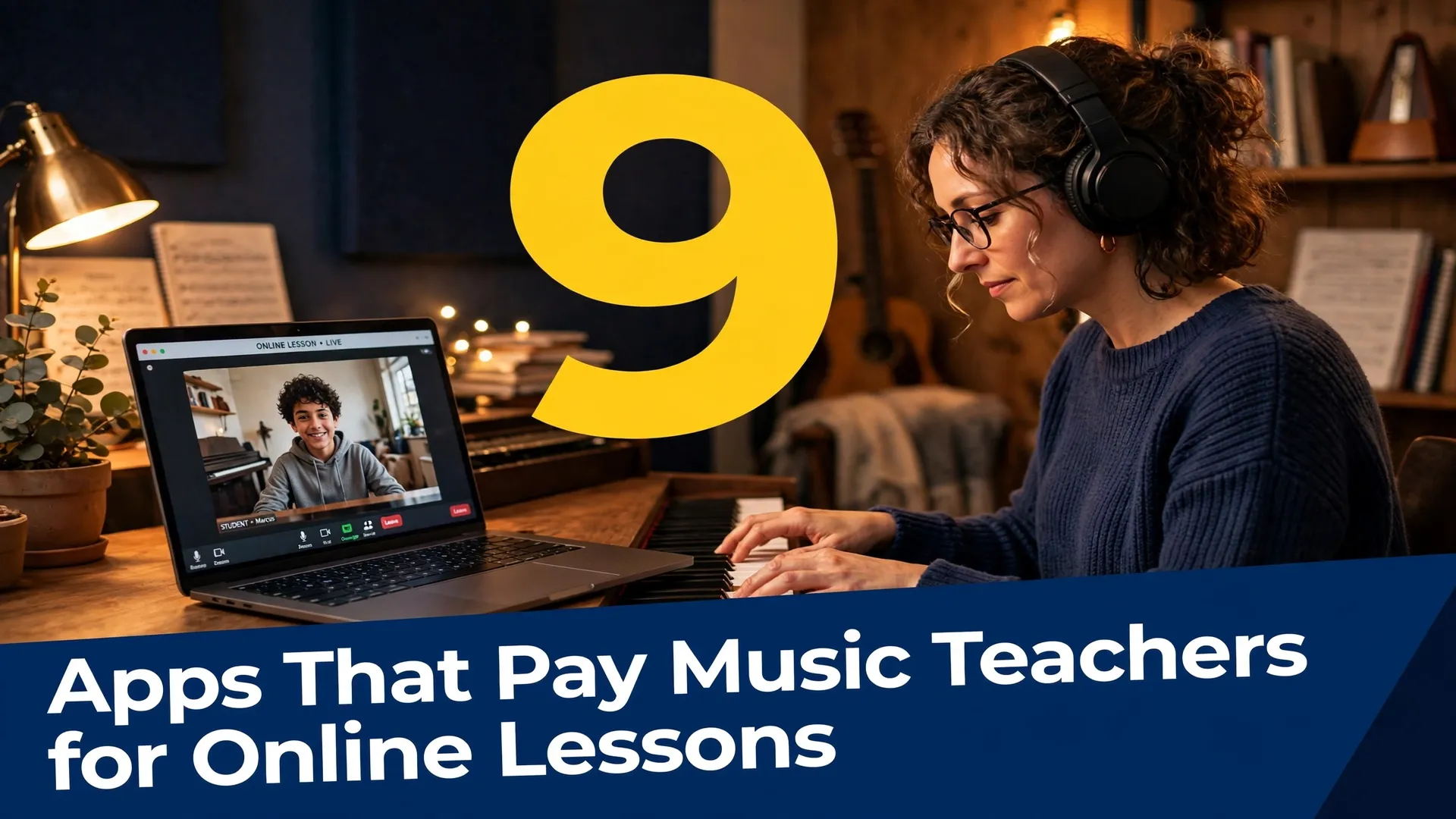
If you can play an instrument or sing, you can teach it online — and students all over the USA are looking for a teacher right now. These apps that pay music teachers connect you with students for paid online lessons in piano, guitar, voice, violin, drums, and more, and most of them let you set your own rates and your own hours. You do not need a music degree to start, but you do need to play well, explain clearly, and show up on time. Pick a platform, build a profile that shows what you teach, and start with a few trial lessons to earn your first reviews.
1. Lessonface – Book Recurring Students for Live Video Music Lessons
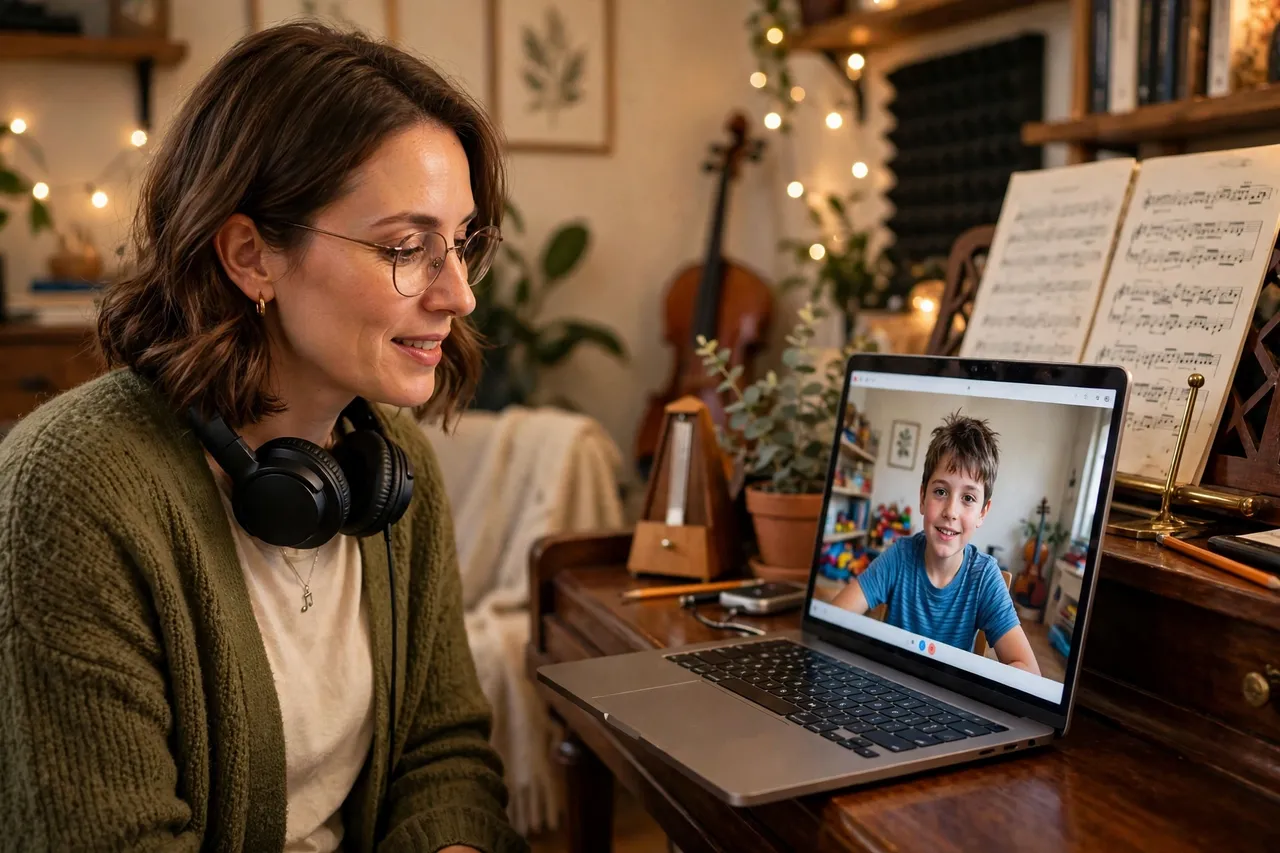
Lessonface is built specifically for live online music lessons, and students come to the platform looking for a teacher, not a general tutor. You list the instruments you teach, your rates, and your availability, and students book recurring weekly lessons with you. The platform handles video, scheduling, and payments, so you can focus on teaching. Because students expect a weekly commitment, one good student can become months of steady income.
Tip: offer a short trial lesson at a lower rate so new students can try your teaching style before committing to a weekly slot.
2. TakeLessons – Set Your Own Rates for Piano, Guitar, and Voice Lessons Online
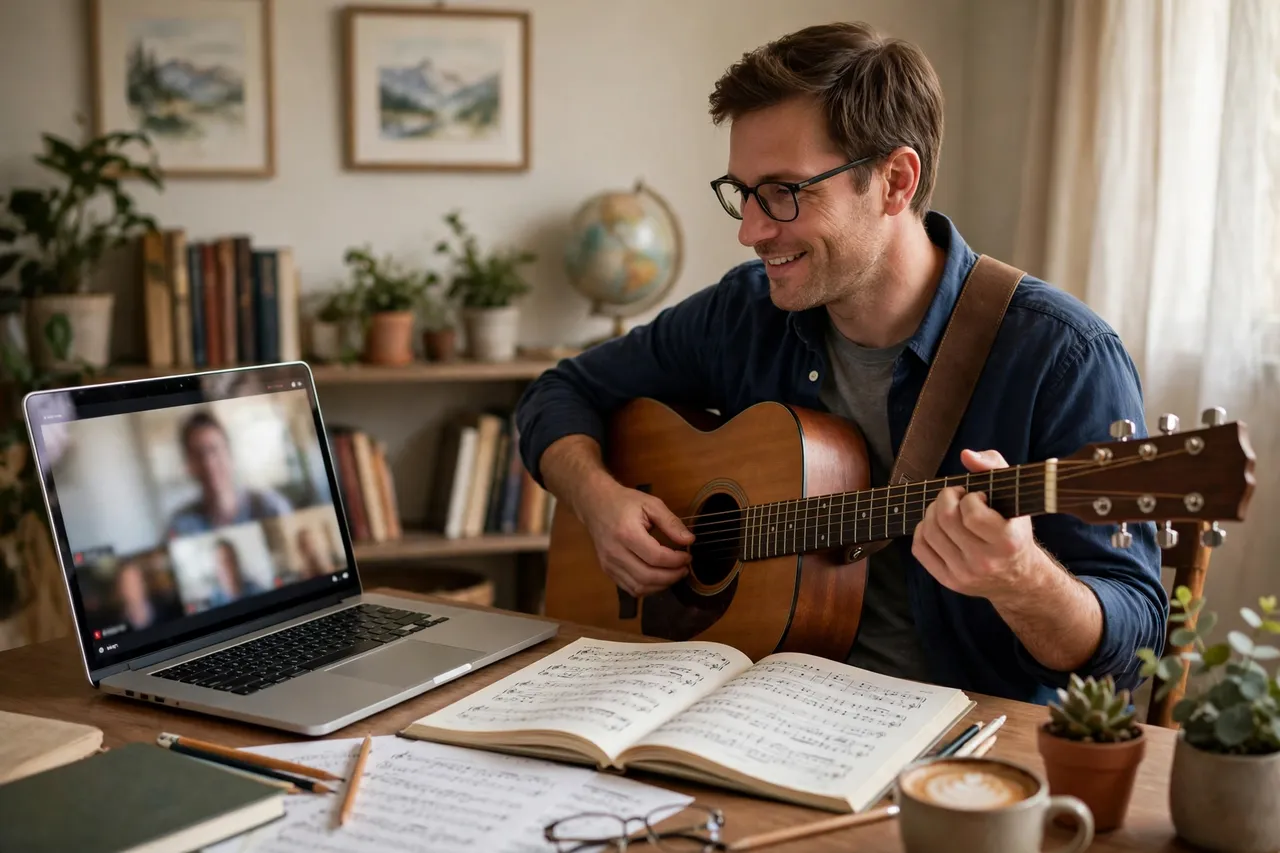
TakeLessons is one of the best-known marketplaces for private music lessons, and it covers piano, guitar, voice, violin, drums, and many other instruments. You create a teacher profile with a short video, your background, and your rates, and students in your area — or anywhere online — can book you. The platform takes a share of the lesson fee, but it also brings you students you would not find on your own, which makes it a strong starting point for new online teachers.
Tip: record a clear two-minute introduction video playing your instrument and explaining how you teach beginners; profiles with video get far more bookings.
3. Superprof – Build a Music Teaching Profile Students Find by Instrument

Superprof lets you build a profile that students find by searching for their instrument, so a piano student finds piano teachers and a voice student finds voice teachers. You set your own hourly rate, say whether you teach online or in person, and offer a free first lesson if you want to. The platform is free for teachers to list on, and students contact you directly, which gives you control over who you accept and when you teach.
Tip: use the exact instrument name in your profile headline, such as “Piano Lessons for Beginners,” so students searching for that instrument see you first.
4. Wyzant – Connect With Students Who Want Private Music Lessons Online

Wyzant is a large tutoring marketplace, and music is one of its most-searched subjects. Students post what they want to learn — piano for their child, guitar for themselves, voice coaching before an audition — and you apply to the jobs that fit your skills. You set your hourly rate, and Wyzant takes a percentage of each lesson. The platform suits teachers who want a steady flow of new student requests rather than finding students themselves. Private lessons let you set your own hours — and if you want more flexible-hour options beyond teaching, these flexible hours apps for parents fit earning around family time. [ADDED LINK]
Tip: apply quickly to new music requests, because students often book the first qualified teacher who replies with a clear plan for the first lesson.
5. Preply – Teach Music Lessons to Students in Other Time Zones

Preply connects teachers with students around the world, and music teachers can fill daytime hours with students in other time zones whose evening is your morning. You set your price, write a profile in the languages you speak, and students book trial lessons before committing. The platform handles payments and provides a built-in video classroom, so you only need a good camera, a microphone, and a quiet room.
Tip: open a few early-morning or late-evening slots for students in other time zones; those hours are often the easiest to fill on Preply.
6. Outschool – Teach Small-Group Music Classes for Kids Online
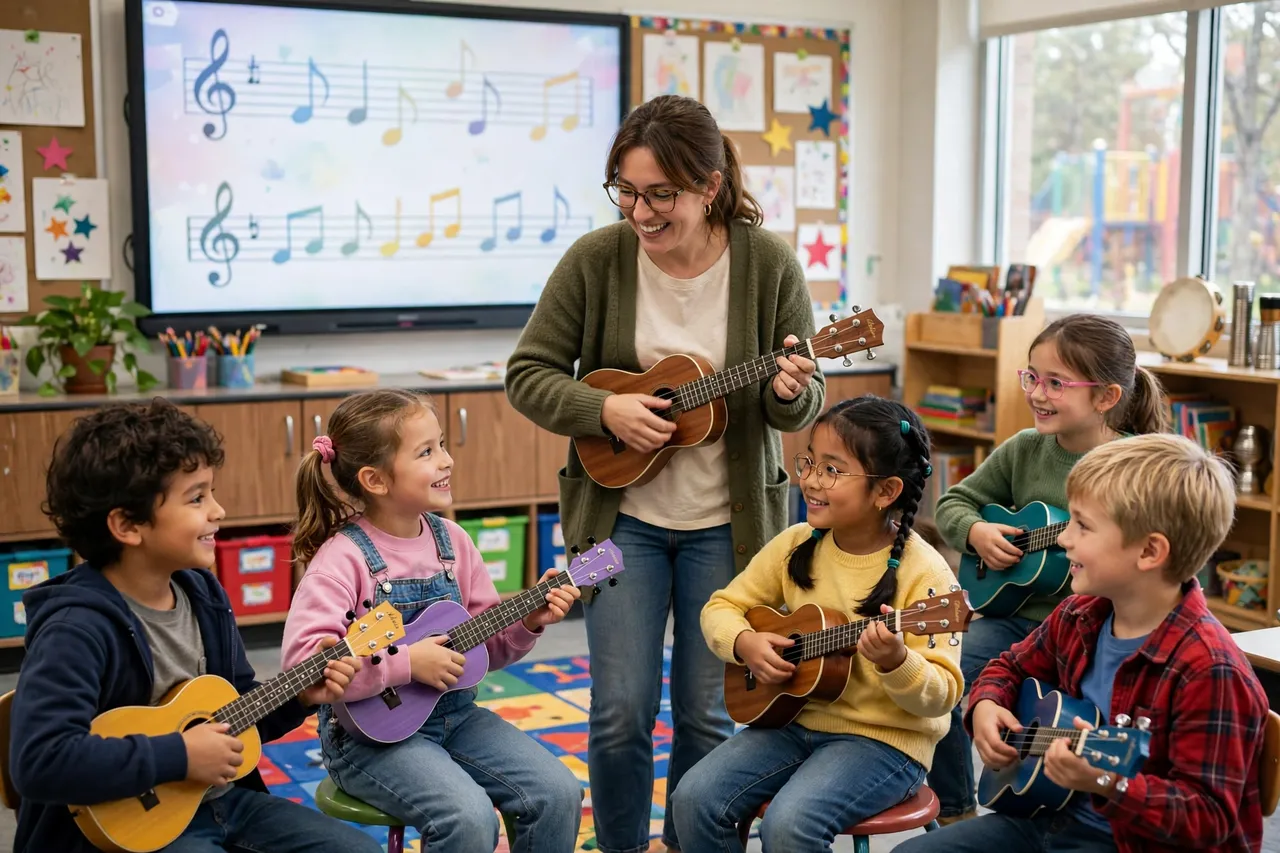
Outschool is a marketplace for live online classes for children, and music classes — beginner piano, ukulele, singing, and music theory for kids — are popular with parents. Instead of one-to-one lessons, you teach a small group at a set time, so one hour of teaching can pay for several students at once. You design the class, set the price per learner, and Outschool lists it for parents to book. It works best for teachers who enjoy energetic group sessions with kids. Weekend classes are the busiest for kids’ music lessons — if you want other roles that start on the weekend, these remote jobs with weekend start dates cover jobs with Saturday and Sunday onboarding. [ADDED LINK]
Tip: keep your class description short and specific, such as “Beginner Ukulele for Ages 7 to 10,” so parents know instantly whether it fits their child.
7. Lesson With You – Teach Structured Online Lessons Through a Music School Platform
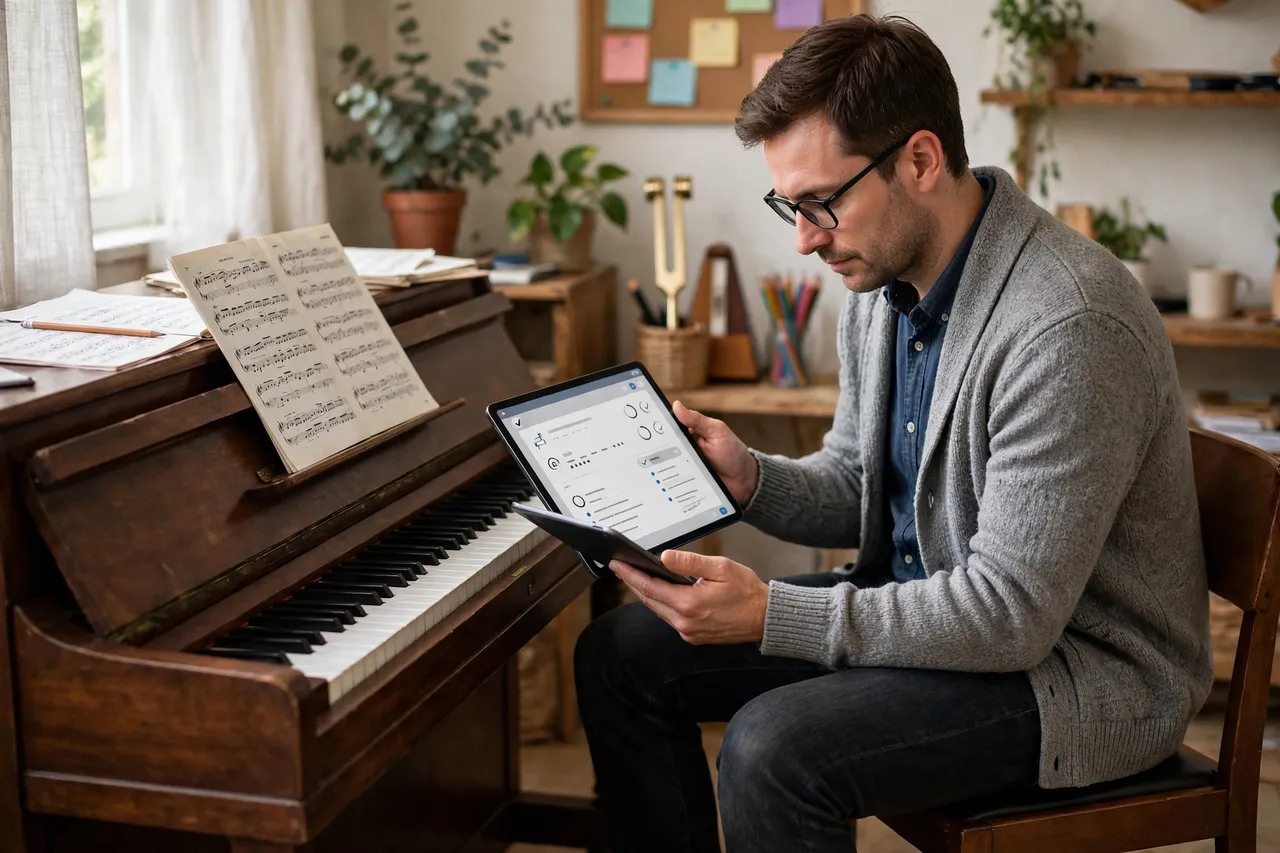
Lesson With You is an online music school that hires teachers for piano, guitar, voice, and other instruments, and it matches them with students for regular weekly lessons. Unlike open marketplaces, you apply to teach with the school, and it handles student matching, scheduling, and billing. The structure suits teachers who want a regular student roster without spending time marketing themselves or chasing new bookings.
Tip: highlight any experience teaching beginners and children in your application, because most Lesson With You students are starting from zero.
8. Musika – Get Matched With Local Students for Online Music Lessons
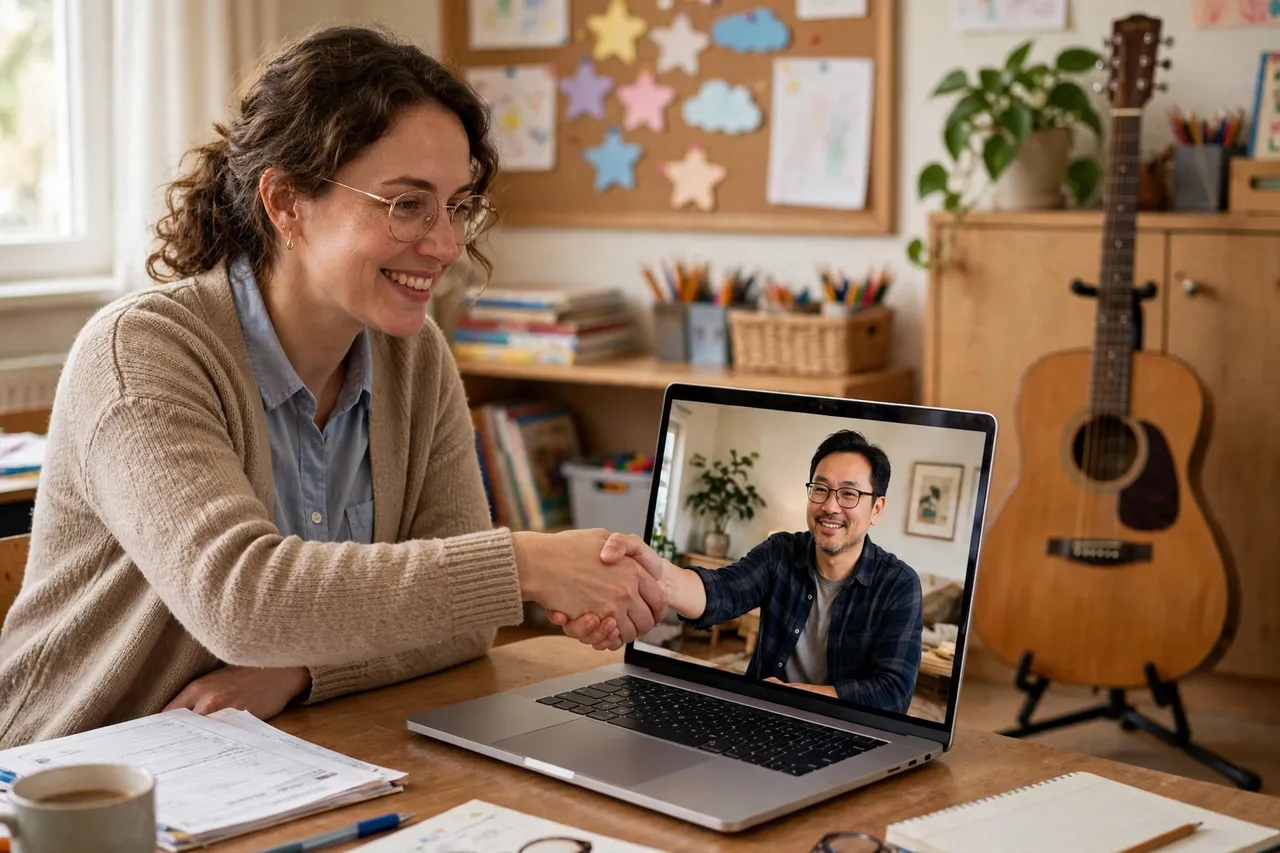
Musika matches music teachers with students in their area, and many of those lessons now happen online by video call. You list the instruments you teach and the ages you work with, and Musika sends you student matches who fit your profile. The platform charges a fee for the match, but the students it sends are already looking for a teacher, so you spend less time searching and more time teaching.
Tip: say yes to a trial lesson with every new match, because most students decide in the first lesson whether they want to keep working with you.
9. Thumbtack – Quote Private Music Lessons Directly to Families in Your Area
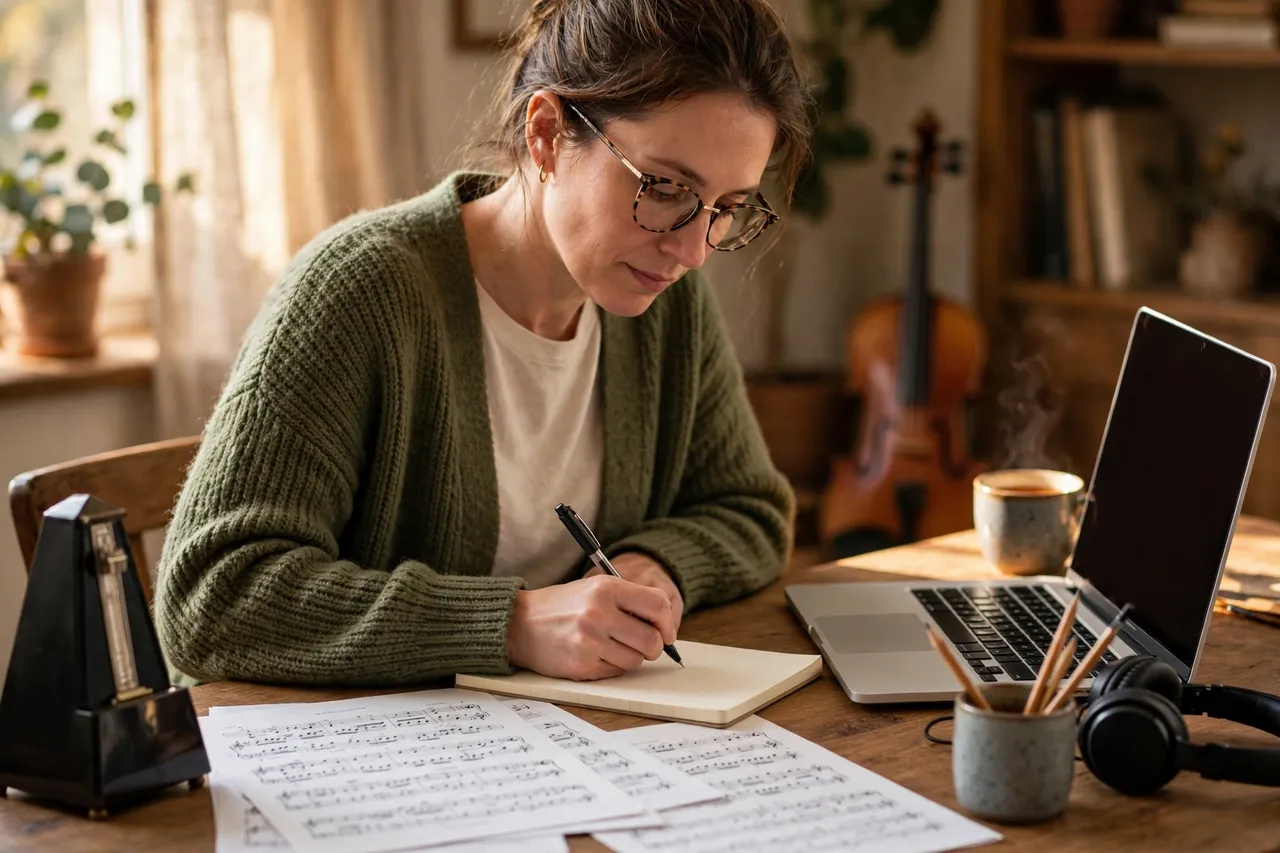
Thumbtack lets you list private music lessons as a local service, and families nearby send you requests with the instrument, the student’s age, and their budget. You reply with a quote, and you only pay for the leads you choose to answer. It is a good option if you want local students who may later switch to in-person lessons, and it works alongside the online marketplaces above rather than replacing them.
Tip: include your lesson length, your rate, and whether you offer a free trial in your first reply; families compare several teachers and choose the clearest quote.
Frequently Asked Questions
Do I need a music degree to teach online lessons?
No. Most platforms ask for playing ability, teaching experience, and a clear profile rather than a degree. A degree helps, and some students prefer it, but many successful online music teachers are working musicians with years of playing and teaching experience and no formal degree.
How much can music teachers earn per online lesson?
Online music lessons in the USA typically pay $25 to $60 an hour, depending on your instrument, your experience, and your location. Beginners often start around $25 to $30 an hour and raise their rates as reviews and repeat students build up. Group classes on platforms like Outschool can pay more per hour because several students pay for the same session.
What equipment do I need to teach music lessons online?
You need a reliable internet connection, a laptop or tablet with a camera, a decent microphone, and your instrument. A second camera angle showing your hands on the instrument helps a lot, and a quiet room with good lighting makes your lessons look professional. Start simple and upgrade your setup after your first few paying students.
Which instrument is easiest to start teaching online?
Piano and guitar have the most student demand, so they are the easiest to fill with bookings. Voice lessons are also popular, and they need almost no equipment beyond a good microphone. Teach the instrument you play best, because confident teaching matters more than picking the most popular one.
How do I get my first students as an online music teacher?
List yourself on two or three platforms, offer a trial lesson, and ask your first students for a review after the second or third lesson. A profile with a video, a clear rate, and even two or three honest reviews will book far more students than a bare profile, so focus on getting those first reviews quickly.
Teaching music online is one of the most reliable ways to earn from a skill you already have. Pick one platform, set up a complete profile with a short video, and take on two or three students to start. Teach those first lessons well, ask for reviews, and let the repeat bookings build. Within a few months, a small roster of weekly students can become steady, enjoyable income from your own home.