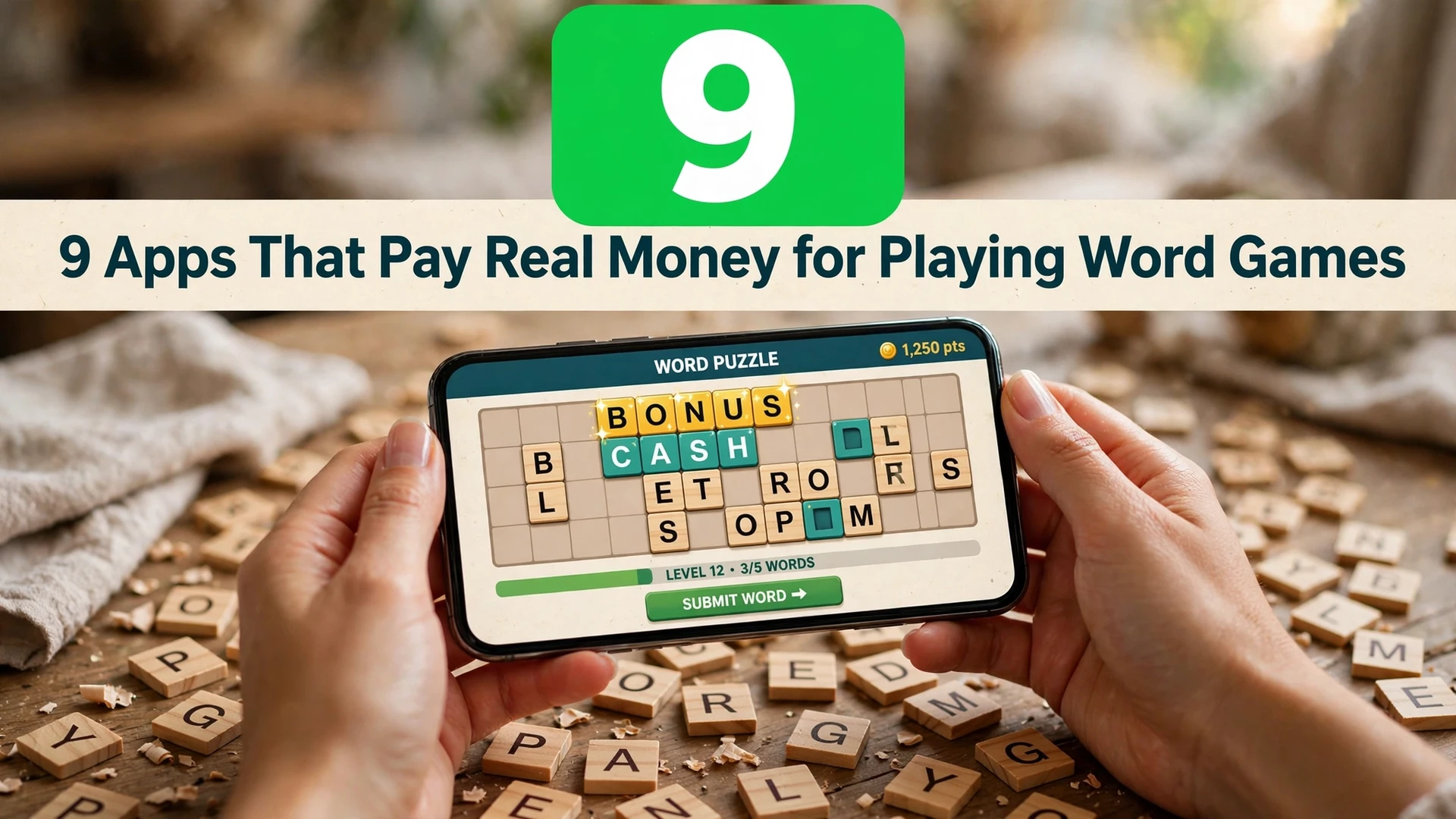
Apps that pay real money for word games turn a vocabulary habit into a small side earner, because many of them run skill-based tournaments where players compete on the same word boards. If you love crosswords, word searches, or anagrams, these games reward speed, vocabulary, and pattern-spotting rather than luck. Set honest expectations first: cash word tournaments usually require players to be 18 or older, availability varies by state, entry fees should be treated as entertainment spending, and winnings are never guaranteed. Every app below is strictly a word game, meaning gameplay revolves around letters and words, not matching gems, dealing cards, answering quiz questions, or marking bingo numbers. To compare payout styles, see the apps that pay real cash in the USA and the apps that pay weekly in the USA.
1. Word Winner – Word Puzzle Tournaments for Cash
Word Winner is a word-puzzle tournament game where players build words from letter tiles against real opponents on matched boards. Because both players see the same letters, the winner is decided by vocabulary and strategy, not by who draws better tiles. Free practice rounds let beginners learn scoring, bonus tiles, and time management before entering paid tournaments. Cash prizes pay out through PayPal or similar options where available, but prize amounts and state eligibility change often, so check the current terms inside the app before depositing anything. Start with free games, learn which word lengths score best, and only consider paid matches once you can finish rounds confidently.

2. Word Cash – Letter-Grid Tournaments for Real Money
Word Cash challenges players to form as many words as possible from a grid of letters before the timer runs out, with cash tournaments for players who want to compete. The fast format rewards quick thinking: short, common words score steadily, while longer words unlock bonus points that separate winners from the pack. Practice rounds are free and help you learn the letter layout and scoring rhythm without risk. As with all cash games, treat paid entries as entertainment spending and set a strict budget. Players who build a strong everyday vocabulary and practice daily tend to climb the tournament rankings fastest.
3. Word Search Cash – Hidden-Word Rounds for Cash Prizes
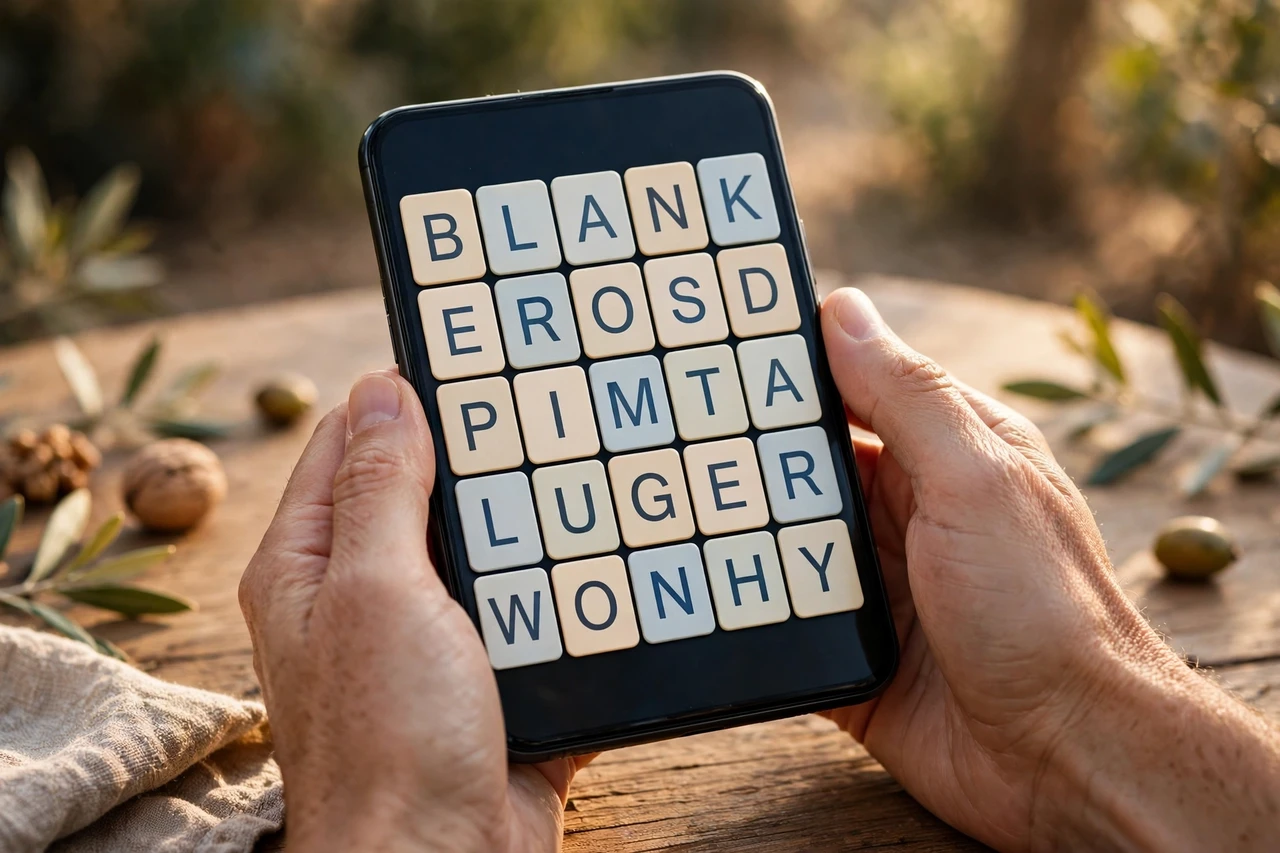
Word Search Cash turns the classic word search into a competitive race, where players find hidden words in a letter grid faster than their opponent. Both players work the same grid, so sharp eyes and fast scanning decide the winner. The game suits players who already enjoy word searches in newspapers or puzzle books and want a cash twist on a familiar format. Free rounds teach you to spot diagonal and backward words quickly, which is where most beginners lose time. Cash tournaments pay through standard withdrawal options where available, and winnings depend on your speed and accuracy across each round.
4. Crossword Cash – Crossword Tournaments for Word Lovers
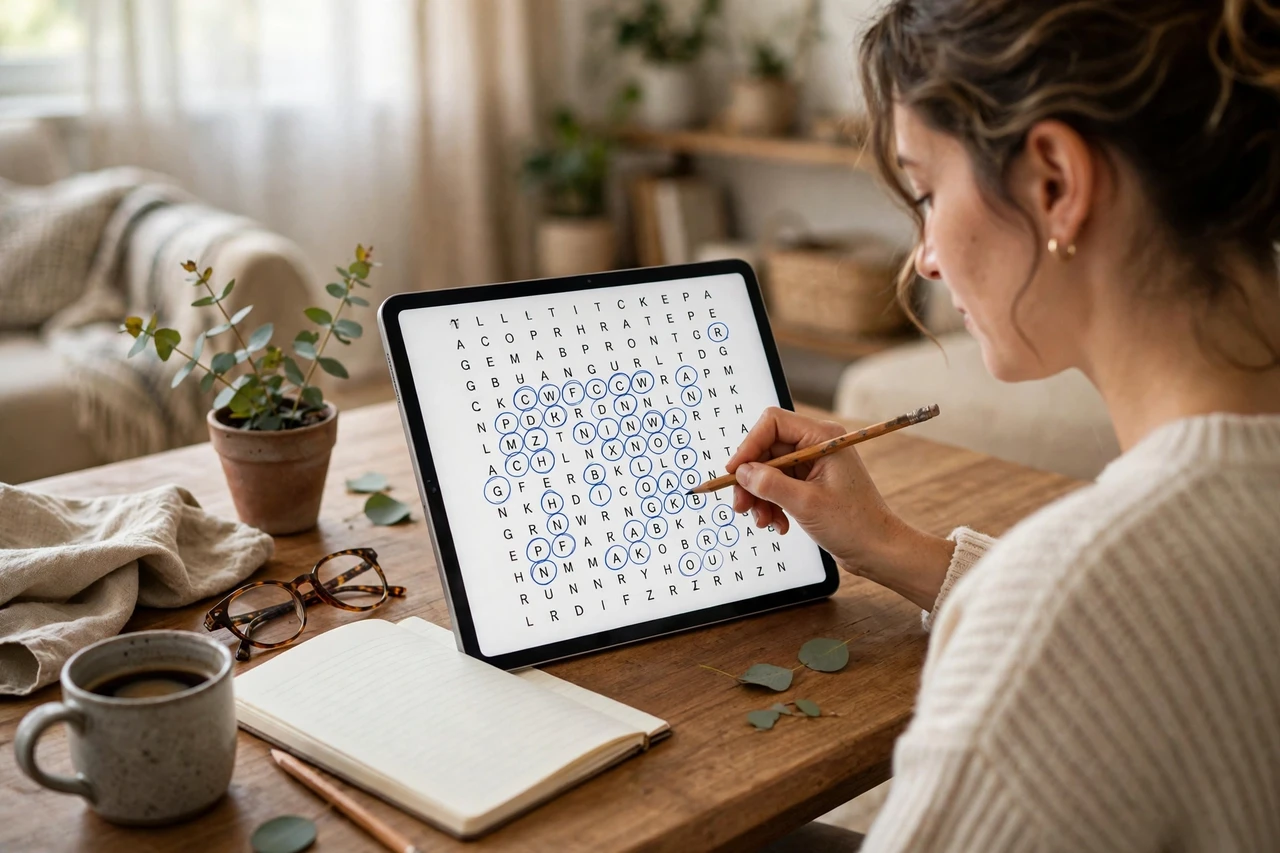
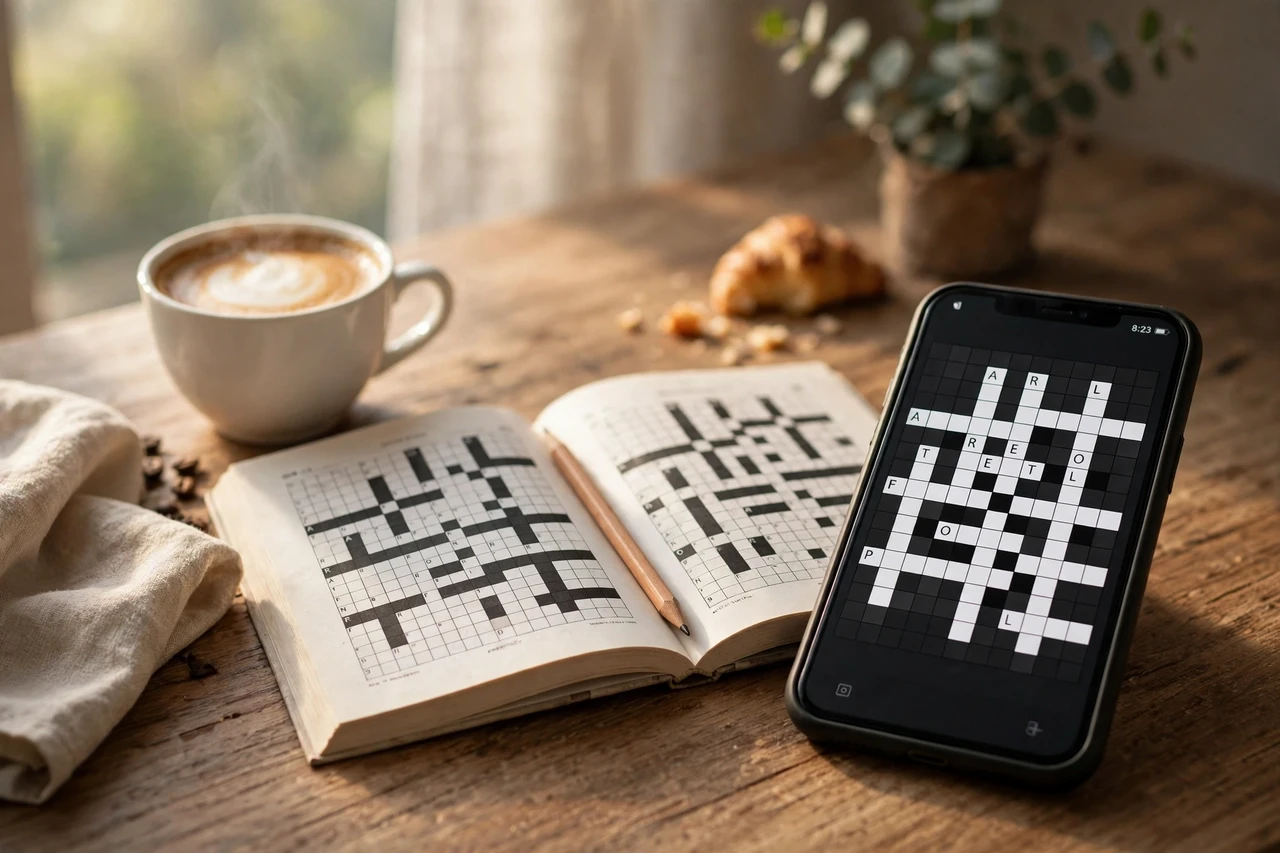
Crossword Cash brings crossword solving into head-to-head tournaments, where players fill the same crossword grid and earn points for correct answers and speed. Unlike casual crosswords, the competitive clock adds pressure, so solvers must balance accuracy against the urge to rush. Hints cost points, which means knowing when to skip a clue and return later is a real skill. Beginners should practice with free puzzles to build solving speed and learn common crossword vocabulary, such as short filler words that appear again and again. If you already solve a daily crossword, this is the closest cash game to your existing habit.
5. Word Scramble Cash – Anagram Rounds for Quick Thinkers
Word Scramble Cash gives players jumbled letters and asks them to unscramble as many real words as possible before time runs out. The game rewards mental flexibility: players who can spot common prefixes, suffixes, and letter patterns unscramble words far faster than those who stare at the whole jumble. Tournaments pair players on identical letter sets, so the contest is fair and skill-based. Practice rounds help you learn to break long jumbles into smaller chunks and test word guesses quickly. Because rounds are short, this game fits players who only have a few minutes at a time but still want competitive word play.
6. Word Stack Cash – Stacked-Letter Word Building Matches
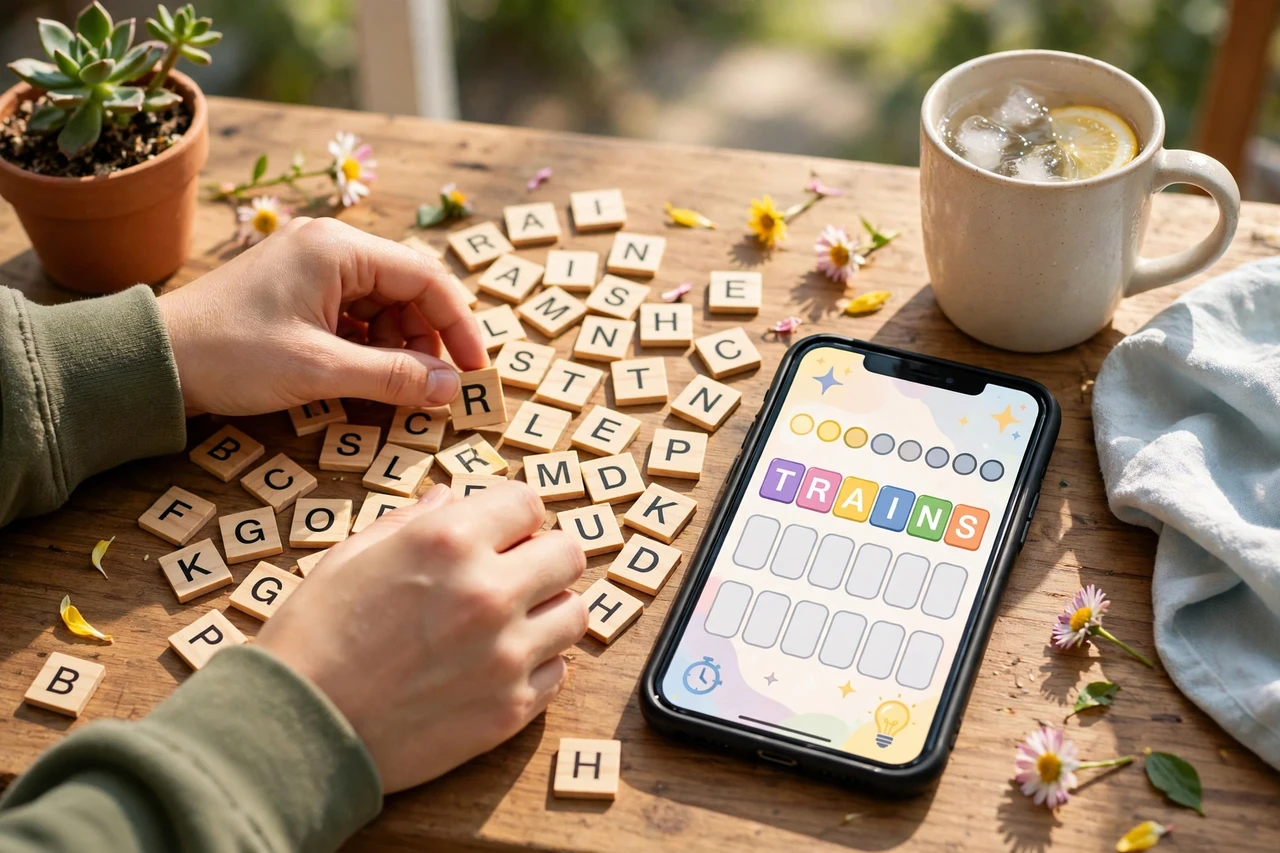
Word Stack Cash asks players to build words from stacked letter tiles, clearing rows by forming valid words before the stack grows too high. Strategy matters as much as vocabulary: saving high-value letters for bonus words beats playing every short word you see. The stacking mechanic adds urgency that plain word grids lack, since a careless move can bury the letters you need. Free practice games teach stack management and help you recognize which words clear the most tiles at once. Cash matches reward players who combine a wide vocabulary with calm, planned play under time pressure.
7. Word Drop Cash – Falling-Letter Word Rounds for Prizes
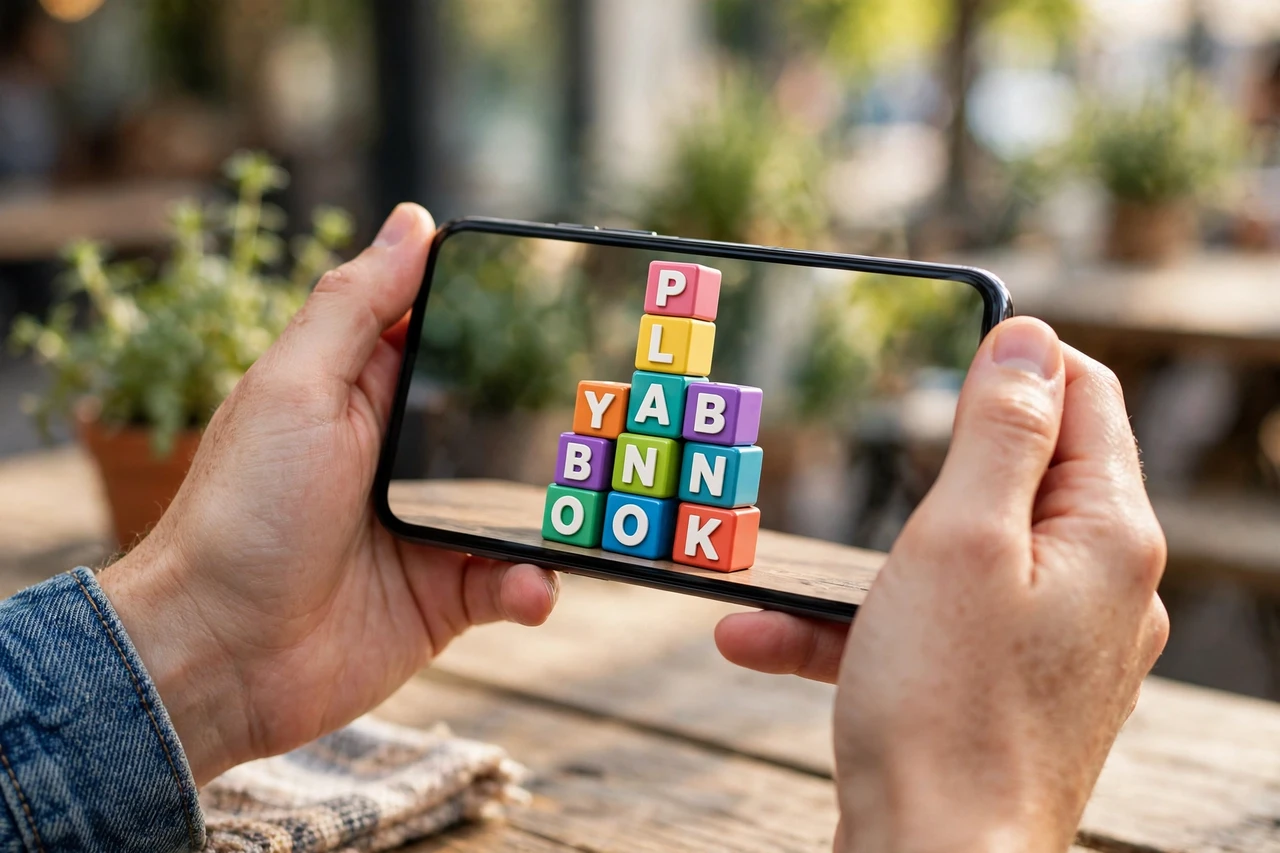
Word Drop Cash drops letters from the top of the screen, and players must form words before the board fills up. The falling-letter format rewards fast word recognition and quick decisions, since every second spent hesitating lets the board grow. Short words keep the board clear, while longer words score bigger bonuses and clear more space at once. Beginners should start with free rounds to learn the drop speed and practice spotting words in a moving grid. In cash tournaments, both players face the same letter sequence, so the winner is the player who builds words most efficiently, not the luckiest.

8. Letter Link Cash – Connect-the-Letters Word Matches
Letter Link Cash challenges players to connect adjacent letters into words, tracing paths through a letter board to score points before the clock ends. The linking mechanic rewards players who can see word paths quickly and plan routes that use bonus tiles. Longer chains score more, but risky long paths can waste precious seconds if the final letter does not fit. Practice rounds help you learn to scan the board for common word endings and to switch paths fast when a route dead-ends. This game appeals to players who enjoy word-path puzzles and want a competitive, cash-prize version of them.

9. Word Twist Cash – Twisted-Letter Word Tournaments
Word Twist Cash gives players a ring of letters and asks them to twist out as many words as possible, with longer words earning bigger rewards. The twist format tests both vocabulary depth and speed, since the same letters can form dozens of words and the best players find the longest ones first. Tournament play matches you with opponents working the same letter ring, keeping the contest fair. Free games are the best training ground: learn to test word endings quickly, such as adding common suffixes to a root word you already see. If you enjoy anagrams and word ladders, this fast, focused format will feel familiar from the first round.

Frequently Asked Questions
Do word game apps really pay real money?
Yes, cash word tournaments pay winners through PayPal or similar options where available, but winnings are never guaranteed. Treat paid entries as entertainment spending and start with free rounds.
Are these word games available in every US state?
No. Cash tournaments usually require players to be 18 or older, and availability varies by state. Always check the eligibility terms inside each app before depositing money.
Do I need a big vocabulary to win word game tournaments?
A strong vocabulary helps, but speed, pattern recognition, and practice matter just as much. Regular free play builds all three faster than memorizing word lists alone.
Can I earn from word games without depositing money?
Yes. Most cash word games offer free practice rounds, and some offer free-entry tournaments or reward points. You can enjoy the games and learn the formats without ever paying an entry fee.
How are word game tournaments different from puzzle or trivia games?
Word games are built entirely around letters and vocabulary, while puzzle games focus on matching or fitting pieces, card games use a deck, and trivia games test general knowledge. This list stays strictly within word play.