Fitness challenge trackers for beginners work because starting at the gym is less about the perfect workout and more about showing up consistently. A printable tracker turns vague motivation into a visible streak: every checked box proves you kept your promise to yourself. The trackers below are designed for gym beginners, so they focus on simple, repeatable habits rather than advanced programming. Most sell as instant-download PDFs on Etsy, which means buyers can print them at home and start the same day. If you are a seller, note how each tracker solves one specific beginner problem; if you are a buyer, pick the one that matches the habit you most want to build. For more ideas on what sells, see the digital products to sell on Etsy and the digital products that sell themselves. New sellers should also read the steps to create and sell digital products.
1. 30-Day Squat Challenge Tracker for Beginners
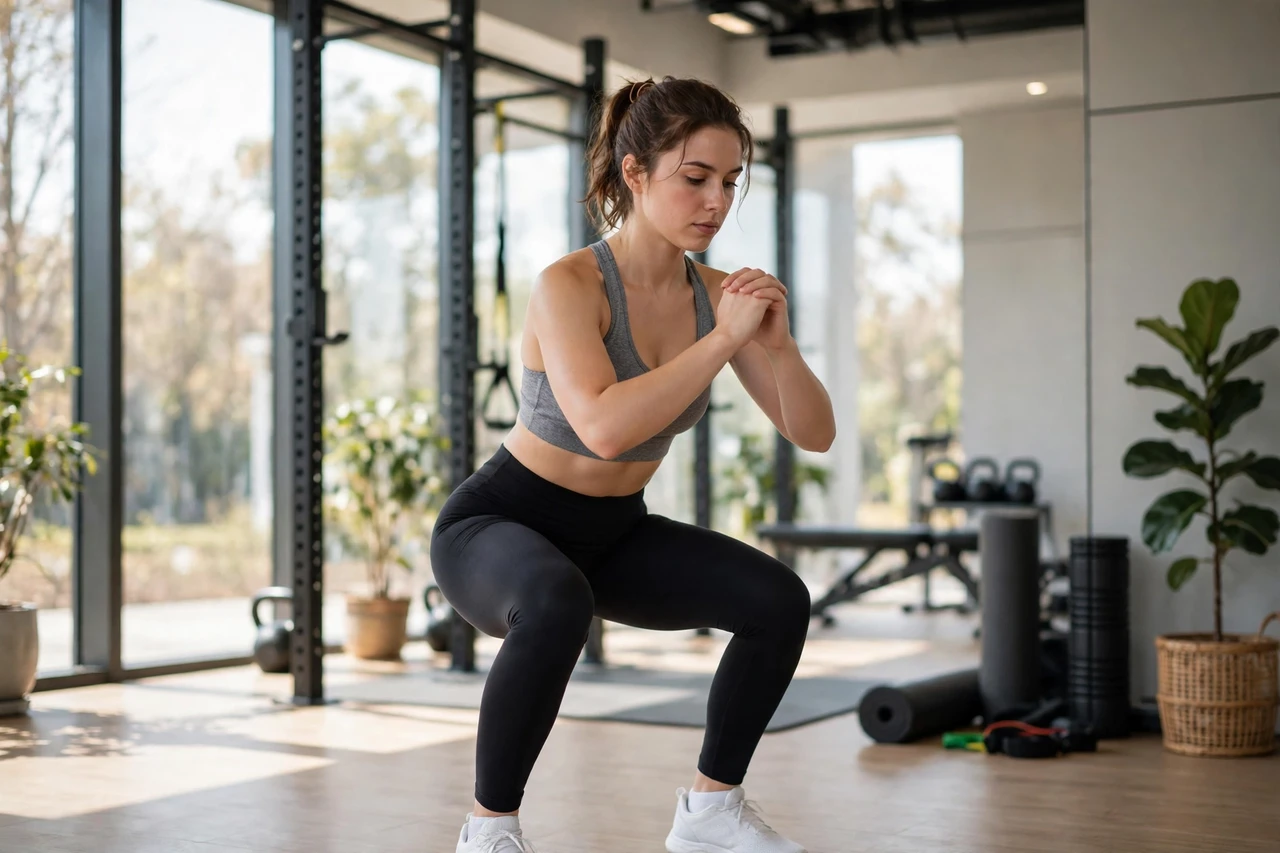
This tracker guides beginners through a month of squats, starting with a small daily rep count and building gradually with rest days built in. Buyers check off each day, note how the set felt, and watch their strength grow without guessing what to do next. Sellers should include a rest-day schedule and a simple form reminder, since beginners often quit when a challenge jumps too fast. A clean, one-page layout prints well and keeps the whole month visible at a glance.
2. Beginner Strength Progression Tracker for the Gym
A strength progression tracker helps new lifters record the weight, sets, and reps for each exercise, so progress is visible week to week. Beginners often feel stuck because they cannot remember what they lifted last time; this sheet fixes that with one row per exercise and space for weekly notes. Sellers can add a personal-record box, which buyers love circling. Keep the design simple and uncluttered so it works on a clipboard at the gym.
3. Gym Attendance Streak Tracker for New Members
Attendance is the hardest part of starting at the gym, and a streak tracker makes it a game worth winning. Buyers color in each gym day on a monthly grid and watch their streak grow, which is surprisingly motivating after the first two weeks. Sellers should leave room for a monthly goal and a small reward note, since celebrating a 12-visit month keeps beginners coming back. This tracker pairs well with any workout plan.

4. Beginner Workout Log for First-Time Gym Goers
A simple workout log gives first-time gym goers a place to write what they did, how long it took, and how hard it felt. Without a log, beginners repeat the same easy machines and never progress; with one, they can see exactly what to improve next session. Sellers should include prompts for warm-up, main workout, and cool-down, plus a mood or energy rating. One week per page keeps the log friendly rather than overwhelming.

5. Push-Up Progression Challenge Tracker
Push-ups are a classic beginner benchmark, and this tracker takes buyers from a few knee push-ups to full sets over several weeks. Daily boxes track reps completed, with space to note which variation was used, from wall push-ups to standard form. Sellers should show a gradual ladder and mark test days, when buyers check their new maximum. The visible climb from week one to week four is exactly why this tracker sells.
6. Plank Challenge Tracker for Core Beginners
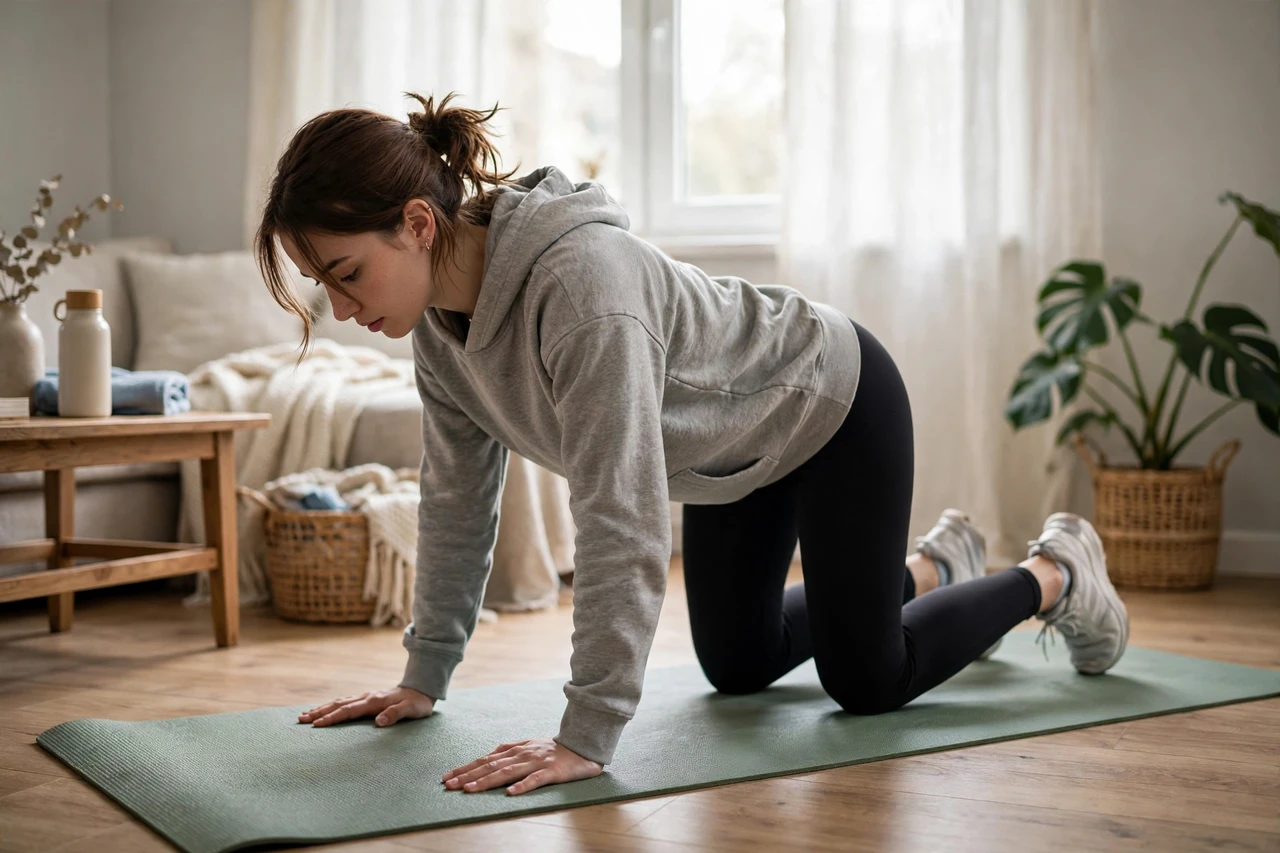
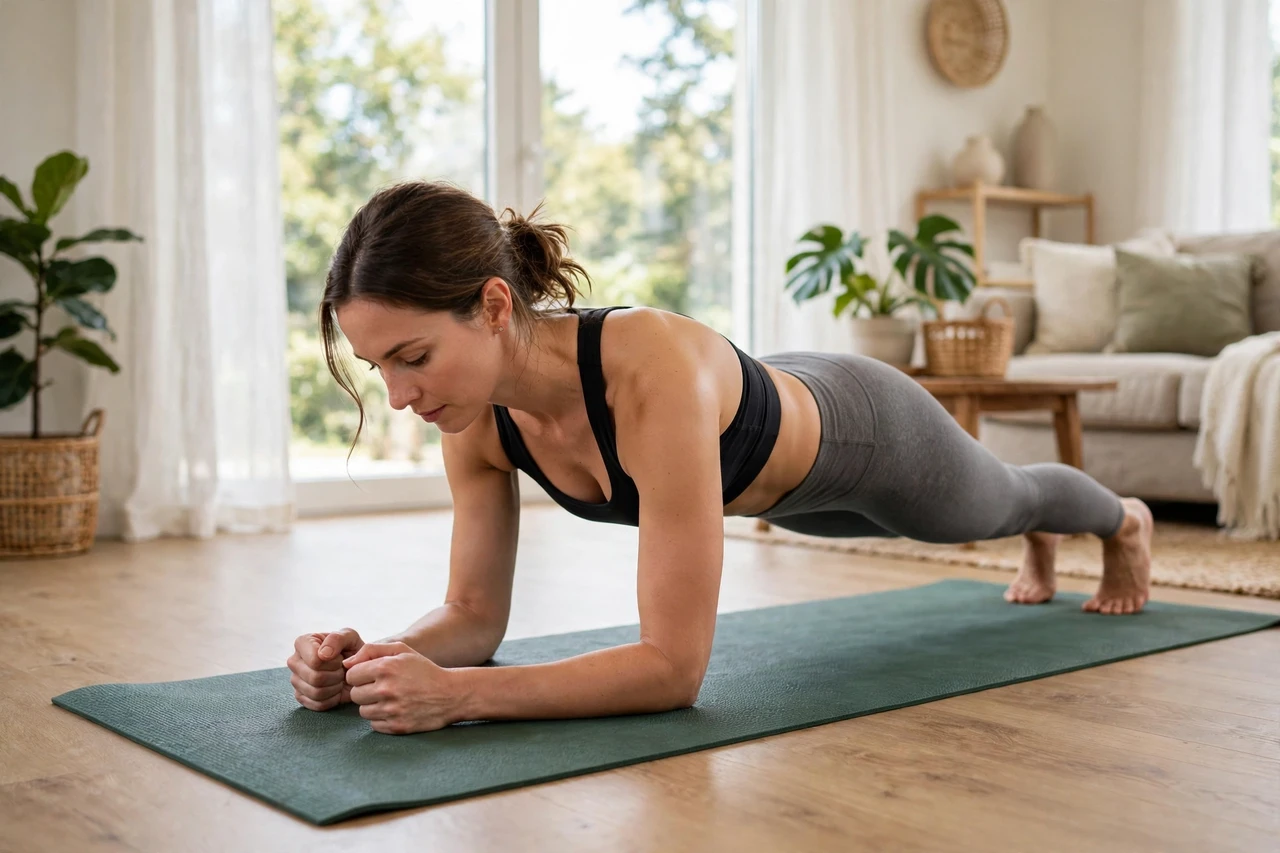
Plank challenges are popular because they need no equipment and take only minutes a day. This tracker builds hold time gradually, starting at 20 seconds and adding a few seconds every couple of days, with rest days to recover. Buyers log their daily hold time and rate the difficulty, which helps them see core strength improving. Sellers should include a short form checklist, since good plank form matters more than long, sloppy holds.
7. Couch-to-5K Running Tracker for Gym Beginners
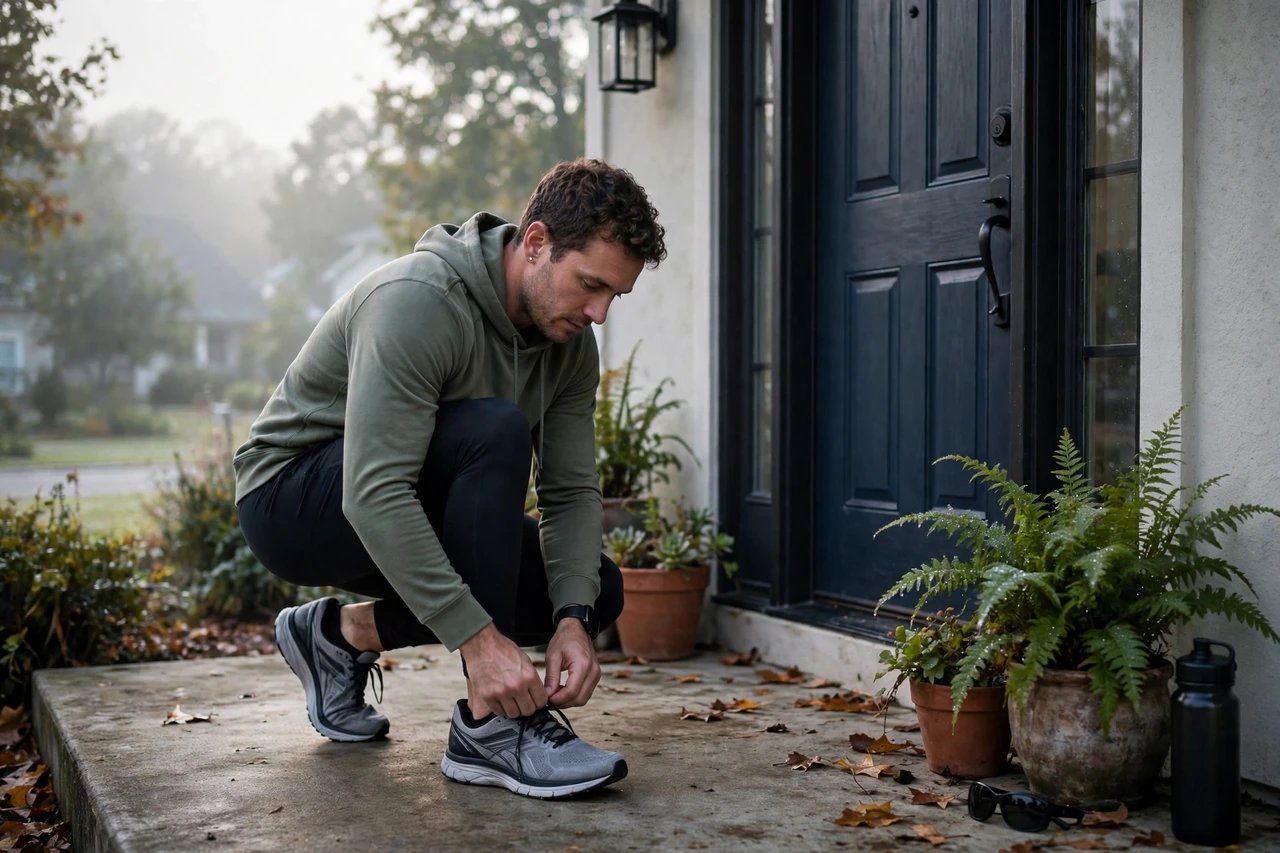
Many beginners start running on the gym treadmill, and a couch-to-5K tracker maps the classic walk-run plan across eight or nine weeks. Each session box records distance, time, and how the run felt, so buyers can see stamina building even when the scale does not move. Sellers should include the walk-run intervals for each week and a race-day goal box. This tracker appeals to buyers training for their first fun run.

8. Cardio Minutes Tracker for Weekly Gym Goals
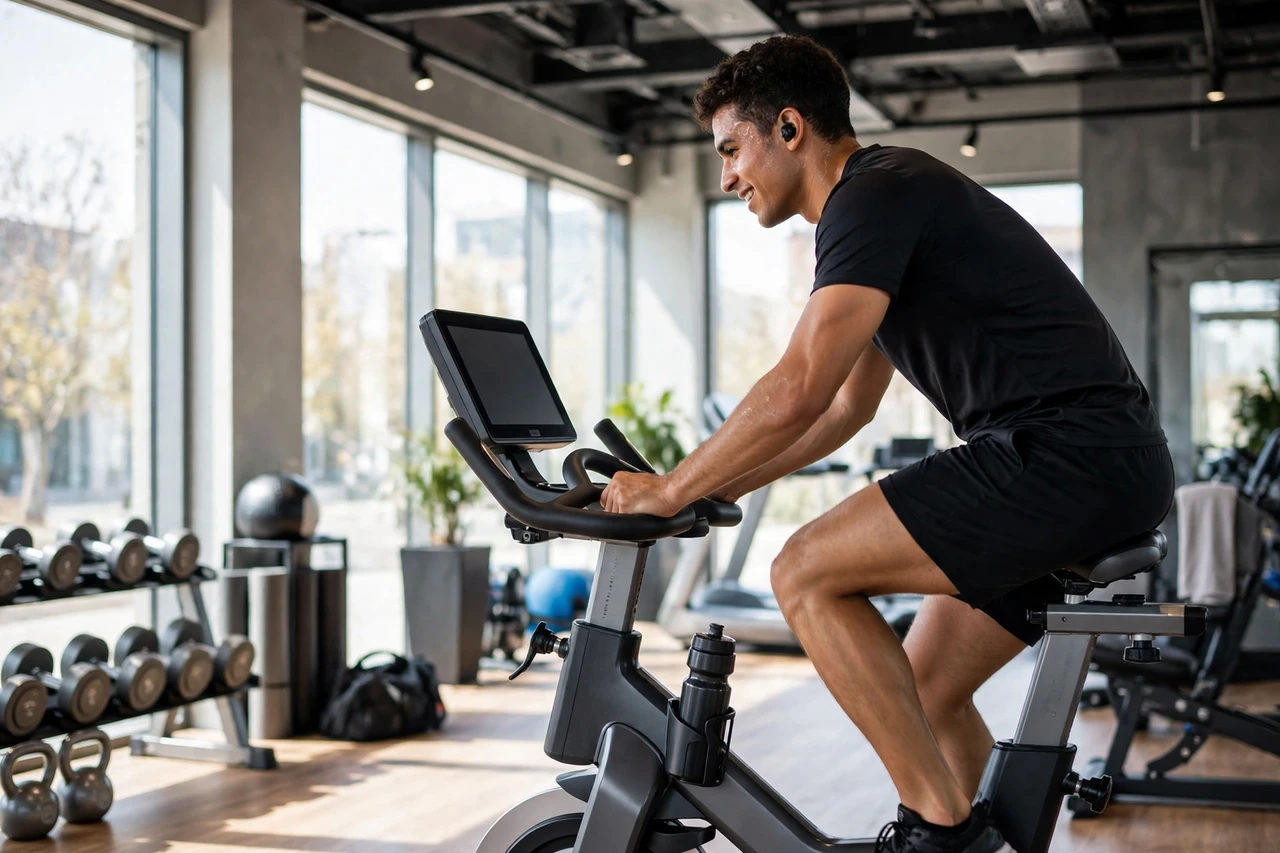
A cardio minutes tracker keeps beginners honest about the weekly target most trainers recommend, such as 150 minutes of moderate activity. Buyers log minutes per session across the week and total them at the bottom, turning an abstract goal into a number they can beat. Sellers should add a weekly total bar and space for the activity type, from treadmill walks to cycling classes. It works for every cardio preference, which broadens its buyer base.
9. Stretching and Mobility Routine Tracker
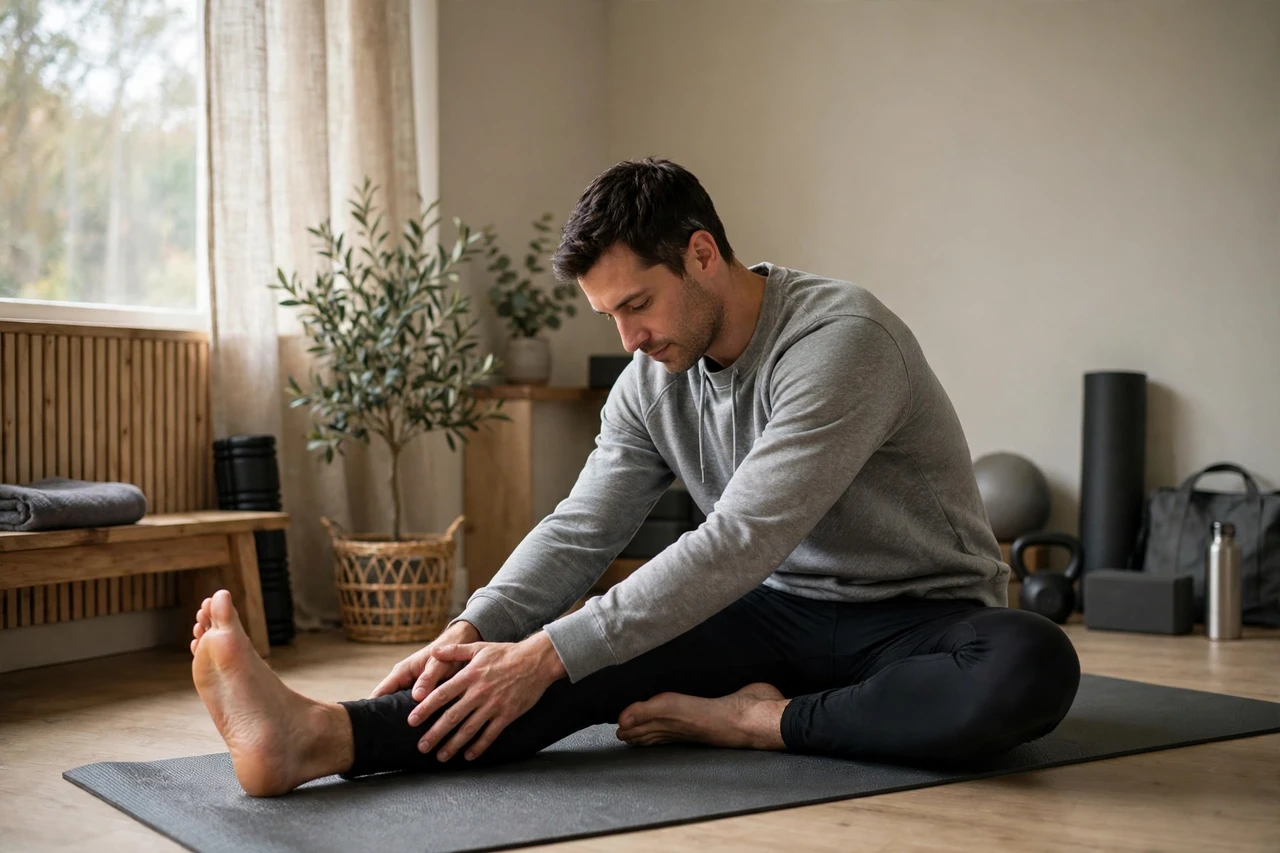
Beginners often skip stretching, then wonder why they feel stiff, and this tracker makes mobility a daily habit instead of an afterthought. Buyers check off a short stretching routine after each workout and note tight spots that need extra attention. Sellers should list common stretches with simple illustrations or descriptions and leave room for a flexibility goal. This tracker sells well as a companion to any workout log or challenge bundle.
10. Beginner Dumbbell Progression Tracker
Dumbbells are the friendliest free weights for beginners, and this tracker records the weight used for each dumbbell exercise over time. Buyers can see when they are ready to move up, instead of guessing or staying on the same light weight for months. Sellers should organize the sheet by muscle group and include a “move up” milestone box. A tidy, printable layout that fits on a clipboard is a must for gym use.

11. Rest-Day Recovery Tracker for New Gym Members
Recovery is where beginners actually get stronger, and a rest-day tracker helps them treat rest as part of the plan, not laziness. Buyers log sleep, soreness, water intake, and light activity on rest days, learning to spot when their body needs an extra day off. Sellers should include a simple soreness scale and a sleep-quality rating, which buyers find genuinely useful. This tracker stands out because most fitness printables ignore recovery entirely.

12. Gym Habit Streak Tracker for Daily Consistency
A habit streak tracker focuses on the small daily actions that support gym progress, such as packing a gym bag, drinking water, and getting to bed on time. Buyers check off each habit daily and watch streaks build across the month, which keeps motivation alive between workouts. Sellers should keep the habit list short, around five items, so buyers actually complete it. This tracker is ideal for beginners whose biggest obstacle is consistency, not exercise knowledge.
13. Beginner HIIT Session Tracker for Short Workouts
High-intensity interval training appeals to busy beginners because sessions last only 20 to 30 minutes, and this tracker logs each interval workout clearly. Buyers record the work-to-rest ratio, the exercises used, and a difficulty rating, so they can progress safely instead of jumping into advanced routines. Sellers should include beginner-friendly interval templates and a clear warning to warm up first. Short, intense workouts plus a simple tracker make a strong Etsy listing.

14. Treadmill Walking Challenge Tracker for Beginners
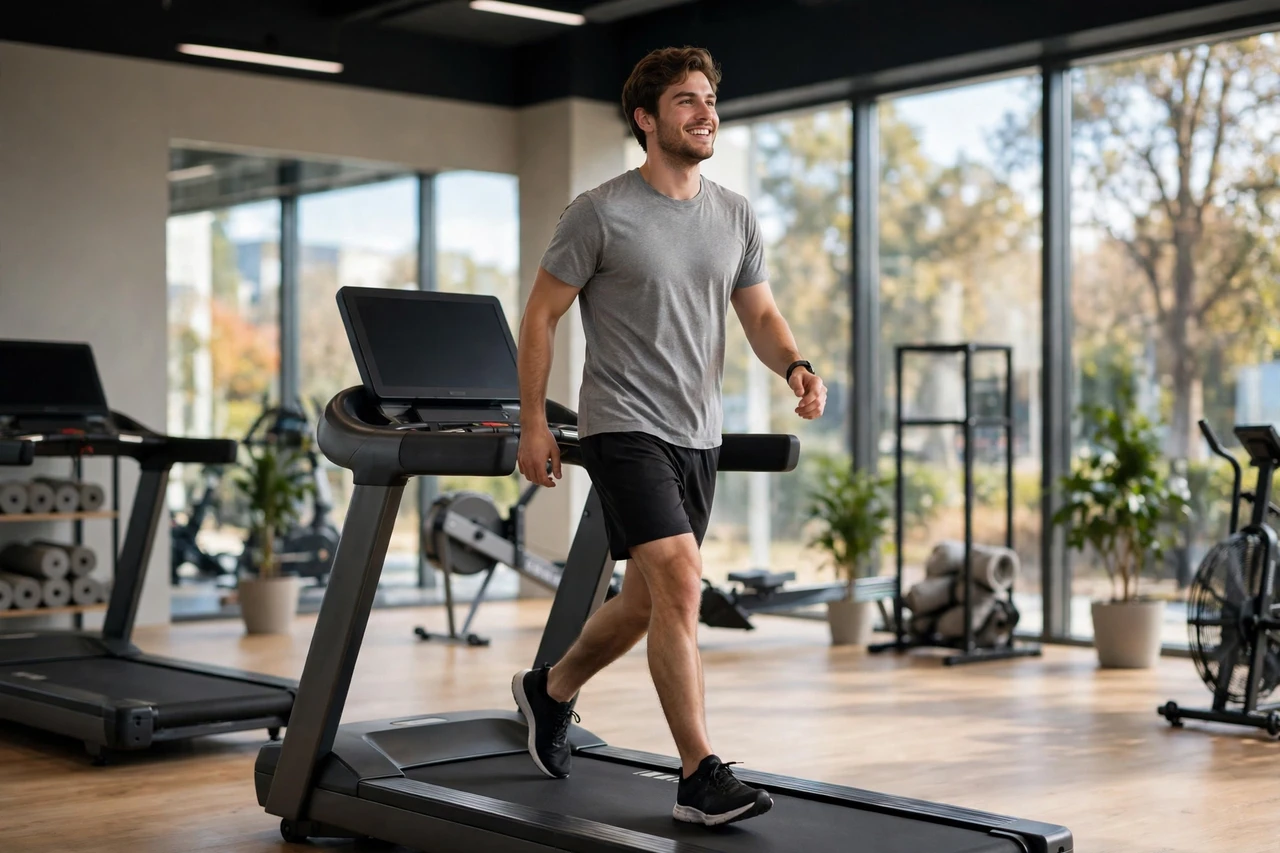
Walking is the most accessible gym cardio, and a treadmill walking challenge tracker turns daily steps into a 30-day goal. Buyers log distance, time, incline, and speed for each session, watching their endurance improve without running a single step. Sellers should include weekly distance targets and a milestone celebration box at the halfway point. This tracker attracts buyers who want gentle, joint-friendly progress.
15. Weekly Gym Goal Tracker for Beginner Routines
A weekly goal tracker helps beginners plan their gym week on Sunday and review it on Saturday, closing the loop between intention and action. Buyers write three goals, such as three gym visits and two stretching sessions, then check them off through the week. Sellers should add a short weekly review prompt, asking what worked and what to change next week. This reflective format keeps buyers buying the next month’s sheet.
16. Water and Workout Combo Tracker for Gym Starters
Hydration and workouts go together, and this combo tracker logs both water intake and gym sessions on one page. Buyers check off glasses of water alongside their workout box, making it easy to spot the link between good hydration and better sessions. Sellers should use a simple eight-glass visual and a workout checkbox row, keeping the design cheerful and beginner-friendly. As a low-cost printable, it bundles well with other fitness trackers.
Frequently Asked Questions
Do fitness challenge trackers really help gym beginners?
Yes, because they turn vague goals into visible habits. Checking off each day builds a streak that motivates beginners to return, and written records show progress that the mirror hides.
What makes a fitness tracker sell well on Etsy?
Specific trackers outsell generic ones. A tracker that solves one clear problem, such as push-up progression or gym attendance, with a clean printable layout, attracts buyers searching for exactly that goal.
Should fitness trackers be printable or digital?
Most Etsy buyers prefer printable PDFs they can use at the gym, but offering both a printable and a tablet-friendly version widens your audience. Keep the design readable at a glance in either format.
How long should a beginner fitness challenge last?
Thirty days is the sweet spot for most beginners: long enough to build a habit, short enough to finish. Sellers should include rest days and gradual progression so buyers do not burn out or get injured.
Can I sell fitness trackers without being a fitness expert?
Yes, but keep the content safe and general: focus on tracking habits, not prescribing medical or advanced training advice. Add a note encouraging buyers to consult a trainer or doctor if they have health concerns.