
Most freelancers do not lose money because they lack skill — they lose it because of small pricing decisions that add up over months. The freelance pricing mistakes in this list are easy to make, especially when you are starting out and just want the work. A rate that is slightly too low, a revision round you forgot to charge for, a deposit you never asked for — each one looks harmless on its own, but together they can cost you thousands of dollars a year. The good news is that every mistake here is fixable, and fixing even two or three of them can change what you take home. Here are twelve to watch for.
1. Charging by the Hour When the Job Deserves a Flat Fee

Hourly pricing punishes you for getting faster. When you finish a logo, a blog post, or a landing page in half the time it used to take, an hourly rate means you earn less for better work — and the client still gets the same result. Flat fees let you charge for the value of the finished work instead of the minutes it took, so your experience finally works in your favor instead of against you.
Tip: use a flat fee for any job with a clear deliverable, and keep hourly billing only for open-ended work like ongoing consulting or maintenance.
2. Copying Someone Else’s Rates Without Checking Your Costs
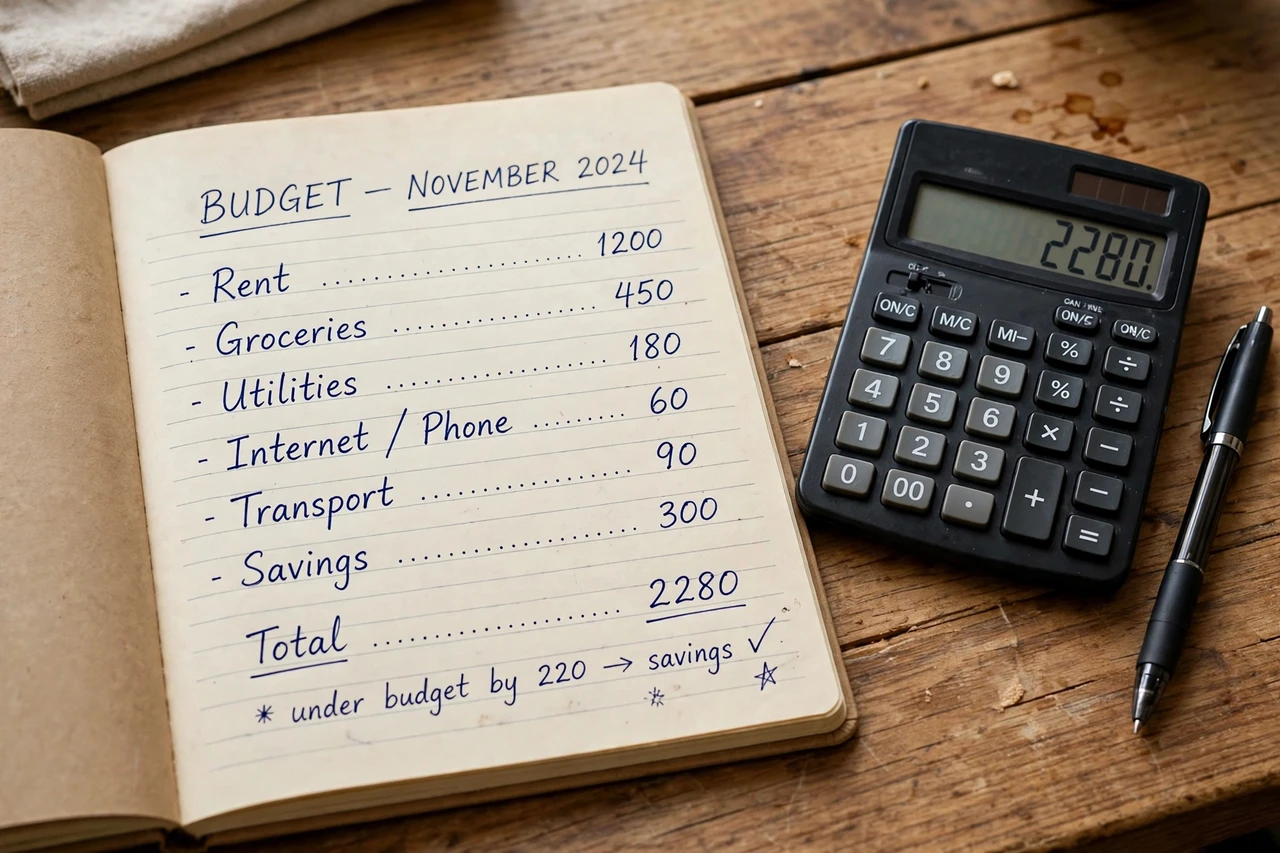
Another freelancer’s $50 an hour might cover their costs in a low-rent town with no software subscriptions — and leave you broke in a city with higher rent, health insurance, and three paid tools. Rates only make sense in the context of your own expenses, your taxes, and the time you spend on work nobody pays for directly, like pitching and admin. Copying a number you saw online skips all of that math.
Tip: add up your monthly business and living costs, divide by the hours you can actually bill, and use that number as your floor before you look at anyone else’s rates.
3. Quoting a Price Before You Know the Full Scope

A quick quote feels helpful, but it locks you into a price before you know how many pages, revisions, or meetings the job really involves. The client remembers the number; you end up absorbing every extra request for free. A few questions up front — what exactly is included, how many rounds of feedback, and what the deadline is — take ten minutes and can save you ten unpaid hours.
Tip: never quote on the first call. Send a short list of scope questions first, then quote once you know what the job actually includes.
4. Forgetting to Charge for Revisions and Extra Rounds
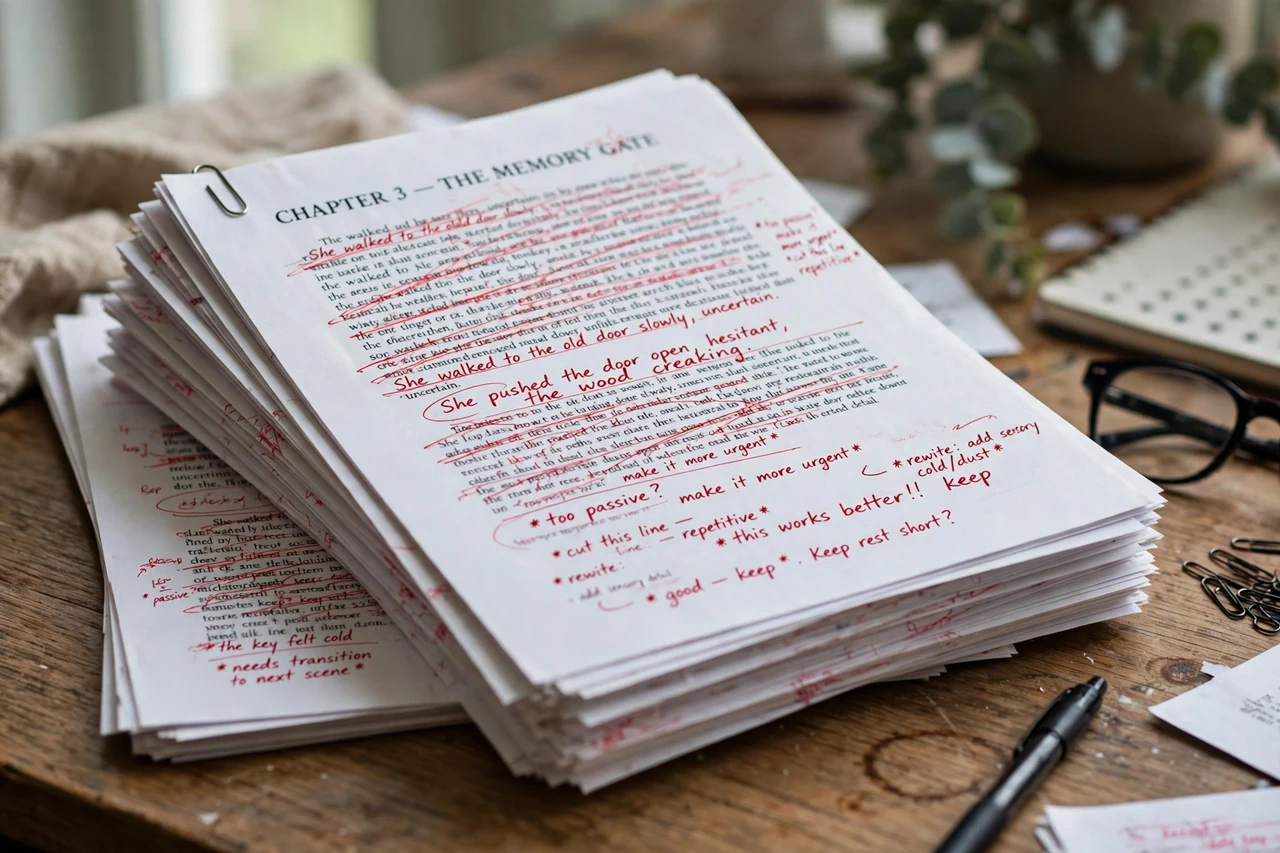
Most projects need a revision or two, and that is normal. The mistake is treating unlimited revisions as part of the price. A client who can ask for changes forever will keep asking, and each round eats into your hourly earnings without adding a dollar. Your quote should state clearly how many revision rounds are included and what extra rounds cost.
Tip: include two revision rounds in your standard price and list the fee for additional rounds in the same quote, so the limit never feels like a surprise.
5. Offering Discounts to Win Every Client

A discount can win a project, but it also teaches the client what your work is worth — the discounted price. Clients who hire you at 30 percent off rarely agree to your full rate later, and they often expect the same discount on every future job. Worse, bargain hunters tend to be the most demanding clients, so you end up doing the hardest work for the least pay. Getting better clients in the first place helps — these steps to land your first freelance client show how to start with clients who pay your real rate. [ADDED LINK]
Tip: instead of cutting your price, cut the scope — offer a smaller package at the lower budget so your rate stays intact.
6. Leaving Your Rates Unchanged for Years

If your rates have not moved in two years, you have quietly given yourself a pay cut. Your costs rise, your skills improve, and your work gets faster — but a frozen rate ignores all three. Many freelancers avoid raising prices because they fear losing clients, yet the clients who value your work expect occasional increases, just as they expect them from every other service they buy.
Tip: review your rates every six months and raise them a little at a time, so no single increase ever feels like a shock to you or the client.
7. Not Charging a Deposit Before You Start Work
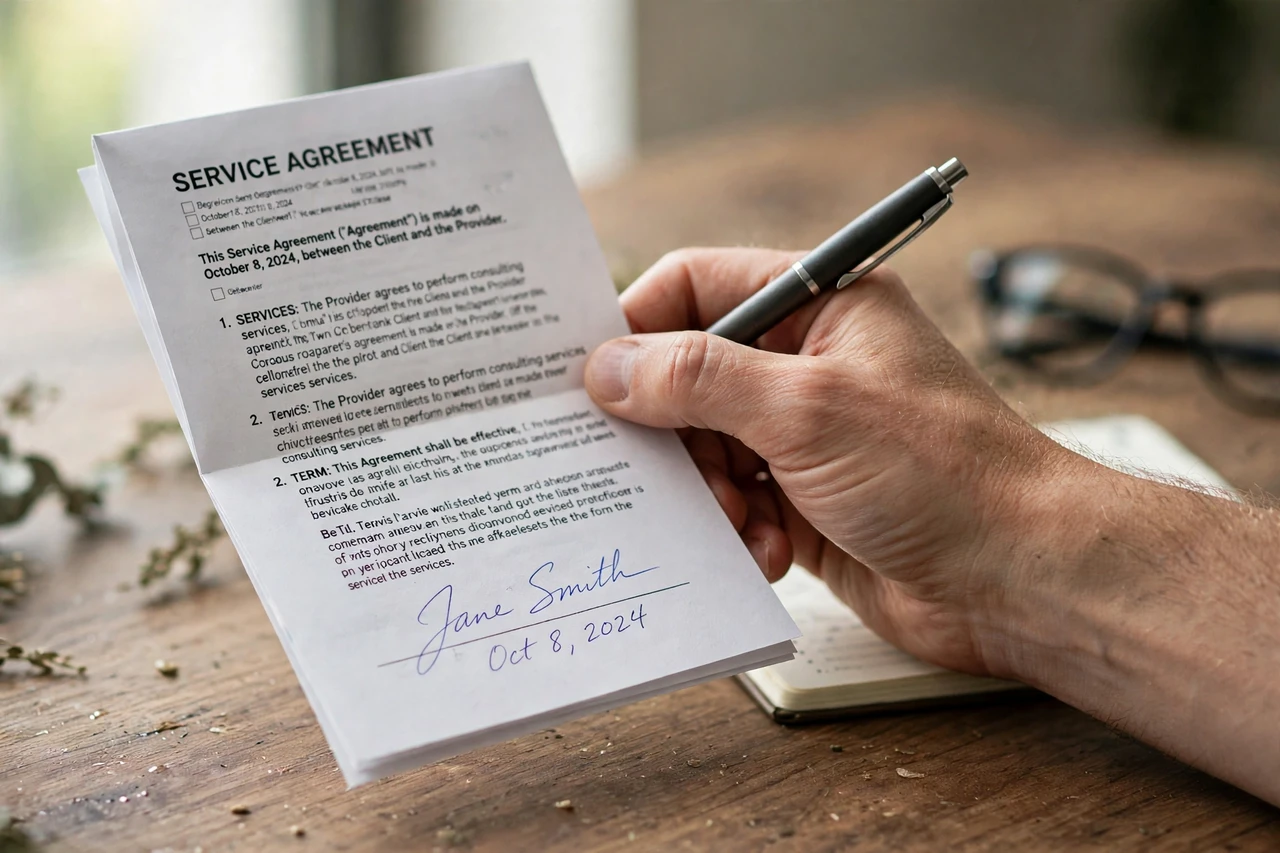
Starting work without a deposit means you carry all the risk. If the client disappears, changes their mind, or drags payment out for months, you have already spent the hours and have nothing to show for them. A deposit — usually 30 to 50 percent up front — proves the client is serious, covers your first hours, and makes the final payment much easier to collect.
Tip: make the deposit part of your standard process for every new client, and do not start the work until it has cleared.
8. Pricing Every Client the Same Way

A startup with a tight budget and a large company with a marketing department are not the same client, even if the deliverable looks identical. The big company needs more meetings, more approvals, and more revisions — and it can afford to pay for that extra work. One flat rate for everyone means you undercharge the clients who cost you the most time and overcharge the small ones who need a break.
Tip: base your quote on the client’s size, urgency, and approval process, not just the deliverable — a short questionnaire can reveal all three.
9. Hiding Your Rates Until the Last Minute

Some freelancers avoid talking about price until the very end of a long conversation, hoping the client will be too invested to say no. It usually backfires: the client feels ambushed, trust drops, and the deal falls apart over a number that might have been fine if it had come up early. Clear pricing, shared at the right moment, filters out bad fits fast and builds trust with good ones.
Tip: give a price range early in the conversation, once you understand the job — it respects the client’s budget and your time.
10. Ignoring Taxes and Business Expenses in Your Price

An employee’s salary comes with taxes already taken out; a freelancer’s rate does not. If you price your work like an employee — comparing your hourly rate to a salary — you forget self-employment tax, software, insurance, and the unpaid hours spent finding work. That gap is real money, and it comes out of your pocket at tax time if you did not build it into your rates.
Tip: set aside 25 to 30 percent of every payment for taxes in a separate account, and add your monthly business costs to your minimum rate calculation.
11. Saying Yes to Low-Paying Work Out of Fear

An empty calendar is scary, so a low-paying job can feel better than no job at all. But cheap work fills the hours you need for finding better clients, and it sets a low anchor for what you will accept next time. One or two low-paying projects to build a portfolio are reasonable; a calendar full of them is a business that cannot pay its own bills. A stronger network brings better offers — these networking tactics for shy freelancers help you find clients who value your work. [ADDED LINK]
Tip: before accepting a low rate, ask yourself whether the project brings a portfolio piece, a testimonial, or a referral — if it brings none of the three, pass.
12. Letting Clients Set Your Price for You

When a client says “my budget is $200” and you agree without checking whether the job is worth $200, you have handed over your pricing. Budgets are useful information, but they are the client’s number, not yours. Your job is to compare their budget with the scope, and either adjust the scope to fit or explain honestly what the work costs.
Tip: answer a low budget with a smaller scope at that price, not with a yes — “I can do the first two sections for $200, and the rest for $300 more” keeps you in control.
Frequently Asked Questions
What is the most common freelance pricing mistake beginners make?
Charging too little because they compare their rate to an employee’s hourly wage. Freelancers pay their own taxes, tools, insurance, and unpaid admin time, so a freelance rate needs to be noticeably higher than an equivalent salary’s hourly figure to leave the same amount in your pocket.
How do I know if my freelance rates are too low?
If you are fully booked and still struggling to pay your bills, your rates are too low. Other signs include clients never negotiating, finishing work much faster than you estimated, and feeling resentful about projects you agreed to — all of these point to pricing below the value you deliver.
Should I charge hourly or per project as a freelancer?
Per project usually wins when the deliverable is clear, because it rewards your speed and experience instead of punishing them. Hourly billing fits open-ended work like ongoing support or consulting, where the scope cannot be defined in advance. Many freelancers use both, depending on the job.
How much should I charge as a deposit?
A deposit of 30 to 50 percent up front is standard for most freelance work, with the balance due on delivery or at agreed milestones. For larger projects, split the balance into milestone payments so you are never more than one phase away from being paid.
Can I fix my pricing mistakes with existing clients?
Yes — give them notice, explain what is changing, and tie the new rate to the results you have already delivered. Most clients accept a reasonable increase when it is communicated early and professionally, and the few who leave make room for clients who pay your real rate.
Pricing is a skill, not a guess — and like any skill, it gets better with practice. Pick the two mistakes on this list that cost you the most, fix them on your very next quote, and track what changes in your income over the next month. You will be surprised how much of your missing money was hiding in plain sight.