Selling a single digital download is a nice side hustle, but building a digital product business is what turns occasional sales into reliable income. The difference is infrastructure: a real brand, systems for payments and taxes, an email list, and a marketing engine that runs every week. These 8 steps to start a digital product business walk you through the setup — the unglamorous foundation that separates hobby sellers from actual business owners.
Exploring digital income? You’ll also like 13 Ways to Sell Digital Art Online and 10 Steps to Create and Sell Online Courses.
1. Choose a Niche With Buyers, Not Just Followers

A big audience means nothing if nobody opens their wallet — pick a niche where people already spend money solving a problem. Wedding planning, teacher resources, fitness coaching, and small-business templates all have buyers actively searching for solutions today.
Test your niche before committing: search Etsy and Gumroad for products like the ones you’d sell, and check whether multiple sellers have hundreds of reviews. Competition with sales is proof of demand; zero competition usually means zero buyers, not an untapped goldmine.
2. Decide Your Business Model Before You Build

Your business model shapes everything downstream, so choose it early. One-time product sales are simplest to start; subscriptions and memberships bring recurring revenue but demand ongoing content; bundles and upsells maximize the value of each customer.
Beginners do best starting with one-time sales plus one simple upsell, like a template pack paired with a video walkthrough. You can layer in a membership or subscription later once you have buyers — recurring revenue is earned through trust, not launched on day one.
3. Register a Brand Name and Keep It Simple
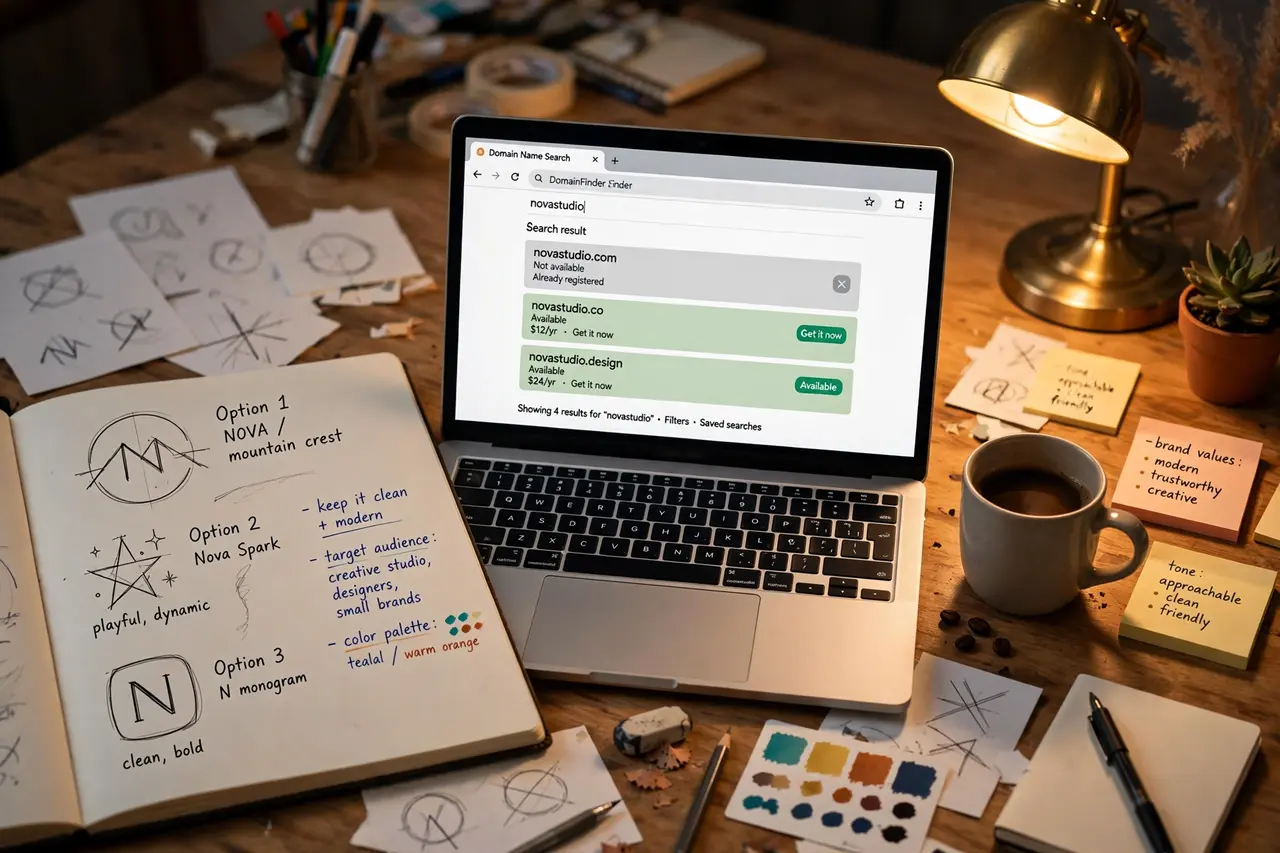
A real business needs a real name — something short, memorable, and available as a domain and on the social platforms you’ll use. Check domain availability and do a quick trademark search before you fall in love with a name.
Don’t overthink the logo: clean wordmark text in a nice font beats a fussy custom emblem at this stage. Your brand will evolve with your products — what matters now is consistency, so use the same name, colors, and tone everywhere you show up.
4. Set Up a Store That Converts on Its Own
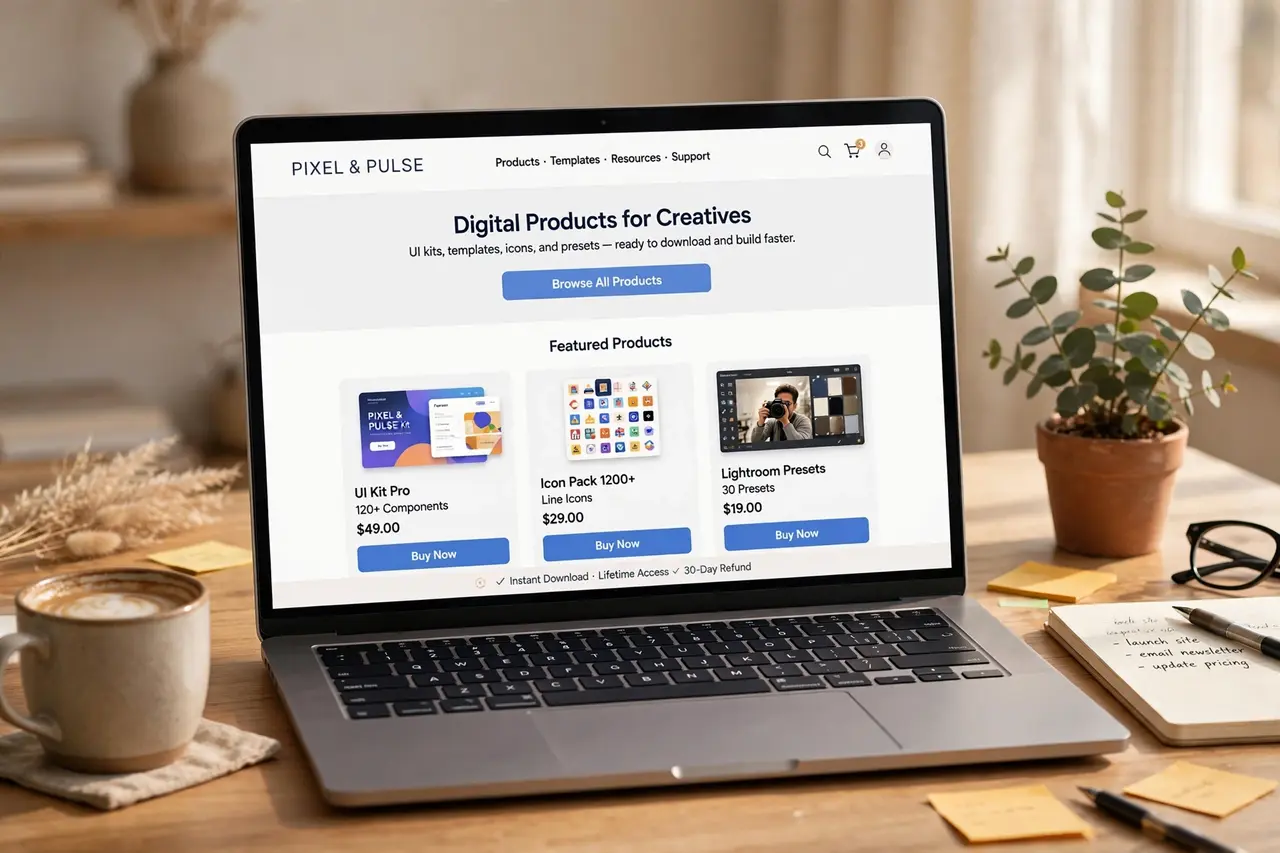
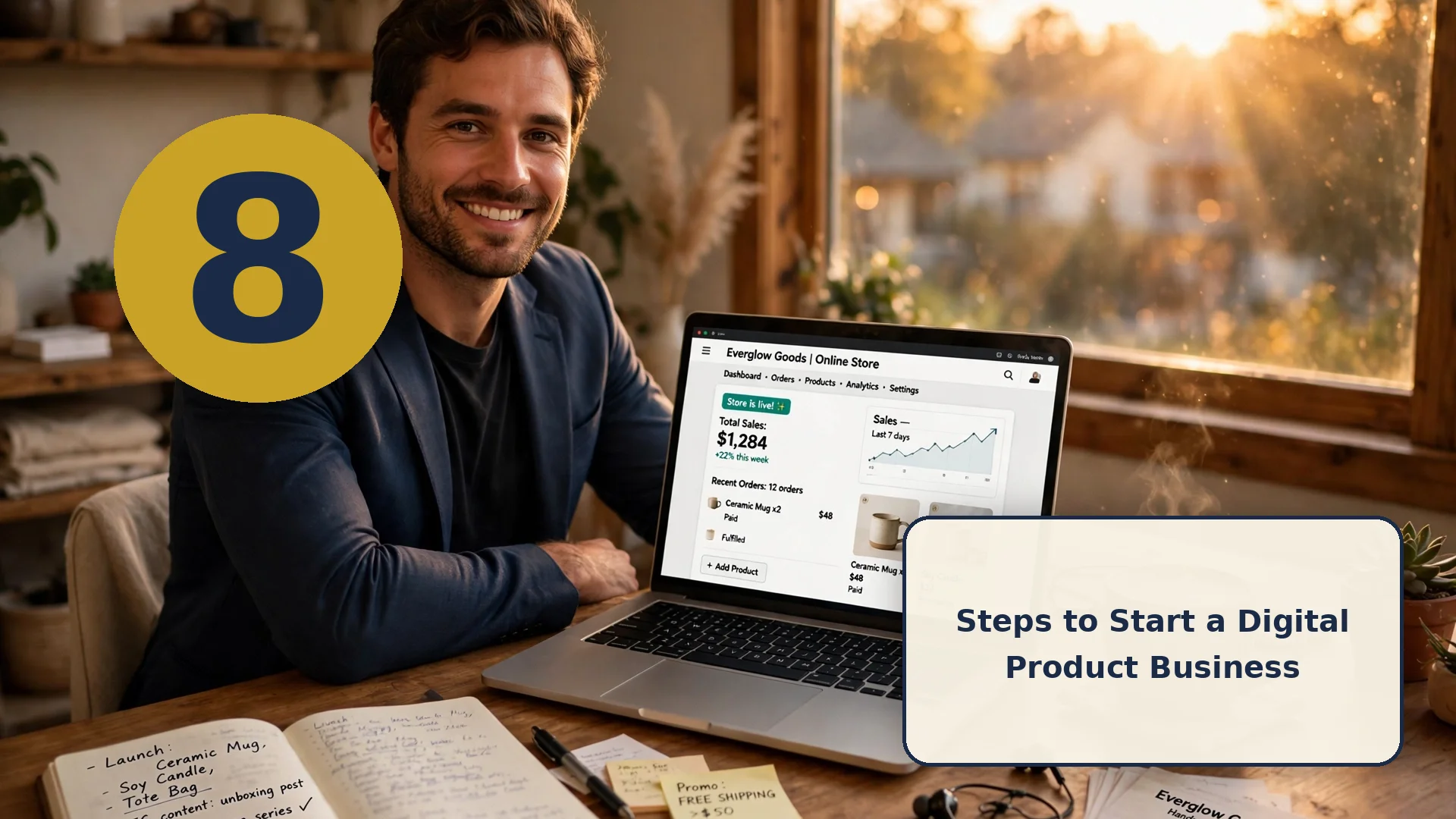
Your store should sell while you sleep, which means clear product pages, not clever ones. Each listing needs a benefit-driven headline, preview images showing the product in use, a short list of what’s included, and obvious buy buttons — confusion kills conversions.
Start on a hosted platform like Gumroad, Payhip, or Shopify rather than building from scratch; you can always migrate later. Add the essentials most beginners skip: an FAQ section answering refund and usage questions, plus testimonials or review widgets that build trust instantly.
5. Get Payments, Taxes, and Legal Basics Right

Unsexy but critical: connect a real payment processor (Stripe or PayPal), keep business income in a separate account, and set aside 25 to 30% of profit for taxes from the very first sale. Scrambling at tax time is the most common beginner mistake.
You don’t need an LLC on day one — most sellers start as sole proprietors and formalize once revenue is steady. But do write simple terms of use and a refund policy for your store now; clear policies prevent disputes and make you look established from the start.
6. Create a Free Lead Magnet to Build Your Email List
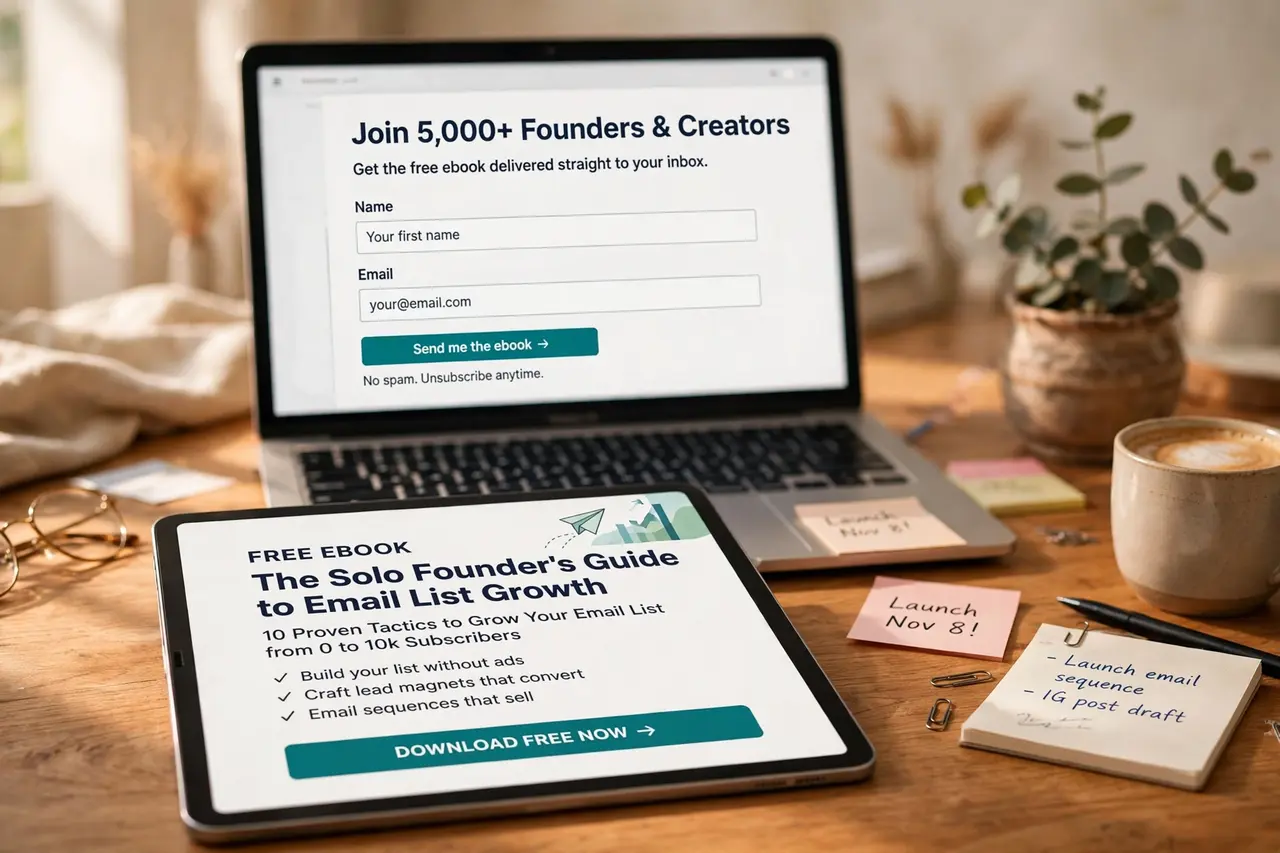
Social followers are rented; email subscribers are owned. Create one genuinely useful freebie — a sample template pack, a starter checklist, a mini-guide — and offer it on your store and social profiles in exchange for an email address.
Use a free email tool like Mailchimp or ConvertKit’s free tier to deliver the freebie automatically and welcome new subscribers with a short sequence introducing your paid products. Even a list of 200 engaged subscribers can drive your first real launch — start building it before you need it.
7. Pick One Marketing Channel and Post Consistently

New sellers spread themselves across five platforms and burn out; pick ONE channel where your buyers already hang out and show up consistently for 90 days. Pinterest drives buyer traffic for printables and planners, TikTok and Instagram Reels work for templates and presets, and SEO blogging compounds for evergreen niches.
Repurpose ruthlessly: one product tutorial can become a pin, a short video, and a blog post. Track which content actually drives store visits (not just likes) and double down on what converts — vanity metrics don’t pay bills.
8. Track Your Numbers and Reinvest in Winners

Once sales start, your job shifts from creating to optimizing. Track the numbers that matter: conversion rate per product, traffic sources, average order value, and email open rates. A simple weekly spreadsheet beats expensive analytics tools at this stage.
Reinvest early profits into whatever is already working — better mockups for your bestseller, an expanded version of your most-downloaded freebie, or ads pointed at your highest-converting page. Businesses grow by doubling down on winners, not by launching something new every week.
Frequently Asked Questions
How much does it cost to start a digital product business?
You can start for under $100: a domain name, a free or low-cost store platform, and free design tools. Most beginners spend $50 to $200 total before their first sale — the real investment is your time creating quality products.
Do I need an LLC to sell digital products?
Not to start. Most sellers begin as sole proprietors and form an LLC once revenue is consistent (often around $1,000+ per month). Talk to a tax professional in your state when you’re ready — rules and costs vary.
How long until I make my first sale?
With consistent marketing, most beginners see their first sale within 30 to 90 days. Sellers who launch to an existing audience or email list often sell on day one; those starting from zero should expect a slower ramp while traffic builds.
Can I run a digital product business part-time?
Absolutely — that’s the model’s biggest advantage. Most successful sellers start with 5 to 10 hours a week: one evening for product creation, one for marketing. Systems like automated email sequences and evergreen content do the heavy lifting between sessions.
Which niche is best for a digital product business?
The best niche sits at the intersection of your skills and proven buyer demand: planners and organization, teacher resources, business templates, wedding stationery, and fitness programs all have deep buyer pools. Validate with real marketplace sales data before committing.
Conclusion
Starting a digital product business comes down to setup discipline: pick a niche with real buyers, choose a simple business model, brand it properly, build a store that converts, handle the money basics, grow an email list, market one channel consistently, and reinvest in what works. Do the foundation right and every product you launch afterward gets easier to sell.