
Not every side hustle requires schmoozing strangers, performing on camera, or working a crowded room. These side hustle ideas for introverts are built around quiet, independent work — the kind you do alone, on your own schedule, without draining your social battery.
From writing and design to selling digital products on autopilot, each idea below lets you earn real money while honoring the way you recharge: in peace.
1. Write Blog Posts and Articles from Home

Freelance writing is the classic introvert hustle: just you, your laptop, and a deadline. Businesses constantly need blog posts, guides, and website copy, paying $50 to $500 per article depending on length and niche. Your only interaction is email.
Start by writing three sample articles in a niche you enjoy, then pitch small businesses or apply on freelance platforms. Technical, finance, and health niches pay the most. Many introverted writers earn $2,000 to $5,000 a month working entirely alone, in silence, on their own hours.
2. Design and Sell Printables Without Client Calls

Planners, wall art, checklists, budget trackers — design them once in Canva, sell them forever on Etsy. No clients, no meetings, no revision calls. Sellers price printables at $3 to $15, and a shop with 50 listings can generate $500 to $3,000 a month passively.
Research what sells using eRank or Marmalead, create clean designs in batches, and let Etsy search do the selling. Customer messages are minimal and handled by message, never phone. It is creative work with zero social performance required.
3. Transcribe Audio Files on Your Own Schedule

Transcription is pure solo work: headphones on, type what you hear, submit. Platforms like Rev, TranscribeMe, and GoTranscript pay $15 to $30 per audio hour, and you choose exactly when to work. No meetings, no teamwork, no small talk.
Start with short files to build speed, invest in a foot pedal and good headphones as you grow, and specialize in legal or medical transcription for rates up to $60 per audio hour. It is meditative, independent work that pays for focus — an introvert’s natural strength.
4. Complete Data Entry Microtasks Independently
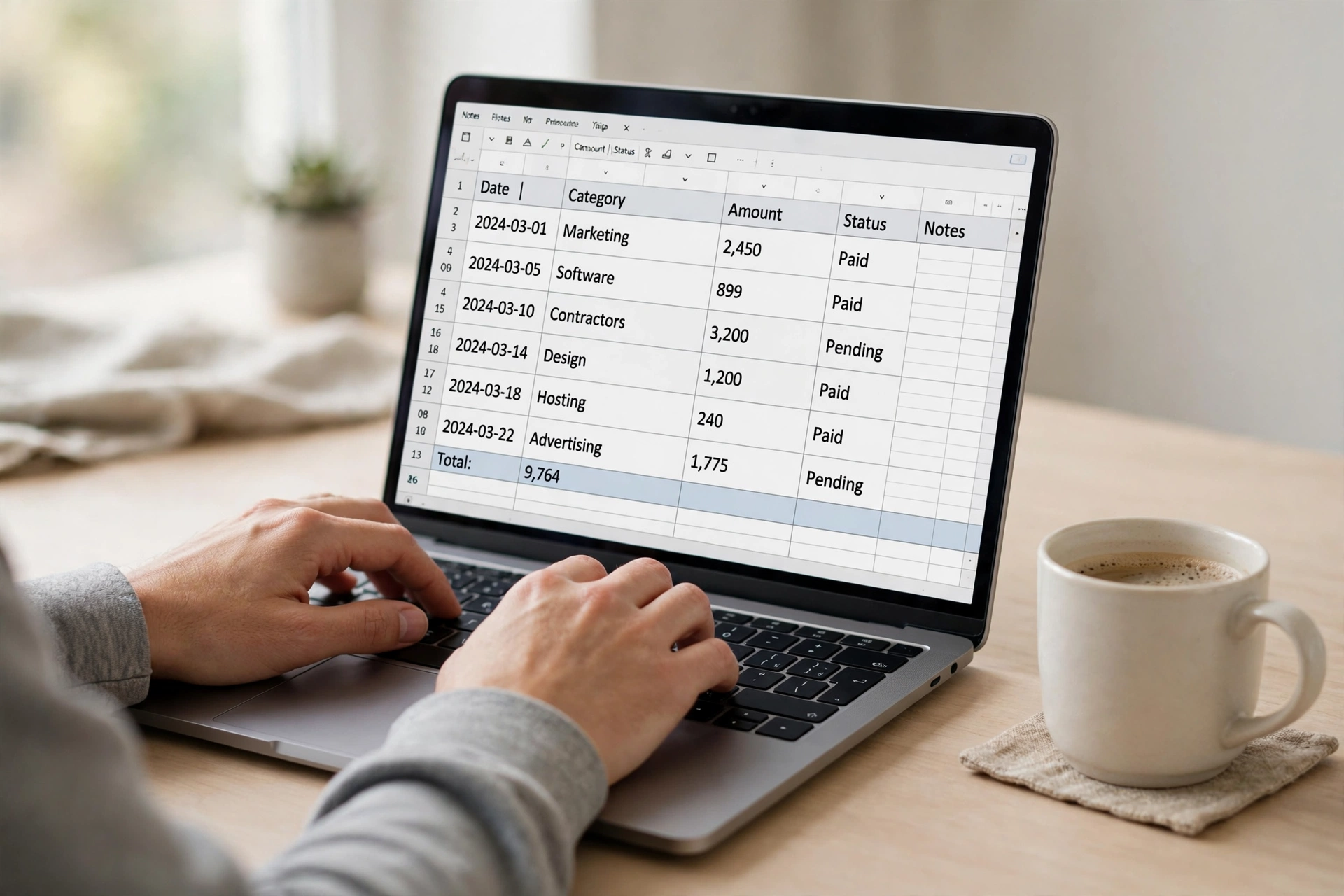
Data entry and microtasks on sites like Clickworker, Amazon MTurk, and Remotasks are the definition of low-interaction work. You log in, complete batches of independent tasks — categorizing images, cleaning spreadsheets, verifying data — and get paid. Earnings run $10 to $20 per hour.
The work is repetitive in the best way: no decisions about people, no collaboration, just quiet productive flow. Stack it with a podcast or music and it barely feels like work. While the pay is modest, it is honest income that asks nothing social of you.
5. Run a Print-on-Demand Store Hands-Off

Upload designs to Printful, Printify, or Redbubble, and they handle printing, shipping, and customer service — you never talk to a single buyer. Each sale earns $5 to $15 in profit, and niche designs (funny pet quotes, hobby graphics, minimalist art) sell for years.
Create designs in Canva or hire cheap designers on Fiverr, upload in batches, and optimize titles for search. The entire business runs from your laptop in silence. Successful stores with a few hundred designs earn $1,000 to $5,000 a month with almost no ongoing interaction.
6. License Calm Still-Life and Nature Photography

Stock photo sites pay you every time someone downloads your image — and still-life, nature, and texture shots require no models, no directing, no people at all. A portfolio of 500 images on Adobe Stock or Shutterstock can earn $200 to $1,000 a month in truly passive royalties.
Shoot what is around you: morning coffee setups, plant close-ups, cozy desk scenes, seasonal textures. Upload in batches with good keywords and let the marketplace sell while you are out walking alone with your camera. It turns solitary observation into income.
7. Offer Remote Bookkeeping to Small Businesses

Small businesses desperately need bookkeepers and the work is almost entirely solo — categorizing transactions, reconciling accounts, sending reports by email. Freelance bookkeepers charge $30 to $60 per hour, and a handful of monthly clients creates stable recurring income.
Learn QuickBooks Online through free tutorials, take on one client to build confidence, then grow through referrals. Client communication is minimal and professional: monthly emails, occasional questions. Numbers do not require small talk, and business owners respect quiet competence.
8. Proofread Ebooks for Self-Published Authors

Self-published authors need sharp-eyed proofreaders before launching — and the entire job happens alone with a manuscript. Proofreaders charge $25 to $50 per hour, or $500 to $1,500 per book. Your communication is limited to delivery emails and the occasional clarification.
Take a proofreading course to learn industry markup, practice on sample chapters, then list services on Upwork or join proofreading directories. Authors are usually delighted to work with someone low-maintenance and thorough. It is detail-oriented solo work that rewards exactly the traits introverts have.
9. Edit Podcast Audio Remotely Behind the Scenes
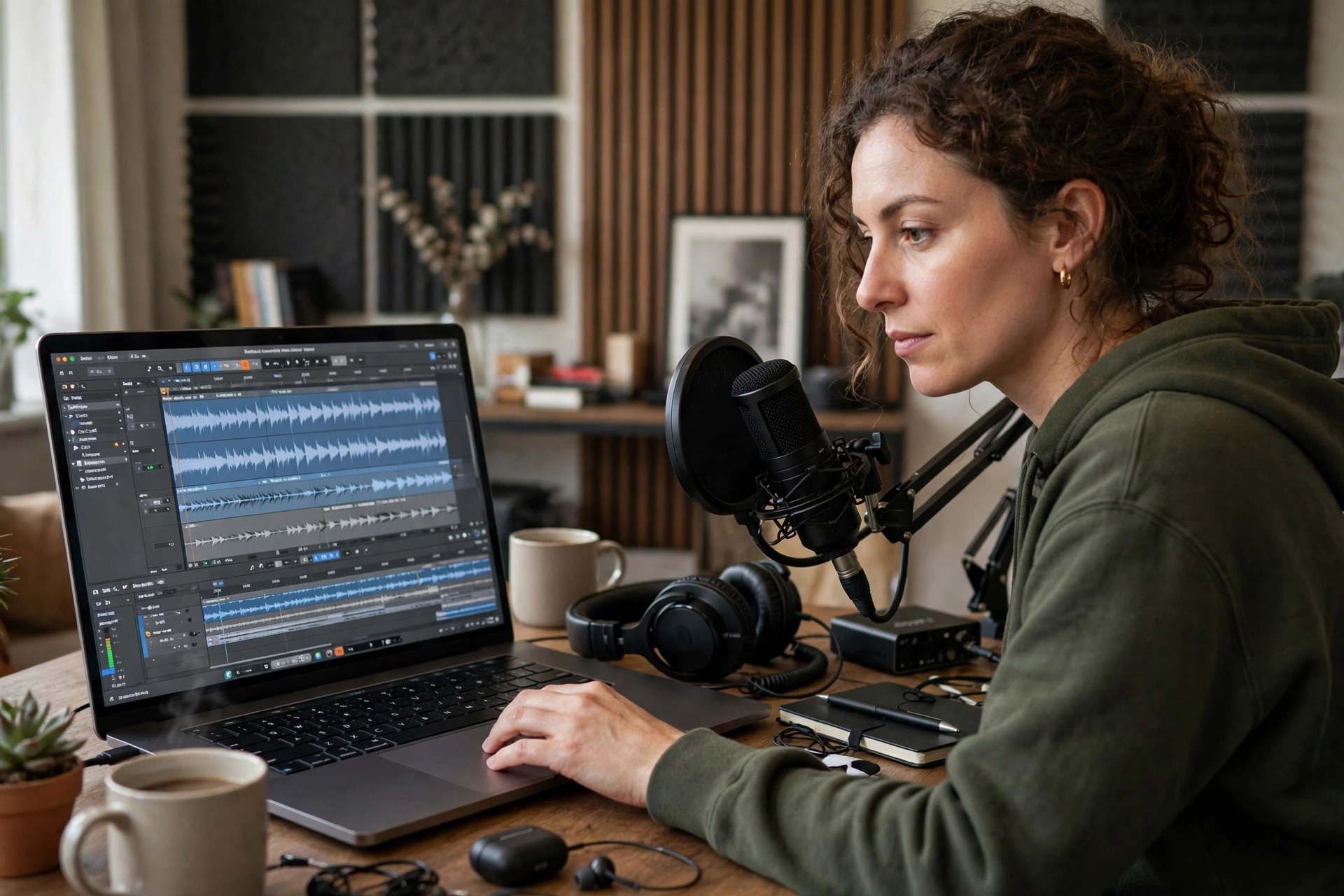
Thousands of podcasters need editors to clean up audio, remove filler words, and mix episodes — all done alone with headphones. Editors charge $50 to $200 per episode, and a weekly show becomes reliable recurring income. You never appear on mic or on camera.
Learn Descript or Audacity (both beginner-friendly), edit a few sample episodes to build a portfolio, then pitch podcasters directly. The podcast world runs on relationships built over email, not networking events. It is technical, creative, solitary work with growing demand.
10. Manage Email and Calendars Asynchronously
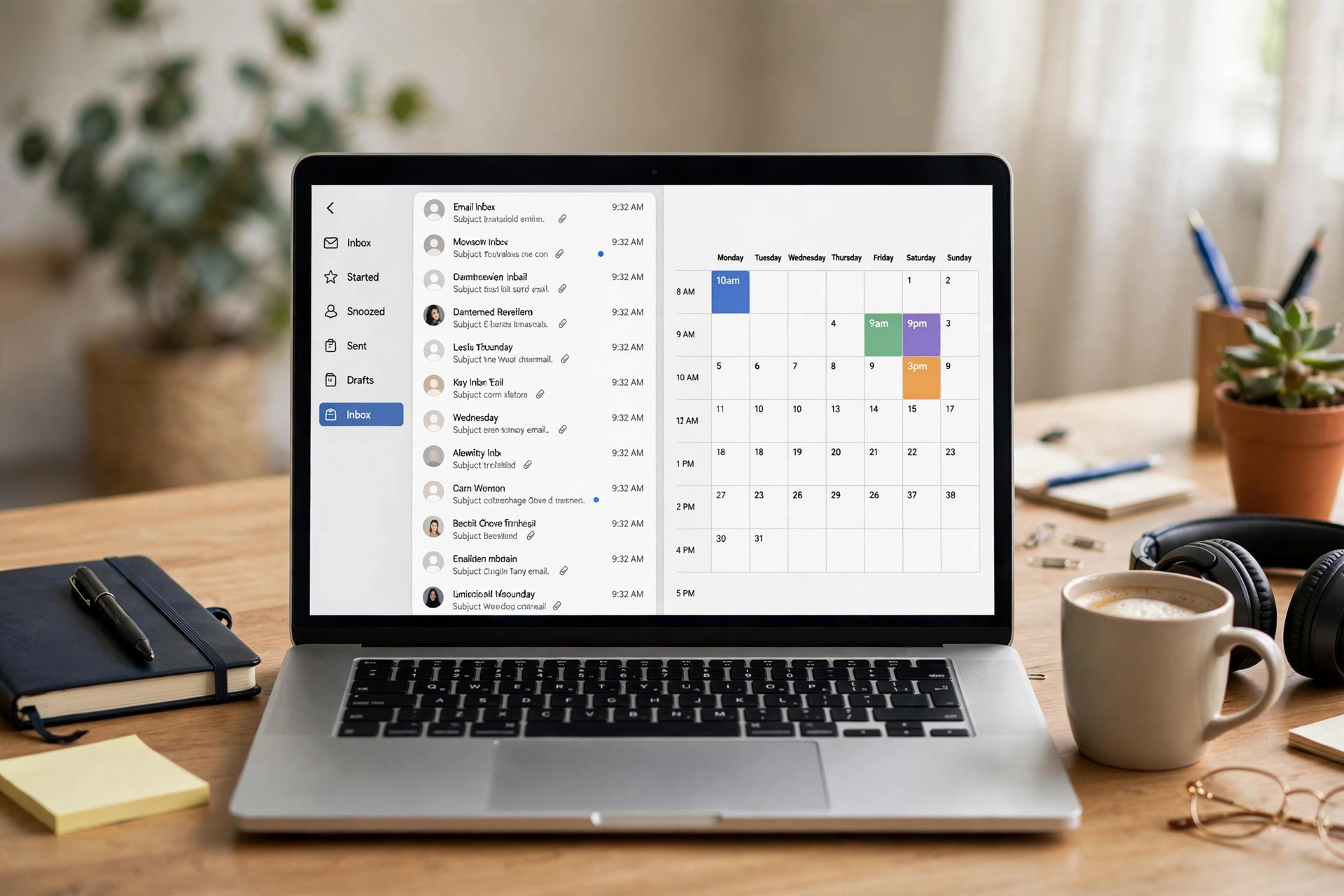
Async virtual assistance means managing inboxes, scheduling, and admin tasks entirely by email and task boards — no phone calls, no Zoom meetings. Busy founders pay $25 to $50 per hour for someone reliable who handles things quietly and thoroughly.
Market yourself specifically as an async VA who works independently: many clients actually prefer it. Use tools like Notion, Slack (text only), and Calendly to run everything without real-time interaction. It is the introvert’s version of assistance — all the helping, none of the performing.
11. Build Simple Websites for Clients Remotely

Small businesses need simple websites and will pay $500 to $3,000 per site — and the entire project happens over email. Using WordPress or Webflow, you can build professional sites without coding, communicating with clients only through written briefs and revision notes.
Start with one-page sites for local businesses, use templates to work efficiently, and let your portfolio do the talking. Discovery calls can be replaced with detailed questionnaires. Many introverted designers run thriving web businesses without ever getting on a sales call.
12. Sell Handmade Crafts from Your Home Studio

Candles, pottery, knitwear, jewelry — make things alone in your studio, sell them on Etsy while you sleep. Handmade sellers earn $500 to $5,000 a month, and the entire customer relationship happens through listings and messages. Your craft time is sacred solo time that happens to generate inventory.
Start with one product line you genuinely enjoy making, photograph it beautifully, and write listings that sell the story. Batch your creation days and your shipping days. Markets and craft fairs are optional — many successful sellers never meet a customer face to face.
13. Test Websites and Apps Solo for Cash

UserTesting and TryMyUI pay $10 to $60 per test for you to use a website alone and speak your thoughts aloud — to your computer, not a person. Tests take 10 to 20 minutes, and payment arrives within days. It is literally getting paid for your private opinions.
Complete your profile fully to qualify for more tests, respond to invitations quickly, and speak clearly during recordings. An hour of testing a few evenings a week adds $100 to $300 a month. For introverts, it is ideal: your only audience is a microphone, and honesty is the job requirement.
Frequently Asked Questions
What is the best side hustle for a true introvert?
Freelance writing, selling digital products, and print-on-demand top the list because they involve zero real-time interaction — everything happens over email or through automated marketplaces. Choose based on your skills: writers should write, designers should design, organizers should do bookkeeping or VA work.
Can introverts make good money without networking?
Absolutely. Marketplaces like Etsy, Upwork, and Amazon do the selling for you — your work speaks through listings and portfolios, not handshakes. Many six-figure solo businesses were built by people who never attended a single networking event. Great work plus good SEO beats schmoozing every time.
How do I get clients without socializing?
Let platforms bring clients to you: optimize your Upwork profile, Etsy SEO, or Fiverr gigs so buyers find you through search. Content marketing (a blog or portfolio site) attracts inbound leads while you stay behind the scenes. Written pitches via email outperform cold calls for introverts anyway.
Are these hustles really 100% solo?
Most involve minimal written communication — delivery emails, brief clarifications, occasional feedback. None require phone calls, video meetings, in-person networking, or performing. You can explicitly market yourself as async-only; plenty of clients prefer working that way too.
Which introvert hustle can become passive income?
Selling printables, print-on-demand, stock photography, and ebooks all generate income long after the initial work. Build the asset once — a design portfolio, a photo library, a template shop — and earn royalties and sales for years with no ongoing social effort.
Being an introvert is not a limitation — it is a business strategy. The ability to focus deeply, work independently, and create without distraction is exactly what these hustles reward. Pick the one that matches your skills, set up your quiet workspace, and let your work speak for itself.