Teachers have some of the most valuable — and underpaid — skills in the workforce. Lesson planning, explaining complex ideas simply, managing groups, grading fairly: these abilities command real money outside the classroom. These side hustles for teachers let you earn extra income using expertise you already have, on a schedule that respects your school day.
From selling resources you have already created to tutoring online in the evenings, each idea below fits around teaching hours and pays for the knowledge you use every single day.
1. Tutor Students Online in Your Subject Area

Your teaching credential is instant credibility on tutoring platforms like Wyzant, Varsity Tutors, and Preply. Math, science, and test-prep tutors charge $30 to $80 per hour, and you already know the curriculum cold. Evening and weekend sessions fit perfectly around school hours.
Start with one or two students to learn the platform, then raise your rates as reviews come in. Specializing in high-demand areas like SAT prep, AP calculus, or chemistry commands premium prices. Many teachers earn $500 to $1,500 a month tutoring just a few evenings a week.
2. Sell Lesson Plans on Teachers Pay Teachers

You have already created hundreds of lesson plans, worksheets, and activities — now sell them. Teachers Pay Teachers lets educators list digital resources, with top sellers earning thousands per month from materials they made once. A single popular unit plan can sell hundreds of copies at $5 to $15 each.
Start by uploading your five best resources with clear previews and detailed descriptions. Bundle related lessons into units for higher prices, and create seasonal materials (back-to-school, holidays, test prep) when demand spikes. This is truly passive income: upload once, earn every time a teacher downloads.
3. Teach English Online to International Students

Companies like VIPKid, Cambly, and iTalki hire native English speakers to teach students abroad — and a teaching background puts you at the front of the line. Pay ranges from $14 to $25 per hour, with early-morning slots (before school) in high demand because of time zones.
Lessons are pre-planned on most platforms, so there is minimal prep work. Conversational tutoring on Cambly requires no lesson planning at all — you simply chat. It is a natural fit: you get paid to do a version of what you already do best, from your living room.
4. Score Standardized Tests Remotely

Testing companies like ETS, Pearson, and Measurement Inc. hire educators to score essays and open-ended responses from home. Pay is typically $12 to $20 per hour, and the work is seasonal — peaking during spring testing season, which conveniently aligns with the end of the school year.
You will complete a short qualification process for each project, then score responses against a rubric on your own schedule. It is quiet, independent work that uses your grading skills directly. Many teachers treat scoring season as a reliable annual bonus worth $1,000 to $3,000.
5. Create Educational Videos for YouTube
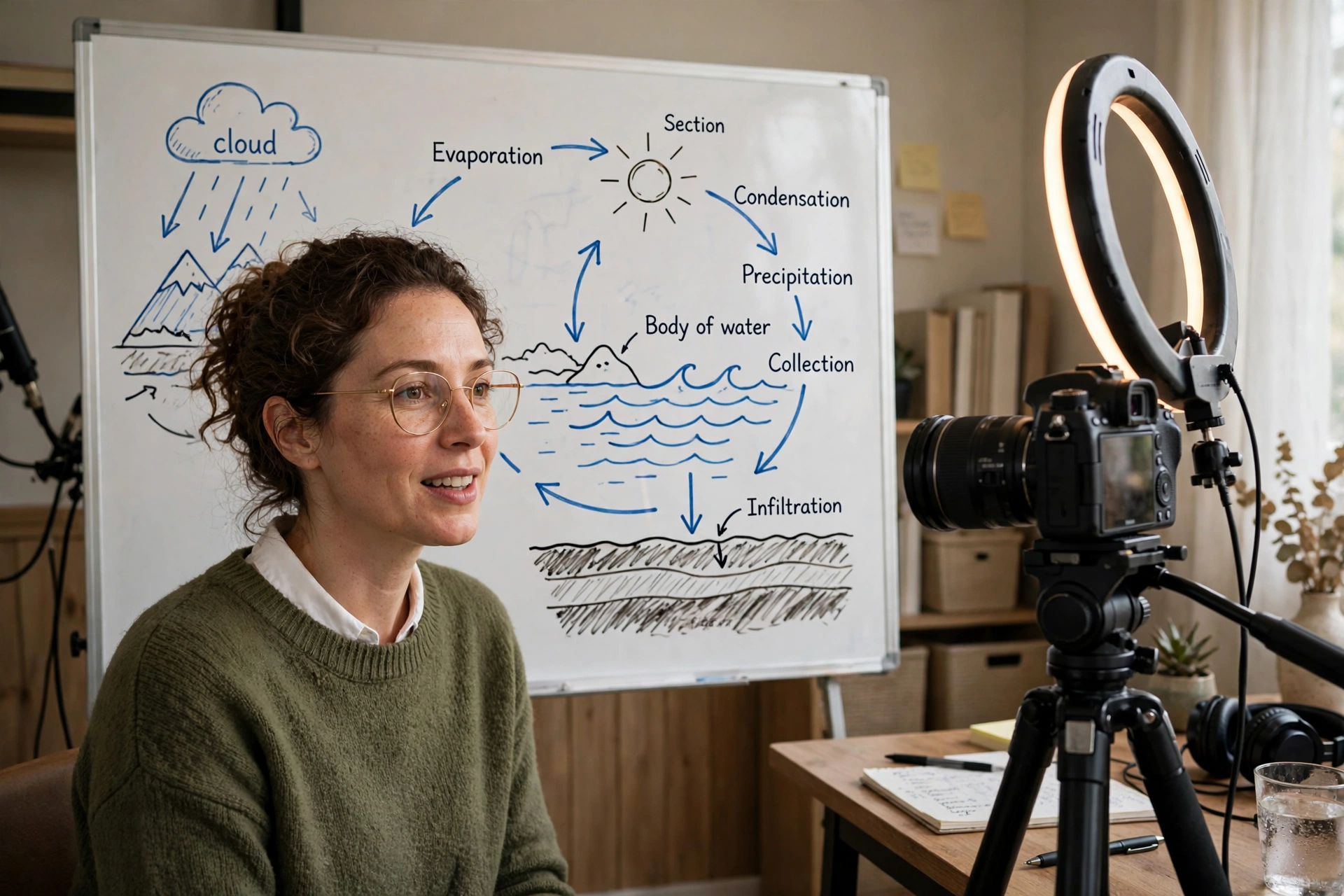
Educational content is one of YouTube’s most advertiser-friendly categories, which means higher ad rates. Channels that explain math concepts, science experiments, or history topics can earn $3,000 to $10,000 per million views — and evergreen lesson content keeps earning for years.
Start with topics students search for most: homework help, exam explanations, and concept breakdowns. You do not need fancy equipment — a phone, good lighting, and clear explanations are enough. Once monetized, add affiliate links for supplies and create companion worksheets to sell for extra income streams.
6. Coach School Sports for Seasonal Stipends

Most schools pay stipends of $2,000 to $6,000 per season for coaching — and they are constantly short on coaches. You do not need to be an ex-athlete; assistant coaching, middle school teams, and sports like track, cross country, and volleyball welcome enthusiastic beginners.
Coaching happens right after school, so there is no commute, and it looks great if you ever apply for administrative roles. Beyond the stipend, many coaches run summer camps or private training sessions for additional income. It is one of the simplest ways to add thousands to a teacher’s salary without leaving campus.
7. Write Curriculum for EdTech Companies

EdTech companies constantly need educators to write curriculum, assessments, and lesson content. Freelance curriculum writers earn $30 to $60 per hour, and your classroom experience is exactly what these companies pay for — you know what actually works with real students.
Find gigs on freelance platforms, through curriculum agencies like 2Rev, or by pitching companies directly with a sample unit. Many projects are fully remote with flexible deadlines. A single curriculum contract can pay $2,000 to $5,000, making this one of the highest-paying teacher side hustles.
8. Proofread Academic Papers and Textbooks

Publishers, graduate students, and researchers pay for careful proofreaders who understand academic writing — and teachers fit perfectly. Freelance proofreaders charge $25 to $50 per hour, with textbook and dissertation projects paying the most.
Start on platforms like Upwork or by contacting university writing centers and small publishers directly. Your eye for grammar, structure, and clarity — honed by years of grading — is the entire job. Build a client list of repeat academic customers and this becomes steady, well-paid remote work.
9. Run Summer Learning Camps and Workshops

Parents pay $150 to $400 per week per child for summer enrichment — and a real teacher running the camp is a major selling point. A two-week STEM camp, art workshop, or reading program with just 10 kids can gross $3,000 to $8,000 over a single summer.
Host at a community center, church, or your own home to keep costs low. Theme it around your strengths: robotics, creative writing, test prep, or sports skills. Market through school newsletters, parent Facebook groups, and Nextdoor. Many teachers find camp income rivals a full summer of hourly work — in a fraction of the time.
Frequently Asked Questions
What is the highest-paying side hustle for teachers?
Curriculum writing for EdTech companies ($30–$60/hour) and private tutoring in high-demand subjects ($50–$80/hour) pay the most per hour. Selling resources on Teachers Pay Teachers has the highest ceiling — top sellers earn six figures — because income is passive and scales without more hours.
Can teachers do side hustles during the school year?
Absolutely. Online tutoring, selling digital resources, test scoring, and freelance writing all fit into evenings and weekends. The key is choosing hustles with flexible deadlines rather than fixed schedules. Save time-intensive options like summer camps for breaks.
Do I need permission from my school to have a side hustle?
Check your contract and district policy. Most allow outside work as long as it does not conflict with school duties or use school resources. Some districts restrict tutoring your own students for pay. When in doubt, a quick check with HR protects you.
How do I start selling on Teachers Pay Teachers?
Create a free seller account, upload your best existing resources with clear preview images, and write detailed descriptions with grade levels and standards. Price single resources at $3–$10 and bundles higher. Promote on teacher Instagram and Pinterest — visual platforms drive the most traffic to TpT stores.
Which side hustle is best for introverted teachers?
Selling lesson plans, scoring tests, proofreading, and curriculum writing are all solo, quiet work you do on your own schedule. These leverage your expertise without requiring you to perform or network — perfect if your school day already uses up your social energy.
Your teaching skills are worth far more than your salary suggests. Whether you sell what you have already made, tutor a few evenings a week, or build a curriculum-writing client list, the expertise is already yours — now it is time to get paid for it twice.