

AI is reshaping freelancing — but some niches are structurally resistant to automation. The pattern: work requiring human trust, physical presence, complex judgment, or deep relationships. Build your career in these niches and AI becomes your assistant, not your replacement. For newer opportunities, also check emerging freelance niches with low competition.
1. Wedding and Event Photography
AI cannot be in the room. Wedding photography demands presence, timing, emotional intelligence, and the ability to herd 200 people — none of which automate.
Charge $2,000 to $5,000 per wedding. One weekend a month can exceed a full-time salary in this niche.
The real moat is relationships: clients stay with people they trust, not the cheapest option.

2. Trial Consulting and Litigation Support
Lawyers need human consultants for jury research, witness prep, and case strategy. Stakes are too high and nuance too deep for AI.
Consultants earn $150 to $400 an hour. Legal niches pay premiums because the cost of error is enormous.
Document your processes so you can delegate parts of the work as you scale.

3. Executive Coaching
CEOs pay for a human who has sat in their seat. Coaching requires trust, confidentiality, and lived experience — AI chatbots do not qualify.
Charge $200 to $500 an hour. Corporate coaching contracts run 6 to 12 months, creating stable recurring revenue.
Invest in credentials where they matter — they are barriers AI cannot cross.

4. Home Inspection Services
Buyers need a human walking the property, crawling the attic, testing the outlets. Physical presence plus licensed judgment equals AI-proof.
Inspectors earn $300 to $500 per inspection, doing 2 to 3 a day. Licensing creates a moat against competition too.
Build a personal brand around your niche; recognized experts command 2-3x the rates of unknowns.

5. Doula and Birth Support
Birth is intimate, physical, and emotional. Families hire doulas for human presence — the exact thing AI cannot provide.
Doulas earn $800 to $2,000 per birth. Training is months, not years, and demand grows every year.
Diversify within your niche: a wedding photographer adds elopements, boudoir, and family sessions.

6. Financial Planning for Complex Situations
Retirement drawdown strategies, estate planning, business-owner tax optimization — high-stakes money decisions demand a human fiduciary, not a chatbot.
Planners earn $150 to $300 an hour or 1% of assets managed. Trust-based relationships last decades.
Stay current with AI tools in your field — professionals who leverage AI outcompete those who ignore it.

7. Specialized Trade Skills (Electrical, Plumbing, HVAC)
Someone has to wire the house and fix the pipes. Licensed trades are the most literally AI-proof work that exists — robots are not coming to your crawlspace soon.
Master tradespeople earn $70,000 to $120,000+. Freelance tradesmen set their own rates and schedules.
Network in person where possible; conferences build the relationships that sustain careers.

8. In-Person Tutoring for Special Needs
Special needs education requires reading a child in real time — adjusting tone, pace, and approach moment by moment. Deeply human work.
Specialized tutors earn $50 to $100 an hour. Parents of special needs children are loyal, long-term clients.
Create content teaching your craft — it attracts clients and establishes authority simultaneously.

9. Crisis PR and Reputation Management
When a company faces a scandal, they need human judgment, media relationships, and 3 AM crisis calls. AI cannot take the press call.
Crisis consultants earn $5,000 to $25,000 per engagement. High stress, high pay, zero automation risk.
Price on value, not hours: outcome-based pricing is inherently AI-resistant.

10. Custom Tailoring and Alterations
Fitting a suit to a human body requires hands, eyes, and judgment. Made-to-measure is booming as fast fashion backlash grows.
Tailors earn $40 to $100 an hour. Wedding season alone can fill a tailor’s calendar for months.
Keep learning adjacent skills so you can pivot within your niche as markets evolve.

11. Marriage and Family Therapy
Therapy is the canonical AI-proof profession: licensed, intimate, regulated, and built entirely on human connection.
Private-practice therapists earn $100 to $200 a session. Telehealth expanded the market without automating it.
Build recurring revenue with retainers for income stability regardless of market shifts.

12. High-End Personal Cheffing
Wealthy clients hire chefs for their palate, creativity, and presence in the home. Cooking is sensory and personal — the opposite of automatable.
Personal chefs earn $50,000 to $100,000+ with a handful of regular clients. Meal-prep subscriptions add recurring revenue.
Specialize narrowly: ‘bookkeeper for e-commerce’ beats ‘bookkeeper’ for both rates and AI-resistance.

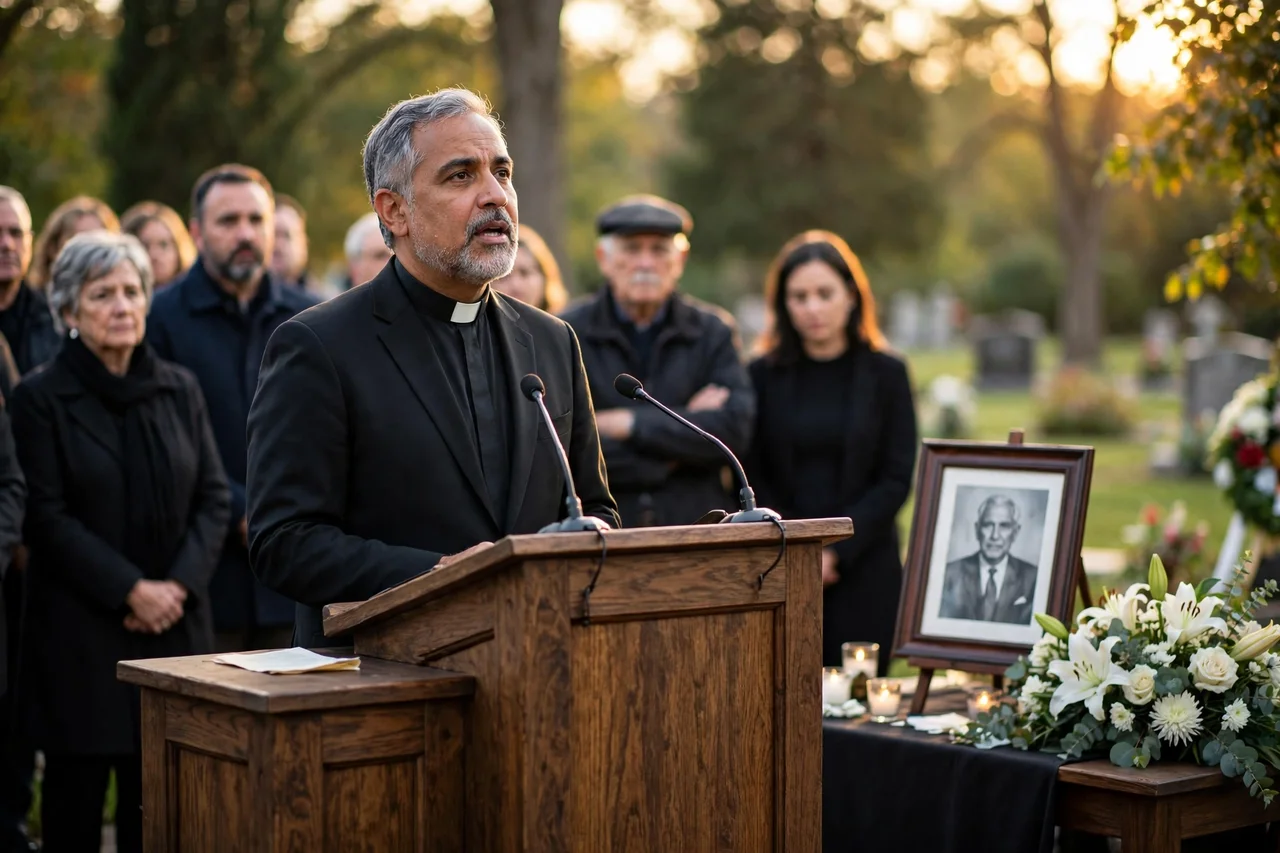
13. Funeral Officiating and Celebrant Services
Families need a human to honor their dead with grace, empathy, and presence. The most AI-proof niche is the most human one.
Celebrants earn $300 to $800 per service. It is meaningful work with steady demand and almost no competition from technology.
Your reputation is the ultimate AI-proof asset — protect it fiercely with every project.
How to Transition Into an AI-Proof Niche
Step one is honest assessment: rate your current niche on physical presence requirements, licensing barriers, trust depth, and judgment complexity. Score low on all four? Start planning your move now — you have a 2 to 3 year window before AI pressure intensifies.
Step two is bridge-building: identify the closest AI-proof adjacent niche. A general copywriter moves toward conversion strategy; a logo designer moves toward brand identity consulting; a data entry clerk moves toward bookkeeping. Adjacent moves preserve your existing skills and client base. If you need flexible, home-based work, start with freelance niches for stay-at-home parents.
Step three is credentialing where it counts. Some AI-proof niches require licenses (trades, therapy, inspection, financial planning) — these barriers are features, not bugs. They protect your rates for decades. Start the certification process while still earning in your current niche.
Step four is repositioning: update your portfolio, website, and profiles to lead with judgment and outcomes, not deliverables. “I help SaaS companies reduce churn through onboarding strategy” is AI-proof positioning; “I write blog posts” is not. The repositioning itself often doubles your rates.
Frequently Asked Questions
Will AI really not replace these niches?
No niche is 100% immune forever, but these share structural defenses: physical presence requirements, licensing barriers, deep trust relationships, or high-stakes judgment. They will be among the last affected, giving you decades of runway.
Should I use AI tools in an AI-proof niche?
Absolutely — that is the winning move. A wedding photographer using AI for culling and editing delivers faster and earns more. AI-proof means AI cannot replace you, not that you should ignore it.
Which AI-proof niche pays the most?
Crisis PR, executive coaching, and financial planning top the list ($150-$500/hour). Licensed trades and home inspection offer the best income-to-training-time ratio.
How do I transition into an AI-proof niche?
Start with adjacent skills you already have. A writer becomes a crisis PR consultant; a teacher becomes a special needs tutor. Bridge with certifications where required (trades, therapy, inspection).
Are online-only freelancers doomed?
Not at all — but favor niches requiring judgment over production. Strategy, consulting, and relationship-driven work survive; pure content production faces the most pressure. Move up the value chain. If you prefer working solo, see profitable freelance niches for introverts.
How do I know if my current niche is at risk from AI?
Ask: does it require physical presence, licensed judgment, or deep trust relationships? If none of those, assume AI pressure within 2 to 3 years. Pure content production faces the most immediate disruption.
Should I abandon my current freelance niche?
Not necessarily — move upmarket instead. A general writer becomes a conversion copywriter; a basic designer becomes a brand strategist. Higher judgment, higher pay, lower AI risk.
What skills should I learn to stay relevant?
Client communication, strategic thinking, and niche expertise. Technical skills can be automated; the ability to understand a client’s business and recommend the right solution cannot.


