
Firefighters already have skills most people will pay for: calm under pressure, safety training, physical fitness, and experience the public trusts. The best side hustles for firefighters build on that training and fit a shift schedule, with work you can pick up on off days and drop when your crew needs you. The ideas below avoid anything that competes with your department or creates a conflict of interest — always check your department’s outside-employment rules first. Start with the gig that matches your certifications and the days you actually have free. If you want more ideas that fit a shift schedule, legit side hustles for nurses on days off follows the same shift-friendly logic.
1. Teach Fire Safety Classes for Schools and Workplaces
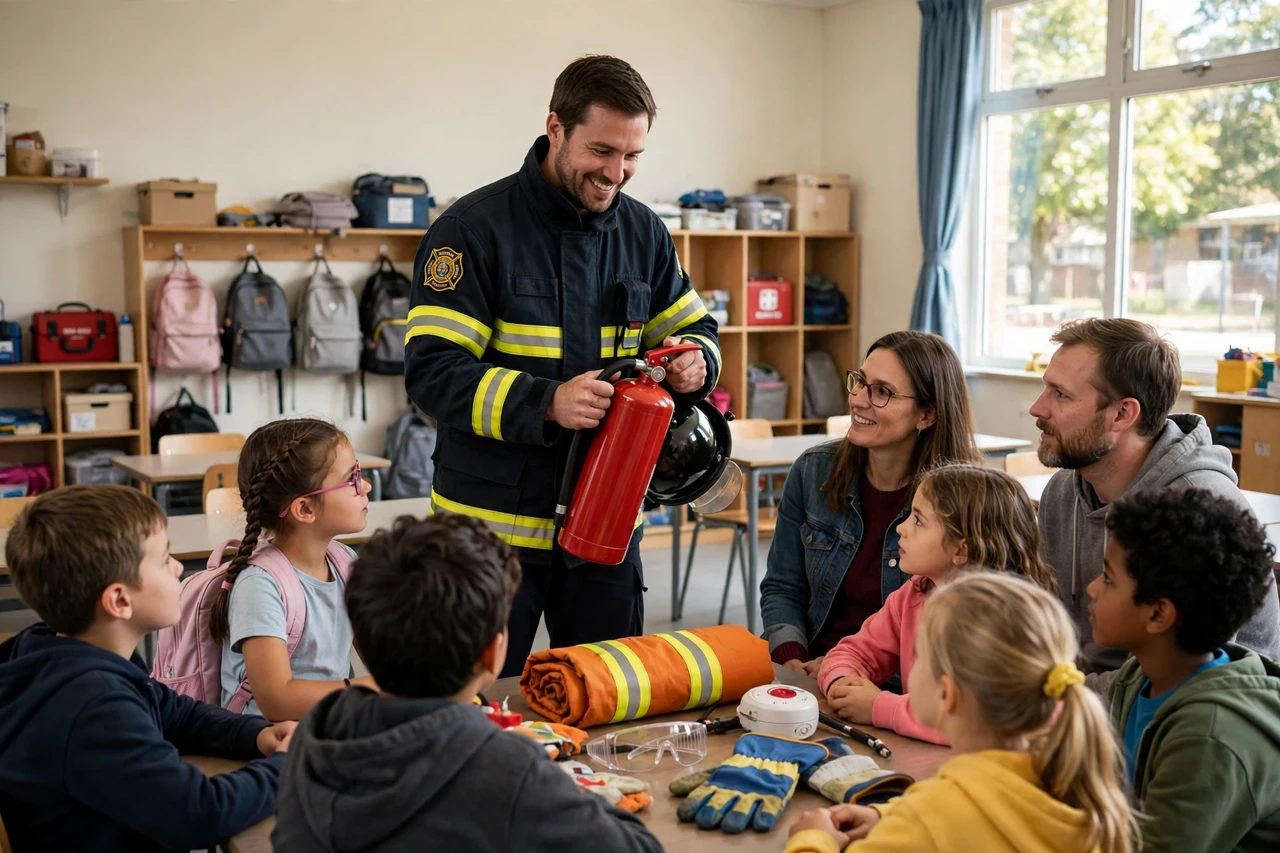
Schools, daycare centers, offices, and apartment buildings all need fire safety training, and a working firefighter is the most credible person to deliver it. You can offer short sessions covering escape plans, extinguisher basics, and kitchen fire prevention, tailored to each audience — children need simple, memorable rules, while workplaces want evacuation procedures and alarm drills. Charge per session, keep your materials simple and visual, and ask each client for a reference you can share with the next school or business. This is meaningful work that uses your real experience, and it usually happens during daytime hours on your off days.
2. Install Smoke Alarms and Run Home Safety Checks
Many homeowners know they should have working smoke alarms on every level, but they never get around to installing them correctly. As a firefighter, you can offer a home safety visit: check existing alarms, install new ones in the right locations, test carbon monoxide detectors, and walk the family through a basic escape plan. Charge a flat fee per home, keep common alarm models and batteries in your kit, and leave a simple written checklist behind. Seniors and new homeowners are especially grateful for this service, and referrals from one happy household often lead to several more on the same street.

3. Inspect Fire Extinguishers for Small Businesses
Small businesses — restaurants, salons, shops, and offices — are required to keep their fire extinguishers inspected and up to date, but many owners forget until an inspection is due. If you hold or can obtain the relevant certification in your state, you can offer a mobile inspection service that checks pressure gauges, expiration dates, mounting, and access, and flags units that need replacement or professional servicing. Keep your scope clear: you are inspecting and advising, not servicing pressurized equipment beyond your certification. Set a per-visit rate, schedule several businesses in one area on the same off day, and build a route of regular clients who need annual checks.

4. Work Event Safety and Crowd Control at Concerts and Games
Concerts, festivals, and sports games hire event safety staff to manage crowds, watch exits, and respond calmly when something goes wrong — work that suits a firefighter’s training perfectly. Event staffing companies and venues post shifts you can pick up on your off days, with evening and weekend hours that fit a shift schedule. Pay is typically hourly, and larger events pay more for experienced staff. You will need to stay alert, communicate clearly with a team, and handle the occasional difficult guest, but the atmosphere is usually fun, and you get to be part of events you might attend anyway.

5. Drive a Tow Truck on Call Shifts
Tow companies need reliable drivers for on-call and part-time shifts, and firefighters are a natural fit: you are used to responding quickly, working odd hours, and staying calm around accidents. You will need the appropriate driver’s license for the truck class in your state, and some companies provide training on winching and loading. Shifts can be scheduled around your fire department roster, and pay is often a mix of hourly wages and per-call bonuses. This is physical, outdoor work with real variety — no two calls are the same — and it keeps your driving and scene-safety skills sharp.

6. Clean Chimneys and Dryer Vents Between Shifts
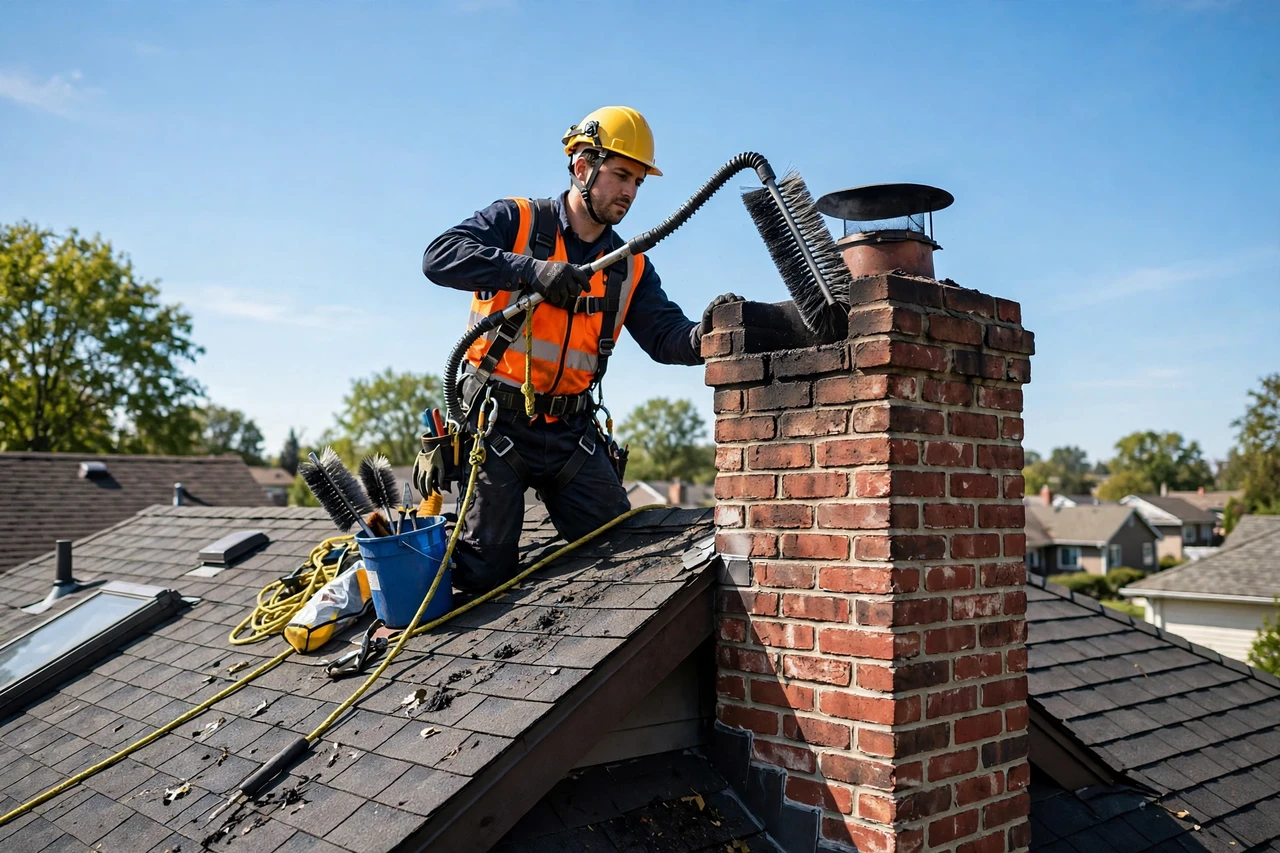
Chimney sweeping and dryer vent cleaning are essential fire-prevention jobs that homeowners put off, which makes them a steady side income for someone who understands the risks. Dryer vents in particular are a genuine fire hazard when clogged with lint, and a thorough cleaning takes under an hour with the right brushes and vacuum. Learn the proper techniques, invest in basic professional tools, and be clear about the limits of your service — for example, referring structural chimney repairs to a specialist. Advertise in fall, when homeowners think about heating season, and offer a simple annual reminder service to bring clients back each year.
7. Clear Storm Debris and Fallen Branches After Storms
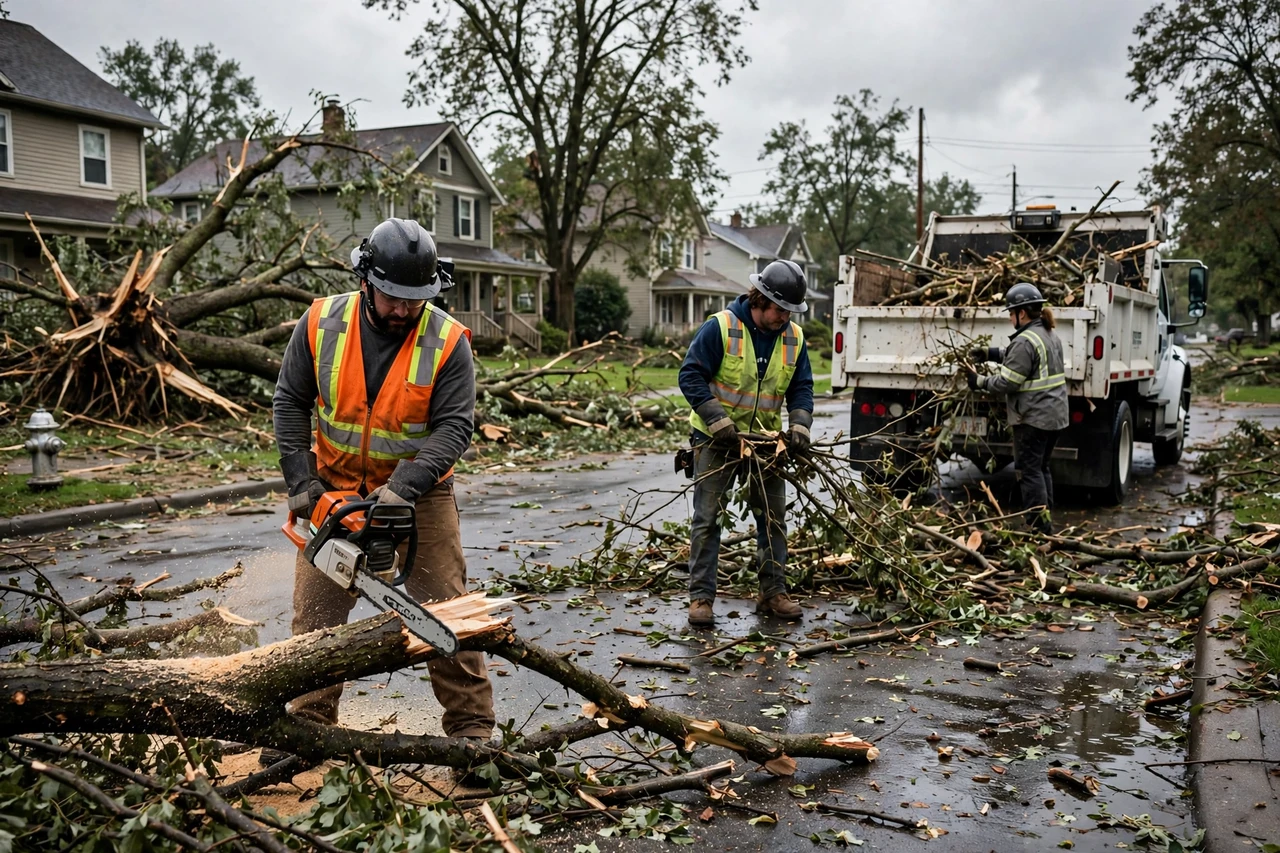
After a storm, homeowners need fallen branches, broken limbs, and scattered debris cleared quickly, and a firefighter’s experience with chainsaws and scene safety is a real advantage. Offer cleanup as a team with a trusted partner, bring proper protective gear, and price jobs after a quick on-site look rather than guessing over the phone. Be careful about scope: leave work near power lines, on roofs, or involving large hanging limbs to licensed tree services. Storm work is seasonal and weather-dependent, which fits well around a fire schedule, and neighbors who see you working hard on one property will often ask for help with their own.
8. Coach a Youth Fire Explorer Post
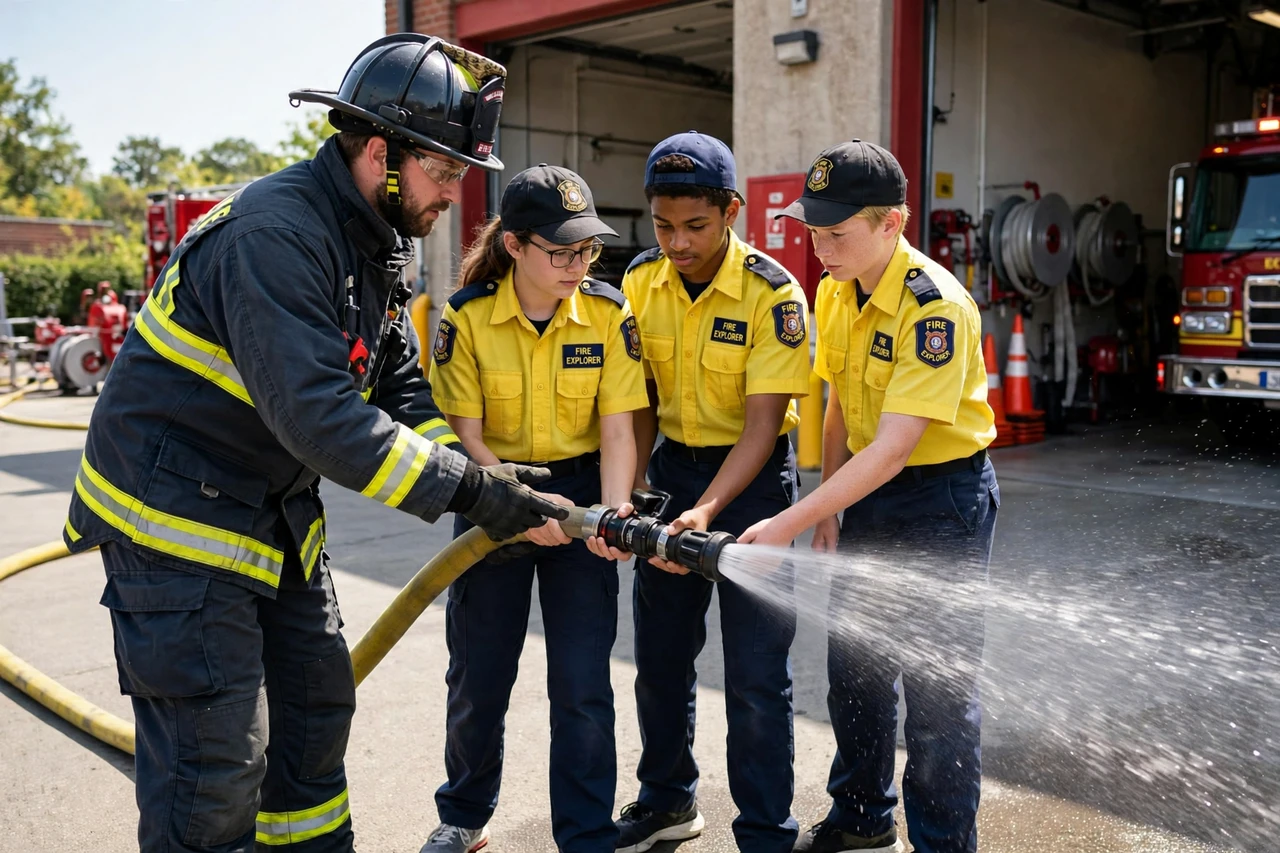
Fire Explorer programs introduce teenagers to the fire service through training, drills, and community service, and they need adult advisors who are active firefighters. Some posts pay advisors a stipend, while others are volunteer roles that lead to paid training or speaking gigs — either way, it is a rewarding way to use your experience. You will teach basic skills, mentor young people interested in public service, and help run competitions and community events. If you enjoy teaching and want a side gig with purpose rather than just pay, this is one of the most satisfying options on this list.
9. Do Home Watch Checks for Vacationing Neighbors
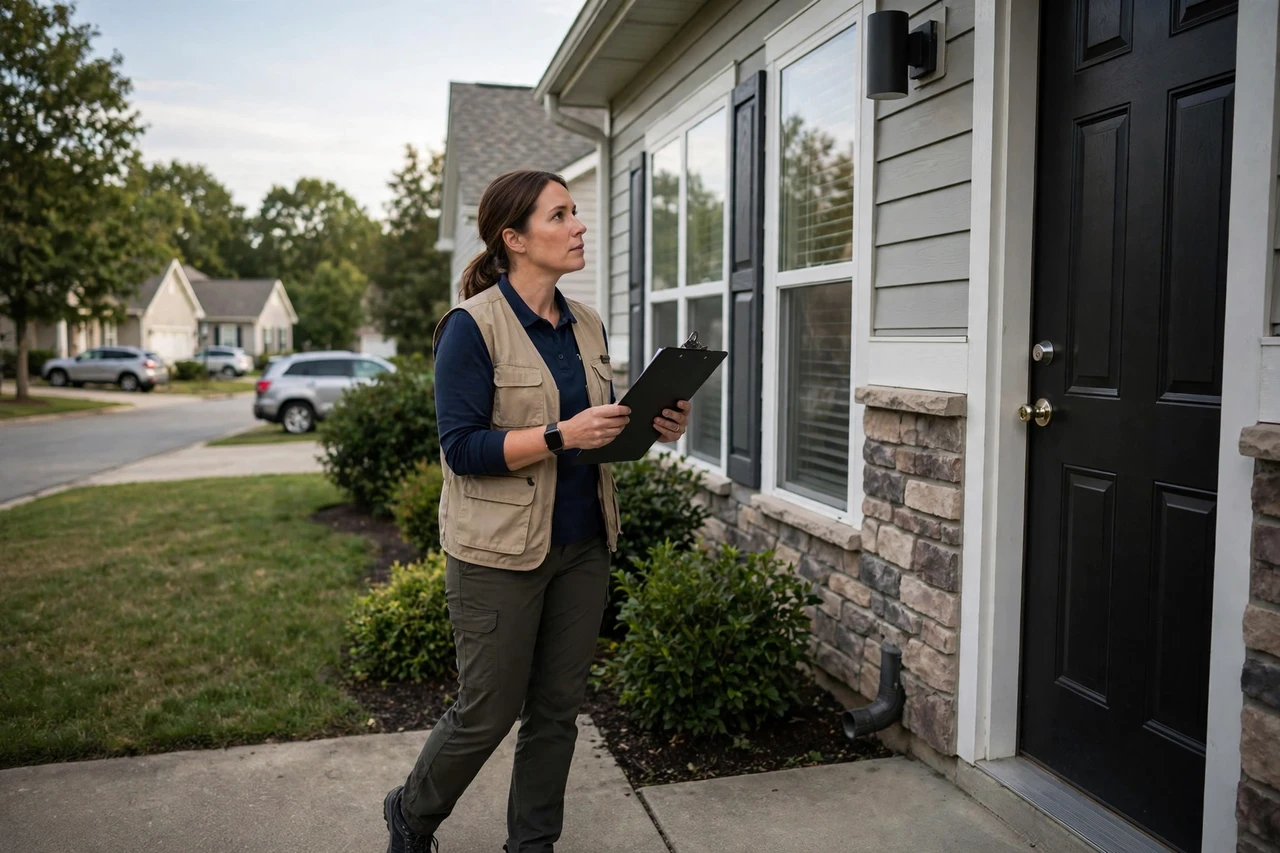
When neighbors travel, they worry about leaks, package theft, and storm damage, and a firefighter is a reassuring choice for regular home watch visits. Offer a simple service: visit the home on a set schedule, check for leaks and damage, collect mail and packages, run the taps briefly, and send the owner a short photo report after each visit. Charge per visit or per week, keep a written checklist for each home, and carry basic liability coverage. This gig fits easily around shift work because visits are short and scheduled in advance, and snowbirds and frequent travelers can become steady seasonal clients.
10. Teach Rope Rescue Basics to Outdoor Clubs
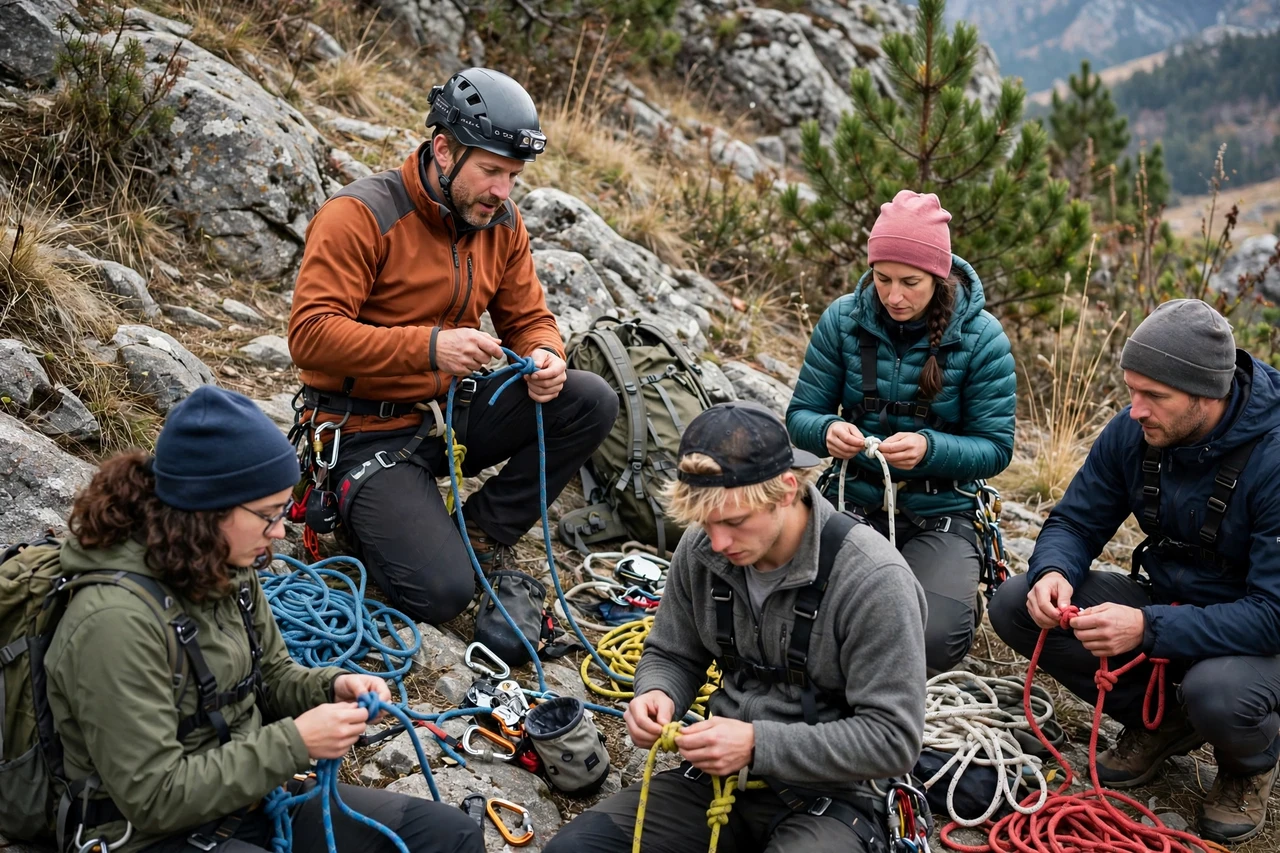
Hiking clubs, climbing gyms, and outdoor recreation groups want practical rope skills — knots, anchors, belaying basics, and simple rescue techniques — and a firefighter with rope rescue training can teach them. Offer half-day workshops at a local climbing gym or outdoor area, keep groups small for safety, and focus on skills beginners can actually use on the trail. Charge per person, provide a printed knot guide to take home, and be clear that this is introductory education, not a professional rescue certification. Outdoor enthusiasts value an instructor with real rescue experience, and a good workshop often leads to invitations from other clubs.
Frequently Asked Questions
Can firefighters legally have a side hustle? Most departments allow outside employment with approval, but rules vary. Check your department’s policy, disclose the work if required, and avoid any gig that competes with your department or uses department equipment or uniforms for private gain.
What is the best side hustle for a firefighter’s shift schedule? Gigs you schedule yourself — home safety checks, extinguisher inspections, and classes — fit best, because you control the calendar. On-call work like towing also works if the company lets you set your availability around your roster.
Do I need extra certification for these side hustles? Some do: extinguisher inspection and chimney work may require state or industry certification, while safety classes and home checks mainly rely on your existing fire service training. Always verify the requirements in your state before advertising a service.
How much can firefighters earn on off days? Rates vary by area and gig, but safety classes and inspections typically pay per session or per visit, event safety pays hourly, and skilled trade-style work like vent cleaning pays per job. A few off days a month can add up to several hundred dollars. For more weekend-only ideas, see weekend side hustle ideas.
Should firefighters avoid emergency-related side work? Avoid anything that could be confused with your official duties, such as private emergency response or using department resources. Stick to education, prevention, and clearly private services, and keep your side work separate from your department role.