Most digital products earn you a one-time payment — nice, but then you are back to hunting for the next sale. The real wealth builders are digital products that pay you every month: memberships, subscriptions, and licensed assets where customers pay again and again for ongoing access. Build the product once, and the revenue keeps arriving on autopilot.
Recurring revenue changes the math of your business completely. Instead of needing hundreds of new buyers every month, a few hundred loyal subscribers paying monthly can replace a full-time income. The eight models below are proven ways creators earn predictable, compounding income from digital products.
Here is how each one works and how you can start your own.
1. Patreon-Style Fan Memberships

A fan membership turns your audience into monthly income. Creators on platforms like Patreon charge $5 to $25 per month for exclusive content — bonus videos, early access, behind-the-scenes posts, or a private community. The product is your ongoing creative output, packaged into tiered memberships that fans happily renew.
This model works in almost any niche: artists sharing process videos, writers publishing bonus chapters, musicians releasing demos, or educators posting extra tutorials. Start with two or three simple tiers, deliver consistently for 90 days, and watch compounding subscriber growth do the rest. Even 200 members at $10 per month is $2,000 in predictable monthly revenue.
2. Monthly Canva Template Clubs

Instead of selling template packs once, run a club that delivers fresh Canva templates every month. Social media managers, coaches, and small businesses need new graphics constantly, and a $9 to $19 monthly subscription that drops 30 new templates into their inbox is an easy yes. The recurring format also gives you a reason to email members monthly, which keeps churn low.
Niche your club tightly — real estate social templates, therapist Instagram packs, or restaurant promo graphics — so members feel the content is made exactly for them. Deliver through a simple members area or even a shared Google Drive folder when starting out, and upgrade to a proper platform as you grow.
3. Lightroom Preset Subscriptions
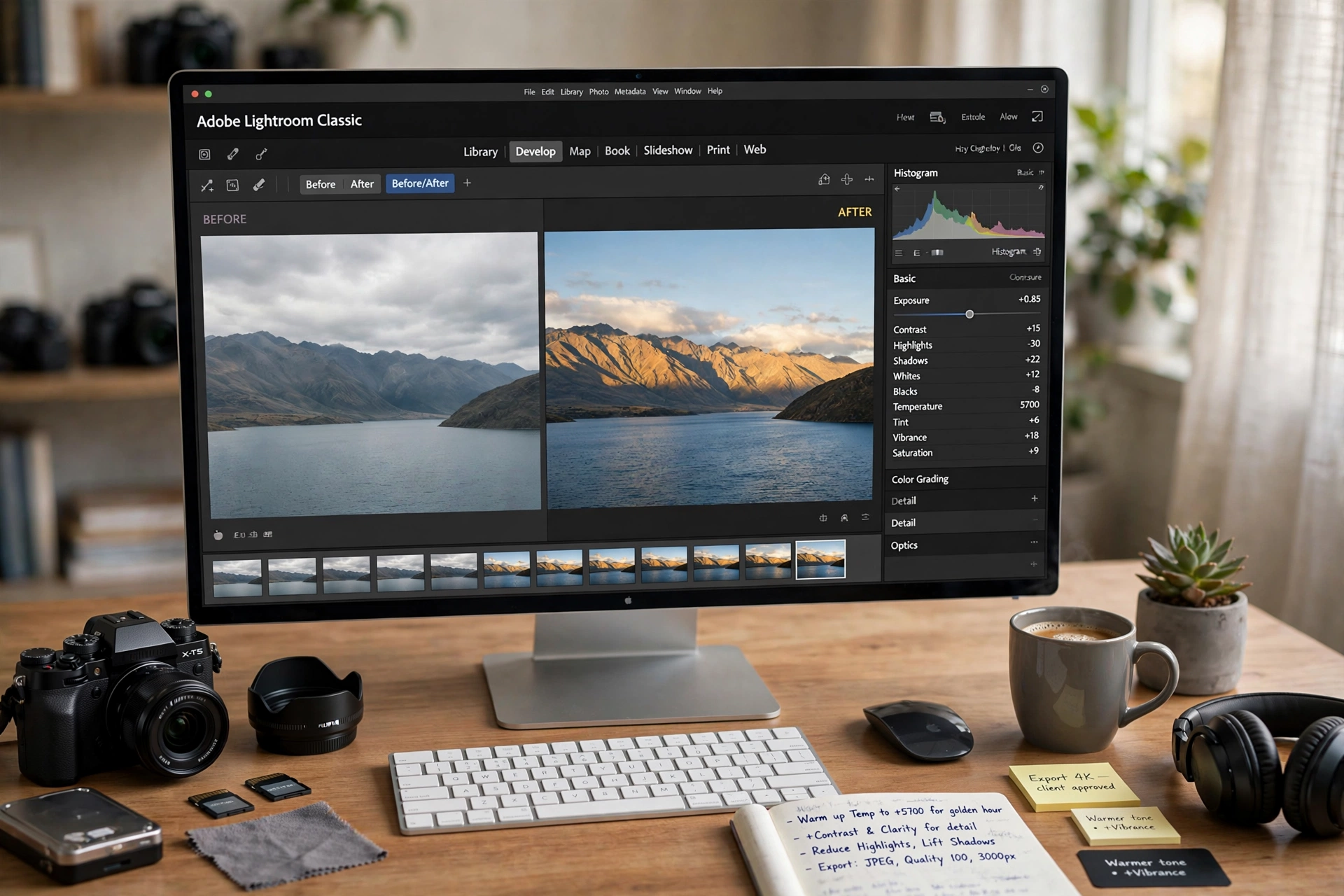
Photographers and influencers are always chasing the next aesthetic, which makes Lightroom presets a natural subscription product. Rather than selling one preset pack forever, release a new themed collection monthly — moody autumn tones, bright summer edits, vintage film looks — and charge a monthly fee for access to the growing library.
Price subscriptions at $7 to $15 per month and keep a free sample pack as your lead magnet. Photography niches with passionate followers — weddings, travel, food photography — convert best because their audiences constantly want fresh looks for their feeds.
4. Font Licensing with Annual Renewals

Font designers have quietly built one of the best recurring models in digital products: license fonts with annual renewals. Instead of a one-time purchase, commercial licenses renew yearly, meaning every business customer pays you again every 12 months. A single popular font family can generate renewal revenue for a decade.
You do not need to be a master type designer to start — begin with display fonts and hand-lettered styles, which have lower technical barriers than full text families. Sell through your own site or marketplaces that support subscription licensing, and offer a discounted multi-year option to lock in long-term customers.
5. WordPress Plugin Subscriptions
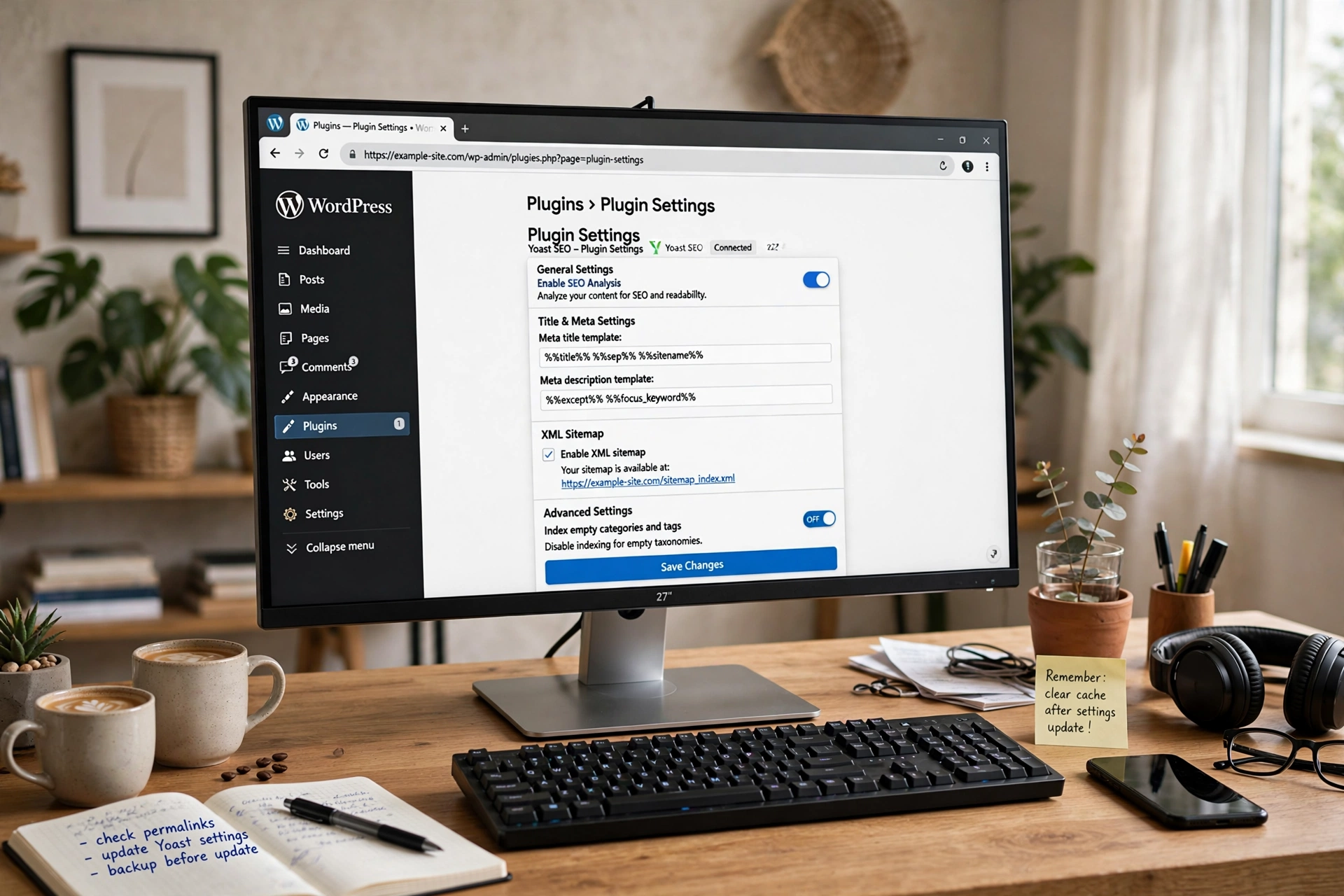
WordPress powers over 40 percent of the web, and plugin developers earn recurring income through yearly license renewals. Build a plugin that solves one painful problem — booking forms, SEO helpers, speed optimization — and charge $49 to $99 per year for updates and support. Site owners renew because losing updates means losing security.
You do not need to code everything from scratch; start by extending existing open-source tools or hiring a developer for a focused build. The WordPress ecosystem rewards narrow, well-supported plugins, and even a few hundred active licenses create serious annual recurring revenue.
6. Monthly Printable Packs

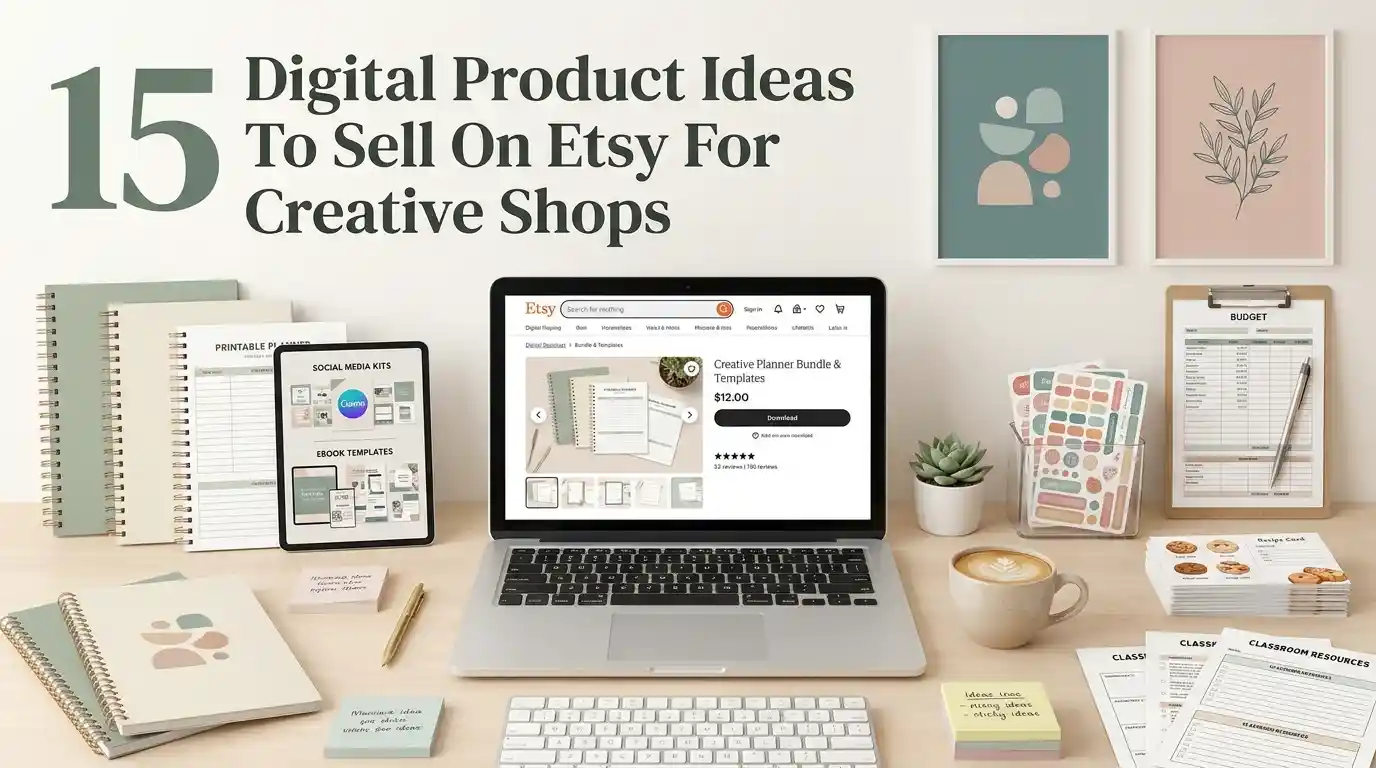
Printable lovers are collectors, and a monthly printable pack feeds that habit perfectly. Subscribers pay $8 to $15 per month to receive a fresh bundle — planners, wall art, stickers, and journal pages in a seasonal theme. It is the subscription-box model applied to digital goods, with zero shipping costs.
Seasonal themes make each month feel like an event: back-to-school organizers in August, cozy autumn planners in October, holiday gift tags in December. Promote the “never miss a month” angle, and offer an annual plan at a discount to boost cash flow and commitment.
7. Drip-Fed Course Memberships

Instead of selling a course once, drip-feed lessons monthly inside a membership. Members pay $19 to $49 per month to unlock new modules, join live Q&A calls, and access a community of fellow learners. The ongoing format justifies the recurring price and dramatically increases total customer value compared to a one-time course sale.
This works brilliantly for skills that take time to learn: languages, music production, coding, or fitness coaching. Release one solid module per month, add a community space for accountability, and your completion rates — and retention — will beat traditional courses by a wide margin.
8. Monthly Design Asset Drops
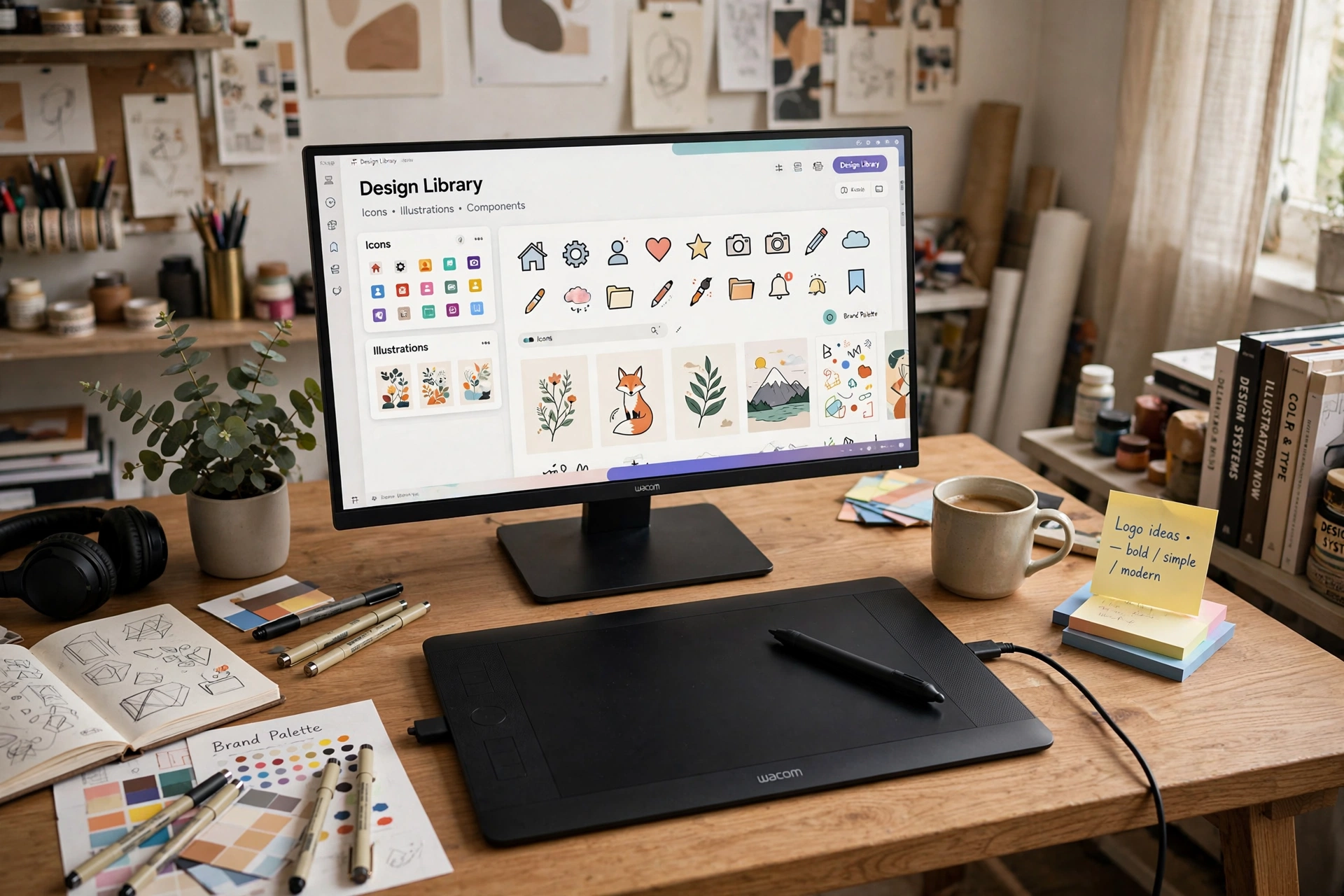
Designers never have enough assets, and a monthly drop of fresh icons, illustrations, textures, or mockups keeps them subscribed. Charge $12 to $25 per month for a curated bundle they can use in client work — commercial licenses make this an easy business expense for freelancers and agencies.
Consistency is everything: pick a release day, tease upcoming drops on social media, and build a public archive so new subscribers see the growing value. Over a year, your library becomes a moat that competitors cannot easily copy, and long-term subscribers become your most vocal promoters.
Frequently Asked Questions
What is the easiest recurring digital product to start?
A monthly printable pack or Canva template club is the easiest entry point. You already know how to make the underlying products, and the subscription layer is just a consistent release schedule plus a payment link. Start with 20 founding members at a low price to validate demand before building anything fancy.
How much can you earn from digital product subscriptions?
It scales with your audience. A small creator with 100 subscribers at $10 per month earns $1,000 monthly; established creators with 1,000+ subscribers can clear five figures monthly. The compounding effect means growth accelerates once you pass a few hundred loyal members.
Do I need a website to sell subscription digital products?
Not at first. Platforms like Patreon, Gumroad, and Substack handle payments, member management, and content delivery for you. Once you are earning consistently, moving to your own site with tools like MemberPress or Podia gives you more control and lower fees.
How do I keep subscribers from canceling?
Deliver value on a predictable schedule, communicate regularly, and build community among members. The number one churn killer is silence — members who forget why they subscribed will cancel. A monthly live call, behind-the-scenes updates, or member spotlights keep the relationship alive.
Are recurring digital products better than one-time sales?
For long-term income, yes. One-time sales require constant new customers, while subscriptions compound — each new subscriber adds to a growing base. Many successful creators run both: one-time products for discovery and cash flow, subscriptions for predictable monthly income.
What price should I charge for a digital product subscription?
Most creator subscriptions fall between $5 and $49 per month. Price based on the transformation you deliver, not the volume of content. A $19 monthly template club that saves a business owner five hours a week is a bargain; test pricing with a founding-member discount and raise rates as your library grows.
Building digital products that pay you every month is the closest thing to a money machine a solo creator can own. Pick the model that fits your skills, launch with a simple version, and focus on keeping your first subscribers happy — recurring revenue rewards patience, and every month your income base grows a little stronger.