Most first gardens fail for the same reason: not bad luck, but bad timing. Seeds go in too early and freeze, watering happens too much or too little, and nobody remembers what was planted where. A garden planner for beginners fixes all of that before you ever touch soil — it turns gardening from a guessing game into a simple schedule you can follow week by week.
The planners below are printable formats you can buy on Etsy, print at home, or build in a notebook. Each one handles a different piece of the first-year puzzle, from frost dates to harvest tracking. You do not need all fifteen — start with the first three, and add more as your garden grows. Most cost under $5 as a printable, and a single saved crop pays for the whole set.
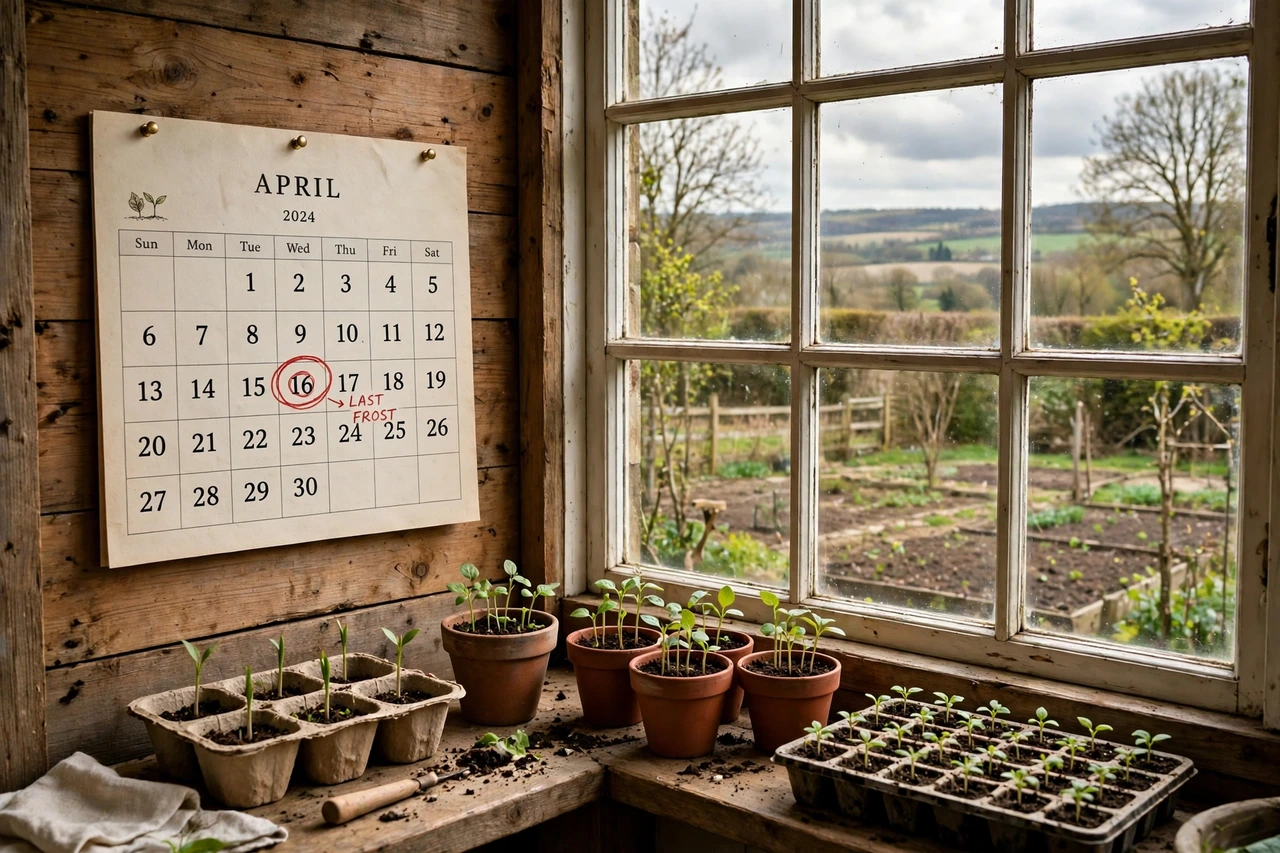
1. The Last Frost Date Planner
Your last frost date is the single most important date in gardening: it tells you when it is safe to plant tender crops like tomatoes, peppers, and basil outdoors. This planner records your area’s average last spring frost and first fall frost, then maps your planting windows around them so you stop losing seedlings to surprise cold snaps.
Look up your dates from your local extension service or a frost-date tool by zip code, and write them at the top of the planner in big letters. Everything else — seed starting, transplanting, harvesting — flows from those two dates, and getting them right is the difference between a garden that thrives and one that freezes in week one.
2. The Raised Bed Layout Planner
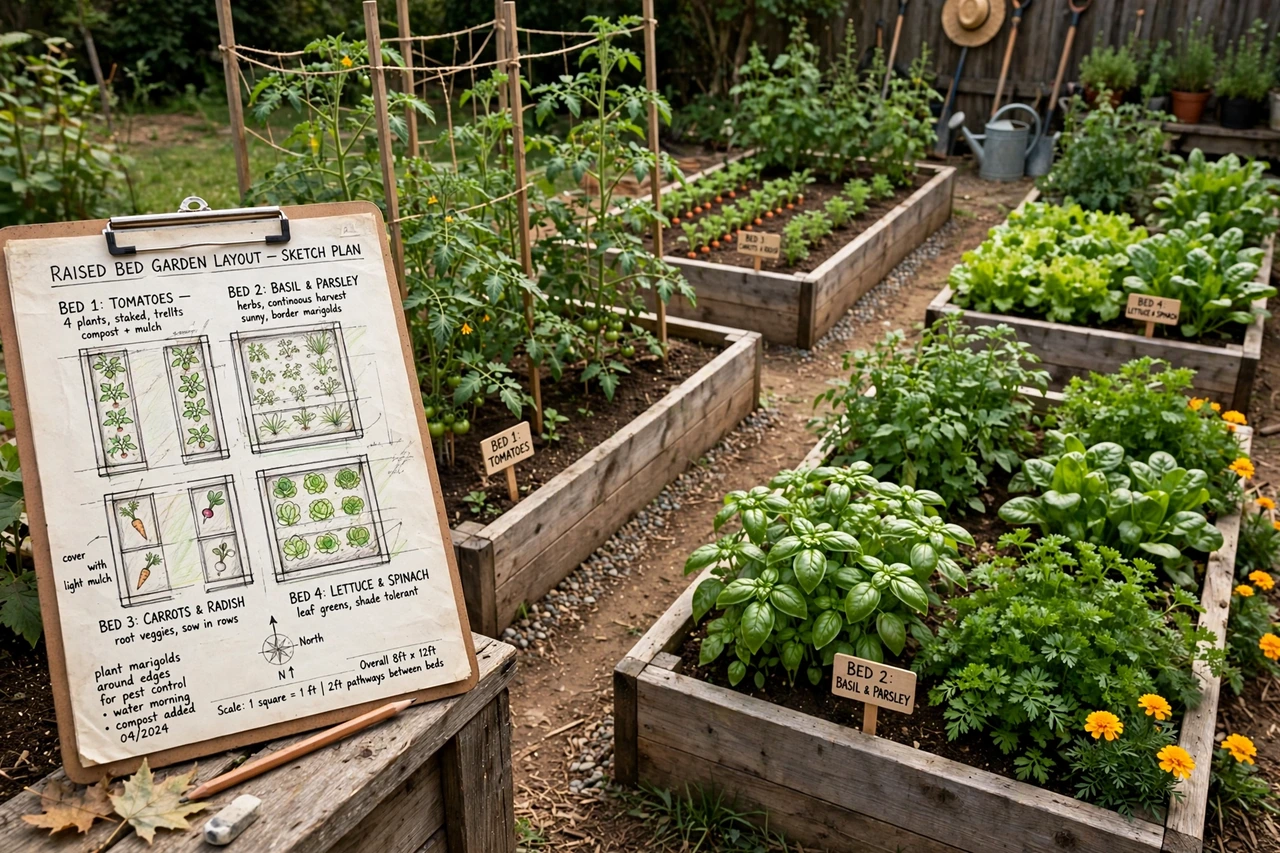
A raised bed planner is a grid where you draw your beds to scale and assign each square to a crop before planting season. It prevents the classic beginner mistake of planting everything too close together, then watching plants choke each other out by midsummer.
The golden rule to write on the planner: leave walking paths wide enough to kneel in, and never make a bed wider than you can reach across from one side — about four feet. Plan tall plants like tomatoes on the north side so they do not shade shorter crops, and you will be amazed how much a little drawing improves the harvest.
3. The Seed Starting Calendar
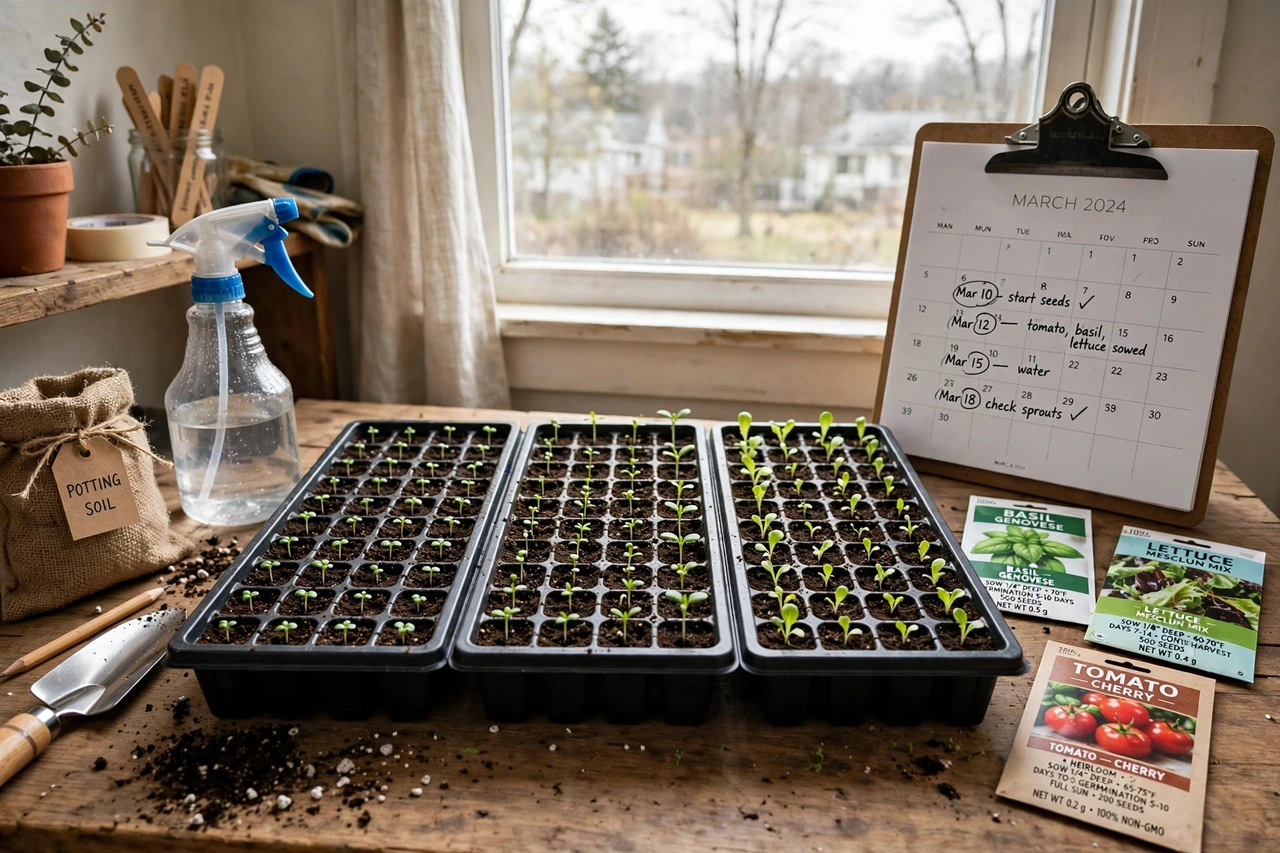
Some seeds start indoors weeks before the last frost, and some go straight into the ground — mixing those up is a top beginner error. A seed starting calendar lists each crop, whether it starts indoors or outdoors, how many weeks before the last frost to start it, and the transplant date.
Work backward from your last frost date: peppers and eggplants start 8 to 10 weeks before, tomatoes 6 to 8, cucumbers and squash just 3 to 4. The calendar turns a confusing wall of seed packets into a simple weekly checklist, and it is the planner that most directly prevents wasted seeds.
4. The Watering Schedule Tracker
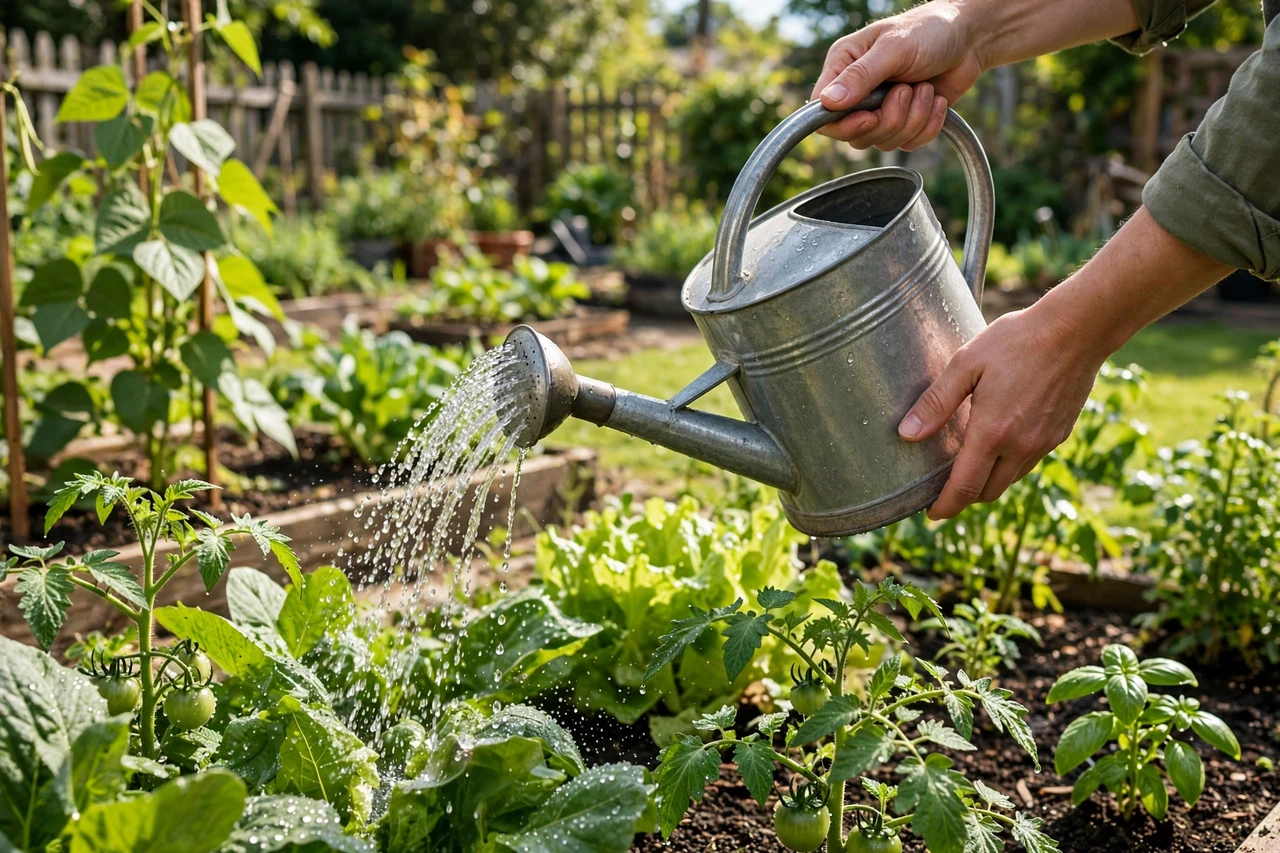
Overwatering kills more beginner plants than underwatering, usually because watering happens on a fixed schedule instead of by soil need. A watering tracker logs each watering date, the rainfall that week, and a quick soil-moisture check, so you water when plants need it — not just because it is Tuesday.
The habit to build: check the soil first by pushing a finger an inch deep. If it feels moist, skip watering; if dry, water deeply so moisture reaches the roots. Deep, infrequent watering grows stronger roots than daily sprinkles, and the tracker is what teaches you the difference.
5. The Companion Planting Planner
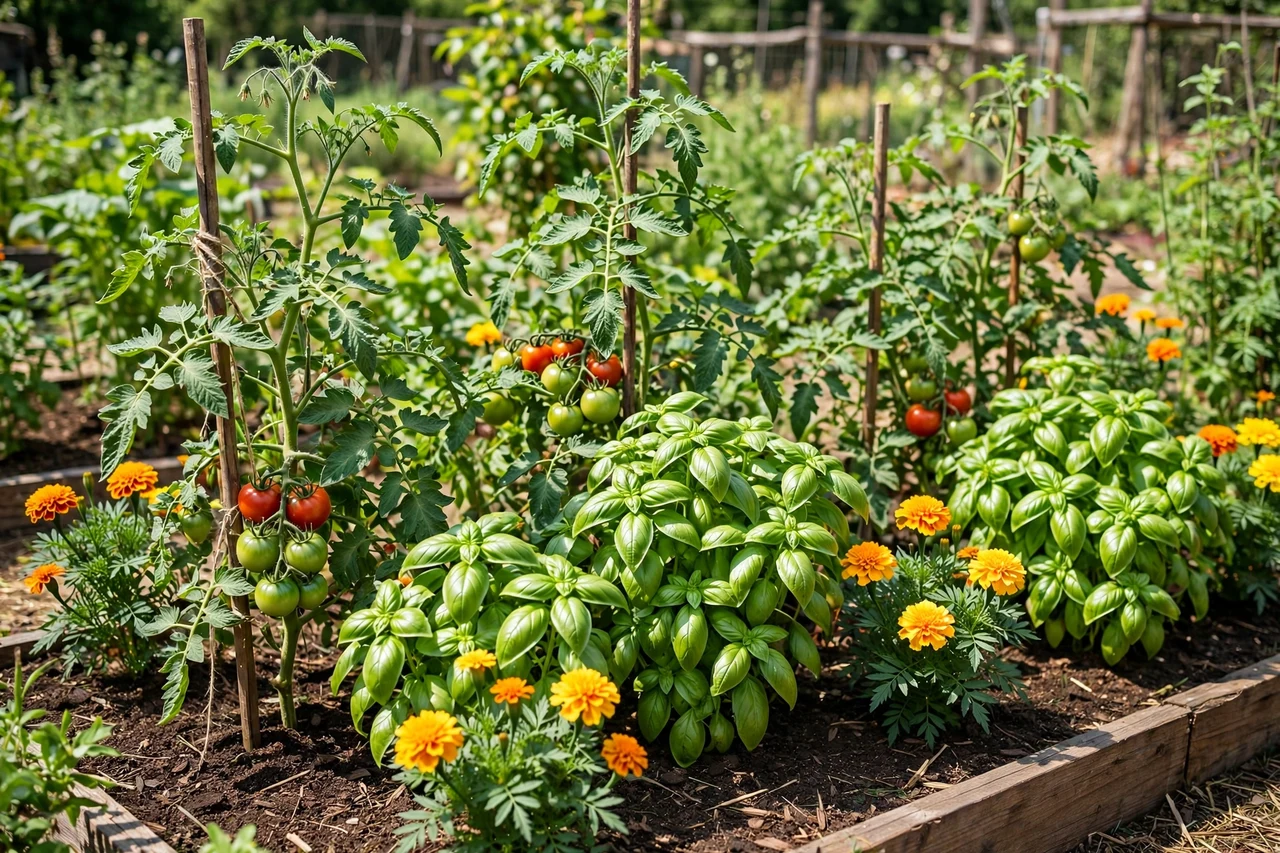
Companion planting means placing crops together that help each other: basil near tomatoes, marigolds near almost everything, beans near corn. This planner maps those pairings — and the bad neighbors to avoid, like onions near beans — so your layout works with nature instead of against it.
The biggest beginner win here is pest control without chemicals: marigolds repel nematodes, nasturtiums lure aphids away from vegetables, and herbs like dill attract beneficial insects. A good companion plan can cut pest damage noticeably, and it makes the garden more interesting to look at too.
6. The Vegetable Rotation Planner
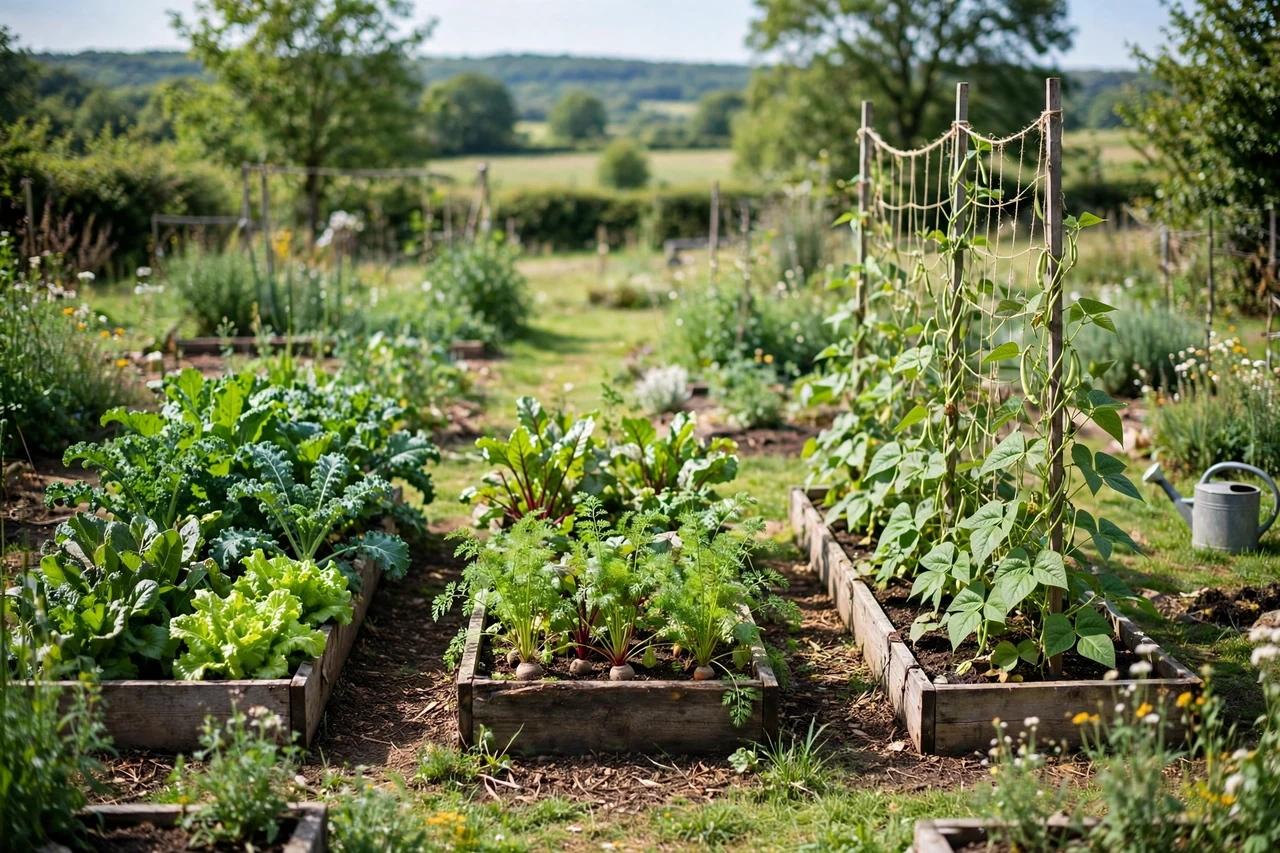
Crop rotation means not planting the same family in the same spot year after year, because doing so builds up soil diseases and drains the same nutrients. A rotation planner tracks which family grew in each bed over three or four years, so you rotate properly without having to remember last year’s layout.
The simple version uses four groups: roots, leaves, fruits, and legumes, rotating them through your beds each year. Legumes are the secret weapon — they add nitrogen to the soil, so the bed that held beans this year is the perfect spot for hungry crops like tomatoes next year.
7. The Herb Garden Planner
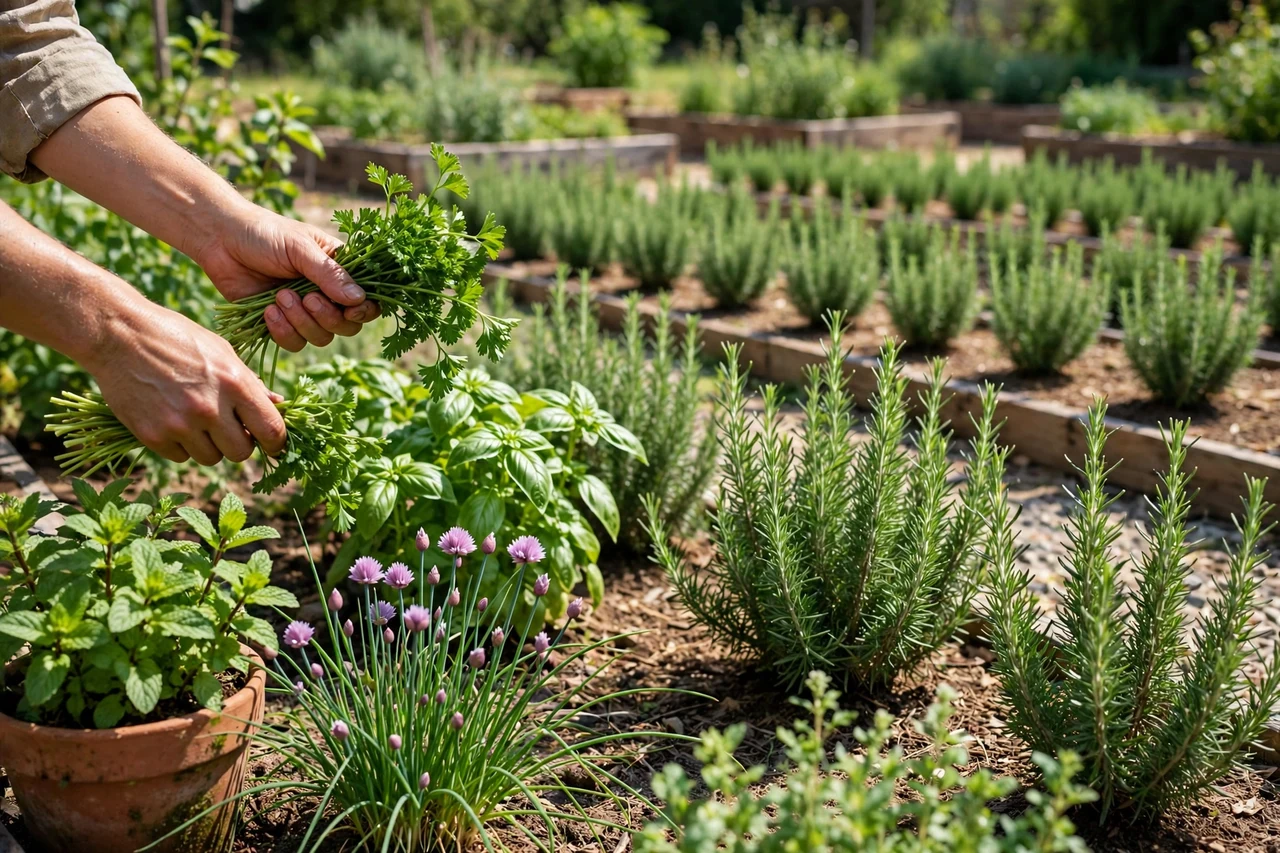
Herbs are the best first crop for beginners: they grow fast, tolerate small spaces, and get used daily in cooking, which makes the garden feel immediately rewarding. An herb planner maps which herbs you grow, whether they prefer sun or shade, and whether they spread aggressively — mint, famously, should always stay in a pot.
Start with five work horses: basil, parsley, chives, mint, and rosemary. The planner tracks harvest dates and drying or freezing plans, because the most common herb mistake is growing a beautiful plant and never cutting it. Herbs actually grow bushier the more you harvest them, so cut freely.
8. The Container Garden Planner
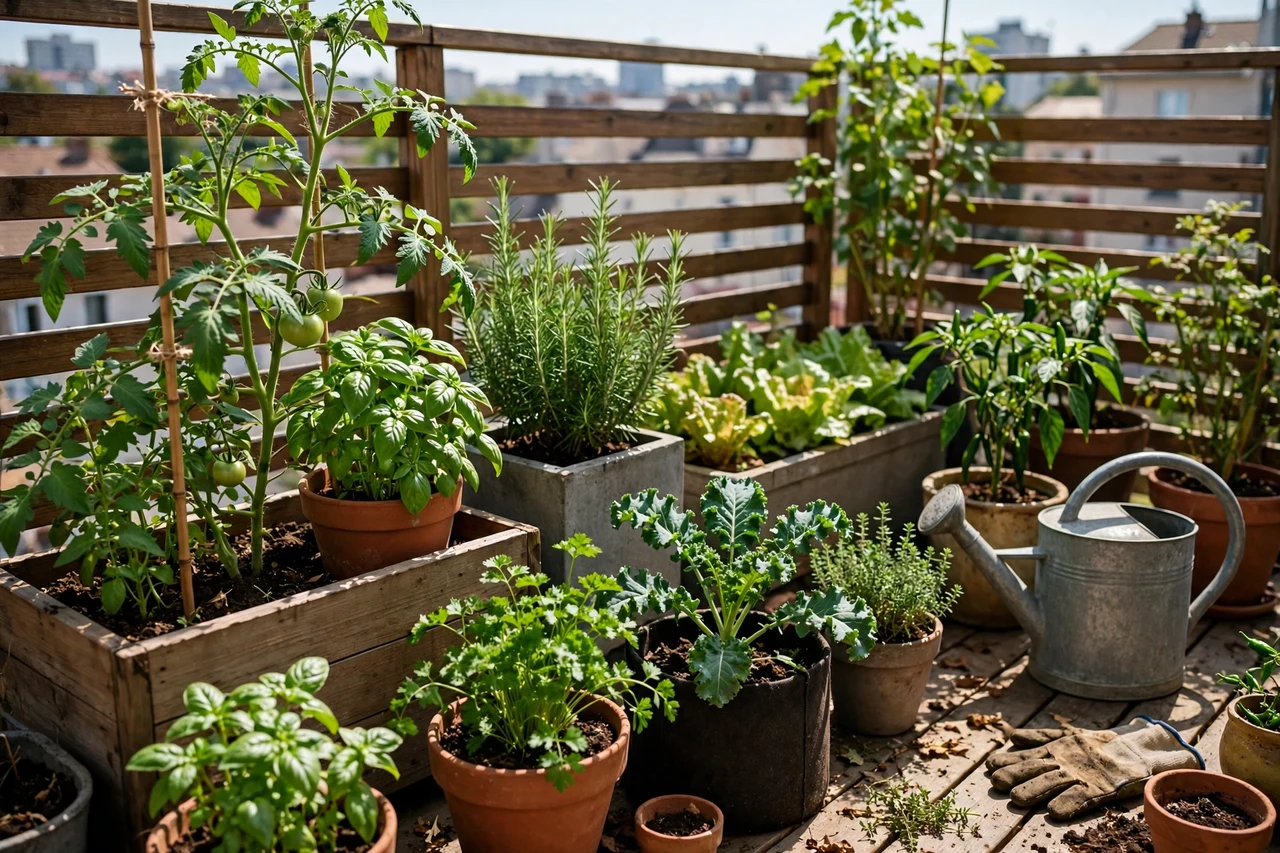
No yard? No problem. A container planner is designed for balconies, patios, and windowsills: it lists each pot, its size, what is planted in it, and its sun exposure. Container gardening has its own rules — pots dry out faster, need more frequent feeding, and must have drainage holes — and the planner keeps those rules visible.
The key number to record is pot size: most vegetables need at least five gallons of soil per plant, while herbs manage in one or two. A planner that tracks pot sizes prevents the classic balcony mistake of cramming a tomato into a tiny pot and wondering why it stays small.
9. The Pollinator Garden Planner
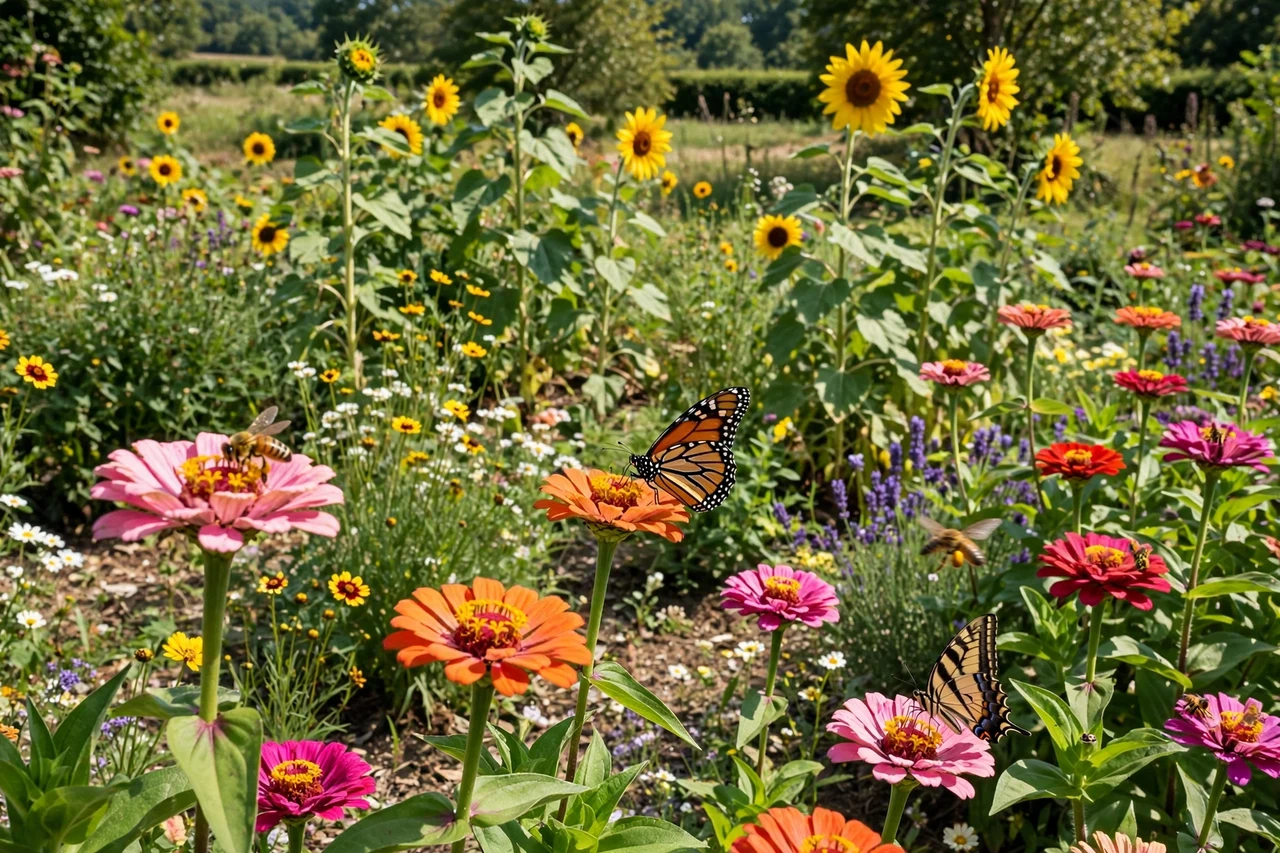
A pollinator planner focuses on flowers that feed bees, butterflies, and hummingbirds across the whole season, with something blooming from spring through fall. It maps bloom times so there is never a gap when pollinators find nothing to eat — and your vegetable garden benefits too, because more pollinators means better fruit set.
Choose native plants where possible, since local pollinators evolved with them, and include a water source and a patch of bare ground for ground-nesting bees. A pollinator section can be as small as one corner of a bed and still make a real difference to local wildlife.
10. The Soil Prep Checklist
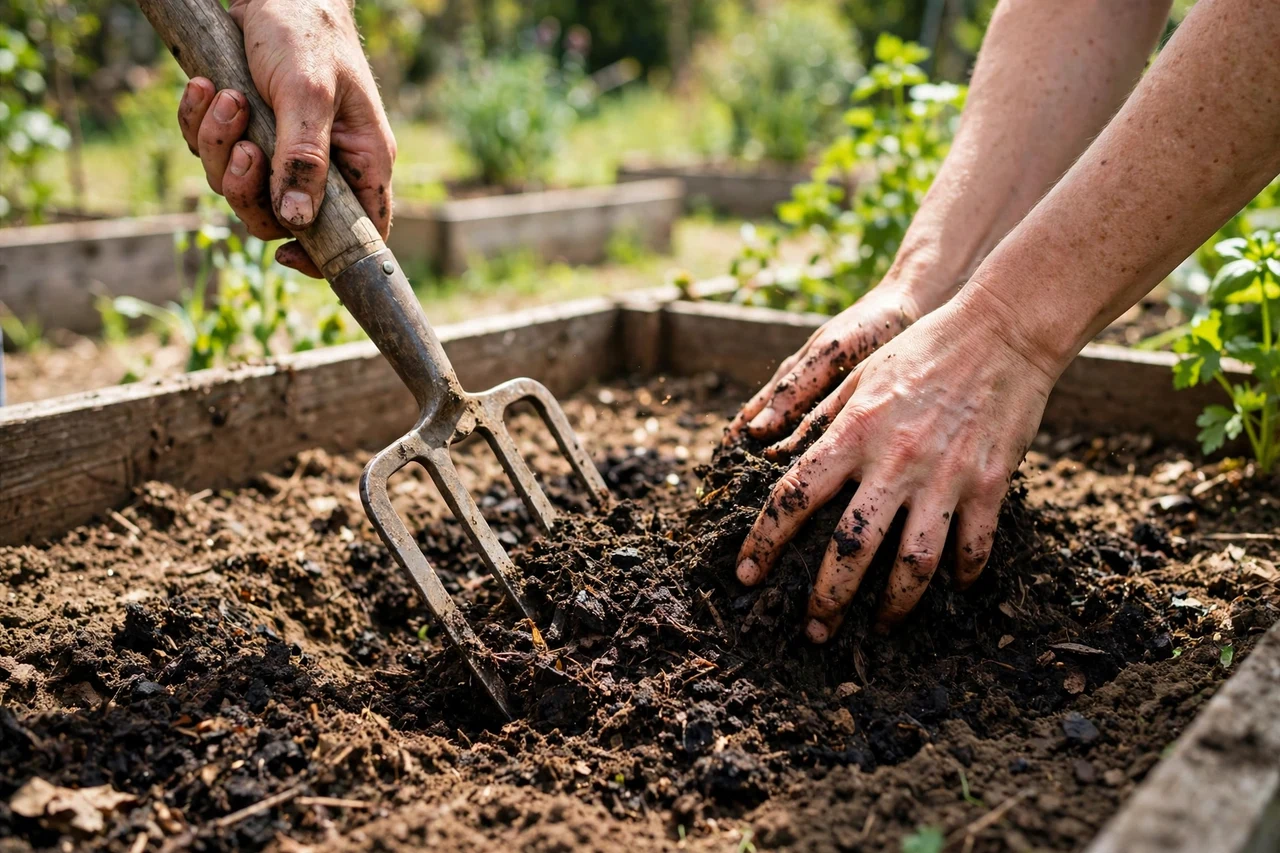
Good soil is the foundation of everything, and this checklist walks you through preparing it: testing pH and nutrients, adding compost, loosening compacted ground, and mulching. Beginners often skip soil prep and then wonder why plants struggle — this checklist makes sure you do not.
The single most valuable step is adding compost — two to three inches worked into the top of the bed — because compost improves drainage in clay soil, water retention in sandy soil, and feeds the soil life that feeds your plants. A soil test from your local extension service, usually under $20, tells you exactly what your soil needs instead of guessing.
11. The Harvest Tracker
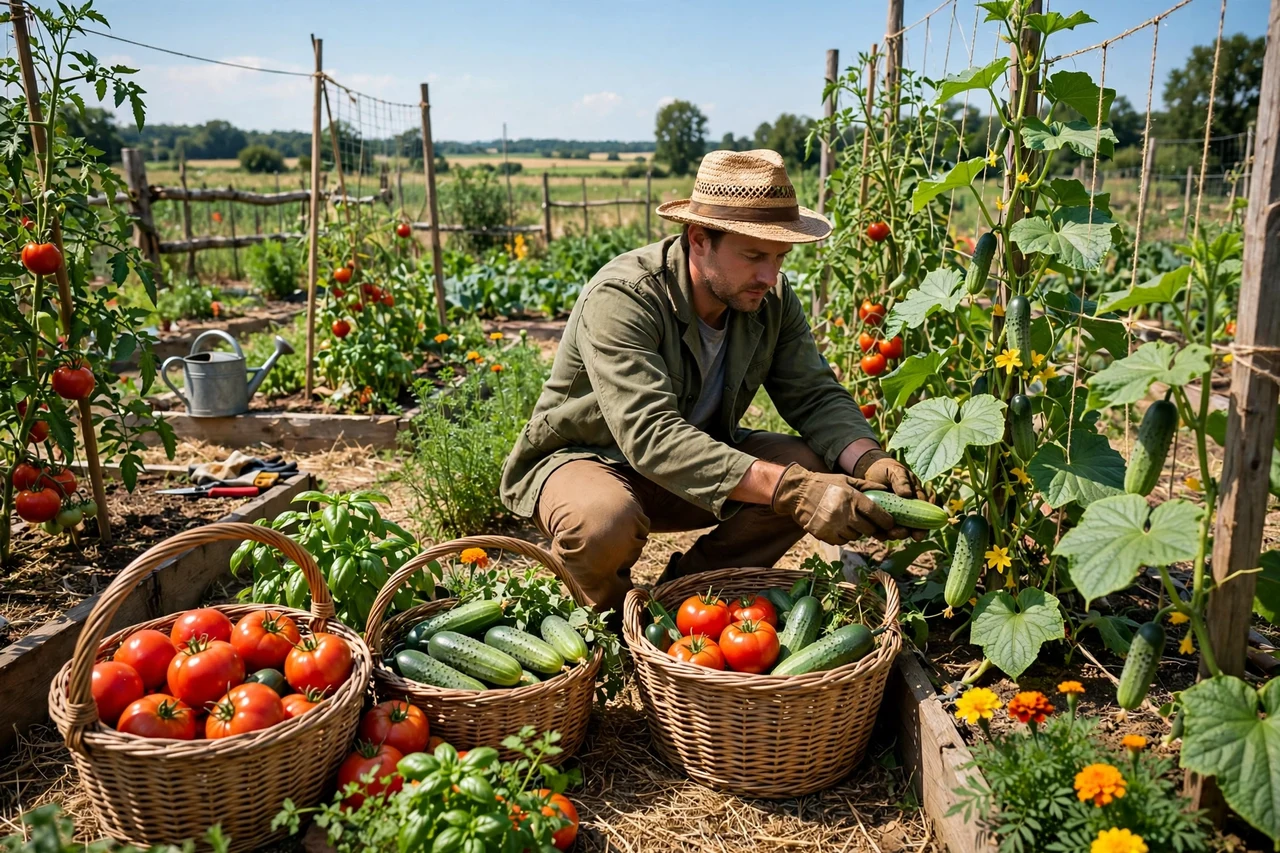
A harvest tracker logs what you picked, how much, and when — and it is the planner that turns gardening from a hobby into a satisfying record of results. Weighing your tomatoes or counting your cucumbers sounds fussy, but watching the totals climb through summer is deeply motivating, and it tells you which crops are actually worth the space next year.
The tracker also solves the “zucchini avalanche” problem: when one crop produces far more than you can eat, the log shows it early, and you can preserve, share, or freeze the surplus before it rots on the vine. Next year’s plan gets smarter because you have real numbers, not vague memories.
12. The Garden Budget Planner
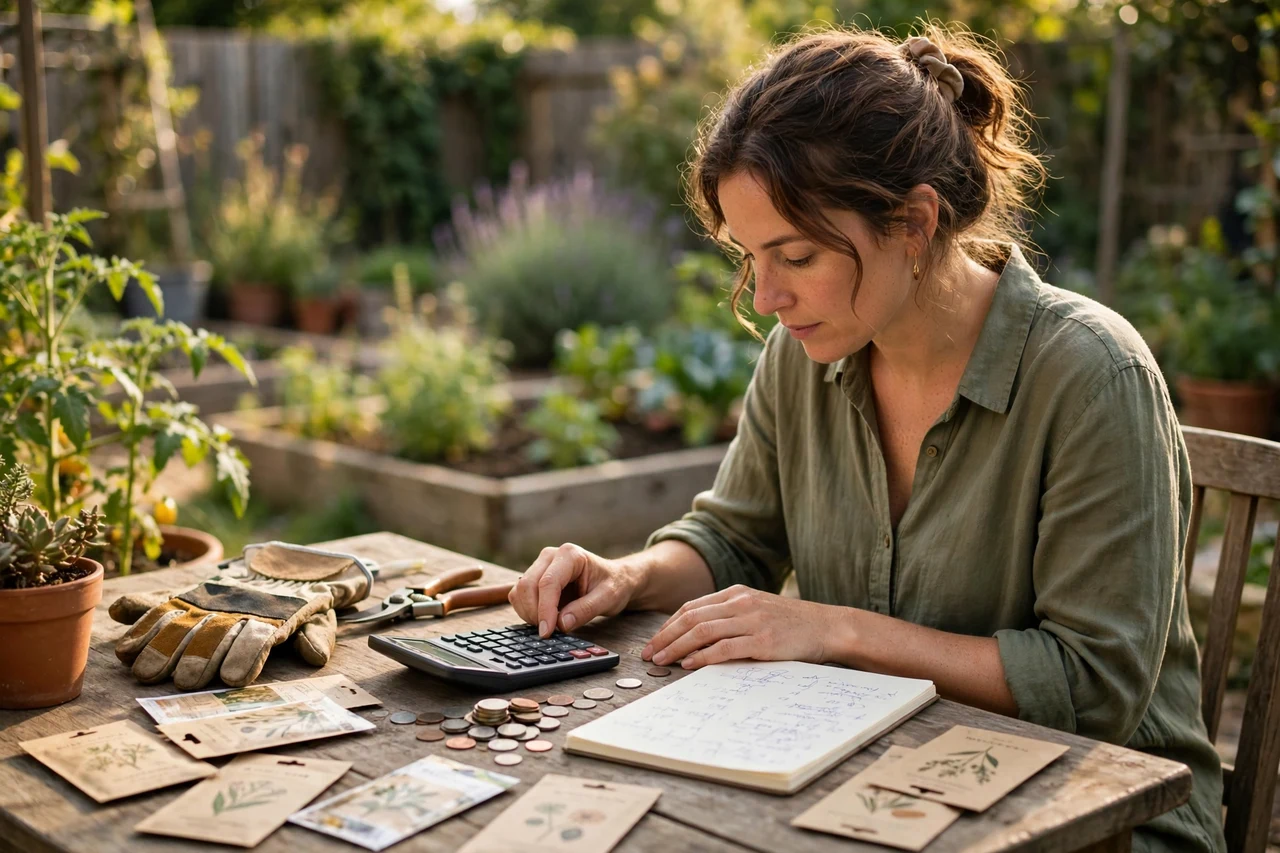
Gardening can save money or cost a fortune, and the budget planner is what decides which one happens. It lists seeds, soil, tools, and water costs against the value of what you harvest, so you can see whether your garden is actually paying for itself.
First-year costs are always highest because of tools and soil, so do not judge the garden on year one alone. The planner’s real value is stopping impulse buys — the tenth seed packet, the fancy planter — by making you check the budget first. Homegrown herbs and salad greens usually pay back fastest, because they are expensive to buy and cheap to grow.
13. The Kids Garden Planner
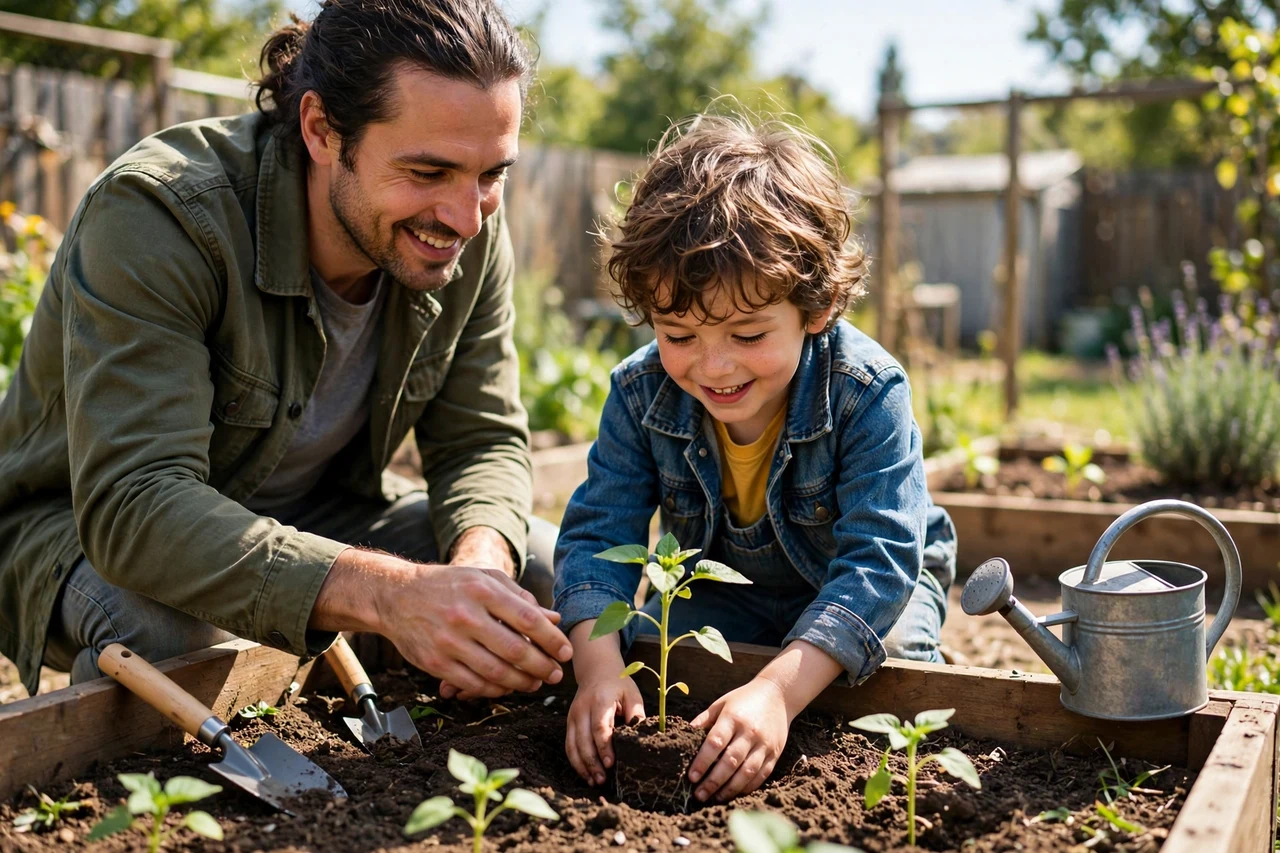
A kids garden planner gives children their own small plot and their own jobs: what they planted, when they watered, and what they harvested. Kids who grow their own food are far more likely to eat vegetables, and a dedicated planner makes them feel ownership instead of just helping with your garden.
Give kids fast, dramatic crops: radishes sprout in days, sunflowers grow taller than they are, and cherry tomatoes offer instant snacks. The planner includes drawing space for observations, because kids who draw their plants notice changes — and learn science — without realizing they are studying.
14. The Succession Planting Planner
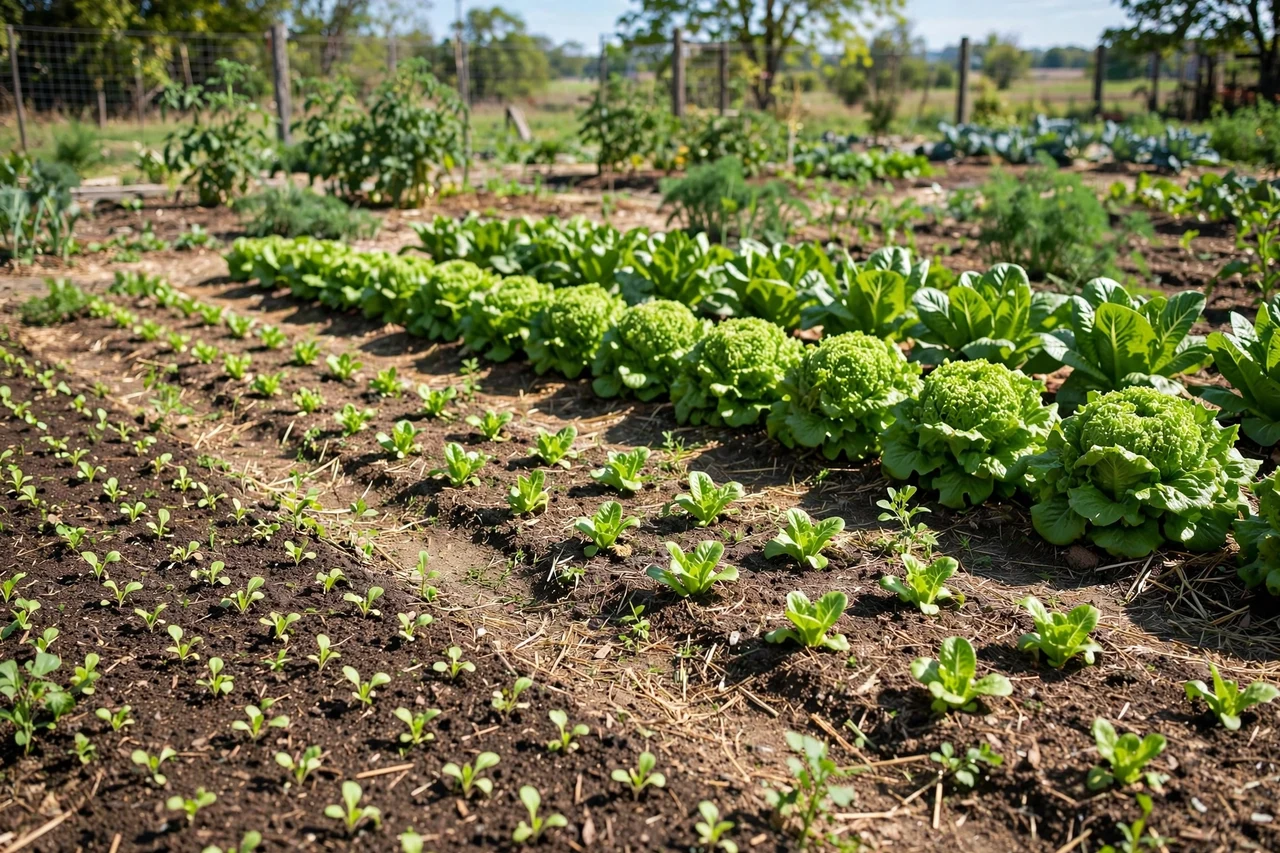
Succession planting means sowing small batches every two or three weeks instead of everything at once, so you harvest continuously instead of getting one giant glut and then nothing. This planner schedules those sowings for fast crops like lettuce, radishes, beans, and carrots.
The classic example is lettuce: sow a short row every two weeks from spring through early fall, and you have salad all season instead of twenty heads ready on the same weekend. The planner’s calendar view makes the rhythm easy to follow, and it is the technique that most separates experienced gardeners from beginners.
15. The Garden Journal and Photo Log
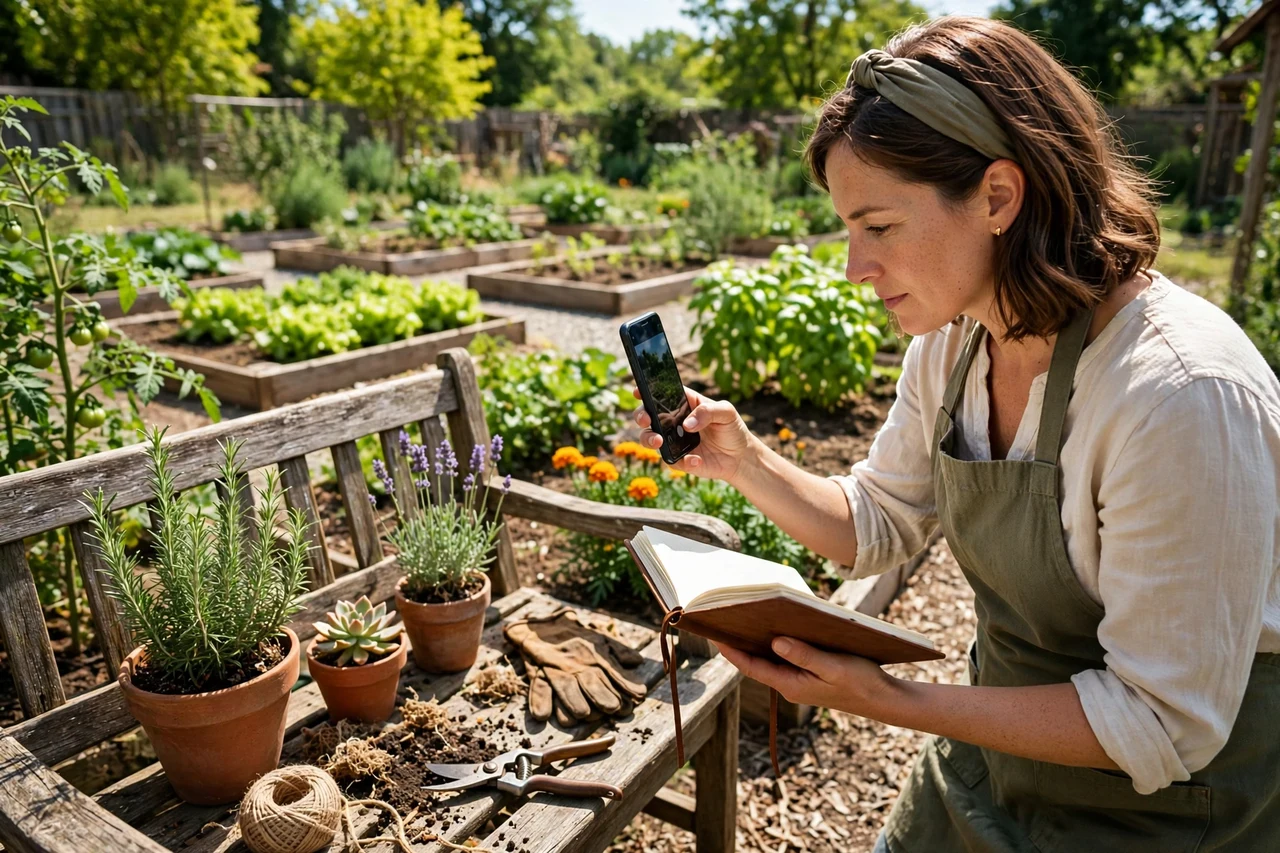
A garden journal is the long-term memory of your garden: weekly notes, photos of each bed, what worked, what failed, and ideas for next year. It is the least structured planner on this list and the most valuable over time, because gardens improve through seasons of small lessons.
Take one photo of each bed on the first of every month — the visual record shows growth patterns you will never remember accurately. Write down failures honestly, because “tomatoes got blight in July” is the note that saves next year’s crop when you choose resistant varieties and rotate beds.
Frequently Asked Questions
What is the easiest vegetable for a first-time gardener?
Start with lettuce, radishes, green beans, and zucchini. They germinate fast, tolerate beginner mistakes, and produce visible results within weeks, which keeps you motivated for the harder crops.
When should I start my first garden?
Start seeds indoors 6 to 8 weeks before your area’s last frost date, and plant outdoors after that date has passed. If you missed the window, buy seedlings from a nursery — there is no shame in it, and it guarantees a first-year harvest.
How much time does a beginner garden take each week?
A small raised bed garden takes about 2 to 4 hours a week in peak season: watering, weeding, and harvesting. A planner cuts that time because you stop re-deciding everything and just follow the schedule.
Do I need a big yard to garden?
No. A balcony with containers, or even a sunny windowsill for herbs, is enough to start. Container gardening follows the same principles as beds, just with more frequent watering and feeding.
What is the biggest beginner gardening mistake?
Planting too much, too close together, and all at once. Start small — one or two beds, a handful of crops — and use a layout planner and a succession planner to space things properly through the season.
Start with the frost date planner, a layout planner, and a seed calendar, and your first garden will already be ahead of most beginners. If printables interest you as a side income too, see what sells in digital products on Etsy, explore printable digital product ideas, and learn to sell Canva templates of your own.