Podcasters have a discovery problem: audio does not scroll well on social media, so great episodes go unheard. An audiogram — a short audio clip paired with a waveform, captions, and branded visuals — solves that problem, and it is a service podcasters will happily pay for. With AI audiogram services for podcasters, you can find the best moments in an episode, caption them, and package them for every platform a show uses. AI tools handle transcription and caption timing, so a beginner can produce professional-looking audiograms without video editing experience. If you already do AI video editing work, audiograms are a focused, repeatable service with clients who publish every single week. If you want more AI service ideas, AI tools to earn money online shows what else creators are paying for.
1. Turn Episode Highlights Into Square Audiograms for Instagram
Square audiograms fit the Instagram feed perfectly and are easy for listeners to watch without rotating their phone. Pick the single strongest 30 to 60 second moment from an episode, add animated captions and the show’s artwork, and deliver it ready to post. AI can transcribe the episode and suggest highlight moments, but you make the final call on which moment hooks a stranger. A good rule is to choose a moment that makes sense without the rest of the episode, so a new listener gets value in under a minute. Podcasters order these for every episode, so the work repeats weekly.
2. Create Vertical Audiograms for TikTok and Reels
Vertical video dominates TikTok and Reels, and podcasters need versions of their clips that fill the full screen. Build vertical audiograms with large, readable captions and a waveform that moves with the audio, using the guest’s photo or show branding as the background. Keep the clip under 60 seconds and open with the most surprising line, since short-form viewers decide in the first three seconds. Test the captions on your own phone before delivery, because text that looks fine on a desktop often turns out too small on a vertical screen. Offer these as a bundle alongside square versions so one episode covers every feed.
3. Build Quote Card Audiograms From Guest Soundbites
Guest soundbites are often the most shareable part of an episode, and a quote card audiogram makes them easy to pass along. Pair a short, powerful quote with the guest’s name and photo, animate the captions, and keep the design consistent with the show’s brand. Guests often repost these themselves, which brings the show new listeners for free. Sell quote card audiograms as a per-guest add-on or a monthly package for interview shows.
4. Produce Trailer Audiograms for New Season Launches
When a podcast launches a new season, it needs a trailer that builds excitement before the first episode drops. Cut together the best lines from upcoming episodes — or from the host’s season preview — into a 45 to 90 second audiogram with music and bold captions. AI helps you transcribe and assemble the clips quickly, and you shape the pacing so it feels like a movie trailer, not a random montage. End the trailer with the launch date and a clear call to listen, and deliver a square and a vertical version so the host can post it everywhere. Season trailers are project-priced and often lead to weekly episode work.
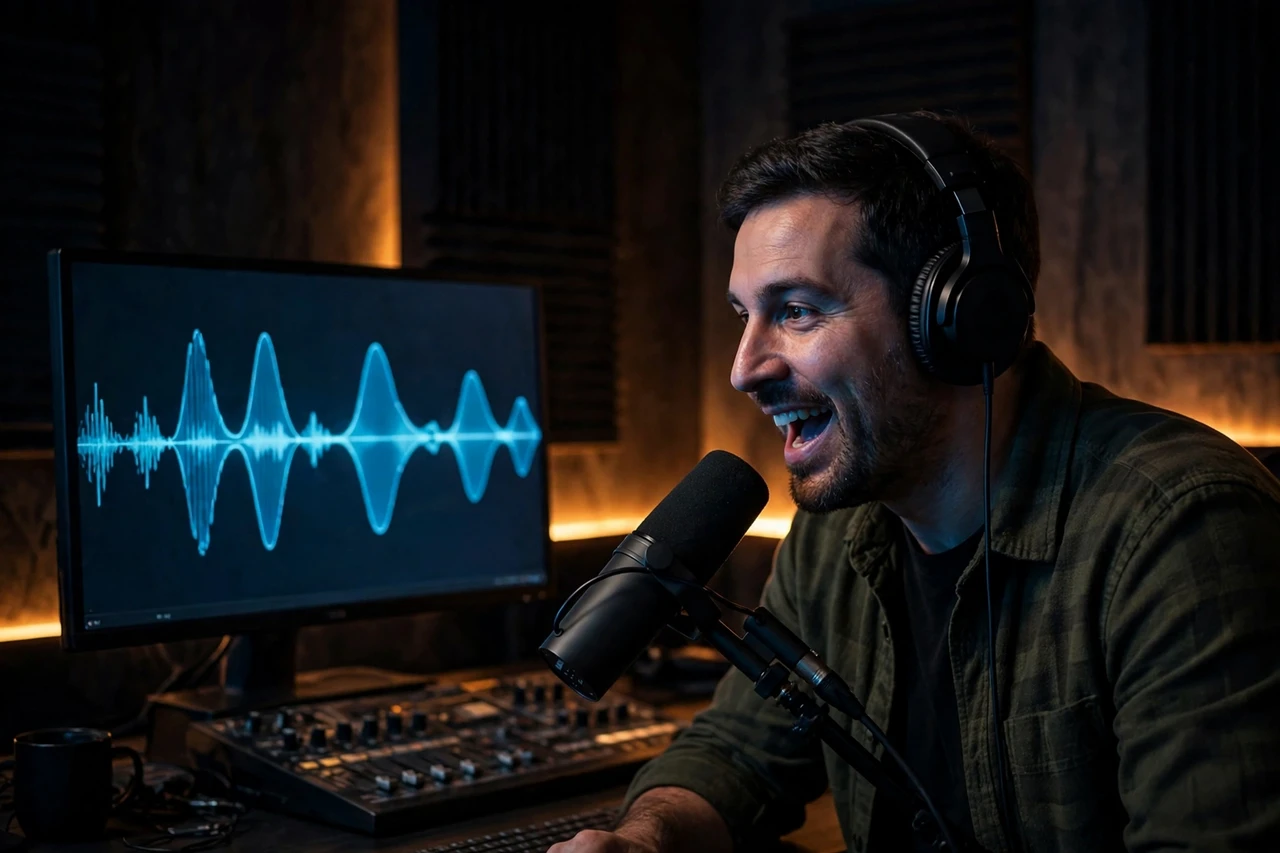
5. Turn Listener Questions Into Audiogram Q and A Clips
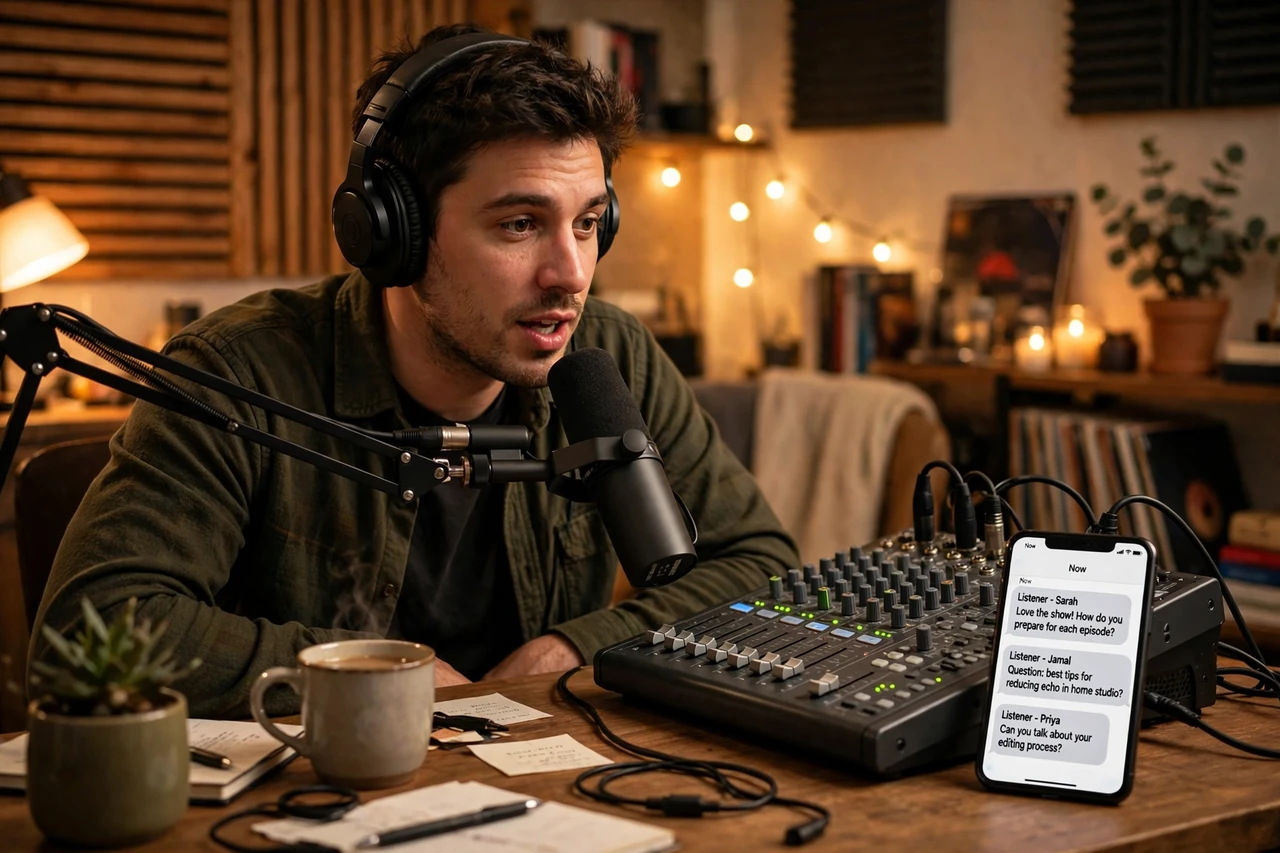
Listener questions give a show free content, and audiograms give those answers a second life on social media. Take the host’s answer from the episode, trim it to the essential point, and caption it with the question displayed on screen. This format works well because the question itself hooks viewers who have wondered the same thing. Podcasters can post these between episodes to keep their feed active without recording anything new.
6. Create Audiogram Ad Spots for Sponsors
Sponsors want proof that their message reached listeners, and a short audiogram of the ad read is easy to share and track. Build a clean, branded clip of the sponsor segment with captions and the sponsor’s logo, sized for the platform where it will run. Some sponsors even reuse these clips in their own marketing, which makes the podcaster look professional. Always confirm the exact wording and any claims with the host before delivery, since sponsor copy must be accurate. Charge per spot, and offer a small discount when a show has multiple sponsors per episode.
7. Turn Full Episodes Into a Weekly Audiogram Series
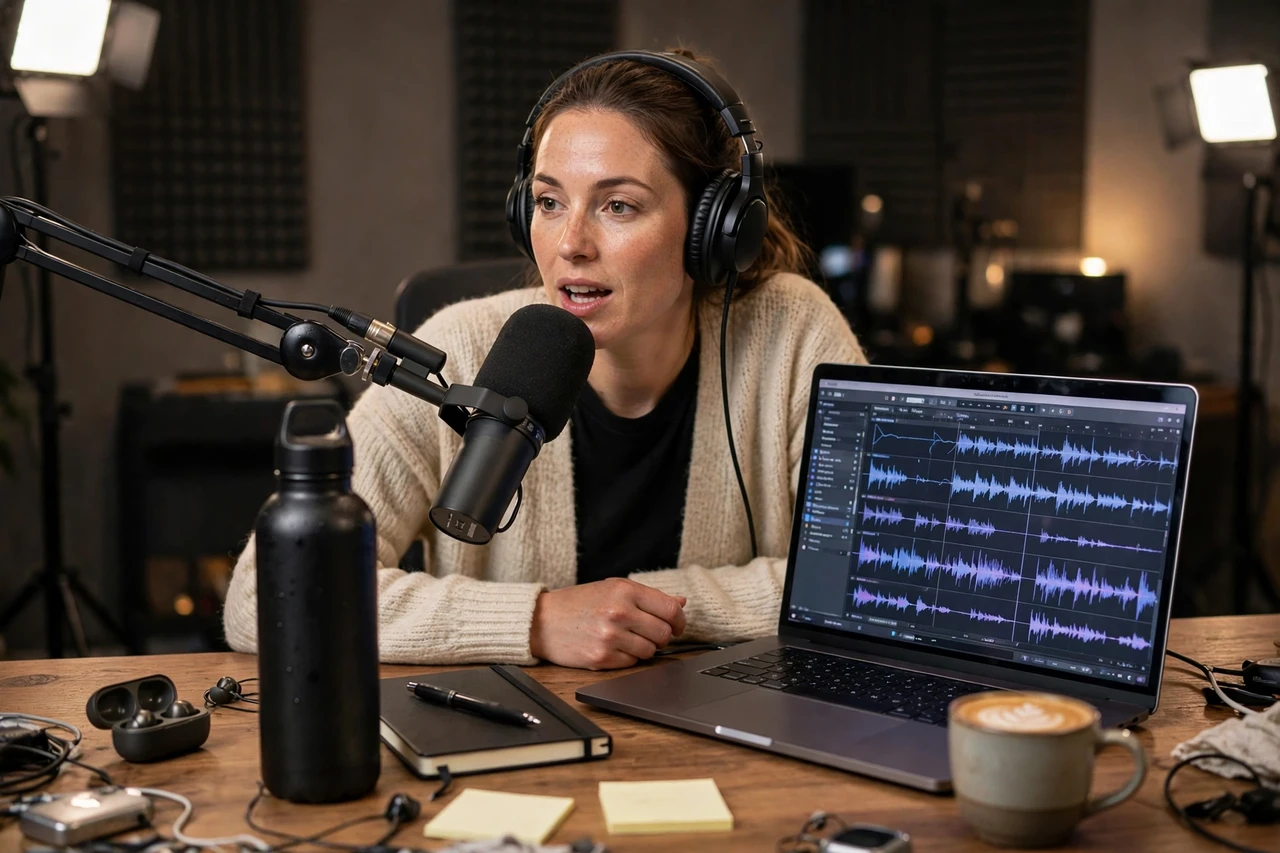
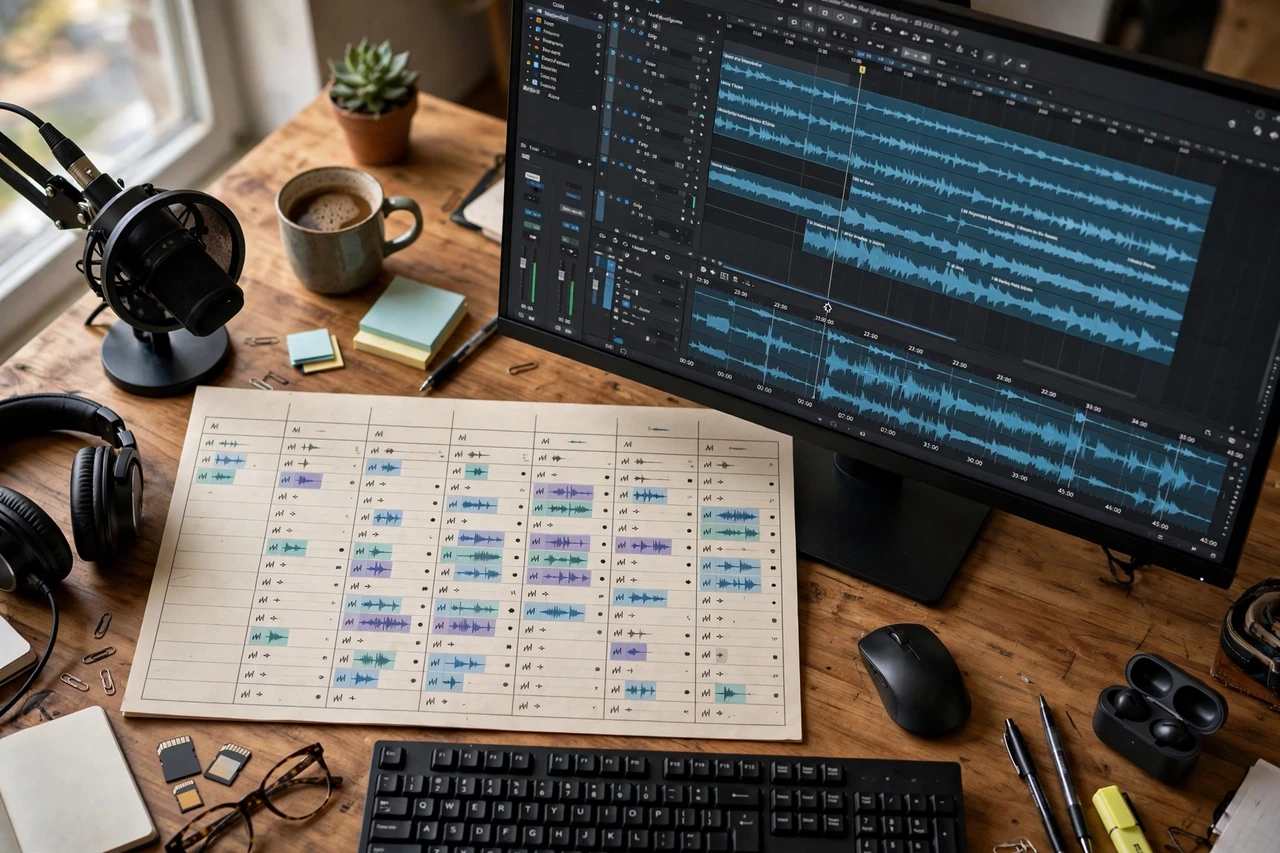
Instead of selling one-off clips, offer a weekly series: three to five audiograms from every episode, delivered on a set day, in a consistent style. AI speeds up transcription and captioning, and your template keeps the branding uniform so followers recognize the show instantly. Agree on a delivery day and a revision window up front, because a series only works when both sides can plan around it. A series retainer is the most stable version of this service, because the podcaster’s publishing schedule becomes your publishing schedule. Start with one show, prove the turnaround, then add more.
8. Build Audiogram Teasers for Upcoming Guests
A teaser audiogram posted a few days before an episode airs can turn a guest’s existing audience into new listeners. Use a short clip from the recording — or from a quick promo the guest records — and add text announcing the episode date and where to listen. Guests are more likely to share a polished teaser than a plain text announcement, which multiplies the show’s reach. Sell teasers as part of an episode package so the host never has to ask for them separately.
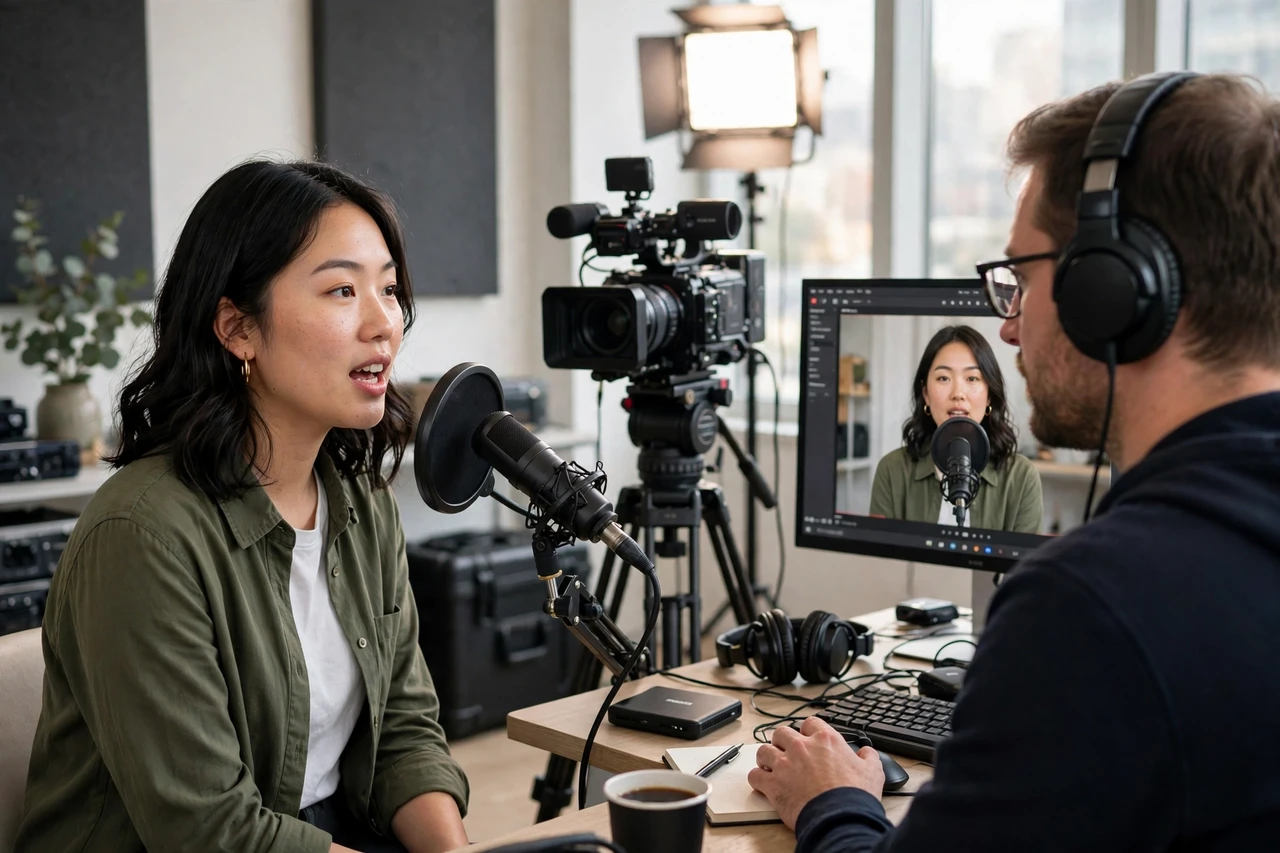
9. Deliver Captioned Audiograms With Full Show Branding
The highest-value version of this service is a complete branded package: consistent colors, fonts, logo placement, and caption style across every clip, plus a simple style guide the show can reuse. AI handles the repetitive caption work, and you own the design decisions that make the show recognizable at a glance. Keep the style guide to one page — colors, fonts, logo placement, and caption style — so future clips stay consistent even if someone else edits them. Podcasters who are growing toward sponsorships need this consistency, and they will pay more for a provider who delivers it without being chased. Offer a one-time brand setup fee plus a per-episode rate.
Frequently Asked Questions
What is an audiogram, exactly?
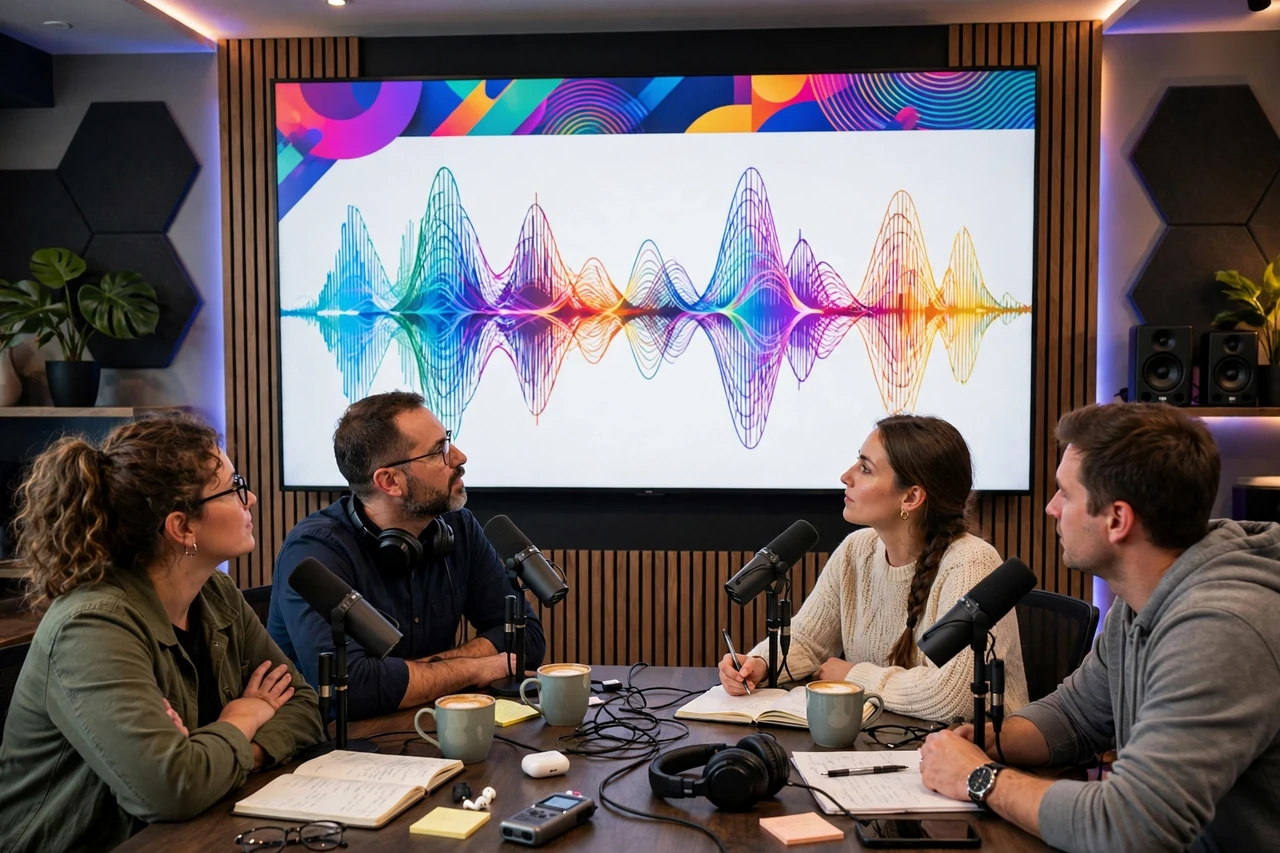
An audiogram is a short video made from audio: it pairs a clip of podcast audio with a moving waveform, captions, and a still image or branded background. It exists so audio content can be shared on visual platforms like Instagram, TikTok, and LinkedIn, where plain audio files cannot be posted.
Do I need video editing experience to make audiograms?
No. Dedicated audiogram tools and AI captioning apps handle most of the technical work, including waveform animation and caption timing. Your main skills are choosing the right clip, writing accurate captions, and keeping the branding consistent. Start with one tool and one template, and expand from there.
How long should a podcast audiogram be?
Most social audiograms run 30 to 60 seconds, with the strongest line in the first few seconds. Longer clips work for trailers or YouTube, but short-form feeds reward brevity. When in doubt, cut tighter — a clip that ends before the viewer gets bored is one that gets shared.
How do podcasters use audiograms to grow?
They post clips on social media to reach people who have never heard the show, and guests often repost clips featuring them. Each audiogram links back to the full episode, turning a scroll into a listen. Over time, a consistent clip series builds recognition for the show’s name and style.
How much can beginners charge for audiogram services?
Beginners often charge per clip or per episode, with weekly series priced as a retainer. Branded packages and sponsor spots command higher rates because they involve design work and client coordination. Start with a simple per-clip price, collect samples and testimonials, then raise rates as demand grows.