If your land sits beside a busy road, on a town corner, or under a skyline people actually look at, advertisers may pay you simply for the right to be seen there. Billboard leasing for landowners turns visibility into monthly rent: a company installs and maintains the sign, and you collect lease payments for years. It is not free money, though. Leases are long, local rules decide where signs can go, and a bad contract can tie up your land for decades. The eight ideas below cover different kinds of land and different kinds of signs, so you can see which fit your property. If you are exploring property income more broadly, passive income ideas for busy professionals covers other low-effort options, and ways to earn passive income online adds non-property alternatives.
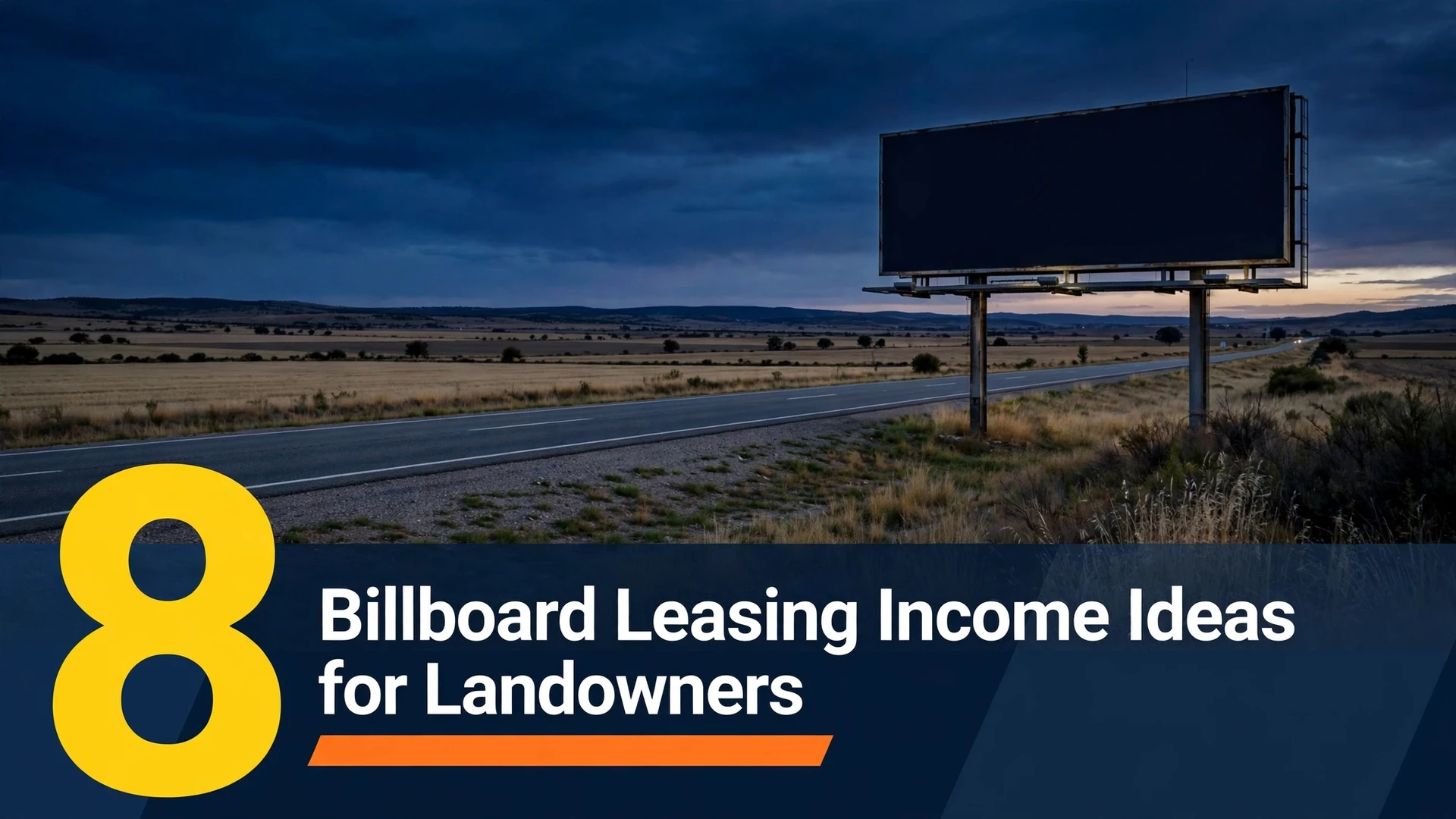
1. Highway Frontage Billboard Leasing for Landowners
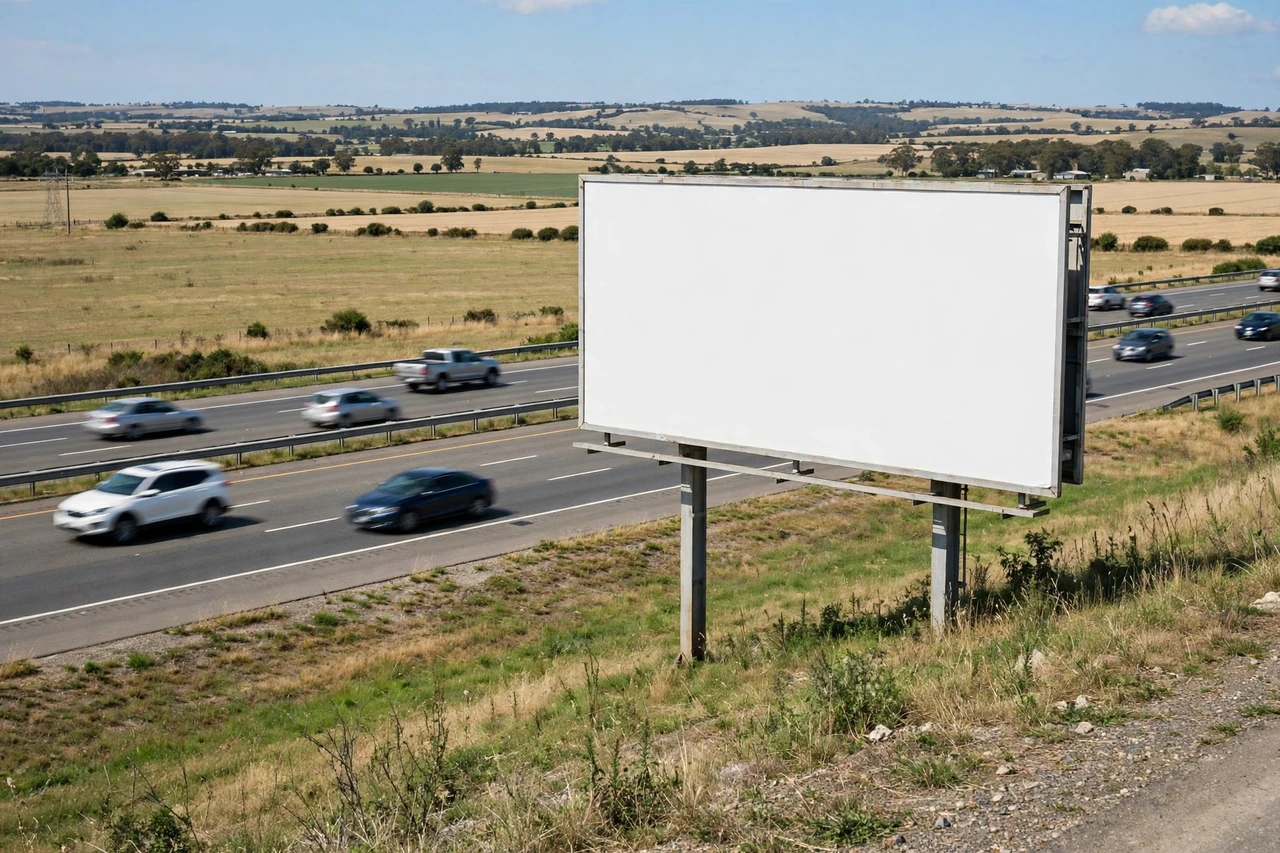
The classic billboard deal is a lease on land beside a highway or major road, where a national or regional outdoor advertising company builds a large sign and pays you monthly rent. Payments depend on traffic counts, visibility, and whether the sign faces one or both directions of traffic. A company usually handles permits, construction, maintenance, and finding advertisers, while you provide the land and keep it accessible for their crews.
Before signing, confirm the sign is legal under local zoning and state highway rules, since an illegal sign can be ordered removed. Lease terms often run 10 to 20 years with renewal options, so have a lawyer review rent increases, who pays property taxes on the structure, and what happens to the sign when the lease ends.
2. Digital Billboard Leases on Busy Town Corners
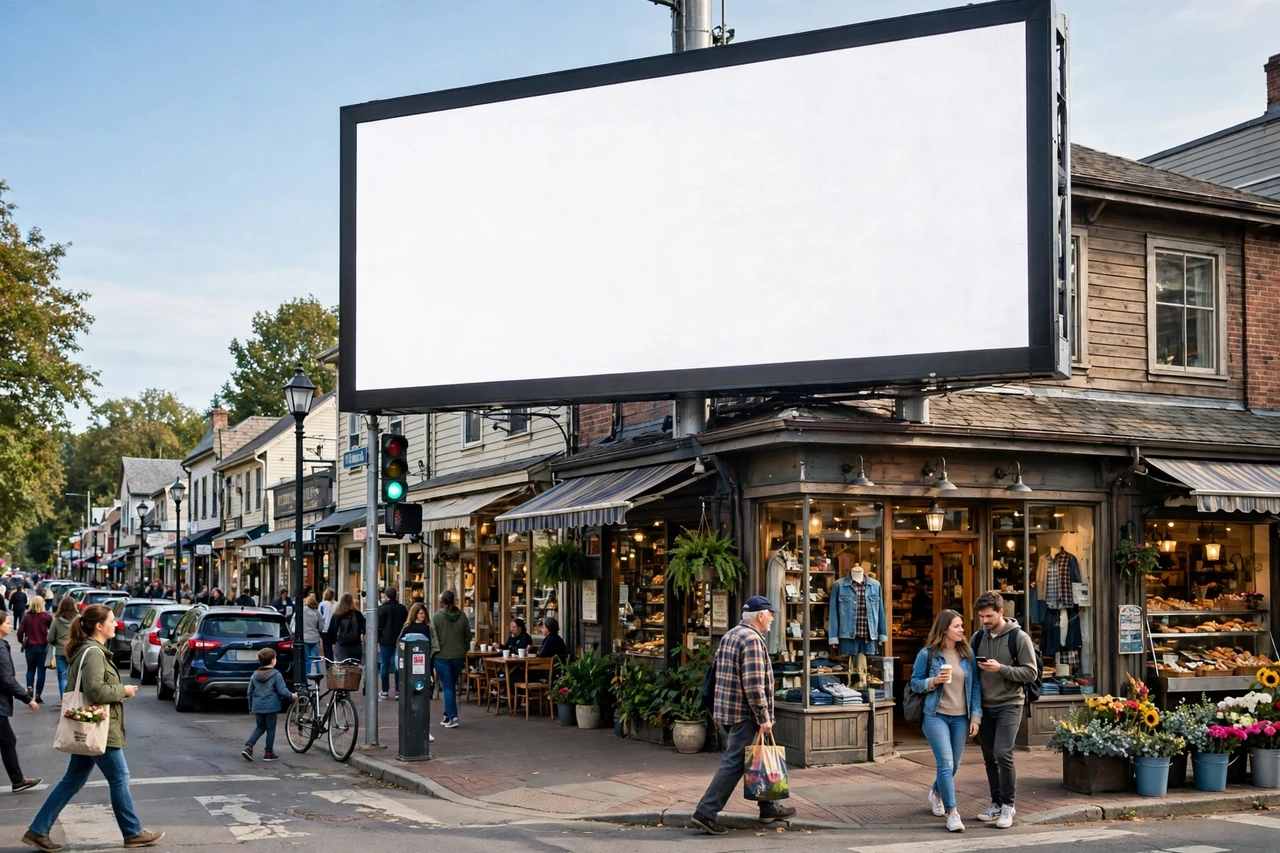
Digital billboards rotate several ads on one screen, which means one location can earn from multiple advertisers instead of one. For landowners, that can mean higher rent than a static sign in the same spot, especially on busy town corners, near shopping centers, or at major intersections. The advertising company owns and powers the screen, so your main contribution is the location and an electricity connection.
Digital signs face stricter rules in many towns, including brightness limits, how often ads can change, and hours of operation. Check local sign codes before approaching a company, and confirm in the lease who pays the electricity bill and who is responsible if the screen is damaged.
3. Rooftop Billboard Leases in Town Centers
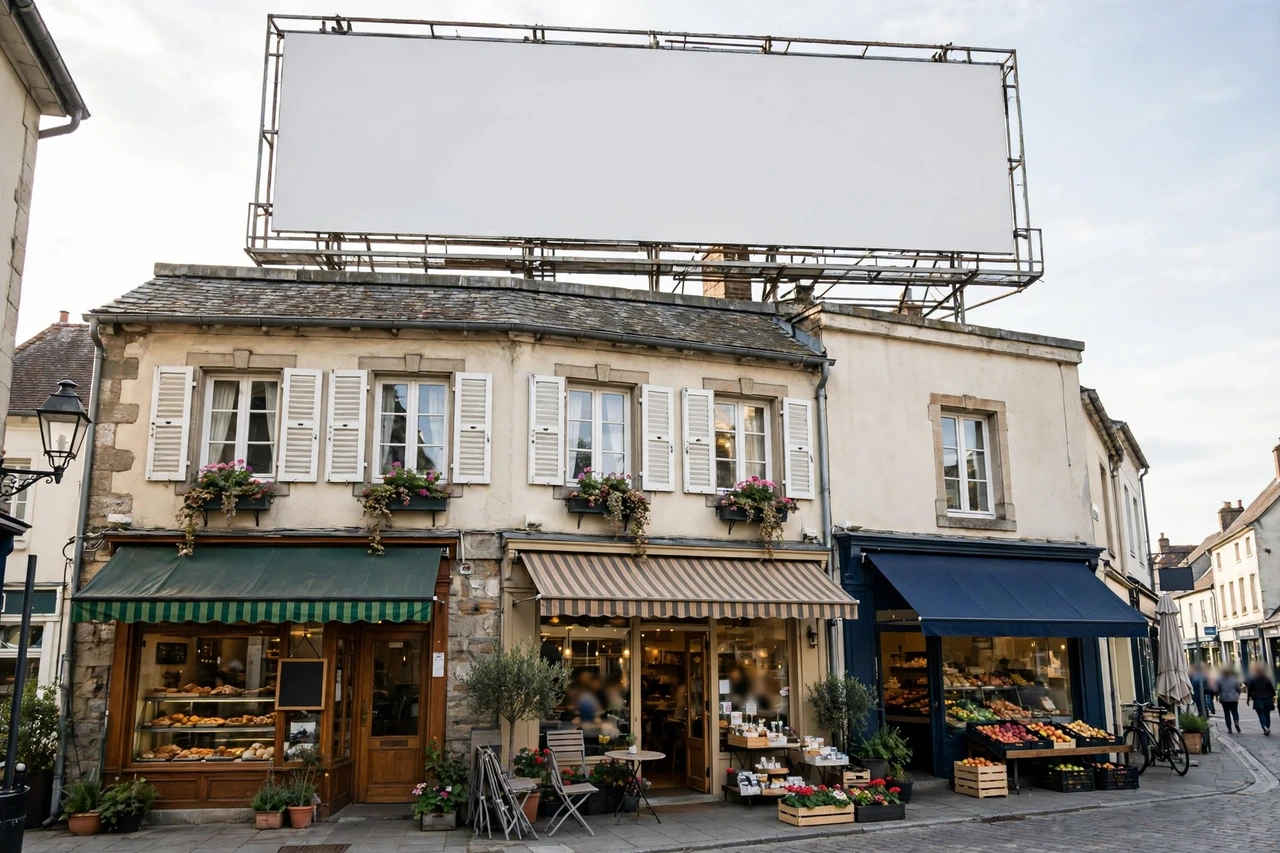
If you own a commercial building in a town center, its roof may be valuable advertising space, especially if it faces a busy street or a highway overpass. Rooftop signs work best on flat-roofed buildings with clear sightlines, and the advertising company typically handles structural engineering, installation, and maintenance. Rent is usually lower than highway frontage but still meaningful, and it uses space that otherwise earns nothing.
Structural safety is the key issue here: your building must be able to support the sign’s weight and wind load, and an engineer should confirm it. The lease should cover roof maintenance responsibilities, access for sign crews, and repair of any roof damage caused by the installation.
4. Building-Side Mural Ad Leases for Local Brands
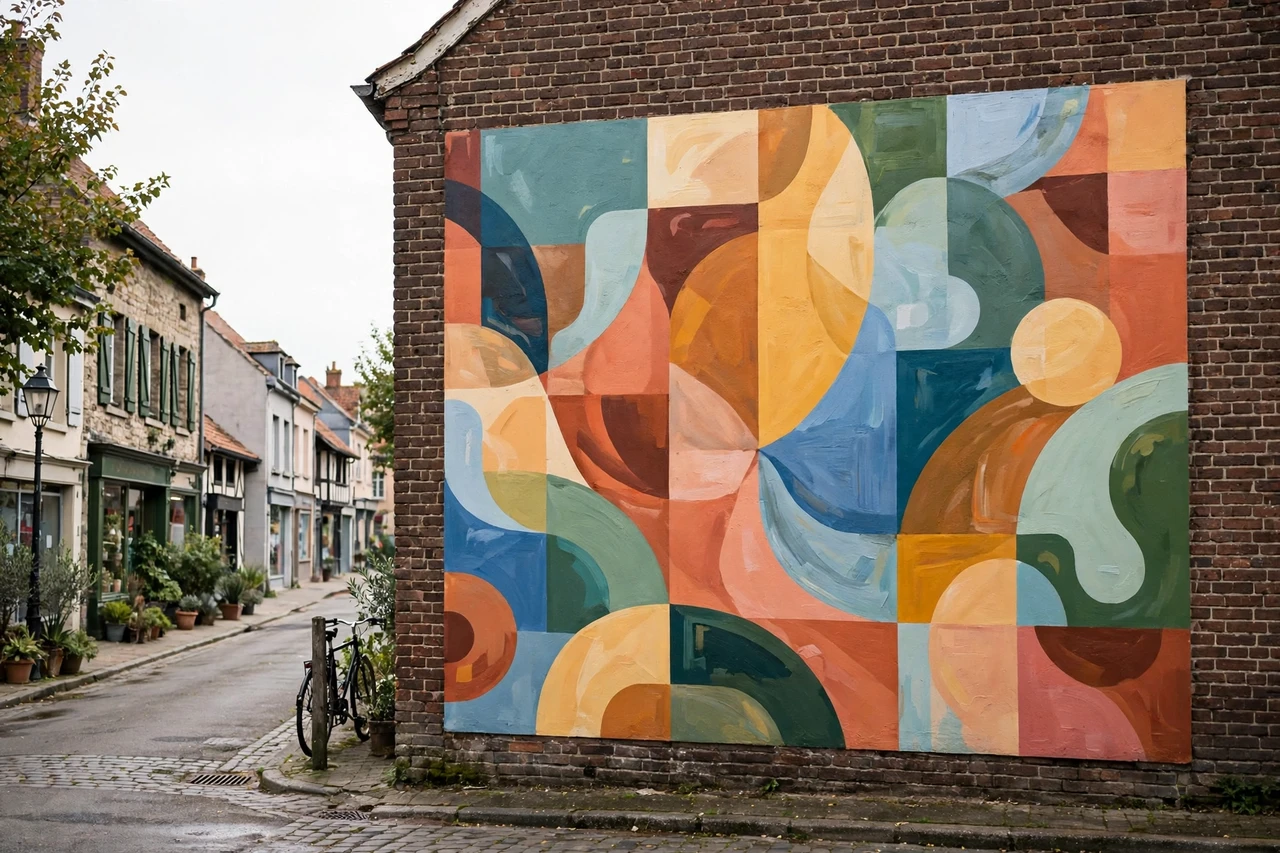
A large blank wall on a building facing a busy street can become a painted mural advertisement for a local brand, restaurant, or event. Mural ads suit owners of commercial buildings in walkable areas where a painted wall looks better than a metal billboard and may face fewer restrictions. Local businesses often prefer murals because they feel like part of the neighborhood rather than a corporate sign.
Agree in writing on the design approval process, how long the mural stays, and who pays to restore the wall afterward. Some towns treat murals as art rather than advertising, which can change the rules entirely, so check with your local planning office before painting anything.
5. Fence and Barn Banner Leases for Small Businesses
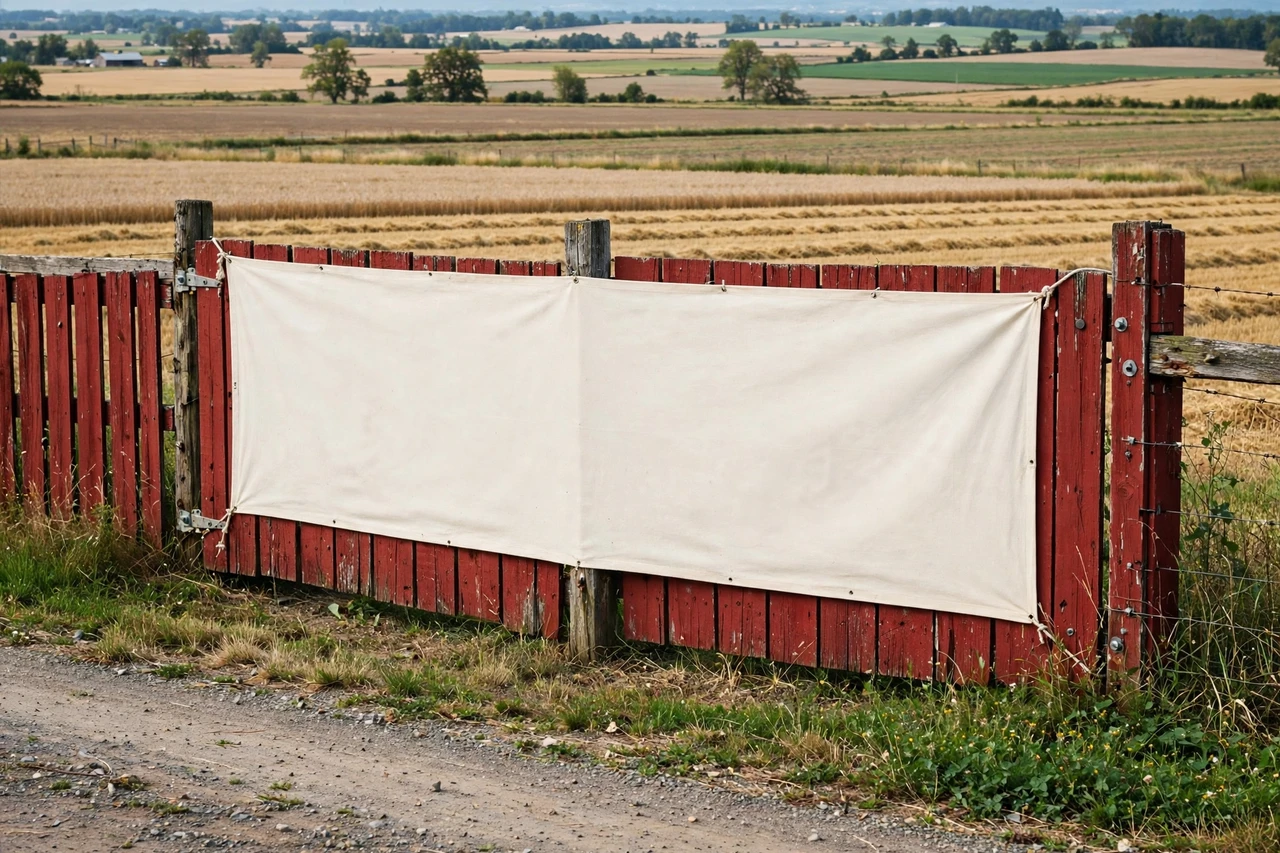
Rural landowners with fences or barns facing a road can lease banner space to nearby businesses, farm stands, or event organizers. This is the smallest scale of billboard leasing: the advertiser provides a vinyl banner, you provide the fence or wall, and rent is modest but steady. It works best on roads with regular local traffic, such as routes to a farmers market, school, or popular attraction.
Keep agreements short and simple, with a clear end date and a rule about who replaces a damaged banner. Even for a small deal, put it in writing, because a handshake deal becomes a dispute the moment a banner blows down or a neighbor complains.
6. Lease Lot Space for Mobile Billboard Trucks
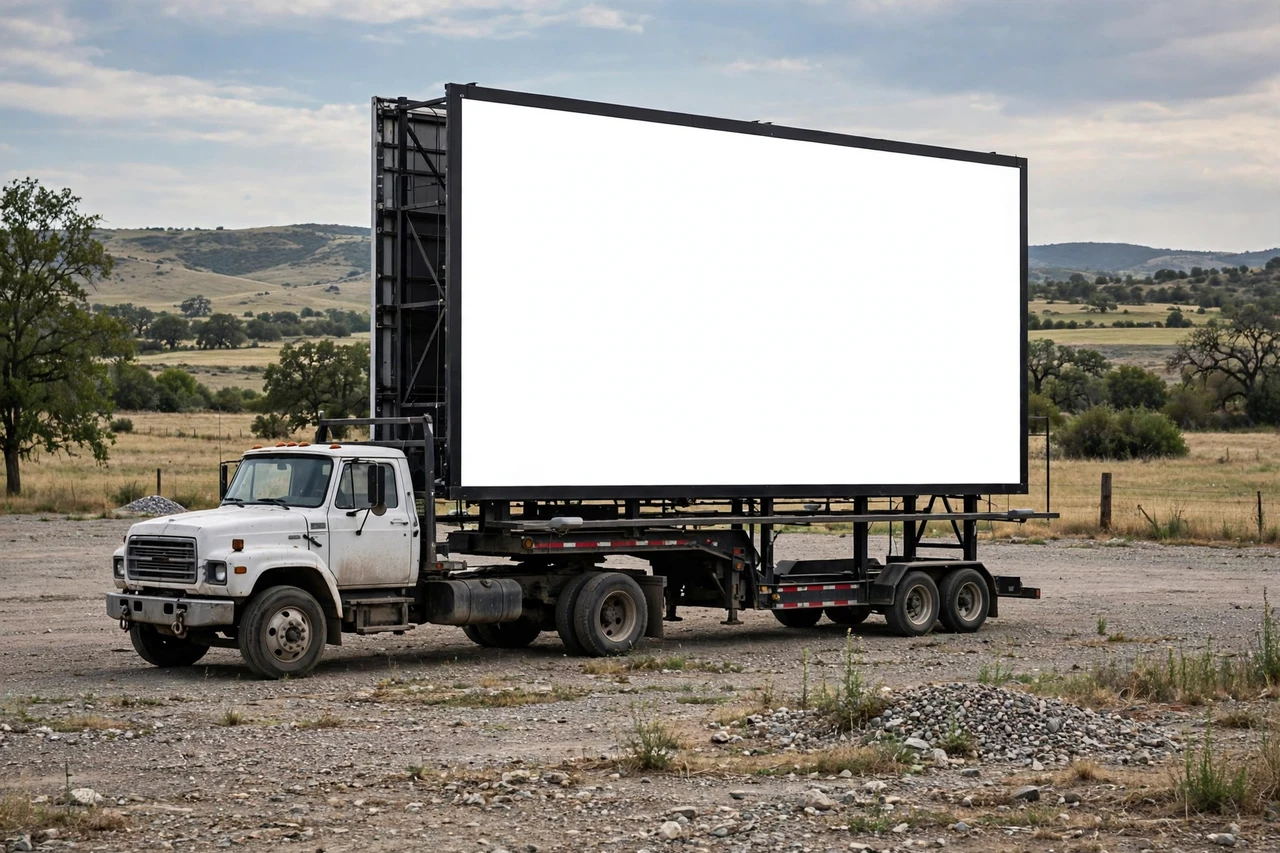
Mobile billboard trucks carry ads around town, but they need somewhere to park overnight and between campaigns. If you own a secure lot near a city center, event venue, or highway exit, leasing parking space to a mobile billboard company can produce income from land that is otherwise empty. The company handles the trucks and the advertising; you provide gated or well-lit parking and access.
Confirm that your lot’s zoning allows commercial vehicle parking, and set rules for hours, noise, and how many trucks can park at once. Rent is usually charged per truck per month, so a lot that fits several trucks can add up to a useful monthly payment.
7. Field Fence and Scoreboard Ad Leases Near Sports Grounds
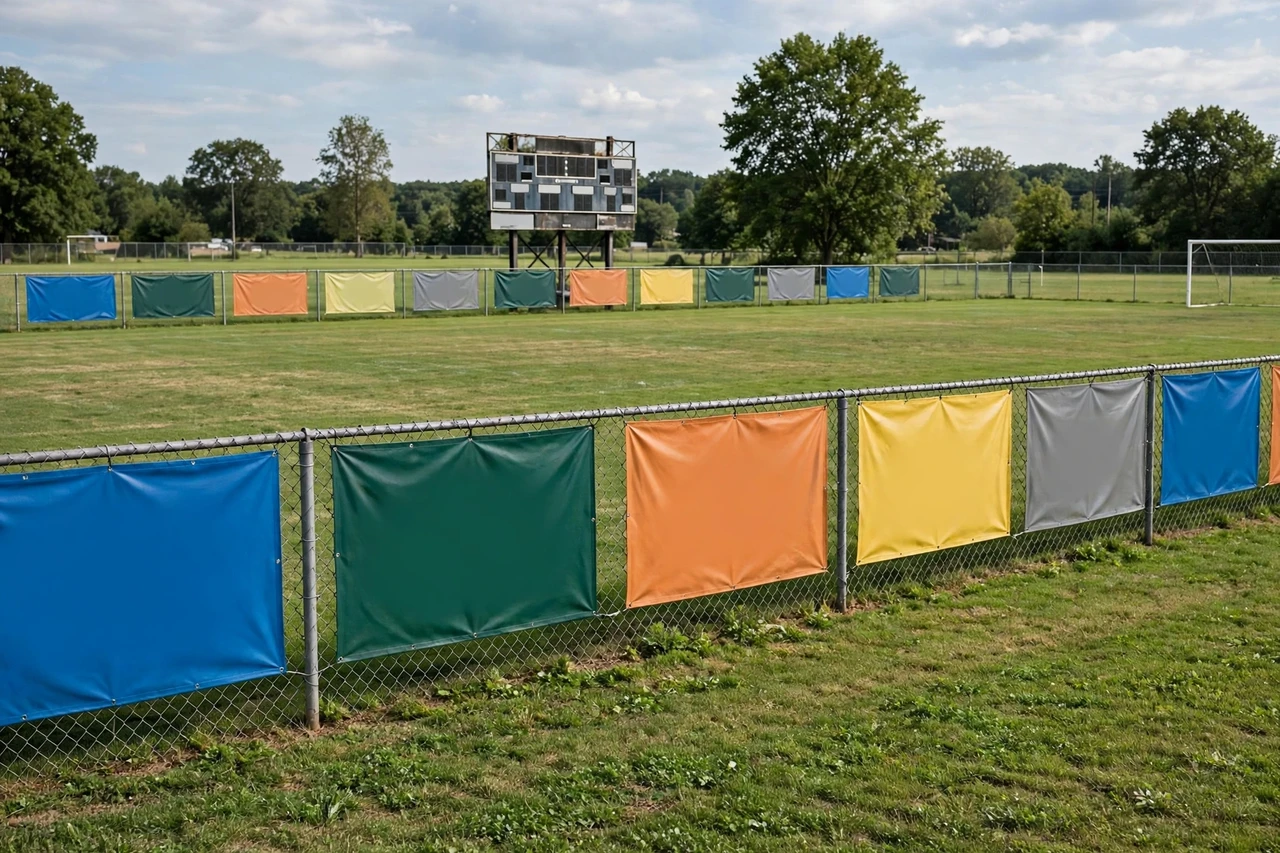
Land near sports fields, fairgrounds, or community stadiums gets steady foot traffic on game days and event weekends. Fence banners and scoreboard ads in these locations appeal to local businesses that want to reach families and neighbors, not highway drivers. If you own land bordering a sports ground, leasing fence space to local advertisers can produce seasonal income that repeats every year.
Coordinate with the sports facility’s own advertising rules, since fields often sell their own fence ads and may not welcome a competing sign next door. A joint approach, where you lease through the facility or with its agreement, avoids conflict and often sells faster.
8. Short-Term Event Billboard Leases for Festivals and Fairs
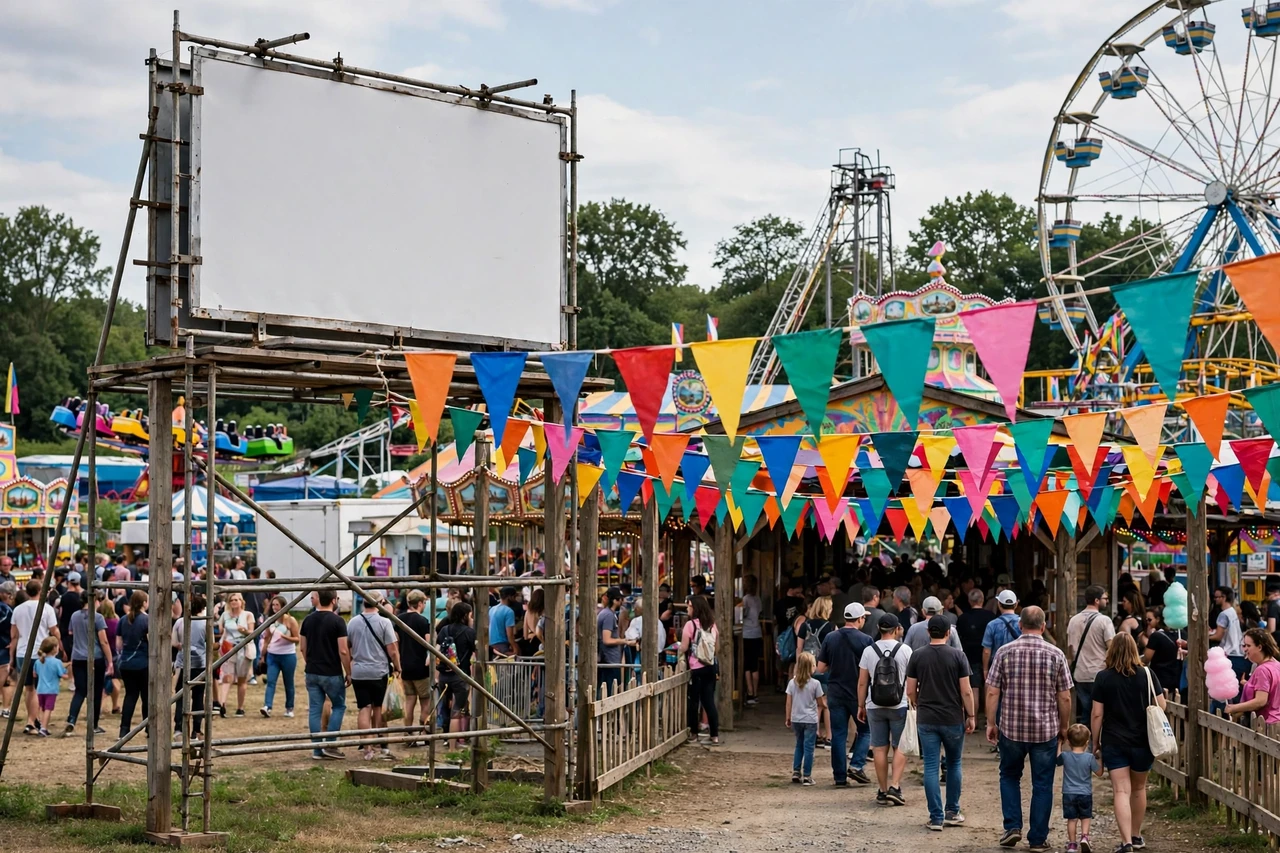
Some billboard income is seasonal rather than permanent. Land near festival grounds, fair sites, or concert venues can be leased for temporary signs during an event, sometimes for just a few weeks. Event organizers and sponsors pay a premium for short-term visibility because thousands of visitors pass the same spot in a few days, and the landowner gets the land back afterward.
Short-term deals need the same care as long ones: a written agreement, a clear removal deadline, and a deposit for damage or late removal. They suit landowners who do not want a permanent sign but are happy to earn from their land a few times a year.
Frequently Asked Questions
How much can a landowner earn from a billboard lease?
It varies widely, from a few hundred dollars a month for a small rural banner to several thousand a month for a prime highway or digital location. Traffic counts, visibility, sign size, and local demand decide the rate. Get quotes from more than one advertising company before signing, because first offers are often low.
Do I need a permit for a billboard on my land?
Usually yes. Local zoning, sign codes, and in some cases state highway rules all apply, and the advertising company normally handles the permit process. Never let a company build before permits are approved, since an unpermitted sign can be removed at your expense.
Who maintains the billboard and pays for repairs?
The advertising company almost always maintains the sign and carries insurance for it, but the lease must say so clearly. Check who pays for electricity on digital signs, who repairs storm damage, and who removes the sign at the end of the lease.
Can a billboard lease stop me from selling or developing my land?
Yes, a long lease can limit your options, since a buyer inherits the lease and development may be blocked around the sign. That is why lease length, termination clauses, and relocation rights matter more than the monthly rent figure. Have a lawyer review any lease longer than five years.
What if no advertising company wants my location?
Not every property suits a billboard. Companies want visibility, traffic, and legal sign placement, and rural or hidden land may not qualify. If billboards do not fit, other land income options like leasing for farming, solar, or events may suit your property better.