1. Ebooks & Guides
Write what you know. Format as PDF or EPUB. Sell on Amazon KDP, Gumroad, or your own site.
Topics: how-to guides, industry insights, personal stories with lessons.
Length matters less than value. A 20-page guide that solves a problem beats a 200-page book full of filler.
2. Online Courses & Workshops
Record your expertise. Break into modules. Add worksheets or quizzes.
Platforms: Teachable, Thinkific, Udemy, Skillshare.
Price based on depth. Short workshops at $20-50. Comprehensive courses at $100-500.
3. Paid Communities & Masterminds
Create a private group (Slack, Discord, Circle). Charge monthly or yearly.
Members get access to you, each other, and exclusive content.
Works best when you have existing authority in a niche.
For Creatives & Designers
4. Templates & Presets
Design once, sell many times.
Types: Resume templates, social media graphics, presentation decks, Lightroom presets, video editing templates.
Sell on Creative Market, Etsy, or your own store.
5. Audio Products (Audiobooks, Meditations, etc.)
Record guided meditations, sleep stories, or audio courses.
Low competition compared to written products. Growing demand.
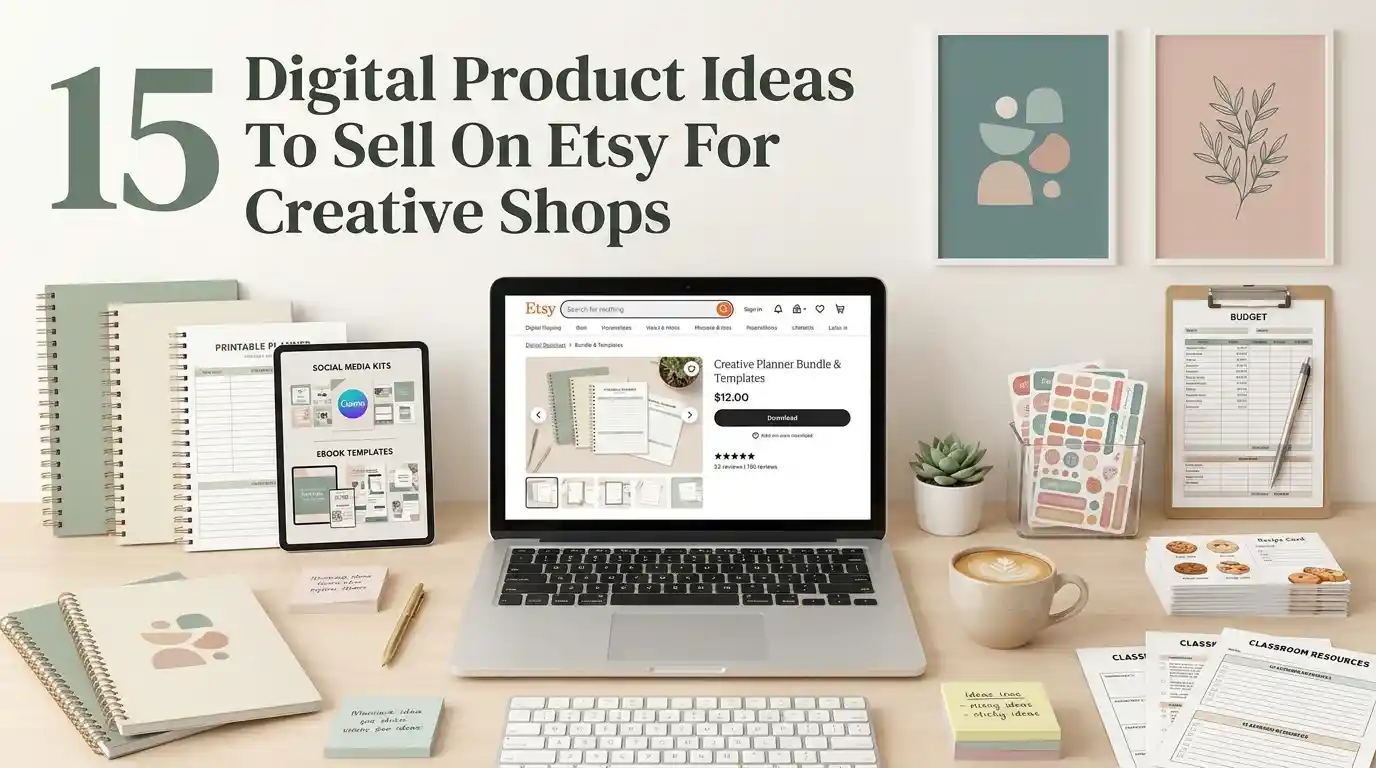
6. Printables & Digital Art
Wall art, coloring pages, planners, worksheets.
Customers print at home. No shipping costs.
Etsy is the main marketplace. Search for high-demand niches.
7. Stock Photos
Photograph objects, people, or scenes. Upload to stock sites.
Each photo earns small amounts but can sell thousands of times over the years.
For Planners & Organizers
8. Digital Planners & Journals
People use iPads and tablets for planning. They need PDFs designed for apps like GoodNotes or Notability.
Include clickable tabs, daily spreads, and habit trackers.
9. Spreadsheet Templates
Excel and Google Sheets templates for budgeting, project management, and inventory tracking.
Business owners pay for tools that save them time.
10. Checklists and Trackers
Simple but effective. Packing lists, cleaning schedules, fitness logs, meal planners.
Bundle related checklists into a package for higher prices.
For Developers & Tech Experts
11. Software, Plugins, or Themes
Build once, sell continuously.
WordPress themes, Shopify plugins, browser extensions, SaaS tools.
Requires coding skills or a partnership with a developer.
12. Web-Based Tools & Niche Calculators
Mortgage calculators, ROI calculators, salary converters.
Simple tools that solve specific problems. Monetize through subscriptions or one-time purchases.
13. Create an App
Mobile or web app that serves a recurring need.
Monetize through purchases, subscriptions, or ads.
Higher upfront work but potential for significant passive income.
For Service Providers & Event Organizers
14. Tickets for Events & Webinars
Record live events and sell access to the replay.
Evergreen webinars: record once, promote continuously.
15. Documents & Case Studies
Write detailed case studies, research reports, or industry analyses.
B2B buyers pay for data and insights that help their business.
Additional Ideas
16. Make Financial Investments
Dividend stocks, bonds, and real estate investment trusts (REITs).
Requires capital. Returns vary.
17. Own a Rental Property
Real estate generates monthly income. Requires management or a property manager.
Not truly passive, but can be semi-passive with the right systems.
18. Start a Print-on-Demand Shop
Design products. Print-on-demand companies handle production and shipping.
Lower margins than pure digital products. No inventory risk.
19. Self-Publish
Same as ebooks but includes print versions through Amazon KDP.
Print-on-demand means no inventory.
20. Sell Worksheets
Teachers, tutors, and parents buy educational worksheets.
Teachers Pay Teachers is the main platform.
21. Create Content
Build an audience on YouTube, Instagram, TikTok, or a blog.
Monetize through ads, sponsorships, and affiliate marketing.
Requires consistent effort but can become passive with evergreen content.
22. Use Affiliate Marketing
Promote other people’s products. Earn commission on sales.
Works alongside digital products. Recommend tools you actually use.
23. Printable Board Games
Parents and teachers seek educational games.
Design rules, board, and pieces as printable PDFs.
24. Color by Number Activities
Kids and adults enjoy these. Low competition, easy to create.
Sell in bundles for higher value.
25. Mini Courses
Shorter than full courses. 15-30 minutes of content.
Price lower. Convert more buyers.
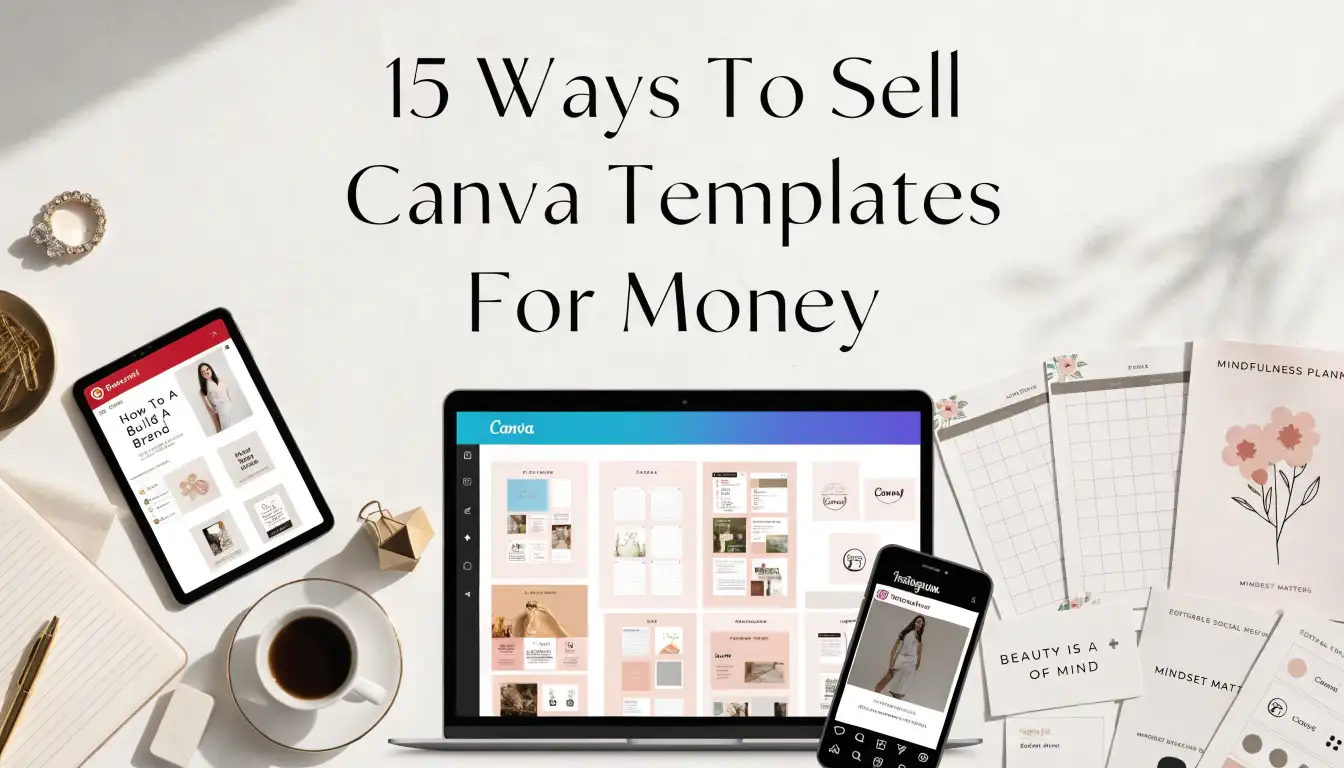
26. Canva Templates
Design social media templates, presentations, and resumes.
Canva users want ready-made designs they can customize.
27. Website Templates and Brand Kits
Design layouts for WordPress, Squarespace, or Webflow.
Brand kits include logos, fonts, color palettes, and guidelines.
28. Notion Templates
Notion users pay for productivity systems.
Templates for project management, habit tracking, and goal setting.
How to Choose the Right Digital Product Ideas
Match your skills to market demand.
Ask: What do people ask me for help with? What problems do I solve at work? What do I know that others don’t?
Check marketplaces for existing products. If none exist, maybe no demand. If many exist, find a unique angle.
Start with what you can create quickly. Speed matters more than perfection.
Your 5-Step Roadmap (With Guides)
Step 1. Validate Your Digital Product Ideas Before Building
Search Etsy, Gumroad, and Amazon for similar products. Read reviews. See what customers complain about.
Talk to potential buyers. Ask if they’d pay for your solution.
Create a landing page with a “buy now” button. See if anyone clicks. If not, rethink.
Step 2. Create a Minimum Viable Product (MVP)
Build the smallest version that delivers value.
For a course, record one module. For an ebook, write the first three chapters.
Launch early. Get feedback. Improve.
Step 3. Build Your Storefront
Use Gumroad, Sellfy, or Shopify for simple setup.
Or create your own site with WordPress and WooCommerce.
Keep it simple. One product. Clear description. Buy button.
Step 4. Price Your Product
Research competitors. Price similarly or slightly lower for new sellers.
Test different prices. Raise if sales are strong. Lower if nobody buys.
Consider tiered pricing: basic, standard, premium.
Step 5. Market & Automate Your Sales Funnel
Set up email capture. Send free content. Offer a paid product.
Use social media to drive traffic. Write blog posts. Create short videos.
Automate email sequences. Let them sell while you sleep.
FAQs on Digital Product Ideas & Passive Income
How much money can you make selling digital products?
Wide range. Some earn $100/month. Others earn $100,000+/month.
Depends on product quality, niche size, and marketing effort.
Is income from digital products truly 100% passive?
No. Products need updates, customer support, and marketing maintenance.
But ongoing effort is minimal compared to active income.
What are easy digital product ideas for beginners?
Printables, checklists, Canva templates, short ebooks.
Create in one day. Sell immediately.
Do I need my own website to sell digital products?
No. Use Etsy, Gumroad, Teachers Pay Teachers, Amazon.
Website gives more control but adds complexity.
How much does it cost to get started?
$0 to $100.
Free tools: Canva, Google Docs, Gumroad.
Paid tools: hosting ($10/month), email service ($15/month).
Turn Digital Product Ideas Into Passive Income
Pick one idea. Create the product. Put it for sale.
That’s the minimum. Most people stop before launching.
The ones who launch and improve are the ones who earn.
Build Skills to Support Your Passive Income Stream With Coursera
Learn copywriting, design, marketing, or coding.
Better skills mean better products and higher sales.
Start Your Passive Income Journey Today
Choose one product type. Set a deadline. Create and launch.
You don’t need perfection. You need a product that helps someone.
Start now.