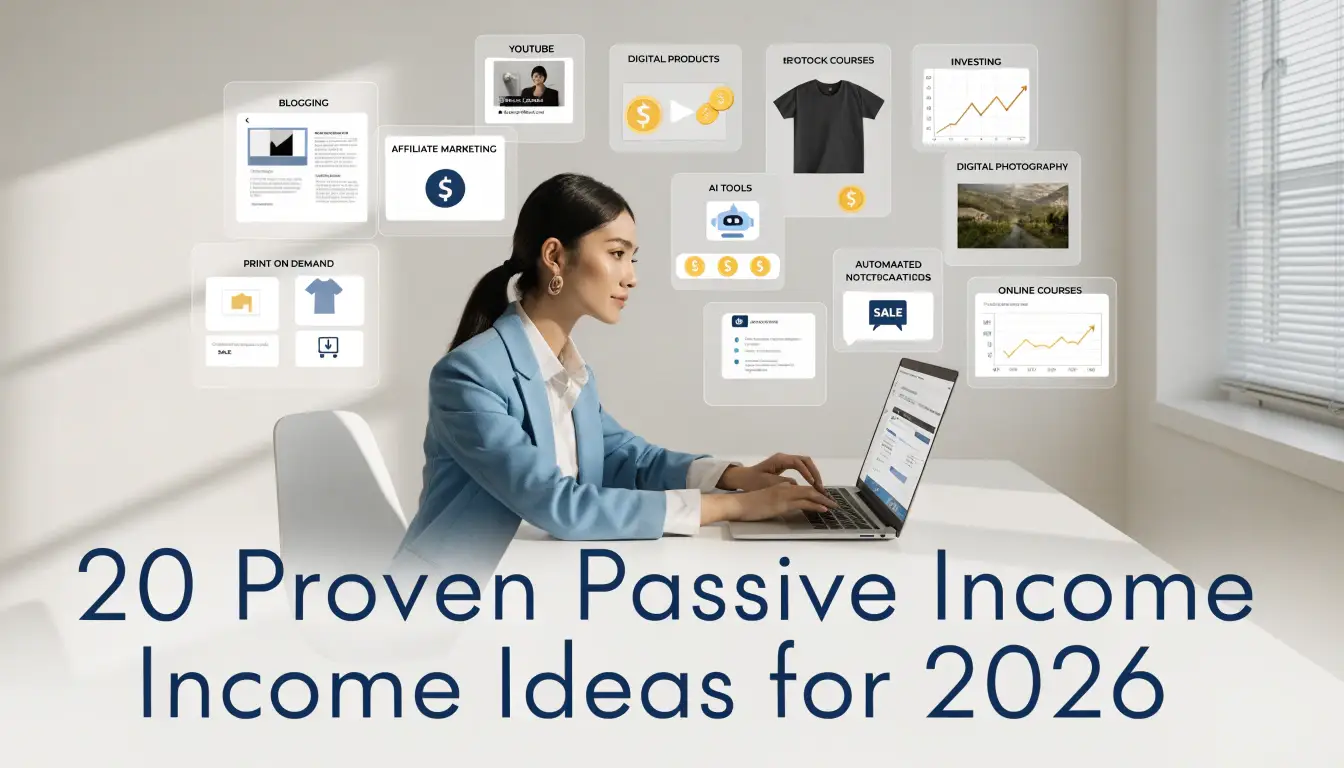
Passive income sounds like dream money that keeps coming in with little day-to-day effort. The truth is, almost every passive income stream takes real work upfront before it becomes “passive.” The good news: you don’t need a huge budget or years of experience to start. Below are 20 realistic passive income ideas beginners can actually start in 2026, ranked from easiest to more advanced.
1. High-Yield Savings Accounts
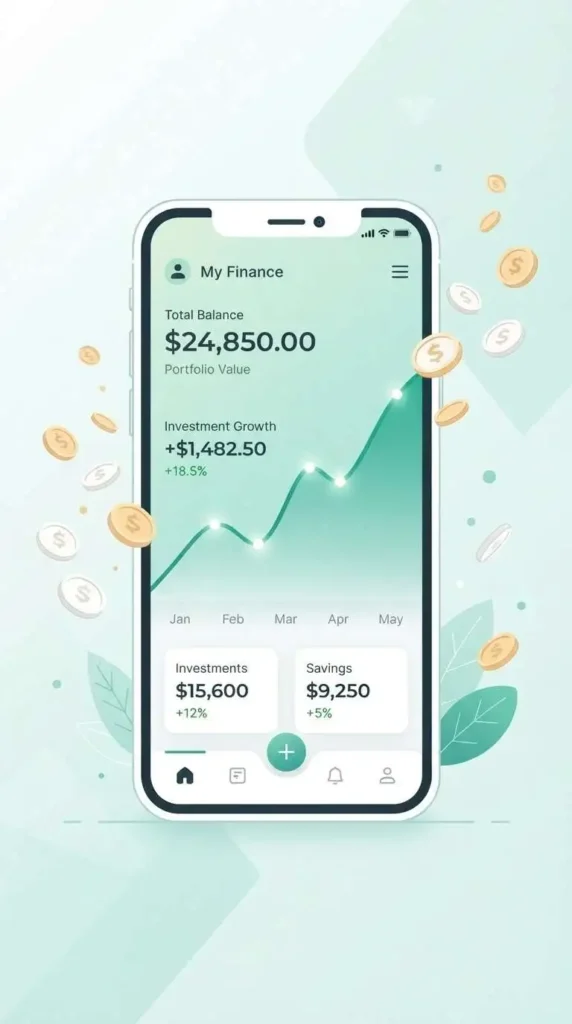
The simplest form of passive income: park your emergency fund or savings in a high-yield savings account instead of a regular bank account. It won’t make you rich, but it’s genuinely passive no ongoing work after setup and a safe first step for beginners who want to see money grow without risk.
2. Dividend-Paying Stocks

Buying shares in companies that pay regular dividends means you earn a small payout just for holding the stock. Beginners can start with fractional shares through apps like Fidelity or Robinhood, reinvest dividends automatically, and grow a stream of quarterly or monthly payouts over time.
3. REITs (Real Estate Investment Trusts)

REITs let you invest in real estate without buying property. You buy shares in a trust that owns income-generating buildings (apartments, malls, warehouses) and receive a share of the rental income as dividends a beginner-friendly way to get real estate passive income.
4. Renting Out a Spare Room

Platforms like Airbnb make it simple to rent out a spare room or unused space in your home. It requires some upfront setup (photos, listing, cleaning routine) but afterward becomes a fairly hands-off income stream, especially with automated booking and messaging tools.
5. Peer-to-Peer Lending

Sites like Prosper or LendingClub let you lend small amounts of money to individuals or small businesses and earn interest over time. It carries more risk than a savings account, so beginners should start small and diversify across multiple loans.
6. Selling Printables on Etsy

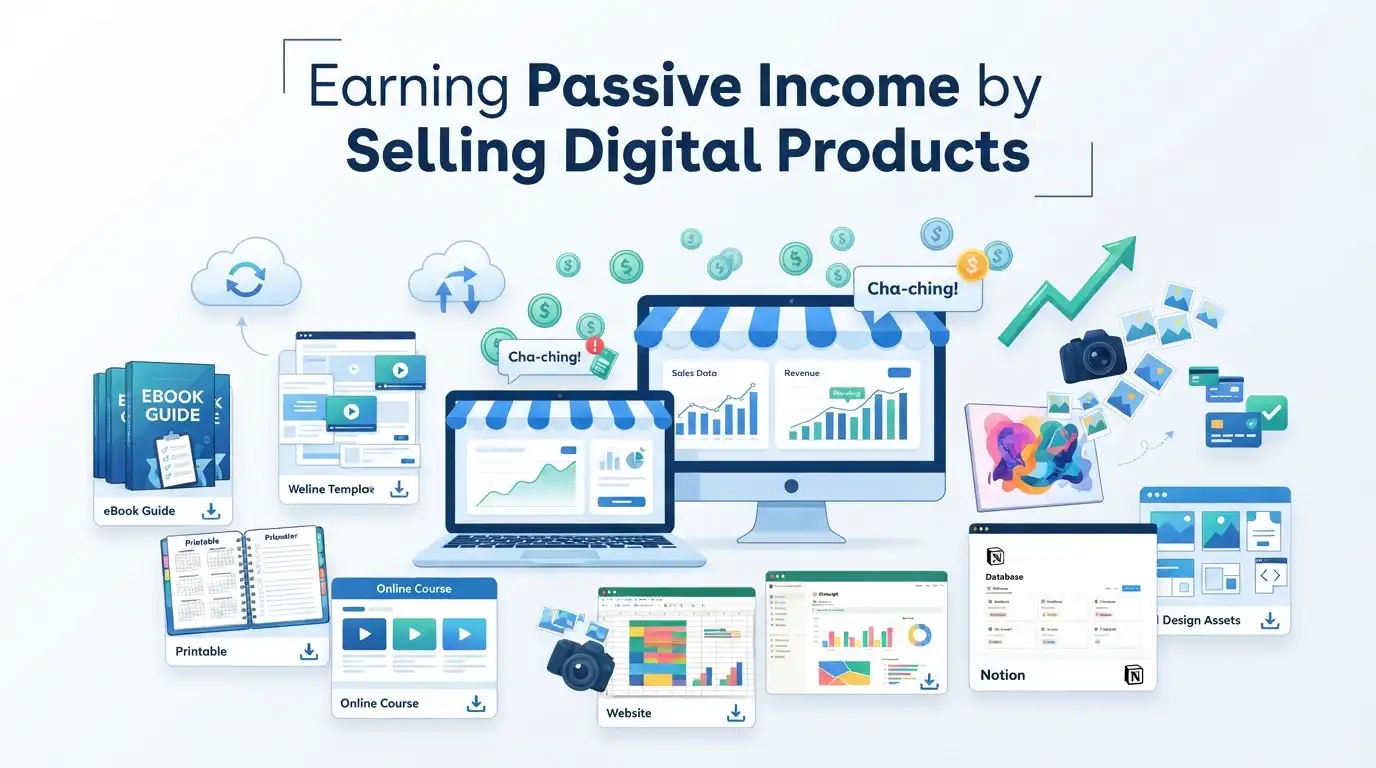
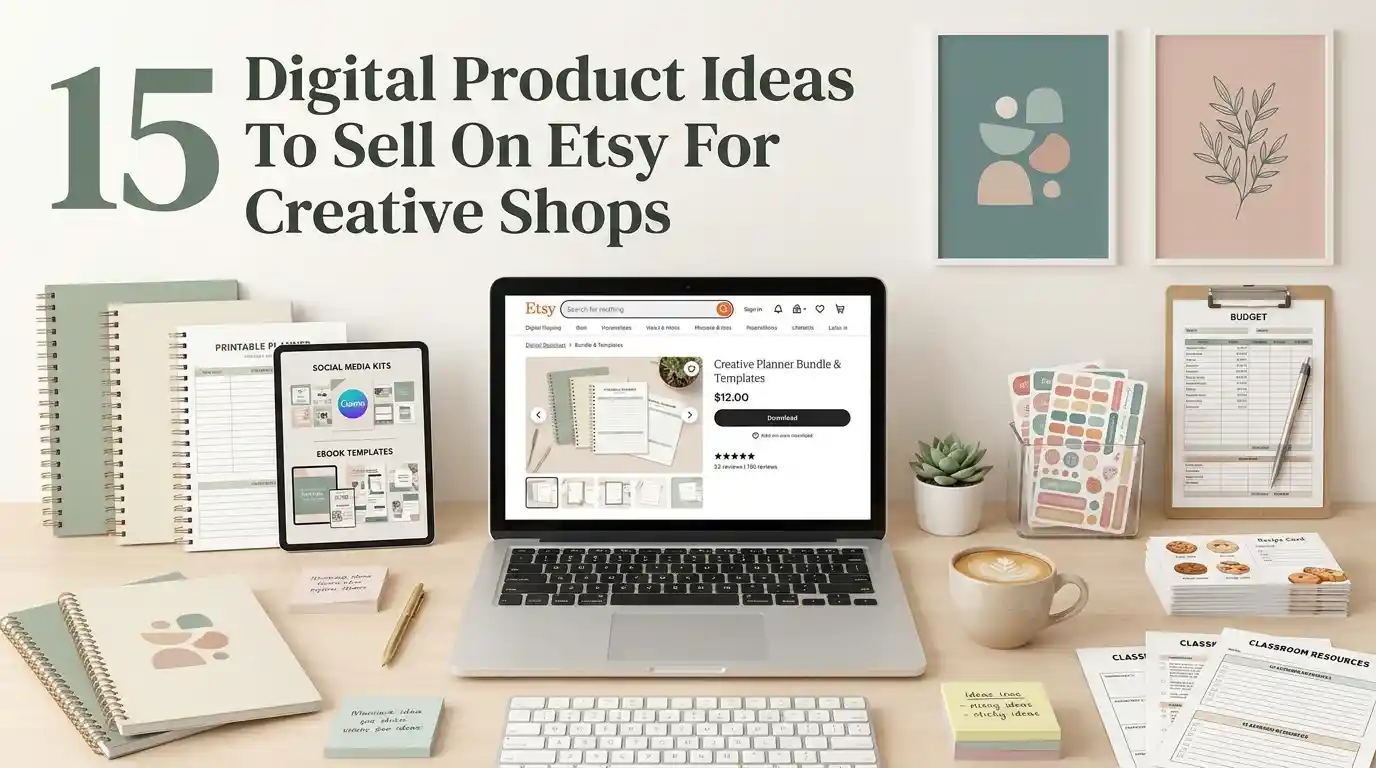
Printable planners, checklists, wall art, and budget templates are digital products you design once and sell unlimited times. No shipping, no inventory. Beginners with basic Canva skills can launch a small printable shop in a weekend.
7. Creating a Print-on-Demand Store
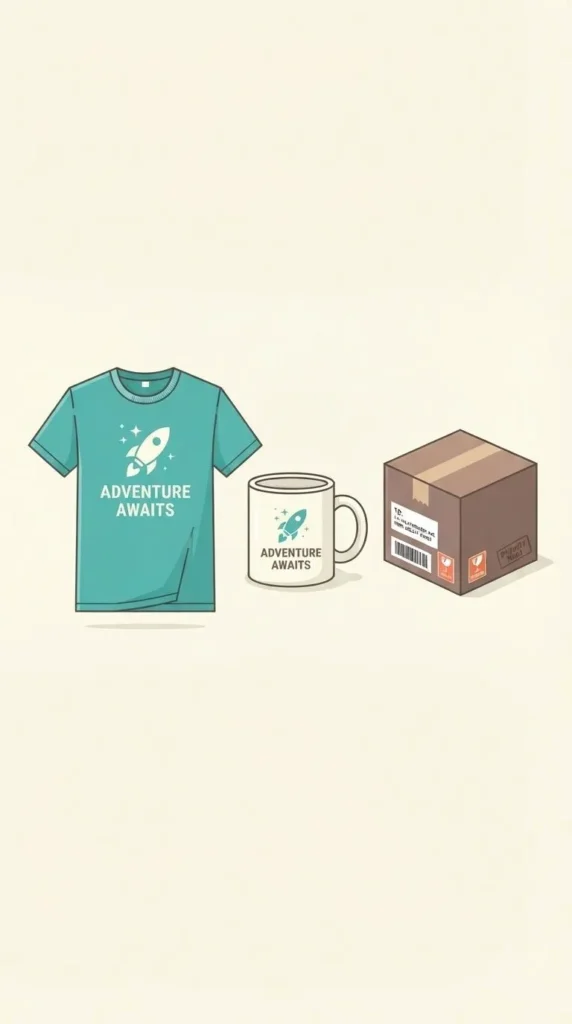
With print-on-demand, you design graphics for t-shirts, mugs, or tote bags, and a third-party service handles printing and shipping when someone orders. It’s a low-risk way to earn passive income from creativity without holding any inventory.
8. Writing and Selling an Ebook

Write an ebook once on a topic you know well, then sell it repeatedly on Amazon KDP, Gumroad, or your own site. The upfront work is real, but after publishing, sales can continue for years with minimal maintenance.
9. Creating an Online Course

If you have a skill worth teaching, package it into a video course on Udemy, Skillshare, or Teachable. Once recorded and uploaded, the course can sell to new students automatically for months or years afterward.
10. Affiliate Marketing on a Blog
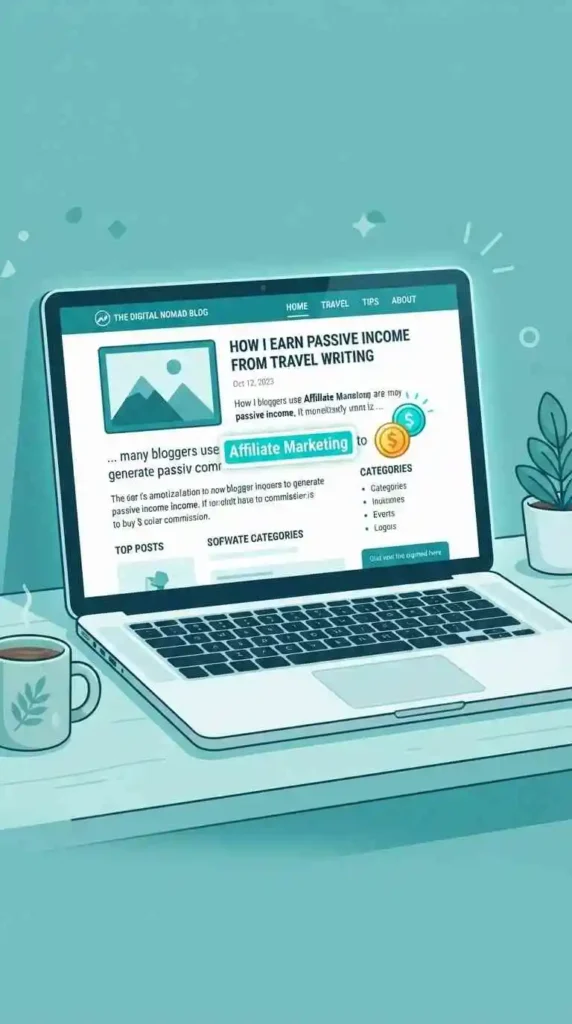
Recommend products or tools you genuinely like and earn a commission when readers buy through your link. Once articles are published and rank on Google, they can generate affiliate income passively for a long time.
11. Starting a Niche Blog with Ad Revenue

A blog focused on a specific topic (personal finance, recipes, travel tips) can earn passive income through display ads once it builds consistent traffic. It takes months to grow, but a well-optimized blog can earn while you sleep.
12. Faceless YouTube Channels

Using AI voiceover and stock footage or AI-generated video tools, you can create YouTube content without appearing on camera. Ad revenue, sponsorships, and affiliate links can turn a small channel into a real passive income stream over time.
13. Stock Photography and Video

If you enjoy photography or videography, upload your work to sites like Shutterstock or Adobe Stock. Every download earns you a small royalty, and a large portfolio can generate steady passive income over time.
14. Renting Out Your Car
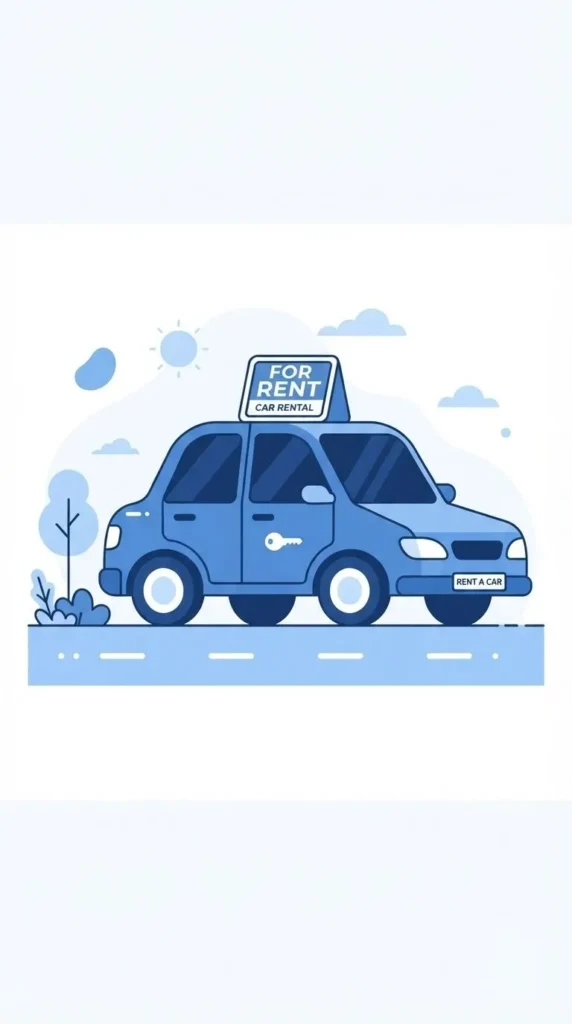
Apps like Turo let you rent out your car when you’re not using it, similar to Airbnb for vehicles. It’s a great passive income option for anyone with a reliable second car sitting idle.
15. Vending Machines or Claw Machines
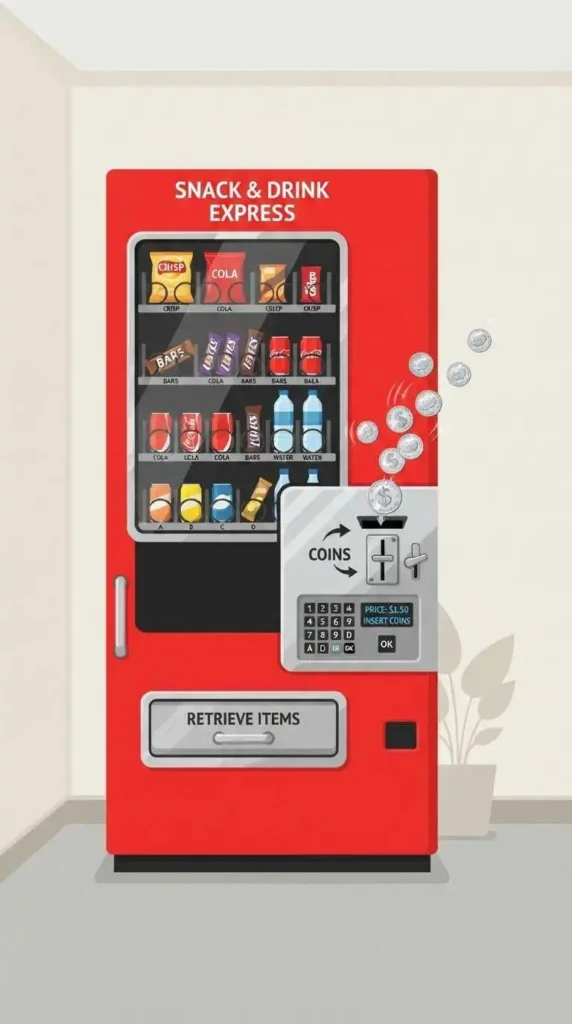
A more hands-on but scalable option: owning a vending machine or claw machine in a high-traffic location generates income with only occasional restocking. Beginners can start with one machine and reinvest profits into more.
16. Licensing Music or Sound Effects

If you make music or sound design, license your tracks for use in YouTube videos, ads, and podcasts through platforms like Artlist or Epidemic Sound. Each license earns you royalties without additional work after upload.
17. Creating a Membership or Patreon Community

If you already create content, a paid membership (Patreon, Substack) offers exclusive content for a monthly fee. Once your workflow is set, membership income becomes a predictable, recurring passive stream.
18. Automated Dropshipping Store
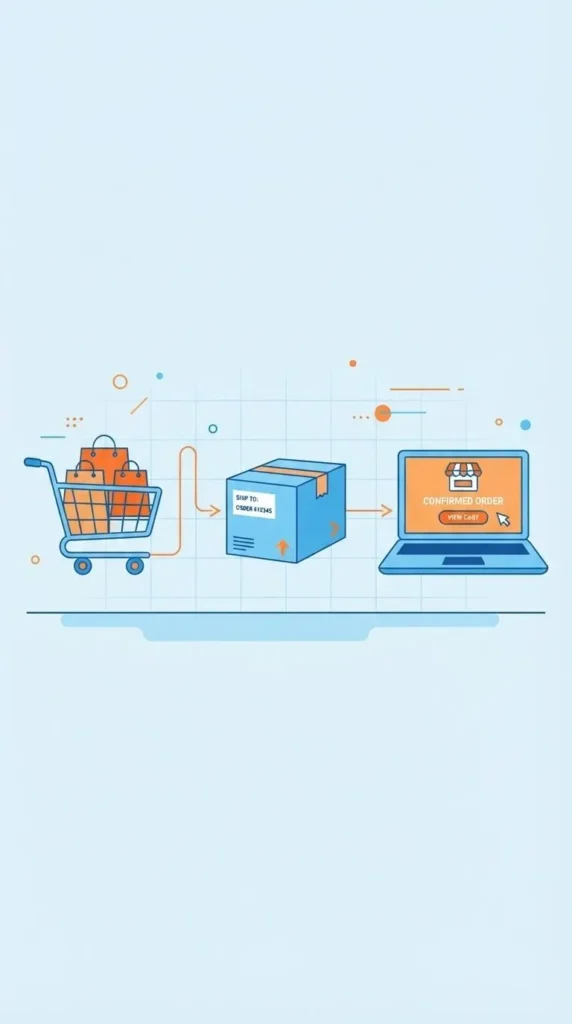
A well-optimized dropshipping store using automation tools can run with minimal daily involvement once ads and supplier systems are set up. It requires more initial effort but can become largely hands-off.
19. Renting Out Equipment or Tools
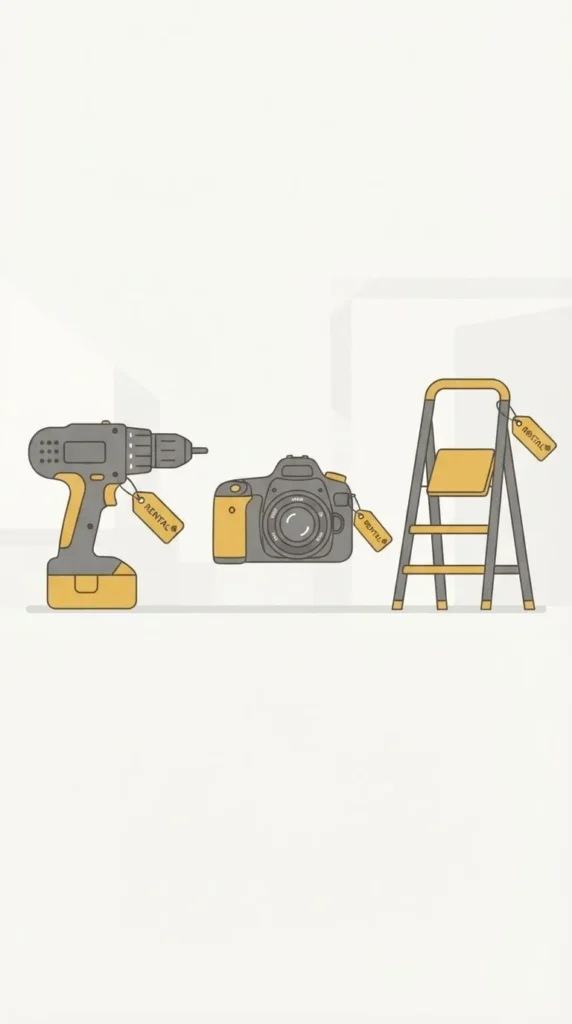
If you own tools, cameras, or equipment you rarely use, platforms like Fat Llama let you rent them out to others nearby. It’s an easy way to earn passive income from things already sitting in your garage.
20. Investing in Index Funds
Perhaps the most beginner-proof passive income method: investing consistently in low-cost index funds. It won’t pay you monthly cash directly, but it builds long-term wealth with virtually no ongoing effort once automated contributions are set up.
Frequently Asked Questions
Is passive income really passive?
Not entirely; most methods require real upfront work (building a blog, creating a course, saving capital) before they become low-maintenance. “Passive” means less ongoing daily effort, not zero effort.
What’s the fastest passive income idea for beginners?
High-yield savings accounts and dividend stocks are the fastest to set up, though they generate smaller returns compared to methods like blogging or digital products.
How much money do I need to start?
Many ideas on this list printables, blogging, affiliate marketing, ebooks can be started with $0-$50. Others, like real estate or index fund investing, benefit from more capital but aren’t required to begin.