Everyone tells beginners to become a graphic designer or a freelance writer, but those two fields are also the most crowded places on every freelance platform. The good news is that plenty of creative freelance niches pay just as well — sometimes better — with far less competition, because most beginners never think of them.
The niches below all share three traits: real businesses need them every week, you can learn the core skill in a few weeks of focused practice, and clients pay for outcomes rather than hours. If you already know how to use a computer and are willing to build a small portfolio, you can start pitching within a month. If you are still weighing which field to enter, our guide to the best freelance niches for beginners is a good place to compare your options.
1. Podcast Editing and Audio Cleanup
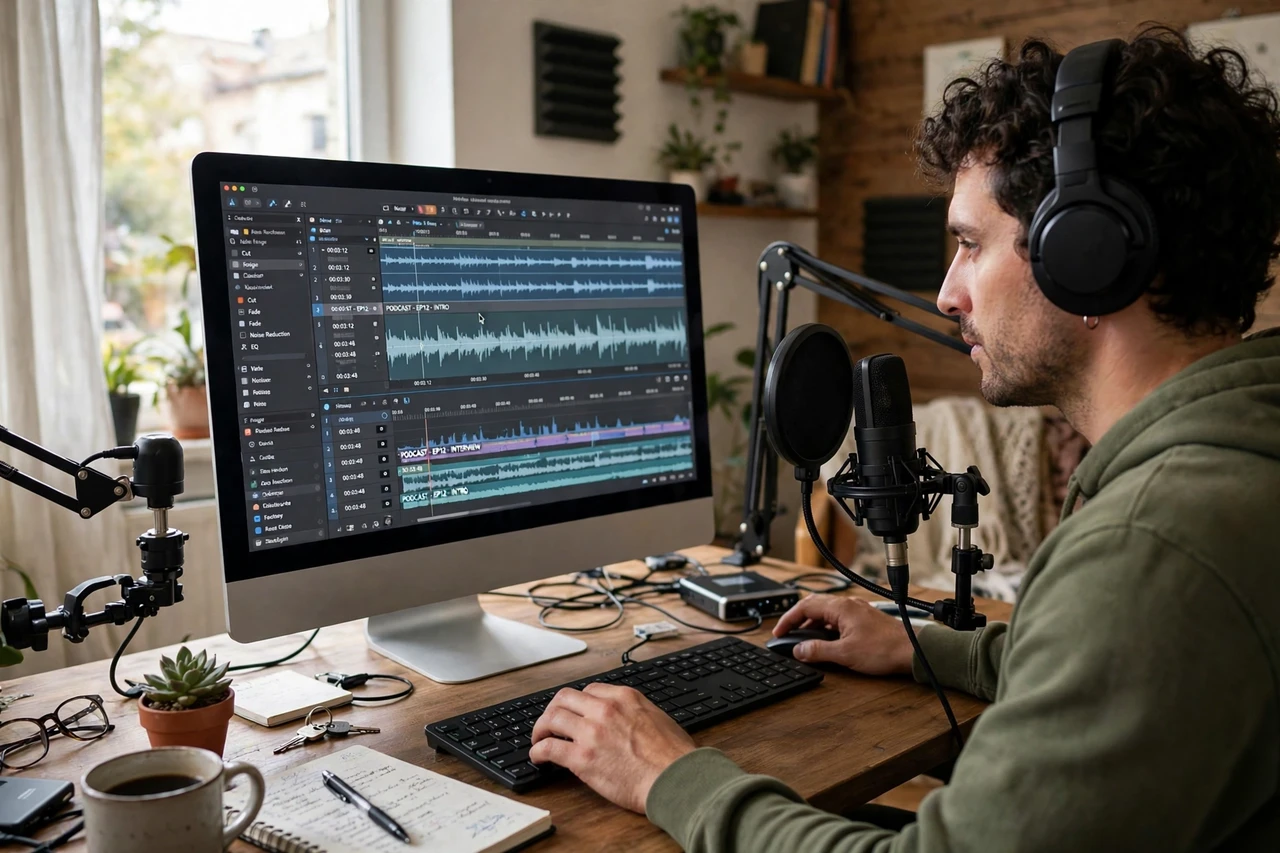
Thousands of small businesses, coaches, and creators publish a weekly podcast, but almost none of them enjoy editing it. They record for an hour, then face hours of cutting filler words, balancing volume, and removing background noise. That is a job they happily hand off for $50 to $150 per episode, and a regular client means four steady episodes a month.
You do not need a recording studio. Free tools like Audacity or affordable ones like Descript handle 90 percent of the work, and you can learn the full editing workflow from free YouTube tutorials in two or three weeks. Start by editing two sample episodes for fictional shows, then pitch podcasters whose audio quality is clearly holding them back. Once you have three clients, you have a part-time income that can grow into $2,000 to $4,000 a month.
2. Moderating Brand Communities and Membership Groups
Brands with Facebook groups, Discord servers, and paid memberships need someone to keep the conversation alive: welcoming new members, starting discussions, answering questions, and removing spam. This is not social media posting — it is relationship work, and companies pay $500 to $1,500 a month per community because an active community directly drives sales and retention.
The skill is mostly about consistency and tone. Spend an hour a day in a community, post thoughtful prompts, and flag problems before they grow. If you already run or participate in online groups, you have the core experience. Pitch course creators, coaches, and small software companies, and offer a two-week trial so they can see engagement rise before committing.

3. Virtual Event Planning and Coordination
Webinars, virtual summits, and online workshops have become a permanent part of how small businesses sell, and every one of them needs a coordinator behind the scenes. You handle speaker scheduling, tech checks, registration pages, live chat moderation, and replay delivery — the unglamorous work that makes an event feel professional.
Event coordinators charge $300 to $1,000 per event, and a busy organizer runs one or two a month. You can learn the tools (Zoom, StreamYard, Eventbrite) in a weekend, and your first portfolio piece can be a free event for a local business or a friend’s launch. Reliability matters more than creativity here, which is exactly why clients keep rebooking coordinators they trust.

4. Notion Workspace Setup and Automation
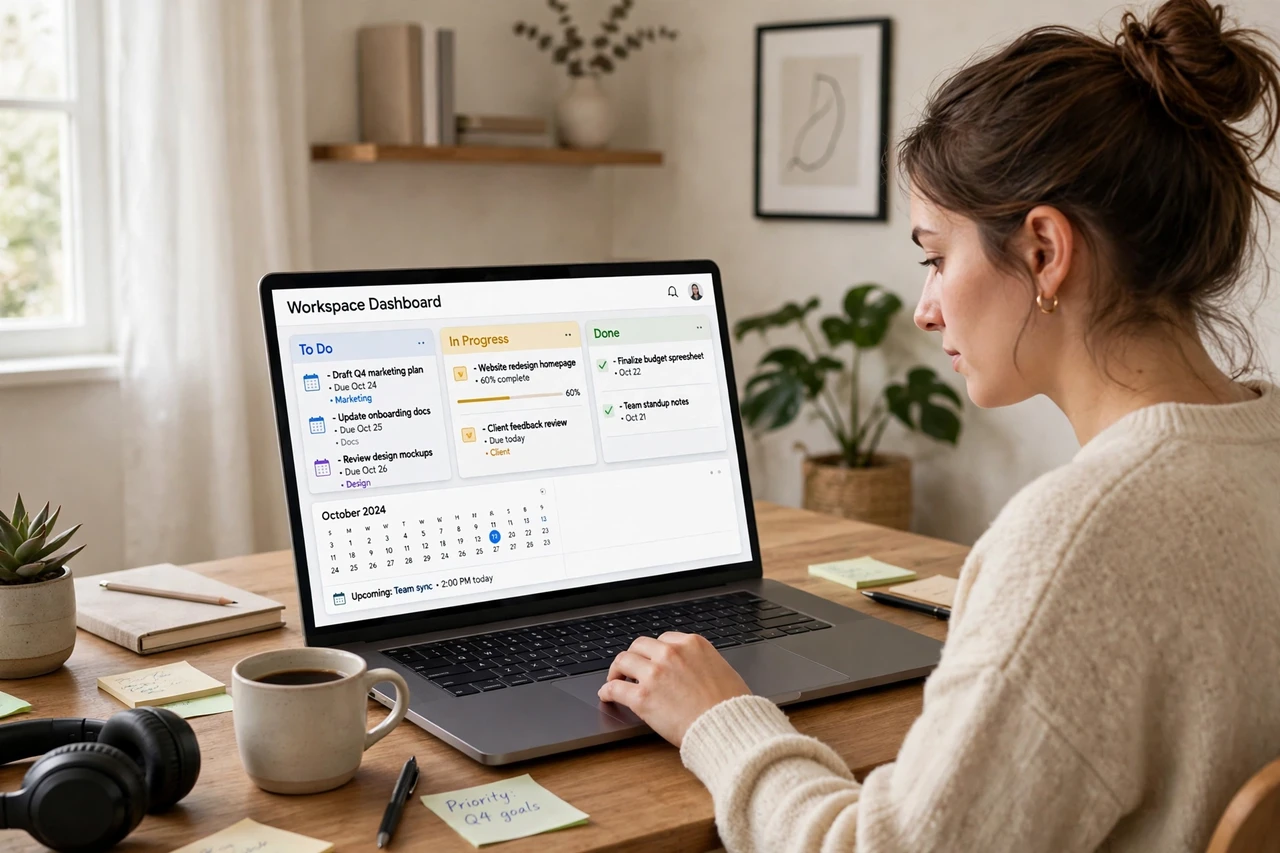
Small teams adopt Notion, then drown in it. They need someone to build a clean workspace: a client dashboard, a content calendar, a project tracker, and automations that move tasks without manual work. This is systems work, not design work, and clients pay $400 to $1,200 for a one-time setup, plus monthly retainers for tweaks.
Notion itself is free to learn, and its template gallery shows you what good looks like. Build three demo workspaces — one for a freelancer, one for a small agency, one for a content creator — and use them as your portfolio. Then pitch in Notion communities and to small business owners who complain about messy workflows. As with any new field, the freelancing tips for beginners apply here too: start small, overdeliver, and let referrals do the rest.
5. Real Estate Listing Media Editing
Real estate agents shoot dozens of photos and short video walkthroughs every week, and the raw files need editing before they go on the listing: straightening, brightness correction, sky replacement, and short vertical clips for social media. Agents pay $25 to $75 per listing, and a busy agent lists several homes a month.
Free tools like Lightroom Mobile and CapCut cover the basics, and the turnaround expectation is fast — 24 hours is standard. That speed is your selling point. Offer a first listing free to one local agent, deliver it the same day, and you will usually win the account. This niche rewards reliability above all else, and agents talk to each other, so one happy client often becomes five.

6. Etsy Shop SEO and Listing Optimization
Thousands of Etsy sellers make beautiful products but have no idea how search works on the platform. Their listings sit on page ten because their titles, tags, and descriptions miss the keywords buyers actually type. An optimizer rewrites listings, researches tags, and improves photos — and sellers pay $100 to $300 per shop for the service.
You can learn Etsy SEO in a week using free guides and by studying top shops in any category. Your portfolio can be a before-and-after case study on your own test shop or a friend’s. Because results show up in search rankings within weeks, happy sellers leave reviews and refer other sellers, which makes this one of the fastest niches to grow by word of mouth.

7. Online Course Tech Support and Student Onboarding
Course creators sell knowledge, but their students get stuck on login problems, payment issues, and platform confusion — and every stuck student is a refund risk. Creators hire tech support freelancers to answer student emails, run onboarding, and keep the course platform running smoothly, usually for $400 to $1,000 a month per course.
You need patience and familiarity with platforms like Teachable, Thinkific, or Kajabi, all of which offer free trials to learn on. Pitch creators who recently launched a course and are visibly overwhelmed in their comments or support inbox. A calm, fast support freelancer is one of the easiest hires for a creator to justify, because it directly protects their revenue.

8. Website Accessibility Audits
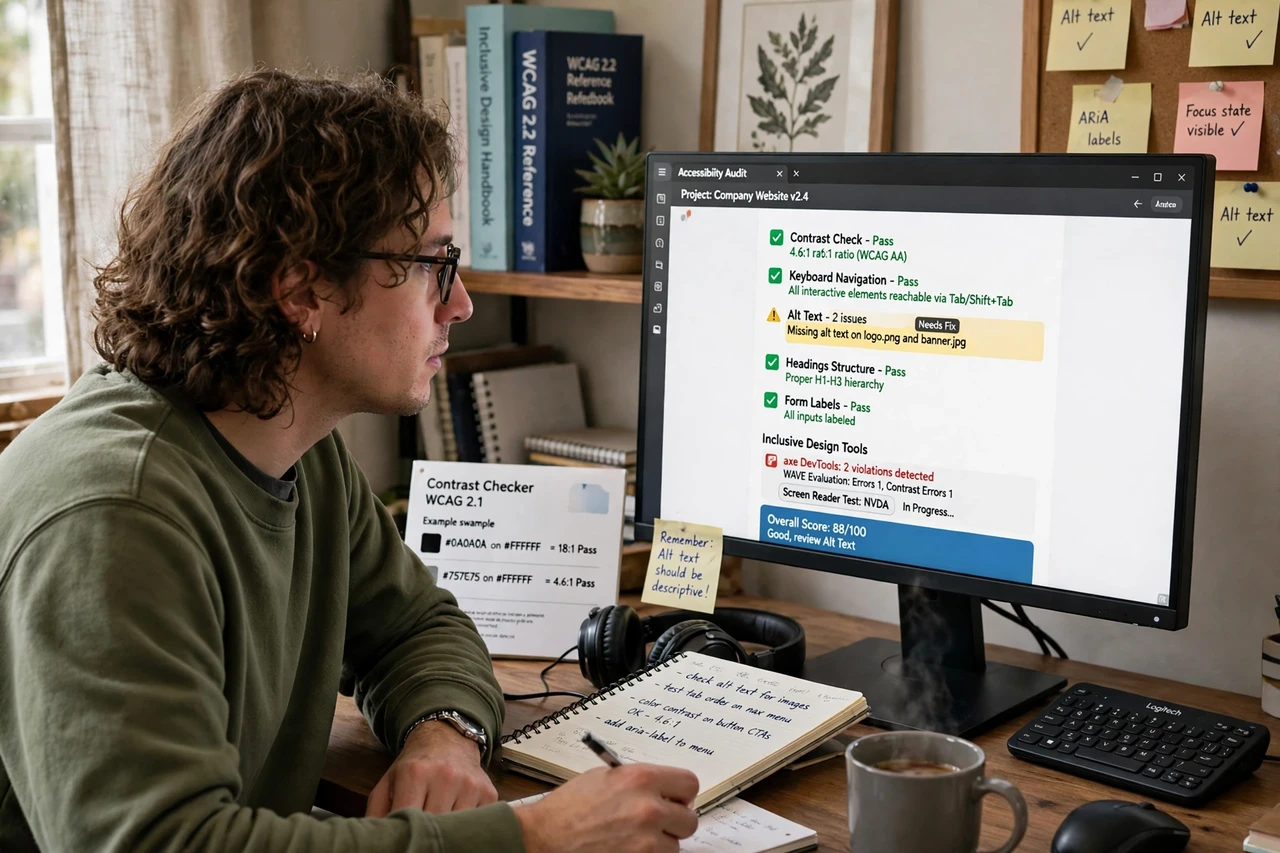
Businesses are increasingly required to make their websites usable for people with disabilities, and lawsuits over inaccessible sites are rising. An accessibility auditor checks a site against basic standards — alt text, keyboard navigation, color contrast, form labels — and delivers a clear fix list. Audits sell for $200 to $800 per site depending on size.
The basics are learnable in a few weeks through free resources from the W3C and WebAIM, plus free browser tools like WAVE and axe. Your first audits can be free reports for local businesses, which double as portfolio pieces and sales material. This niche is still small, which means early movers can become the obvious expert in their area quickly.
9. Spreadsheet Automation and Dashboard Builds
Almost every small business runs on spreadsheets that someone updates by hand every week. A freelancer who builds automated dashboards — sales trackers that update themselves, budget sheets with one-click reports, inventory sheets that flag low stock — saves clients hours every month, and clients pay $200 to $600 per build.
Google Sheets and Excel both have free learning resources, and formulas plus a few simple scripts cover most requests. Build three demo dashboards for common business types (a gym, a bakery, a freelance designer) and show them in your pitch. Business owners understand the value instantly when they see their own messy sheet turned into a clean dashboard, and a strong freelance portfolio of demo builds is what closes these deals.

10. AI Tool Setup and Other Creative Freelance Niches for Small Businesses
Small business owners hear about AI constantly but have no time to figure out which tools fit their work. A setup freelancer audits their workflow, configures the right tools, and writes a simple prompt system their team can actually use — for customer replies, social captions, or internal documents. Setup projects run $300 to $1,000, with monthly check-ins as an add-on.
You do not need to be an engineer. You need hands-on experience with the popular tools and the judgment to match a tool to a real task. Document your own workflow first, then offer a free 30-minute audit to a local business. The audit itself usually reveals two or three paid setup jobs, and because AI changes fast, clients keep coming back for updates.

Frequently Asked Questions
Do I need experience to start in these creative freelance niches?
No. Every niche above can be learned to a hireable level in two to six weeks of focused practice. What clients actually buy is a small portfolio of sample work and a clear offer, not a resume. Build two or three demo projects before you pitch, and experience stops being the question.
Which of these niches pays the most for beginners?
Community management, Notion setup, and accessibility audits tend to pay the highest monthly retainers because they solve ongoing problems. Per-project niches like listing media editing pay less per job but bring faster, repeatable work. The best niche for you is the one you will actually stick with for six months.
Where do I find my first clients?
Start where your future clients already gather: niche communities, Facebook groups, and small business forums. Offer a free or discounted first project in exchange for a testimonial, then use that testimonial in every pitch after. Cold outreach works best when you point to a specific problem in the client’s business, not a generic service list.
Can I combine two or three of these niches?
Yes, and it often helps. Podcast editing pairs naturally with community management for creators, and spreadsheet automation pairs well with Notion setup for small teams. Just keep your offer clear — clients hire specialists, so present each service separately even if you offer both.
The freelance market rewards people who solve specific, boring, recurring problems — not people who compete for the same generic gigs as everyone else. Pick one niche from this list, spend the next two weeks building sample work, and start pitching. A year from now, the freelancers earning the most will be the ones who picked a lane early and stayed in it.