Not all freelance platforms are equal when it comes to actually making money — fees, competition, and payout speed vary wildly. These 5 best freelance platforms to make money are ranked by what matters: how fast beginners earn their first dollar, how much of it they keep, and how high the income ceiling goes.
1. Upwork — Highest Earning Potential for Skilled Freelancers
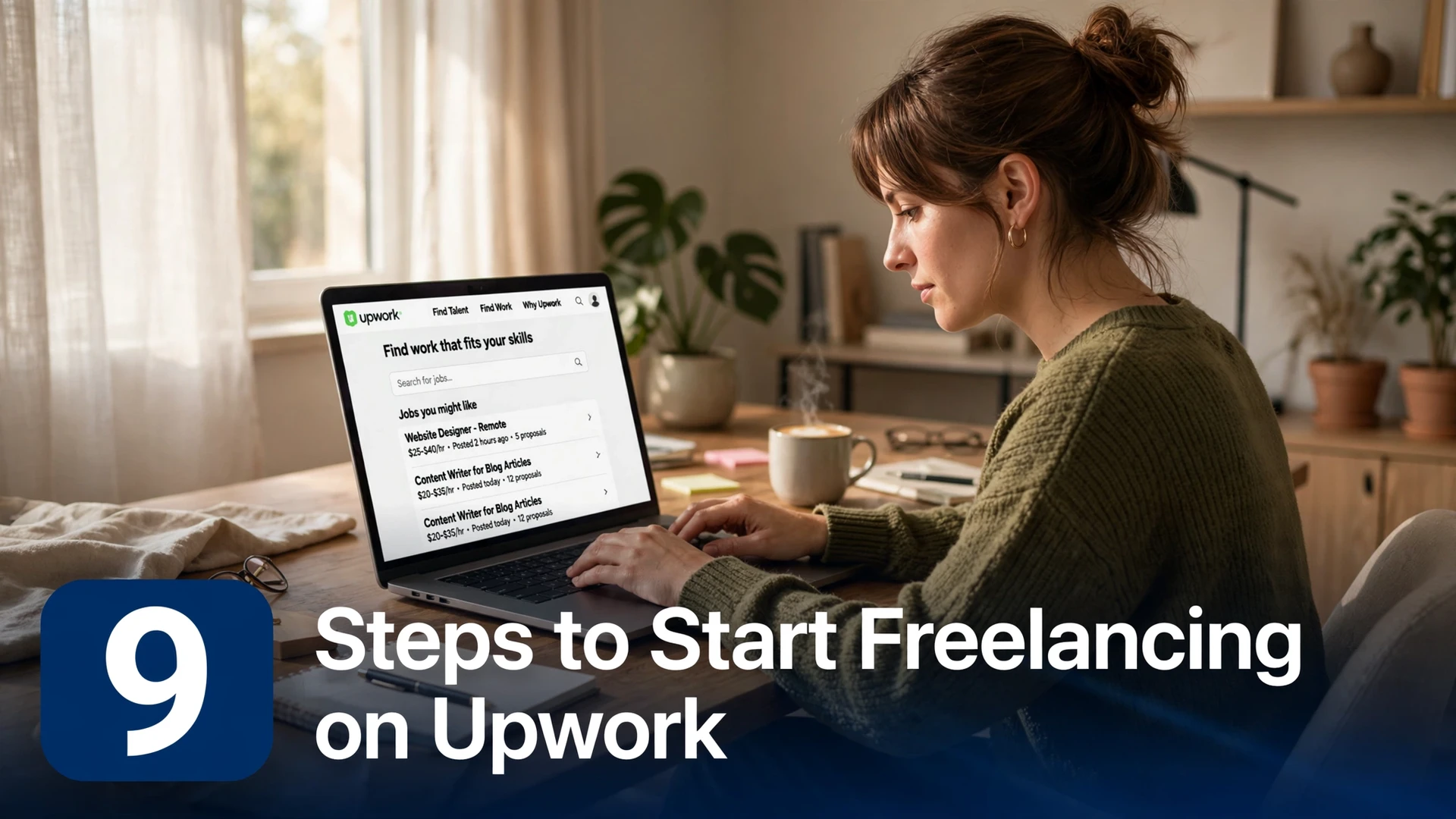
Upwork remains the heavyweight for serious freelance income, with skilled freelancers earning $50 to $150+ per hour once established. The platform’s fee slides from 10% down to 5% as you earn more with each client, so long-term relationships get progressively more profitable. Enterprise clients and well-funded startups post here — the budgets are real.
The money strategy: niche down hard (not “writer” but “SaaS email copywriter”), complete Upwork’s skill certifications for the badge, and start with competitive rates to win your first ten reviews. Freelancers who treat Upwork like a business — professional proposals, fast responses, stellar delivery — routinely cross $5,000 monthly within a year.

2. Fiverr — Fastest First Dollar With Productized Gigs
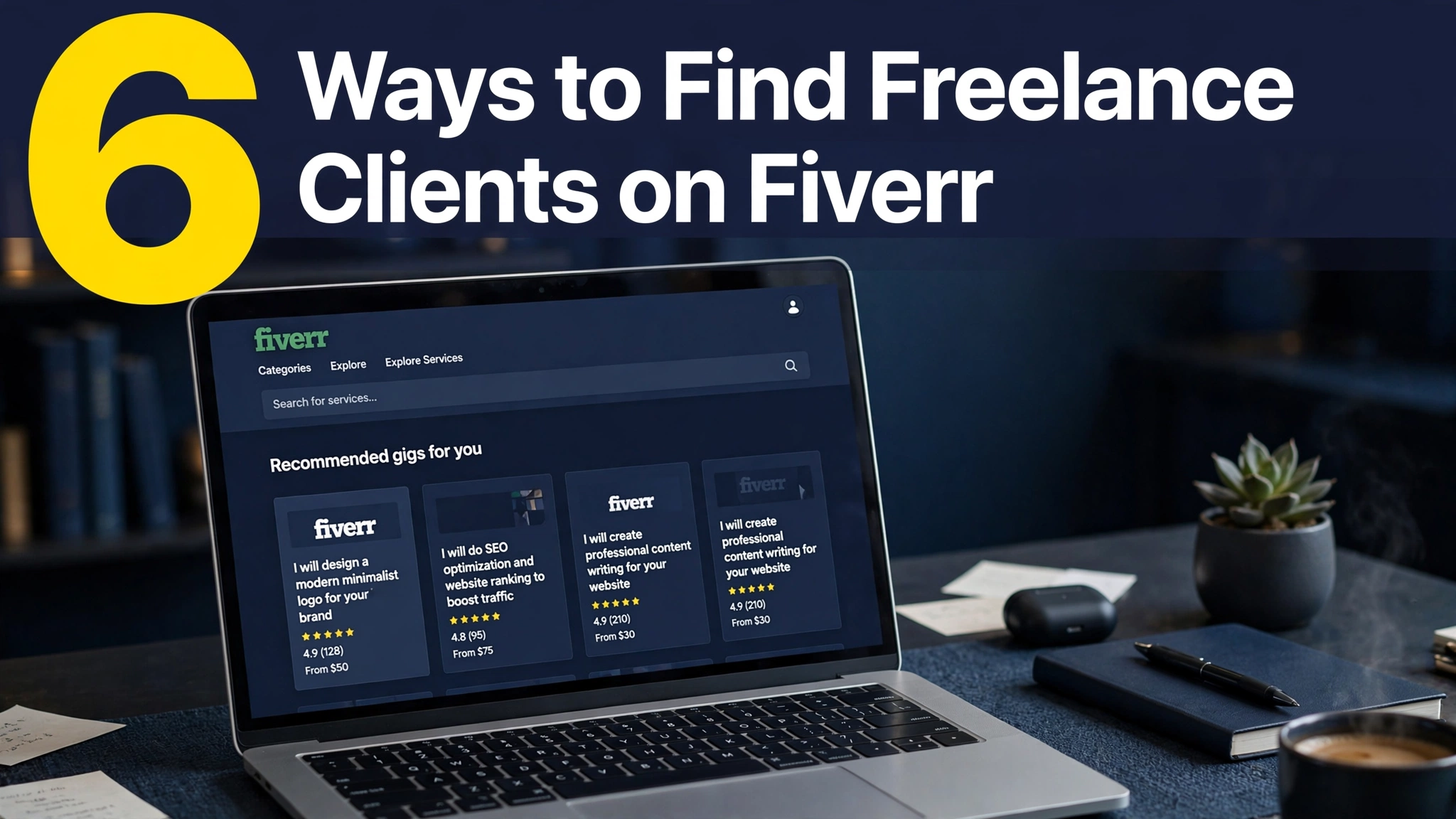
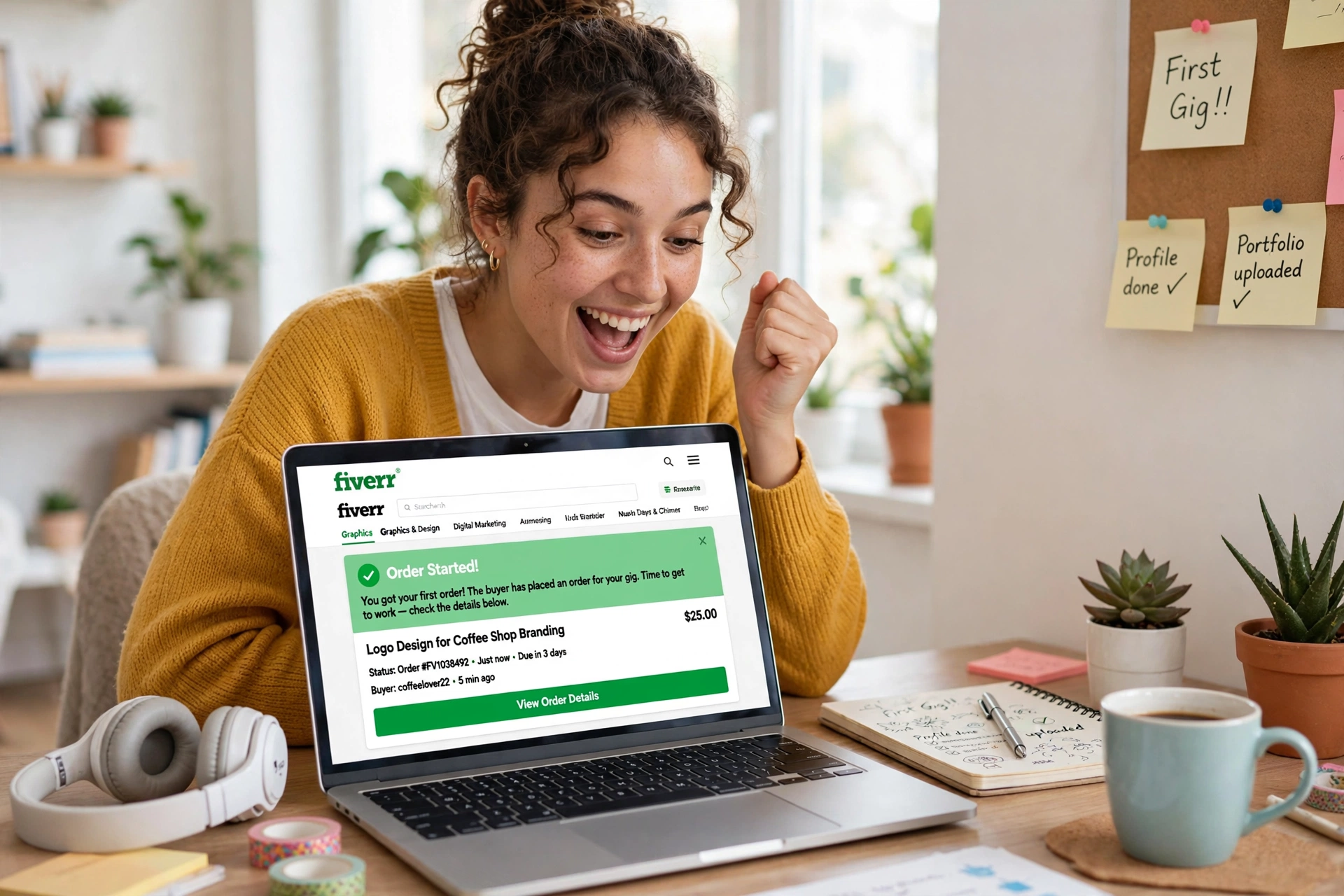
Fiverr is where beginners make their first freelance dollar fastest, because buyers come searching — you don’t chase them. Productize one clear service (“I will design 5 Instagram posts in 24 hours”), price it to move, and orders can arrive within days of publishing. Top sellers scale single gigs into $10,000+ monthly machines.
The money math: Fiverr takes 20%, so price accordingly — a $100 gig nets you $80. Win your first ten reviews with strategic intro pricing, then raise rates and add gig extras that double order values. Fiverr rewards active sellers who optimize titles, answer buyer requests daily, and convert one-time buyers into repeat clients.
3. Contra — Keep 100% With Zero Commission Fees
Contra’s killer feature is simple: zero commission. Every dollar a client pays is a dollar you keep, which makes it the most profitable platform per project by default. It’s built for independent creatives and developers who want a portfolio-forward profile without a marketplace taking a cut — and clients pay Contra, not you, for payment processing.
The money strategy here is positioning: Contra attracts design-conscious clients willing to pay premium rates, so price confidently. Use its beautiful project pages as your portfolio, offer fixed-price “services” like Fiverr-style packages, and take on higher-ticket work knowing no percentage disappears. For a $2,000 project, keeping 100% vs 80 to 90% elsewhere is a meaningful raise.
4. Freelancer.com — Contest Winnings for Competitive Beginners
Freelancer.com’s contest feature is a hidden gem for beginners: clients post a brief, designers and writers submit entries, and the winner gets paid — no reviews or history required. Win two or three contests and you’ve got portfolio pieces, testimonials, and earnings all at once. Contest prizes range from $30 to $500+ per win.
The money play: enter contests in categories with fewer submissions (naming, data entry projects, simple graphics) where your odds are best. Even losing entries become portfolio samples. Once you’ve won a few, transition to bidding on regular projects with your new track record — Freelancer.com’s 10% fee is standard, and its sheer project volume means constant opportunity.

5. PeoplePerHour — Premium Hourly Rates for UK and US Clients
PeoplePerHour skews toward UK and European clients who pay premium hourly rates — $30 to $80+ per hour is normal for solid work. The platform’s “Hourlies” (fixed-price packages) let beginners productize services like Fiverr, while traditional proposals win larger projects. Less saturated than Upwork, so good profiles stand out faster.
The money strategy: set up three to five Hourlies at ascending price points to capture different budgets, and keep your availability calendar current — clients filter for freelancers who can start now. PeoplePerHour’s escrow system protects both sides, and its WorkStream chat keeps projects organized. Sterling-paying clients are a bonus when the dollar dips.

Frequently Asked Questions
Which freelance platform pays beginners the most?
For speed, Fiverr — first earnings often arrive within a week. For hourly rates, PeoplePerHour and Upwork pay more once you’re established. For keeping the most per project, Contra’s zero commission wins. Most successful freelancers eventually work across two or three platforms.
How much do freelance platforms take in fees?
Fiverr takes 20%, Upwork takes 5 to 10% (sliding scale), Freelancer.com takes 10%, PeoplePerHour takes 3.5% plus a service fee structure, and Contra takes 0% commission from freelancers. Always factor fees into your pricing — a $100 project is really an $80 to $100 project depending on the platform.
Can beginners really make money on Upwork with no reviews?
Yes, but it takes strategy: complete skill certifications, write proposals that lead with the client’s problem (not your story), start with smaller fixed-price projects, and apply to 10+ relevant jobs daily. Most beginners land their first Upwork client within 3 to 6 weeks of consistent, quality applications.
Should I use one platform or several?
Start with one — master its algorithm, build reviews, and systematize delivery before spreading thin. Once you’re earning steadily on your first platform (usually 2 to 3 months), add a second for diversification. Depending on a single platform forever is risky; depending on zero is worse.
Conclusion
The best freelance platform is the one where you’ll actually show up consistently — pick one from this list, build a complete profile this week, and start applying or publishing gigs daily. Your first $1,000 in freelance income is closer than it feels; most beginners reach it within 60 to 90 days of focused effort on a single platform.