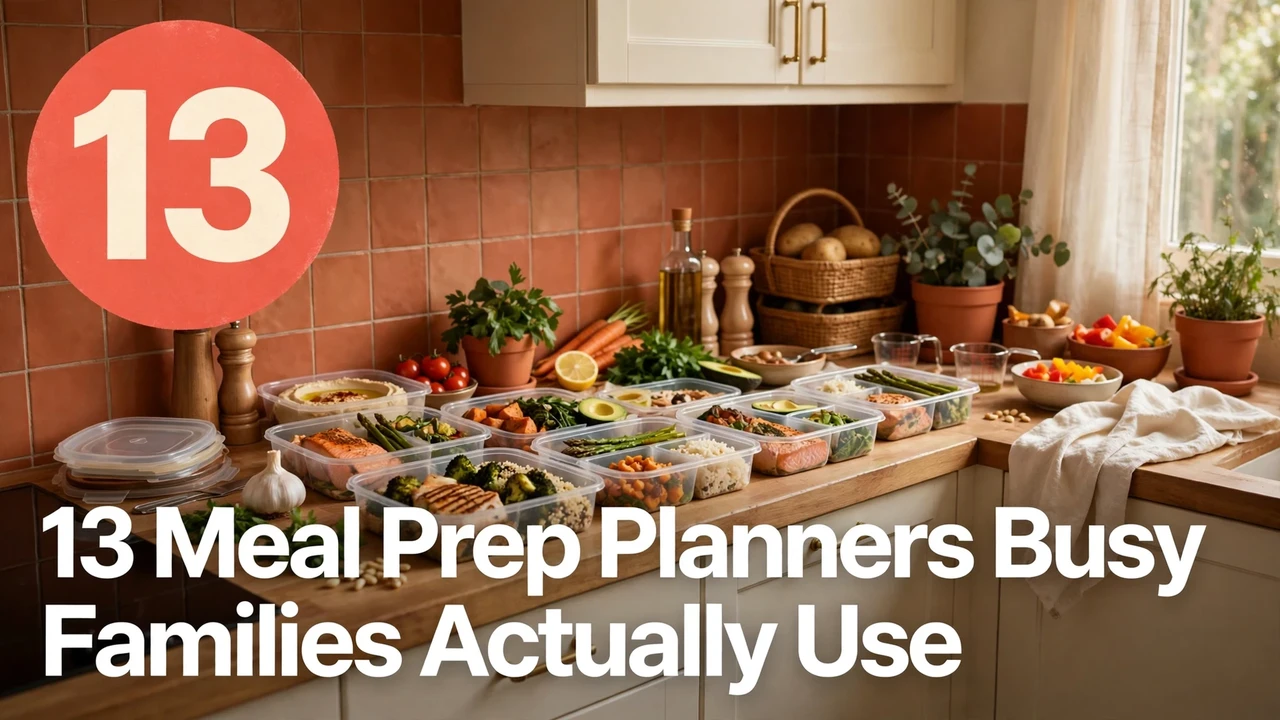
Weeknight dinner is the hardest part of many families’ days — not because cooking is hard, but because deciding what to cook, after a long day, with hungry kids and an empty fridge, is exhausting. That is exactly the problem meal prep planners for families solve. A good planner turns “what’s for dinner?” from a daily crisis into a ten-minute Sunday habit, and families that plan meals consistently report spending less on groceries and throwing away less food.
The planners below are all printable, reusable formats you can buy on Etsy, print at home, or make yourself in a free tool like Canva. Each one solves a different real problem — tight budgets, picky eaters, small kitchens, chaotic schedules — so pick the one that matches your family’s actual bottleneck rather than the prettiest one. Most cost under $5 as a printable, and a single saved takeout order pays for a year of them.
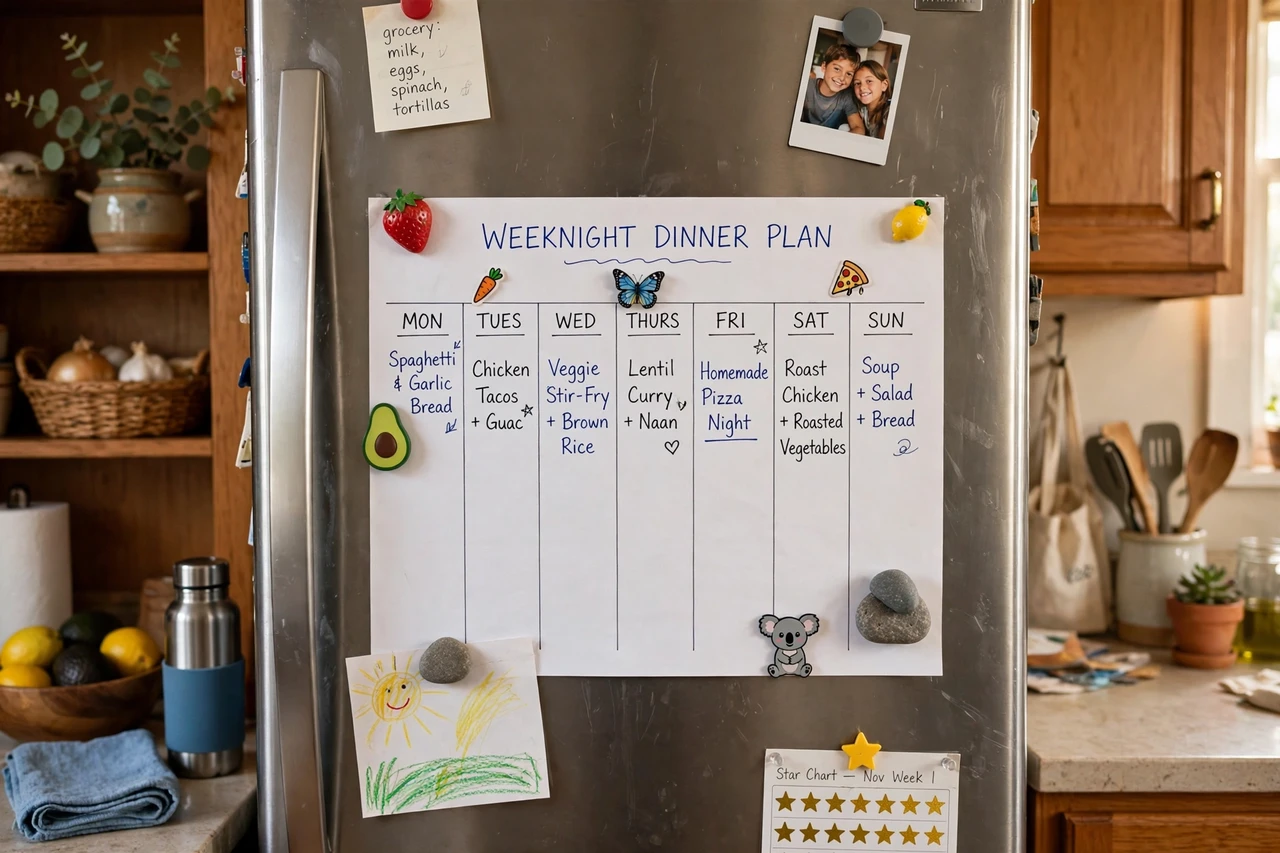
1. The Family Weeknight Dinner Planner
This is the workhorse planner: one page, seven dinners, space for the main dish, sides, and a notes column for who eats what. Its power is simplicity — you fill it in on Sunday, stick it on the fridge, and nobody asks “what’s for dinner?” all week because the answer is already there.
It works best when you pair it with a rule: no more than two new recipes per week, and the rest are family favorites on rotation. That keeps planning fast and avoids the trap of an ambitious plan nobody follows. Laminate it and use a dry-erase marker, and one sheet lasts all year.
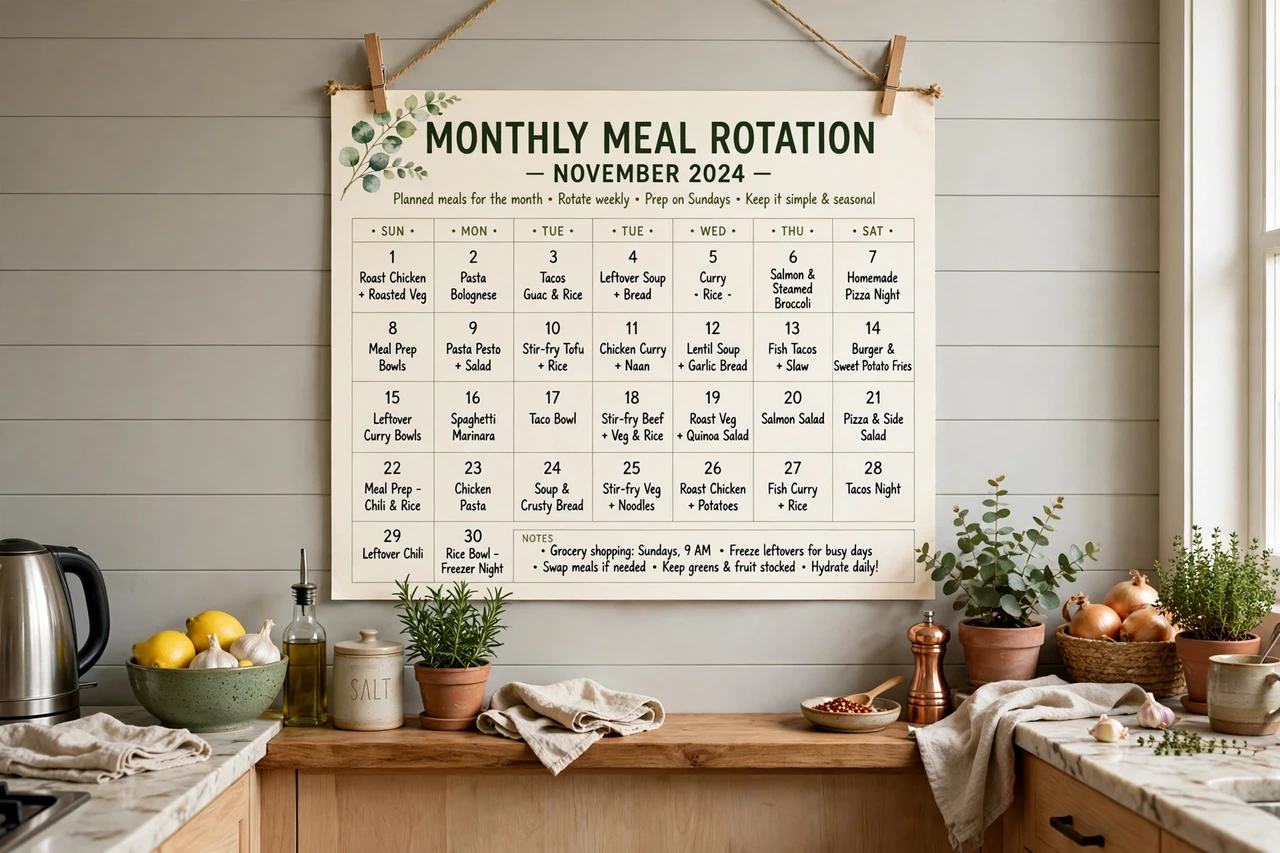
2. The Monthly Meal Rotation Planner
If weekly planning still feels like too much deciding, a monthly rotation planner is the answer: you build a bank of 20 to 30 proven family meals, assign them across the month, and then simply repeat the rotation with small swaps. Decision fatigue drops to almost zero after the first month.
The trick is building the bank honestly — only meals your family actually eats and that you can cook without a recipe hunt. Once the rotation exists, grocery shopping becomes automatic too, because you already know what each week requires. Many families find this single planner cuts their food spending by 15 to 20 percent.
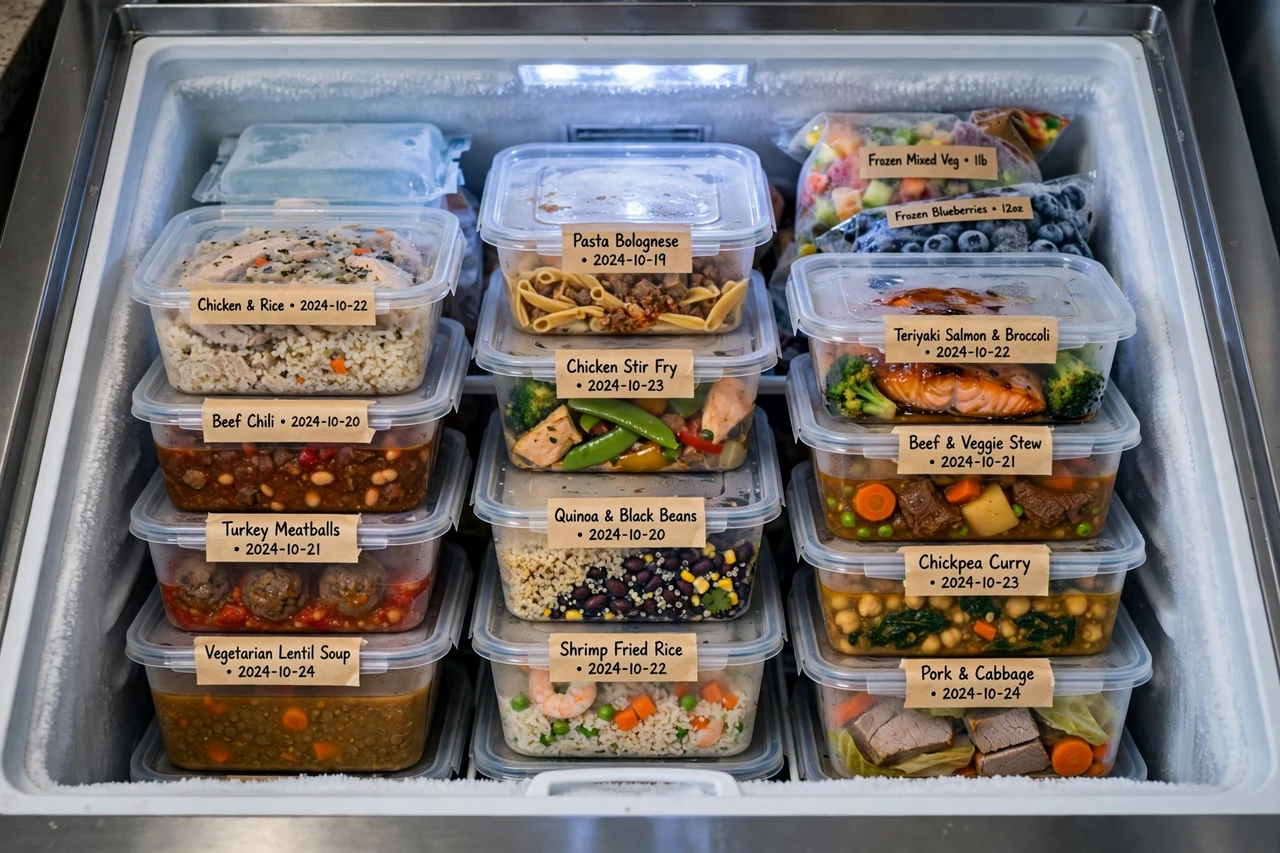
3. The Freezer Meal Prep Planner
A freezer meal planner organizes batch cooking: which meals to double, what goes into freezer bags, thawing instructions, and dates. One big cooking session can stock two weeks of dinners, which is a lifeline for families with a new baby, a busy season at work, or a parent who travels.
The planner’s most important section is the inventory list — without it, freezer meals get buried and forgotten. Label everything with the meal name and date, and keep the inventory on the fridge so you actually use what you froze. Soups, stews, casseroles, and marinated meats freeze best; avoid freezing creamy sauces and cooked pasta.
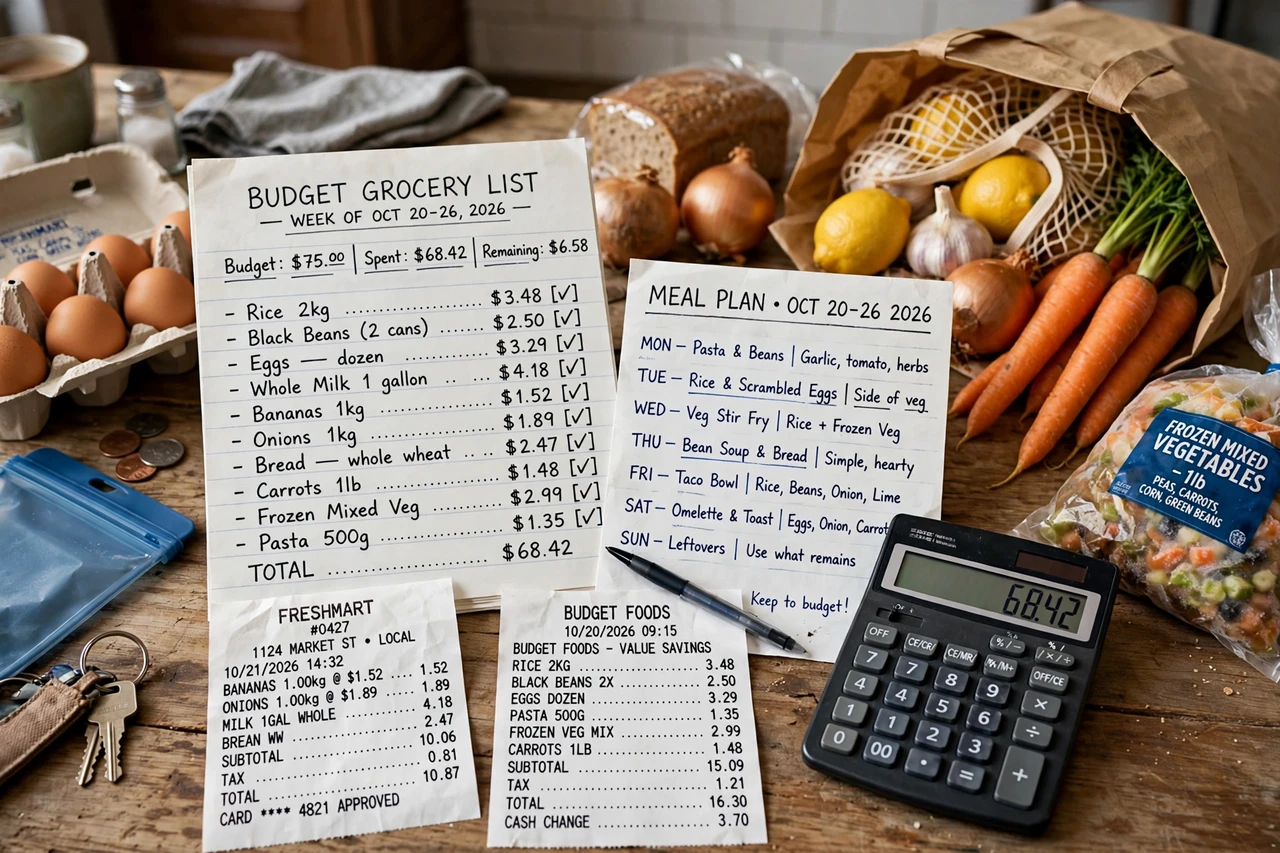
4. The Budget Grocery and Meal Planner
This planner connects meals directly to money: each week’s plan includes an estimated grocery cost, a running total, and a column for what you already have at home. For families trying to keep food spending under control, seeing the cost of the plan before shopping is more useful than any coupon.
It works best with a weekly grocery cap written at the top of the page. When the planned meals exceed the cap, you swap one meal for a pantry-based option before you shop — not after you have already overspent. Over a few months, most families find $50 to $100 a month in savings just from planning around what they own.
5. The School Lunchbox Planner
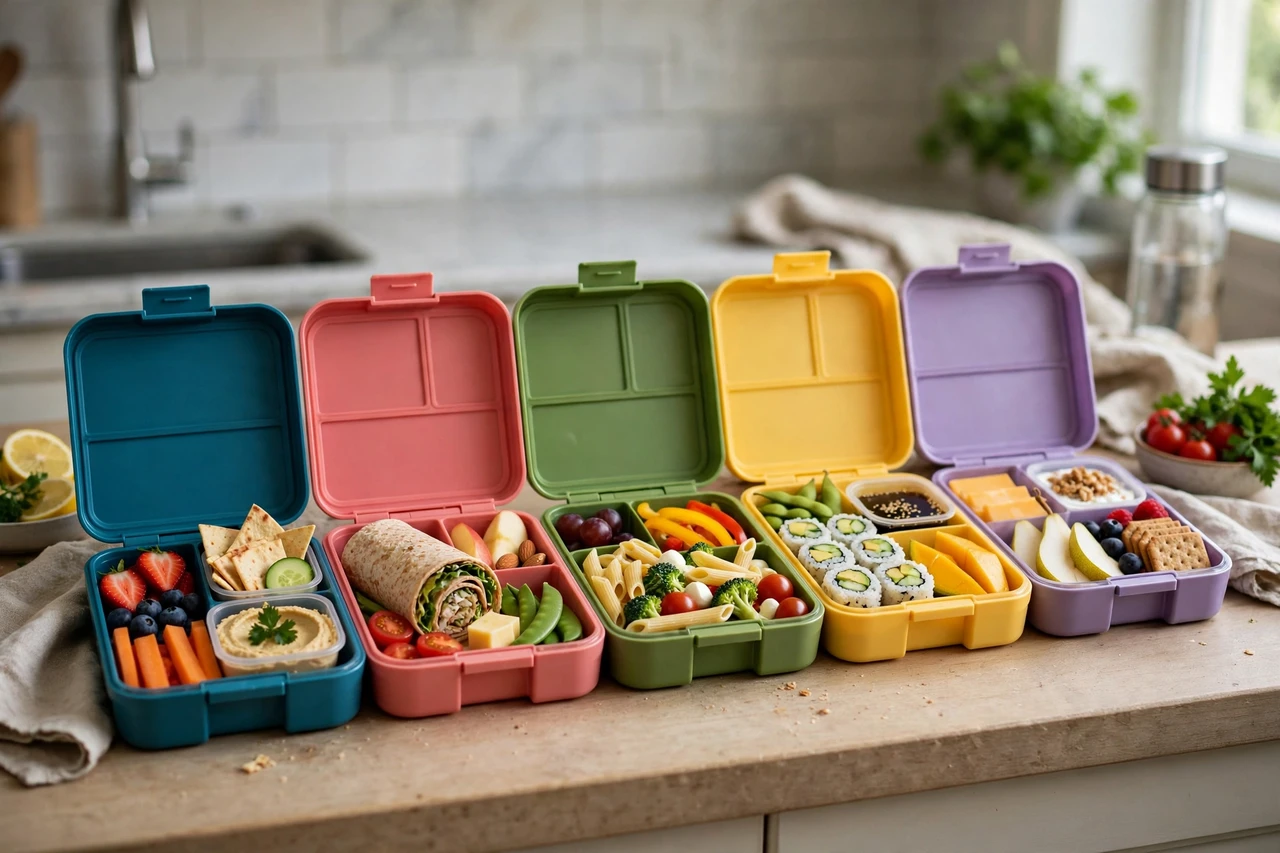
School lunches are a second daily decision that wears parents down, and a lunchbox planner handles it the same way as dinners: a weekly grid with a main item, a fruit or vegetable, a snack, and a drink for each child. Picky eaters get a column for their safe foods, so you stop packing lunches that come home uneaten.
Prep it on Sunday alongside dinner planning, and pack lunches the night before rather than in the morning rush. Families that switch to night-before packing consistently report calmer mornings — and kids who help choose their lunch options are far more likely to actually eat them.
6. The Slow Cooker Meal Planner
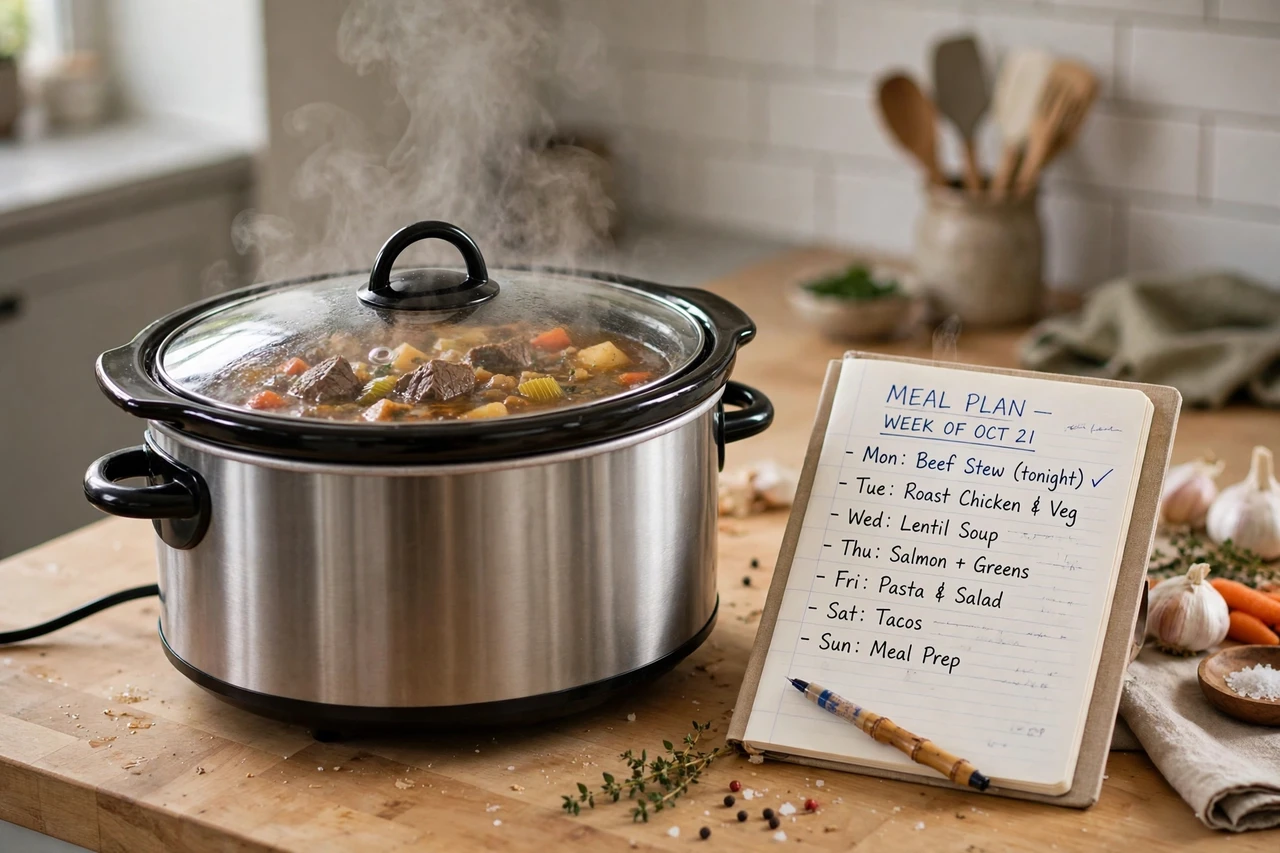
A slow cooker planner is built around dump-and-go meals: the planner lists the recipe, the morning prep steps, the cook time, and what to serve with it. For parents who leave early and return late, it turns the slow cooker into the family’s most valuable appliance.
The best versions include a morning checklist — plug in, add ingredients, set timer — because the most common slow cooker failure is simply forgetting to start it. Plan three slow cooker meals a week, and the busiest weeknights take care of themselves while you are still at work.
7. The Sheet Pan Dinner Planner
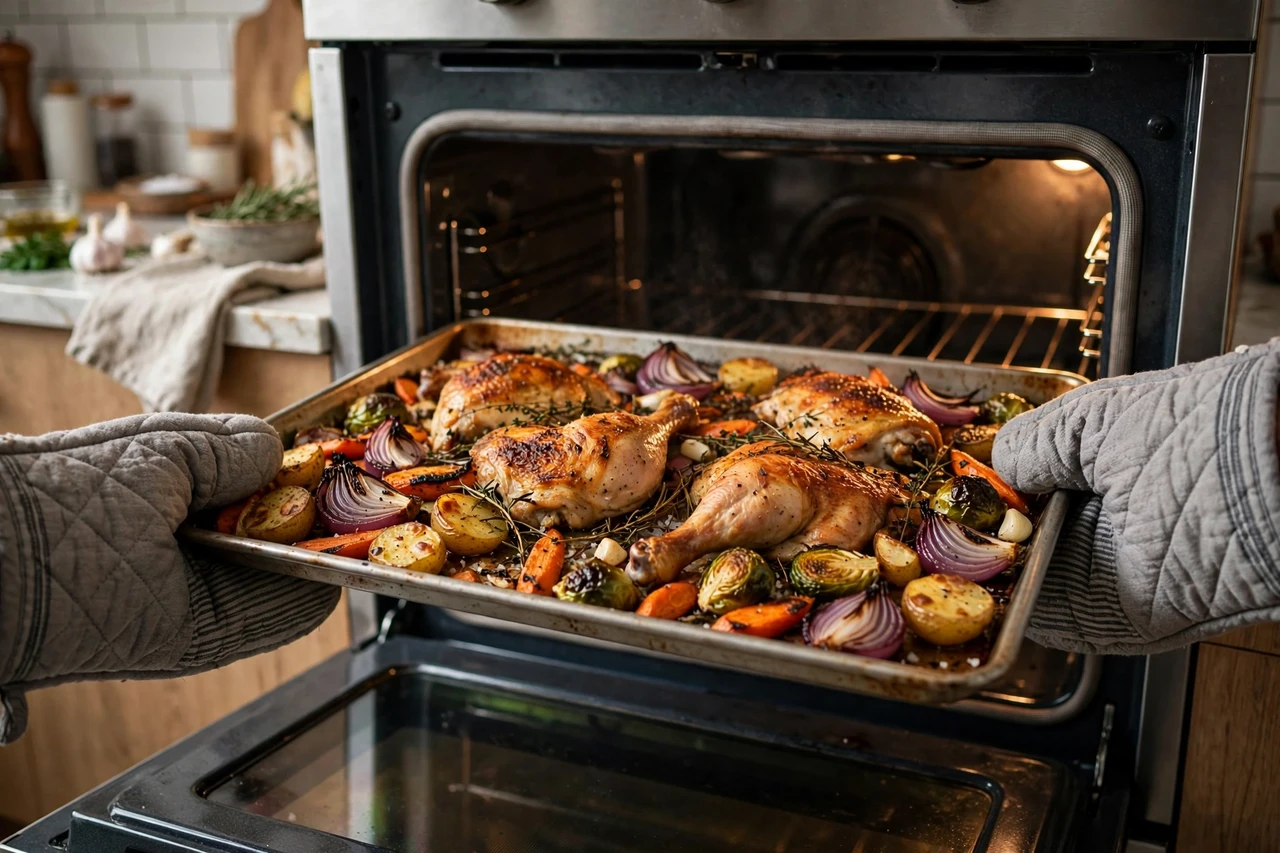
Sheet pan dinners are the lowest-effort real meals: protein plus vegetables on one pan, into the oven, done in 30 minutes, with almost no cleanup. A sheet pan planner organizes them by protein and season, so you can build a week of dinners from a short list of formulas rather than full recipes.
Its most useful section is the timing chart — which vegetables need 20 minutes and which need 40 — because that is the difference between a great sheet pan dinner and a pan of burnt broccoli and raw carrots. Once you know the formulas, you can improvise dinners from whatever is in the fridge.
8. The 15-Minute Weeknight Meal Planner
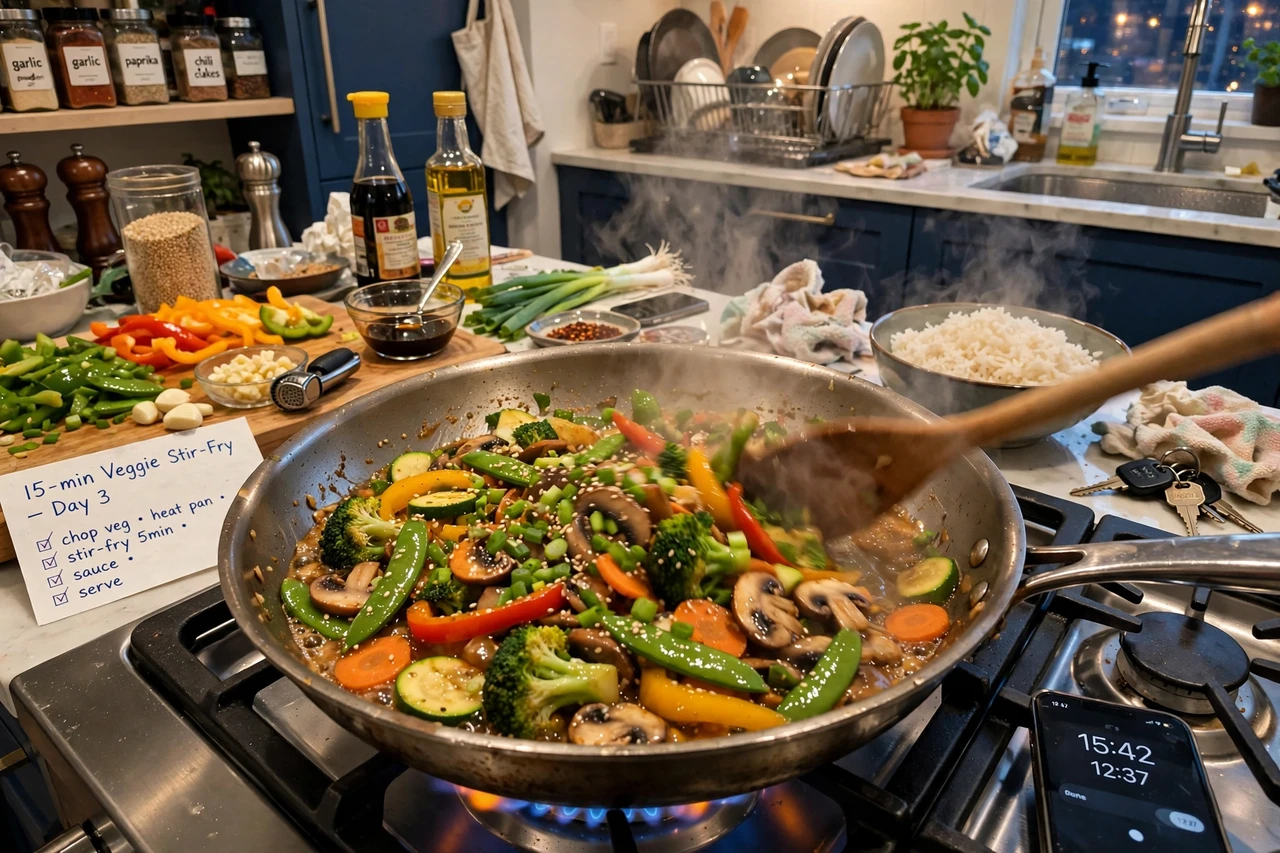
Some nights genuinely allow only 15 minutes, and this planner is honest about that: it only includes meals that can be on the table in a quarter of an hour, with no long ingredient lists and no special equipment. Think quesadillas, stir-fries, pasta with jarred sauce plus vegetables, and breakfast-for-dinner.
Keep a dedicated list of 15-minute meals on the fridge, and make it a rule that at least two nights a week come from that list. It prevents the most expensive habit of all — ordering takeout on nights when cooking feels impossible — and it keeps the family fed on real food instead of delivery apps.
9. The Pantry-First Meal Planner
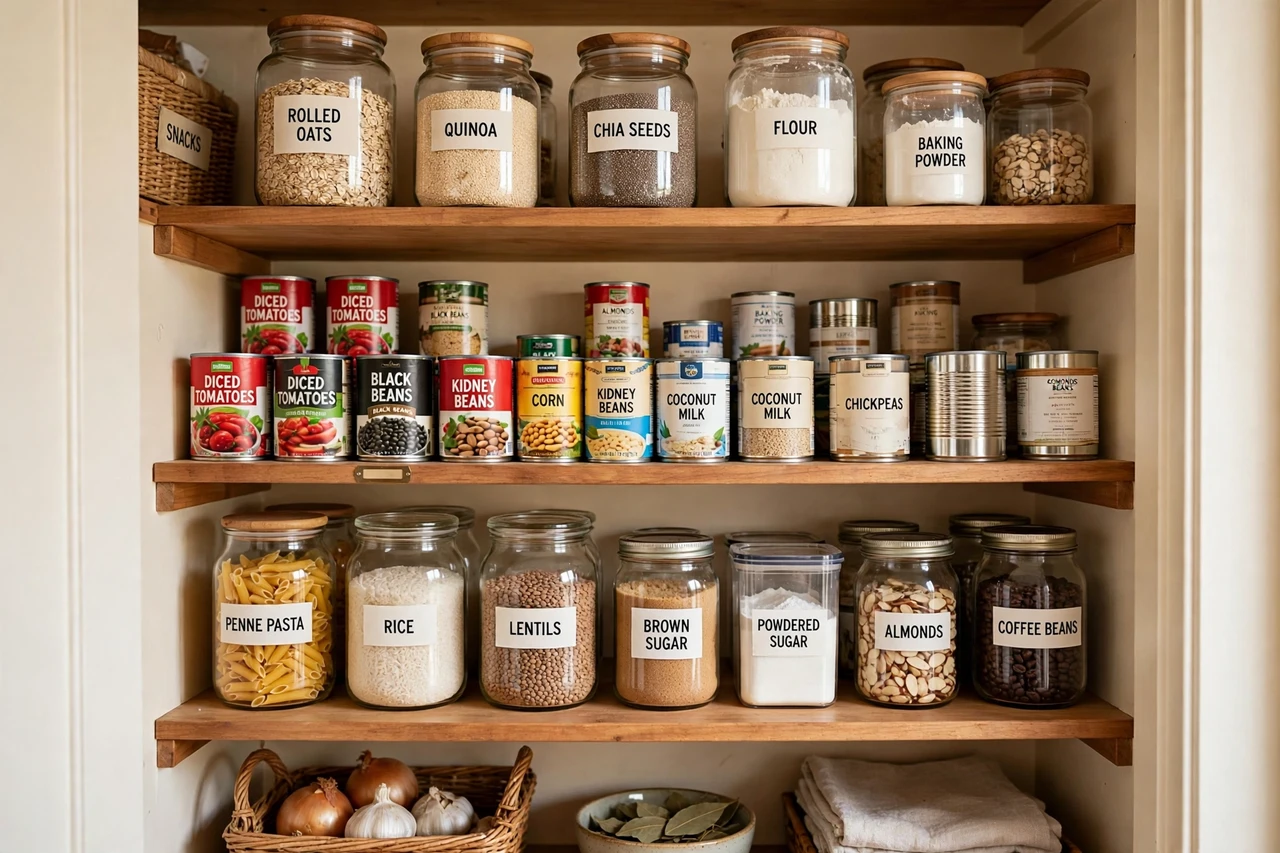
A pantry-first planner flips the usual order: instead of planning meals and then shopping, you list what is already in the pantry, freezer, and fridge, and build meals around it. It is the single best planner for cutting food waste, because it forces you to use ingredients before they expire.
Start each week by spending five minutes listing what you have, then plan three meals from that list before buying anything new. Families that adopt pantry-first planning typically cut one grocery trip a month and throw away noticeably less food — and the planner itself is just one page.
10. The Holiday and Gathering Meal Planner
Holiday meals fail for logistical reasons, not cooking reasons: too many dishes, not enough oven space, and no timeline. A gathering planner fixes that with a guest count, a dish assignment list, an oven and stove schedule, and a day-by-day prep timeline starting a week out.
Its most valuable feature is the delegation column — who brings what — because hosts who try to cook everything alone burn out. Assign side dishes and desserts to guests, keep the main dish and one signature side for yourself, and the holiday becomes enjoyable instead of exhausting.

11. The Sunday Batch-Cook Planner
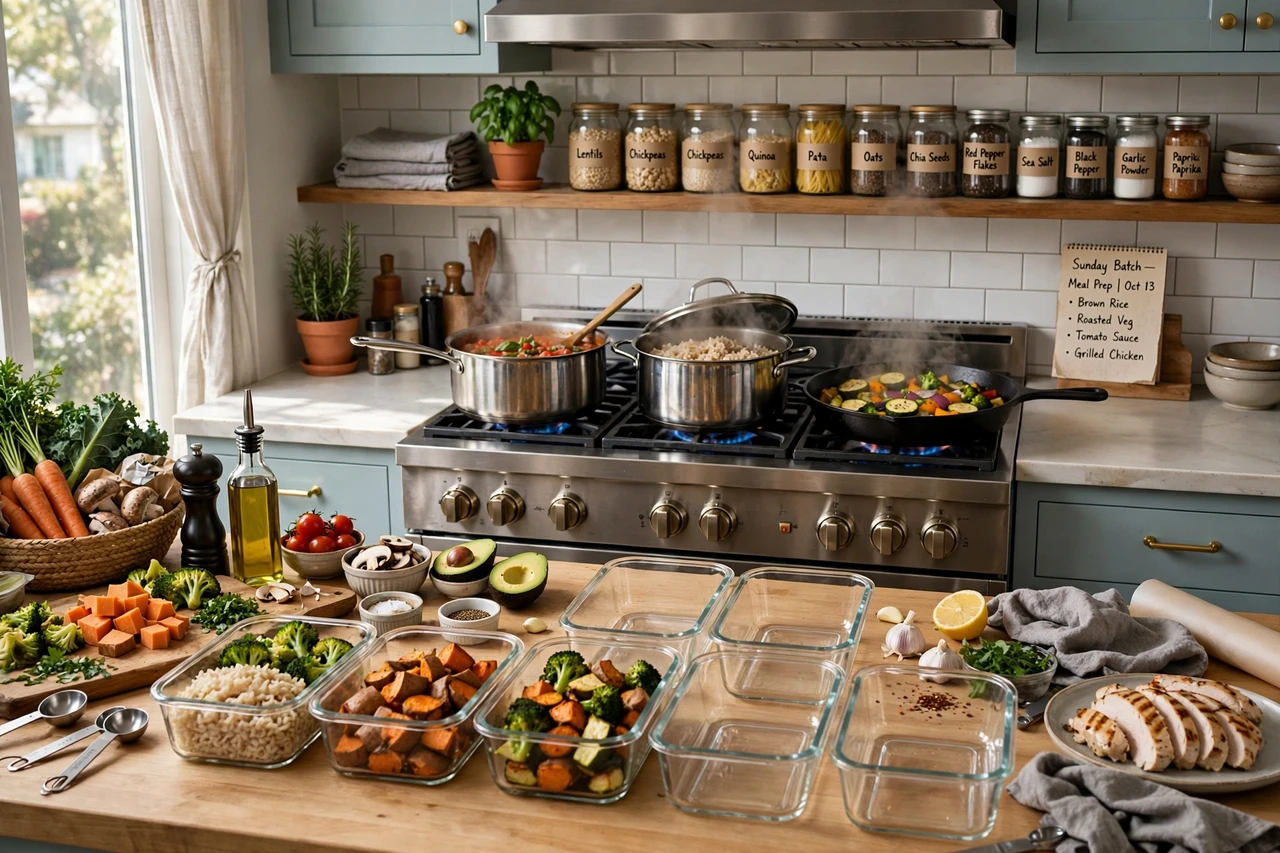
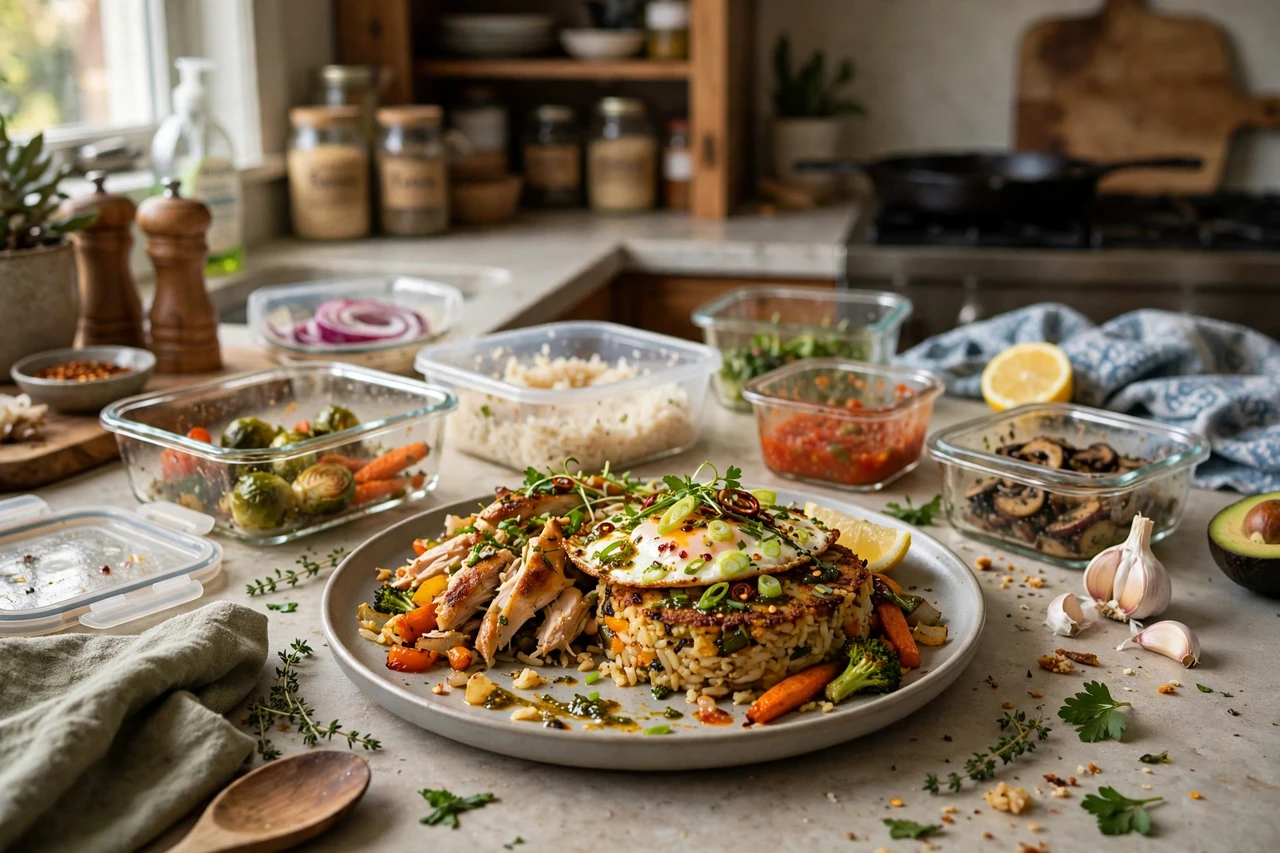
Batch cooking means cooking components, not full meals, on Sunday: a pot of rice, a tray of roasted vegetables, a batch of grilled chicken, a pot of sauce. The planner maps which components go into which weeknight meals, so weekday cooking becomes assembly rather than cooking from scratch.
Plan for components that keep well — grains, roasted vegetables, and sturdy proteins last four to five days refrigerated — and avoid batch-cooking anything that goes soggy, like fried foods or dressed salads. Two hours on Sunday can save an hour every weeknight.
12. The Leftover Makeover Planner
Leftovers get wasted when nobody wants to eat the same thing twice, and a leftover makeover planner solves that by mapping each leftover into a new meal: roast chicken becomes chicken tacos, then chicken soup. The planner lists the original meal, the transformation, and the day to serve it.
This is the planner that saves the most money per page, because it attacks the most common source of food waste directly. As a rule, plan one makeover meal for every two cooked dinners, and keep the transformations simple — a new sauce or a new format is enough to make leftovers feel like a different meal.
13. The Meal Prep Container Label Set
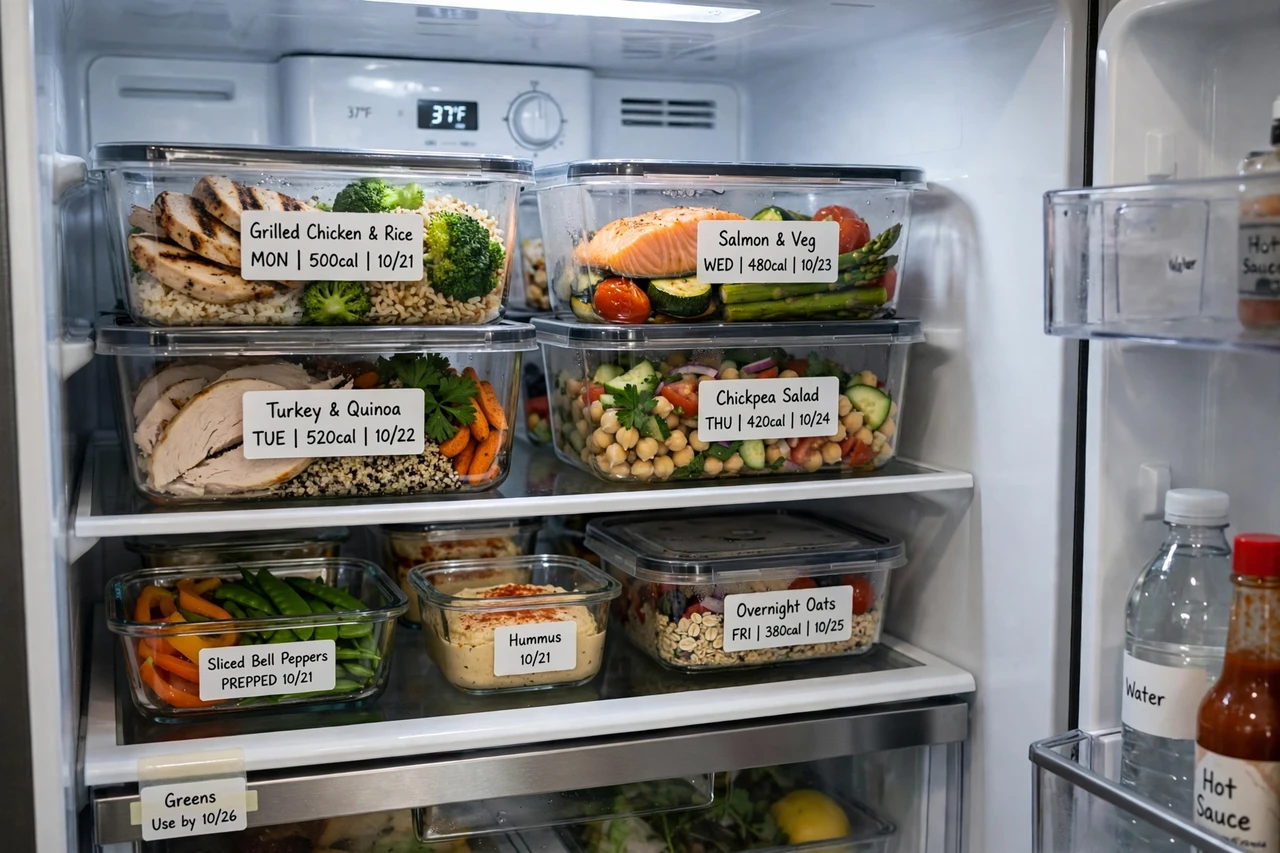
A label set is the unglamorous planner that makes all the others work: matching labels for containers with the meal name, the date cooked, and the use-by date. Without labels, prepped food becomes mystery containers that nobody trusts and everyone throws away.
Use a simple format — meal, date, and a reheat note — and keep a marker with the containers so labeling takes seconds, not minutes. Families that label consistently waste far less prepped food, which means the time spent batch cooking actually pays off instead of ending up in the trash.
Frequently Asked Questions
What is the best meal prep planner for a busy family?
The family weeknight dinner planner is the best starting point because it is simple and covers the biggest daily pain: deciding dinner. Once that habit sticks, add a budget planner or a freezer planner for the specific problem your family faces next.
Are printable meal planners worth buying?
Yes, if you will actually use them. Most printable planners cost under $5 on Etsy, and a single avoided takeout order covers the cost. Choose one that matches your real bottleneck — budget, time, or picky eaters — rather than the prettiest design.
How do I start meal planning if I have never done it?
Start with just dinners, just one week, and just family favorites. Fill in a weeknight planner on Sunday, shop from it once, and see how the week feels. Do not try to plan every meal and snack in week one — that is how people quit.
How much money does meal planning save?
Most families save $50 to $150 a month, mainly by cutting takeout and impulse grocery buys and by wasting less food. The savings grow as the habit sticks, because planned shopping replaces wandering the aisles.
Can I make my own meal planner instead of buying one?
Absolutely. A simple table in a notebook or a free Canva template works just as well as a bought printable. The planner’s value is in the habit, not the design — what matters is that it lives on your fridge and gets filled in every Sunday.
The right planner is the one your family will actually use, so start simple and add complexity only when the simple version feels easy. If you like the idea of printables as a side income too, explore printable digital product ideas, see what sells in digital products on Etsy, and learn how to create and sell digital products of your own.