You do not need a year of study to start freelancing. With the right freelance skills to learn in 30 days, you can spend a few focused hours each day building a sellable skill, create two or three sample projects, and pitch your first client before the month ends. The plan below treats each skill as a 30-day sprint: learn the basics in week one, practice on real examples in week two, build samples in week three, and start pitching in week four. If you are brand new, starting freelancing with no experience pairs well with this curriculum. Pick one skill, not all sixteen, and work through it properly.
1. Master Short-Form Video Editing in 30 Days
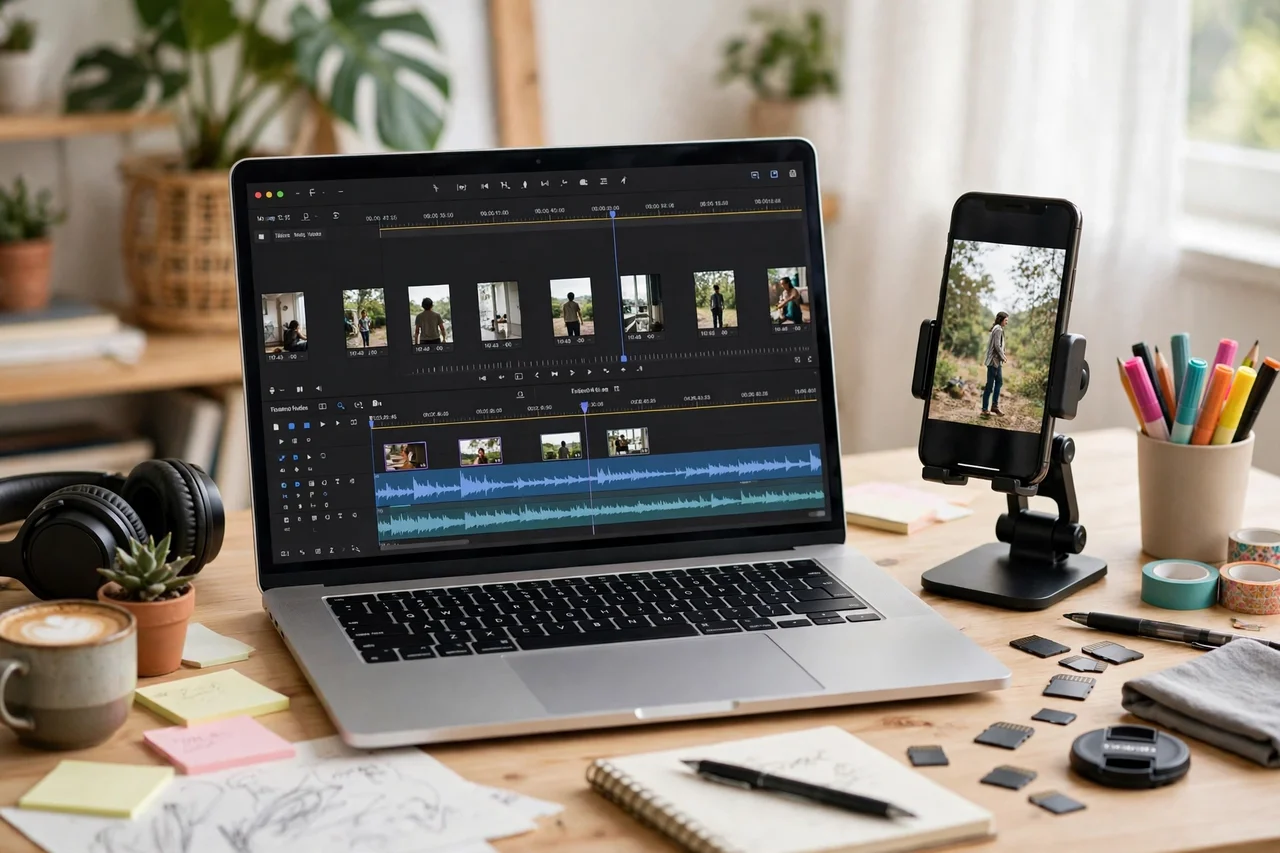
Short-form video editing is one of the fastest skills to learn because the tools are free and the format is short. Spend your first week learning cuts, captions, and trending audio in CapCut or DaVinci Resolve, then practice by re-editing public clips into 30-second reels.
Small creators and local brands pay $25 to $100 per edited short, and many need several per week.
2. Learn Social Media Caption Writing in a Month
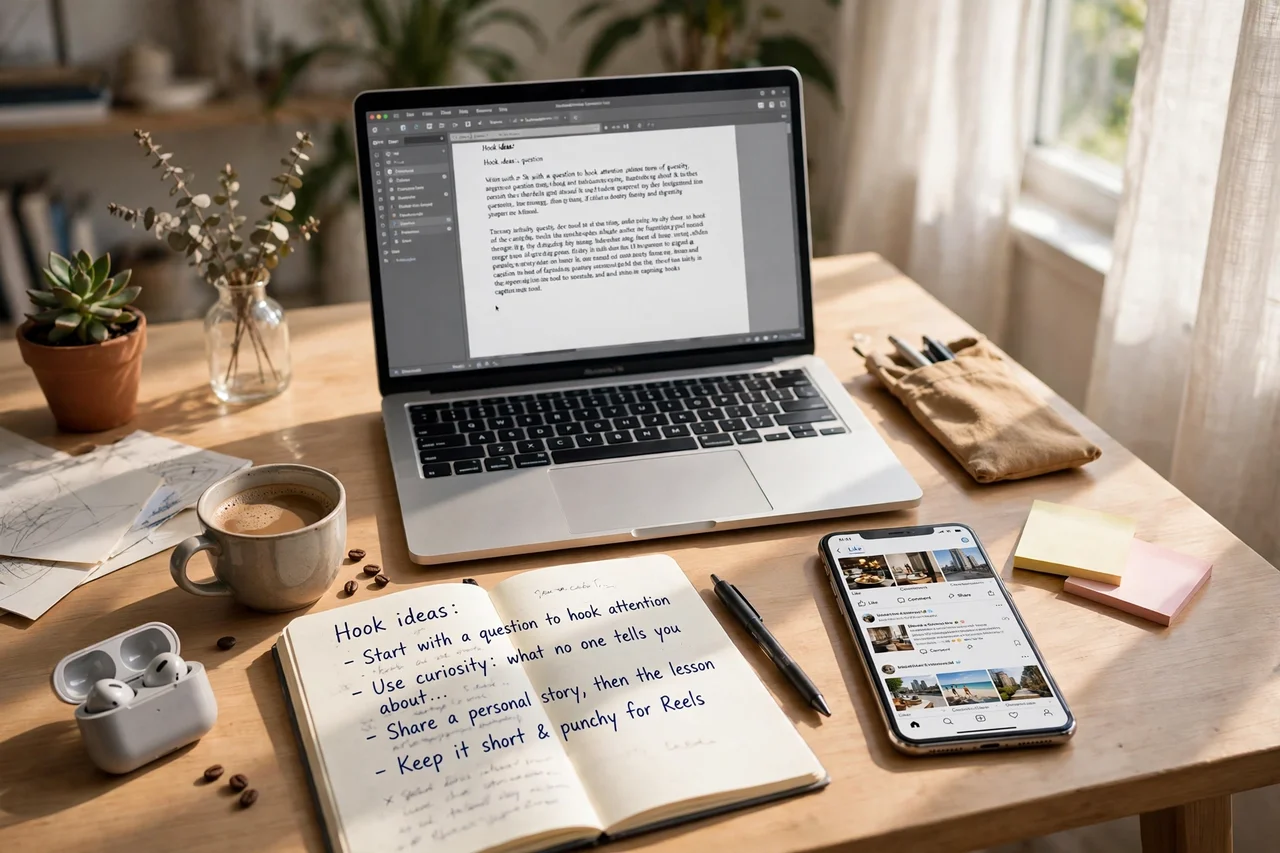
Caption writing sounds simple, but brands pay for captions that stop the scroll and drive comments, saves, and clicks. In week one, study high-performing accounts in one niche and note their hooks, structures, and calls to action.
By week four, package your best twenty captions into a portfolio document and pitch small businesses that post inconsistently.
3. Build Basic Canva Design Skills in Four Weeks
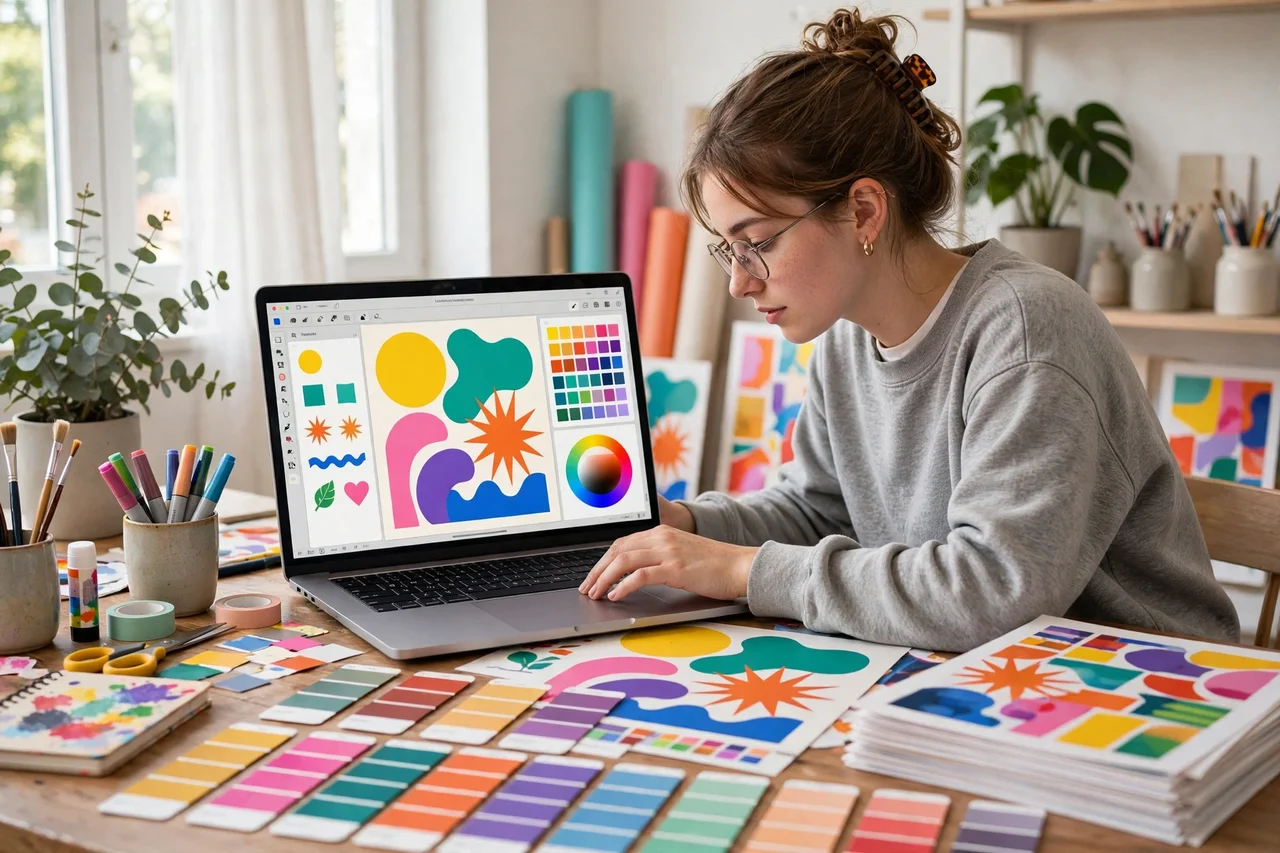
Canva lets beginners produce professional-looking graphics without learning complex design software. Your first week should cover layout, fonts, color pairings, and brand kits, using Canva’s free tutorials.
Small businesses constantly need social graphics, menus, and flyers, and many will pay $20 to $75 per design.
4. Learn Proofreading for Blog Posts and Newsletters in 30 Days
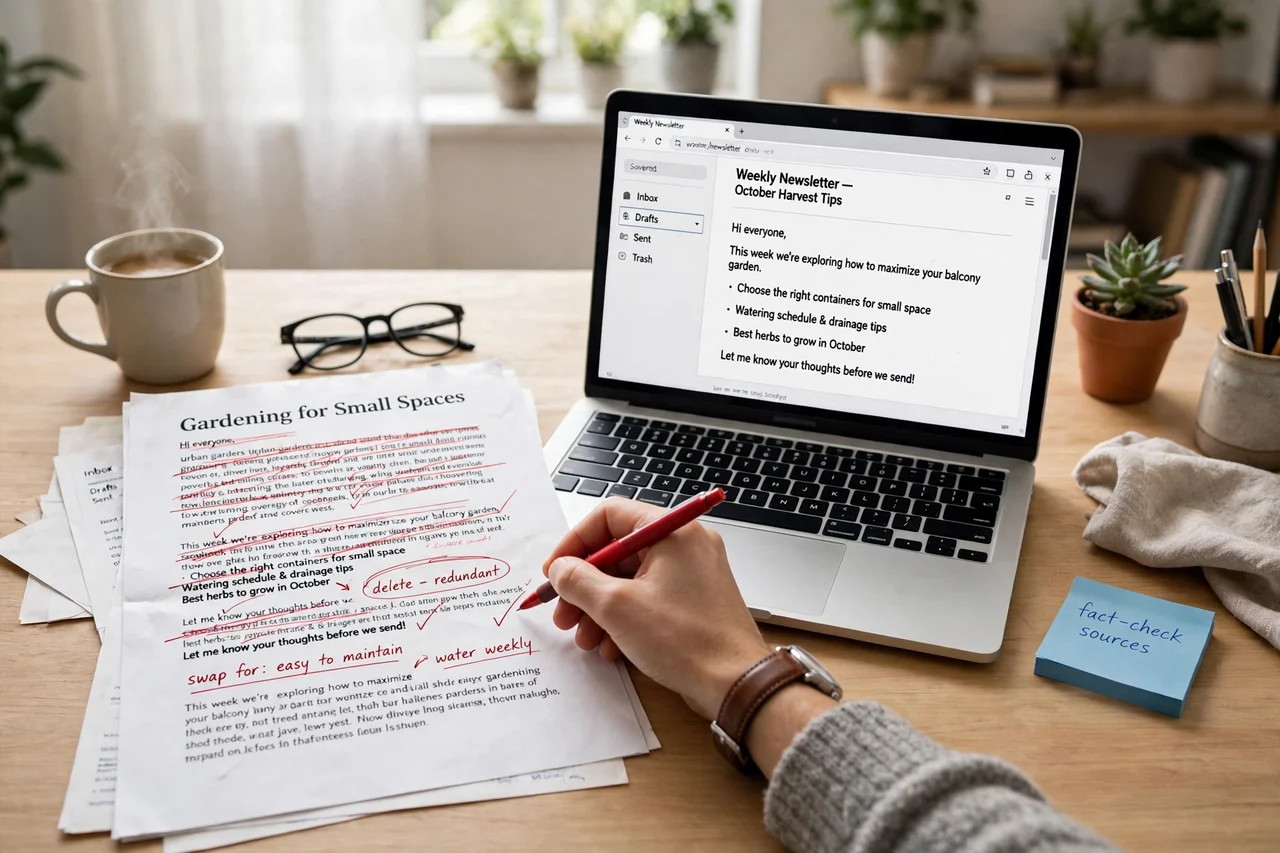
Proofreading for blogs and newsletters focuses on catching typos, grammar slips, and awkward sentences before content goes live. Spend week one studying a style guide and common error patterns, then practice by proofreading free articles and marking every change you would make.
Charge per word or per article, starting around $0.02 to $0.04 per word, and build a sample set by offering two free proofreads in exchange for testimonials.
5. Learn Email Newsletter Writing for Small Businesses
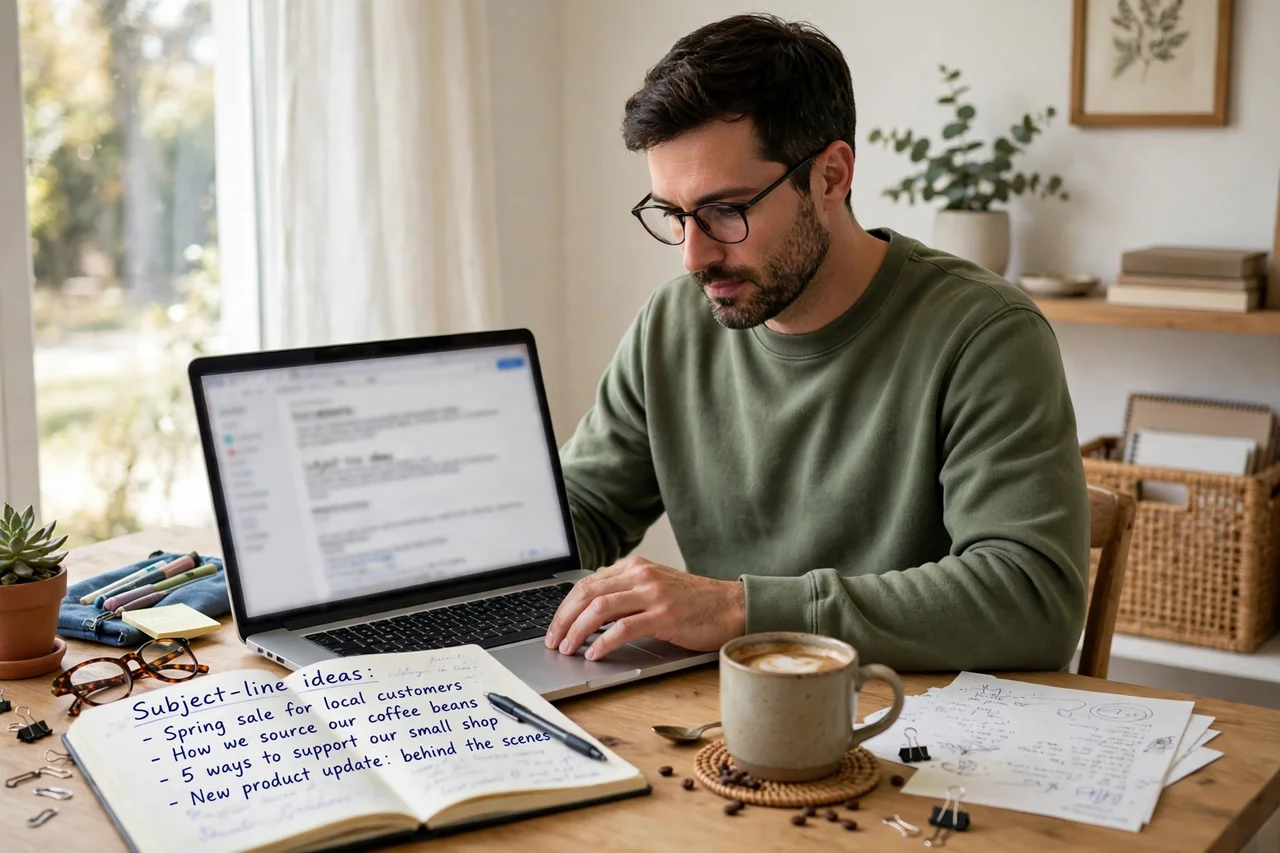
Most small businesses know they should send a newsletter but never get around to writing one, which is exactly why this skill sells. Week one is about studying welcome emails, promotional emails, and storytelling emails from brands you like.
Newsletter writers typically charge $100 to $300 per email or $500-plus per month for a regular send.
6. Get Started With No-Code Website Building in 30 Days
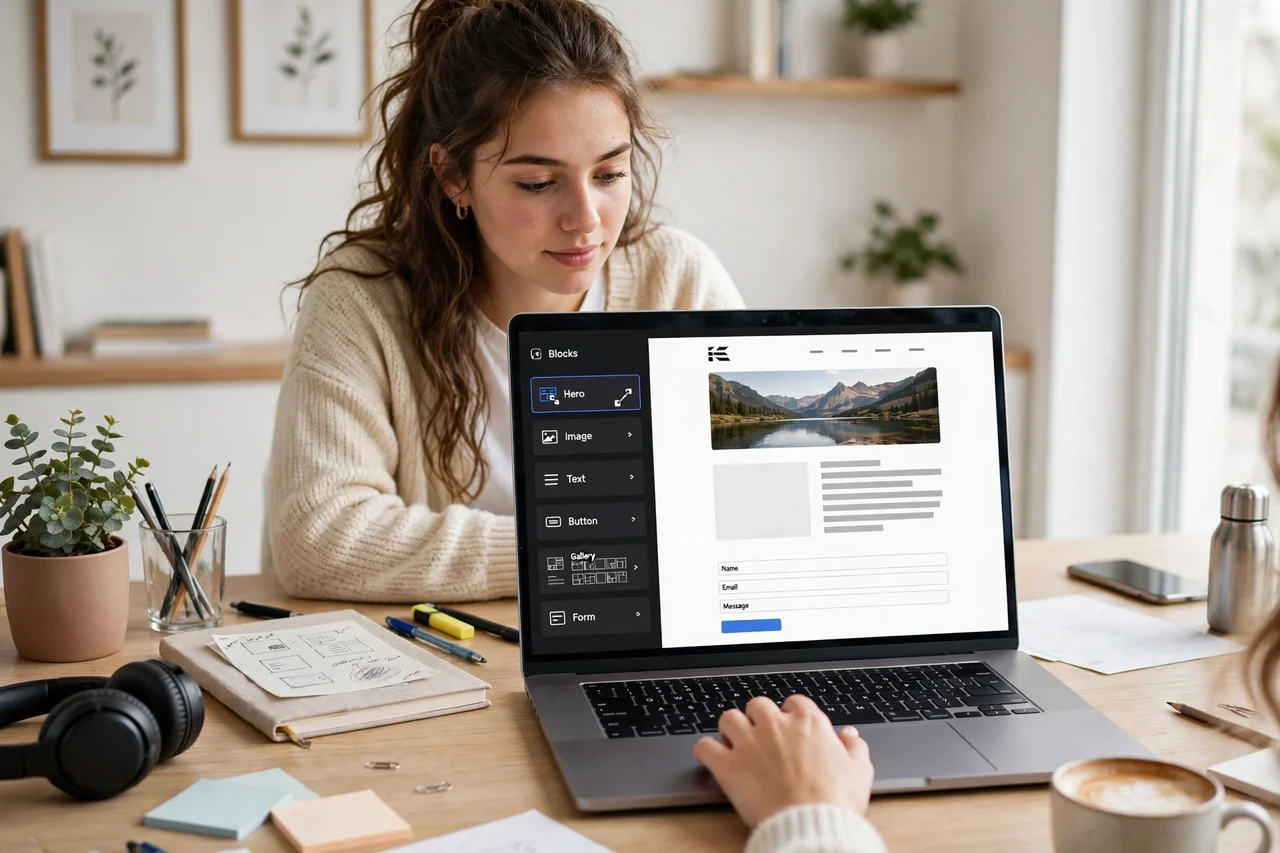
No-code tools like WordPress, Squarespace, and Framer let you build real business websites without writing code. In your first two weeks, build three practice sites: a restaurant page, a coach’s landing page, and a simple online store.
Local businesses pay $300 to $1,500 for a simple five-page site, and many also need small updates afterward.
7. Learn Forum and Group Moderation in 30 Days
Online communities need moderators who keep conversations friendly, remove spam, and answer common questions quickly. Week one is about learning moderation tools for Facebook Groups, Discord, and forums, plus writing clear community guidelines.
Brands and course creators pay $15 to $30 an hour for reliable moderators, often for a few hours a day.

8. Learn Customer Research and Competitor Snapshots in 30 Days
Small businesses want to know what their competitors charge, what customers complain about, and which products sell best — but owners rarely have time to research it themselves. In two weeks you can learn to gather this information from reviews, social media, and public listings, then turn it into a short, readable snapshot report.
Sell one-page competitor snapshots for $50 to $150 each, or a deeper monthly research pack for a few hundred dollars.

9. Design Scroll-Stopping Pins for Etsy Sellers in 30 Days
Etsy sellers live or die by their pin and listing images, and many shop owners are too busy making products to design them well. Spend week one learning vertical layouts, readable fonts, and color contrast in Canva, then redesign pins for real Etsy listings as practice — just do not publish anyone else’s work as your own.
Pin design packs sell for $10 to $30 per pin, and sellers who see traffic rise will order regularly.

10. Learn Invoicing and Expense Tracking for Small Clients
Many tiny businesses and solo creators keep messy records and dread tax season, so a freelancer who tidies their money paperwork is genuinely useful. In 30 days you can learn a free tool like Wave or a spreadsheet system, practice categorizing sample expenses, and build a simple monthly report template.
Charge a flat monthly fee of $100 to $300 per small client for organizing invoices and expenses.

11. Learn Cover Letter and Application Writing in 30 Days
Job seekers struggle to write cover letters that sound confident without sounding generic, and they will pay for help. Week one is about studying job postings and matching a letter’s structure to what employers actually ask for.
Cover letters sell for $50 to $150 each, and many clients also order a resume refresh at the same time.

12. Learn Client Inbox and Calendar Management in 30 Days
Busy founders lose hours to email and scheduling, and a freelancer who runs their inbox and calendar gives them that time back. Learn Gmail filters and labels, calendar blocking, and a scheduling tool like Calendly in week one, then practice by organizing your own inbox to inbox-zero for a week.
Inbox and calendar managers earn $18 to $35 an hour, usually starting at ten hours a week per client.

13. Learn Local SEO Checkups for Small Business Sites
A local SEO checkup is a short audit: is the business’s Google profile complete, are its pages using the right keywords, and are its listings consistent across the web? You can learn the checklist in two weeks using free guides and by auditing real local business sites for practice.
Charge $100 to $300 per checkup, and offer a monthly follow-up for clients who want ongoing help.

14. Learn AI-Assisted Content Repurposing in 30 Days
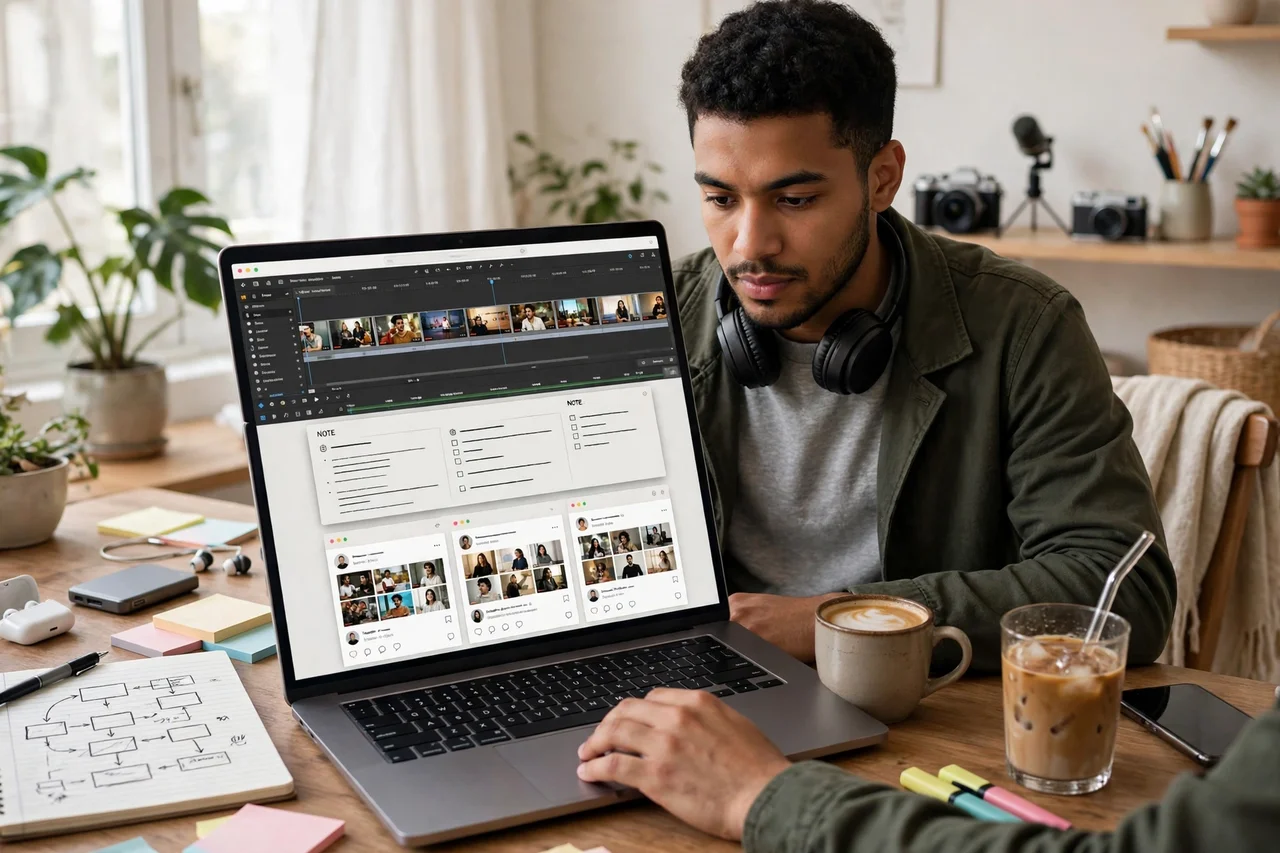
Content repurposing means turning one long piece of content — a video, podcast, or blog post — into many smaller pieces for different platforms. Learn to use AI tools to draft summaries, pull out quotes, and reshape a transcript into social posts, then edit everything by hand so it reads naturally.
Creators pay $200 to $600 a month for a repurposing package, and the work is recurring by nature.
15. Learn Simple Motion Graphics for Social Posts
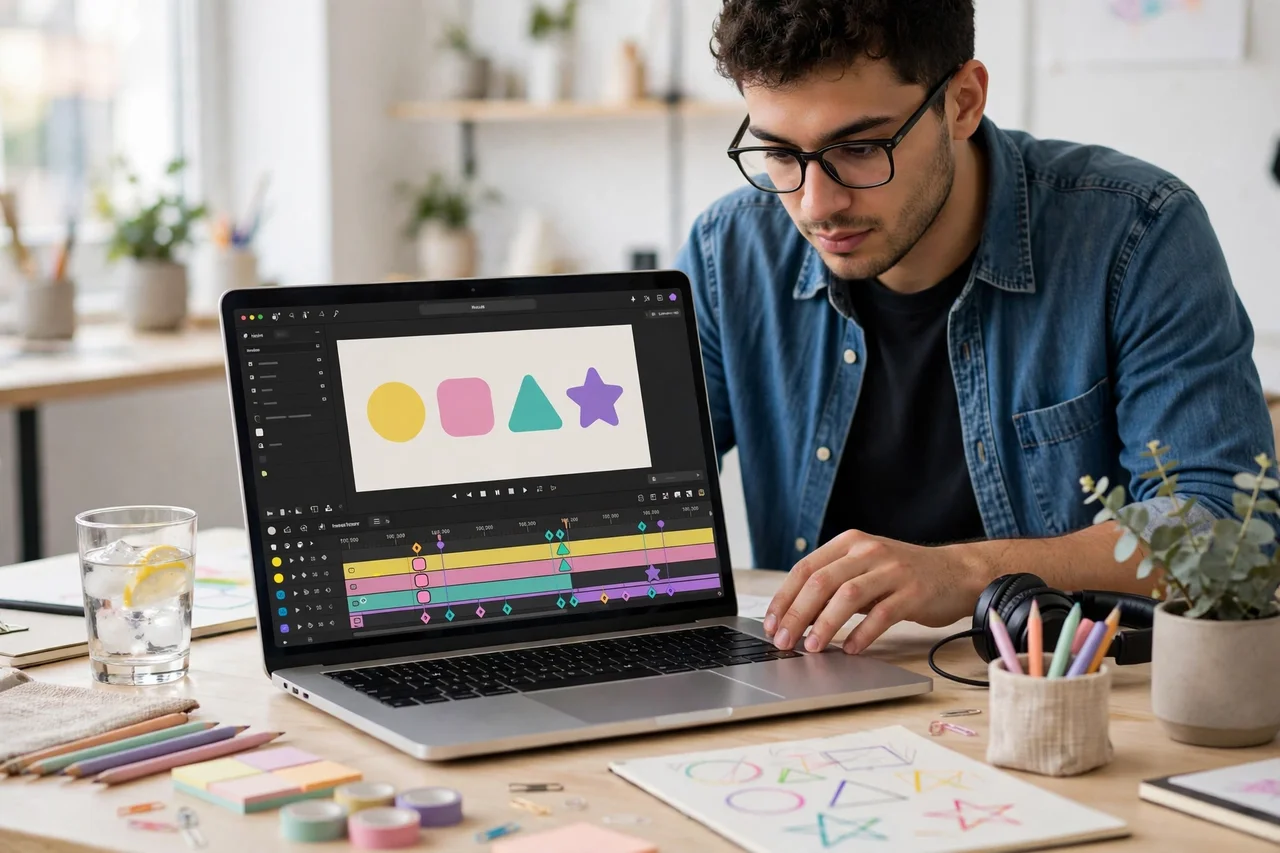
Motion graphics — animated text, simple logo reveals, and moving icons — make social posts stand out without full video production. Free tools like Canva’s animation features and CapCut cover most beginner needs, and two weeks of daily practice is enough to produce clean, professional animations.
Animated posts sell for $30 to $100 each, and brands that run regular campaigns order them in batches.
16. Build a Portfolio and First Paid Offer in Week Four
Week four is not a new skill — it is the step that turns learning into income.
Do not wait until you feel ready, because that feeling rarely arrives on its own.
Once your portfolio is ready, learn how to get freelance clients fast with a simple outreach plan that turns your samples into paid work.

Frequently Asked Questions
Can I really learn a freelance skill in 30 days?
Yes, for beginner-friendly skills like caption writing, Canva design, and proofreading. Thirty days is enough to reach a sellable beginner level with freelance skills to learn in 30 days if you practice daily and build samples, though you will keep improving for months after your first client. Do not expect expert-level mastery in a month, and price your first projects accordingly.
How many hours a day should I practice?
Two focused hours a day is enough for most skills on this list, and consistency matters more than marathon sessions. One hour of learning plus one hour of hands-on practice beats five hours of passive video-watching once a week. If you only have an hour a day, extend the plan to six weeks rather than rushing it.
Which of these 16 skills pays the most for beginners?
No-code website building and email newsletter writing tend to pay the most per project for beginners, since clients see direct business value. Video editing and motion graphics can match them once you have speed. The best-paying skill is usually the one you enjoy enough to practice consistently, because speed and quality drive rates more than the skill category itself.
Do I need to pay for courses to learn these skills?
No. Every skill here can be learned with free tutorials, documentation, and practice projects, and the next article in this series covers free resources in detail. Paid courses can speed things up, but a portfolio of real samples matters far more to clients than a certificate.
What should I do if I cannot find a client in the first month?
Keep pitching and improve your samples rather than switching to a new skill. Most beginners quit pitching too early: ten thoughtful pitches is a start, not a finished campaign. Ask for feedback on your samples, offer one discounted trial project to a real business, and use that testimonial to restart your outreach.