A D&D campaign planner is a printable or digital workbook that helps a Dungeon Master organize a long tabletop campaign, and it is a strong Etsy product because Dungeon Masters run games for months or years and need a reliable place to track everything. Unlike a pre-written adventure, a planner does not tell the story for the group; it gives the Dungeon Master structured pages to record their own world, characters, sessions, and encounters, which is exactly what experienced Dungeon Masters want to buy. The seven planners below each cover a different part of campaign organization, so a shop can sell them individually or as a complete Dungeon Master bundle. For Etsy selling basics, start with these digital products to sell on Etsy and learn how to create and sell digital products before designing your first planner.
1. Campaign World-Building Planner
The campaign world-building planner gives Dungeon Masters structured pages for the foundations of their world, including kingdoms, factions, gods, history, and the rules that make their setting feel consistent from session to session. Without a world bible, Dungeon Masters forget details they invented months ago, and players notice when a town’s name or a faction’s motive changes without explanation. This planner solves that problem with dedicated pages for each region, a timeline for major world events, and a faction relationship map, so the world stays coherent even across a campaign that runs for a year or more. Sell it as the first planner in a Dungeon Master bundle, since world-building is where most new campaigns begin, and use fantasy-themed listing photos to attract buyers browsing tabletop categories.
2. Session-by-Session Campaign Planner
The session-by-session campaign planner is the workhorse of any Dungeon Master toolkit, with a page per game night for the session goal, key scenes, planned encounters, and a recap section for what actually happened at the table. Dungeon Masters buy this planner because campaigns drift without session notes, and a quick recap at the start of the next session saves twenty minutes of confused remembering. Each session page should include space for player decisions that change the story, loot awarded, and unresolved threads to pick up later, plus a small rating box for what worked well. Offer it with at least 30 session pages, since short planners frustrate Dungeon Masters running long campaigns, and price it as a printable PDF or a GoodNotes digital planner.

3. Non-Player Character Tracker Planner
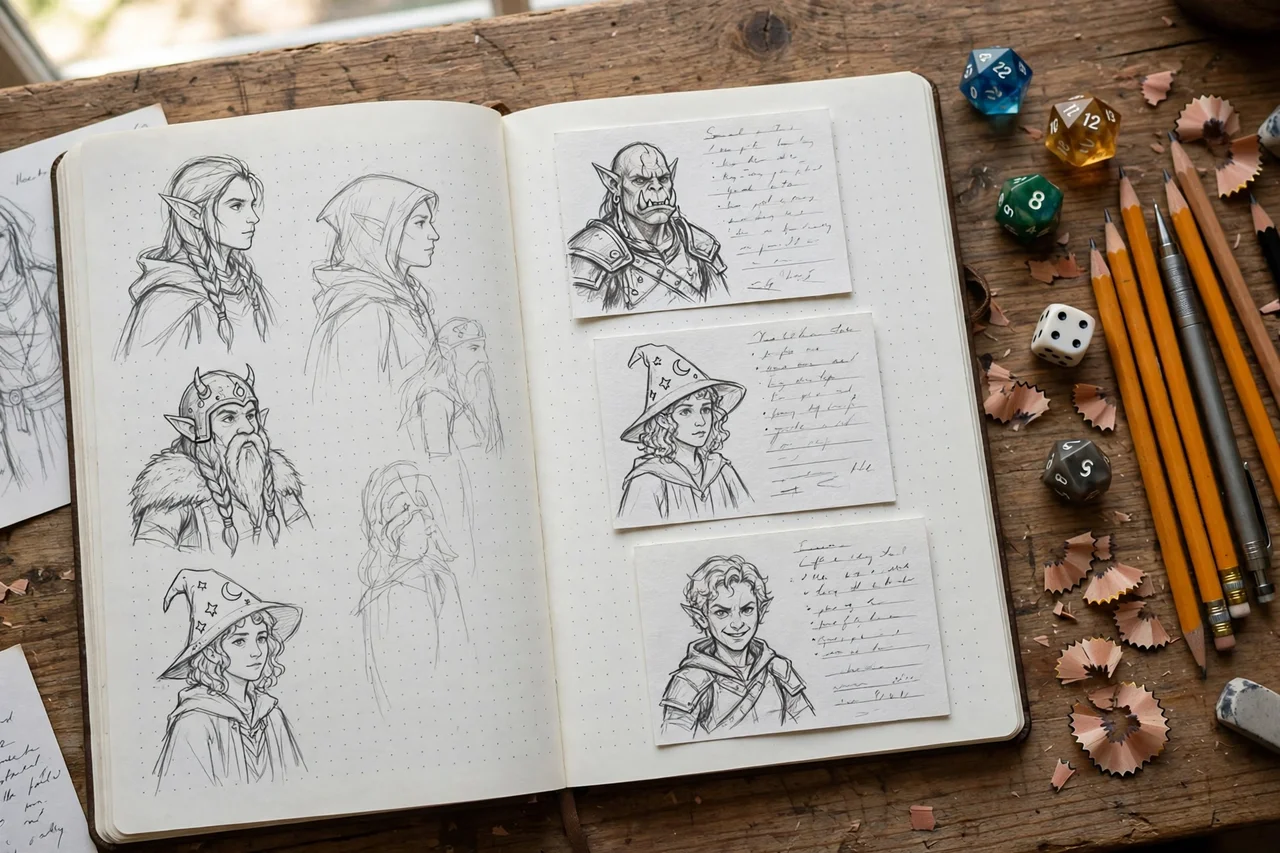
The non-player character tracker planner, often called an NPC tracker, gives each important character their own page with appearance, personality, voice notes, goals, secrets, and their relationship to the player characters. Dungeon Masters struggle most with remembering dozens of NPCs, and a tracker that lets them find a shopkeeper’s name and motive in seconds keeps the game flowing instead of stalling. Include quick-reference index pages organized by location or faction, plus portrait boxes where Dungeon Masters can sketch or paste character art, because visual cues help them slip back into a character’s voice instantly. This planner sells well on its own and even better inside a bundle, since every Dungeon Master, beginner or veteran, needs an NPC system.
4. Combat Encounter Planner
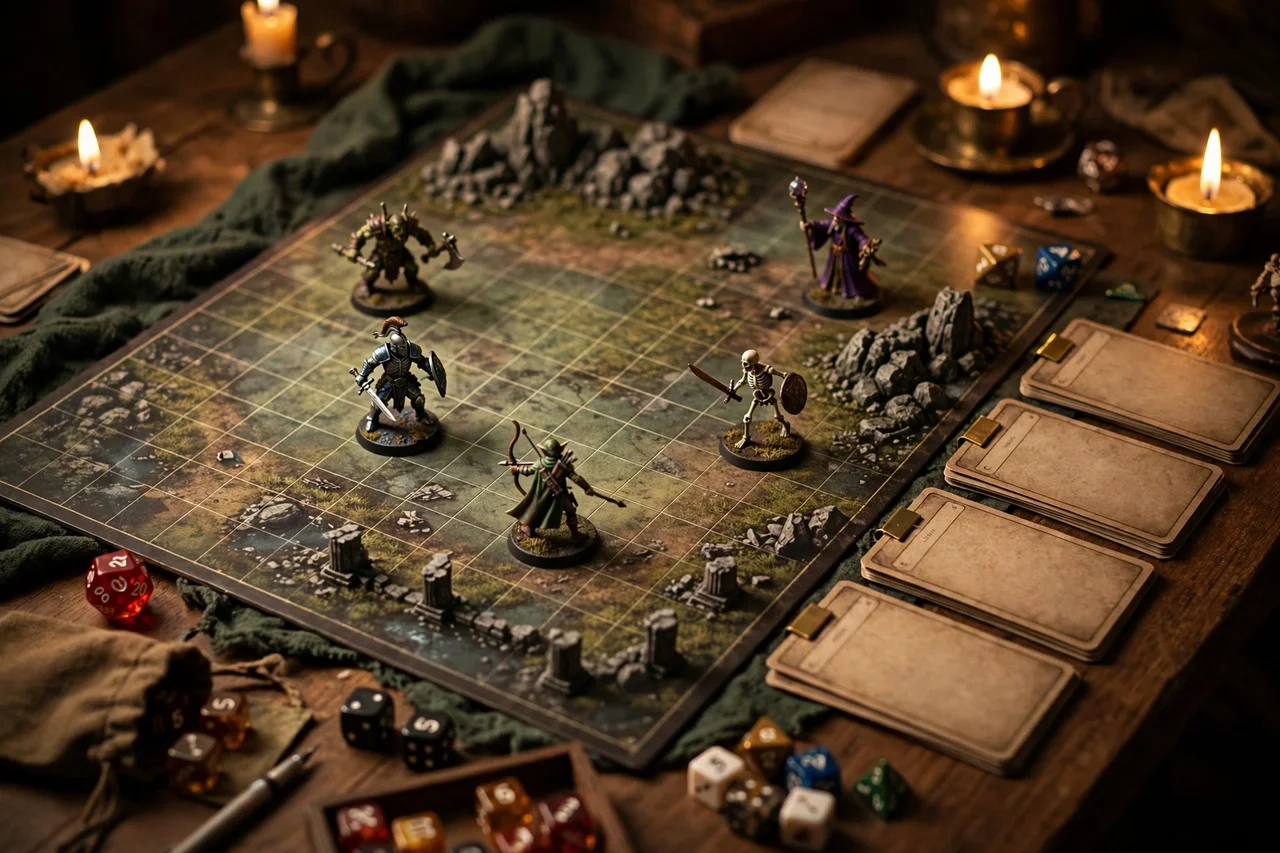
The combat encounter planner helps Dungeon Masters design and run battles smoothly, with initiative trackers, enemy stat blocks, hit-point logs, and space for terrain notes and environmental hazards. Combat slows down when a Dungeon Master flips between books and loose notes, so a single encounter sheet that holds everything for one fight is a genuine time-saver at the table. Design the planner with large, easy-to-read initiative rows and a round tracker, since those are the sections Dungeon Masters use under time pressure, and add a difficulty-planning page for balancing encounters against the party’s level. Buyers often search for this planner by encounter or combat keywords, so include both terms in your listing title and tags.
5. Quest and Story Arc Planner
The quest and story arc planner maps the campaign’s bigger picture, with pages for main quests, side quests, plot threads, and the clues that connect them, so Dungeon Masters can run a story that feels planned rather than improvised week to week. A good arc planner shows how a small side quest in session three can pay off in session twenty, which is the kind of storytelling players remember and praise. Include a quest board layout for active, completed, and failed quests, plus a clue-tracking section where Dungeon Masters record what the players have actually learned versus what remains hidden. This planner appeals to story-focused Dungeon Masters, a large and loyal Etsy audience that values narrative tools over combat crunch.
6. Dungeon Map and Location Planner
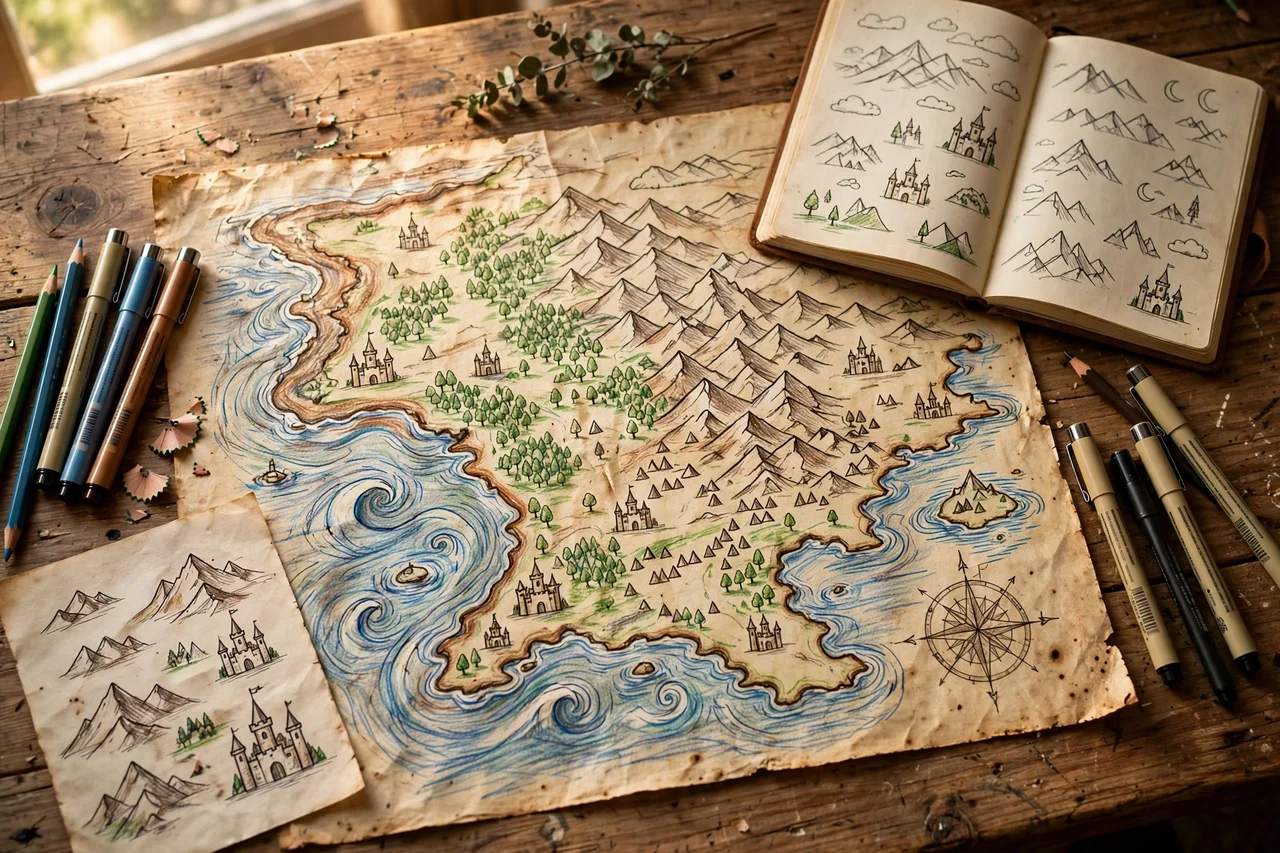
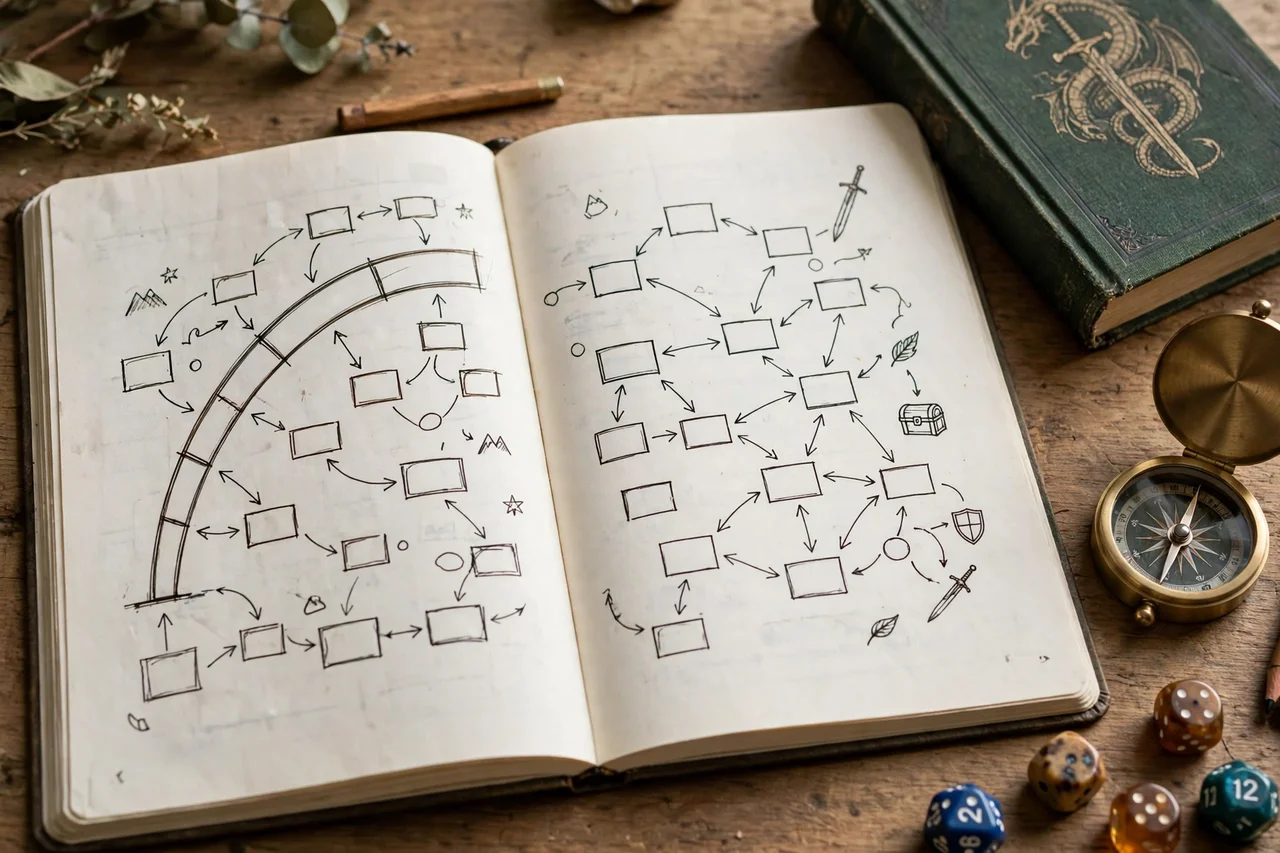
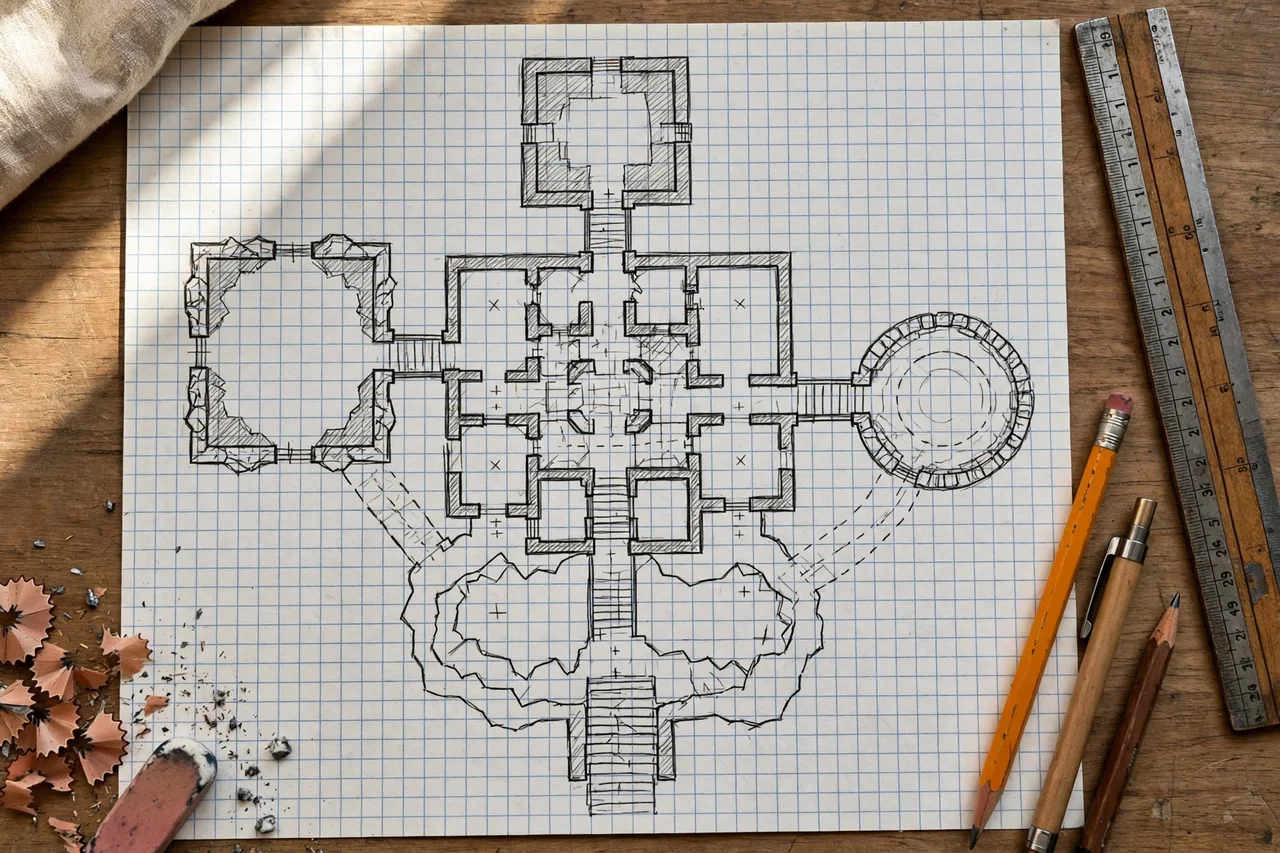
The dungeon map and location planner combines blank grid pages for hand-drawn maps with structured location sheets for towns, dungeons, taverns, and wilderness sites, including notable features, inhabitants, and secrets. Dungeon Masters need both kinds of pages, because a map shows where things are while a location sheet records what happens there, and a planner that provides both in one product saves them buying two separate tools. Add a legend section for map symbols, a random encounter table space, and a location index so Dungeon Masters can find any place in seconds during play. Fantasy cartography photographs beautifully in Etsy listings, so show a filled-in example map in your photos to demonstrate the planner in action.
7. Dungeon Master Session Notes Planner
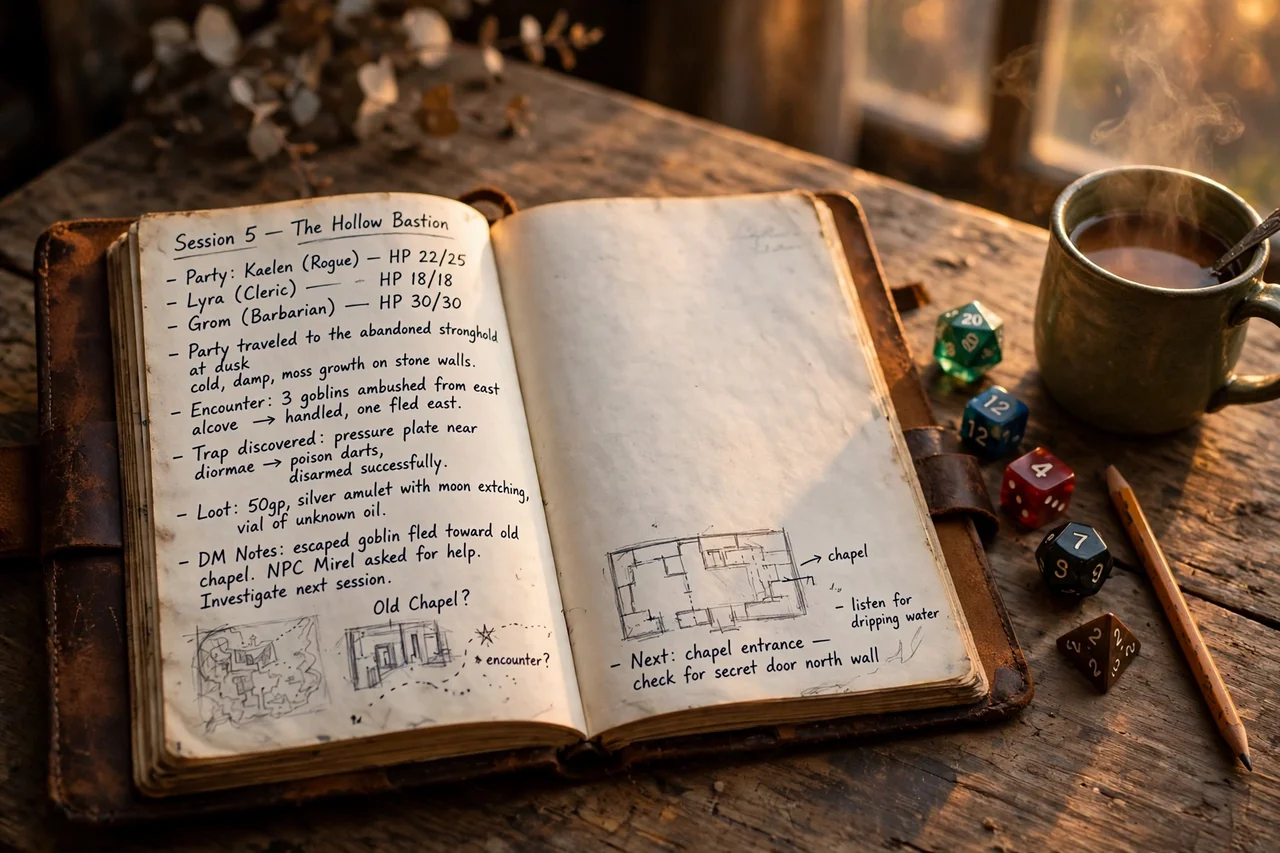
The Dungeon Master session notes planner is a flexible, reusable notebook for everything that does not fit the specialized planners above, including player feedback, house rules, loot lists, and ideas for future sessions. Every Dungeon Master ends up with scattered notes, and a dedicated notes planner with section dividers for rules, loot, ideas, and player notes turns that chaos into a system they can actually use. Design it with lined, dotted, and blank page options, plus a campaign dashboard page at the front summarizing the party, the current quest, and the next session date. Market this planner as the everyday companion to your specialized planners, and bundle it with the session planner for Dungeon Masters who want one complete campaign system. For more ideas, browse these digital products that sell themselves.
Frequently Asked Questions
Do D&D campaign planners really sell on Etsy?
Yes, because Dungeon Masters run long campaigns and need organized, reusable pages for worlds, sessions, NPCs, and encounters, and many prefer buying a polished planner to designing one themselves. Tabletop gaming is a passionate niche on Etsy, and planners sell steadily year-round, not just around holidays.
What is the difference between a campaign planner and a campaign pack?
A planner is a blank, reusable workbook that helps a Dungeon Master organize their own campaign, while a campaign pack usually contains pre-written adventures, stories, or content to play through. This article covers planners only, which is a different product and a different buyer intent, and your listings should make that distinction clear.
Should I sell printable PDFs or digital planners for tablets?
Offer both if you can, since printable PDFs suit Dungeon Masters who play at a physical table with paper, while GoodNotes or tablet planners suit Dungeon Masters who run games online or prefer a paperless table. A bundle with both formats often commands a higher price and reaches both audiences.
How much should I charge for a D&D campaign planner?
Single planners usually sell for $4 to $10 on Etsy, while a complete Dungeon Master bundle with several planners sells for $15 to $30. Start with a competitive price to gather reviews, then raise prices or bundle planners once buyers trust your shop and leave positive feedback.
Do I need to be an experienced Dungeon Master to design these planners?
It helps, because the best planners reflect real table problems like forgotten NPCs and slow combat, but you can also research Dungeon Master communities and forums to learn what organizers actually need. Playtesting your planner in a real game session, even a short one, will reveal layout problems before buyers find them.