Nothing drives a new parent to search Etsy at 3 a.m. quite like a baby who will not sleep, and that urgency makes baby sleep trackers one of the most reliable sellers in the printable planner niche. Exhausted parents do not want theory; they want a simple page that shows when their baby slept, woke, fed, and settled, so patterns emerge and nights slowly improve. A good baby sleep tracker printable is easy to fill in one-handed, works in dim light, and turns chaos into data a pediatrician or sleep consultant can actually use. The key to selling here is empathy: design for tired hands, use large checkboxes and clear labels, and never promise that any tracker will make a baby sleep through the night. The ten trackers below cover the whole first year, from newborn days to daycare transitions and twin schedules, and each one targets a specific search that desperate parents type at midnight. New-parent printables sell well beyond sleep — see these postpartum recovery planners for new moms.
1. Newborn Day-and-Night Sleep Log for the First Weeks
Newborn sleep looks random, but a day-and-night log reveals patterns faster than memory ever will, especially when parents are taking shifts. Design a 24-hour grid with columns for sleep start and end, wake-ups, feeds, diaper changes, and notes, using shading to separate day from night. Include a weekly summary page so parents can see total sleep creeping upward and night stretches lengthening. Keep the layout extra simple, with big boxes and minimal text, because nobody fills in a complicated form at 3 a.m. This log is the entry product most new parents buy first, making it a strong shop bestseller.

2. Nap Schedule Tracker by Age for Predictable Days
As babies grow, nap needs change constantly, and a tracker organized by age helps parents adjust without guessing. Design pages for three to six months, six to nine months, and nine to twelve months, each with wake windows, nap times, and total daytime sleep targets. Include space to record nap length and how the baby settled, so parents can spot which routine works best. Add a transition guide for dropping from three naps to two, and two to one, since those transitions cause the most confusion. Buyers return to this tracker again and again as their baby grows, which builds loyalty to your shop.

3. Night Waking and Feeding Log for Overnight Patterns
Night wakings feel endless until they are written down, and a dedicated log helps parents see whether wakings follow a pattern or cluster around growth spurts and teething. Design nightly rows for wake time, reason, feeding amount or duration, settling method, and time back to sleep. Include a weekly overview that highlights the longest sleep stretch, since that number is what exhausted parents celebrate. Keep the design calm and dark-friendly, with soft colors that do not glare on a phone screen at night. This log also helps partners share night duty fairly, since both can see who handled which waking.

4. Sleep Regression Survival Tracker for the Tough Weeks
Sleep regressions at four, eight, and twelve months blindside even experienced parents, and a survival tracker gives them a way through. Design daily pages for sleep times, wake-ups, mood, milestones like rolling or crawling, and coping notes, plus a countdown-style tracker that marks days since the regression began. Include encouraging notes that regressions are temporary and normal, written without minimizing how hard they feel. Add a self-care checkbox for the parent, like a nap or a shower, because surviving a regression means caring for the adult too. This tracker earns emotional reviews, which boost the whole shop.

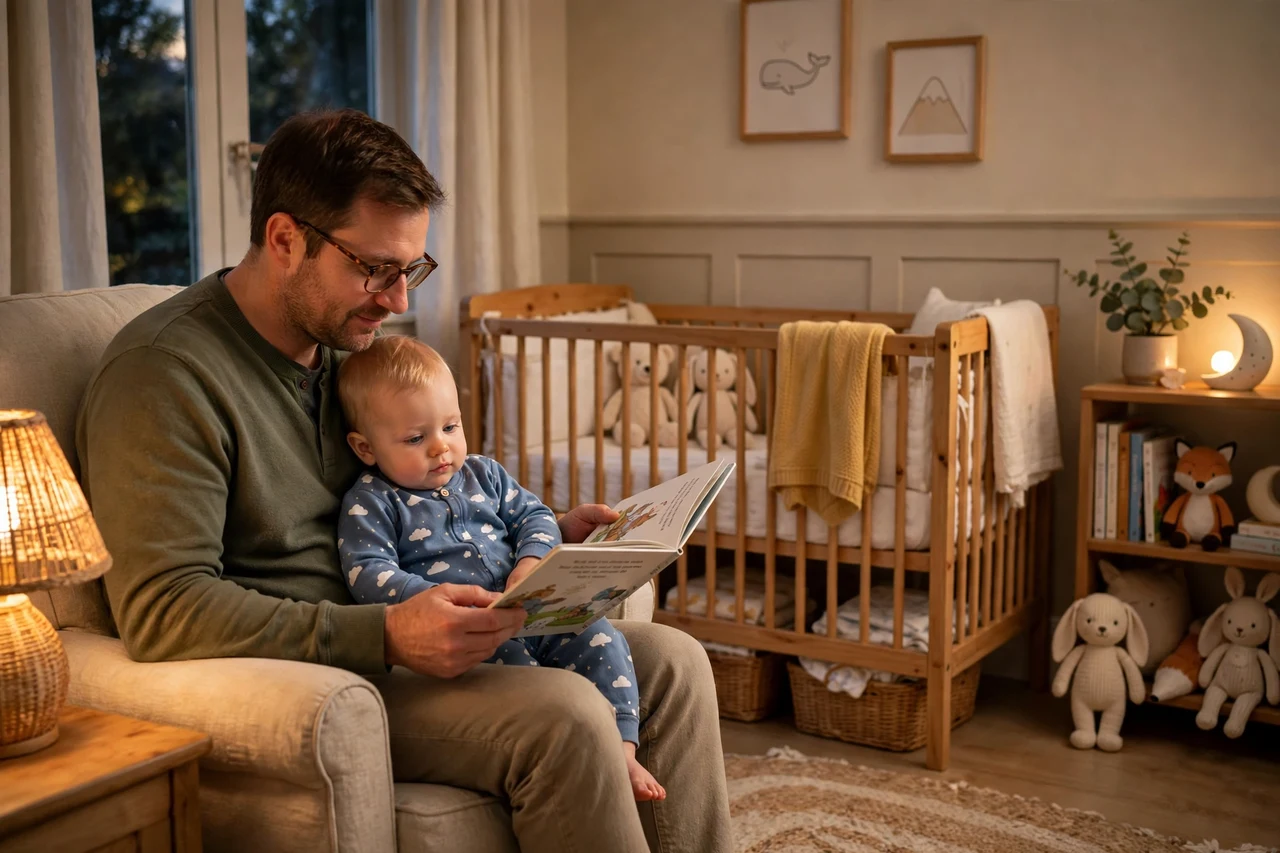
5. Bedtime Routine Checklist for Calmer Evenings
A consistent bedtime routine is the single most recommended sleep habit, and a checklist helps families actually stick to one. Design a nightly checklist with steps like bath, pajamas, book, song, and lights out, plus a time column and a notes space for what worked. Offer versions for different family styles, including a short five-step routine for busy nights and a longer weekend version. Include a weekly tracker so parents can see consistency improve alongside sleep. The design should feel peaceful, with soft evening colors and a calm, uncluttered layout that itself signals bedtime.
6. White Noise and Sleep Environment Log for Better Sleep Cues
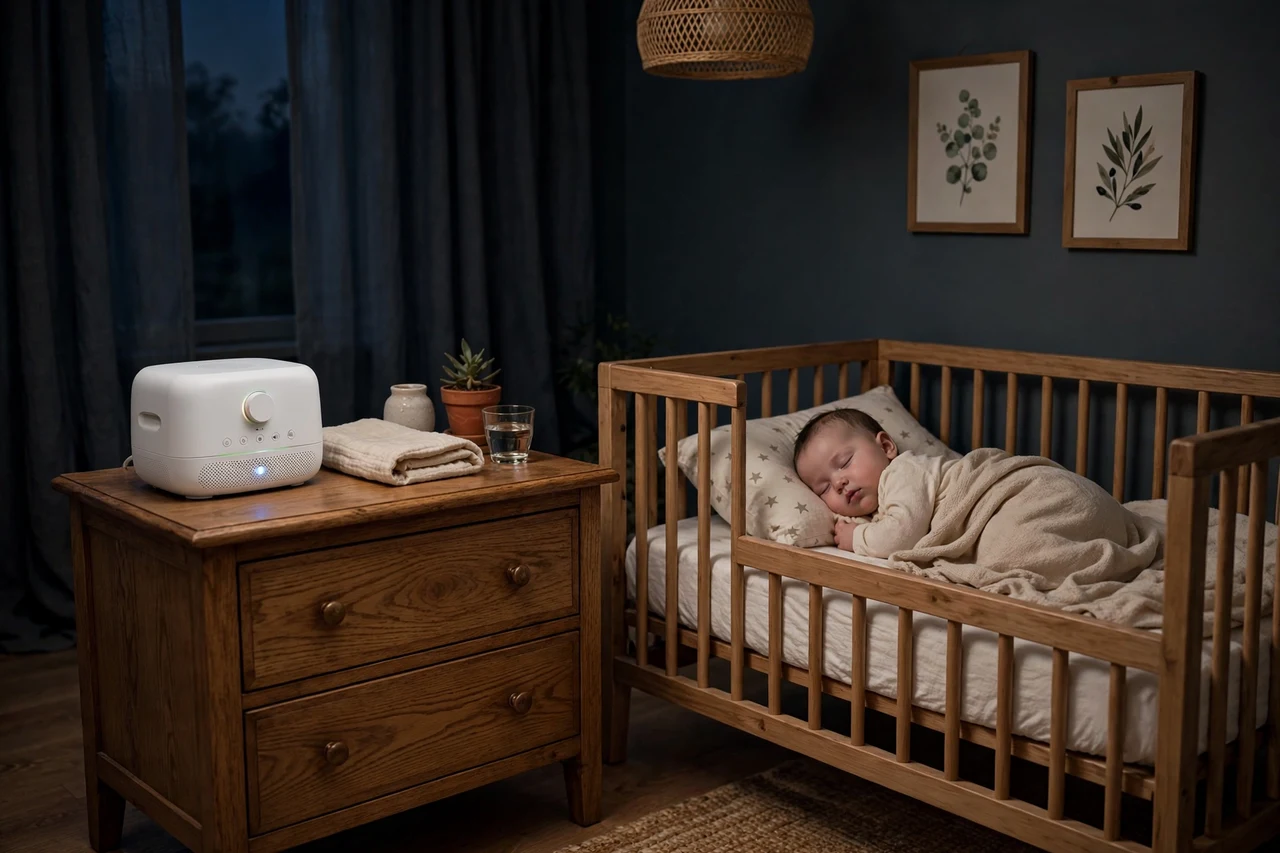
Room temperature, darkness, white noise, and sleepwear all affect baby sleep, but parents rarely track which combination works. This log gives each factor its own column: room temperature, white noise type and volume, light level, sleep sack weight, and resulting sleep quality. Over two weeks, parents can spot patterns, like better sleep with a cooler room or a particular white noise sound. Include a quick reference page on safe sleep basics, such as room sharing and a firm mattress, without giving medical advice. Buyers who love data-driven parenting are drawn to this tracker, and they often buy bundles too.
7. Gentle Sleep Training Method Tracker for Gradual Progress
Parents trying gentle sleep training need a way to record their method, consistency, and results without judgment, and this tracker provides exactly that. Design pages for method chosen, bedtime, check-in intervals, crying duration, and settling success, plus a notes column for adjustments. Include a progress chart that shows crying time decreasing and sleep stretches increasing over days. Keep the language neutral and supportive, covering a range of gentle methods without endorsing any single one or criticizing parents’ choices. Add a reminder to consult a pediatrician for persistent sleep concerns, which builds trust and responsible positioning.

8. Daycare Nap Report Sheets for Working Parents
When babies start daycare, parents lose visibility into daytime sleep, and a nap report sheet bridges that gap. Design a simple form caregivers can complete quickly: nap start and end, settling method, mood on waking, and notes, with space for multiple naps. Include a weekly summary parents can review alongside home sleep, so weekend routines can match daycare patterns. Offer a printable pad format, since daycare providers may fill in one sheet per day. This product sells to working parents and as a gift from grandparents, giving it a wider buyer base than most sleep trackers.
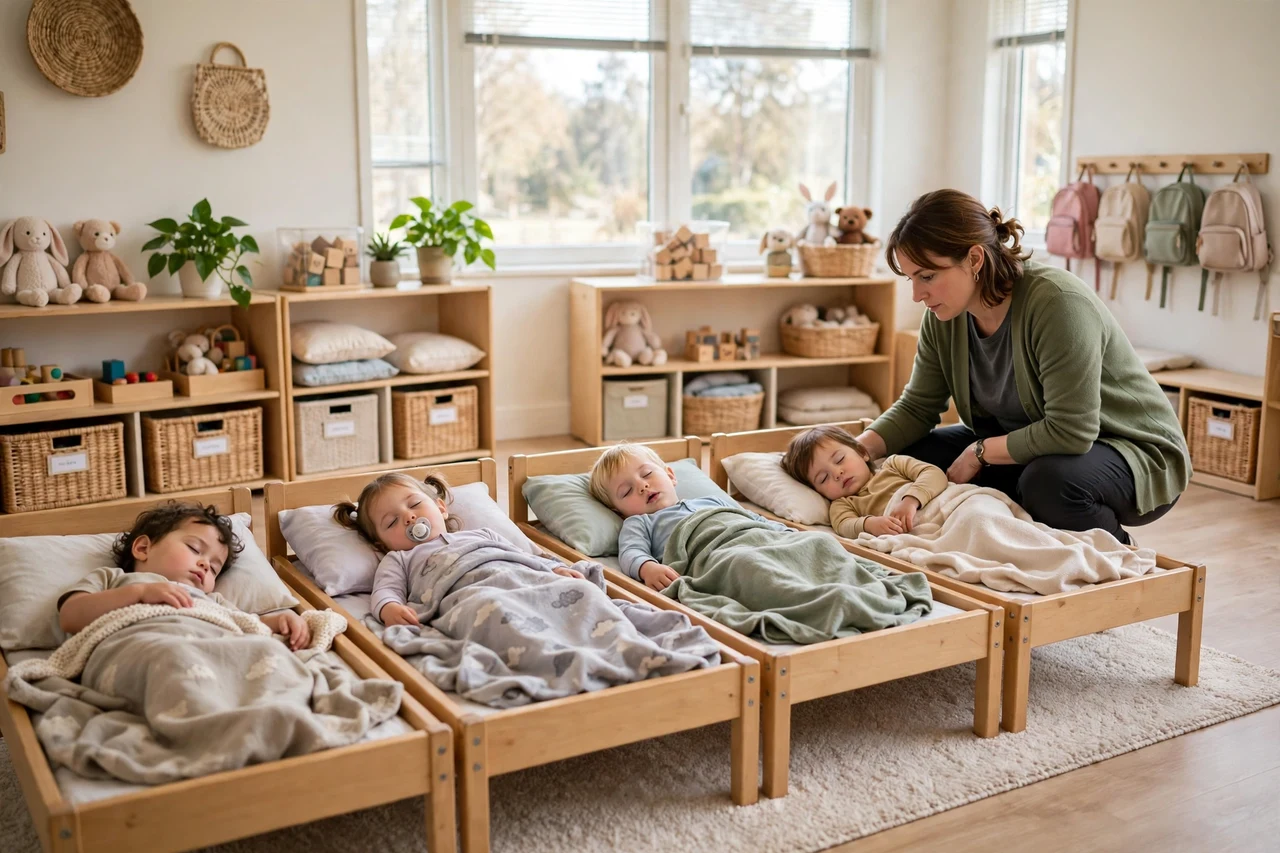
9. Twin Sleep Schedule Planner for Double the Data
Parents of twins face a unique challenge: two babies, two sleep patterns, and one exhausted household, so a planner with side-by-side columns is essential. Design twin columns for each baby’s sleep, feeds, and wake-ups on a shared timeline, making it easy to see when schedules align and when they drift. Include a syncing tracker that celebrates days both babies napped together, since synchronized sleep is the holy grail for twin parents. Add a helper handover section for partners, grandparents, or night nurses. Twin parents are a passionate, underserved niche, and products made specifically for them earn loyal fans and word-of-mouth sales.

10. Baby Sleep Milestone and Progress Journal for the First Year
Beyond daily logs, parents want a keepsake that records their baby’s sleep journey across the first year, and a milestone journal fills that emotional niche. Design monthly pages for sleep totals, longest night stretch, nap transitions, favorite routines, and funny midnight memories, plus photo spots for each month. Include a first-birthday sleep summary page celebrating how far everyone has come. Soft colors, gentle illustrations, and plenty of writing space matter more here than dense grids. This journal sells as a gift, a bundle add-on, and a personal purchase, and it turns exhausted buyers into happy reviewers.

Frequently Asked Questions
Do baby sleep trackers really sell on Etsy?
Yes, because exhausted parents search with urgent, specific terms like newborn sleep log and baby nap tracker, often in the middle of the night. Purchase intent is extremely high in this niche, since buyers need the product immediately rather than someday. Shops that combine practical logs with compassionate, tired-parent-friendly design tend to convert best.
Should I sell sleep trackers individually or as a bundle?
Sell both: individual listings capture specific searches, while a complete baby sleep bundle appeals to parents who want every tool at once. Price the bundle at a clear discount versus individual purchases, and highlight the total page count. Bundles also make thoughtful baby shower and new-parent gifts. New to Etsy? These digital products that sell on Etsy are a good first shop.
What format works best for sleep-deprived parents?
Offer a print-ready PDF in US Letter and A5 sizes with large checkboxes, high contrast, and minimal text per page, so forms are easy to complete one-handed at night. Add a hyperlinked tablet version for parents who prefer digital tracking. Always test print your pages and try filling one in yourself to check usability.
Can I claim my tracker will help babies sleep better?
No, avoid promising outcomes like sleeping through the night, since every baby is different and such claims are misleading. Instead, promise what the tracker actually delivers: clear records, visible patterns, and organized information for pediatricians or sleep consultants. Honest listings build trust and earn better reviews.
How do I market baby sleep trackers sensitively?
Use warm, non-judgmental language that acknowledges how hard broken sleep is, without shaming any parenting choice. Show filled sample pages, share the story behind your design, and let reviews speak for the product. Pinterest works especially well for this niche, since new parents search there constantly for sleep solutions.