If you want to get freelance clients without Upwork, you need channels you own, not a marketplace feed you compete in. Marketplaces can help at the start, but they also set your prices, control your visibility, and put you next to dozens of cheaper bids. The twelve channels below work differently: they put your name in front of buyers before they post a job, so you arrive as a recommended expert rather than one more applicant.
Related: getting freelance clients fast and freelancing tips for beginners.
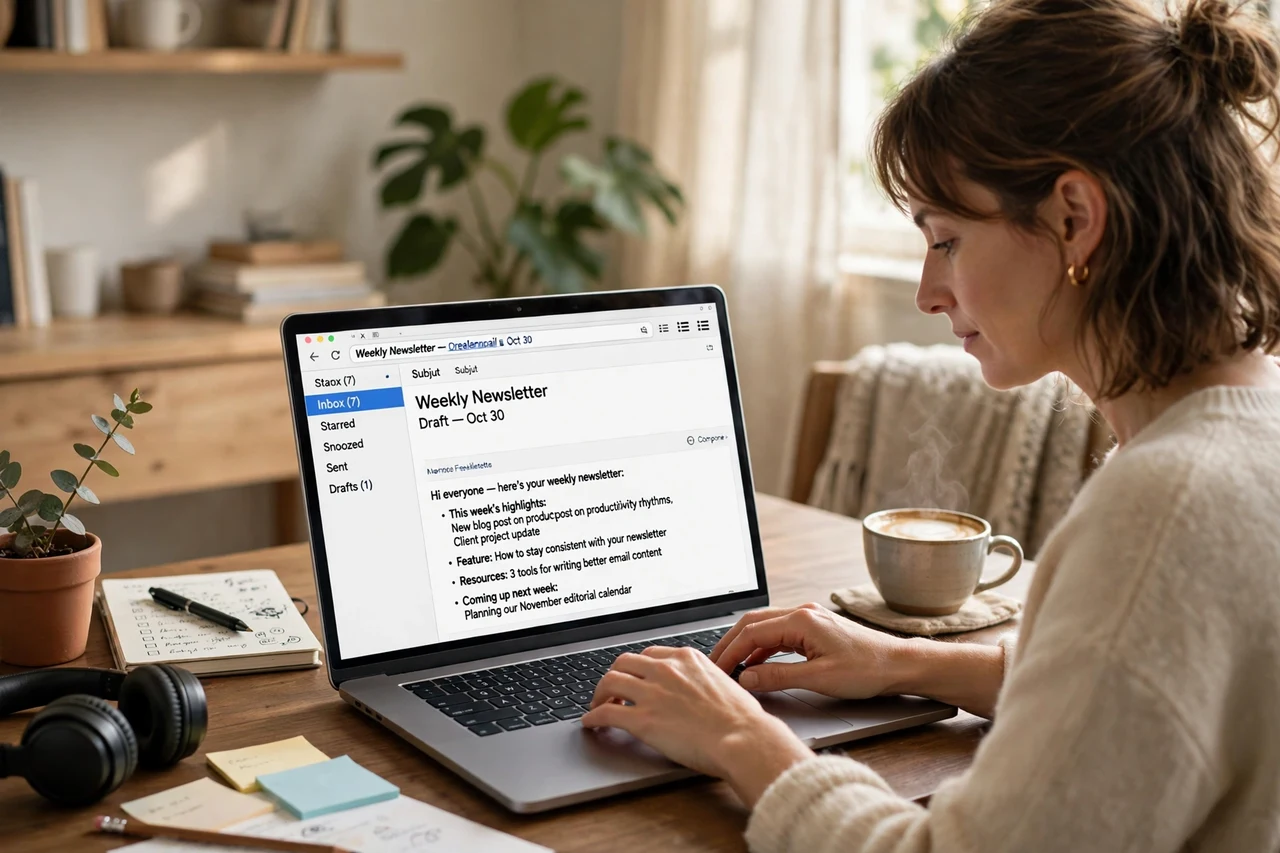
1. Start a Weekly Niche Newsletter That Pitches One Service at a Time
A short weekly newsletter beats a perfect portfolio because it keeps you in a buyer’s inbox until they are ready to hire. Choose one buyer type, such as dentists, realtors, or Shopify store owners, and send one useful tip plus one clear offer each week. Keep it under 300 words so busy owners actually finish it, and always end with a single next step, like booking a fifteen-minute call.
Grow the list by offering a one-page checklist on your website and mentioning it wherever you already appear, from podcast bios to email signatures. After eight to twelve consistent issues, subscribers start replying with work, often for projects they never posted anywhere. Consistency matters more than list size here: fifty engaged readers in one niche beat five thousand random subscribers.
2. Run Free Local Workshops That Turn Attendees Into Paying Clients
A free forty-five-minute workshop lets local buyers see how you think before they risk money on you. Teach one narrow topic, such as how a bakery can turn website visitors into catering orders, and finish with a paid follow-up offer for attendees who want help doing it. Libraries, coworking spaces, and small business centers in the US often provide rooms at no cost if you offer a genuinely useful session.
Collect email addresses at sign-up, send a recap and the slides afterward, and follow up personally within two days. Even five attendees can produce one or two clients, because everyone in the room already has the problem you solve.

3. Guest on Small Business Podcasts Your Buyers Already Listen To
Small business podcasts are easier to book than big shows, and their listeners trust the host’s recommendations. Pitch three to five shows in your niche with a specific episode idea, not a generic request to talk about your services. Offer a story with a result, such as how a client fixed a checkout problem, and bring one practical takeaway listeners can use that same day.
Ask the host to link your booking page in the show notes, and share the episode with your own list when it airs. One strong appearance can bring inquiries for weeks, especially if the show’s audience matches your buyer exactly.

4. Publish Public Teardowns That Show How You Would Fix a Real Business
A teardown is a public, respectful review of a real business’s website, ad, or offer, showing what you would change and why. Pick businesses that are not direct competitors of your ideal clients, blur anything sensitive, and focus on improvements rather than insults. Buyers reading it learn your standard of work without needing a sales call first.
Publish one teardown a month on your own site, then send it to the business owner with no strings attached. Some owners hire you on the spot, and others share it, which puts you in front of their peers.

5. List Your Service in Trade Directories Buyers Search Before Hiring
Many buyers search industry directories long before they search a freelance marketplace. Depending on your field, that might be a state bar referral list, a chamber directory, an association member directory, or a niche vendor list for wedding planners, contractors, or clinics. A complete listing with a clear service, a location, and two proof points often outranks a marketplace profile.
Complete every field, add a photo and a short description written for buyers, and keep contact details current. Two or three well-chosen directories can quietly produce steady inquiries all year.

6. Join Your Local Chamber and Industry Association Events in Person
In-person events still close work that online applications never reach, because trust forms faster face to face. Attend chamber mixers, association lunches, and trade meetups with one goal: learn what three people are struggling with, not collect thirty business cards. Follow up the next day referencing their specific problem, and offer a short call if it fits.
Membership pays off when you show up repeatedly; the third or fourth event is usually when owners start introducing you as their person for your service.

7. Teach a Free Class at a Coworking Space or Library
A free class positions you as the local expert in a way a cold pitch never can. Coworking spaces, libraries, and community colleges often welcome practical evening classes on topics like bookkeeping basics, social media setup, or resume writing. Keep the class hands-on, let attendees leave with something finished, and mention at the end that you take on a limited number of clients each month.
Bring a simple sign-up sheet for a free resource, then email attendees a recap and an invitation to book a call. Even a small class builds local word of mouth, because attendees tell colleagues about the helpful person they met.

8. Sell a One-Week Sprint Instead of an Open-Ended Project
Many buyers hesitate to hire a freelancer because they fear an open-ended bill. A one-week sprint removes that fear: a fixed price, a fixed scope, and a deliverable by Friday. Examples include a website audit with fixes, a week of social content, or a cleaned-up bookkeeping month. The tight deadline also forces you to work efficiently and show results fast.
Describe the sprint on your website with exactly what is included, what is not, and what the buyer receives at the end. Sprints convert cautious buyers into clients, and a good sprint often leads to ongoing work without any further selling.

9. Write Guest Articles for Trade Blogs Read by Decision-Makers
Guest articles put your expertise in front of buyers who already trust the publication. Target trade blogs, association newsletters, and niche magazines in your field, and pitch a how-to article that solves one specific problem for their readers. Include a short author bio linking to your service page, not just your homepage, so interested readers land on an offer.
One strong article can outperform months of social posting, because readers arrive already interested in the topic. Republish the link on your website under a press or featured-in section, and mention it when you contact similar publications.

10. Create Short Demo Videos That Answer One Buyer Question Each
Short demo videos let buyers watch you solve a problem in two minutes, which builds more trust than a long sales page. Record your screen or yourself answering one question, such as how to fix a slow checkout page or how to format a resume for applicant tracking systems. Post them on your website and YouTube, with a clear title that matches the exact question buyers type into search.
End each video with one next step, such as booking a call or downloading a checklist, and keep the production simple: clear audio matters more than fancy editing.

11. Sponsor a Niche Community Event in Exchange for Stage Time
Sponsoring a small community event can cost less than a month of ads and deliver far warmer leads. Offer to sponsor coffee, printing, or a prize for a meetup, farmers market, or nonprofit fundraiser in your niche, and ask for a short speaking slot or a table in return. Attendees meet you in a helpful context, not as a salesperson interrupting their day.
Prepare a two-minute talk that teaches something useful, and bring a simple handout with your website and a booking link. Repeat sponsorships build local familiarity, and familiar names get hired first when a need arises.

12. Build a Waitlist Page That Collects Inquiries While You Sleep
A waitlist page turns casual interest into a pipeline, even when you are fully booked. Instead of a generic contact form, offer a page that says what you do, who it is for, your current availability, and what happens next. Visitors join the waitlist for a free resource or an opening, and you get their email address and project details without chasing them.
Email the waitlist whenever a slot opens, a sprint becomes available, or you publish something relevant, so the list stays warm. Review inquiries weekly, reply to the best fits first, and keep the page honest about timelines.

Frequently Asked Questions
Can I really get freelance clients without Upwork?
Yes. Many established US freelancers get most of their work from referrals, repeat clients, and owned channels like newsletters, workshops, and search. Marketplaces are one channel, not the only one, and the channels above work best when you run them consistently for at least a few months.
How long does it take for off-marketplace channels to work?
Expect eight to twelve weeks before steady inquiries arrive, though a workshop or podcast appearance can bring faster results. The first month is mostly setup and outreach, the second month brings conversations, and the third month is when bookings usually follow. Treat it like building a pipeline, not a one-time campaign.
Should I quit Upwork completely?
Not necessarily. Use marketplaces while you build owned channels, then reduce your dependence as direct inquiries grow. Keeping one marketplace profile active as a backup is sensible, but your goal should be a pipeline that survives if any single platform changes its rules or fees.
Which two channels should a beginner start with?
Start with a weekly niche newsletter and one in-person or live channel, such as workshops or podcast guesting. The newsletter keeps you in touch over time, while live channels build trust fast. Add a third channel only after the first two run smoothly for a month.
How do I price work that comes from my own channels?
Price based on the value and your costs, not on marketplace averages. Direct clients expect professional rates, and a clear scope with a fixed price or sprint structure helps them say yes.