Clients no longer pay extra just because you use AI tools. They pay for freelancers who use those tools well, check the output, and deliver work a client can actually use. That is why learning the right AI skills for freelancers matters more than collecting another app subscription. Each skill below can be learned in a few weeks and sold as a clear service. Start with one or two and add more once clients pay for the first ones. If you are new to freelancing altogether, beginner freelance jobs pair well with these skills, and AI tools for freelancers covers the software side in more detail.
1. Prompt Engineering: The First AI Skill for Freelancers to Learn
Prompt engineering means writing clear, specific instructions that get consistent, usable output instead of generic text you must rewrite. Give the tool a role, an audience, a format, and tone examples, then revise when the output misses. Practice by turning one vague brief into three different prompts and comparing the results.
Clients pay because it saves hours of trial and error. Offer it within any AI-assisted service, or sell prompt libraries for a client’s niche for $50 to $200 per pack.

2. AI-Assisted Survey Design and Feedback Analysis for Small Brands
Small businesses collect customer feedback but rarely know what to do with it. This skill covers writing short surveys people actually finish, then using AI to group open-ended answers into themes, quotes, and priorities. The human part matters most: check the AI did not invent themes, remove misleading summaries, and turn findings into three or four clear actions.
Survey design and analysis projects typically sell for $150 to $500 per survey, depending on responses, and happy clients often repeat the work quarterly.

3. AI-Assisted Pricing Research for Service Businesses
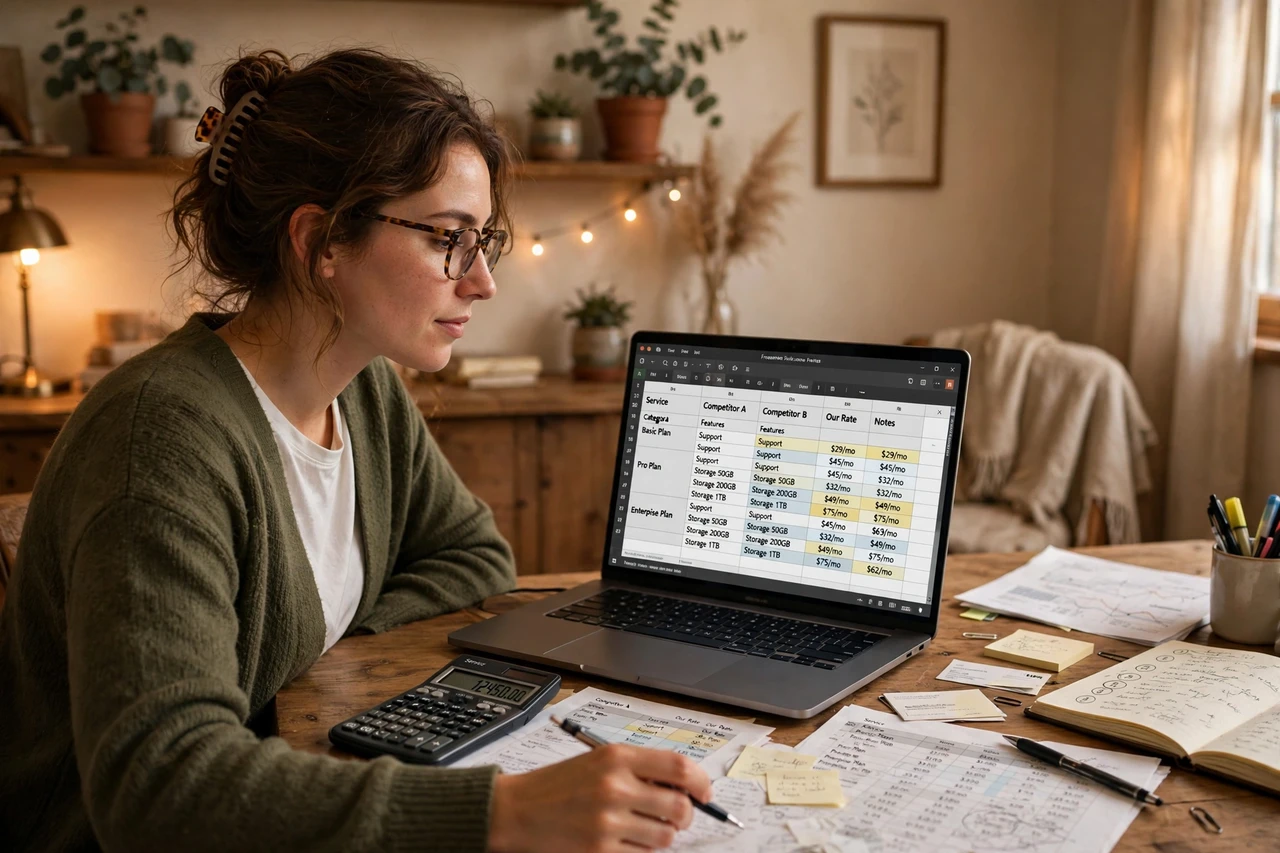
Many small service businesses guess their prices. With AI-assisted pricing research, you gather competitors’ published rates and package structures, then use AI to organize them into comparison tables and spot market gaps. Verify every price against the original source, since AI tools sometimes quote outdated or invented figures, and that verification is what the client pays for.
Price research reports sell for $100 to $300 each, and they often lead to follow-up work like rewriting the client’s own service packages.
4. AI-Assisted Alt Text and Accessible Document Cleanup
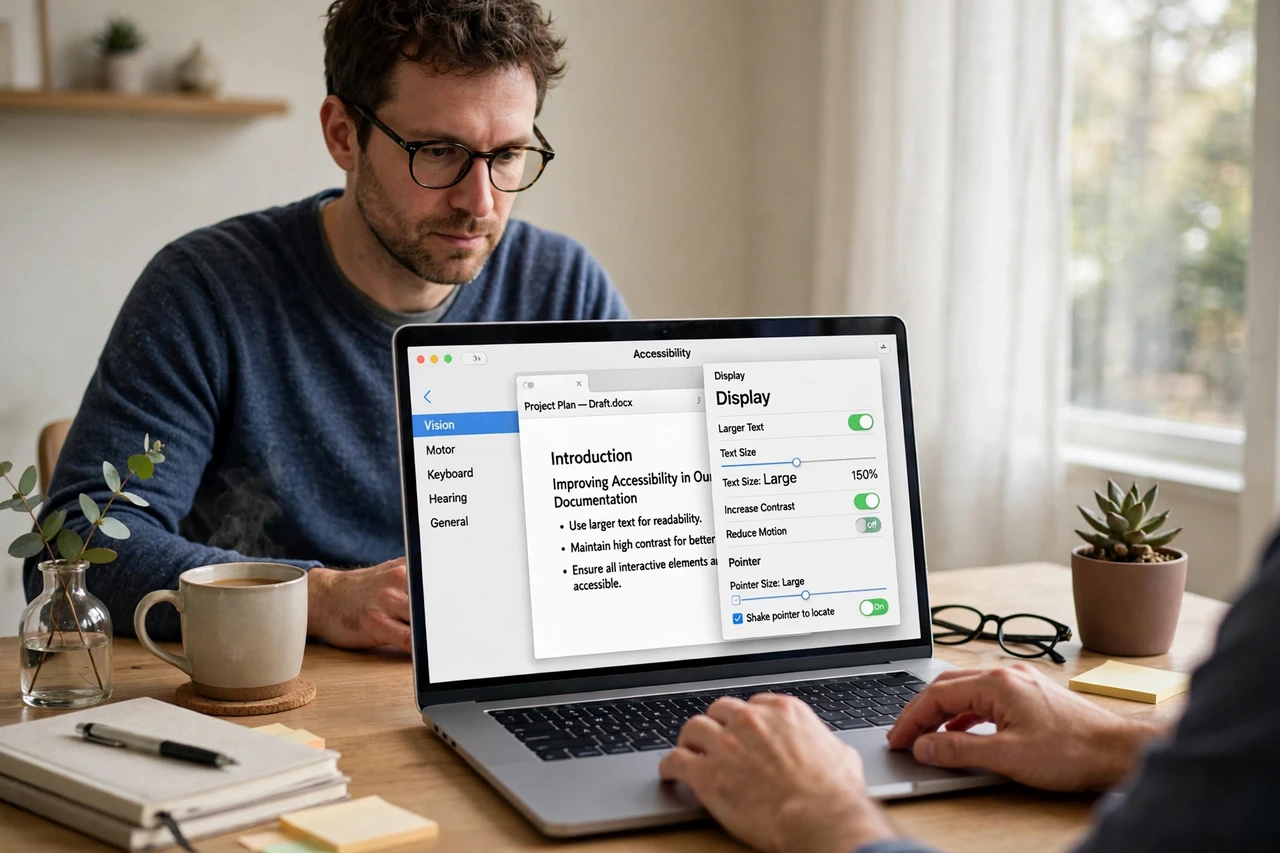
Alt text describes images for screen reader users, and most small business websites and PDFs have images with no descriptions at all. Learn to use AI to draft alt text, then edit each description by hand so it is accurate and specific. The same skill applies to document cleanup: fixing heading structure, fonts, and color contrast.
This is steady, detail-oriented work that clients rarely want to do themselves. Charge per page or per image batch, starting around $25 to $50 an hour, and package it as an accessibility cleanup service.
5. AI-Assisted Monthly Business Report Summaries for Owners
Busy owners receive sales reports and analytics exports they never read. This skill turns raw numbers into a short monthly summary of what went up, what went down, and what deserves attention, in plain language. Use AI to draft it, but check the numbers yourself before the client sees them.
Monthly report summaries sell as retainers of $200 to $600 a month per client, which makes them one of the most reliable income streams on this list.

6. AI-Assisted Neighborhood Market Snapshots for Realtors
Realtors need fresh local content to stay visible, and a neighborhood market snapshot gives them exactly that. Pull public data on recent sales, average prices, days on market, and amenities, then use AI to draft a readable one-page snapshot for buyers and sellers. Every figure must come from a real source, since agents cannot publish invented statistics.
Agents pay $75 to $200 per snapshot, and a single agent who likes your work may order one for every neighborhood they serve.

7. AI-Assisted Customer Persona and Messaging Guides
A customer persona is a short profile of a business’s ideal buyer: who they are, what they worry about, and what convinces them to buy. Use AI to draft personas from reviews, survey answers, and sales notes, then refine them into a messaging guide for the client’s website, ads, and social posts. The value is the decisions it prevents, like marketing to everyone and reaching no one.
Persona and messaging guides sell for $300 to $800 per project, and they pair naturally with copywriting work later.

8. AI-Assisted Plain-English Legal Document Summaries
Contracts, leases, and terms of service are written in language most people struggle to read. This skill uses AI to draft a plain-English summary of what a document actually says, section by section, which you then check carefully against the original. You are not giving legal advice and must say so clearly in every deliverable; you are making the document easier to understand so the client can ask their lawyer better questions.
Plain-English summaries sell for $100 to $400 per document, and small businesses, landlords, and creators all need them regularly.

9. AI-Assisted Press Release Drafting for Local Businesses
Local newspapers, blogs, and community sites still run stories about openings, events, and milestones, but most small businesses cannot write a press release. Learn the standard format, use AI to draft from the client’s facts, and edit until the first paragraph answers who, what, when, where, and why. Include a real owner quote and one contact detail, and never invent facts.
Press releases sell for $100 to $300 each, and clients often add distribution help or a follow-up pitch list for an extra fee.

10. AI-Assisted Staff Training Quizzes for Small Employers
Small employers need to train staff on safety rules, product knowledge, and customer service, but building quizzes from scratch takes time they do not have. This skill turns an employee handbook or training manual into short quizzes with answer explanations, using AI for the first draft and your own review for accuracy. Keep questions practical and scenario-based, not trivia, so staff actually learn something.
Training quiz packs sell for $150 to $400 per manual, and employers with several manuals or locations become repeat buyers.

11. AI-Assisted Nonprofit Bulletin and Announcement Writing
Churches, charities, and community groups send weekly bulletins and announcements, usually written by volunteers short on time. Learn to turn rough notes into warm, clear announcements, using AI to draft and your own editing to keep the organization’s voice intact. Check dates, names, and donation details twice before anything goes out.
Nonprofits pay $50 to $150 per bulletin or $200 to $500 a month for a regular package, and the work is steady because their calendars never stop.

12. AI-Assisted Book Club and Community Discussion Guides
Book clubs, libraries, and online communities need discussion guides that go beyond a list of generic questions. Use AI to draft chapter summaries, themes, and thought-provoking questions for a specific book, then rewrite them so they sound like they were written by someone who actually read it. Add a short author background section and a few questions that connect the book to readers’ own lives.
Discussion guides sell for $40 to $120 each, and libraries, authors, and course creators buy them in sets for whole reading lists.

13. AI-Assisted Large-Print Tech Guides for Seniors
Many older adults want to use smartphones, video calls, and online banking but get stuck on instructions written for younger users. This skill creates large-print, step-by-step guides with screenshots and plain language, using AI to draft the steps and your own testing to confirm each works on a real device. One wrong step can leave a senior user stranded.
Tech guides sell individually for $25 to $75, or as a bundle to senior centers, libraries, and community groups for $200 to $500.

14. AI-Assisted Pet Care Instruction Sheets for Sitters
Pet owners worry when they leave their animals with a sitter, and a clear instruction sheet removes most of that worry. Learn to turn an owner’s scattered notes into a clean sheet covering feeding, medication, exercise, vet contacts, and what to do in an emergency, using AI to organize the draft and your own checklist to catch missing details. Medication instructions must be copied exactly as the owner wrote them, never paraphrased from memory.
Pet care sheets sell for $30 to $80 each, and pet sitting businesses order them for every new client they onboard.

15. AI-Assisted Landlord Communication Templates for Property Managers
Property managers send the same messages repeatedly: rent reminders, maintenance updates, move-in instructions, and renewal notices. This skill builds professional templates for those situations, using AI to draft tone variations and your own review to keep them polite, clear, and legally neutral. Never include legal threats or promises the manager cannot keep.
Template packs sell for $150 to $400 per set, and managers with many units use them daily, which makes referrals likely.

Frequently Asked Questions
Do I need to know how to code to learn these AI skills?
No. None of these skills require coding. They need clear writing, careful fact-checking, and familiarity with one or two AI tools. If you can write a good email and follow a checklist, you can learn any of them in a few weeks.
Which AI skill should I learn first as a beginner?
Start with prompt engineering, since it improves every other skill here. Then pick the skill closest to work you already understand, such as survey analysis if you have worked with customers.
Will AI replace these freelance skills soon?
AI will keep changing them, but clients still pay for judgment, accuracy, and accountability. A tool can draft a report in seconds, but it cannot take responsibility for wrong numbers or invented facts.
How much can beginners realistically earn with AI skills?
Most beginners earn $25 to $50 an hour, or $100 to $300 per small deliverable. Rates rise once you have samples and testimonials, especially for retainer work. Avoid anyone promising thousands per week from one AI trick.
Do clients care which AI tool I use?
Usually no, as long as the deliverable is accurate and usable. Clients care about the result, not the tool. Be honest about how you work and always keep client data private.