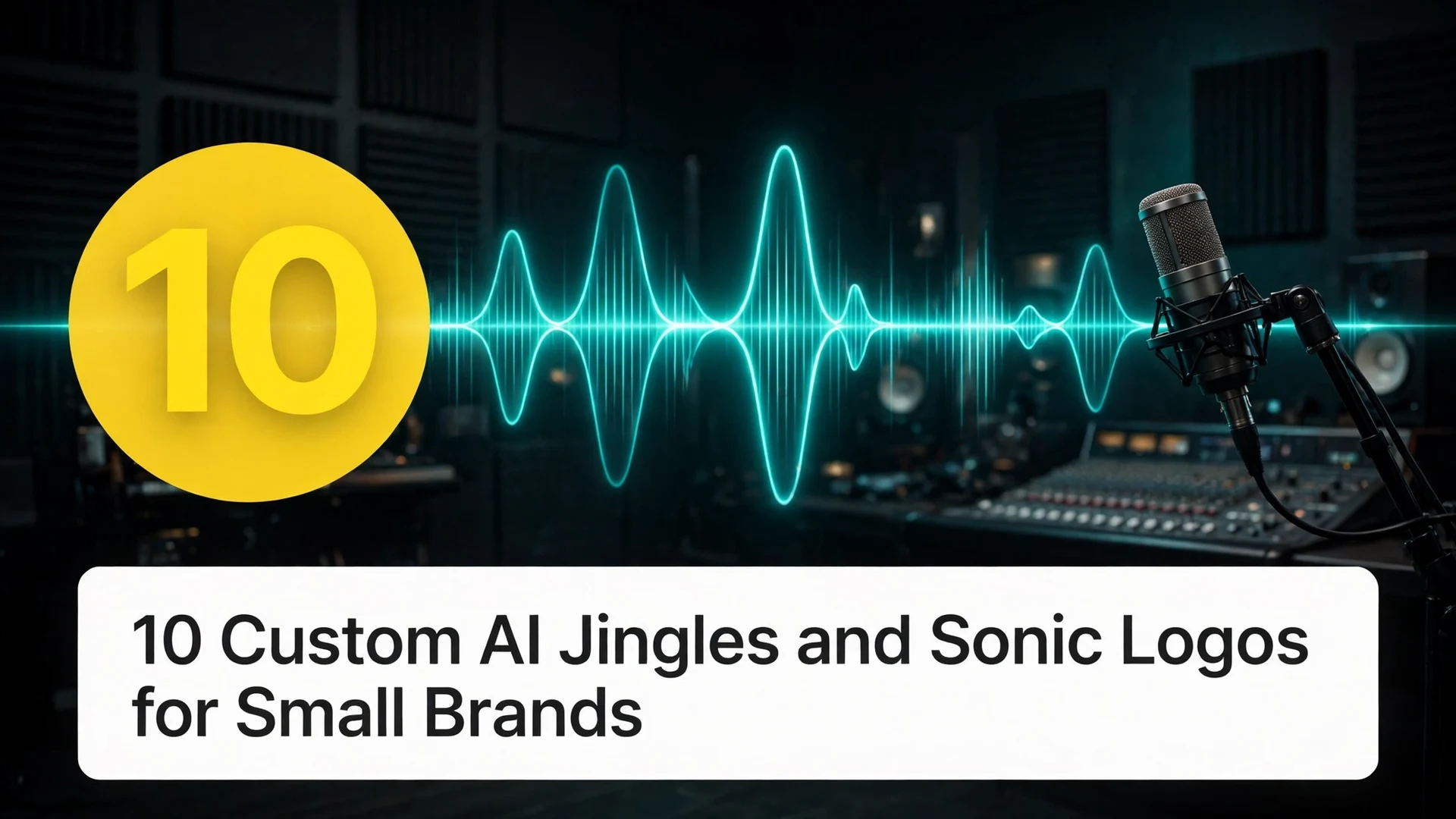
Think of the last small business you recognized by sound alone: a shop door chime, a podcast intro, a local ad tune you can hum. That instant recognition is the product here. Custom AI jingles and sonic logos are short, made-to-order brand sounds — a few seconds for a logo, a short tune for an ad — built for one business and no one else. AI tools help you draft melodies, test styles, and produce clean audio fast, while your real service is listening to the brand, shaping a sound that fits it, and delivering files the owner can actually use. You do not need to be a trained musician, but you do need taste, patience, and a clear revision process. If you already sell AI services to beginners and small brands, brand audio is a memorable offer that clients show off. Here are ten services to sell.
1. Three-Second Sonic Logo for Local Shop Intros

A sonic logo is the shortest brand sound you can sell, and often the most useful. In three seconds, a local shop gets a sound it can put at the start of every video, ad, and social clip, so customers learn to recognize it before they even see the name. Build two or three distinct directions — warm, bold, and playful, for example — and let the owner pick the feeling, not the music theory. Deliver the final sound in several formats, plus a quiet version for videos with voiceover, and a simple usage guide that says where to use it.
2. Catchy Shop Jingle for Main Street Storefronts

A shop jingle is a short sung or melodic tune that names the business, its promise, or its town, and sticks in a customer’s head after one hearing. Start by asking the owner for three words they want customers to feel, plus the exact name and tagline as spoken aloud, because a jingle that mispronounces the business name is useless. Draft a simple, repeatable melody with AI, keep the words short and honest, and test it by playing it for someone who has never heard the business name. If they can repeat the name after one listen, the jingle is working.
3. Phone Hold and Voicemail Melody for Small Businesses

Callers judge a business in the first ten seconds on hold, and silence or a generic beep is a missed chance. A phone hold melody gives a small business a calm, branded sound for hold music and voicemail greetings, with a gentle loop that does not annoy a caller waiting three minutes. Build it without lyrics that clash with spoken announcements, keep the volume steady, and test the loop point so there is no click or jump when it repeats. Ask about the phone system format early, since some systems need a specific file type or length.
4. Social Video Stinger for Small Brand Reels and Shorts

A social stinger is a two-to-five-second sound that marks the start or end of a Reel, Short, or TikTok, so a brand’s videos feel like a series instead of random posts. Build it to pair with the brand’s logo animation or a simple text reveal, and make sure it works on phone speakers, where most social video is watched. Offer a bright version for upbeat posts and a softer version for calm or serious posts, so the creator is not stuck with one mood. Include a version with a tiny tail of silence, which makes looping and editing much easier.
5. Radio-Style Tagline Jingle for Local Service Ads
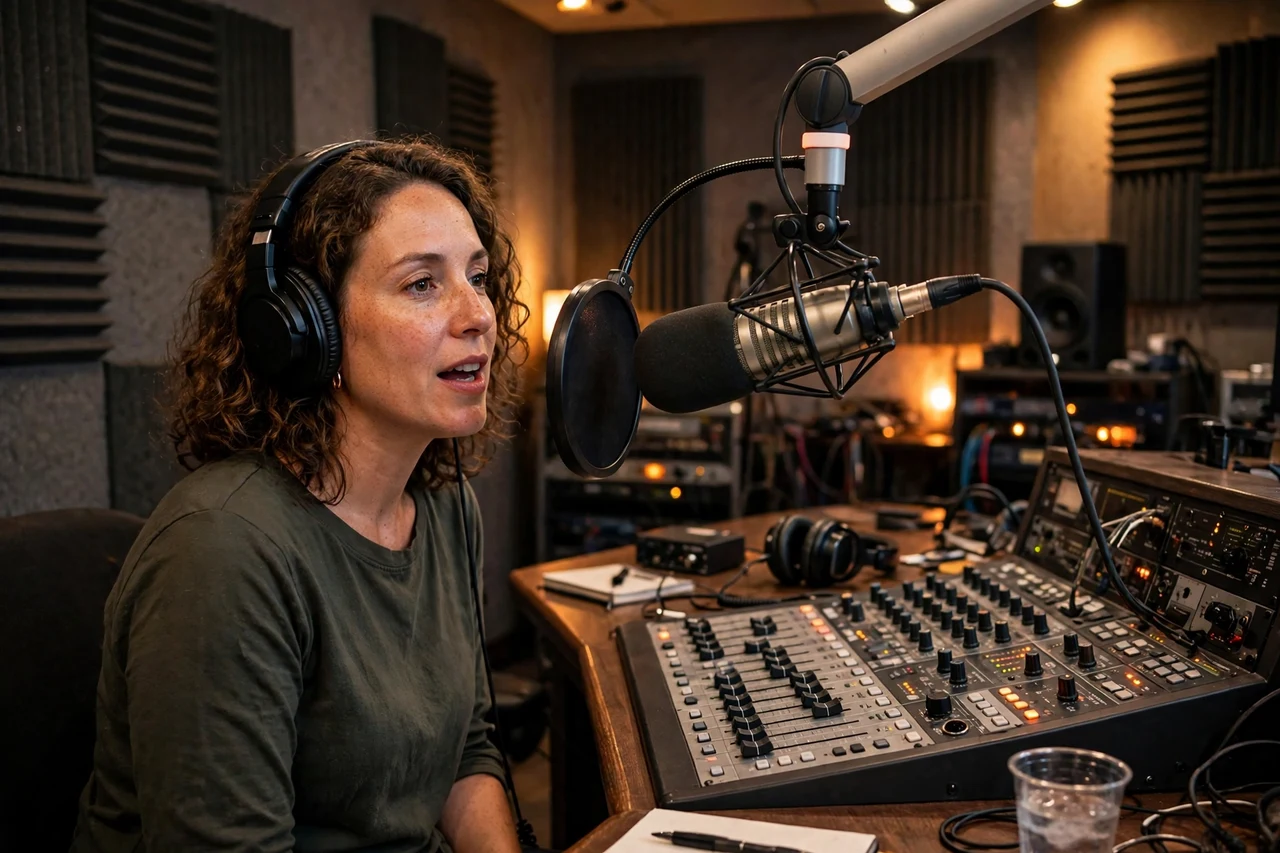
Local service businesses — plumbers, roofers, cleaners, and movers — run short radio and streaming ads where a spoken tagline alone is easy to forget. A tagline jingle turns the tagline into a short melody, so listeners remember the phone number, the town, or the promise long after the ad ends. Keep the words to one clear idea, such as fast service or trusted local help, and avoid cramming every service into one tune. Draft the melody with AI, then refine the pacing so the tagline lands clearly, not rushed.
Once a jingle starts selling, AI tools for passive income help you package and deliver it without daily work.
6. Seasonal Promo Jingle for Holiday Sales Campaigns

Every holiday brings a wave of small-business promotions, and a seasonal jingle lets a brand join the season without sounding like every other store. Build a short, cheerful tune for one season — a holiday sale, a summer event, or a back-to-school offer — with the brand name and the offer woven in lightly, not shouted. Offer a version with the sale dates and a version without them, so the business can reuse the tune next year with a small update. Keep the style appropriate to the brand: a toy shop can be playful, while a law firm should stay warm and restrained.
7. Restaurant and Cafe Signature Tune for Menus and Ads

A restaurant or cafe signature tune is a short, appetizing sound that fits the food, the room, and the mood — warm for a family diner, relaxed for a coffee shop, lively for a taco stand. Start with the menu and the atmosphere, not with a generic happy melody, and ask the owner what feeling they want a first-time visitor to have. Build a main tune plus a shorter chime for social videos and online ordering pages, so the sound follows the customer from ad to table to delivery bag. Test it at low volume, since restaurant audio often plays quietly in the background.
8. Fitness Studio Energy Anthem for Class Intros

Fitness studios need an energy sound that tells a class, instantly, that it is time to move. Build a short, driving intro anthem — not a full song, but a punchy 10-to-20-second burst — that instructors can play as clients walk in or as a class starts. Match the energy to the class: high intensity for boot camps, steady and motivating for spin, calm strength for yoga-inspired sessions. Ask the studio for its class names and schedule, so the anthem can be tailored per class type rather than one generic workout beat.
For more ways to earn with AI tools, see AI tools to earn money online.
9. Real Estate Agent Personal Brand Melody for Listing Videos

Real estate agents publish video after video, and a personal brand melody gives every listing tour, market update, and testimonial the same professional signature. Build a short, confident melody that fits the agent’s market — polished for luxury listings, friendly for first-time buyers — and pair it with a consistent intro length so editors can drop it in without re-cutting. Ask for the agent’s name pronunciation and tagline in writing, and test the melody under a speaking voice, since listing videos are mostly narration.
10. E-Commerce Checkout and Thank-You Chime for Online Stores

Online stores usually end a purchase with silence, but a checkout chime turns that moment into a small celebration. Build a short, pleasant thank-you sound for order confirmations, plus a softer version for email or app notifications, so the brand sounds thoughtful at the exact moment a customer feels good about buying. Keep it brief and warm, never loud or cartoonish, and test it on a phone speaker, where most shoppers will hear it. Offer guidance on where the store owner or developer should place the file, since you will not always have access to their checkout system.
Frequently Asked Questions
Do I need to play an instrument to sell custom AI jingles?
No. AI tools generate and shape the audio, while you provide the creative direction, client listening, and quality control. A good ear and honest feedback from test listeners matter more than formal music training.
How do I price a sonic logo versus a full jingle?
Price by length, revisions, and deliverables, not by hours alone. A three-second sonic logo is a smaller package, while a 30-second jingle with sung words, instrumentals, and multiple cuts is a larger project. State revision limits clearly in every quote.
Who owns the jingle after I deliver it?
Put ownership in writing before you start. Most small-brand clients expect full ownership for their business use, while you may keep the right to show the work in your portfolio. Never promise rights you do not control, and never reuse one client’s sound for another.
What if the client hates the first draft?
That is normal, and it is why you should present two or three different directions first. Ask what feeling is wrong, not just what note is wrong, and use that feedback to revise once within your package before charging for extra rounds.
Can AI jingles sound too generic?
They can, if you accept the first output. Your job is to refine: change the tempo, simplify the melody, test it with real listeners, and tailor every word to the actual business. A jingle that only fits one brand is the whole point of custom work.