Millions of people live with chronic illness — and they desperately need better ways to track symptoms, spot patterns, and communicate with their doctors. That is why symptom tracker printables are quiet bestsellers on Etsy: they serve a motivated, underserved audience willing to pay for well-designed health tools. Each tracker below targets a specific condition or tracking need, giving you 12 distinct products from one design skill set. For Etsy fundamentals, see these digital products to sell on Etsy and digital products that sell themselves. Learn the creation process with how to create and sell digital products. Here are 12 chronic illness symptom trackers to sell as printables.
1. Daily Pain Scale and Location Tracker
Chronic pain patients need to log not just intensity but location, type (sharp, dull, burning), and what helped. This tracker provides a body outline diagram for marking pain spots, a 1-to-10 scale with descriptive anchors, and columns for triggers and relief methods. Pain specialists actively ask patients to bring this data — which is why it sells.
Design the body diagram as front and back outlines with ample marking space, and add a monthly pain-pattern summary page. Price at $4 to $8 as a printable PDF. Use the phrase “spoonie” and “chronic pain” in your listing — these are the exact terms your buyers search.

2. Fatigue and Energy Level Log
Fatigue is the most common chronic illness symptom and the hardest to explain to doctors. This log tracks energy on an hourly grid (using a simple battery-icon scale), alongside sleep quality, activity, and rest periods — revealing the crash patterns patients feel but cannot articulate. It turns invisible suffering into visible data.
Include a “spoon theory” daily allocation page where users budget their limited energy across tasks. Price at $4 to $7. Buyers in ME/CFS, fibromyalgia, and autoimmune communities share these trackers in support groups, generating powerful word-of-mouth sales.

3. Medication Schedule and Side Effect Tracker
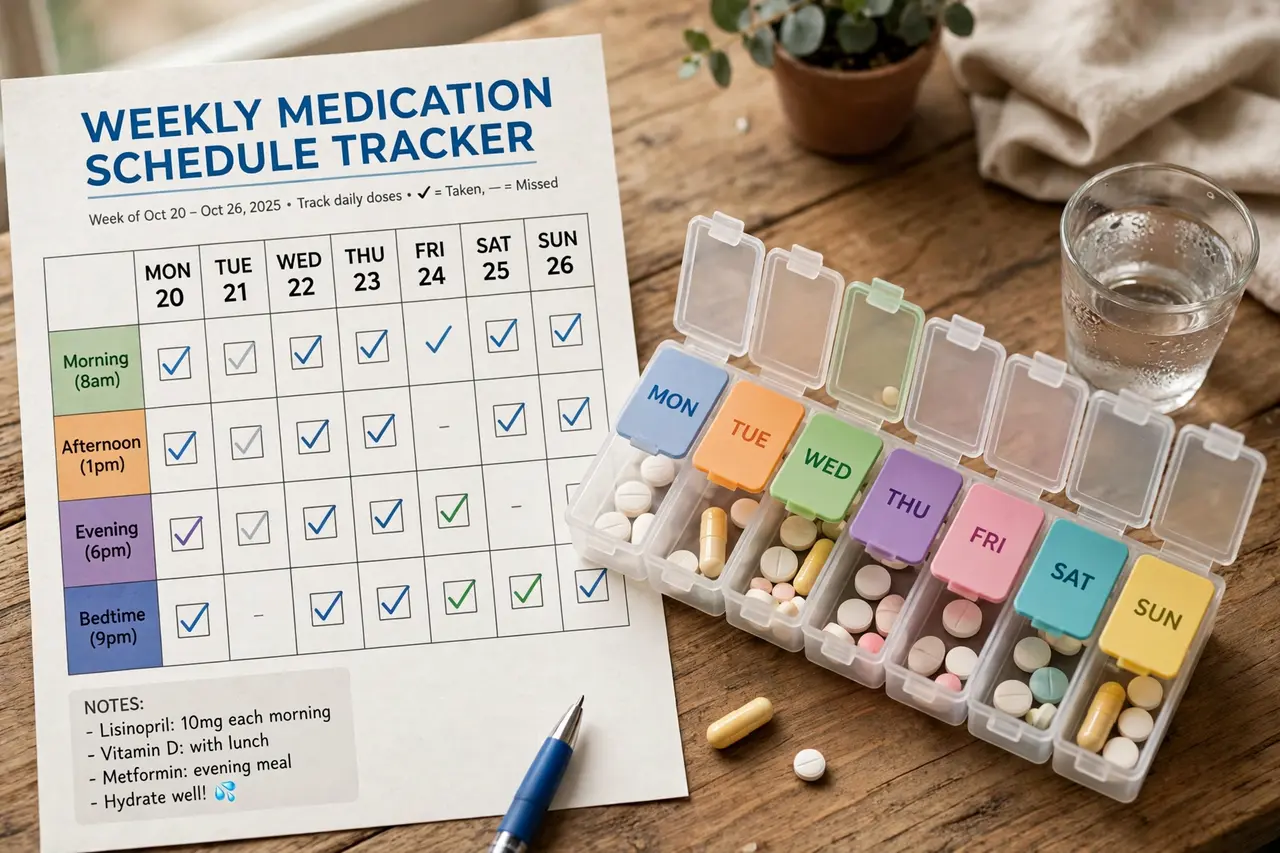
Chronic illness often means five or more daily medications with complex timing. This tracker provides a weekly pill schedule grid, a side-effect severity log, and a “new medication trial” page for the critical first weeks of any drug change. Patients bring these pages directly to appointments.
Add a pharmacy refill reminder section and an interactions-notes area. Price at $5 to $9 — the complexity justifies a premium over simpler trackers. Caregivers buy these for elderly parents too, expanding your market beyond patients themselves.
4. Food and Symptom Correlation Diary
For IBS, autoimmune conditions, and migraines, food triggers are everything — but memory is unreliable. This diary pairs daily food logs with symptom timelines on facing pages, plus a weekly correlation review worksheet that helps users spot patterns. Elimination-diet patients consider this essential.
Design it with generous writing space (not cramped boxes) since users log multiple meals plus symptoms. Price at $5 to $8. Dietitians and functional medicine practitioners sometimes recommend specific trackers to clients — a professional-looking design earns those referrals.

5. Sleep Quality and Symptom Tracker
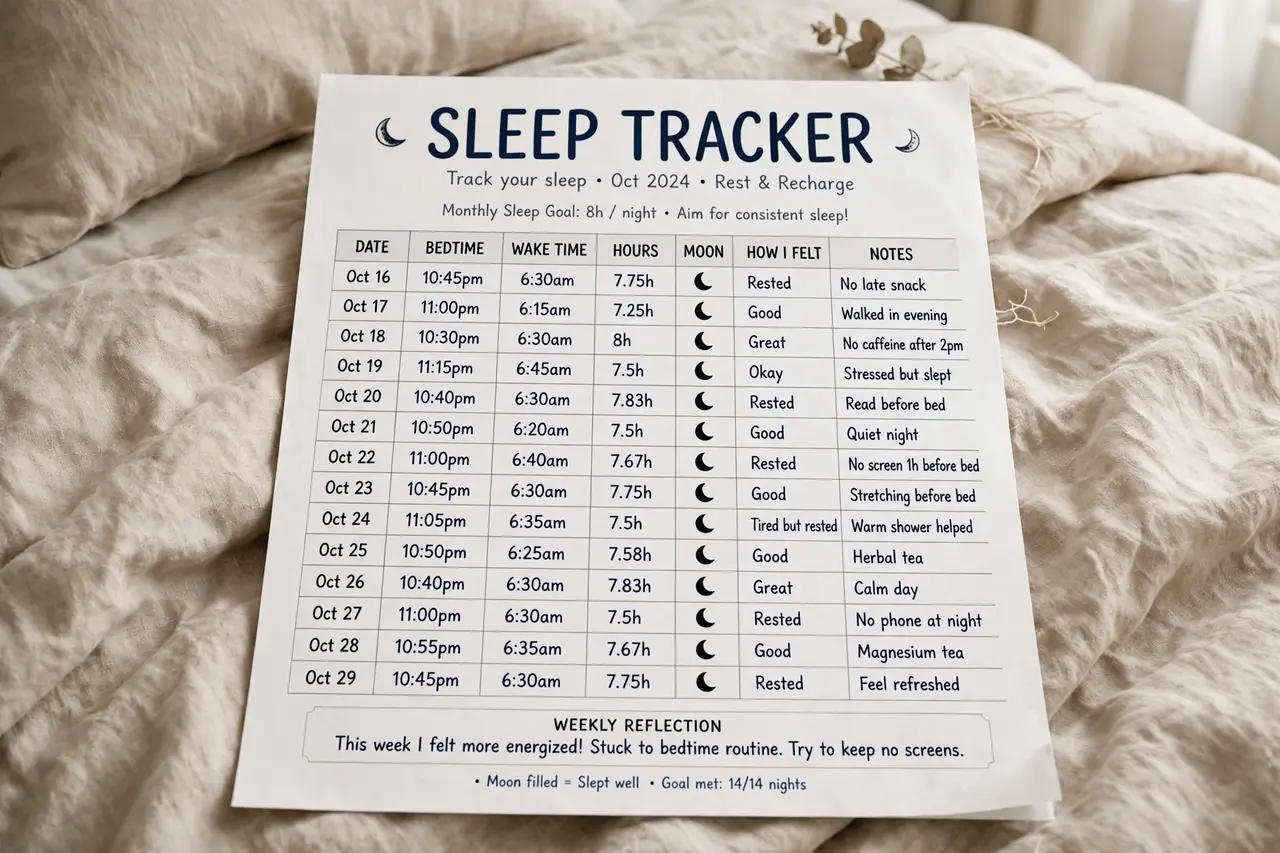
Poor sleep worsens nearly every chronic condition, yet sleep’s impact is rarely tracked systematically. This printable logs bedtime, wake time, sleep interruptions, morning symptom severity, and daytime naps — connecting sleep data to next-day functioning. The correlation pages reveal patterns users can act on.
Include a “sleep hygiene checklist” bonus page with evidence-based tips. Price at $4 to $7. Market to the intersection of chronic illness and insomnia communities — both large, both actively seeking tools, both underserved by generic sleep apps.
6. Migraine Attack Log
Migraineurs need to track aura, pain onset, duration, triggers, medications tried, and what worked — detail that phone apps make tedious. This log provides a dedicated attack record page per episode plus a monthly migraine calendar showing frequency patterns at a glance. Neurologists love receiving this data.
Add a trigger checklist page (weather, foods, stress, hormonal, sleep) that users tick rather than write out each time. Price at $5 to $9. The migraine community is large, vocal, and generous with recommendations — one well-reviewed listing can dominate this niche.

7. Fibromyalgia Flare-Up Tracker
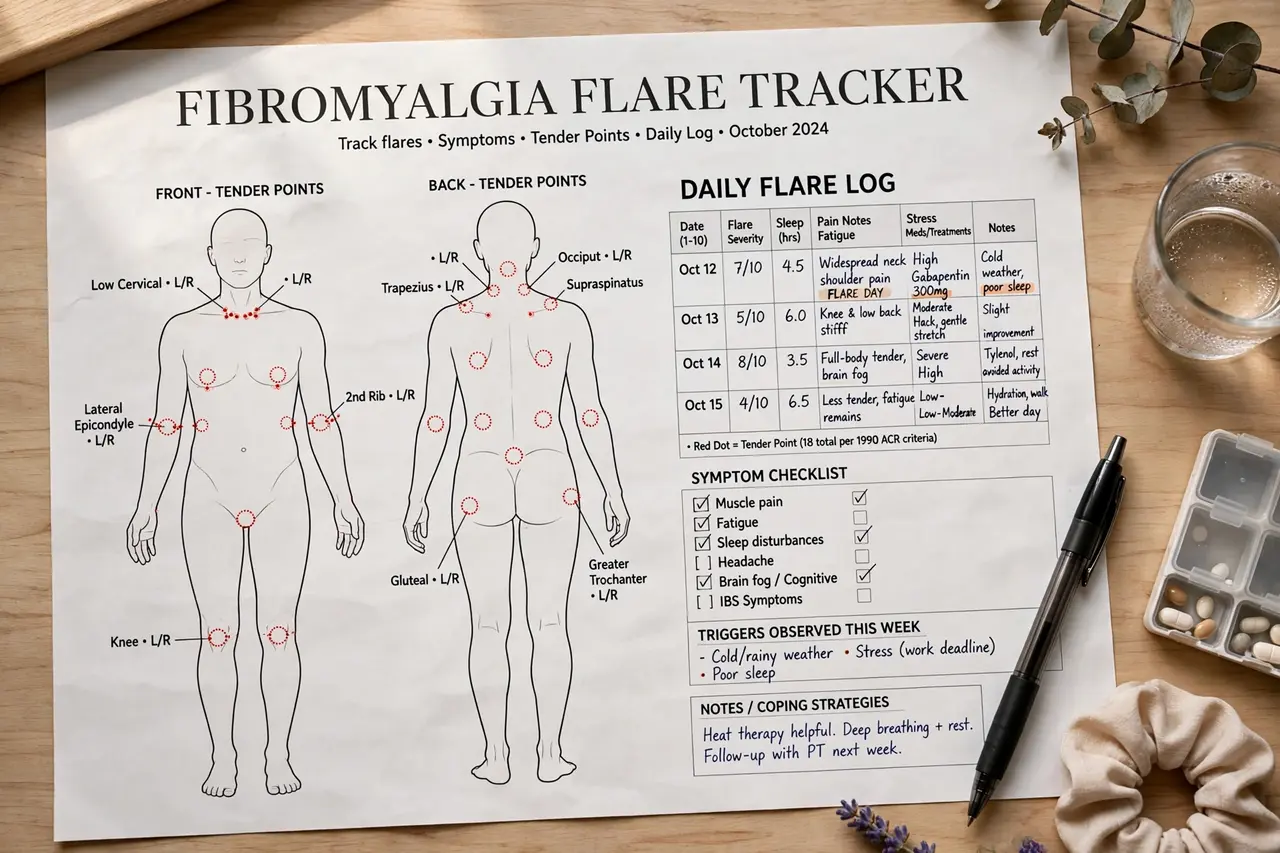
Fibromyalgia’s wandering pain, fibro fog, and unpredictable flares demand specialized tracking. This printable includes a tender-point body map, daily flare intensity scales, cognitive symptom checklists (word-finding, memory), and a weather-correlation page — since many fibro patients report weather sensitivity.
Include a “flare toolkit” page where users list their personal rescue strategies. Price at $5 to $8. Fibromyalgia support groups are tight-knit and quick to recommend helpful tools — a well-designed tracker spreads fast through these communities.
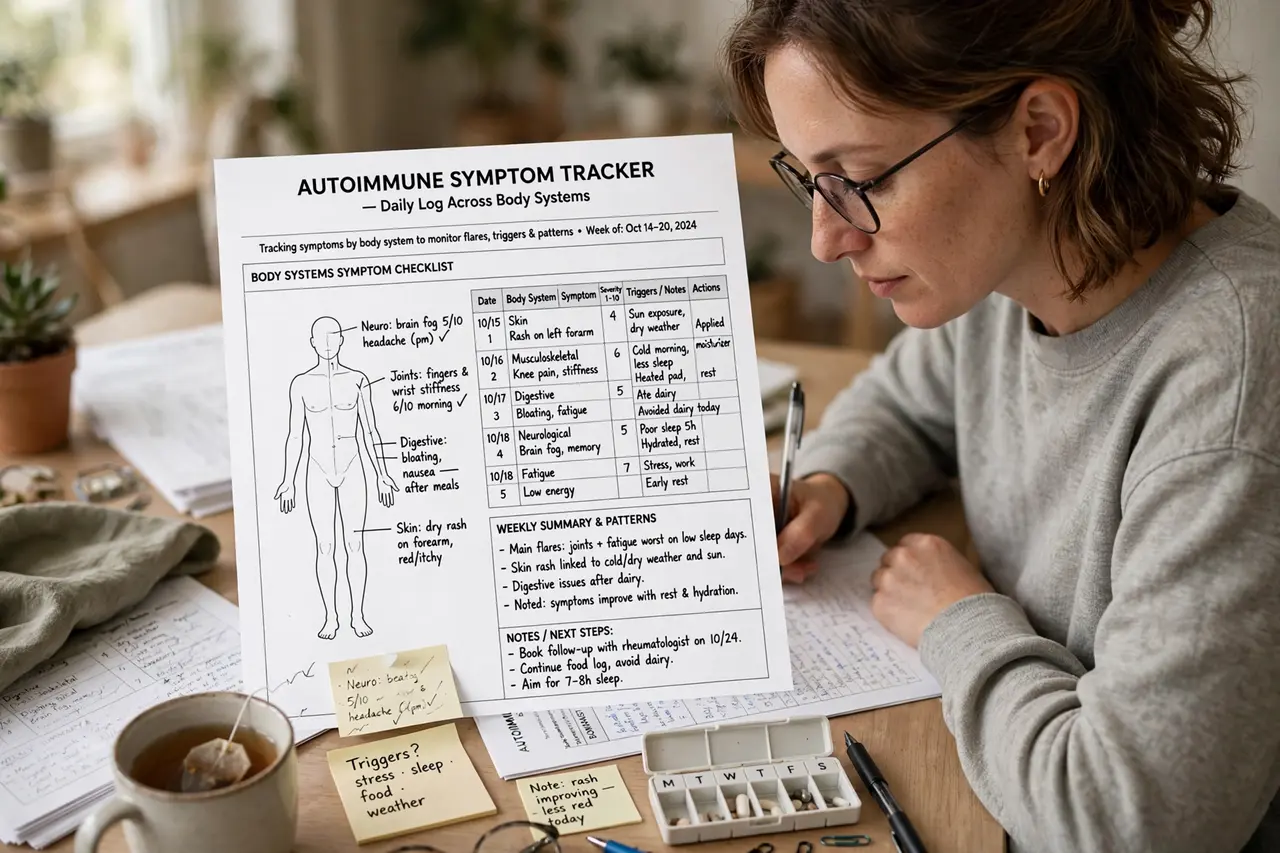
8. Autoimmune Symptom Pattern Tracker
Autoimmune diseases (lupus, RA, MS, Hashimoto’s) involve fluctuating symptoms across multiple body systems. This tracker provides a systems-review checklist (joints, skin, fatigue, digestion, mood), inflammation markers log, and a flare-vs-remission timeline that visualizes disease activity over months.
Include lab result tracking pages where users record key markers (CRP, ESR, antibodies) alongside symptoms — connecting numbers to lived experience. Price at $6 to $10 for the comprehensive scope. Rheumatology patients are long-term tracker users, meaning repeat purchases of updated editions.
9. Blood Sugar and Symptom Log for Diabetics
Beyond standard glucose logs, this tracker connects blood sugar readings to symptoms, meals, medication, exercise, and stress — the full context endocrinologists need. It includes pre/post-meal reading grids, a hypoglycemia episode log, and an A1C progress page. Diabetics managing with printables prefer paper’s reliability over app glitches.
Design large, easy-read grids (many buyers are older adults) and add a medication timing column. Price at $4 to $7. Diabetes educators and support groups are strong referral sources — a clean, senior-friendly design earns professional recommendations.

10. Digestive Health and IBS Symptom Tracker
IBS and IBD patients track stool patterns (Bristol scale), pain location, bloating severity, food triggers, and stress levels — intimate data they would rather manage on paper than in a cloud app. This tracker provides all of it with dignified, clinical design that respects the sensitivity of the subject.
The Bristol stool chart integration is essential — include it as a visual reference on every daily page. Price at $5 to $8. Privacy is a selling point: emphasize “no app, no account, no data sharing” in your listing to convert privacy-conscious buyers.

11. Mental Health and Physical Symptom Combo Tracker
Chronic physical illness and mental health are deeply intertwined, yet almost no tracker addresses both. This printable pairs daily mood and anxiety scales with physical symptom logging on the same page, plus a correlation review that reveals how flares affect mood and vice versa. Therapists and psychiatrists value this dual data.
Use warm, non-clinical design language — buyers want compassion, not cold medical forms. Price at $5 to $9. This fills a genuine market gap: search “mental health symptom tracker chronic illness” on Etsy and you will find surprisingly little competition.

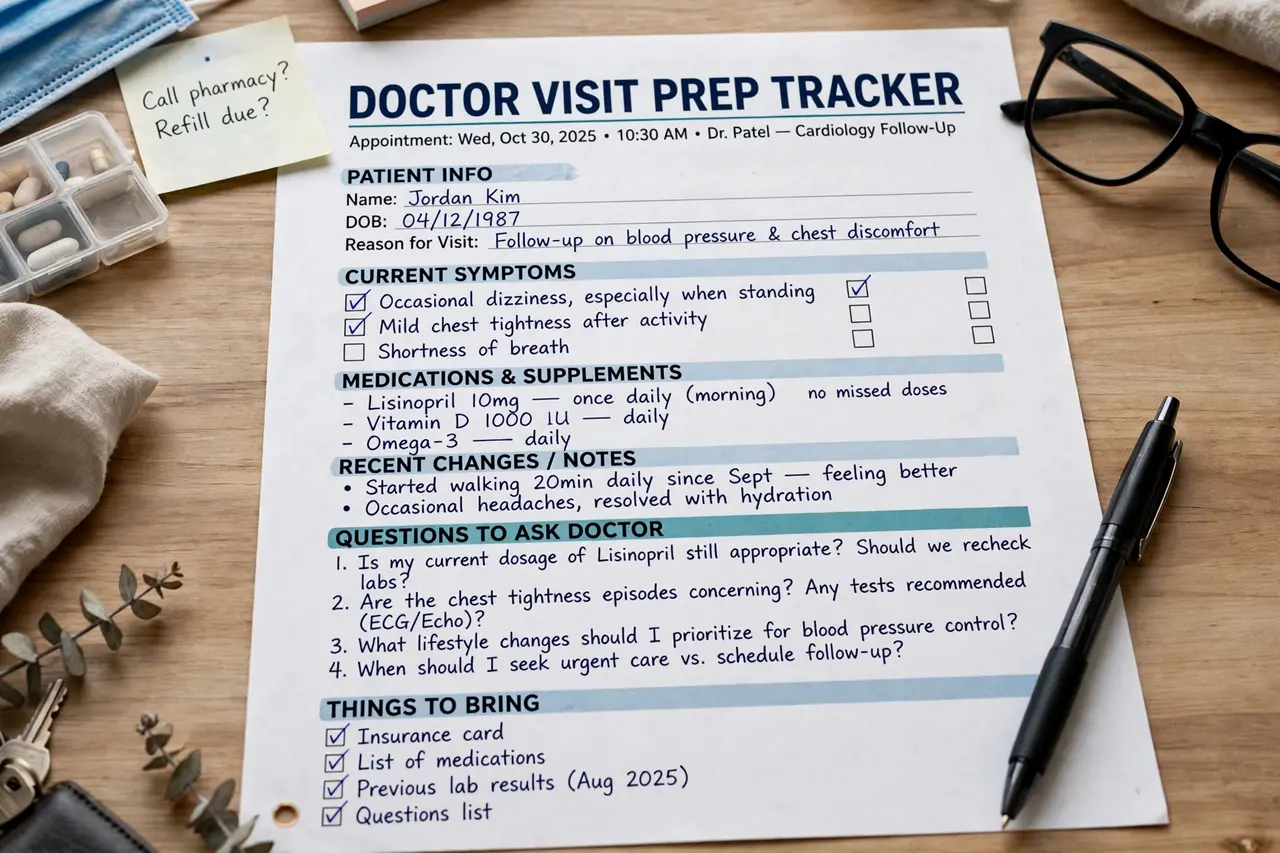
12. Doctor Visit Prep and Question Tracker
The most practical tracker on this list: a pre-appointment prep system with symptom summary pages (condensing weeks of data into one page), prioritized question lists, medication lists for new doctors, and post-visit notes sections. Patients call this “the difference between a wasted appointment and a productive one.”
Sell it standalone ($4 to $7) or as the companion upsell to every other tracker — bundle pricing across your shop dramatically increases order value. Include a “new doctor packet” with history summary templates. This is the tracker buyers gift to newly diagnosed friends, multiplying your reach.
Frequently Asked Questions
Do I need medical knowledge to create these?
No — you need research skills, not a medical degree. Study patient communities on Reddit (r/chronicillness, r/fibromyalgia), read what trackers patients wish existed, and design around their stated needs. Always include a disclaimer that your product is an organizational tool, not medical advice.
Are there legal concerns selling health trackers?
Include a clear disclaimer on every product: “This tracker is for personal organization only and does not constitute medical advice. Consult your healthcare provider.” This is standard practice among Etsy health-printable sellers and keeps you safely in the stationery category.
Which tracker should I create first?
Start with the Daily Pain Scale tracker — it has the broadest audience (chronic pain affects 50+ million Americans) and the simplest design. Once it sells, expand into condition-specific trackers for the buyers who discover your shop through it.
How do I price symptom trackers?
Single trackers: $4 to $9. Condition-specific bundles (e.g., “Complete Fibromyalgia Tracking Bundle”): $15 to $25. The chronic illness community values thoroughness — a comprehensive 30-page tracker outsells a thin 5-page one at the same price.
How do I reach chronic illness buyers?
Use their exact language: “spoonie,” “chronic illness,” “flare,” condition names. Pinterest and TikTok’s chronic illness communities actively share helpful tools. Etsy SEO rewards exact-match keywords, so put the condition name in your title verbatim (e.g., “Fibromyalgia Flare Tracker Printable”).