Digital products are one of the cleanest routes to passive income: you create something once, list it in a shop, and sell it again and again with no inventory, no shipping, and no restocking. The hard part is picking ideas that people actually buy, rather than ideas that sound good in theory. This list focuses on digital product ideas for passive income that have real buyers, honest startup effort, and a clear place to sell, from simple templates to skilled craft files.
1. Sell Professional Resume Templates
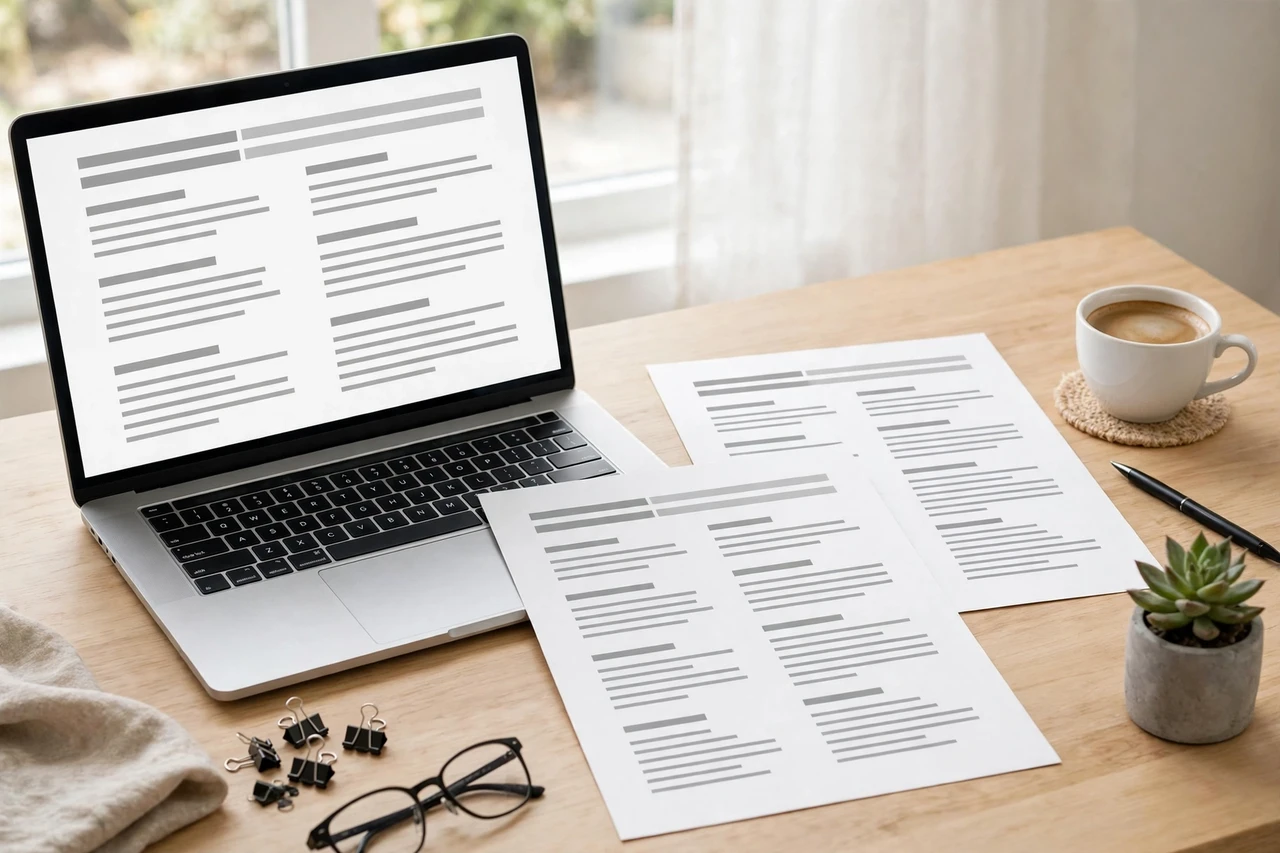
Job seekers will always pay for a resume that looks polished and modern, especially one built for a specific industry like tech, healthcare, or design. A resume template pack with a few layouts, matching cover letters, and clear editing instructions can sell for $10 to $30, and a shop with templates for several industries can earn steadily from search traffic alone. The work is front-loaded: design in Word, Google Docs, or Canva, test that every section edits cleanly, and write a listing that shows the template filled with realistic example text. Once listed, each sale costs you nothing but the platform fee.
2. Sell Personal Budget Spreadsheet Templates
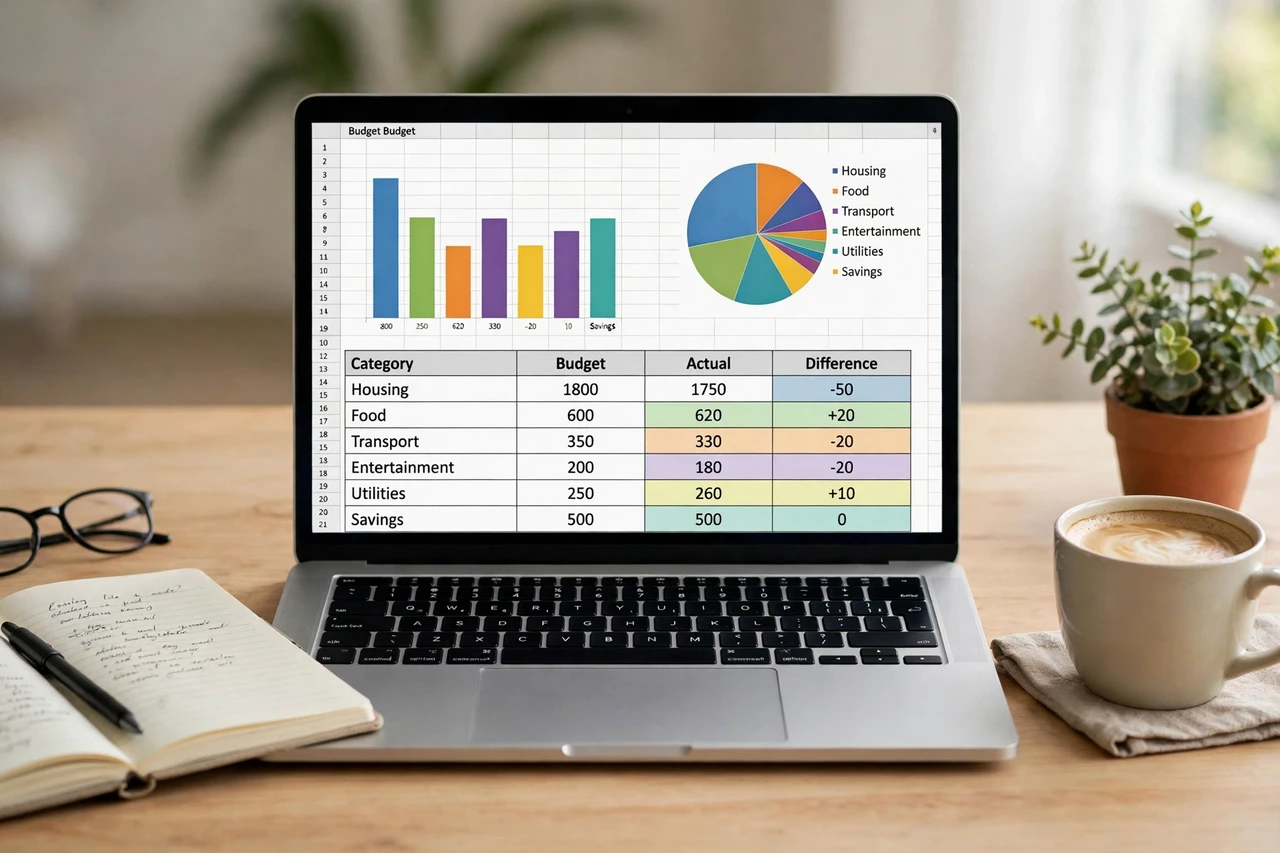
Spreadsheets are the quiet bestsellers of the digital product world, because buyers want a system, not just a pretty file. A budget spreadsheet with automatic totals, a debt payoff tracker, and a monthly dashboard solves a painful problem in one download, and buyers happily pay $8 to $25 for one that works. Build it in Google Sheets or Excel, test every formula with real numbers, and include a short how-to tab so beginners are not lost. Personal finance is a huge search niche, so a well-described spreadsheet can keep selling for years with only occasional updates.
3. Sell Custom Icon Packs for Apps and Websites
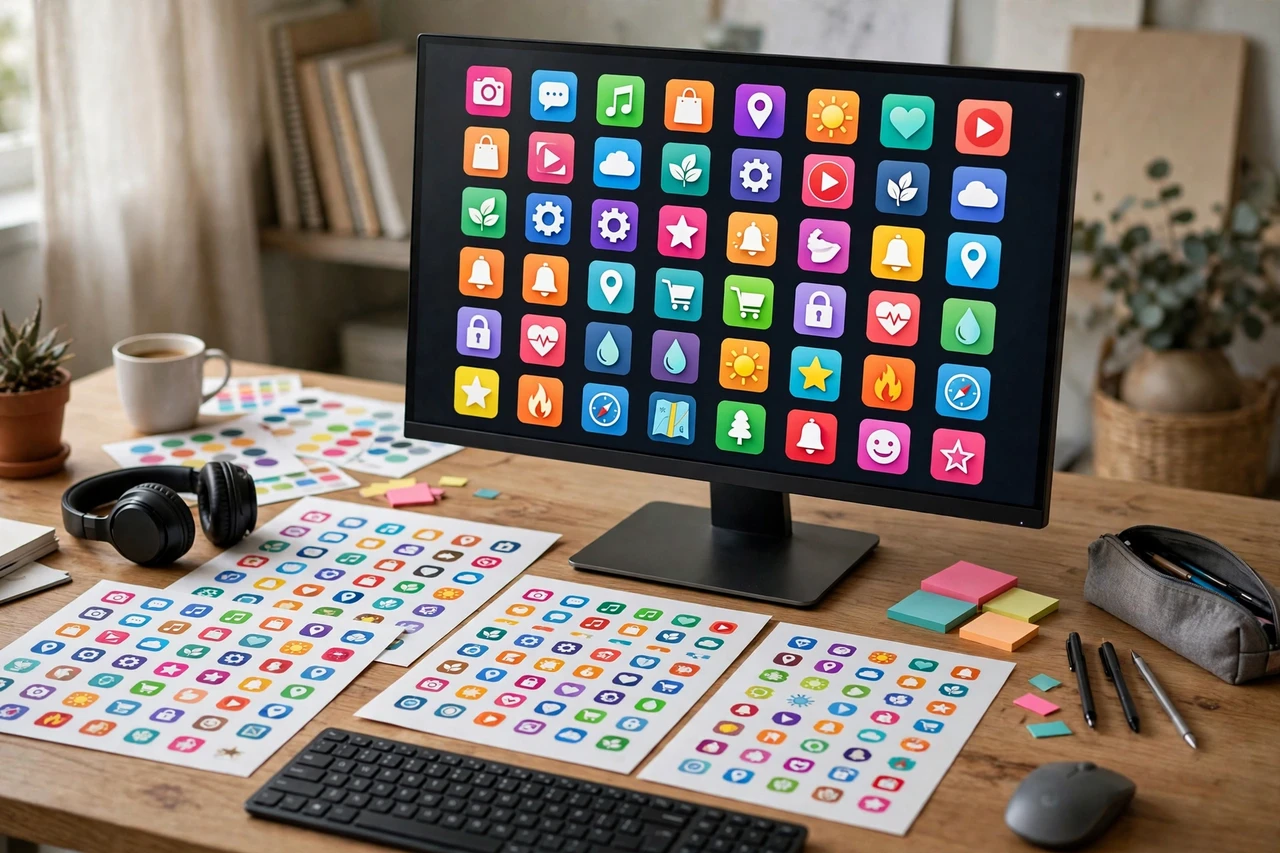
App developers, web designers, and content creators constantly need clean, consistent icons, and most would rather buy a pack than draw fifty matching icons themselves. A themed pack, like fitness icons, food icons, or business icons, with 50 to 100 icons in SVG and PNG formats, can sell for $15 to $50 on design marketplaces. The skill bar is real: icons must look like a family, with matching stroke widths and corner styles. But once a pack is finished, it sells on its own, and popular packs often lead buyers to purchase your other packs too.
4. Sell Procreate Brush Sets for Digital Artists
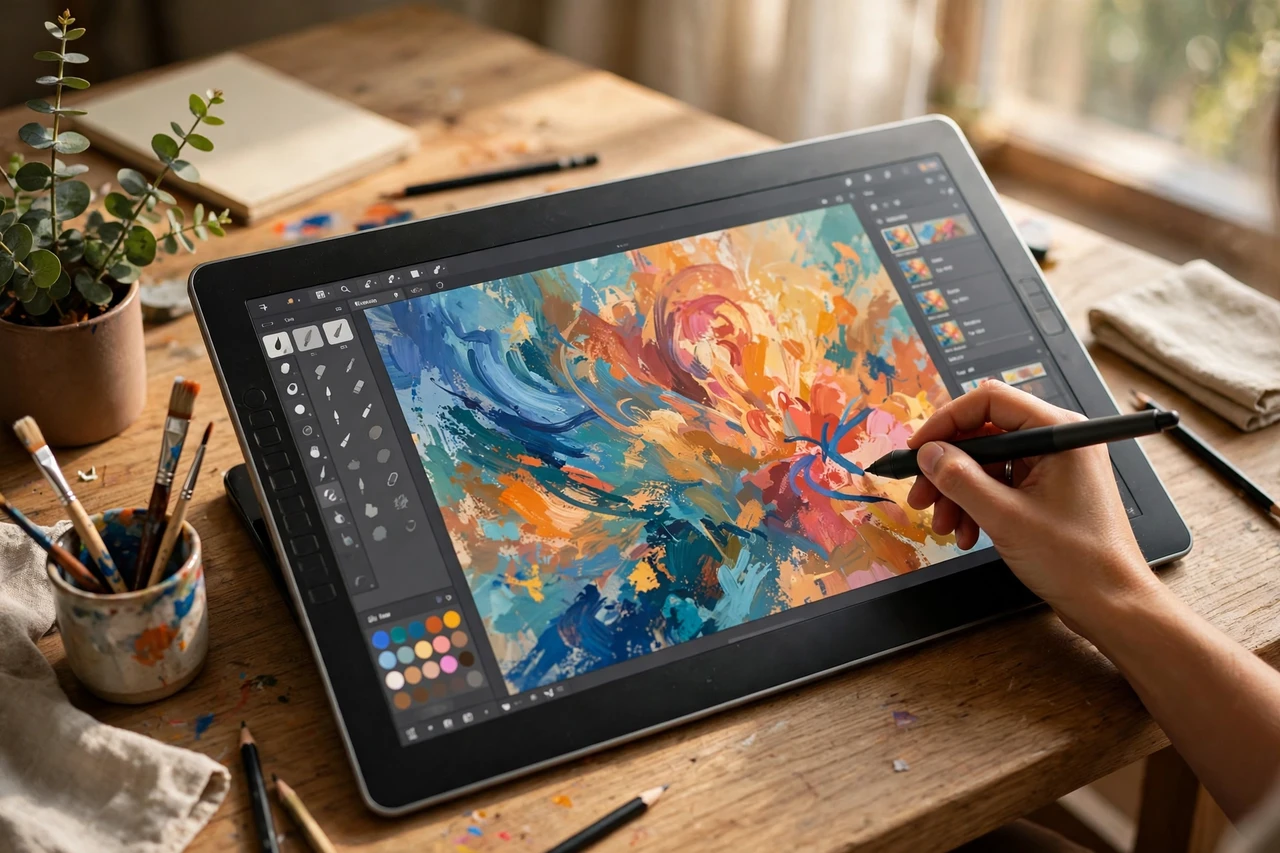
Digital artists on iPad love new brushes, and a well-crafted Procreate brush set is one of the most reliable products in the art niche. Sets for watercolor, inking, lettering, or texture regularly sell for $8 to $25, and artists who like your brushes come back for every new release. Creating a good set takes testing: each brush must behave well at different sizes and pressures, and your listing needs artwork made with the actual brushes, not stock images. If you already draw digitally, this turns a skill you practice anyway into a product line.
5. Sell 3D Models for Games and Printing
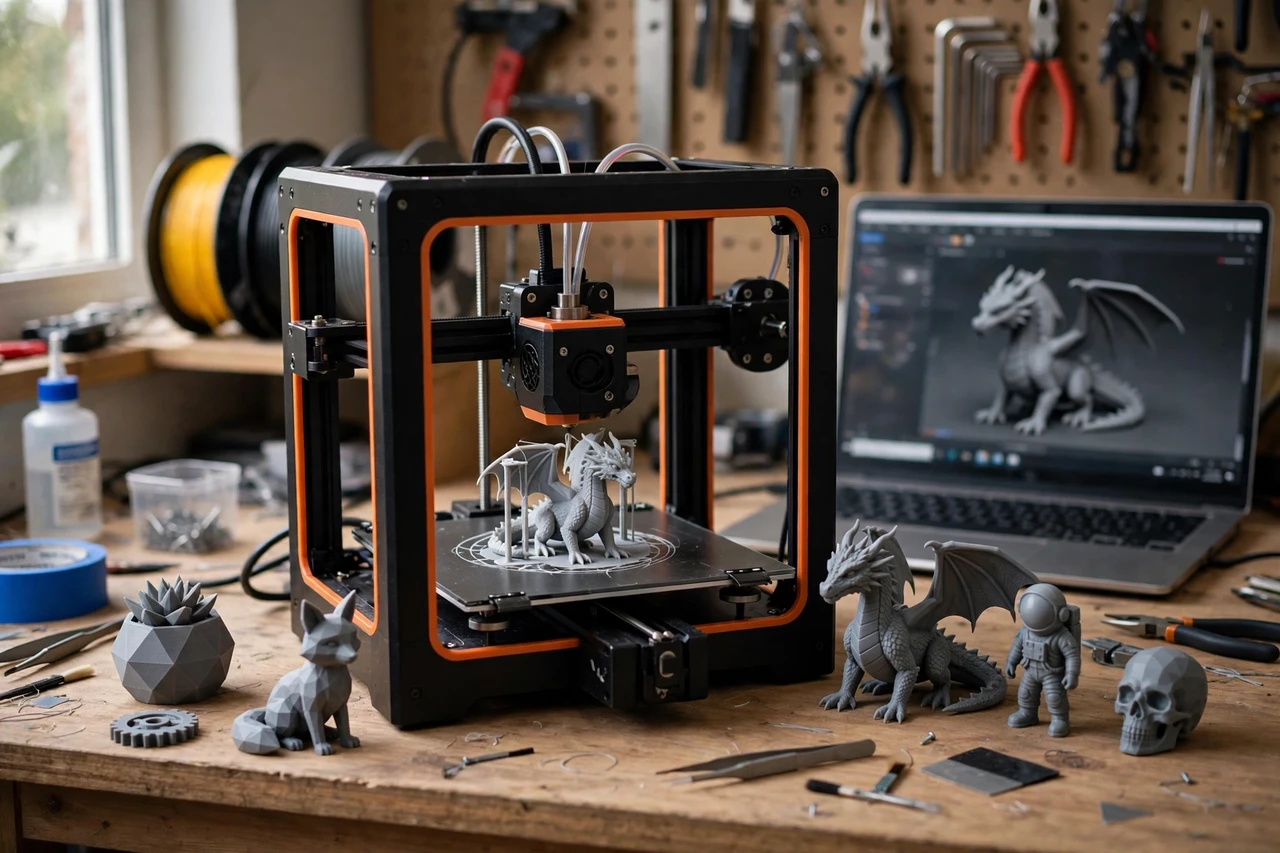
The market for 3D models has exploded with indie games, animation, and home 3D printing. Low-poly game assets, printable home items, and tabletop miniatures all have eager buyers on 3D marketplaces, with individual models selling from a few dollars to $50 or more. Modeling skill is the entry cost, and clean topology and good preview renders matter as much as the model itself. The passive part is powerful: a single popular model can sell hundreds of times, and a catalog of related models compounds as buyers browse your whole shop.
6. Sell Woodworking Plans for Beginners

Beginner woodworkers want plans they can actually finish in a weekend: a bookshelf, a planter box, a workbench, a cutting board. A plan with measured drawings, a cut list, step-by-step photos or diagrams, and a tools list can sell for $7 to $20, and the woodworking community shares good plans enthusiastically. You need real woodworking experience to write plans that work, since a plan with a wrong measurement earns fast bad reviews. But a small catalog of proven beginner projects can bring in steady sales, especially around holidays when handmade gifts are popular.
7. Sell Meal Plan Templates for Busy Families

Meal planning is a weekly chore that busy families would love to outsource, and a good template pack does exactly that. Weekly planner sheets, a grocery list that matches the plan, and a few weeks of done-for-you sample menus make a product that sells for $10 to $20, especially to parents and fitness-focused buyers. The best versions are specific: a high-protein week, a budget family week, or a vegetarian week will outsell a generic planner every time. Design it once, list it on Etsy or your own shop, and let search traffic do the selling.
8. Sell Workout Plan Templates for Home Training

Home workouts are here to stay, and buyers want structured plans, not random exercises. A 4-week or 8-week workout template with progressions, tracking sheets, and video-free written instructions can sell for $12 to $30, particularly in niches like beginner strength, postpartum recovery, or small-space training. Fitness knowledge matters: plans must be safe and progressive, or refunds and complaints follow. But a well-built plan in a specific niche can sell for years, and satisfied buyers often move on to your other programs.
9. Sell Legal Templates for Small Businesses

Small business owners need contracts, but hiring a lawyer for every document is expensive, so they buy templates: freelance agreements, NDAs, client contracts, and privacy policies. A single well-drafted template can sell for $20 to $60, and bundles for a niche like photographers or coaches sell for even more. This product needs care: templates should be drafted or reviewed by a legal professional and clearly labeled as templates, not legal advice. Done right, it is a high-value, low-competition corner of the digital product market.
10. Sell Sheet Music for Niche Instruments

Mainstream sheet music is crowded, but niche instruments are wide open: ukulele arrangements, handpan scores, kalimba tabs, and folk instrument tunes have small but passionate audiences with few sellers. A clean, well-notated arrangement can sell for $4 to $12, and players who find your style often buy your whole catalog. You need genuine musical skill and notation software, and your preview pages must show the actual notation so buyers trust the quality. It is a small niche, but that is the advantage: less competition and loyal repeat buyers.
11. Sell Embroidery Patterns for Modern Makers
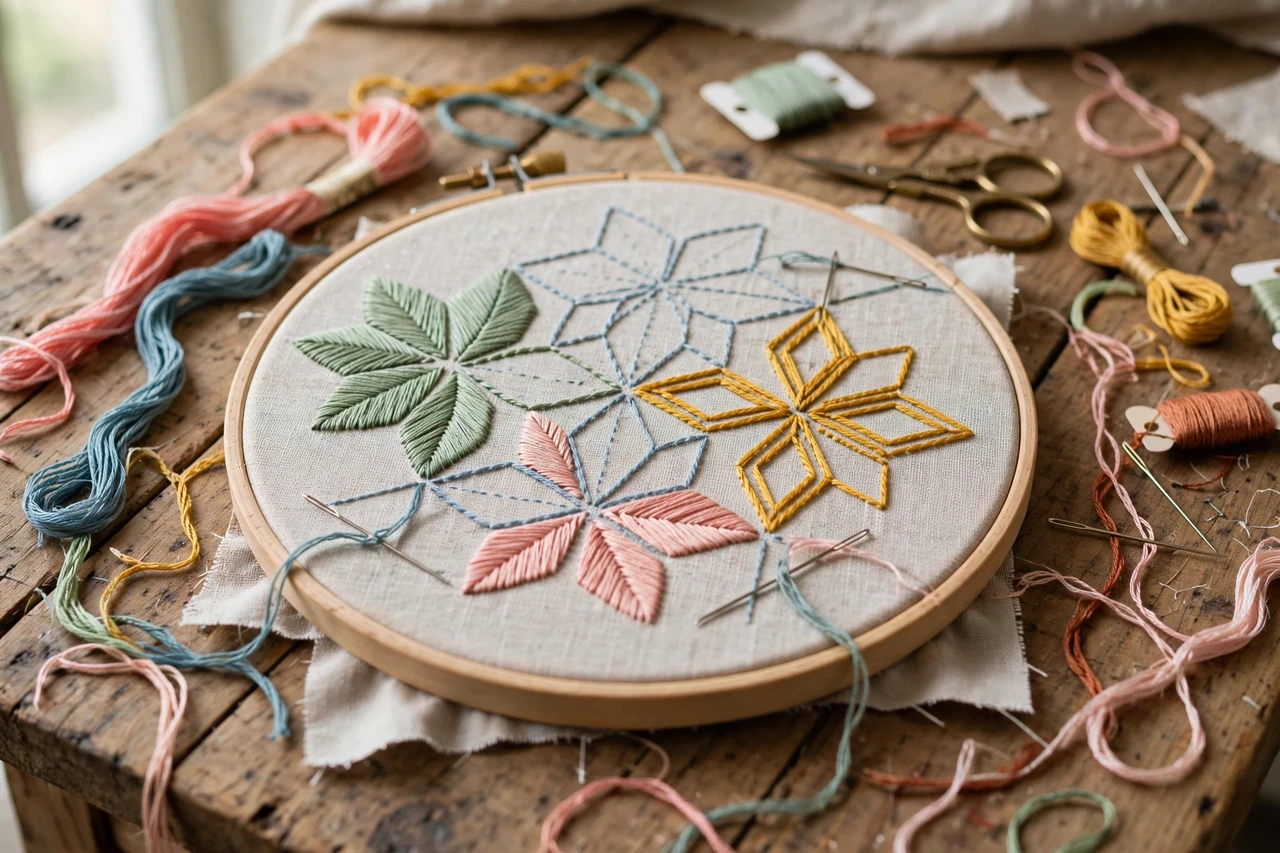
Modern embroidery has moved far beyond traditional samplers, with buyers looking for botanical designs, witty quotes, and minimalist line art. A pattern pack with printable designs, stitch guides, and thread color suggestions can sell for $6 to $15, and the craft community on Etsy and Instagram shares good patterns fast. The design work is the fun part, but the selling detail matters: show stitched examples, not just digital mockups, so buyers can see the finished result. Seasonal and gift-themed patterns sell especially well around holidays.
12. Sell Clip Art Bundles for Crafters and Teachers
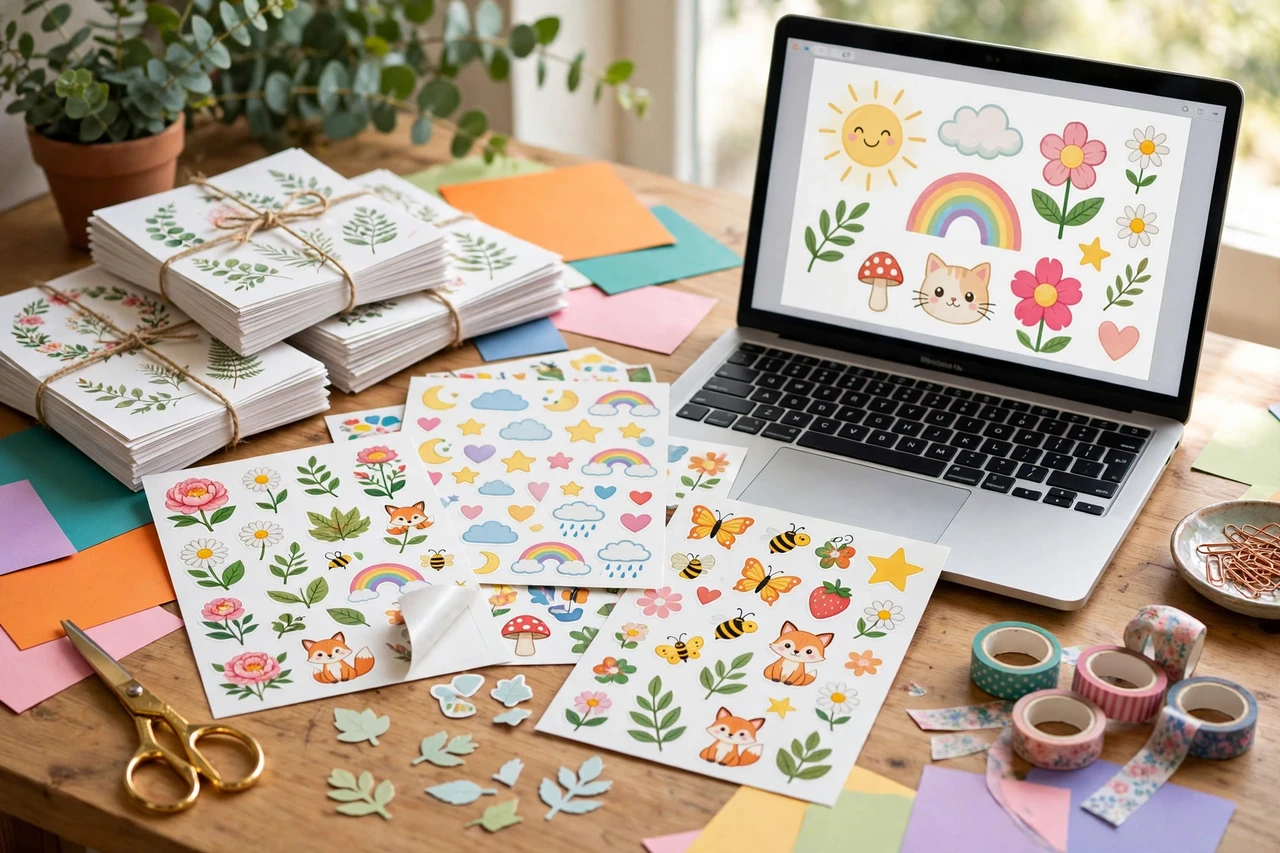
Teachers, crafters, and small sellers need graphics constantly: classroom decor, sticker designs, party invitations, and social posts. A themed clip art bundle with 50 or more transparent PNG images can sell for $5 to $20, and bundles in evergreen themes like watercolor animals or retro flowers sell all year. Consistency is key: a bundle where every image shares a style outsells a random collection. If you already illustrate, clip art is one of the fastest products to build into a large, compounding catalog.
13. Sell Business Plan Templates for Startups

Every new founder needs a business plan, whether for a bank loan, an investor pitch, or just their own clarity, and most have no idea where to start. A business plan template with guided sections, financial worksheets, and example text for a specific industry can sell for $20 to $50. Industry-specific versions perform best: a food truck plan, a salon plan, or a cleaning business plan will beat a generic template in search. The template must be genuinely useful, with instructions that walk a beginner through each section, or buyers will leave disappointed reviews.
14. Sell Pitch Deck Templates for Founders

Founders pitching investors need decks that look funded before they are funded, and a strong pitch deck template is worth real money to them. A template with the classic slide flow, problem, solution, market, product, traction, team, and ask, plus design that looks sharp on a projector, can sell for $25 to $60. Startup-focused marketplaces and design platforms are the best places to list, and your own listing must use the template itself to prove it works. One great deck template can outsell dozens of generic slide packs.
15. Sell Video LUT Packs for Content Creators

Video creators want a consistent, cinematic look without spending hours color grading every clip, and LUT packs give it to them in one click. A pack of 10 to 20 LUTs for a style like warm travel, moody vlogs, or clean product videos can sell for $15 to $40, and creators who like your look buy your next pack too. You need real color grading skill and before-and-after examples using actual footage, since buyers judge LUTs entirely on results. With short-form video still growing, this is a product niche with steady demand and very little shelf-life risk.
The pattern across all fifteen ideas is the same: solve a specific problem for a specific buyer, make the product genuinely good, and let it sell repeatedly. Start with the idea closest to a skill you already have, launch one strong product instead of ten rushed ones, and expand your catalog from what buyers actually ask for. For more ways to sell what you make, see our guides to digital products to sell on Etsy and digital product ideas with no skills.
Frequently Asked Questions
Which digital product idea is best for beginners?
Templates are the easiest starting point, because they need design skill but no audience. Resume templates, budget spreadsheets, and meal plan templates all sell through marketplace search, so you do not need a following to get your first sales.
How much can I realistically earn from digital products?
One product rarely earns much alone. Most sellers earn real income from a catalog: ten to twenty products, each selling a few times a month, adds up to hundreds or thousands of dollars monthly over time.
Where should I sell digital products?
Etsy is best for craft and template buyers, design marketplaces suit icons, fonts, and graphics, and your own shop keeps the most profit once you have traffic. Many sellers start on a marketplace and add their own shop later.
Do digital products really sell without advertising?
Yes, if the listing targets a searched keyword. Marketplace search and Google bring buyers to well-described products every day, though good titles, previews, and reviews make the difference between a listing that sells and one that sits.
How long does it take to create a digital product?
A simple template can take a day or two, while a 3D model pack, brush set, or detailed plan can take weeks. The time is paid back with every sale after launch, which is exactly why the model works.