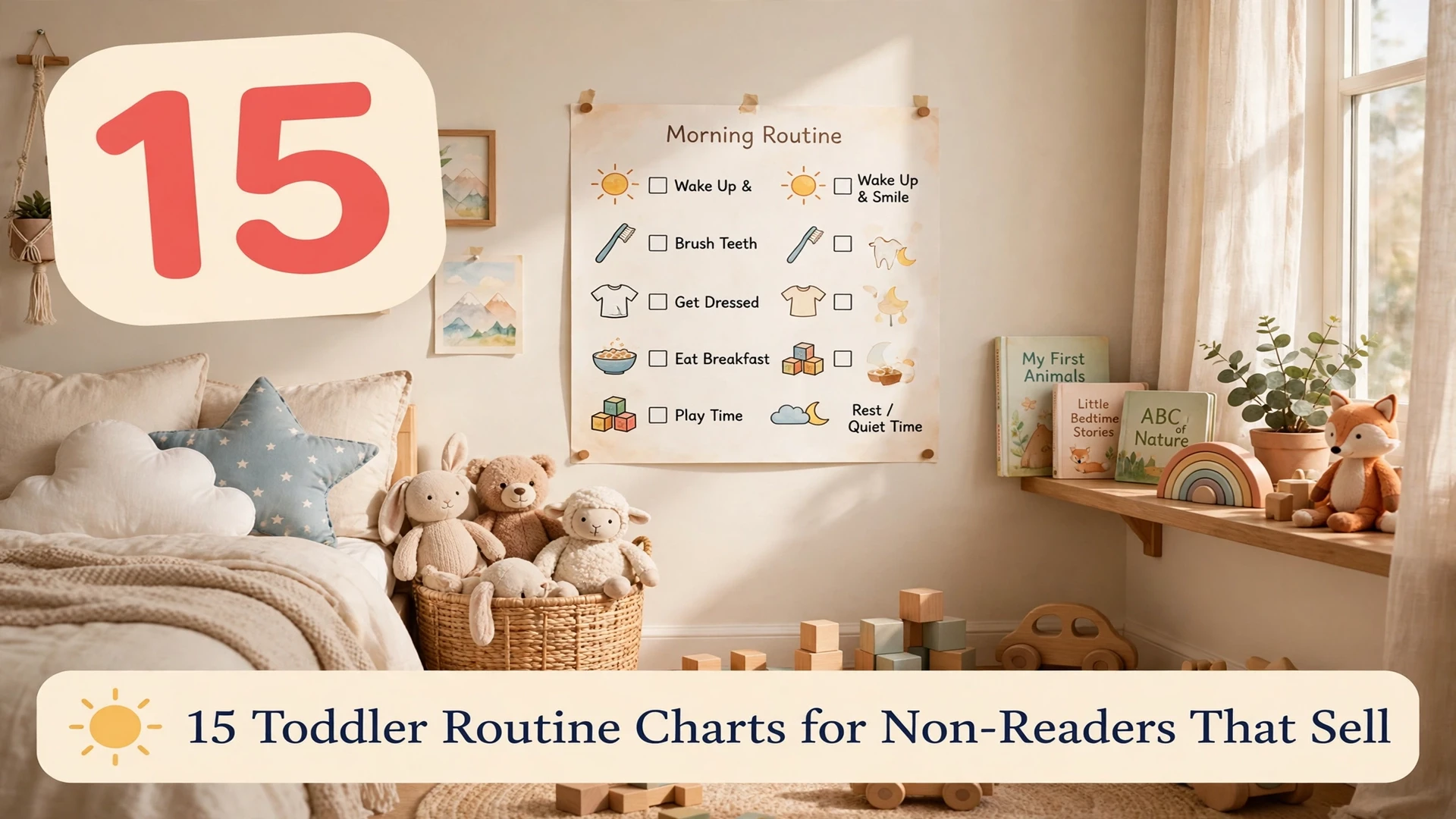
Toddlers cannot read yet, but they can follow pictures — and that is exactly why toddler routine charts sell so well on Etsy and other printable marketplaces. A good chart turns a daily battle over getting dressed, brushing teeth, or going to bed into a game a two- or three-year-old can follow on their own, with a picture for every step and a sticker or checkmark at the end. Parents buy these charts because mornings get calmer, bedtime gets shorter, and the chart does the nagging for them. If you sell printables, routine charts for pre-readers are a strong niche: the audience is huge, the design work is simple picture-based layouts, and buyers often return for a second chart once the first one works. Here are 15 toddler routine charts for non-readers that sell.
1. Picture-Only Morning Routine Chart for Toddlers
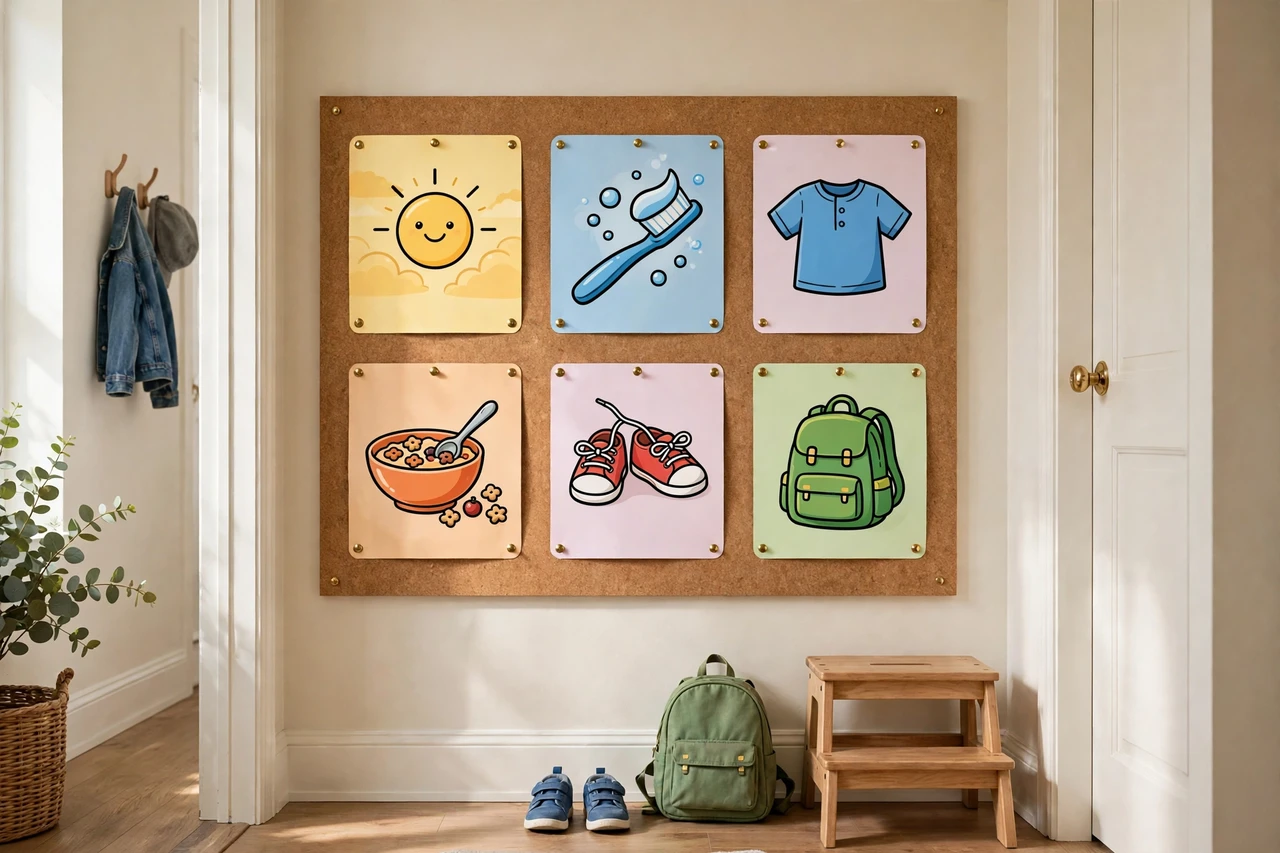
This chart covers the whole morning in five or six pictures: wake up, use the potty, get dressed, eat breakfast, brush teeth, and put on shoes. No words at all, just big clear icons in order, so a toddler can point to each step and know what comes next without a parent reading anything aloud. Parents buy it because mornings are the most rushed part of the day, and a chart a child can follow alone buys back ten or fifteen minutes. Sell it with a matching Velcro or sticker version so the child can move a marker along as each step is done.
Tip: keep the steps to six or fewer and use the same picture style throughout — mixed clip art styles confuse toddlers and make the chart look unprofessional in your listing photos.
2. Bedtime Routine Chart With Glow-in-the-Dark Icons
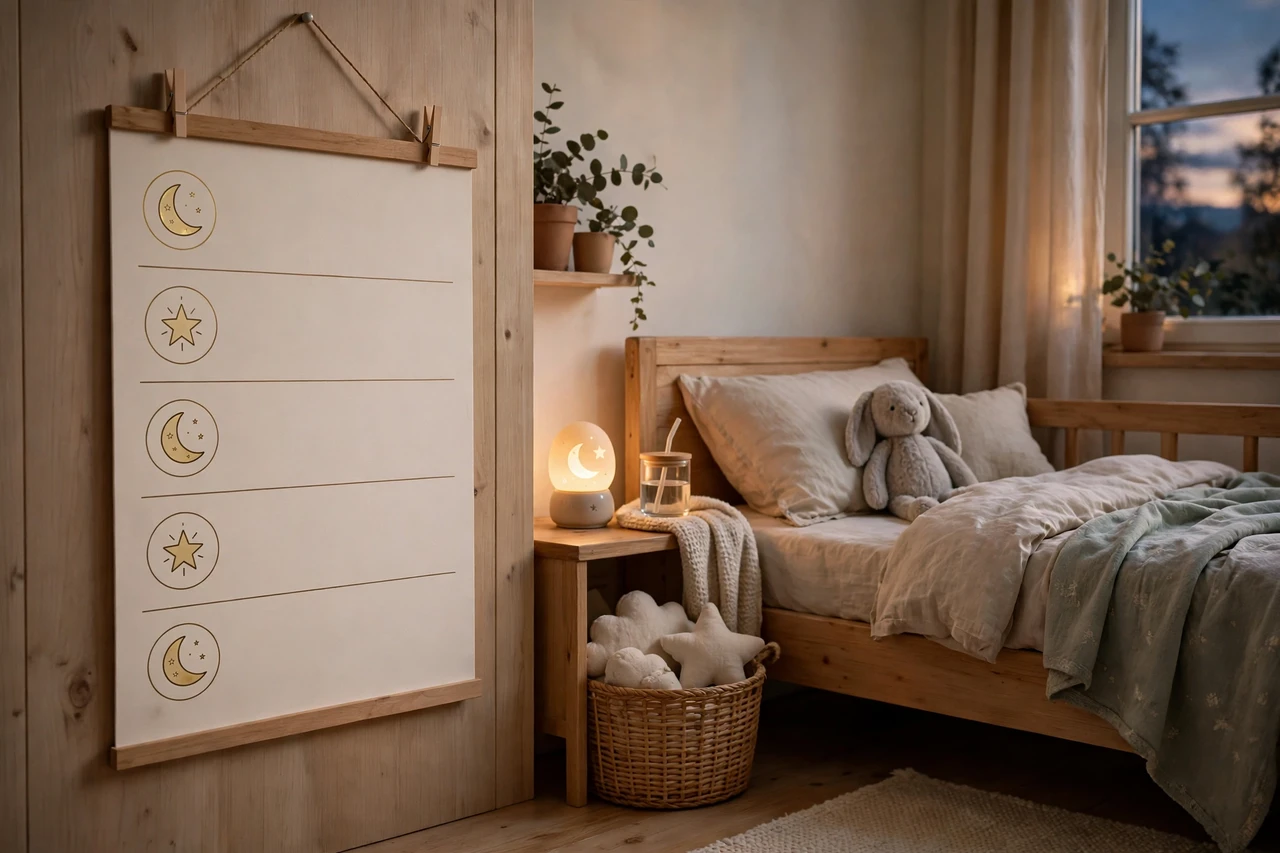
A bedtime chart walks a toddler through bath, pajamas, brushing teeth, story time, and lights out, with moon and star icons that stand out in a dim bedroom. Parents print it on cardstock and stick it at toddler eye level near the bed, so the child can follow the pictures even when the room is darkening for sleep. This one sells because bedtime is the routine parents struggle with most, and anything that makes it predictable is worth a few dollars. Offer a version with a small reward box at the end for a sticker after a calm bedtime week.
Tip: add a “last step” picture of a sleeping moon so the child has a clear visual finish line — charts without an ending step get ignored once the child reaches the bottom.
3. Potty Training Routine Chart With Sticker Rewards
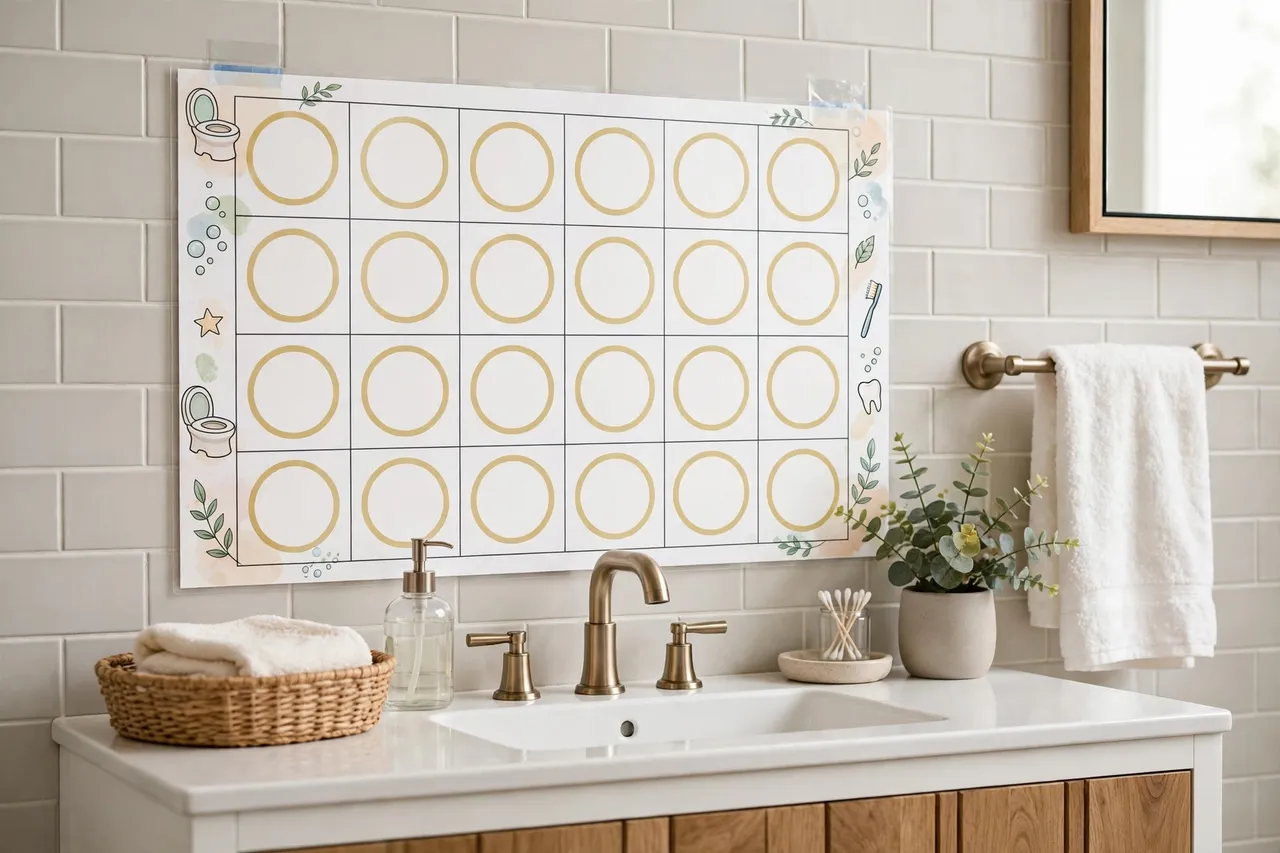
This chart breaks potty training into picture steps — pull down pants, sit on the potty, wipe, flush, wash hands — with a sticker space after each successful try. Parents love it because potty training is messy and emotional, and a visual sequence gives the toddler independence instead of constant adult prompting. It sells well as a bundle with a matching weekly reward tracker, since buyers in this niche are happy to pay more for a complete system. Use friendly, simple potty and hand-washing icons and keep the design cheerful, not clinical.
Tip: include a small “I tried” column next to the “I did it” column so parents can reward effort, not just success — buyers mention this feature in reviews.
4. Mealtime Routine Chart With Food Picture Cards
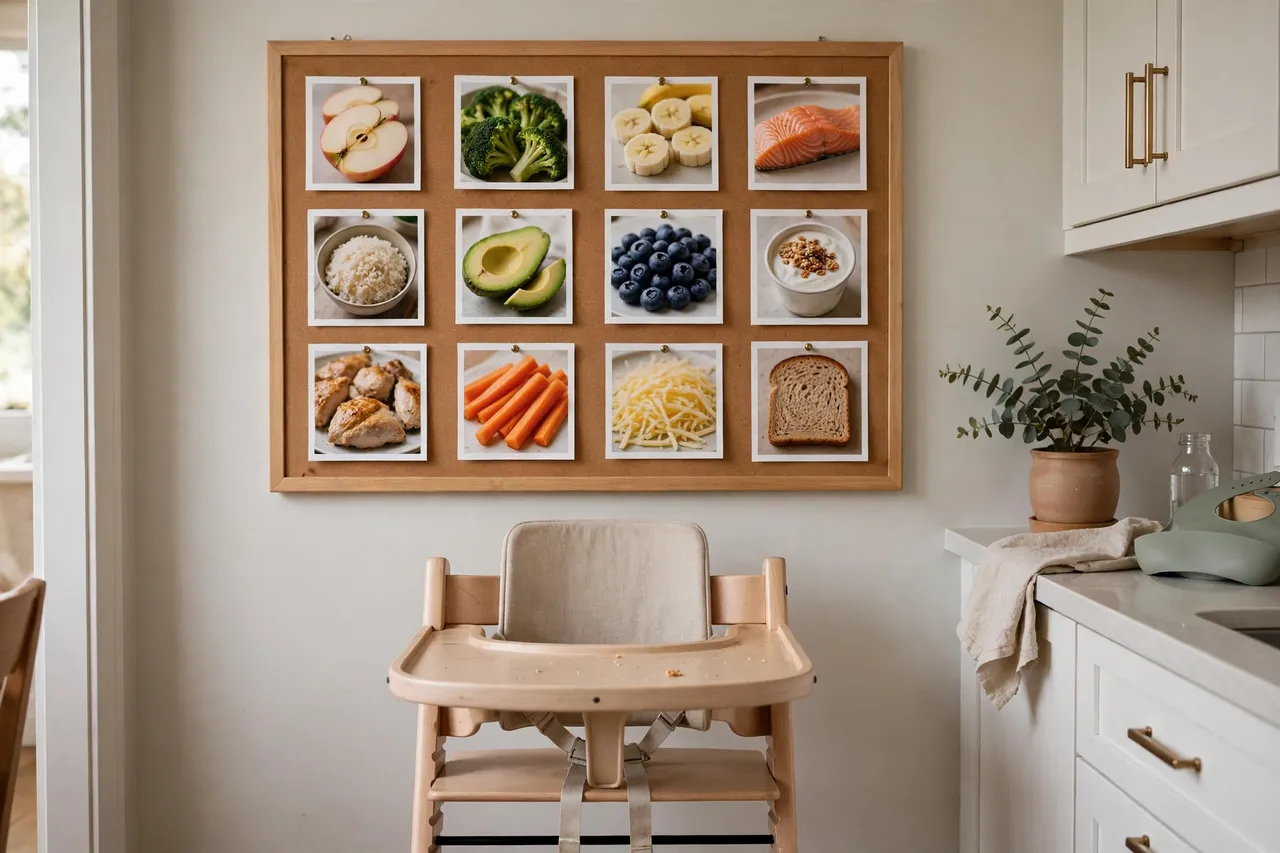
A mealtime chart shows the steps of sitting down, eating, and clearing a plate, using picture cards of foods the toddler recognizes. Parents use it to cut down on mealtime wandering and negotiations, and it works especially well for picky eaters because the pictures make the meal feel like a routine instead of a demand. Sell it with cut-out food cards the child can stick on the chart to choose what is for lunch, which turns the product into an activity as well as a routine. Keep the food pictures realistic rather than cartoonish so toddlers match them to the real food on their plate.
Tip: leave one blank food card space the parent can fill in, so the chart works for families with allergies or cultural foods your pictures do not cover.
5. Getting Dressed Routine Chart With Clothing Icons
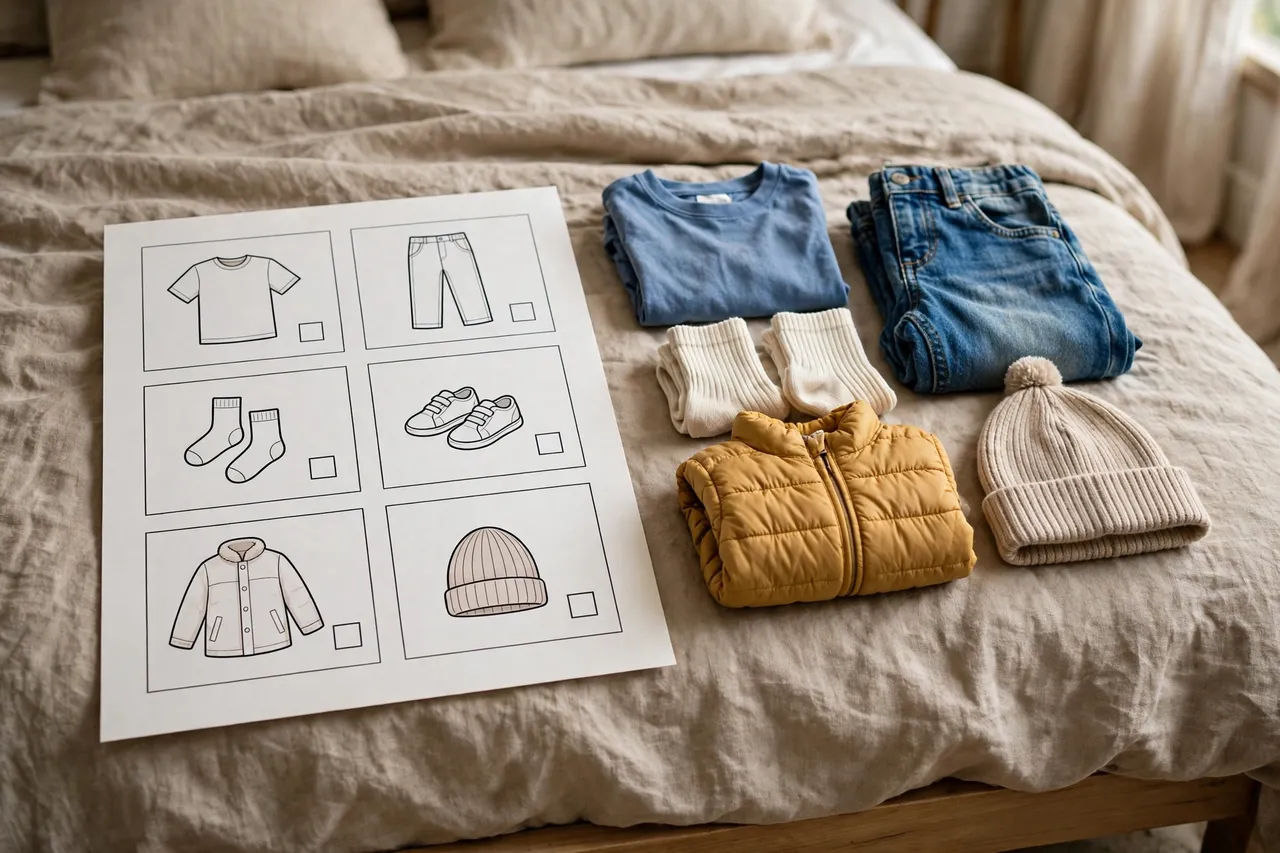
This chart shows each clothing item in dressing order — underwear, shirt, pants, socks, shoes — with a picture of each piece. Toddlers who fight getting dressed often just do not know what comes first, and a picture sequence removes that confusion and the power struggle with it. Parents buy it because it builds real independence: a child who can dress themselves from pictures is a child the parent does not have to chase around the bedroom. Offer boy, girl, and neutral versions, or better, one gender-neutral set with mix-and-match clothing icons.
Tip: draw the shoes as a matching pair facing the right way, so the chart also teaches left and right — parents notice and mention that detail.
6. Brush Teeth and Wash Hands Routine Chart
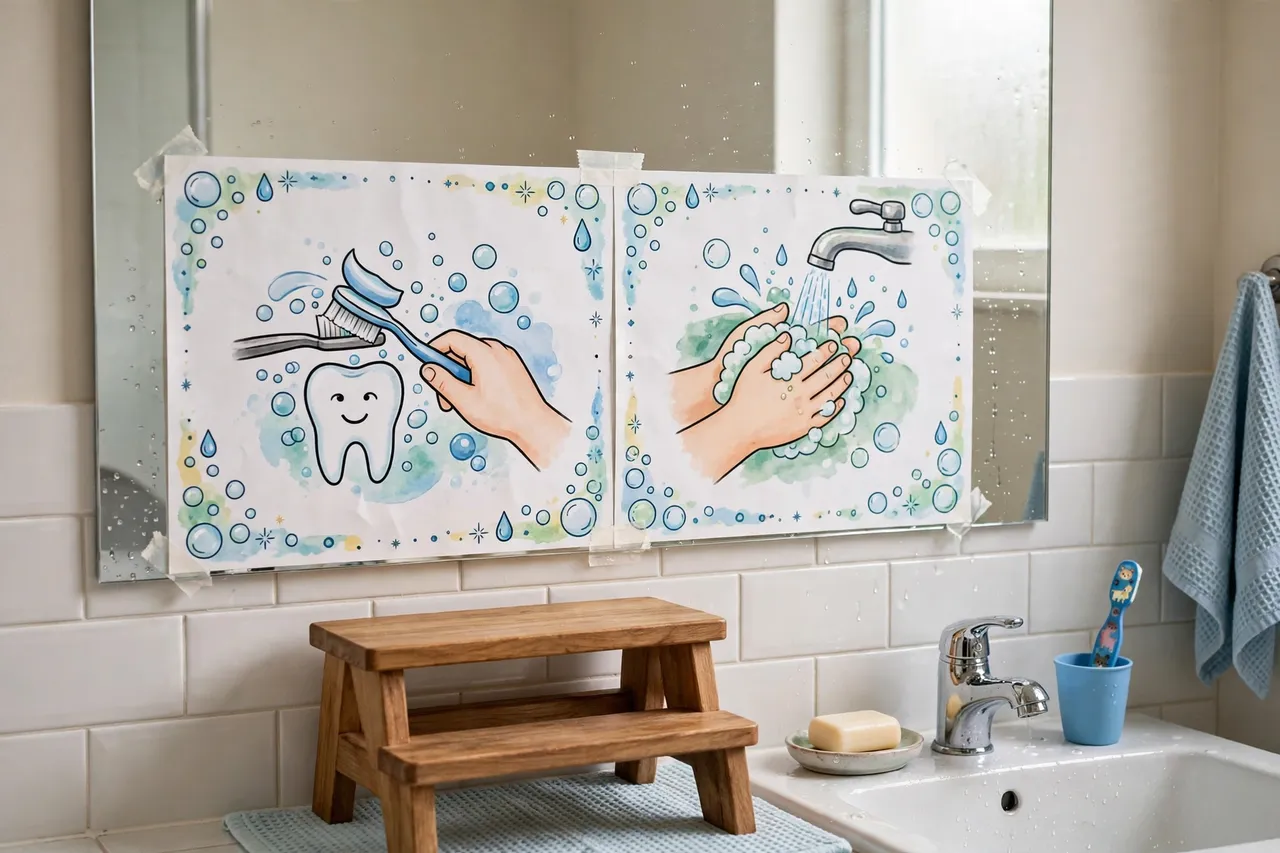
Hygiene routines are hard to explain to a toddler but easy to show: toothbrush, toothpaste, brush, spit, rinse, then soap, water, and dry hands. This chart pairs the two routines side by side so parents can hang one page in the bathroom instead of two. It sells because dentists and pediatricians both push these habits, and parents search for visual aids constantly. Add a small two-minute picture timer strip along the bottom so the child knows how long to brush.
Tip: use a smiling tooth and a soap-bubble character as recurring mascots across your hygiene charts, so buyers recognize your shop style and come back for the matching charts.
7. Naptime Wind-Down Routine Chart for Toddlers
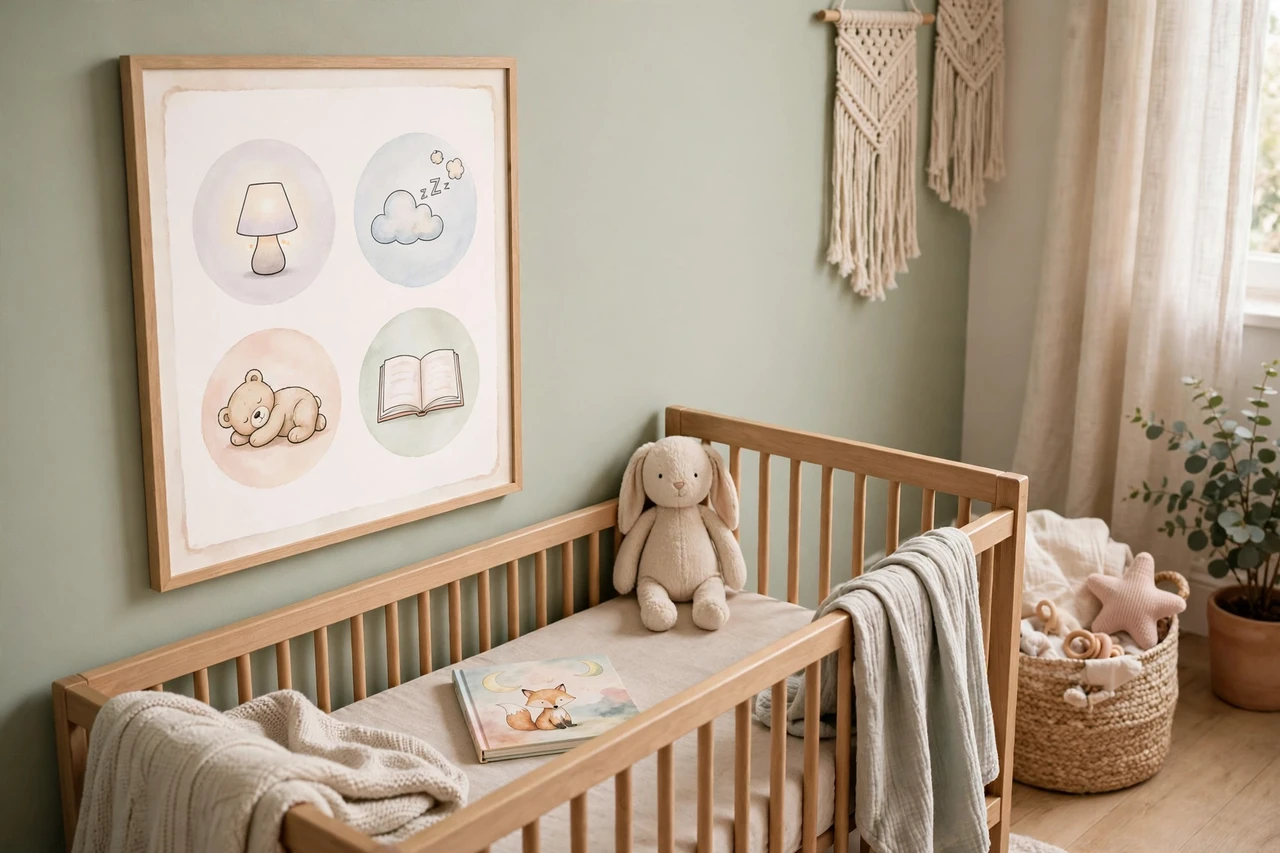
A naptime chart slows the toddler down in pictures: quiet play, change into comfy clothes, pick a book, cuddle, close eyes. Parents buy it because the jump from active play to sleep is the hardest transition of the day, and a predictable picture sequence signals the body to settle. This chart works best in soft colors with a sleepy sun or moon theme, and it pairs well with the bedtime chart as a two-pack. Keep the steps calm and slow — no exciting pictures in the middle of a wind-down chart.
Tip: sell this one bundled with the bedtime chart at a small discount; buyers who need one usually need both, and bundles raise your average order value.
8. Daycare Drop-Off Routine Chart for Little Ones
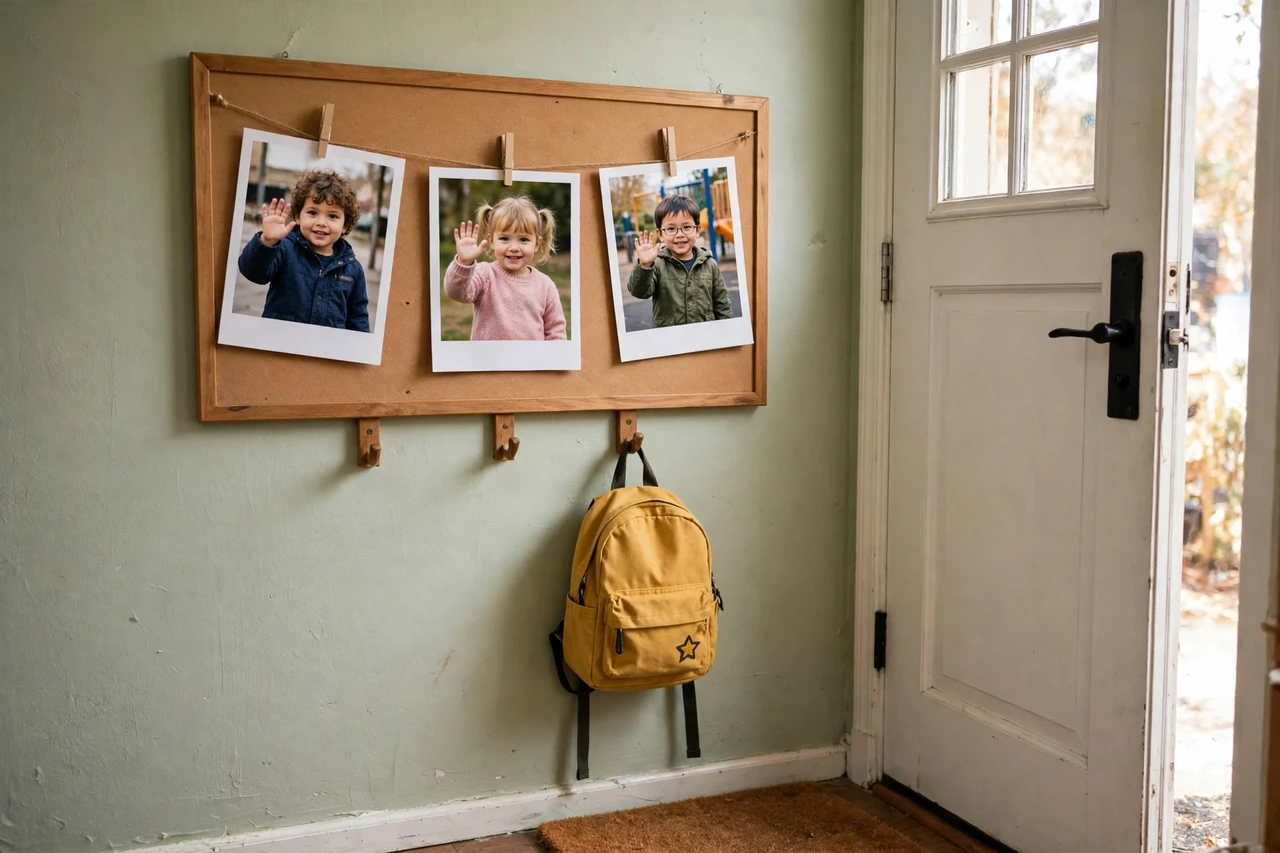
Drop-off is stressful for toddlers and parents alike, so this chart turns goodbye into a short picture sequence: hang up the bag, hug mom or dad, wave at the window, and join playtime. Daycare teachers love it too, because a child who knows the goodbye steps settles faster, which makes it a chart parents buy and teachers recommend. It also works for grandparents and babysitters, since anyone watching the child can follow the same pictures. If your family uses a sitter for drop-offs or pickups, babysitting apps that pay sitters in the USA can help you find someone who will follow the chart exactly as you set it up.
Tip: include a small “goodbye wave” picture as the final step — a clear, happy ending helps toddlers accept the separation instead of dreading it.
9. Weekend Morning Routine Chart for Slow Days
Weekends have no daycare deadline, so this chart uses a slower, calmer sequence: wake up, cuddle time, breakfast, free play, get dressed, and outside time. Parents buy it because weekends without structure turn chaotic fast, and a gentle picture routine keeps the morning peaceful without feeling like a school day. It sells as a companion to the weekday morning chart — same picture style, different pace — which encourages buyers to purchase the pair. Use warm weekend colors and a pancake or sunshine picture to signal that this chart is the relaxed one. Many parents who build these slower weekend routines are also looking for work that fits around family life, and apps that pay with flexible hours for parents are a practical way to earn without giving up those unhurried mornings.
Tip: put “free play” as a picture step in the middle, so the child sees that the chart includes fun — a routine that is all tasks gets resisted, even on weekends.
10. Bath Time Routine Chart With Water Play Icons
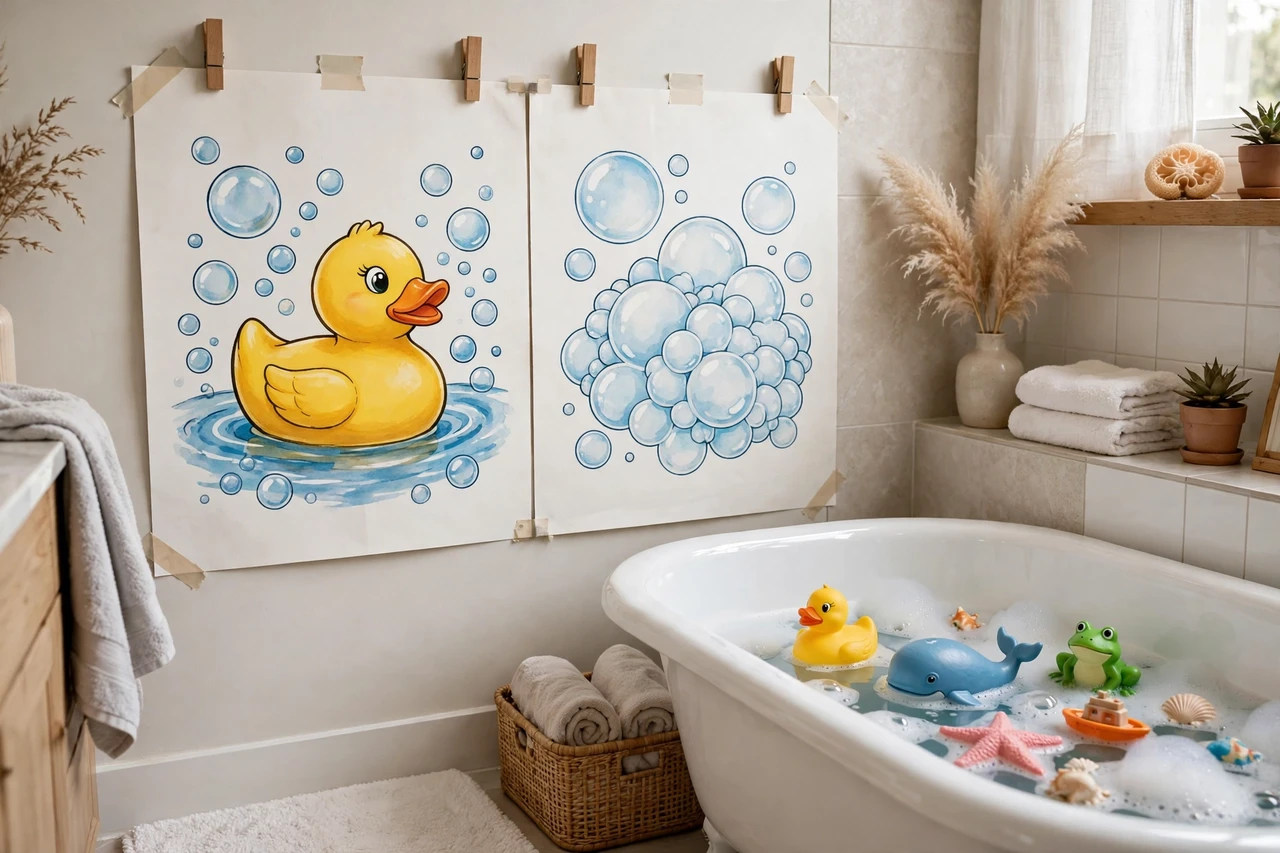
This chart makes bath time a picture adventure: undress, step into the tub, wash hair, wash body, play with toys, dry off, and pajamas. Toddlers who hate hair washing cooperate more when they can see it is just one step in a sequence that ends with play. Parents buy it because bath time is a nightly routine, so a chart that smooths it gets used every single day — and daily-use products get the best reviews. Use rubber duck and bubble pictures generously, and print it on a version parents can laminate for the bathroom wall.
Tip: note in your listing that the chart is designed to be laminated, since buyers often ask whether it survives bathroom humidity.
11. Clean-Up Time Routine Chart With Toy Pictures
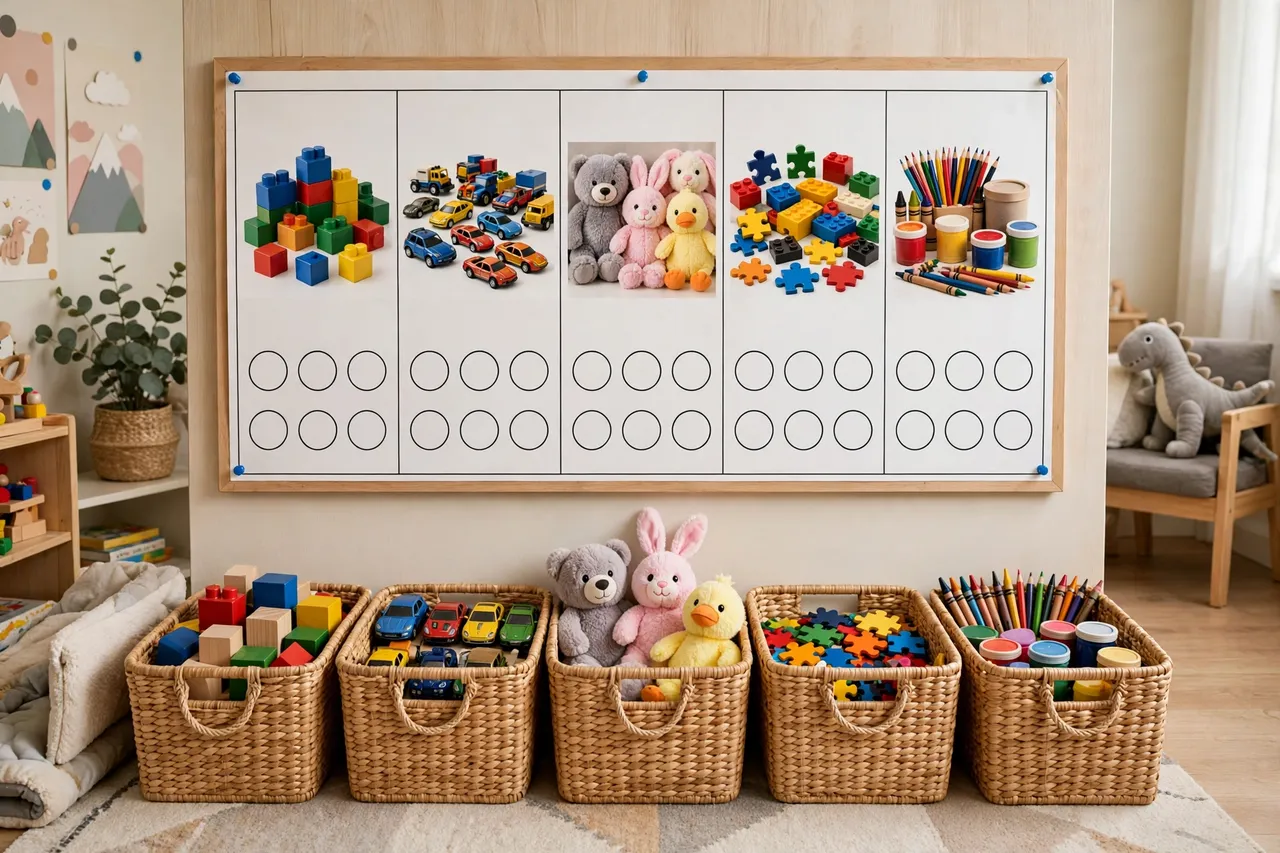
Cleaning up is the routine toddlers resist most, so this chart turns it into a sorting game: blocks in the bin, books on the shelf, dolls in the basket, cars in the garage box. Each picture shows where one type of toy belongs, so the child does not need to understand “clean your room” — they just match the toy to the picture. Parents buy it because it ends the nightly toy explosion without a lecture. Sell it with blank toy boxes the parent can label with their own toy categories.
Tip: use photos or realistic drawings of generic toy types rather than branded characters, so the chart works for any family’s toy collection.
12. Outdoor Play and Come-Inside Routine Chart
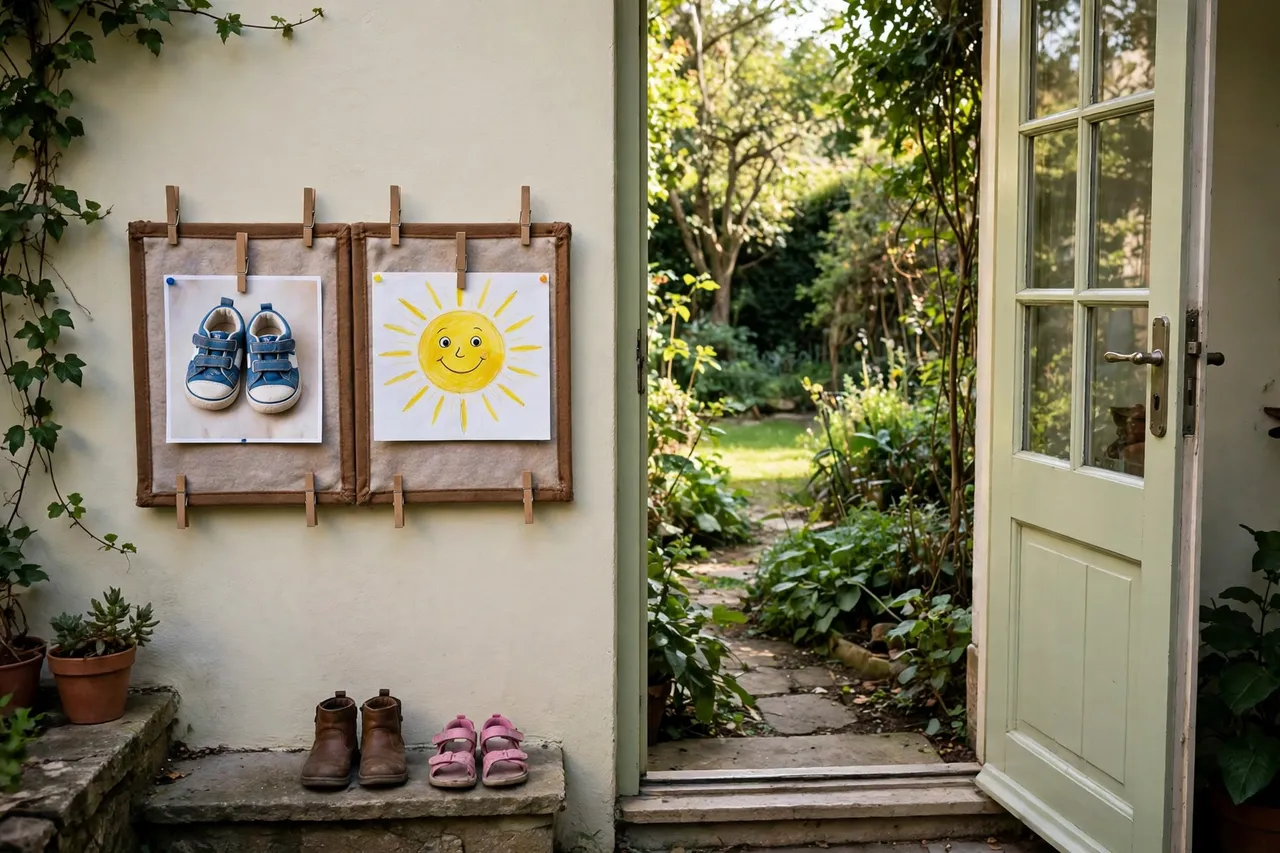
This chart covers the transition in and out of the house: shoes on, hat on, sunscreen, play outside, then shoes off, wash hands, and snack when coming back in. Parents buy it because the come-inside transition causes meltdowns, and a picture sequence gives the toddler a warning and a next step instead of a sudden ending. It works year-round if you sell a summer version with sunscreen and a winter version with coat and mittens. The outdoor pictures also make this one of the most cheerful charts in your shop, which helps listing photos stand out.
Tip: put the “wash hands” picture right after the “come inside” picture, so the hygiene step becomes part of the play routine instead of a separate demand.
13. Screen-Time Routine Chart With Picture Timer
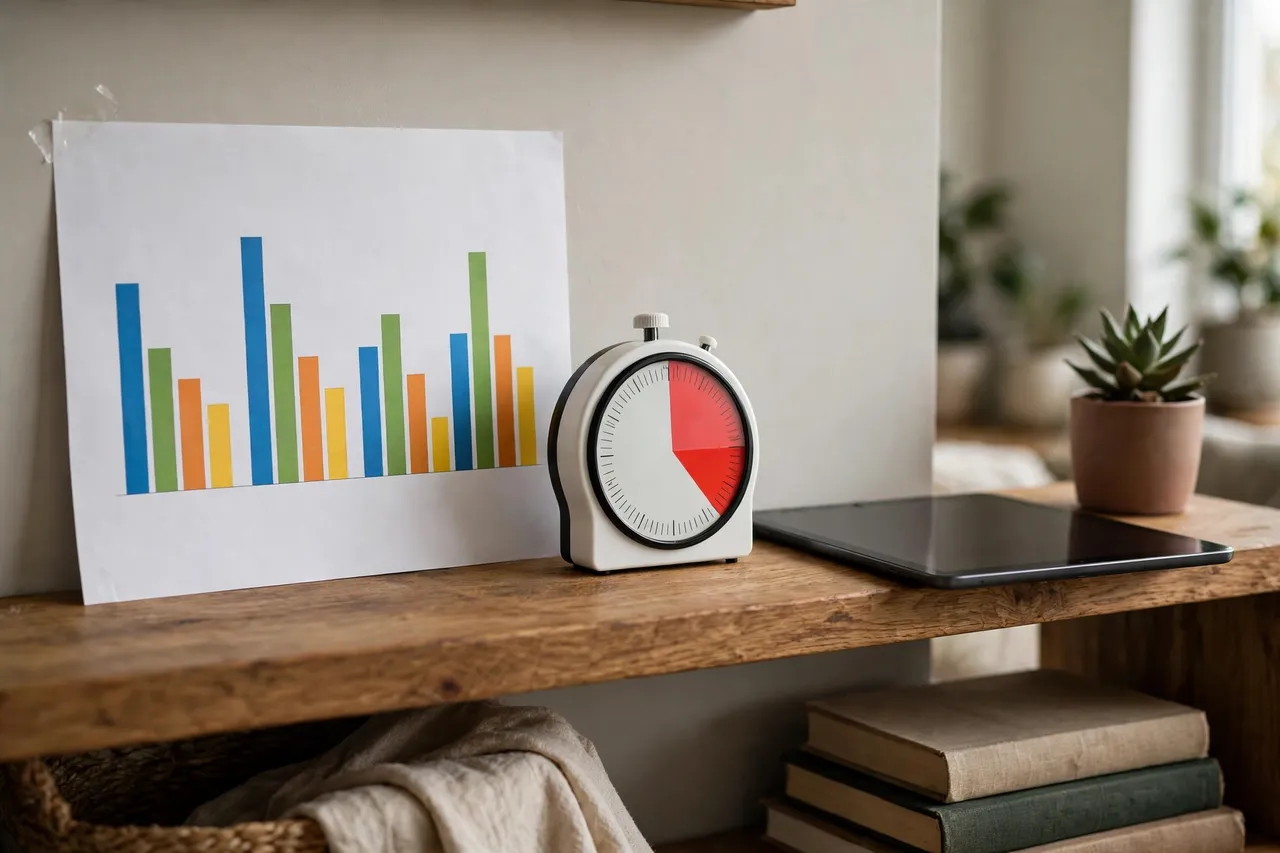
A screen-time chart shows the toddler exactly what happens: pick a show, watch with the picture timer, say goodbye to the screen, and choose a toy. Parents buy it because ending screen time is the hardest part, and a visual timer the child can watch makes the ending predictable instead of sudden. Keep the design simple — a tablet picture, a timer with colored sections, and a toy picture for the next activity. This chart sells well to parents who limit screens, since they need a tool that does the enforcing for them.
Tip: make the timer strip in three colors that fade from green to red, so even a two-year-old can see how much screen time is left at a glance.
14. Sibling Sharing Routine Chart for Toddlers
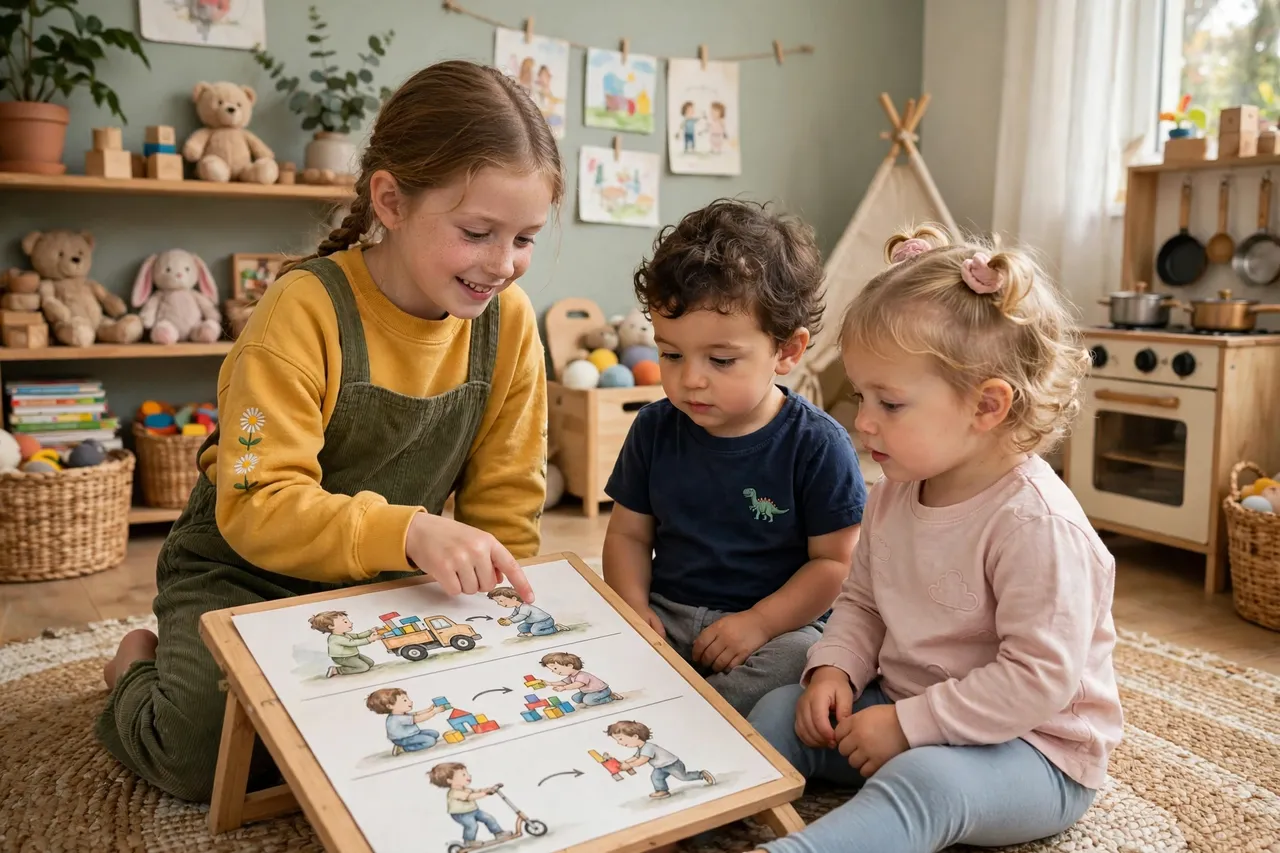
Sharing is a routine, not a lecture, and this chart teaches it in pictures: ask, wait, take a turn, give it back, say thank you. Parents of two toddlers buy it because sibling fights over toys are constant, and a shared picture chart on the wall gives both children the same rules to point at. It works best with two matching picture columns, one for each child, so taking turns feels fair. Sell it as a printable pair so each sibling gets their own copy to mark.
Tip: add a picture of a sand timer in the middle of the chart, so “your turn” has a visible length and the waiting child can watch the time pass.
15. First Week of Preschool Routine Chart
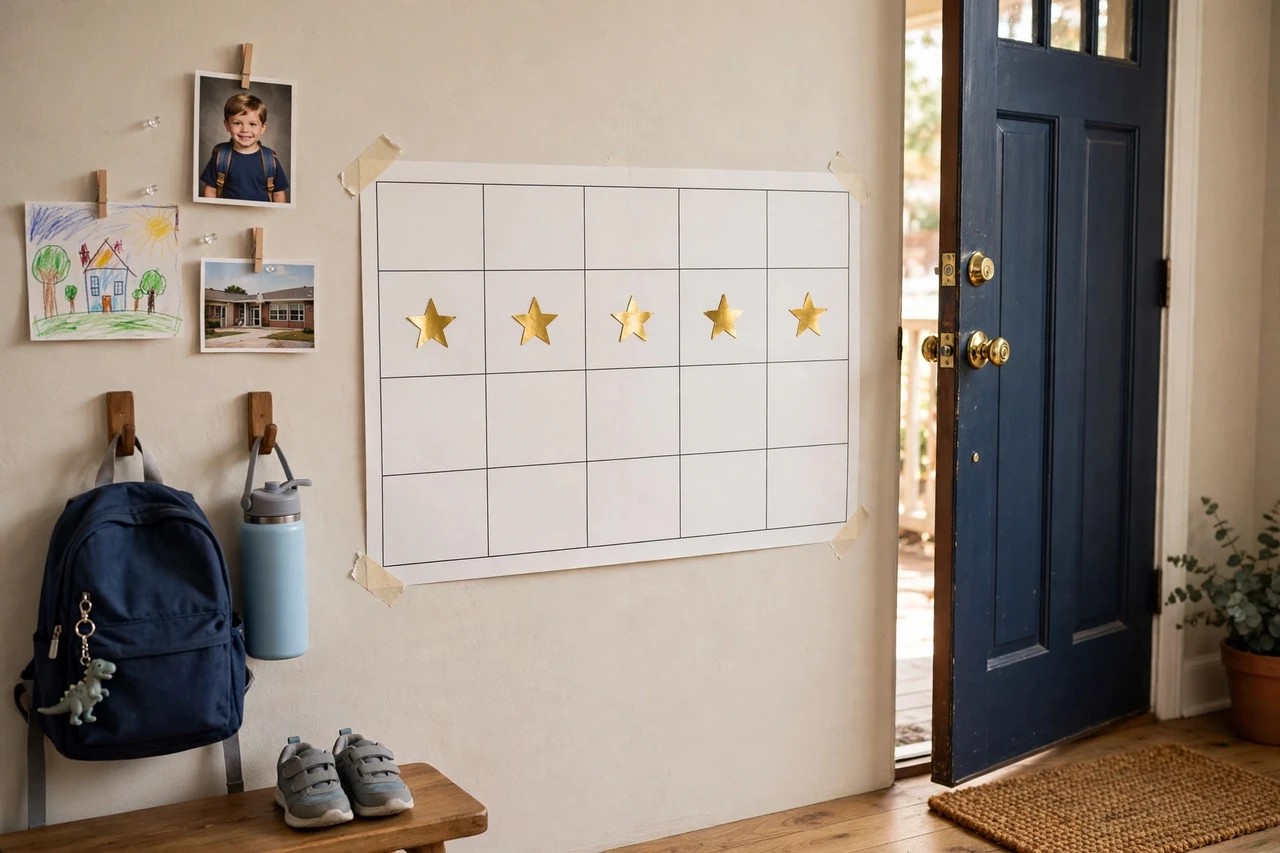
Starting preschool is a big change, so this chart maps the whole day in pictures: wake up, backpack, walk or drive to school, hug goodbye, play, lunch, nap, and pickup. Parents buy it in late summer before the school year starts, which makes it a seasonal bestseller you can promote every August. It calms first-week anxiety because the toddler can rehearse the day at home by pointing through the pictures. Include a small “I did it” star for each of the five days, so the first week becomes a celebration.
Tip: list this chart in July with back-to-school keywords in your listing title, so it is already ranked when parents start searching in August.
Frequently Asked Questions
What makes a toddler routine chart work for non-readers?
Pictures, not words. Each step needs one big, clear image a toddler can recognize — a toothbrush, a shoe, a moon — in a fixed left-to-right or top-to-bottom order. If a chart needs a parent to read it aloud, it is not a non-reader chart.
What age are toddler routine charts for?
Most buyers use them for ages 2 to 4, with the simplest picture-only charts working from around 18 months. Charts for this age should have no more than six steps and no small text, since the child, not the parent, is the one following them.
Do toddler routine charts sell better as single charts or bundles?
Bundles sell better overall. A single morning chart is an easy first purchase, but morning plus bedtime, or a full set of five daily routines, earns more per order and gets better reviews because parents see the whole day improve at once.
How should I price printable toddler routine charts?
Single charts usually sell for $2 to $5, and bundles of three to five charts sell for $8 to $15 on Etsy. Price based on how many charts are included and whether you offer extras like sticker sheets or Velcro-ready versions.
Can I sell the same routine chart in different color themes?
Yes, and it is a smart move. Offer two or three color versions of your best sellers — for example a blue, pink, and neutral set — since parents often buy the version that matches the child’s bedroom, and it costs you almost no extra design time.
If you sell printables, toddler routine charts for non-readers are one of the most reliable niches you can build in: the buyers are motivated parents, the product is simple picture-based design, and a chart that calms one hard part of the day earns repeat purchases for the rest of the day. Start with a morning and a bedtime chart, use big clear pictures with no words, and let your buyers’ reviews tell you which routine to design next.