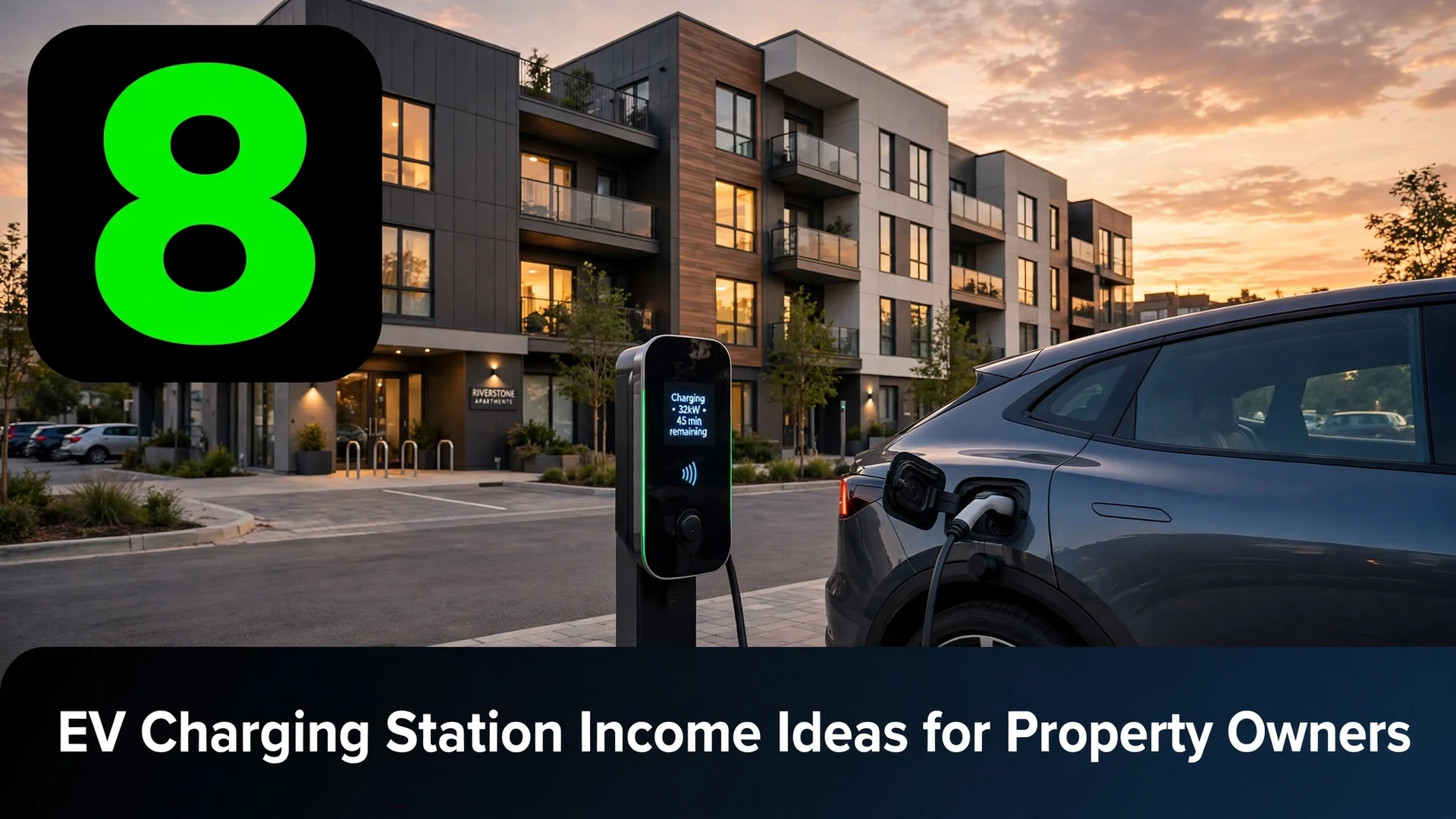
Electric vehicle drivers need places to charge, and property owners control exactly what drivers need most: parking spaces with power. That combination makes EV charging station income one of the most practical new revenue streams for landlords, shop owners, and anyone with well-located property. You can earn per charging session, through monthly subscriptions, or by leasing space to a charging network, depending on how much you want to invest and manage. Before starting, check your electrical capacity, local permits, and utility rates, since these details decide which model fits your property. Start with these passive income ideas that actually work.
The right model depends on your property type, your budget, and how much management you want to handle. A landlord with an apartment building needs a different setup than a shop owner with a busy parking lot, and a hands-off owner should choose a different path than someone happy to run billing and support. The eight ideas below cover that full range, from nearly passive leases to active charging businesses, so you can pick the one that matches your situation.
1. Installing Chargers at Apartment Complexes and Charging Per Session
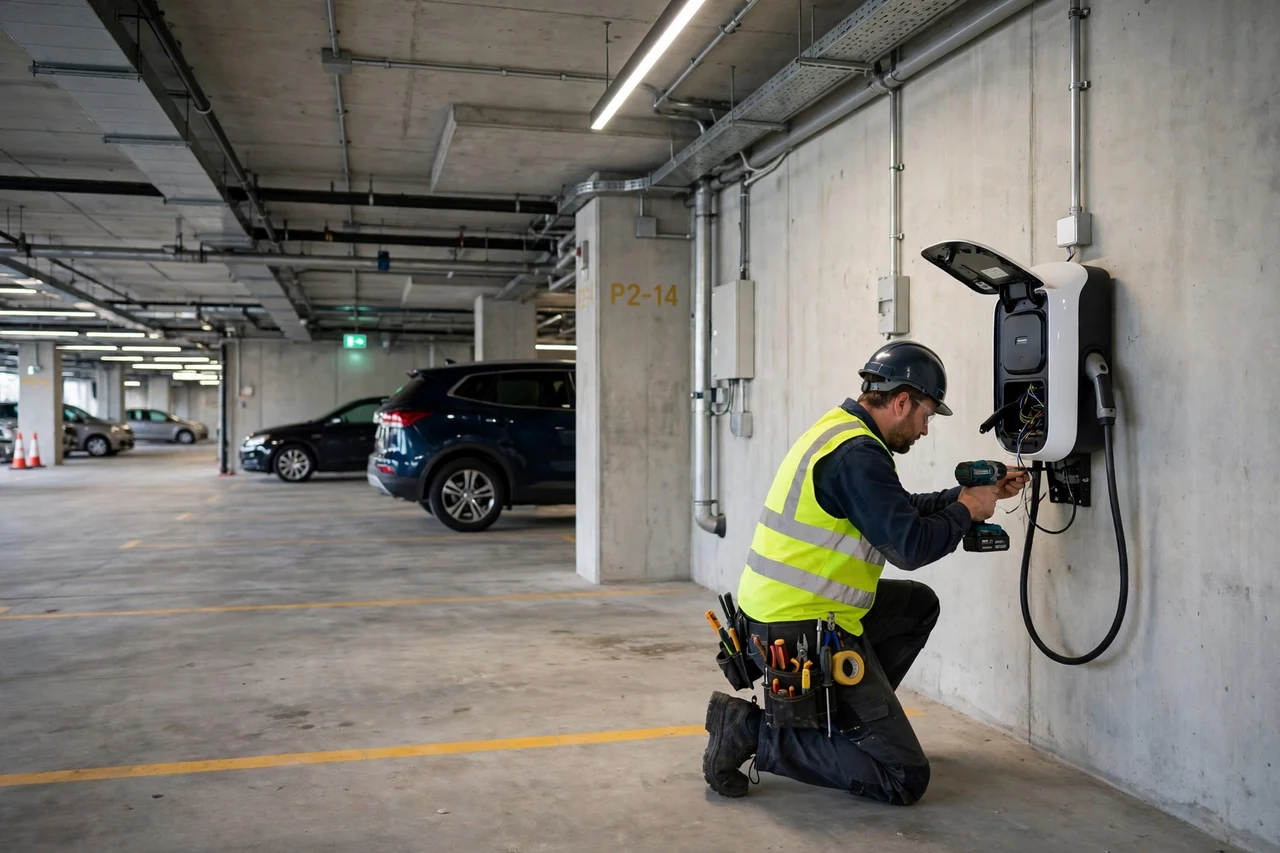
Apartment residents who drive electric vehicles often cannot charge at home, because their building has no chargers and street parking offers no power. As the property owner, you can install Level 2 chargers in the parking area and charge residents per session or per kilowatt-hour used. Residents value the convenience so much that chargers also help you attract and retain tenants, reducing costly vacancies. Start with two to four chargers based on resident demand, set prices that cover electricity plus maintenance, and use a charging app to handle billing automatically, and survey residents first, since a waiting list of interested drivers proves demand before you spend anything.
2. Workplace Charging for Employees and Visitors
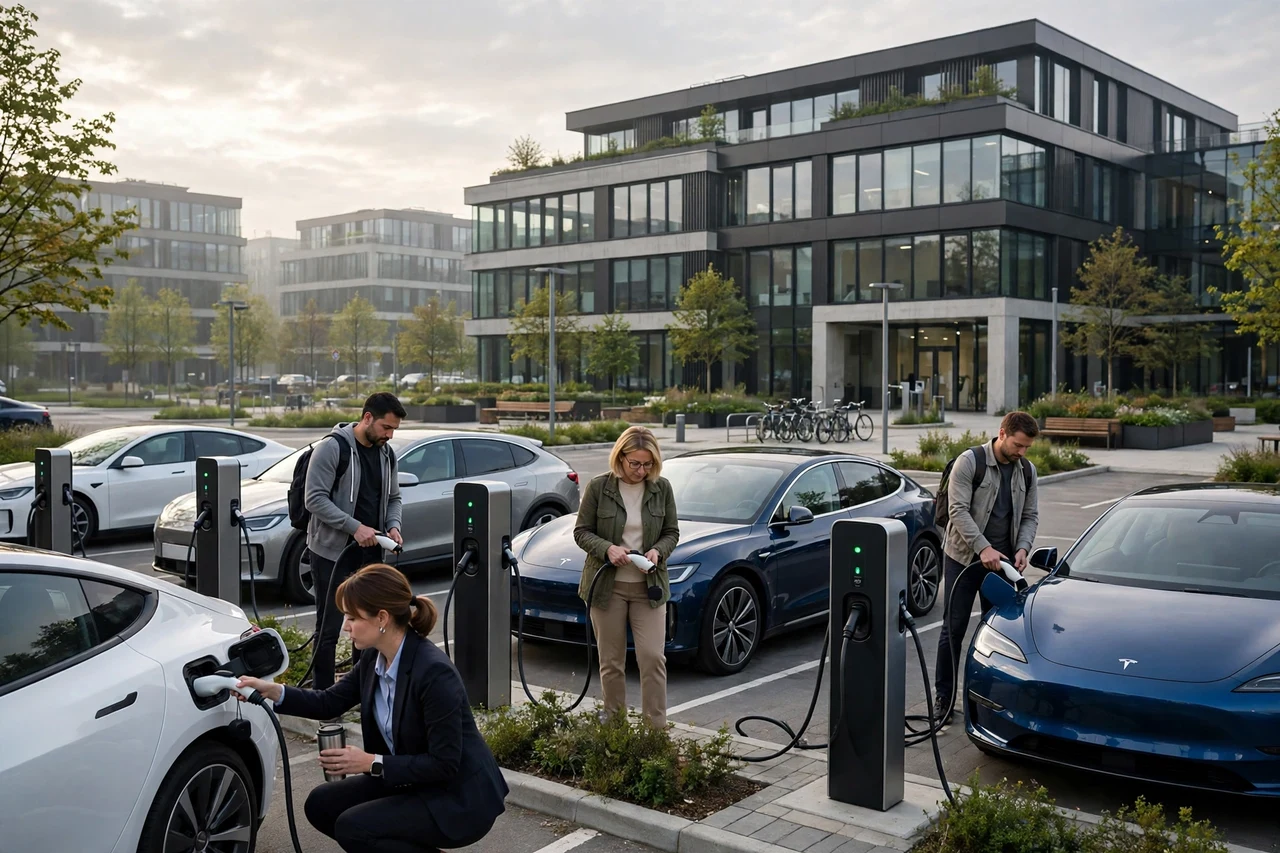
Office building owners can turn employee parking into income by offering paid charging during work hours, when cars sit unused for eight hours or more. Level 2 chargers suit workplaces perfectly, because a full workday provides plenty of time for a complete charge. You can charge employees a session fee, offer charging as a paid parking upgrade, or let nearby businesses buy visitor charging passes. Employers also like buildings with charging, since it helps them attract staff who drive electric vehicles, which strengthens your tenant relationships, and you can also reserve a few chargers for visitors, who often pay higher session rates than employees.
3. Hotel and Short-Term Rental Guest Charging

Travelers choosing between hotels increasingly filter for EV charging, and properties that offer it can charge higher nightly rates. As a hotel or vacation rental owner, you can add chargers to your parking area and include charging in the room rate or bill it as a separate nightly amenity. Guests appreciate arriving to a full charge each morning, especially on road trips through areas with few public chargers. Promote the chargers in your listing photos and description, because many booking platforms now let guests search specifically for EV charging, and rural properties benefit most, since drivers plan stops around guaranteed charging.
4. Retail and Restaurant Customer Charging
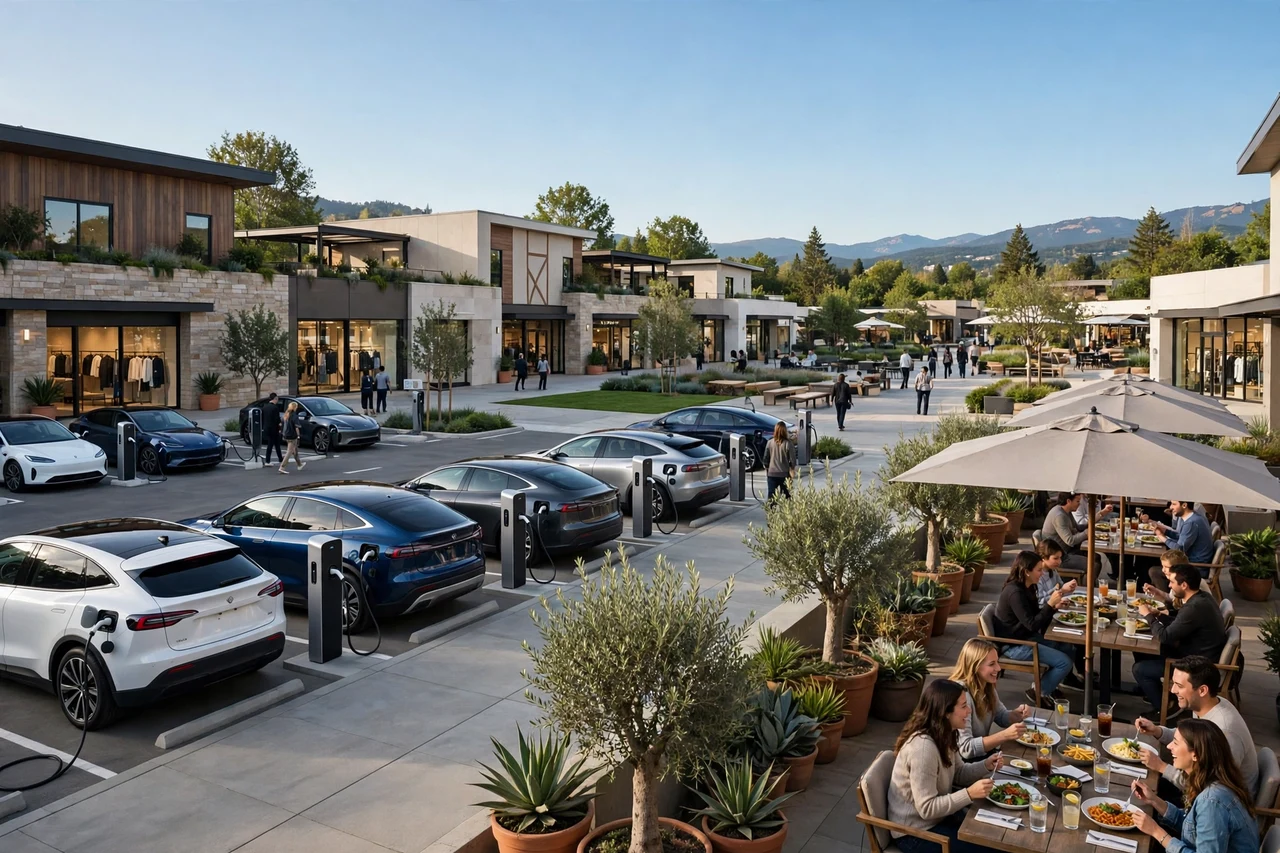
Shoppers and diners spend thirty minutes to two hours at your business, which is ideal charging time, and paid chargers turn that dwell time into revenue. As a retail or restaurant property owner, you can install chargers near the entrance and charge per session, or offer discounted charging with a minimum purchase. Even modest charging fees add up across hundreds of weekly visitors, and chargers bring in new customers who choose your location over competitors without them. Work with a charging network that handles payment processing, so your staff never has to collect money or troubleshoot billing, and place chargers near the entrance, where drivers notice them and foot traffic passes your storefront.
5. Fleet Charging Contracts With Delivery Companies
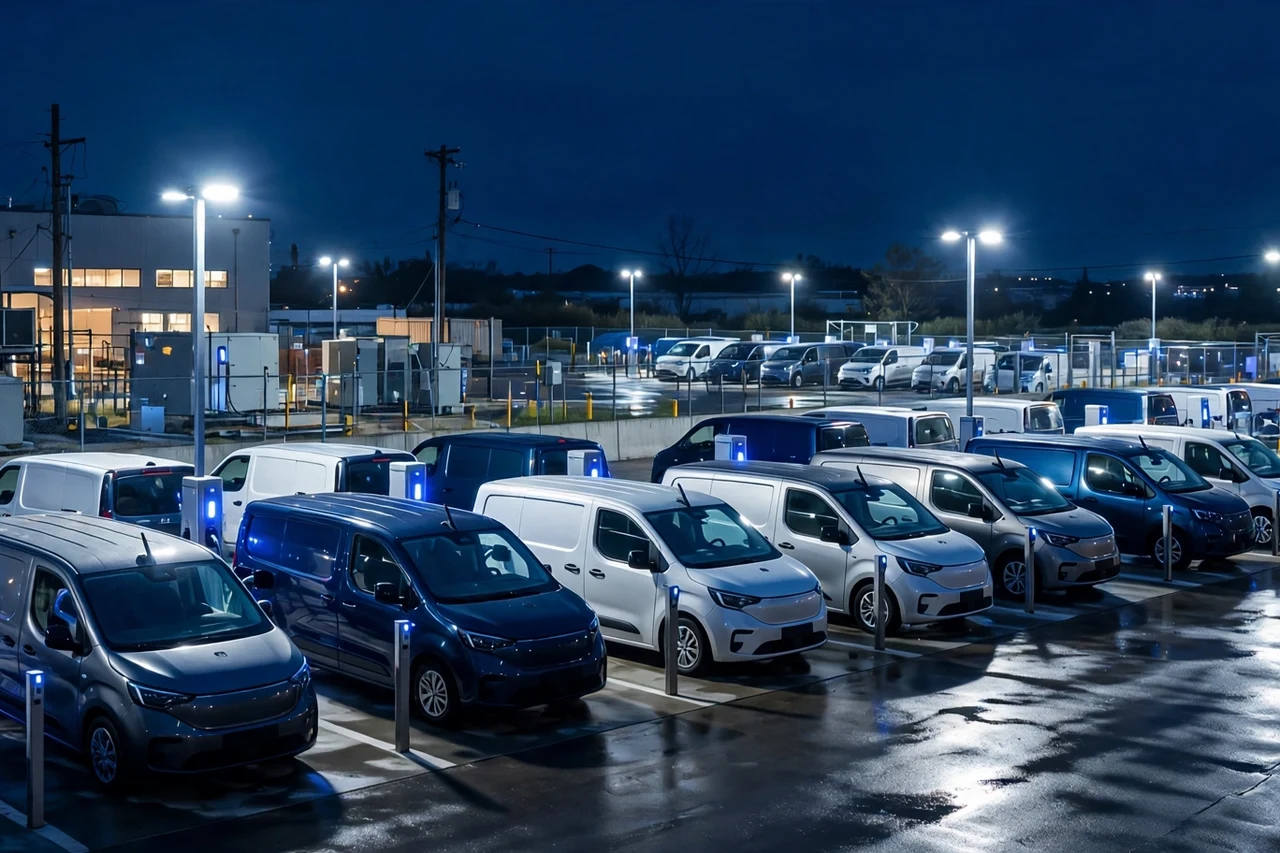
Delivery vans, rideshare fleets, and local service companies are switching to electric vehicles, and they need reliable overnight charging depots. As a property owner with a lot or warehouse space, you can sign a contract to host fleet chargers and earn steady monthly income from a single business customer. Fleet contracts are attractive because they guarantee regular usage, unlike public chargers that depend on passing traffic. You will need sufficient electrical capacity and a clear agreement covering hours, maintenance, and liability, but one fleet deal can anchor your entire charging income, and start the conversation with local delivery firms, since many are actively seeking depot space right now.
6. Highway and Rest-Stop Fast Charging
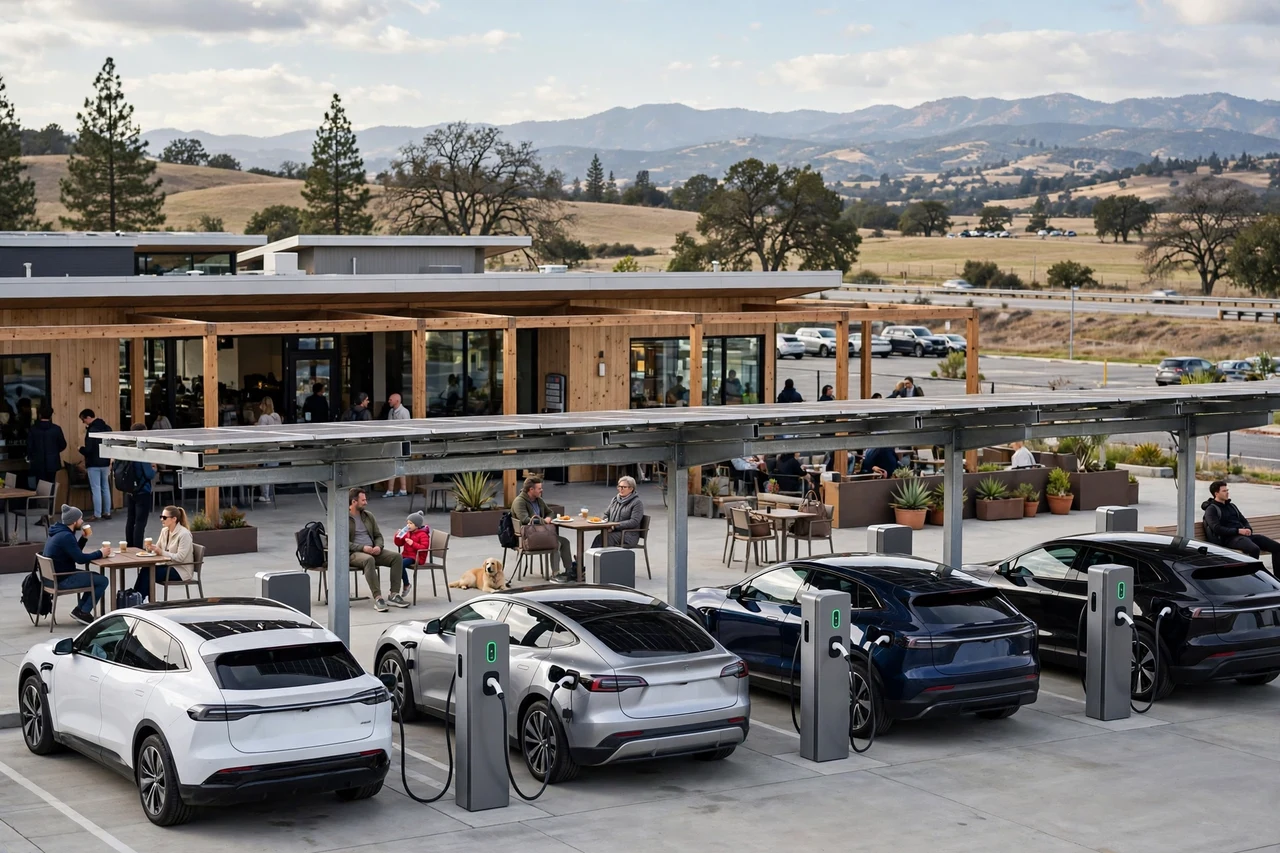
Properties near highways, rest stops, and busy travel corridors can earn strong income from DC fast chargers, which fill a vehicle in twenty to forty minutes. Drivers on long trips actively seek fast chargers and willingly pay premium per-session rates, especially in areas with few alternatives. Fast chargers cost far more to install than Level 2 chargers and need major electrical upgrades, so this model suits owners who can invest more upfront. Pair chargers with a convenience store, cafe, or restroom facilities, since drivers spend money while they wait and the extra sales boost total revenue, and check highway signage rules too, because visible signs directly affect how many drivers stop.
7. Charging Subscriptions and Membership Plans for Regular Drivers
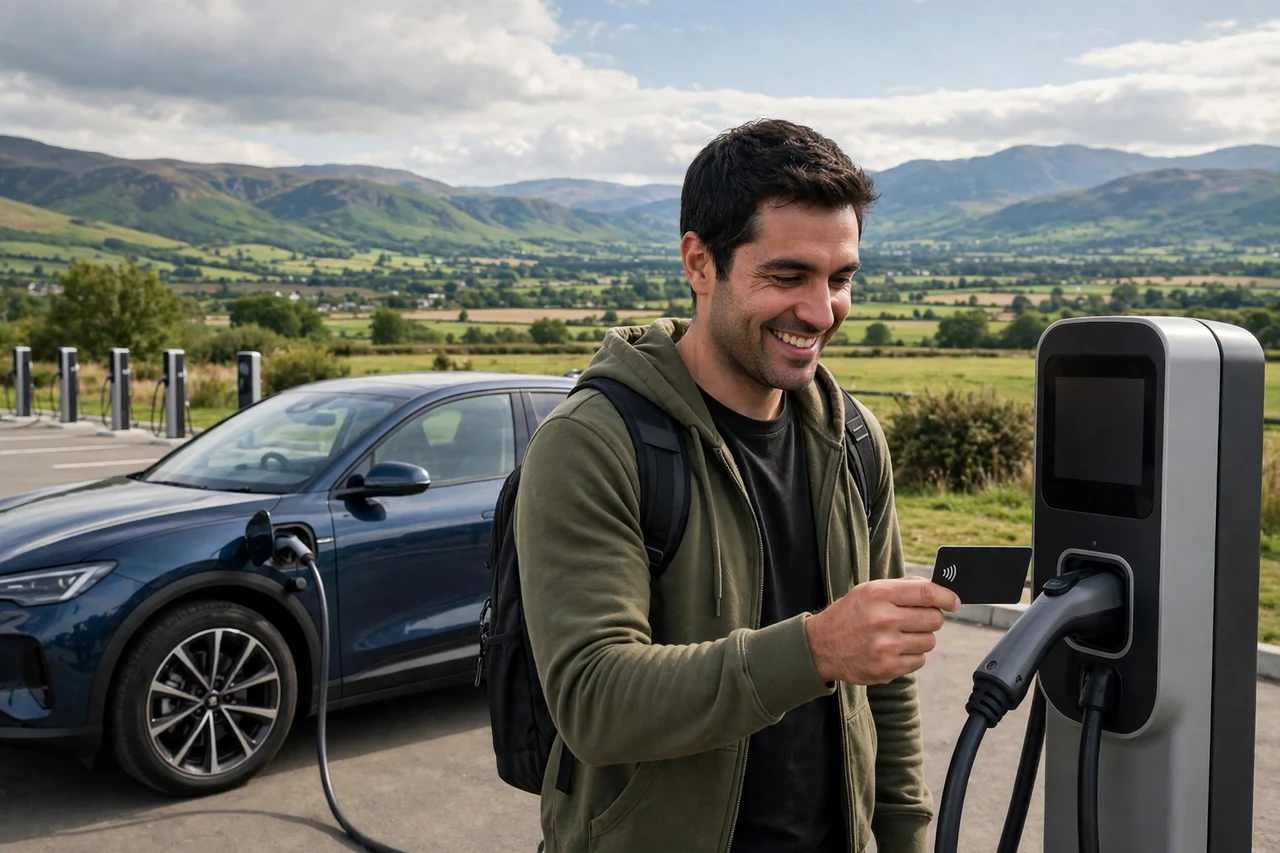
Per-session pricing earns money only when drivers show up, but subscriptions create predictable monthly income from regular users. As a property owner, you can offer local drivers a monthly plan covering a set number of charging hours or unlimited off-peak charging at your location. Commuters, rideshare drivers, and nearby residents who lack home charging are ideal members, because they need reliable charging every week. Price the plan to cover electricity and maintenance while staying cheaper than public fast charging, and members will renew simply for the convenience, and offer a discounted off-peak tier as well, since night charging costs you less and still fills otherwise idle chargers.
8. Leasing Parking Spaces to Charging Network Operators

If you prefer income without managing equipment, you can lease part of your parking area to a charging network operator that installs, maintains, and operates the chargers. You earn fixed monthly rent per space, while the operator keeps the charging revenue and handles repairs, billing, and customer support. This is the lowest-effort EV charging income idea, since your only job is providing the space and electrical access. Compare offers from multiple networks, and confirm who pays for electrical upgrades and what happens to the equipment when the lease ends, and remember that a longer lease usually means better rent, so negotiate term alongside the monthly rate.
Frequently Asked Questions
How much does it cost to install an EV charger on a property? A Level 2 charger typically costs a few thousand dollars installed, while a DC fast charger can cost tens of thousands plus electrical upgrades. Many utilities and states offer rebates that cover part of the cost, so check incentive programs before budgeting.
How do property owners get paid for EV charging? Most owners use a charging network app that bills drivers per session or per kilowatt-hour and deposits earnings monthly. Subscription models bill members directly, while leased spaces pay fixed rent regardless of usage.
Do I need a permit to install EV chargers? Yes, most areas require electrical permits and inspections, and some cities add zoning or signage rules. Your electrician and charging provider can usually handle permits, but confirm requirements with your local building department early.
What if my property lacks enough electrical capacity? An electrician can assess your panel and service, and options include load management systems that share power between chargers, panel upgrades, or starting with fewer chargers. Load management is often the cheapest fix, since it lets several chargers share existing capacity safely.
Is EV charging income really passive? Leased spaces are nearly passive, while self-operated chargers need occasional attention to pricing, maintenance, and customer issues. Using a charging network that handles billing and support keeps the workload close to passive for most owners. For more hands-off options, see these passive income ideas for retirees.