When prices keep rising, money sitting in a drawer loses buying power a little at a time. Series I savings bonds — I-bonds — are built for exactly that problem: they are savings bonds from the U.S. Treasury whose interest adjusts with inflation, so your savings are designed to keep up rather than fall behind. The I-bond tactics for inflation-protected income in this list are not about chasing the highest payout. They are about buying sensibly, holding patiently, and fitting I-bonds into a long-term plan alongside your other savings. Here are seven tactics that work.
1. Buy I-Bonds Through TreasuryDirect
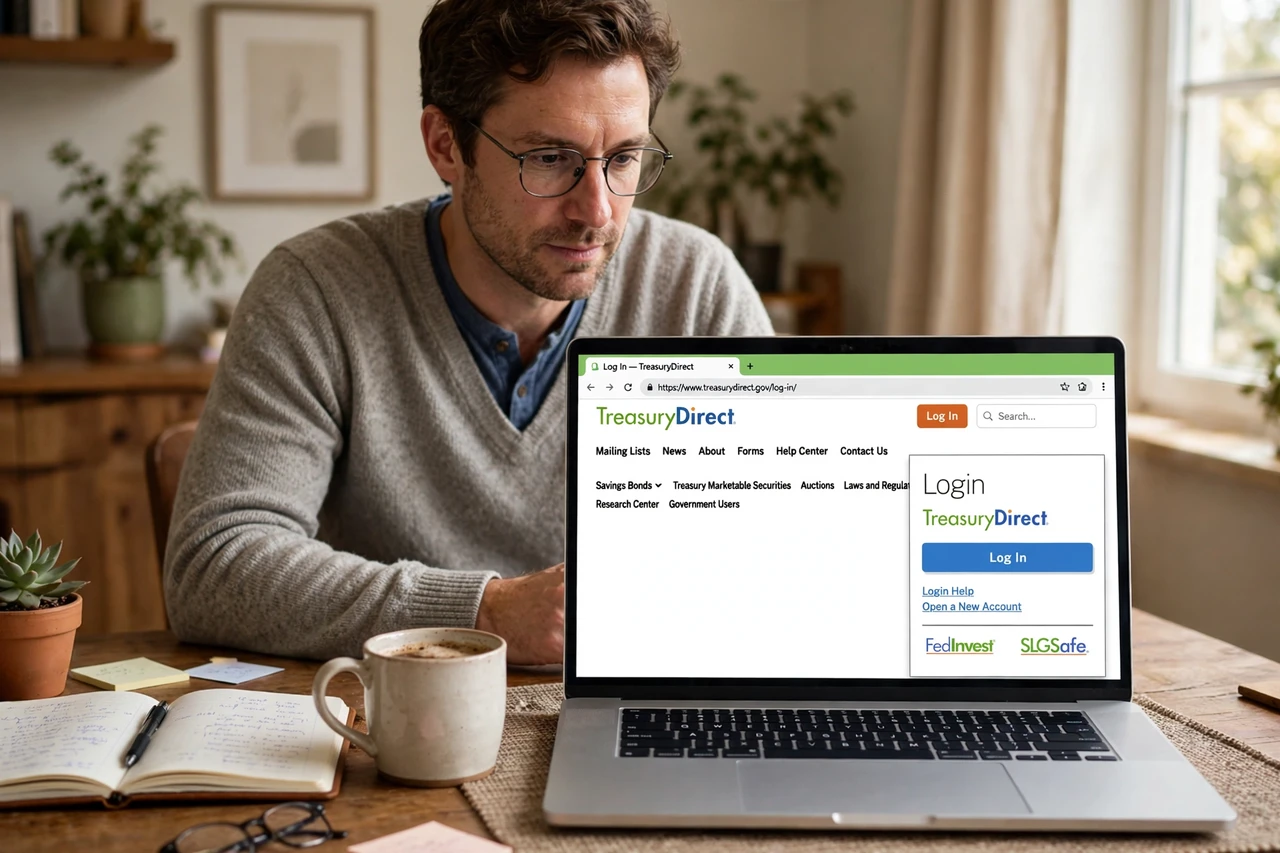
I-bonds are bought directly from the U.S. Treasury through its TreasuryDirect website, not through a bank or a brokerage. Setting up an account takes a little paperwork the first time — you verify your identity and link a bank account — but after that, buying is a simple online purchase. Buying direct also means there are no commissions or advisor fees eating into your savings.
Tip: set up your TreasuryDirect account before you plan to buy, so a verification delay never pushes your purchase into a month you did not intend.
2. Build an I-Bond Ladder Over Time

Instead of buying all at once, many savers spread purchases across months or years — a simple ladder. Each purchase starts its own holding clock, so the bonds mature into flexibility at different times instead of all at once. A ladder also smooths out the timing: you are not betting everything on a single purchase date, and you can keep adding small amounts as your budget allows.
Tip: pick a regular buying schedule you can actually keep — monthly or quarterly — and treat it like any other automatic savings habit.
3. Time Your I-Bond Purchases Around the Calendar

I-bond interest terms change on a set schedule twice a year, in May and November, which makes the calendar part of the strategy. Some savers buy just before a change, others wait until after it, and the right choice depends on your own goals and timing. The point is not to guess perfectly — it is to make a careful choice instead of buying on a random day without checking the calendar. Treasury bills follow a different rhythm — these Treasury bill and bond strategies for passive income explain how short-term government securities fit alongside I-bonds. [ADDED LINK]
Tip: mark the two change months on your calendar and review your plan each time, so every purchase is a decision rather than an accident.
4. Use I-Bonds for a Long-Term Savings Goal

I-bonds suit money you will not need soon: a house down payment years away, a child’s education fund, or a retirement cushion. They are not built for emergency cash you might need next month, because they are meant to be held. Matching the bond to a goal with a long horizon is what makes the inflation protection meaningful — the longer prices have to rise, the more the protection matters.
Tip: name the goal when you buy — write it on your savings plan — so you are not tempted to cash out for a short-term want.
5. Hold I-Bonds for the Full Holding Period

I-bonds come with holding rules: they cannot be cashed in during the first year, and cashing out early can cost you some of the interest you have earned. The patient approach is to hold them for the long stretch the bond is designed for, letting the inflation adjustment do its work year after year. Every early cash-out trades away part of the benefit you bought the bond for.
Tip: before you buy, check your emergency fund first — if that fund is thin, build it up before locking money into a bond you cannot touch right away.
6. Plan Around I-Bond Tax Treatment
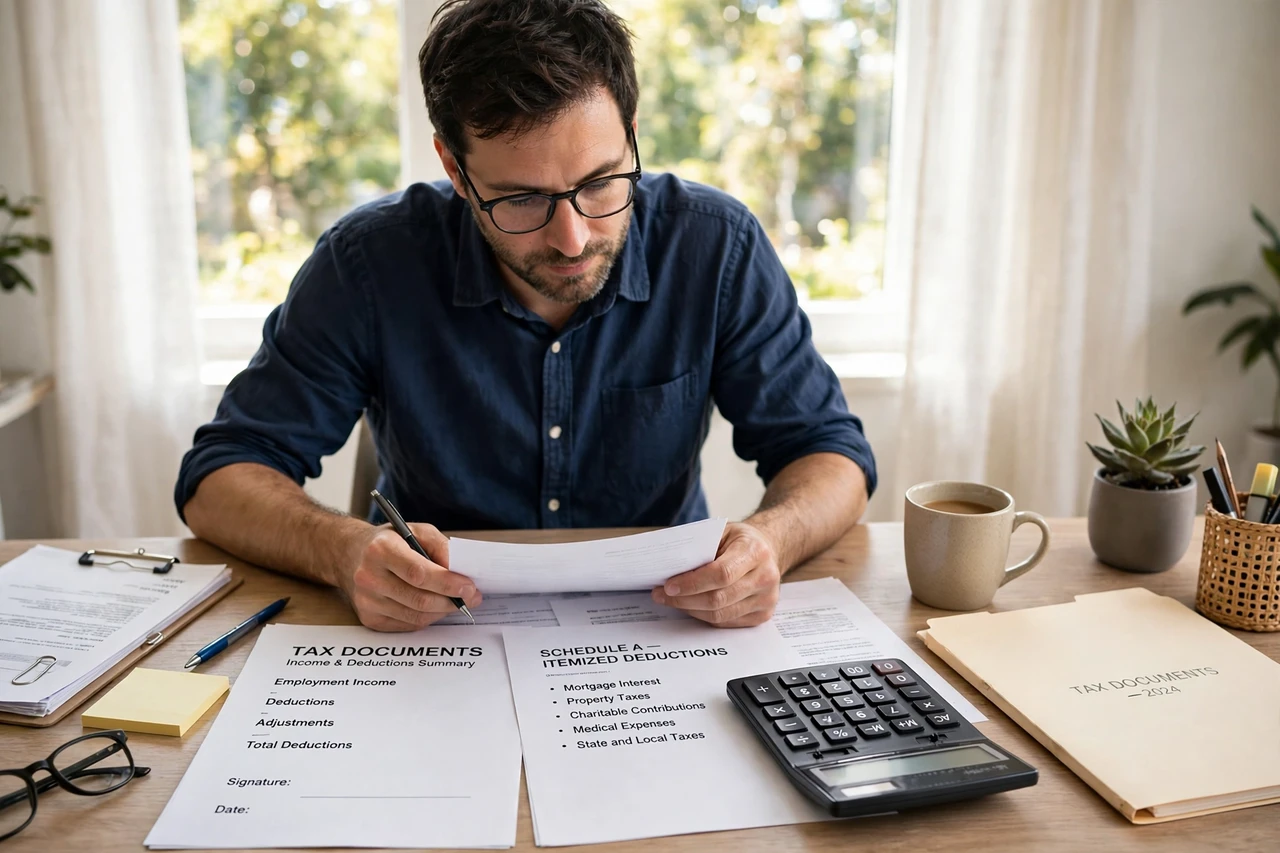
I-bonds have their own tax rules, and knowing them in advance helps you plan. The interest is generally taxed at the federal level but not at the state or local level, and you can usually choose when to report the interest — each year as it accrues, or when you cash the bond in. There are also education-related provisions that may apply in some situations. The details matter, so read the current Treasury guidance or talk with a tax professional before you decide.
Tip: keep a simple record of every purchase date and amount, so tax time never turns into a guessing game about what you bought and when.
7. Pair I-Bonds With Other Safe Savings
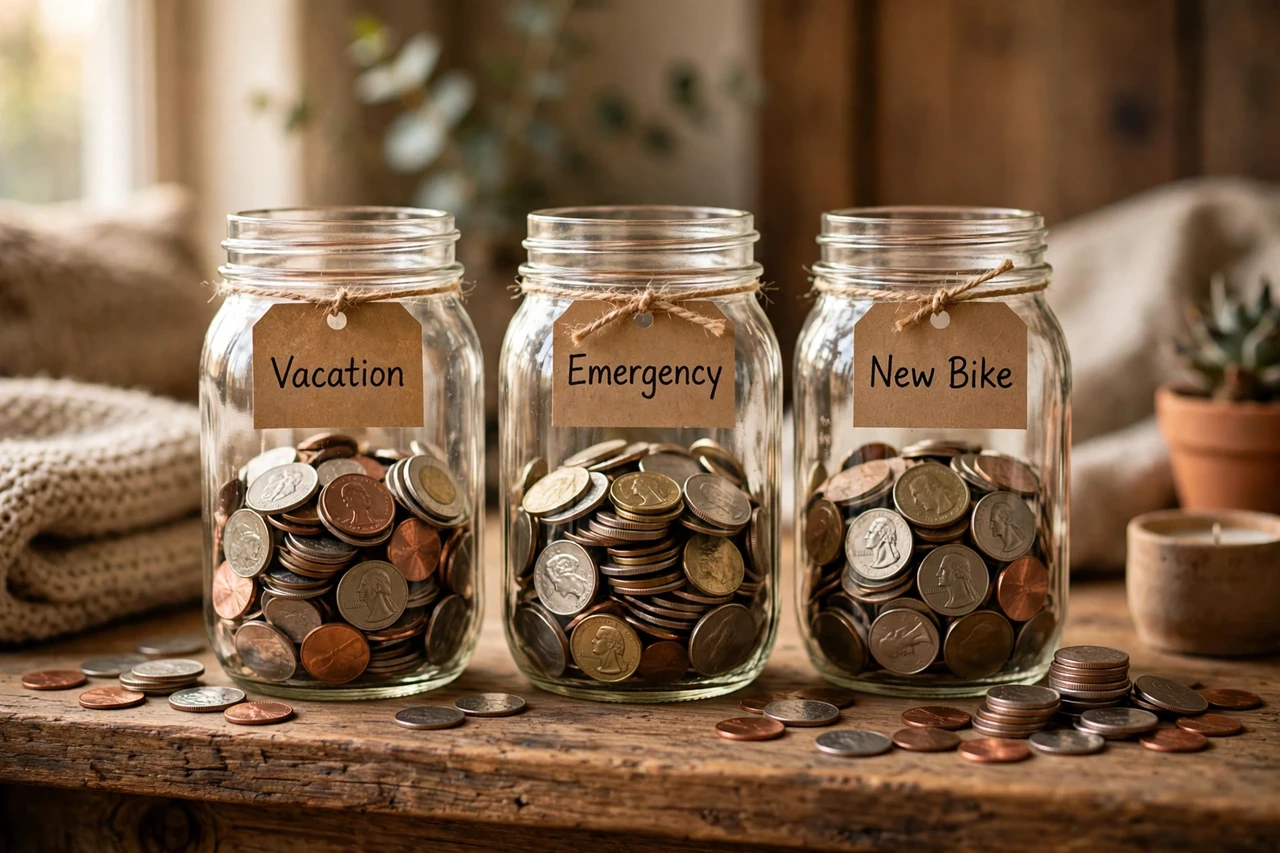
I-bonds work best as one piece of a savings plan, not the whole plan. Pair them with a regular savings account for emergencies, certificates of deposit for money you need on a known date, and other conservative savings for the rest. Each piece has a job: quick access, a fixed date, or long-term inflation protection. Together they cover more situations than any one of them alone. For the CD piece of that mix, these CD ladder strategies to maximize interest income show how to stagger maturities. [ADDED LINK]
Tip: review the whole mix once a year — not just the I-bonds — and rebalance toward whichever goal is closest, instead of letting one account drift.
Frequently Asked Questions
What is an I-bond?
An I-bond is a Series I savings bond issued by the U.S. Treasury. It is a savings bond whose interest adjusts with inflation, which is designed to help your savings hold their buying power over time.
Are I-bonds a good fit for beginners?
They can be, because the concept is simple: buy directly from the Treasury, hold for the long term, and let the inflation adjustment work. The main thing beginners should understand first is the holding rules — the money is not available right away.
How are I-bonds different from Treasury bills?
Treasury bills are short-term government securities, while I-bonds are long-term savings bonds with inflation-adjusted interest. They serve different goals: bills suit short-term parking of cash, while I-bonds suit long-term savings you want protected from rising prices.
Can I lose money with I-bonds?
I-bonds are backed by the U.S. government, and their value does not fall with market swings the way stocks can. The main trade-offs are the holding rules and the fact that your money is tied up for a while, not a drop in the bond’s value.
When should I buy I-bonds?
There is no single perfect month. Many savers buy on a regular schedule and check the calendar around the two annual adjustment months before deciding. The more important choice is having a long-term goal and a holding plan before you buy.
I-bonds will not make you rich overnight, and that is not their job. Their job is quiet: protecting the buying power of money you set aside for years from now. Buy with a plan, hold patiently, and let them sit alongside your other savings — that steady approach is what turns a simple savings bond into a reliable piece of a long-term plan.