
Peer to peer lending cuts out the bank in the middle: regular people fund loans for other people and small businesses, and the borrowers pay the money back over time with interest. The peer to peer lending platforms in this list cover the main ways to do it — consumer loans, business loans, real estate loans, and more — so you can see how each type works before you put any money in. This is not free money, and loans can go unpaid, so the smart move is to start small, spread your money across many loans, and treat every platform as a tool you need to understand first. Here are ten types of platforms worth knowing about.
1. Start With a Consumer Lending Marketplace
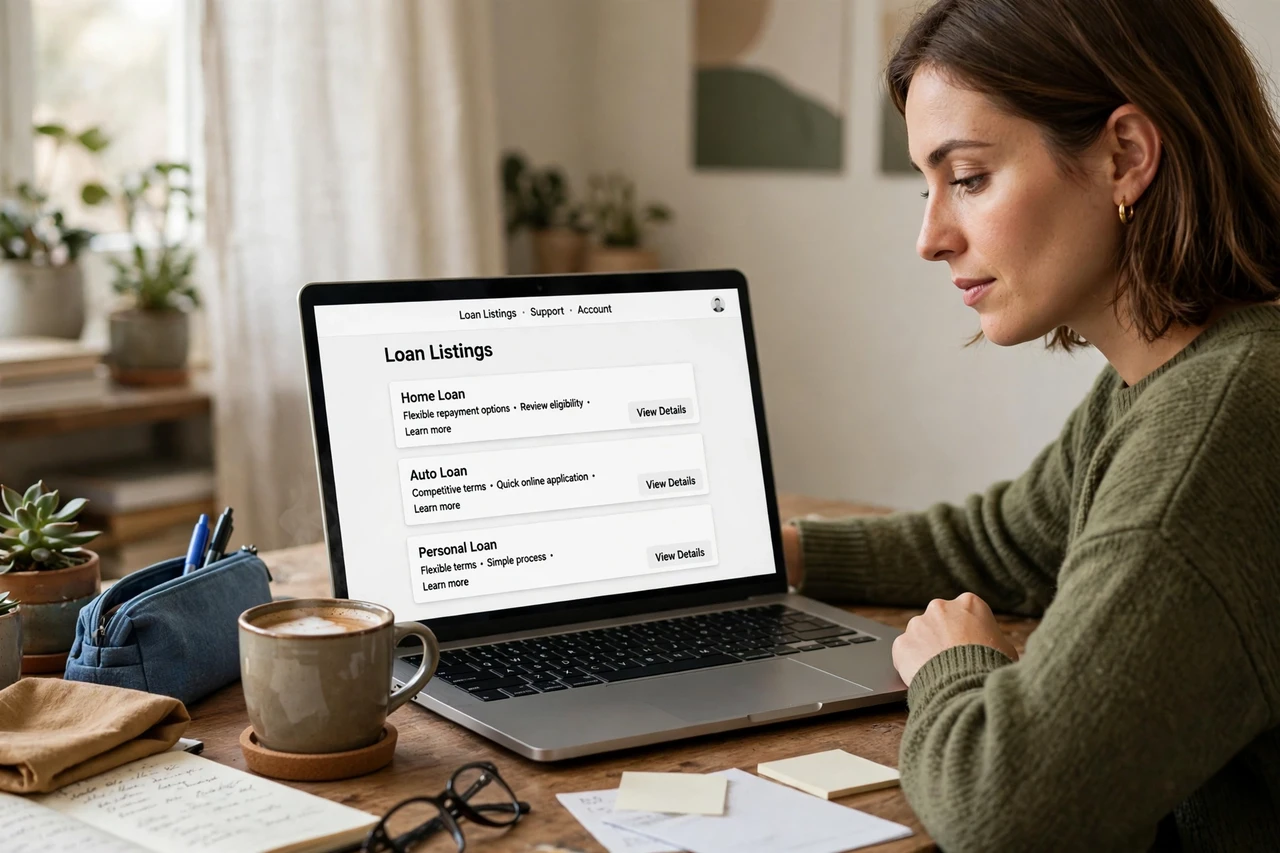
A consumer lending marketplace is the most common starting point. Borrowers apply for personal loans — to consolidate debt, pay for a home project, or cover a big expense — and the platform grades each loan, then lets many lenders fund small slices of it. You choose loans based on the borrower’s grade, loan purpose, and term, and you receive payments as the borrower pays the loan back month by month.
Tip: fund many small slices across different borrowers instead of putting a large sum into a single loan, so one missed payment does not wipe out your progress.
2. Try a Small-Business Lending Platform

Small-business lending platforms connect lenders with businesses that need working capital, equipment, or money to expand. The loans are usually backed by the business itself, and the platform shares details about the company’s history, revenue, and reason for borrowing. These loans tend to run for shorter terms than personal loans, which some lenders prefer because their money is not tied up as long.
Tip: read the business profile like you were deciding whether to invest in the company, not just the loan — a healthy business is the real safety net here.
3. Explore a Real Estate Lending Platform

Real estate lending platforms let you fund loans tied to property projects, such as a fix-and-flip renovation or a new build. The loan is usually secured by the property itself, and the platform shares the project plan, the property details, and the timeline. Terms are often short, and you get your money back when the project sells or refinances.
Tip: look for projects in neighborhoods you understand, and check what happens to the property if the project runs late or fails to sell.
4. Use a Platform That Offers Auto-Loan Notes

Some platforms offer notes backed by auto loans, where borrowers are financing a car. The vehicle itself serves as collateral, which gives the loan an extra layer of backing compared with an unsecured personal loan. You can usually pick notes by loan term and borrower grade, and payments arrive as the borrower makes monthly car payments.
Tip: favor shorter loan terms on auto loans, since cars lose value over time and a long loan can outlast the value of the vehicle backing it.
5. Look Into a Platform Focused on Personal Loan Notes

A platform focused on personal loan notes keeps things simple: every loan is a personal loan, and the whole platform is built around grading borrowers and matching them with lenders. Because the platform does one thing, its tools for filtering loans, tracking payments, and reinvesting are usually well developed. This is a good fit if you want to learn one loan type deeply instead of juggling several.
Tip: use the platform’s filters to set a borrower grade range you are comfortable with, and stick to it instead of chasing the riskiest loans on the list.
6. Consider a Platform With a Secondary Market for Notes

A secondary market lets you sell your loan notes to other lenders before the loan ends, which matters when you want your money back early. Not every platform offers one, and the ones that do vary in how active the market is. If you think you might need your cash back before a loan matures, this feature is worth more than any other on the platform. For money you might need even sooner, these Treasury bill and bond strategies for passive income use short-term government securities instead. [ADDED LINK]
Tip: check how often notes actually sell on the secondary market before you count on it — a market with few buyers will not help you in a hurry.
7. Test a Platform That Lets You Pick Individual Loans

Some platforms let you hand-pick every loan you fund, reading each borrower’s story, purpose, and grade before you commit. This takes more time than an automated option, but it gives you full control over what your money supports. It suits lenders who enjoy the research and want to understand exactly where each dollar goes.
Tip: set a personal checklist — loan purpose, term, and grade — and only fund loans that pass all three, so emotion never overrides your rules.
8. Try a Platform With Automated Portfolio Building

Automated portfolio building does the picking for you: you set your preferences, and the platform spreads your money across matching loans as they appear. This is the hands-off route, and it is the easiest way to hold many small loans without spending hours choosing them. You still need to review your settings regularly, because your preferences decide the risk you take on.
Tip: review your automated settings every few months and adjust them as you learn what kinds of loans perform best for you.
9. Explore a Platform Built for Accredited Investors

Some lending platforms are open only to accredited investors — people who meet income or net worth thresholds — and they offer loan types that are not available on open marketplaces, such as larger business loans or private credit deals. The minimums are higher and the loans can be more complex, so this route is for lenders who already understand lending and can handle longer lock-up periods.
Tip: do not rush to qualify for accredited-only platforms; the open marketplaces teach you the same lending basics with far less money at stake.
10. Use a Platform That Specializes in Short-Term Loans

Short-term loan platforms focus on loans that last weeks or a few months rather than years, such as invoice financing or short business advances. Your money comes back sooner, which means you can reinvest it or pull it out more often. The trade-off is that you need to keep finding new loans to fund, so this suits lenders who like to stay active. If you prefer a set-it-and-forget-it ladder, these CD ladder strategies to maximize interest income stagger maturities for you. [ADDED LINK]
Tip: keep a small cash buffer on the platform so you can fund new short-term loans quickly when good ones appear, instead of waiting on a bank transfer.
Frequently Asked Questions
How do peer to peer lending platforms make money?
Most platforms charge fees to borrowers, lenders, or both — usually a service fee on payments or a fee when a loan is funded. Read the fee schedule before you start, because fees come out of what you receive and vary a lot from one platform to another.
What happens if a borrower stops paying?
The platform typically tries to collect the debt, sometimes through a collections agency, and you may recover part of what you lent. Some loans are secured by property or a vehicle, which gives the platform something to recover against; unsecured loans have less to fall back on. This is why spreading money across many loans matters.
How much money do I need to start peer to peer lending?
Many platforms let you start with a modest amount and fund small slices of loans, so you can learn the ropes without committing much. Start with an amount you can afford to have tied up for the full loan term, and only add more once you understand how payments and delays work.
Is peer to peer lending safe for beginners?
No lending is risk-free, and peer to peer lending is no exception — borrowers can miss payments, and platforms themselves can fail. Beginners should treat it as one small part of a wider income plan, start with small amounts, and learn how one platform works before trying another.
Do I pay taxes on peer to peer lending income?
In most cases the interest you receive counts as taxable income, and platforms usually send you a tax form at year end. Keep your own records of what you lent and what you received, and check with a tax professional about how lending income is treated in your situation.
Peer to peer lending works best when you treat it like a slow, steady side income — not a shortcut. Pick one platform type from this list, learn how its loans work, fund a few small slices, and watch how payments arrive over a few months. The lenders who do well are the patient ones who diversify, read the fine print, and never put in more than they can afford to wait for.