
Private lending means you lend your own money directly to a borrower — a local business, a real estate investor, or someone you know — and they pay you back over time with interest. The private lending income strategies in this list are built for beginners: each one keeps the deal small, simple, and protected by a written agreement, so you can learn how lending works without betting your savings on a single handshake deal. Lending always carries risk, and no strategy removes it, but the right habits — small first loans, collateral, clear paperwork, and diversification — keep one bad loan from becoming a disaster. Here are eight ways to start.
1. Lend to a Local Business You Already Know

The safest first loan is often to a business you already understand — a shop you visit, a contractor you have hired, or a friend’s company whose work you have seen up close. You know whether the business is busy, how it treats customers, and whether the owner is reliable, and that firsthand knowledge beats any spreadsheet. Keep the loan small and short, and agree in writing on the repayment schedule before any money moves.
Tip: lend for a specific purpose, like buying equipment or stocking inventory, so you can see exactly what your money is funding.
2. Fund a Short-Term Real Estate Bridge Loan

A bridge loan helps a real estate investor cover the gap between buying a property and selling or refinancing it, and it usually lasts only a few months. The loan is secured by the property itself, which gives you something concrete behind the deal. Before you fund one, check the property’s value, the investor’s track record, and what happens if the sale takes longer than planned.
Tip: ask to see the property or its listing yourself — a real building you can stand in front of is easier to judge than a paper valuation.
3. Lend Against Collateral You Understand

Collateral is the asset a borrower pledges to back the loan, and it is your safety net if they cannot pay. The key rule for beginners is to only accept collateral you understand and could realistically sell — a vehicle, equipment, or property in your area. Collateral you cannot value is barely collateral at all, so never accept something exotic just because the borrower says it is valuable.
Tip: get an independent valuation of the collateral before you lend, and lend less than its value so you have a cushion if you ever need to sell it.
4. Start With One Small Loan and Learn the Process

Your first private loan should be small enough that losing it would sting but not hurt you — because the real goal of the first loan is learning. You will learn how to write an agreement, how to track payments, how to follow up when one is late, and how it feels to have money out on loan. That education is worth far more than the interest on one small deal. While your first loan is learning, park the rest somewhere safe — these money market strategies for extra passive income keep idle cash earning. [ADDED LINK]
Tip: treat the first loan as a paid course: keep notes on everything that surprised you, and use them to write your rules for the next loan.
5. Use a Written Loan Agreement for Every Deal
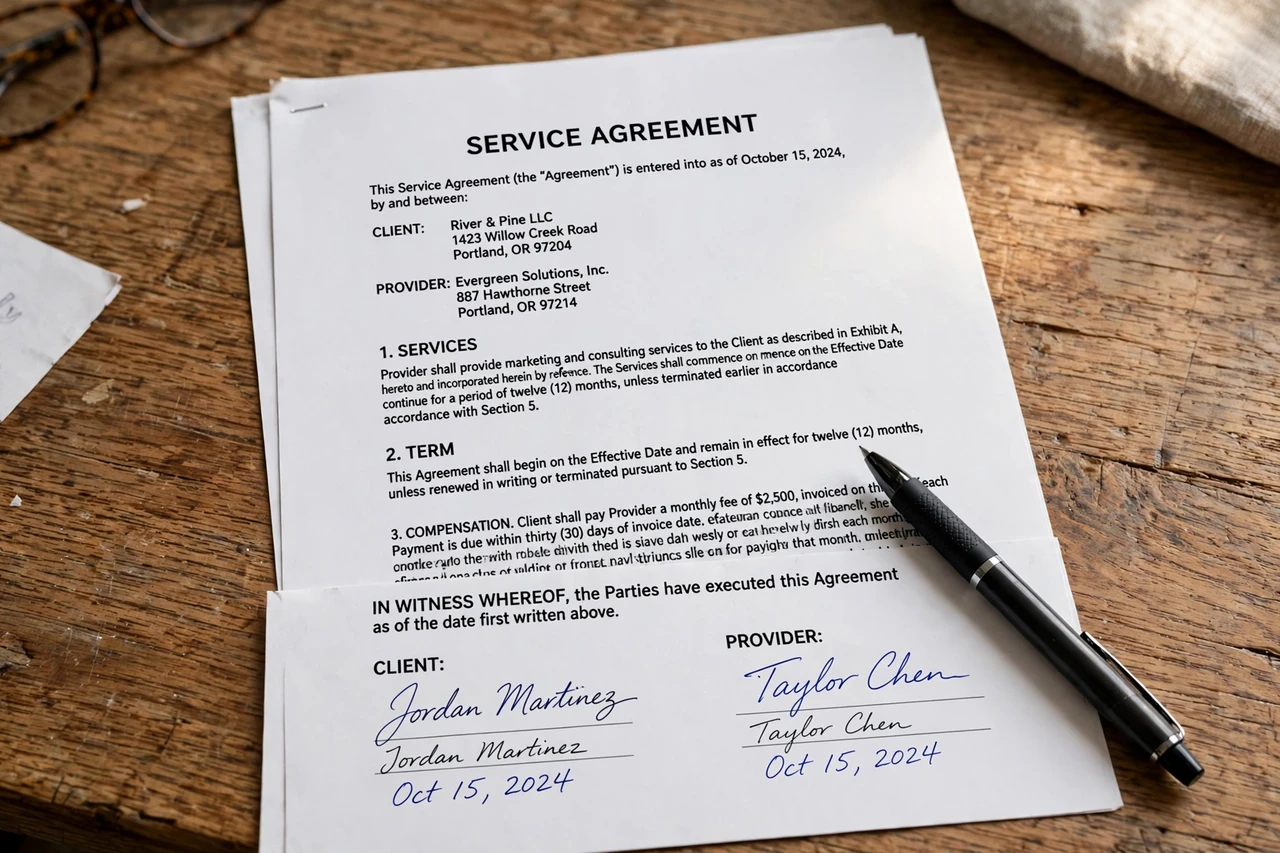
No private loan should ever rest on a handshake, no matter how well you know the borrower. A written agreement should spell out the amount, the repayment schedule, what counts as late, and what happens if the borrower cannot pay. It protects both sides: the borrower knows exactly what is expected, and you have something enforceable if things go wrong.
Tip: have a lawyer review your first agreement template once, then reuse that template for every loan so you are never starting from scratch.
6. Spread Your Money Across Several Borrowers

One large loan to one borrower is a gamble; several smaller loans to different borrowers is a strategy. If one borrower runs into trouble, the others keep paying, and your income keeps flowing while you sort out the problem. Diversification is the single most effective way to protect yourself in private lending, and it works even with a modest amount of money. The same laddering idea works for deposits too — these CD ladder strategies to maximize interest income spread maturities across time. [ADDED LINK]
Tip: set a personal cap — no single borrower gets more than a small share of your lending money — and stick to it even when a deal looks tempting.
7. Partner With an Experienced Private Lender

Partnering with someone who has been lending for years lets you learn from their mistakes instead of your own. An experienced partner can show you how to vet borrowers, structure agreements, and handle late payments, and you can fund a small share of their deals while you learn. Choose a partner whose approach you respect, and agree on who makes decisions before you fund anything together.
Tip: ask a potential partner to walk you through a deal that went wrong — how they handled it tells you more than any success story.
8. Set Clear Rules for Late Payments Before You Lend

Late payments are a normal part of lending, and the time to decide how to handle them is before the loan starts, not after the first missed payment. Your agreement should say how many days late counts as a problem, what fee applies, and when you start the collection process. Clear rules remove the awkwardness of chasing a friend or a local business owner, because everyone agreed to the terms up front.
Tip: write your late-payment rules into the agreement in plain language, and follow them the same way every time — consistency is what makes borrowers take the rules seriously.
Frequently Asked Questions
How is private lending different from peer to peer lending?
Private lending is a direct deal between you and a borrower, usually someone you know or a local business, with terms you negotiate yourself. Peer to peer lending runs through an online platform that matches many lenders with many borrowers and handles the paperwork. Private lending gives you more control; platforms give you more diversification.
Do I need a license to lend money privately?
Rules vary by state and by how often you lend, and lending as a regular business can trigger licensing requirements. Occasional lending to people you know is treated differently from running a lending operation, so check your state’s rules — and talk to a lawyer — before you scale up.
How much money do I need to start private lending?
You can start with a modest amount, since the first loan is really about learning the process. Many beginners start with a single small loan to a borrower they know well, then grow slowly as they build experience and a track record of loans that were repaid on time.
What is the biggest risk in private lending?
The biggest risk is a borrower who cannot or will not pay, leaving you to chase the money or sell the collateral. That is why written agreements, collateral you understand, and spreading your money across several borrowers matter more than picking the perfect borrower.
Should I lend money to friends or family?
Lending to people close to you is the riskiest kind of private lending, because a missed payment can damage the relationship. If you do it, use the same written agreement and rules you would use with a stranger, and only lend money you can afford to wait for — or to lose without resentment.
Private lending rewards patience and discipline more than boldness. Start with one small loan, to a borrower you understand, backed by a written agreement and collateral you can value — then repeat what works and stop doing what does not. Build slowly, keep your rules written down, and let a track record of repaid loans, not a single big deal, decide when you are ready to lend more.