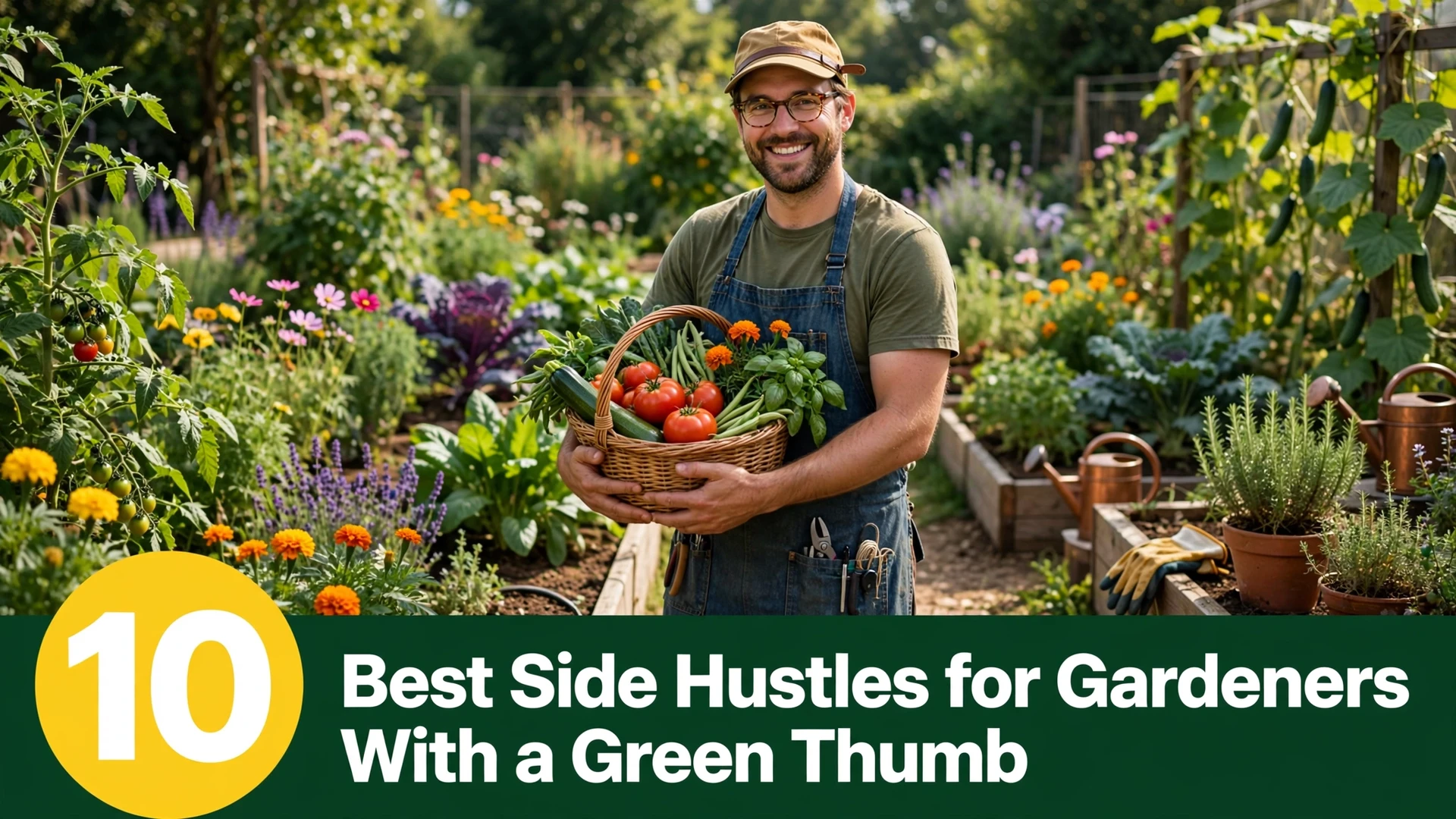
If your garden always looks better than your neighbors’ gardens, side hustles for gardeners can turn that skill into real extra income. People pay for fresh food, beautiful flowers, and honest advice because gardening takes time, patience, and local knowledge that cannot be learned overnight. You can start small from your own yard, a balcony, or a community plot, and grow only as demand grows. Like other side hustles you can do from home, garden work rewards consistency: healthy plants, clear communication, and customers who come back season after season.
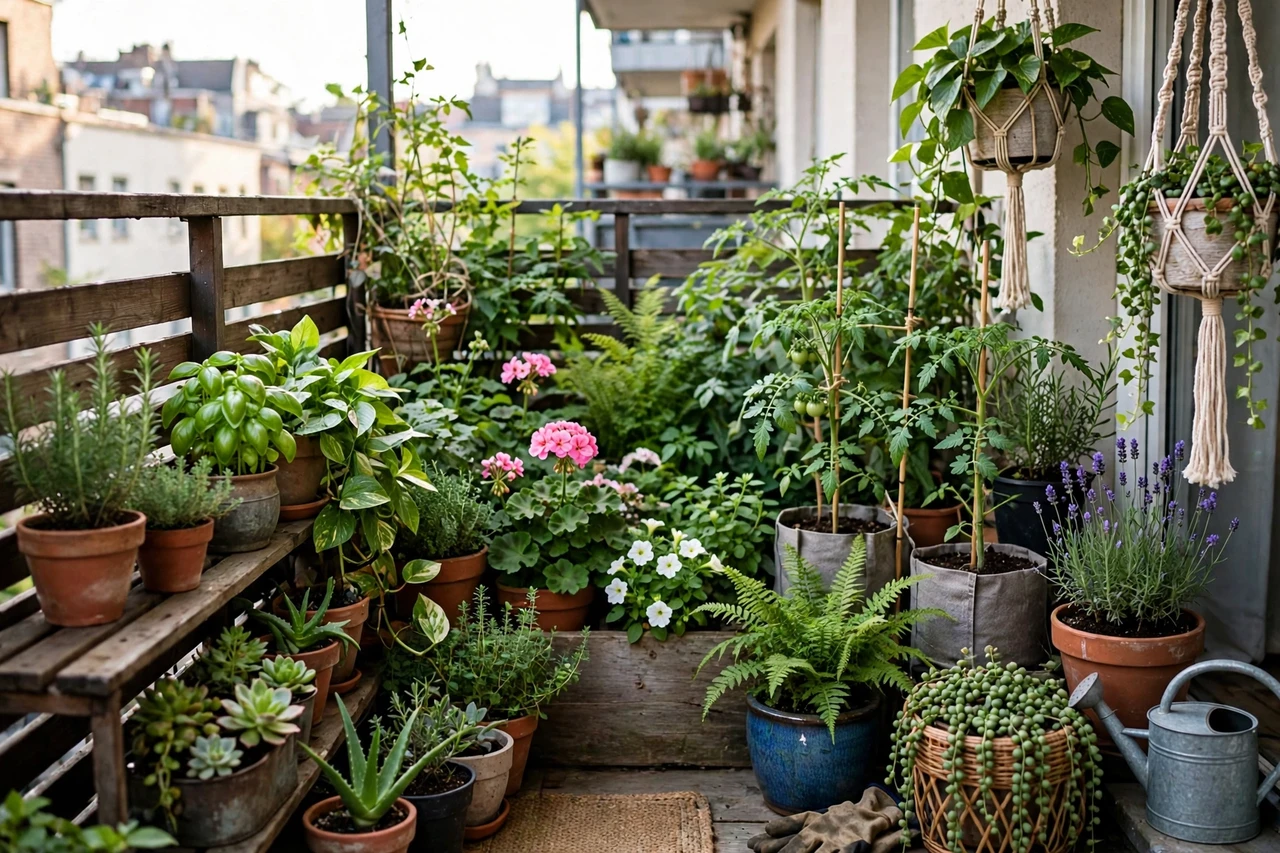
1. Design Small-Space Garden Plans for Apartment and Balcony Growers
Many apartment dwellers want to grow herbs, salads, or flowers but have no idea what fits on a balcony or what survives in shade. A small-space garden plan solves that problem. You ask about sunlight, space, and what they like to eat, then deliver a simple layout, a plant list, container sizes, and a watering schedule they can actually follow.
Offer the plan as a remote service using photos and a short video call, so you are not limited to your town. Keep the advice realistic for beginners, include local frost dates, and suggest easy first plants rather than fussy varieties. Happy balcony growers often return when they move to a house with a real yard.
2. Grow Cut Flowers for Local Bouquets and Weekly Subscriptions
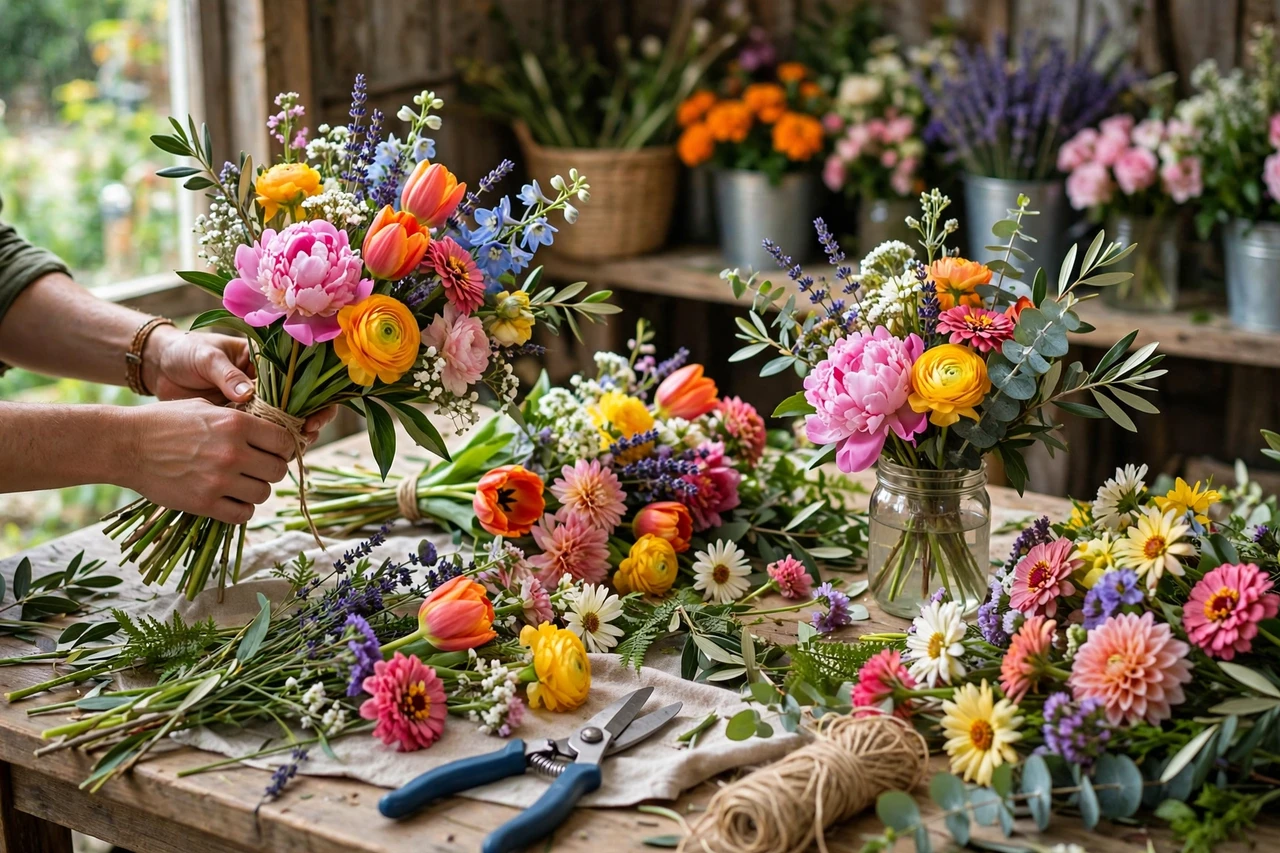
Cut flowers sell well because people buy them for gifts, events, and their own tables, and local flowers last longer than shipped ones. Zinnias, sunflowers, cosmos, and sweet peas are forgiving starter choices that produce steadily if you pick often. A small bed can supply weekly bouquets through the growing season.
Sell through a simple subscription: a set number of bouquets each week for a set price, picked up locally or delivered nearby. Keep bouquets simple and fresh, tell customers how to care for them, and track which varieties sell best. A subscription gives you predictable income instead of hoping for one-off sales.
Like other legit side hustles that actually pay, a flower subscription rewards reliability week after week.
3. Sell Fresh Herbs to Home Cooks and Neighborhood Cafes
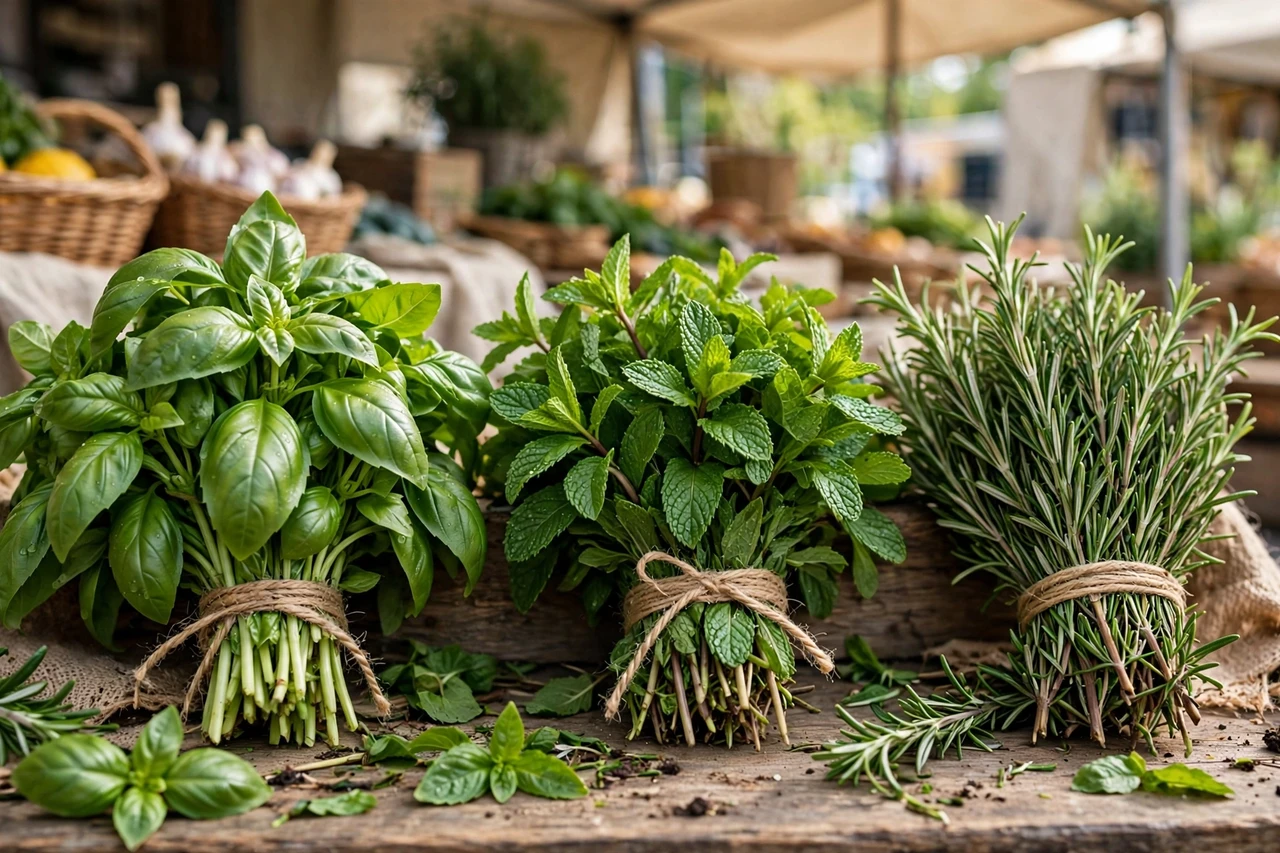
Fresh herbs are expensive in stores and lose flavor quickly, so home cooks and small cafes value a local grower. Basil, mint, parsley, chives, and cilantro grow fast and can be harvested repeatedly. Start with a few varieties you already grow well, and bundle them in small, clearly labeled bunches.
Approach one or two cafes first with a sample bunch and a simple price list, rather than promising more than you can supply. For home cooks, a weekly herb box or a farmers market stall works well. Keep harvesting clean and consistent, because cafes need the same quality every week.
4. Run Garden Coaching Visits for New Homeowners With Bare Yards
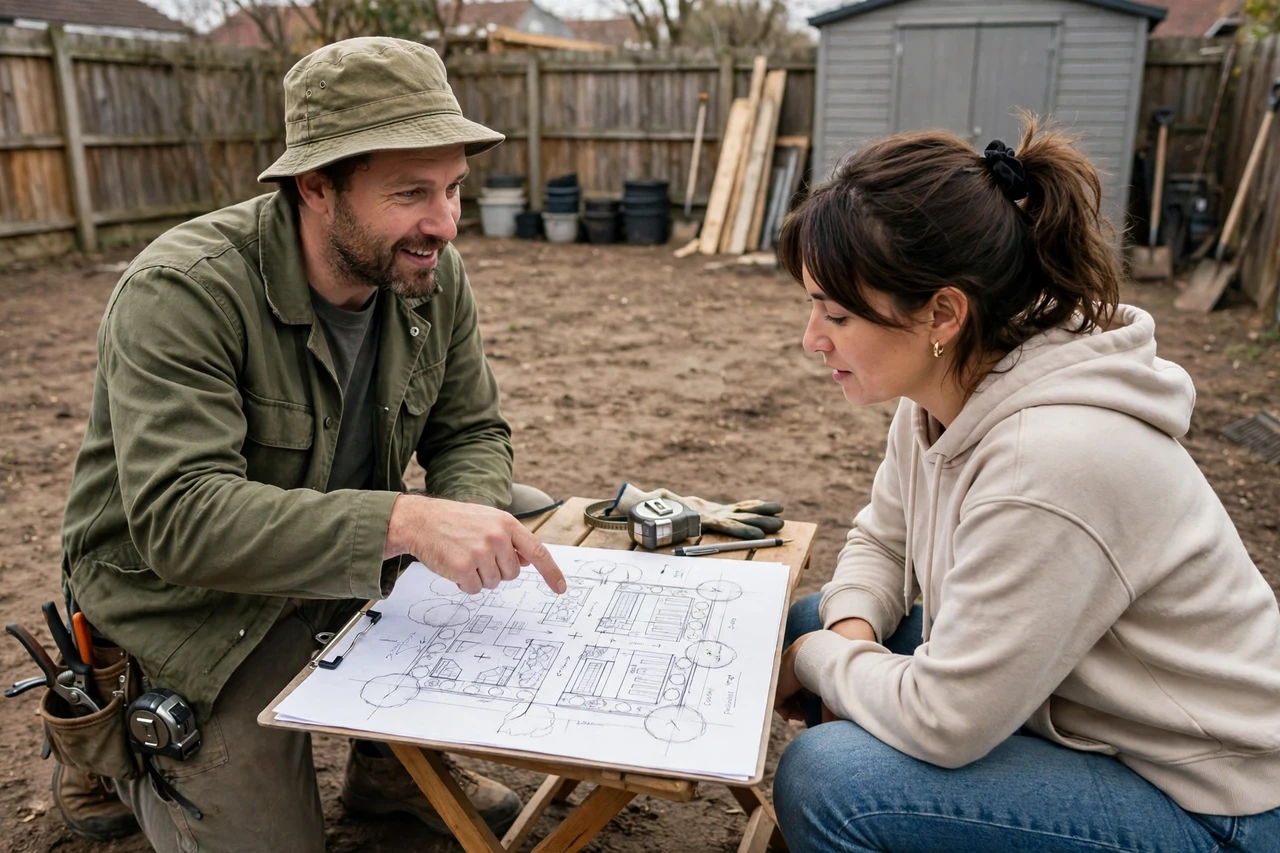
New homeowners often inherit a bare or neglected yard and feel overwhelmed by where to start. A coaching visit gives them a plan without the cost of a full landscaping crew. You walk the yard, test the light and soil basics, and leave a prioritized list: what to plant first, what to fix, and what can wait until next year.
Charge by the visit, bring simple soil and light tools, and follow up with a written summary so the advice is not forgotten. Avoid pushing expensive plants; recommend hardy choices that suit the yard. Coaching builds trust, and many clients book a return visit each season.
5. Build Raised Beds and Install Drip Irrigation for Busy Families
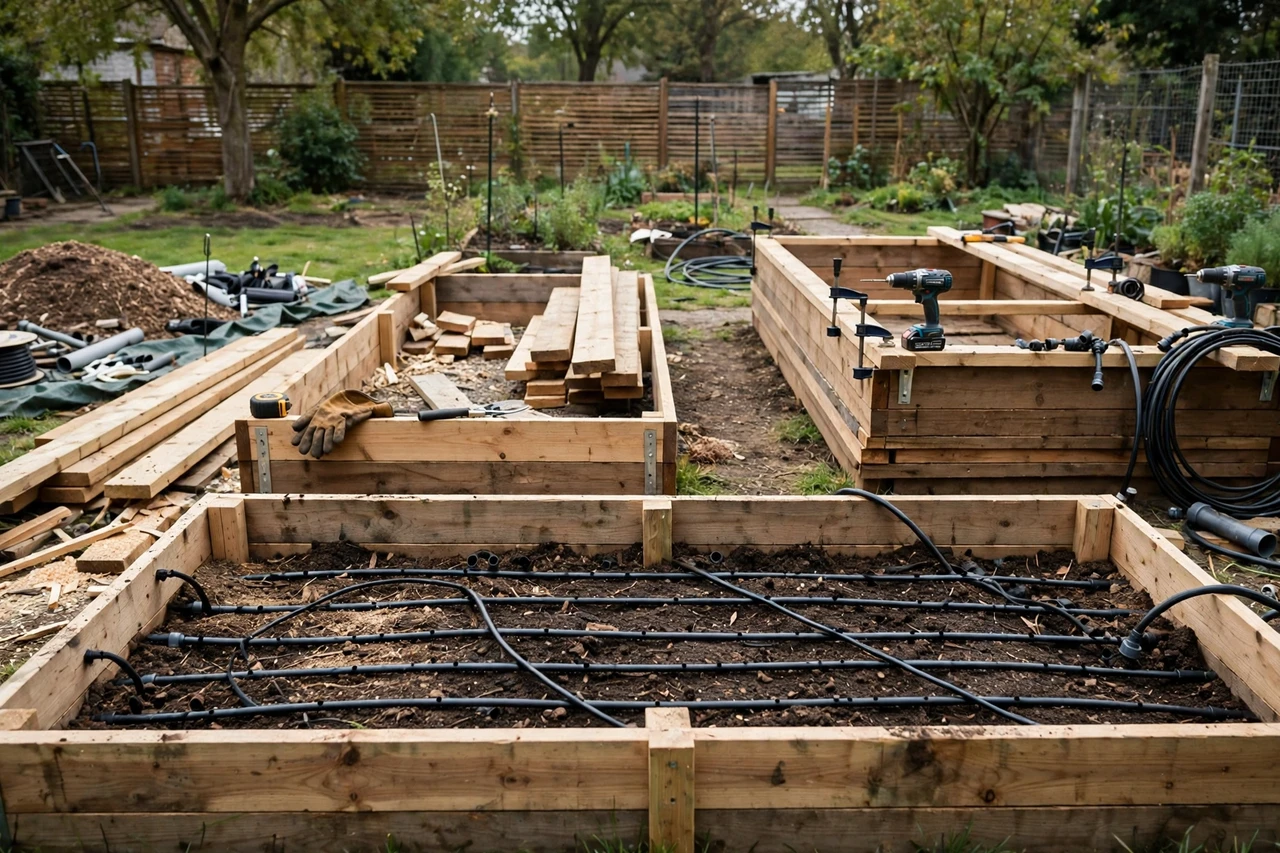
Busy families want a vegetable garden but do not have time to build beds or water by hand every evening. Raised beds plus drip irrigation solve both problems: better soil, fewer weeds, and watering that runs on a timer. If you are handy with basic tools, you can offer a complete setup service from measuring to planting.
Quote the job clearly, including materials, and show customers how to run and winterize the system. Use sturdy, untreated lumber or long-lasting alternatives, and keep the design simple enough for the family to maintain. A well-built bed often leads to referrals from neighbors who see it working.
6. Offer Seasonal Garden Reset Visits for Overgrown Beds
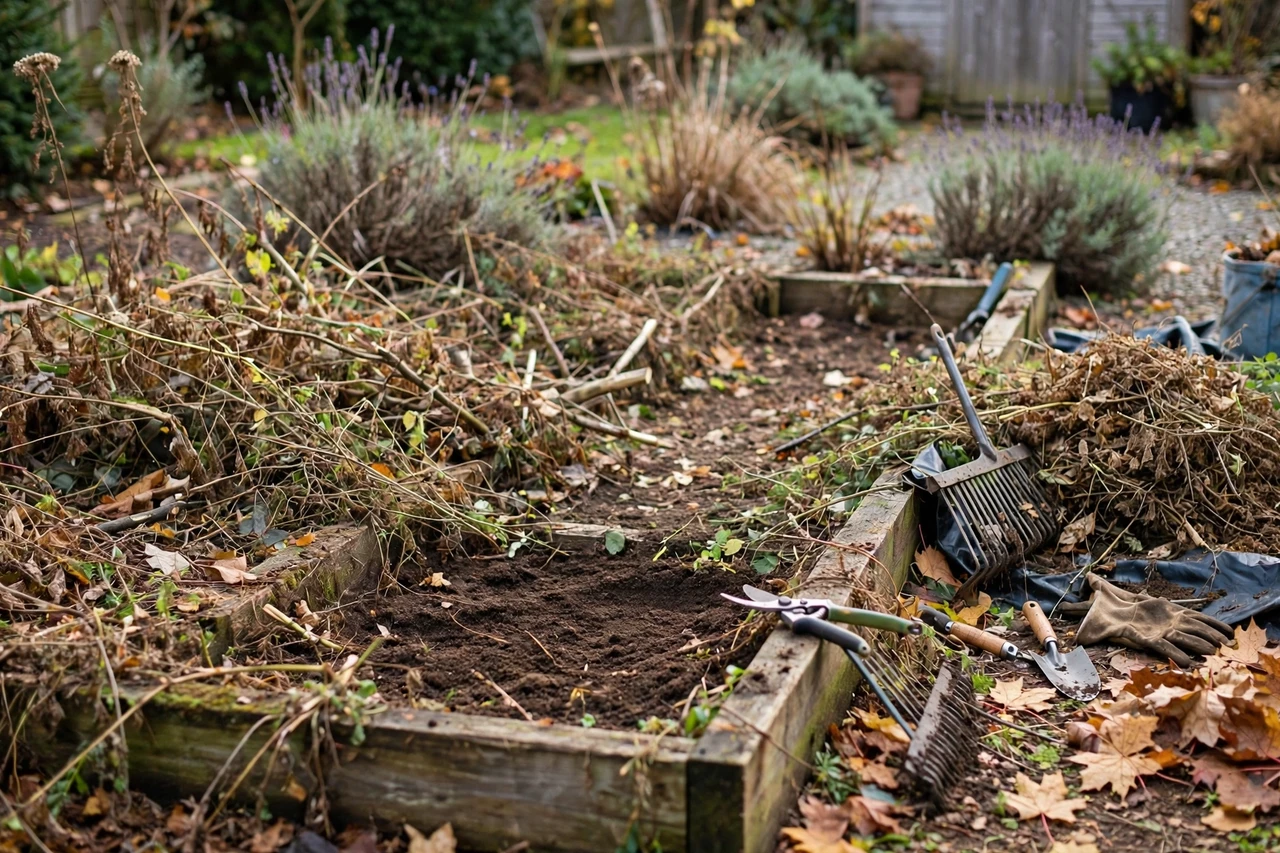
Gardens get messy between seasons: dead growth, weeds, tired soil, and plants that have outgrown their space. A seasonal reset visit clears, prunes, feeds, and mulches beds so they are ready for the next season. This is skilled garden care, not just mowing a lawn, and it suits gardeners who know plants by name.
Book resets in spring and fall, work through a checklist with the homeowner, and explain what you removed and why. Take before-and-after photos, and leave simple care notes for the weeks ahead. Clients who dread the seasonal mess will happily book you twice a year.
7. Teach Seed-Starting Classes in Community Spaces
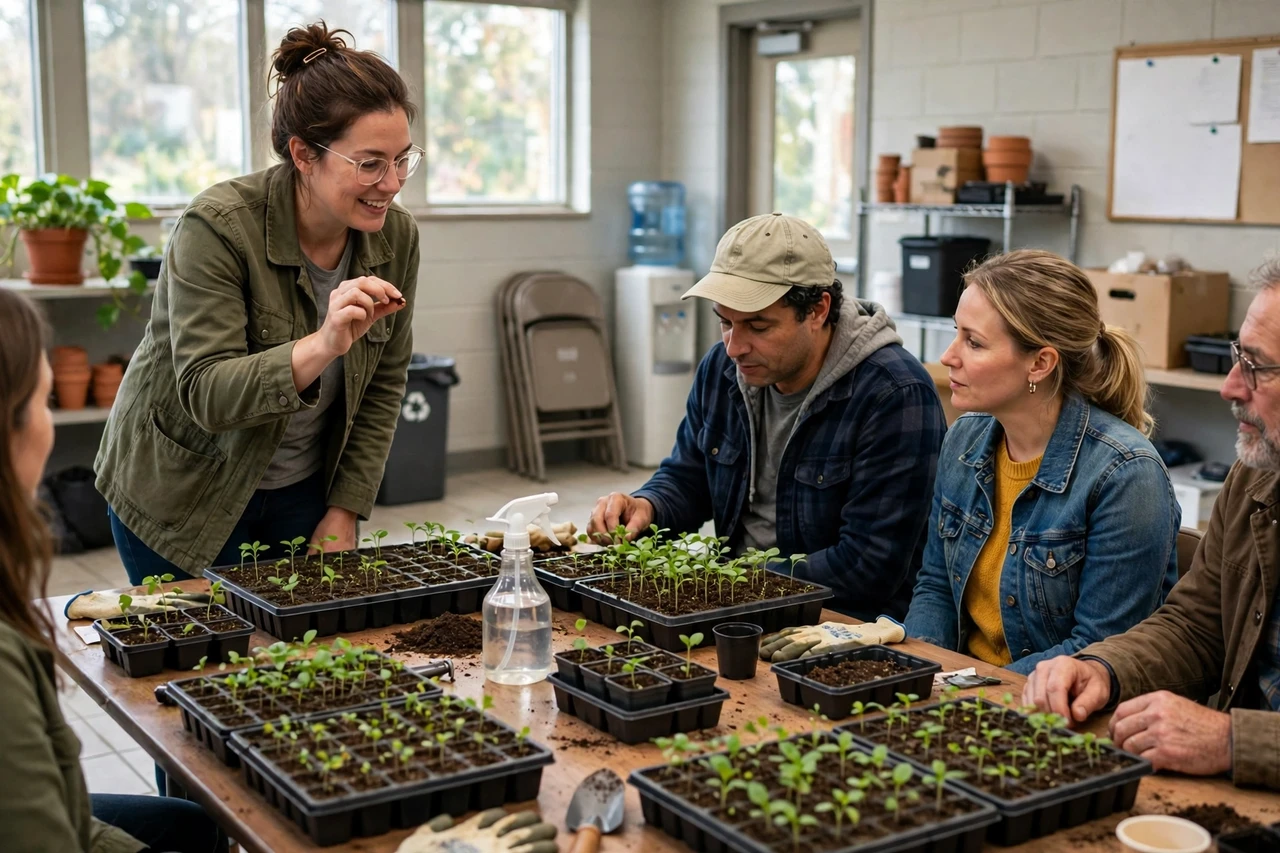
Starting seeds indoors feels mysterious to beginners, yet it is one of the cheapest ways to grow a garden. A short class teaches timing, soil mix, light, watering, and hardening off, with each student leaving with a tray of seeds they started themselves. Libraries, community centers, and garden clubs often welcome low-cost classes.
Keep the class hands-on and beginner-friendly, and provide a one-page timing chart for your local climate. Charge a small fee that covers seeds and supplies, and offer a follow-up session when seedlings are ready to transplant. Teaching builds your local reputation and brings students to your other services.
Teaching is one of the most profitable side hustles for skilled gardeners, since one class can pay for the whole season’s seeds.
8. Sell Homemade Compost and Worm Castings to Local Growers
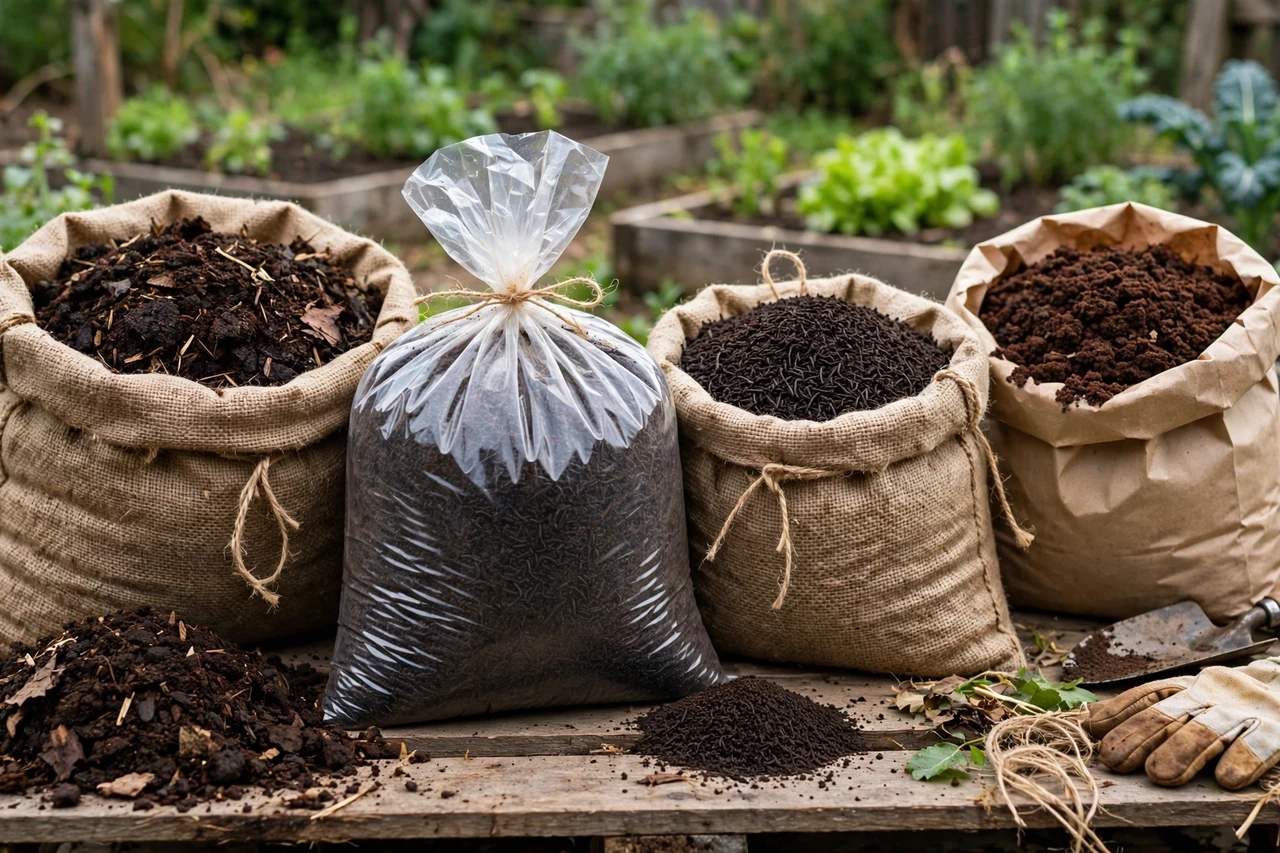
Good compost is always in demand, and gardeners who already compost at home can scale up carefully. Worm castings, in particular, sell well in small bags because they are rich, easy to use, and hard to find fresh locally. Start with your own kitchen and garden waste, keep the system clean and odor-free, and test your product on your own plants first.
Sell in small, labeled bags at markets or to local growers, and explain how much to use so beginners do not over-apply. Follow local rules for selling soil products, and never sell compost made from treated or unknown materials. A steady, honest product earns repeat buyers every planting season.
9. Create Pollinator-Friendly Garden Makeovers for Suburban Yards
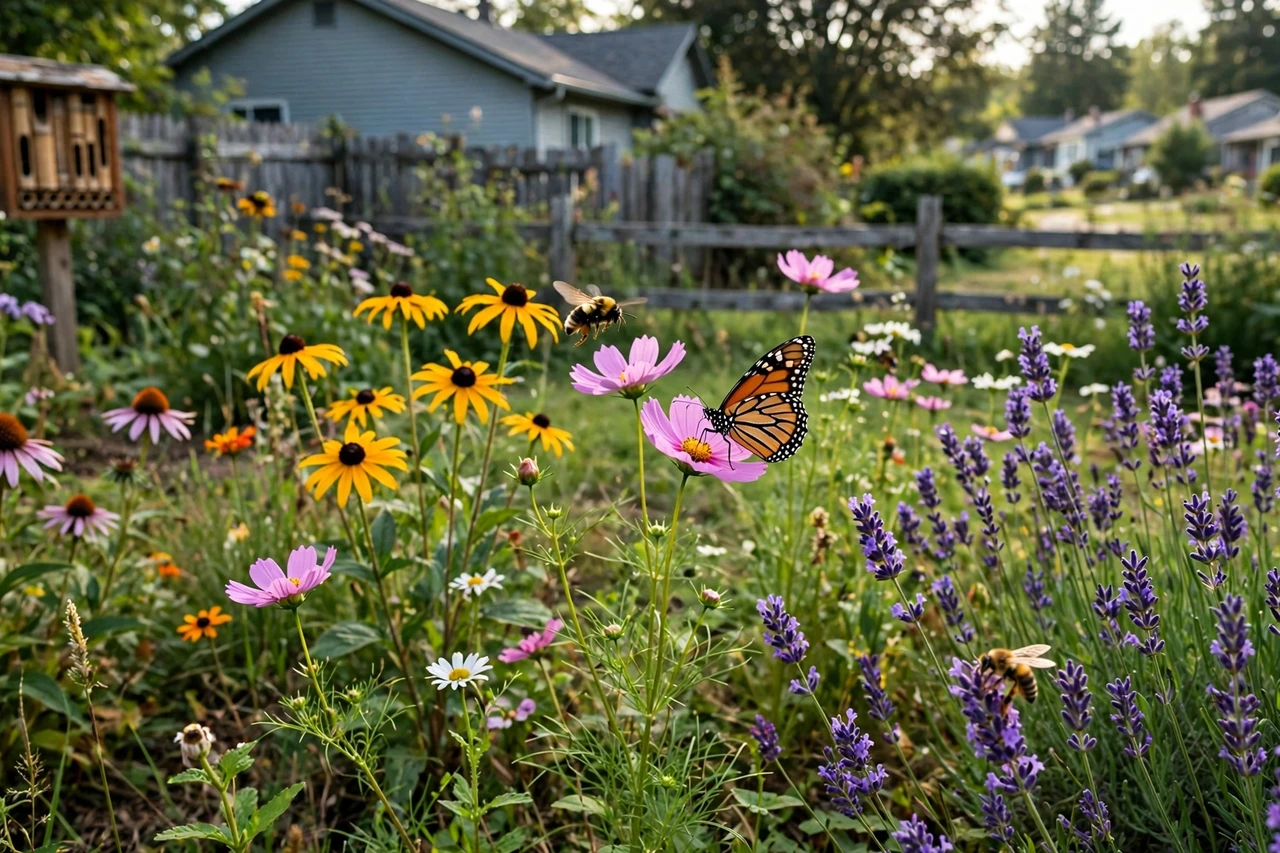
More homeowners want yards that support bees, butterflies, and birds, but they do not know which plants actually help. A pollinator makeover replaces part of a lawn or a bare bed with native and nectar-rich plants suited to the local climate. You plan the layout, source the plants, and explain how to maintain them without heavy spraying.
Focus on plants that bloom across the season, leave some areas a little wild, and teach the homeowner why pesticides harm the very visitors they want. Photograph the garden through the seasons, with permission, to show future clients the transformation. This work feels meaningful, and it stands out from ordinary yard services.
10. Write a Paid Garden Newsletter for Your Climate Zone
National gardening advice often fails because planting times and pests vary so much by region. A newsletter focused on one climate zone can tell readers exactly what to sow, prune, or protect this week. Keep each issue short and practical, with one timely task, one plant to try, and one common mistake to avoid.
Start free to build readers, then offer a paid version with detailed monthly plans, seed lists, or a question-and-answer section. Use your own garden as proof, share honest failures as well as successes, and update advice when weather shifts. A local newsletter pairs naturally with coaching, classes, and plant sales.

Frequently Asked Questions
Do I need a large garden to start a gardening side hustle?
No. Coaching, planning, classes, and newsletters need knowledge more than land, and herbs, flowers, and seedlings can start in a small yard or even containers. Choose an idea that fits the space you already have.
How do I price garden services fairly?
Price by the job or visit, not by the hour alone, and include materials clearly. Check what local landscapers charge, then position yourself honestly: you are a knowledgeable gardener, not a large crew, so smaller, careful jobs are your strength.
Do I need any license to sell plants or compost?
Rules vary by state and county, especially for selling plants, soil, or food crops. Check your local agriculture department before selling, keep your sources clean, and start small while you learn the requirements.
What sells best for a beginner gardener?
Fresh herbs, cut flowers, and simple garden plans usually sell fastest because buyers understand them immediately. Avoid rare or fussy plants until you have steady customers and proven growing success.
How do I handle slow winter months?
Use winter for planning, seed starting, teaching online classes, writing your newsletter, and booking spring work early. A mix of services and products smooths out the seasons better than relying on summer sales alone.