
Client shoots pay the bills for many photographers, but they also eat up weekends and depend on constant booking. Side hustles for photographers beyond client shoots use skills you already have — shooting, editing, organizing, and teaching — to build income that does not require you to be on location every time. Think products, licensing, courses, and services built from work you have already done. Like other digital products that sell online, these ideas take effort up front, then keep earning while you shoot less. Pick two or three, build them well, and let them support your photography instead of replacing it.
1. Turn Your Unused Shoot Archives Into Licensed Stock Collections
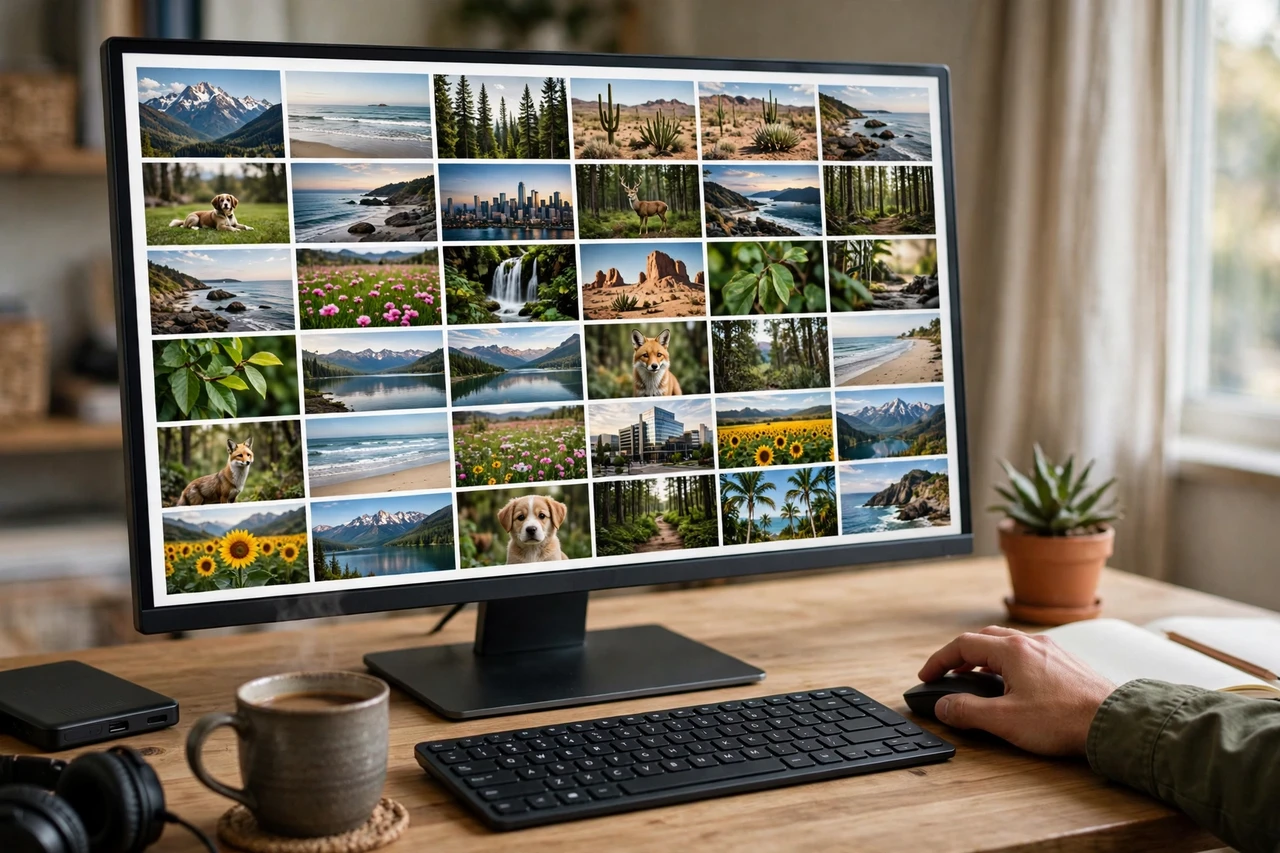
Most photographers have thousands of strong images that clients never used: landscapes, details, street scenes, and everyday moments sitting on hard drives. With permission where needed, you can edit, keyword, and upload the best of them to stock libraries, where small businesses, bloggers, and designers search for exactly that kind of image. Good keywords matter as much as good photos.
Start with one clear collection, such as small-town life or seasonal nature. Check model and property releases carefully, and track which subjects sell.
2. Package Your Editing Style as Presets for Hobbyist Photographers
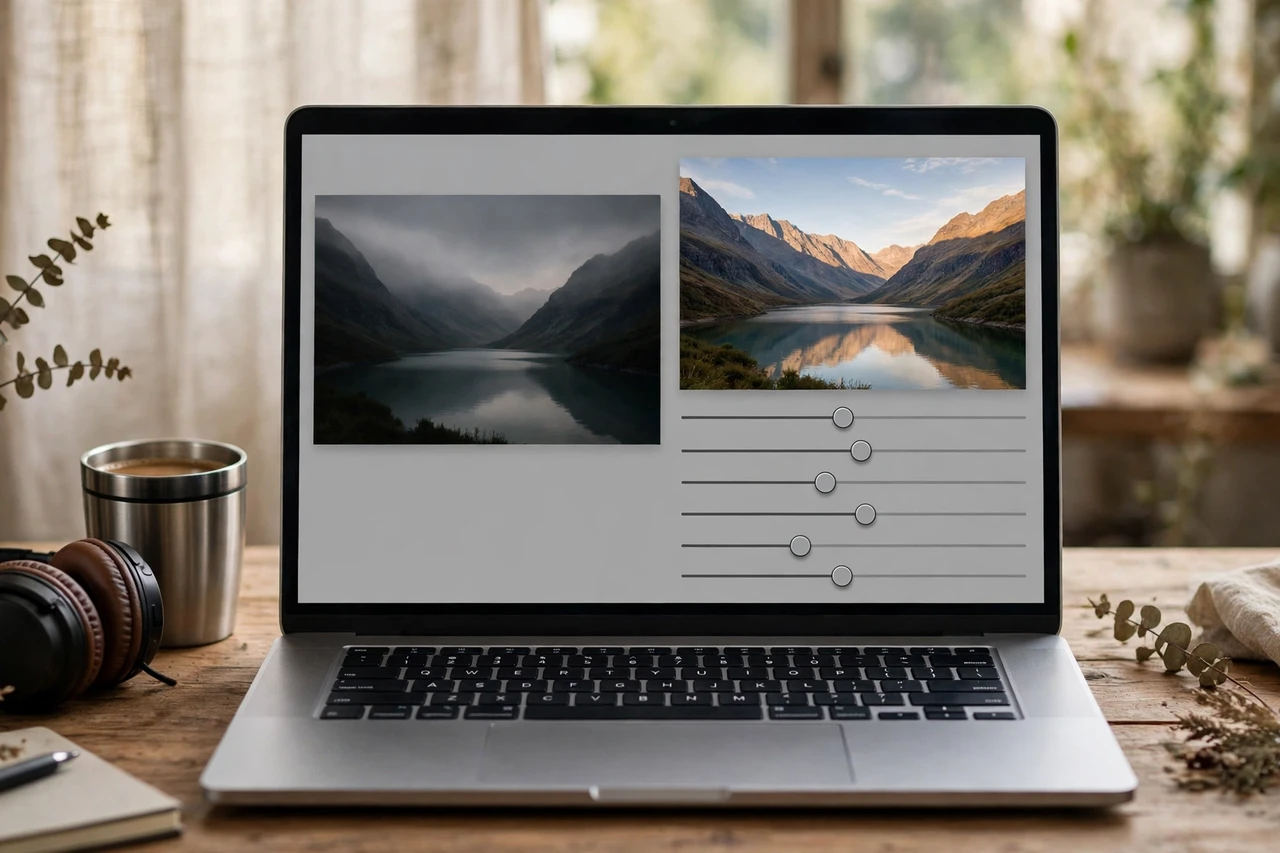
Hobbyists admire a consistent editing look but often struggle to recreate it. If your edits have a clear style — warm and film-like, clean and bright, or moody and muted — package that style as a preset pack with before-and-after examples and a short setup guide. Sell it on your own site or a marketplace, and show it working on different kinds of photos.
Keep the pack focused, test it on phone and camera files, and explain what software it needs. Offer a free sample preset so buyers can try before they pay.
3. Teach Beginner Photography in Short Online Workshops
Beginners do not need a full photography degree; they need someone patient to explain exposure, composition, and light in plain language. A short live workshop, such as a two-hour session on shooting in manual mode or taking better phone photos, can sell well to hobbyists. Keep groups small so you can answer questions and review student photos.
Record the session, with permission, and offer the replay as a lower-priced product later. Provide a simple cheat sheet and one practice assignment.

4. Sell Fine-Art Prints of Your Strongest Local Landscapes
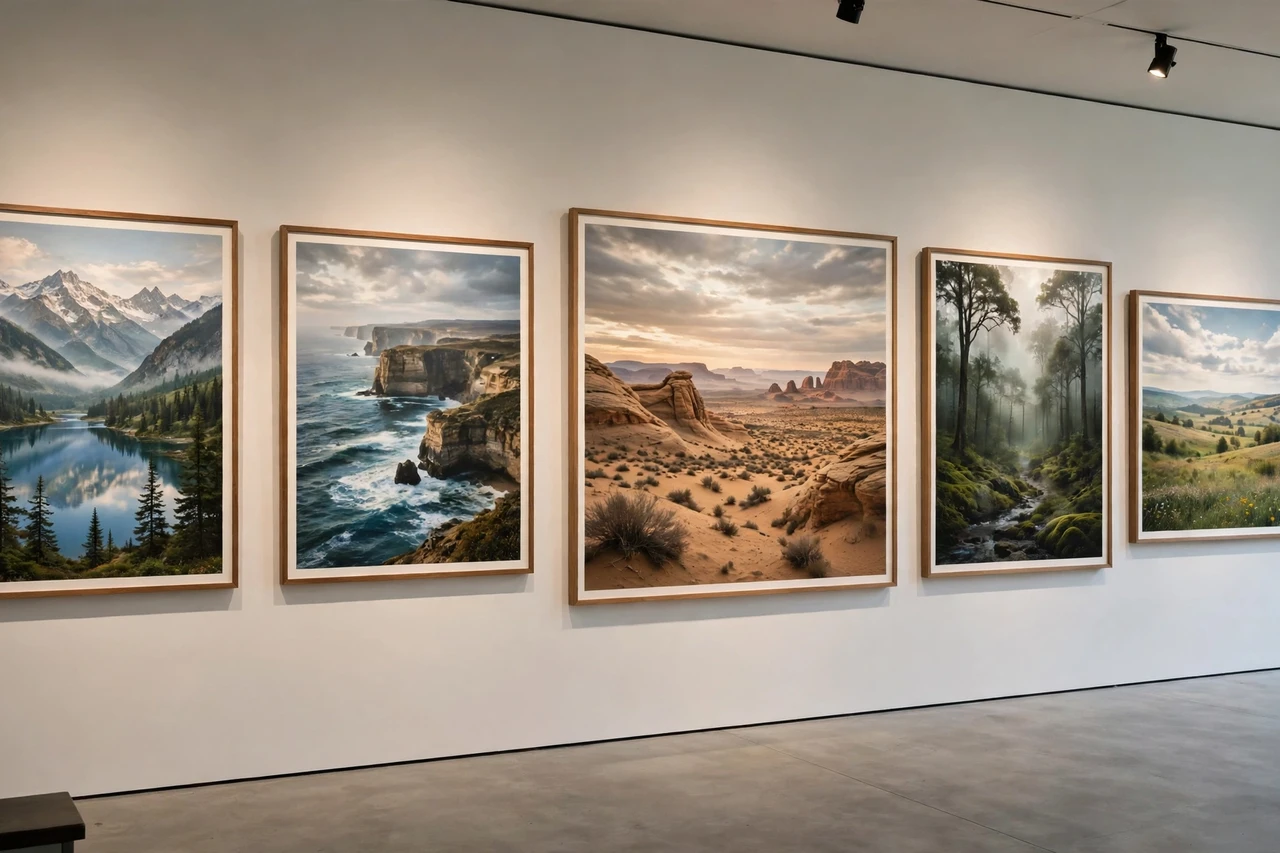
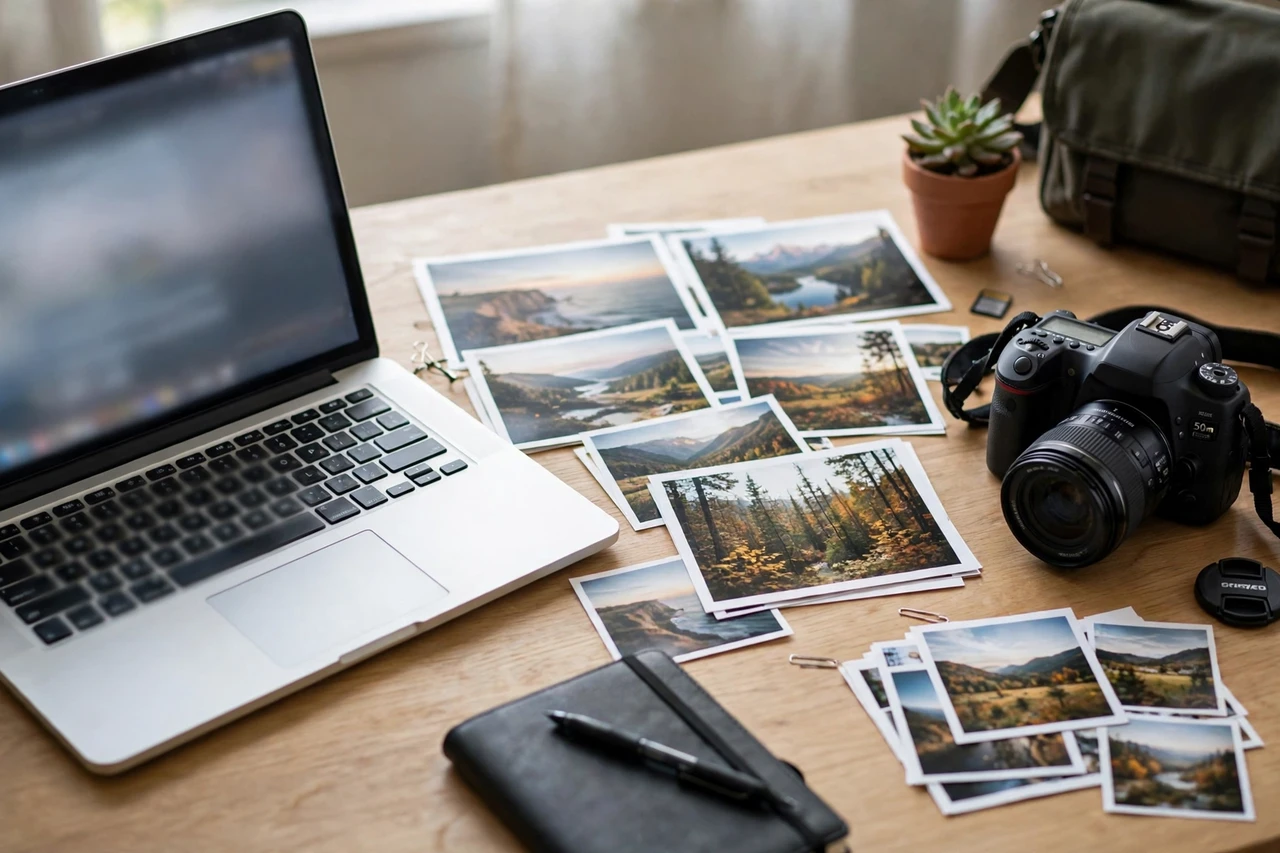
Local landscapes sell because people love their own region: coastlines, mountains, farms, and city skylines they recognize. Choose your strongest images, print them through a reliable lab, and offer a small range of sizes rather than dozens of options. A limited edition or a signed print adds value without complicating fulfillment.
Sell at local markets or through your website. Photograph prints in real rooms so buyers can imagine them on a wall, and be honest about paper, size, and shipping time.
5. Create a Paid Photo Critique Membership for Hobbyists
Hobbyist photographers often have no one to give honest, kind feedback on their work. A small monthly membership where members submit photos and receive a short video or written critique fills that gap. You can run it through a private group, a newsletter, or a simple community platform, with one critique round each week.
Keep feedback specific: what works, what to change, and one exercise to try next. Set clear submission rules and limit membership so you can keep up.
A membership is one of the most reliable passive income streams with no money to start, since it grows from work you already do.

6. Write Location-Specific Photo Guides for Travelers and Day-Trippers
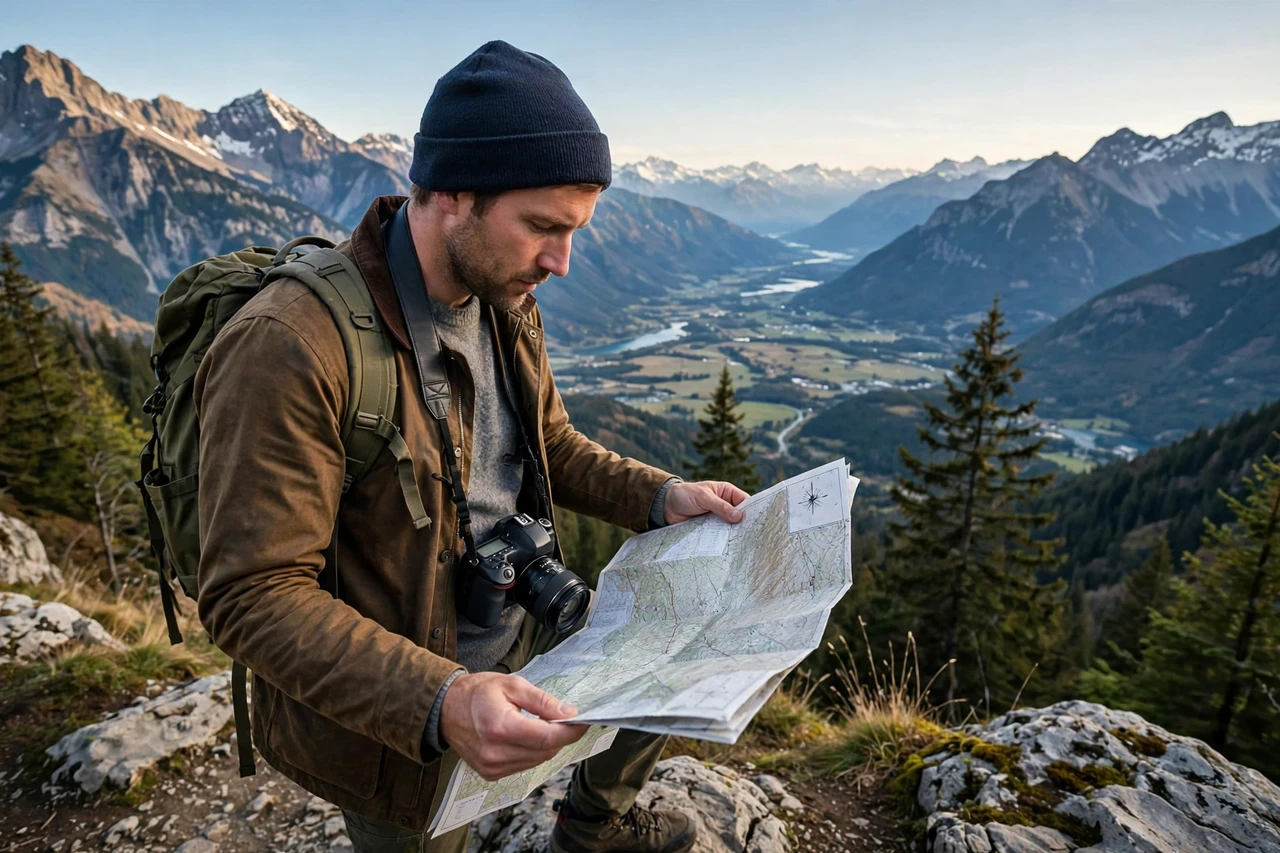
Travelers search for where to shoot at sunrise, which viewpoints are crowded, and how to reach a location safely. If you know a place well, write a guide with maps, best times, parking notes, and example images from each spot. A guide for one national park, coastline, or city can sell for years if it stays accurate.
Visit each location yourself and update the guide when access or fees change. Sell it as a downloadable PDF.
7. Offer Photo Organization and Backup Services for Families With Messy Libraries
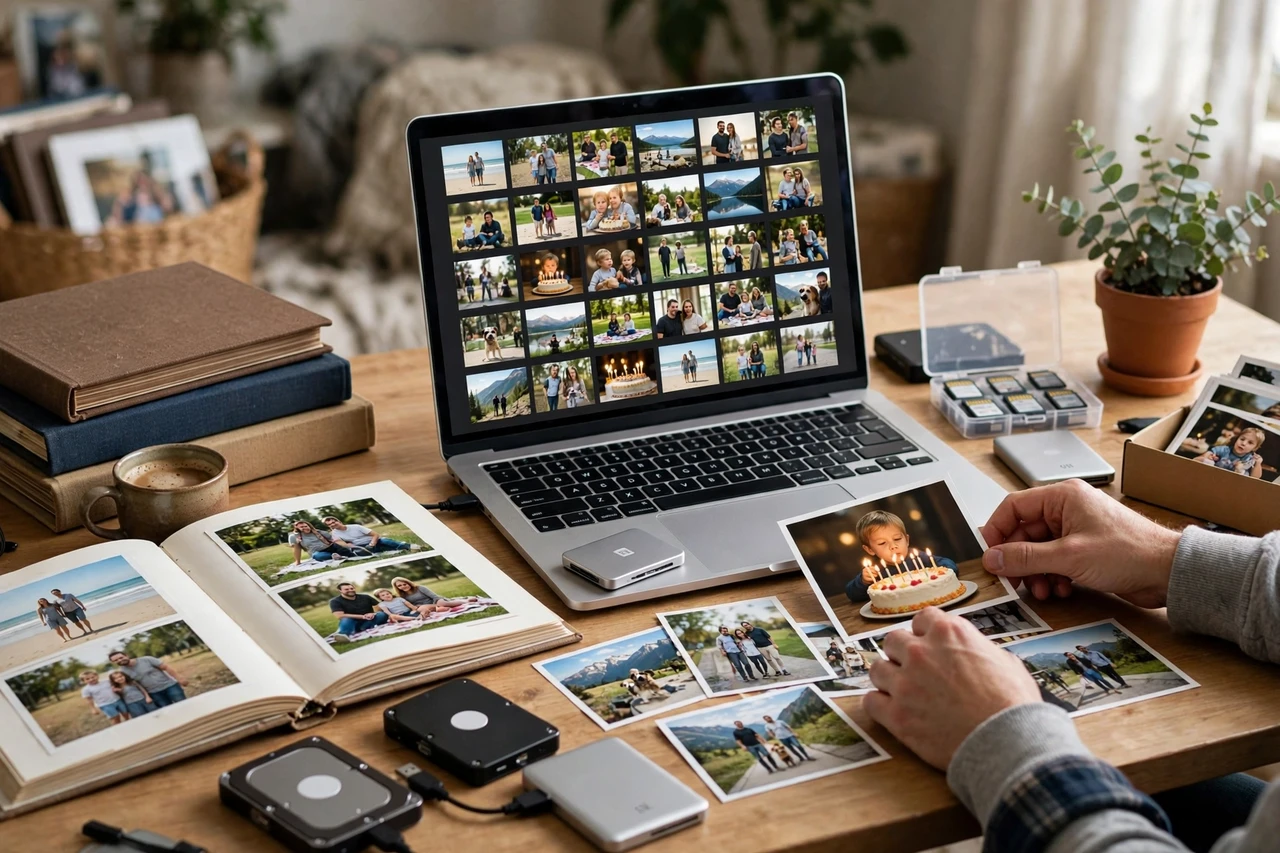
Many families have tens of thousands of photos spread across phones, old drives, and cloud accounts, with no backups and no order. A photo organization service sorts, deduplicates, dates, and backs up those libraries, then hands the family a simple system they can keep using. This work needs patience and care, not just technical skill.
Work on copies, never originals alone, and agree in writing how files will be handled. Charge by project size and explain the backup plan in plain language.
8. Sell Phone Photography Courses for Small Business Owners
Small business owners need good product and social media photos but cannot hire a photographer every week. A short course that teaches phone photography for their exact needs — lighting a product, shooting a clean flat lay, or filming a short shop tour — solves a real problem. Keep lessons short, practical, and filmed with a phone, not a studio camera.
Include checklists and simple window-light setups. Sell the course as a one-time purchase, with a short photo review as an add-on.

9. Build a Niche Newsletter Around One Photography Subject You Love
A newsletter focused on one subject — bird photography, film cameras, night skies, or street photography in one city — can attract readers who ignore general photography content. Each issue can share one technique, one location or gear note, and a few of your own images with honest notes on how they were made.
Grow free first, then add a paid tier with deeper guides or a monthly photo challenge. Keep the voice personal and consistent.
Like other side hustles from home, a newsletter needs only a laptop and a consistent schedule.
10. Sell Calendar and Wall Art Collections From Your Seasonal Work
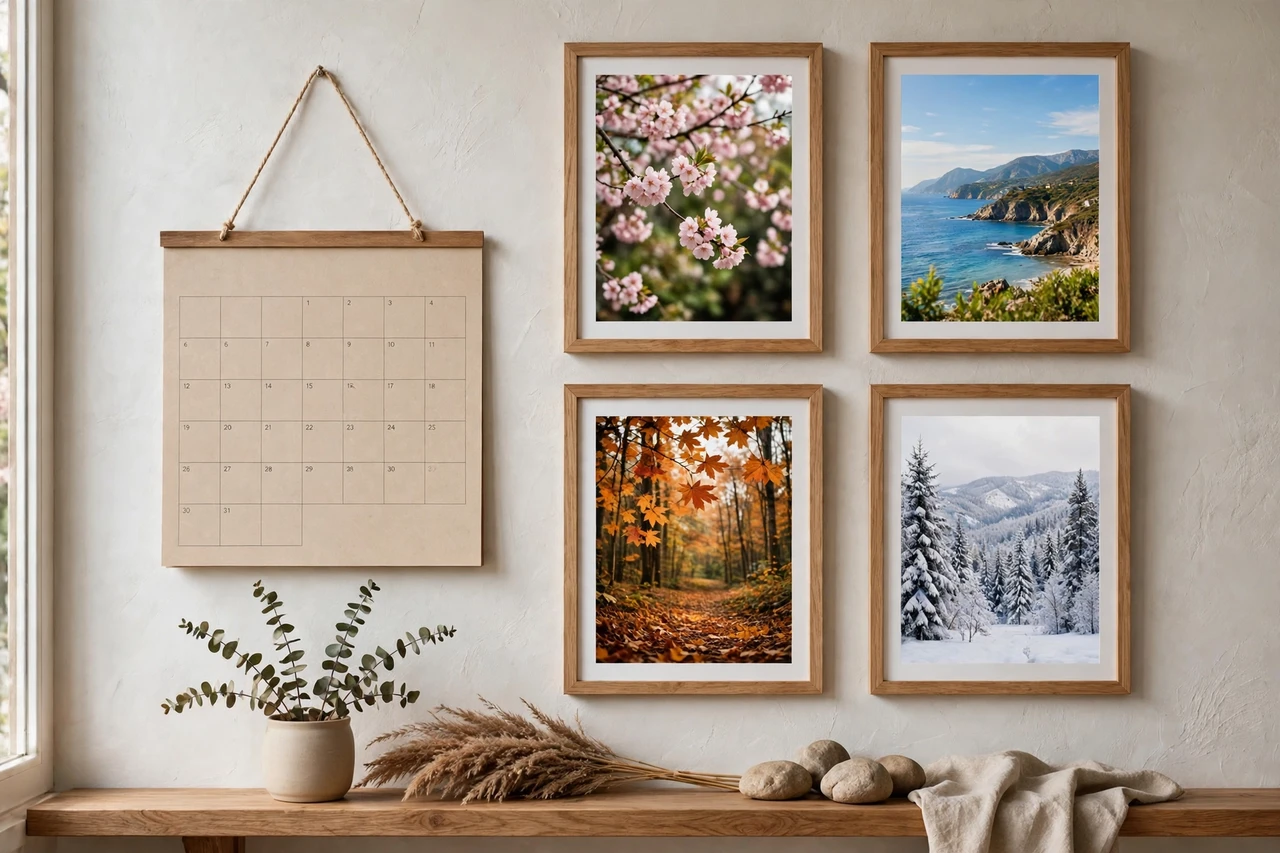
Seasonal work makes natural collections: a twelve-month calendar of local landscapes, a set of seasonal wall prints, or a themed series for one region. Calendars sell especially well in autumn as gifts, and they let buyers enjoy your work all year. Choose images that work together as a set, not just your twelve favorites.
Use a print-on-demand service to avoid holding large stock. Show the full collection, not just the cover, and set a clear holiday order deadline.
11. Create Editing Tutorials on YouTube That Earn From Ads and Affiliates
Editing tutorials answer questions photographers search for every day: how to fix harsh light, clean up skin naturally, or build a consistent color grade. Film your screen, explain each step slowly, and use your own photos so viewers can follow along. Short, focused tutorials often perform better than long, rambling videos.
Income comes gradually from ads and affiliate links to software or gear you actually use. Publish regularly and keep tutorials honest about what editing can and cannot fix.

12. Offer Portfolio Reviews for Students Applying to Art Programs
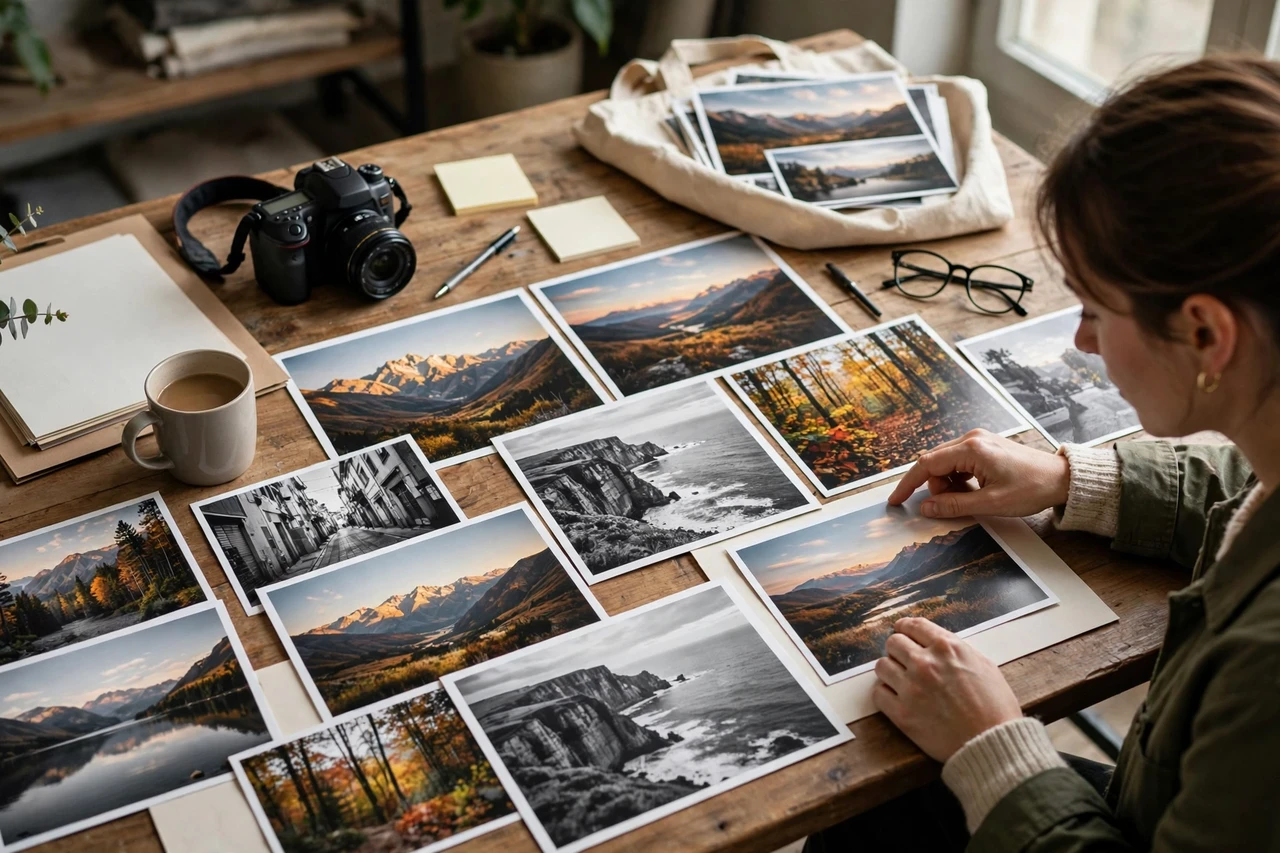
Students applying to art schools or photography programs need an outside eye on their portfolio: which images to keep, which to cut, and how to sequence the work. A one-hour review, delivered live or as a recorded video, can make a real difference to an application. You bring experience in selecting and presenting work, not just shooting it.
Ask for the portfolio in advance and follow up with a written summary of your top recommendations. Price it as a single session with an optional follow-up.
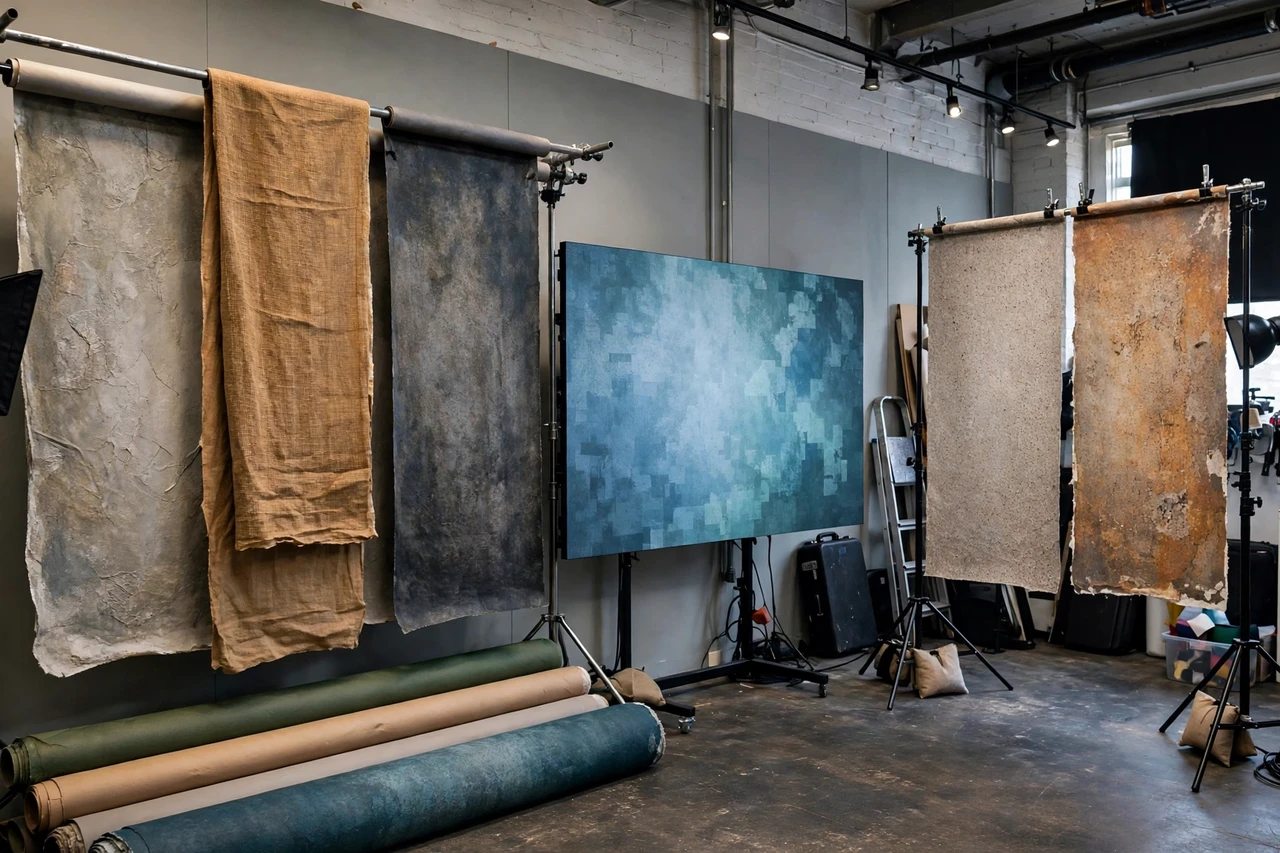
13. Sell Digital Backdrops and Textures for Other Creators
Designers, portrait photographers, and content creators constantly need clean backdrops, paper textures, skies, and surfaces to composite into their work. If you shoot textures well — weathered wood, plaster walls, fabric, clouds, or water — package them as high-resolution digital files with a clear commercial license. Buyers want variety and clean, usable files.
Organize packs by theme, include preview sheets, and state exactly what the license allows. Test files at large print sizes and keep file names clear.
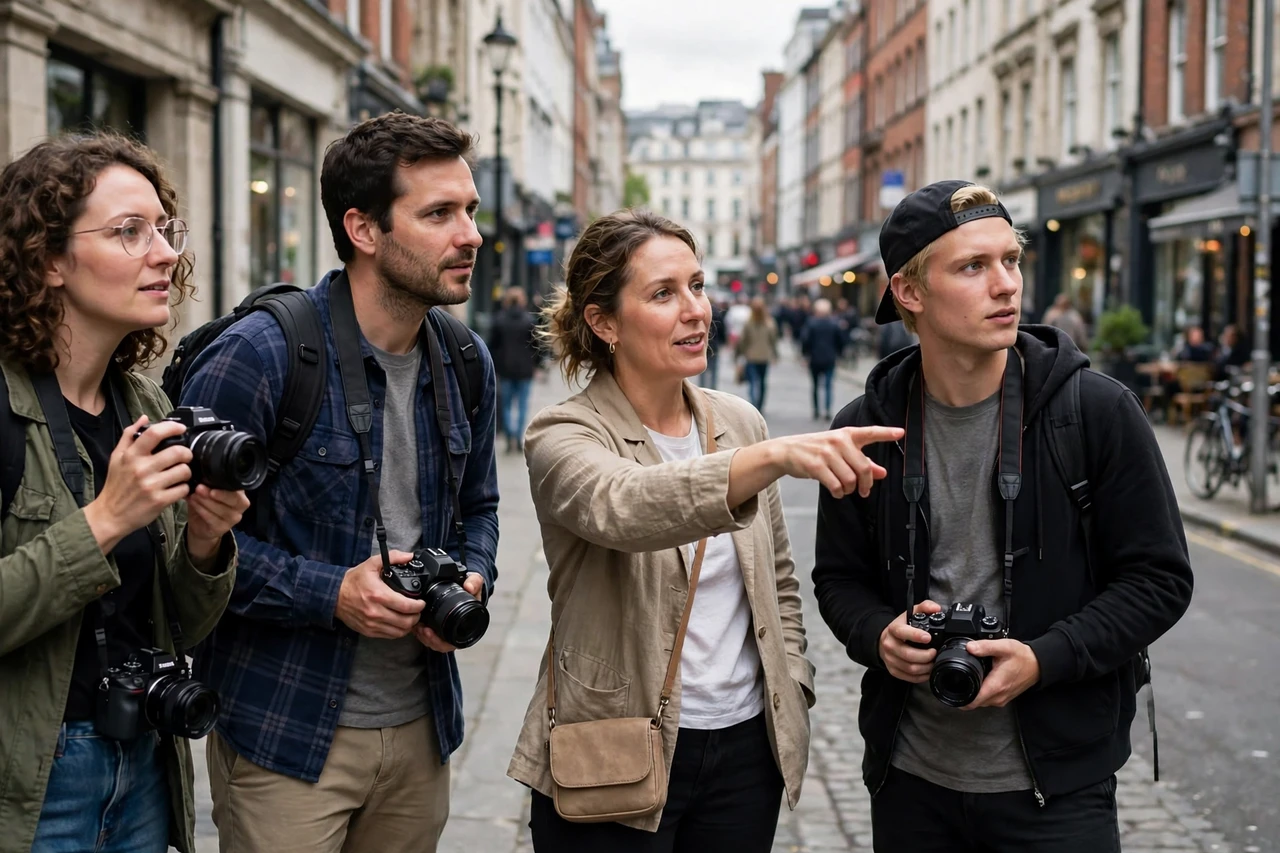
14. Run Photo Walks That Teach Composition in Real Locations
A photo walk combines a guided outing with hands-on teaching: you lead a small group through a market, park, or old town, stopping to explain framing, light, and storytelling at each spot. Participants shoot alongside you, ask questions, and leave with images they are proud of. It is social, practical, and fun in a way online courses cannot match.
Keep groups small, scout the route in advance, and set a clear meeting point and weather plan. Charge a ticket price that covers your time.
Frequently Asked Questions
Can I really earn without taking client shoots?
Yes, but it takes time to build. Start products alongside client work and let them grow; most photographers use a mix of both.
Do I need a large following to sell presets or courses?
No, a small, trusting audience beats a large, passive one. Start with your email list, past clients, and local community, and let useful free content bring new buyers. Clear examples and honest reviews matter more than follower counts.
Who owns the rights to images I license as stock?
You usually keep copyright and license the image for specific uses, but terms vary by platform. Read each stock site’s agreement, keep model and property releases on file, and never upload client work without written permission.
How do I price a photo product for the first time?
Look at similar products, then price for the value and effort involved, not just the file size. Start with a simple price, offer a free sample where possible, and adjust after your first sales show what buyers actually value.
What should I build first if I am short on time?
Start with the idea closest to work you already have: a preset pack from your editing style, a stock collection from your archive, or a short workshop on a topic you teach often. One finished product beats five half-built ideas.